

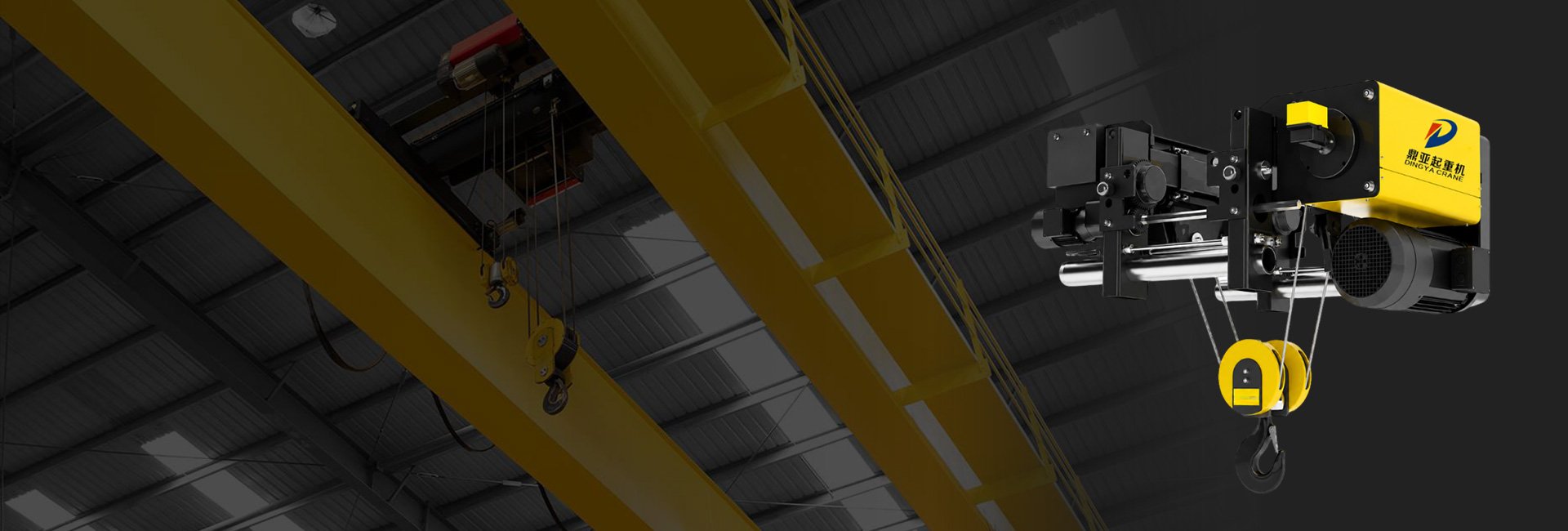
What is a 10-ton Hoist?
DINGYA’s 10-ton hoist is a crucial component installed in the crane. It is specifically designed to lift and lower the goods you need to transport up and down. The rated maximum lifting capacity of a 10-ton heavy-duty crane is 10 tons. Therefore, it is often favored in heavy industries such as steel mills and mines.
As a lifting equipment manufacturer with 20 years of rich manufacturing experience, DINGYA 10-ton hoists for sale have passed multiple tests, such as ISO, CE, and OEM. So, what are you waiting for? Just contact us, and we’ll offer you a free consultation.
Products By Types
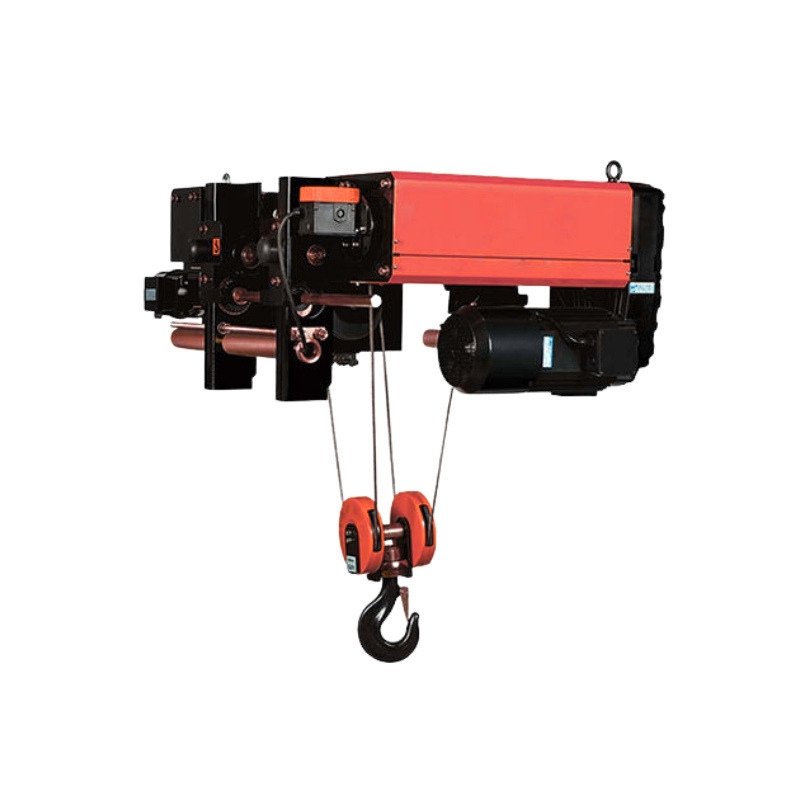
The motor drives the steel wire rope to move the goods, which is more suitable for scenarios where you need smooth transportation of heavy goods.
Features of the 10-ton Hoist

The test lifting capacity of the 10-ton hoist is 125% higher than the actual capacity. You can safely lift heavy goods without worrying about the risk of accidents.

Both electric and pneumatic hoists can operate continuously for an extremely long time, ensuring that your factory’s production remains uninterrupted.

You can easily install the 10-ton hoist on bridge cranes, rail-mounted cranes, and other types of equipment. You can freely change it to meet the project requirements.

For certain special models, it can withstand strong corrosion, high temperatures, flammability, and explosiveness, which are relatively harsh conditions in environments.
High Level of Security
- High-strength structure: Our lift wheels are set up with machined chain grooves, and they’re made from heat-treated alloy steel. You can use it for a long time without worrying about it wearing out and causing any problems.
- Dual braking system: This braking system not only enhances the stability of the crane’s operation, but also, more importantly, when something goes wrong at any stage, for instance during a power outage, the dual braking system can assure you that an accident will not occur.
- Overload protection: It can prevent the workers in your workshop from causing accidents due to improper operation and forcibly pulling heavier loads.
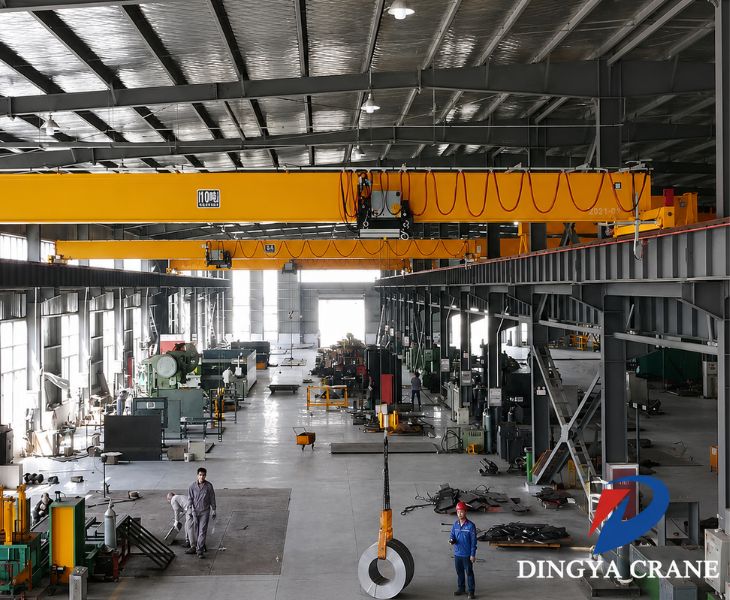
Applications of a 10 Ton Hoist
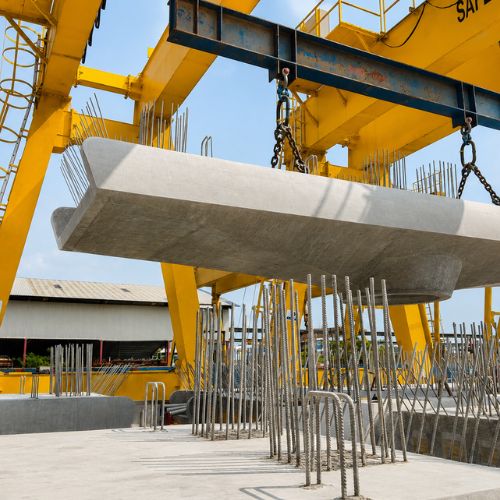
The 10-ton hoist can easily assist you in transporting heavy items such as steel, stones, etc., thus relieving the burden on your manpower.
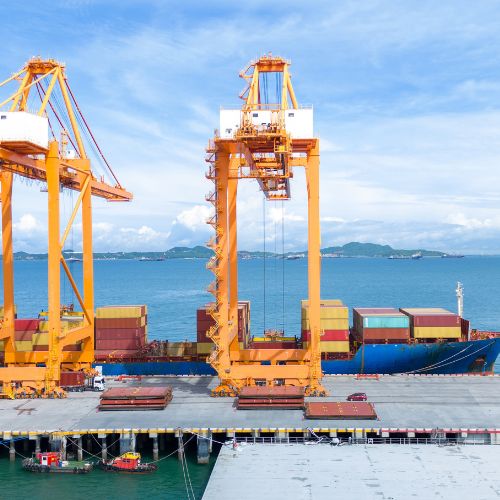
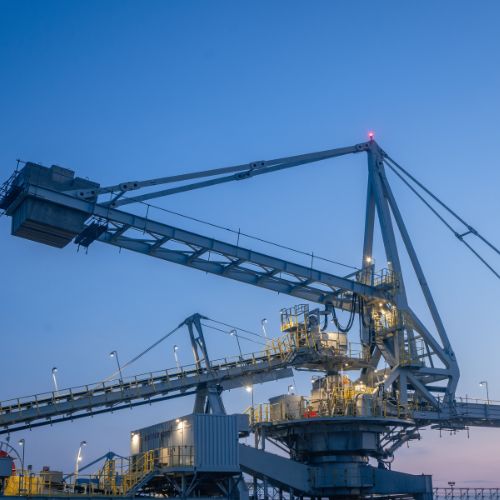
The port handles a large volume of cargo every day. The electric 10-ton hoist can work continuously for 24 hours to serve you.
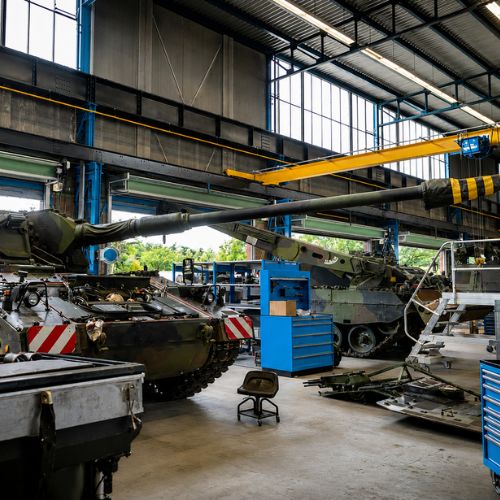
Inside the workshop, the hoist can assist you in moving and transporting mechanical parts between different areas. It won’t affect your production schedule.
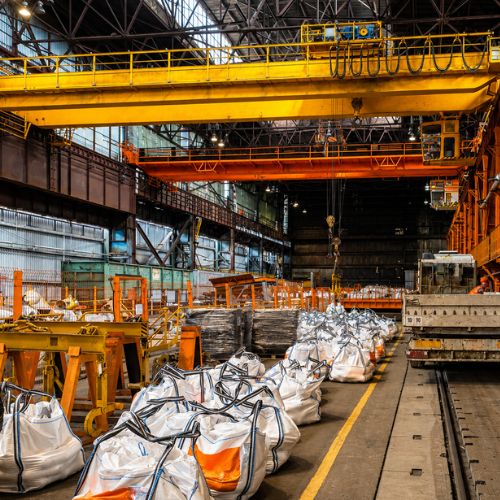
Whether it is using heavy steel components or high-temperature molten steel, the 10-ton hoist can operate smoothly and ensure safety.
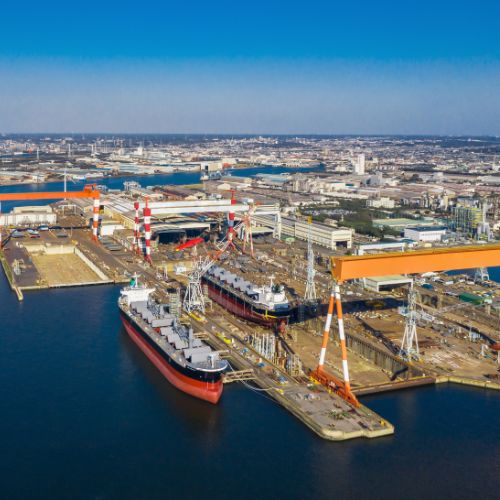
The internal components of the ship are heavy, and the DINGYA’s 10-ton hoist can replace human effort to transport the components safely.
The 10-ton hoist equipped with a camera system was able to successfully transport the ore even in the dark underground environment.
DINGYA’s 10-ton hoist arrives with four usual full-load lifting speeds— 7, 8, 11, and 13 FPM. If you are doing careful placement tasks, like setting heavy tooling or aligning machinery components, the 7 or 8 FPM pick tends to give you better control at full load, though.
When speed of output matters more in steel fabrication, fast-paced production lines, the 11 or 13 FPM models help keep your cycle times snug. Still unsure which one fits your day-to-day? Send me a rough idea of your lift frequency, and I’ll steer you toward the right option.
Pricing for a 10-ton hoist kind of swings a lot based on what you actually need, and how it’s set up in the real world. Our electric chain hoist starts at $35,000. If you move to an electric wire rope hoist, most folks end up seeing $45,000 and up, depending on the duty class, lift height, and whether you want VFD control or not.
After that, the more “custom” you go, like special voltages, a low-headroom design, or a marine-grade finish, the higher the total tends to land.
For overhead crane use, a wire rope hoist is almost always the right call. Chain hoists work okay up to maybe 5 tons, but once you’re talking 10 tons, the chain starts getting heavy, the headroom requirement goes up, and the duty cycle ceiling kind of drops.
With wire rope, you get M5 to M8 duty class options, plus a cleaner VFD hookup for micro-speed control.
The practical way to think about it is this: if your hoist is running more than 4 hours a day and you’re usually lifting loads that are above 50% of rated capacity, then you’re talking M5 minimum, and probably M6.
For heavy production lines like automotive or steel fab, most of the time it’s M6 or M7. If you tell me your average lifts per shift and the typical load weight you’re handling, I can help you lock in the right class.
A really well-specified, well-kept 10-ton wire rope hoist is supposed to give you about 15 to 20 years of service life. A properly maintained 10-ton hoist can often be used for a much longer period of time. Also, duty class plays a role; an M6 hoist that’s working in an M4 kind of application can easily beat the original design life.
Yeah, sure, but you’ve got to spec it right up front, otherwise you can’t just retrofit a standard indoor hoist for outdoor use later. The indoor standard units are usually IP54, and that rating is kinda not really meant to sit in rain or deal with coastal air.
Also, tell us early if the hoist will see wind exposure, because the trolley plus the runway structure needs to factor that in for the load calculation.
Standard 10-ton wire rope hoists typically need 800 to 1,200 mm of headroom — that’s the distance from the top of your runway rail to the hook centerline at its highest position. If your building is tight, we have low-headroom configurations that bring it down to around 550 to 750 mm, but those need to be specified at the order stage.
We can’t just swap the drum or rope guide later. Before you finalize your building layout or crane girder height, send us your available headroom, and we’ll confirm whether you need a standard or low-headroom unit.
Standard catalogue options usually run from 3 meters to about 30 meters, but in practice, we tune the lift height to what your facility needs. We have already worked with 6m, 12m, 18m, and even 40m+ setups for special jobs like vertical shafts or tall warehouses.
The lift height really does decide your wire rope length and the drum size, so it’s not something we can just tweak after manufacturing. When you send us the inquiry, please give us the exact hook travel distance you need
Maintenance on our 10-ton hoist is kinda low demand. We have built it around lifetime-lubricated bearings basically everywhere.
The power transmission system uses a sealed oil-bath gearbox, so the gear lubrication is kept self-contained and guarded from contamination. So you’re not out there scheduling oil changes every few months.
For most customers running normal production shifts, a full-service inspection once or twice a year is really enough.