
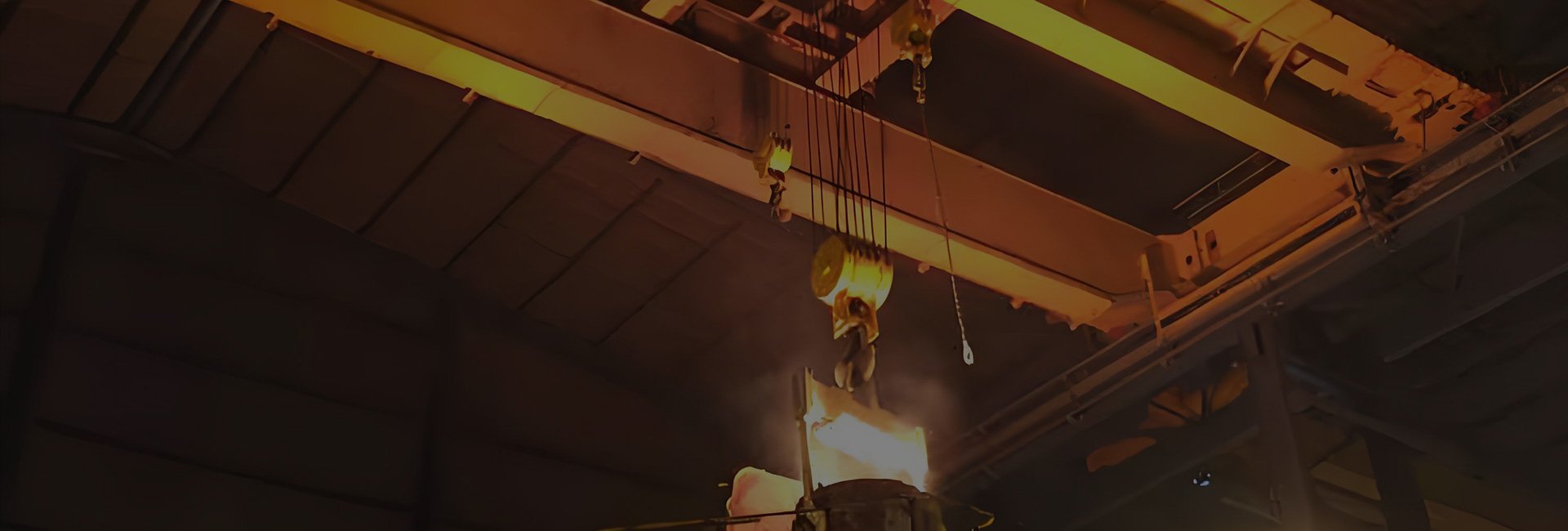
What are Ladle Cranes?
The steel ladle crane functions as specialized lifting equipment that enables the safe movement of hot steel ladles throughout metallurgical facilities. It combines two essential elements of crane operation and the hook mechanism. Meanwhile, it develops advanced strength features and braking systems and high-temperature resistance capabilities for extreme conditions found in steel smelting operations.
DINGYA operates as a manufacturing facility that produces specialized equipment for metallurgical lifting applications. We maintain control over all operations which include design and production and on-site installation without using third-party services. We hope that you, who are reading this article now, can become our next client.
Products By Structural Form
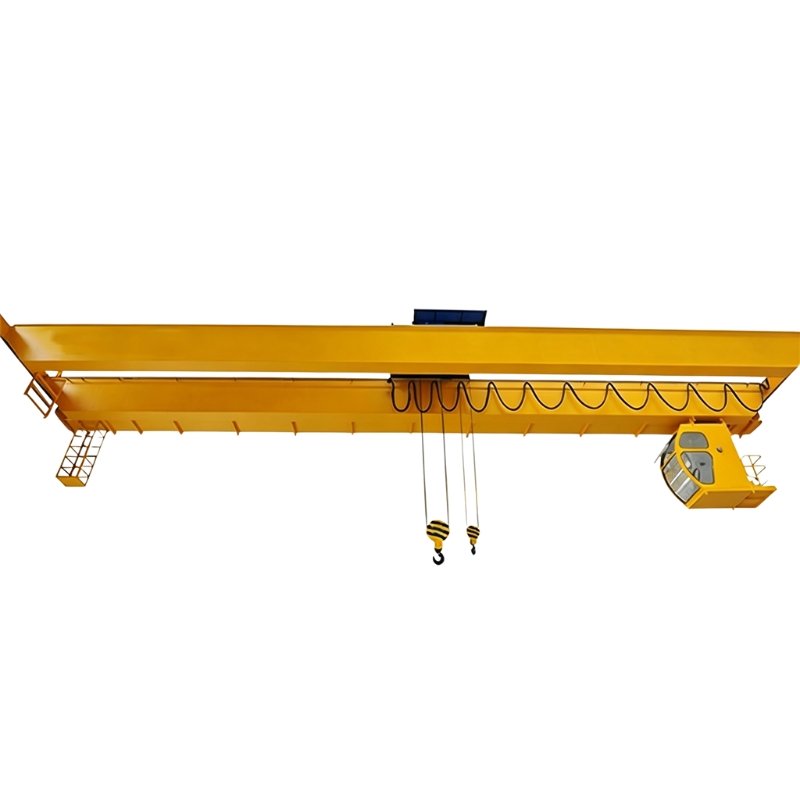
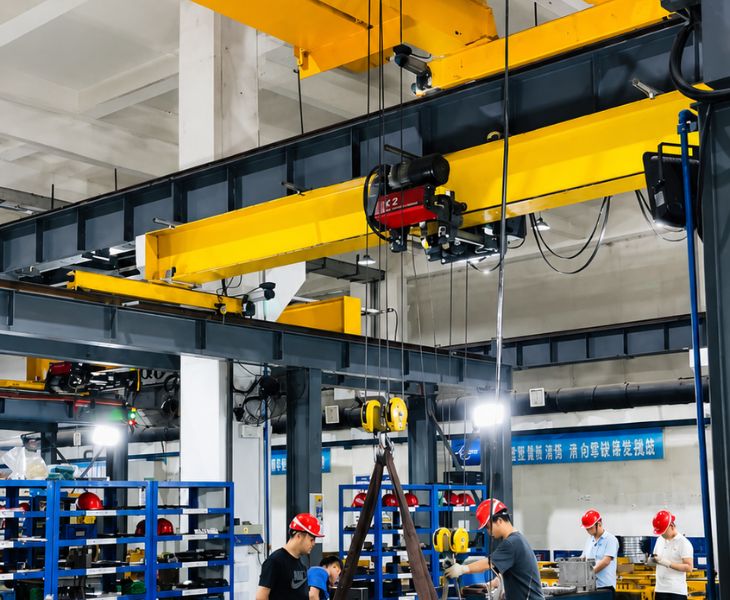
Installation and maintenance are relatively simple. The load must not exceed 150 tons. The track wheels experience a high pressure over a long period of use.
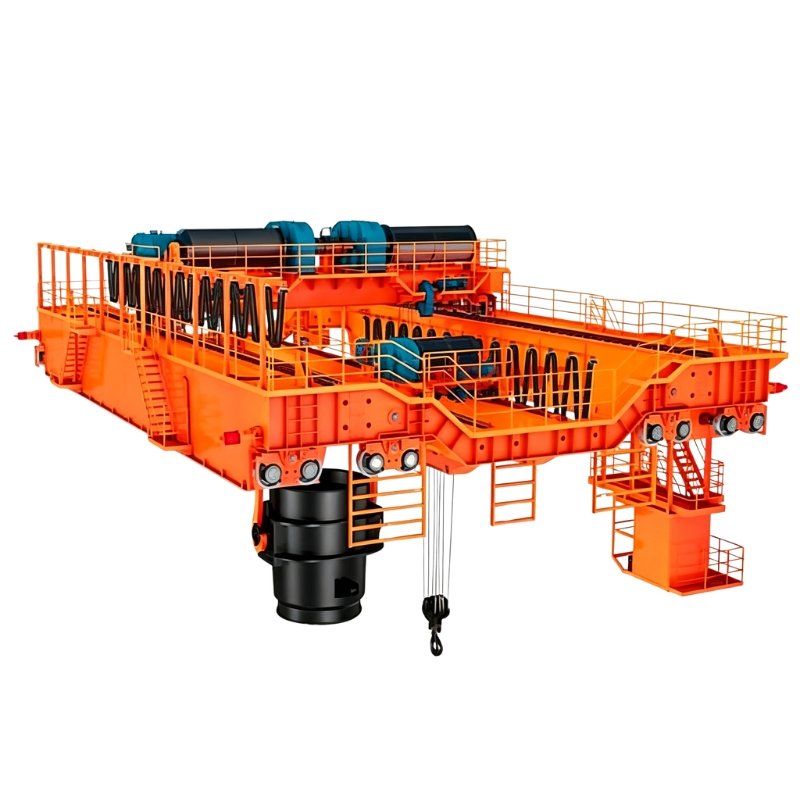
If you need to transport more than 150 tons of steel containers, the budget cost will be higher. In this case, you can choose this option.
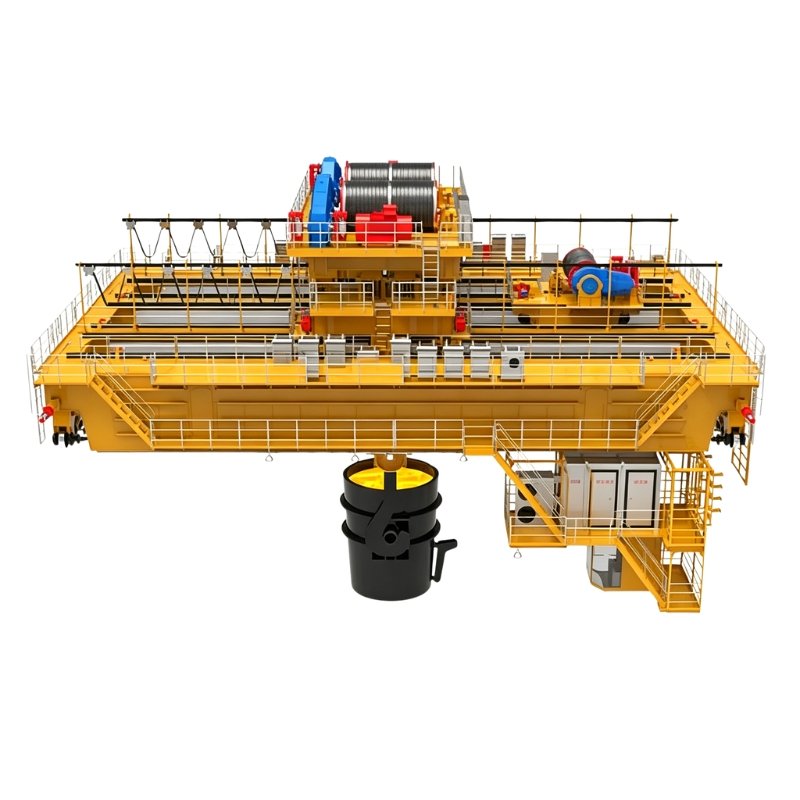
This model has the highest requirements for the factory, and the weight of the transported steel ladles can reach over 300 tons. A large steel factory can choose.
Features of Ladle Cranes

It has been built to withstand extreme metallurgical operations, which require it to handle weights between 20 tons and 200 tons.

The system includes automatic locking features that activate during power outages, and it provides overload protection and double-hook alarm and limit protection features.

Our essential components receive heat insulation treatment while our electrical components operate with high-temperature-resistant models.

The PLC control system can be integrated with your factory’s automated production line, which decreases manual work requirements and boosts production output.
The Highest Level of Security
If the safety measures for the ladle crane are not properly implemented, it can lead to extremely severe accidents.
The power-off instant braking system of the steel ladle crane produced by DINGYA automatically engages the brake, which prevents the steel ladle from moving forward with any measured distance. The dual-hook redundancy design guarantees equipment control remains intact, and a single point failure does not result in equipment loss.
Each protection mechanism operates as an actual safeguard, which protects against the most extreme situations that can happen. The ladle crane from DINGYA company can ensure 100% safety in transporting the steel ladles within your factory.
Applications of Ladle Cranes
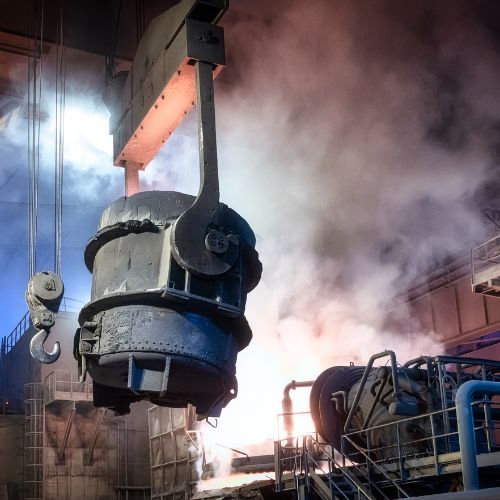
The electric arc furnace needs to maintain its high pouring speed when it pours molten steel. Our equipment will operate without creating delays that affect steel pouring productivity.
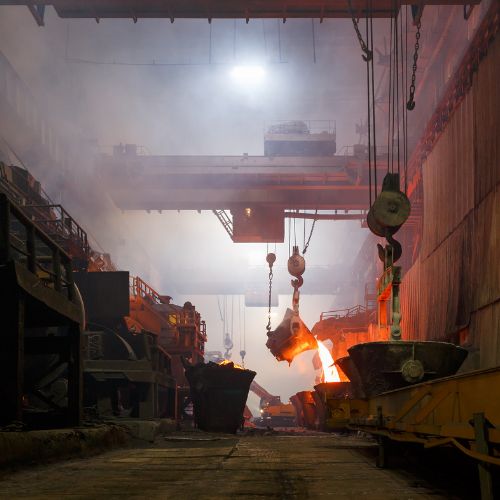
Our steel ladle cranes operate according to heavy-duty work specifications, which enable them to function without issues during extended periods of high-demand operations.
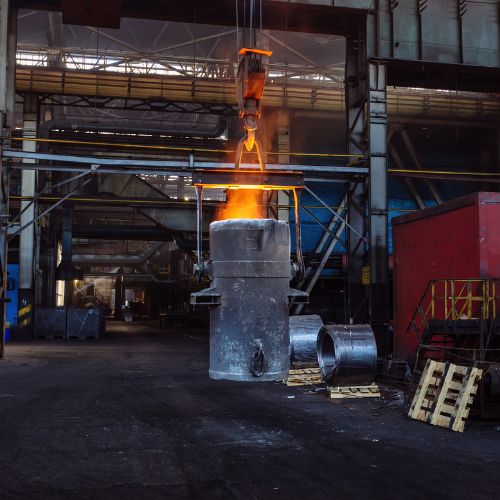
Our equipment operates at precise locations which enables smooth operation to connect with your refining process while preventing any operational delays.
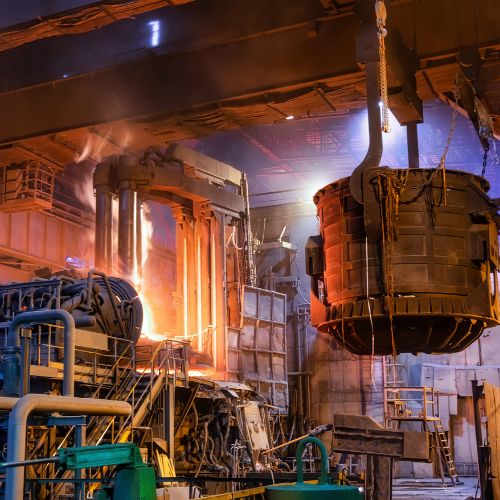
The most critical issues in the continuous casting process are the deviation of the steel ladle alignment. Our equipment has been designed with stability and safety redundancy.
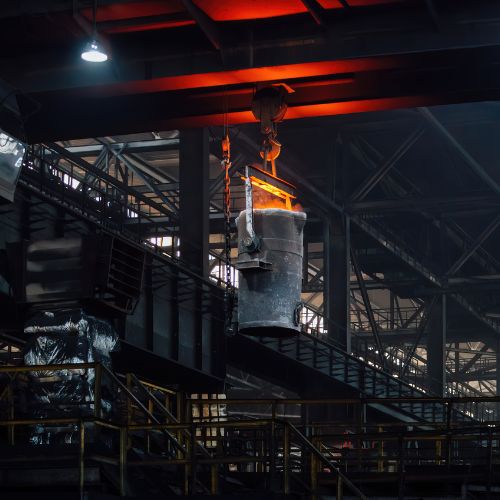
The metallurgical processes of non-ferrous metals require different equipment, materials and sealing methods. The material solution can be customized according to your specific needs.
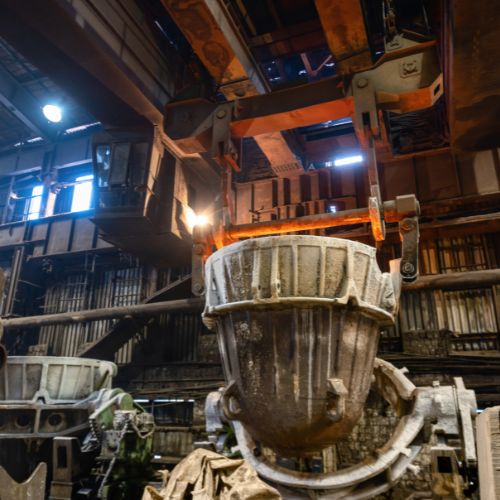
Our equipment has been fully tested in the slag treatment scenario, and its stability and durability are supported by actual cases.
The steel ladle contains molten steel which maintains a temperature exceeding 1000 degrees Celsius. The power failure together with control loss will lead to outcomes that nobody can foresee.
Our steel ladle crane operates with a standard power failure self-locking braking system.
The ladle brake system will activate automatically during power outages to stop the ladle from moving downwards.
An emergency power module exists alongside the main system. The power failure allows equipment operators to control the equipment which will descend at a controlled pace until it reaches a safe position.
This problem does not possess a fixed solution. The answer depends on three factors, which include your factory building length and existing track foundation condition and total weight of materials carried. The time required to finish all tasks for different types of steel ladle cranes ranges from 15 days to 30 days starting from the equipment’s arrival until the operational tests reach their final stage.
Sure. Currently, multiple steel mill customers of ours have implemented automated solutions. The system uses PLC control systems together with position detection and visual recognition to achieve automatic steel ladle alignment that includes automatic lifting and automatic movement to designated positions.
The advantages of automation transformation become apparent when your production rhythm stays constant and your workstation layout remains consistent, because it decreases manual work and protects operations while it boosts production capacity.
The standard operating period of it lasts more than 20 years. The actual usable period of the system depends mainly on its required maintenance activities. The steel ladle crane operates in an extremely difficult environment, which includes high temperature conditions and radiation exposure and dust accumulation and heavy equipment operation.
We will provide complete maintenance manuals. The equipment will remain operational for 20 to 30 years when you perform scheduled inspections and replace parts that need replacement due to wear.
We do not recommend that you do this. The safety risks are very high. Bridge cranes used for common material operations lack strong braking systems and structural strength and operational capacity needed to handle steel ingot transportation.
The two most crucial requirements for transporting steel ingots are: the braking must be absolutely reliable, and the structure must be able to withstand long-term high-temperature radiation. Ordinary cranes have obvious shortcomings in these two aspects. This will pose a threat to the safety of your employees’ lives.
This will depend on the capacity of your steel ladle. The rated lifting capacity of the crane needs to exceed the total weight of a full ladle of molten steel while providing an additional safety margin. A crane with 125 tons capacity or higher is recommended for operations that involve a 100-ton steel ladle.
The working level of a system holds equal importance to its tonnage capacity. Steel ladle cranes usually need to reach level A7 or even A8. Please tell us the capacity of the steel ladle and the frequency of pouring per day, and DINGYA will help you calculate it precisely.
What is the Working Principle of the Ladle Crane?
- Lifting: The main element of the ladle crane interacts with the motor which powers the drum to control the steel wire rope which enables the system to raise and lower the steel casing.
- Movement: The large vehicle runs longitudinally along the factory building track, while the small vehicle moves laterally on the bridge frame. The combination of the two enables the steel ladles to be precisely delivered to any position you require.
- Braking: Each mechanism contains its own separate braking system. The system will automatically engage the brakes to stop the steel ladle from moving during power outages and emergency situations.
- Control: The system supports both driver’s cab control and ground-based remote control. The high-end system enables automation through PLC connections. The system uses variable frequency speed regulation to provide smooth lifting and movement operations, which do not create any shocks.
- Heat dissipation protection: We installed heat insulation at critical locations and chose electrical components that can withstand high temperatures, which enables the equipment to function reliably during tough operating conditions.
What Safety Systems are Equipped on the Ladle Crane?
The following is the safety system of the DINGYA ladle crane:
- Power-off self-locking brakes: They activate the brake when power stops, and the steel ladle remains within one millimeter of movement.
- Overload protection: The ladle crane will sound an alarm and lock itself when the equipment exceeds its maximum load limit, which prevents your equipment from operating under faulty conditions.
- Double hook design: The main and auxiliary lifting systems operate at the same time, which allows both systems to function together until one system fails and the backup system starts to control the steel ladle.
- Limit protection: The system establishes strict boundaries for lifting height and travel distance, which automatically shut down the system to prevent accidents that would cause overheighting or derailment.
- High-temperature warning system: The system continuously tracks the temperature levels of its main components throughout the operation. The system will activate an alarm when temperatures exceed the threshold.
- Emergency power supply: The emergency power supply takes control after a power failure, which enables the equipment to return to its safe position. The steel ladle will not be suspended in mid-air and will be in a dilemma.
- Video monitoring linkage: The driver cabin blind spot is visible through real-time camera transmission. The operator has a clear view of the entire lifting process, which reduces human operational deviations.
Ladle Crane and Other Metallurgical Cranes: Main Differences
| Ladle Crane | Casting Crane | Charging Crane | General Metallurgical Crane | |
| Primary function | Moltenladletransport | Tundish/mold handling | Scrap/material charging | General heavy lifting |
| Working class | A7-A8 | A6-A7 | A6-A8 | A5-A7 |
| Redundanthoist | Mandatory | Recommended | Optional | Not standard |
| Heat shielding | Extensive | Moderate | Moderate | Minimal |
| Load monitoring | Real-timemandatory | Recommended | Standard | Optional |
| Safety brakestages | 3 minimum | 2-3 | 2 | 1-2 |
| Positioningprecision | ±50mm | ±10mm | ±100mm | ±100-500mm |