
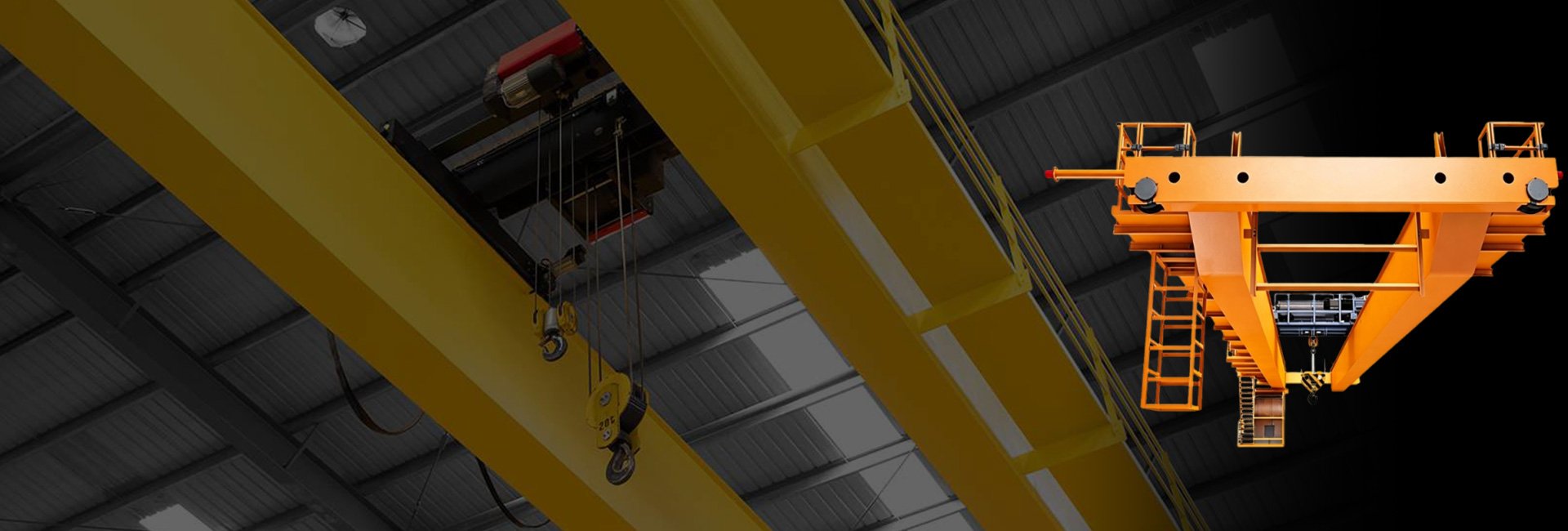
Dingya— Your Reliable Foundry Overhead Crane Manufacturer
A foundry crane is a heavy-duty lifting device specifically designed for handling high-temperature molten metal. Compared to standard overhead cranes, it can maintain stable operation in heat, high-dust, and high-intensity continuous working environments.
Dingya’s foundry crane can operate stably in workshop environments with ambient temperatures up to 60°C. A high-temperature resistant insulation layer is installed beneath the main girder, effectively protecting the core structure and key components. Our foundry overhead crane complies with ASTM E2349 (2019) and NFPA 70 industry standards, ensuring safety and regulatory compliance.
If you are looking for a reliable foundry overhead crane suitable for extreme working conditions, just feel free to send us your requirements, Dingya will provide you with the professional solution.
Our Products
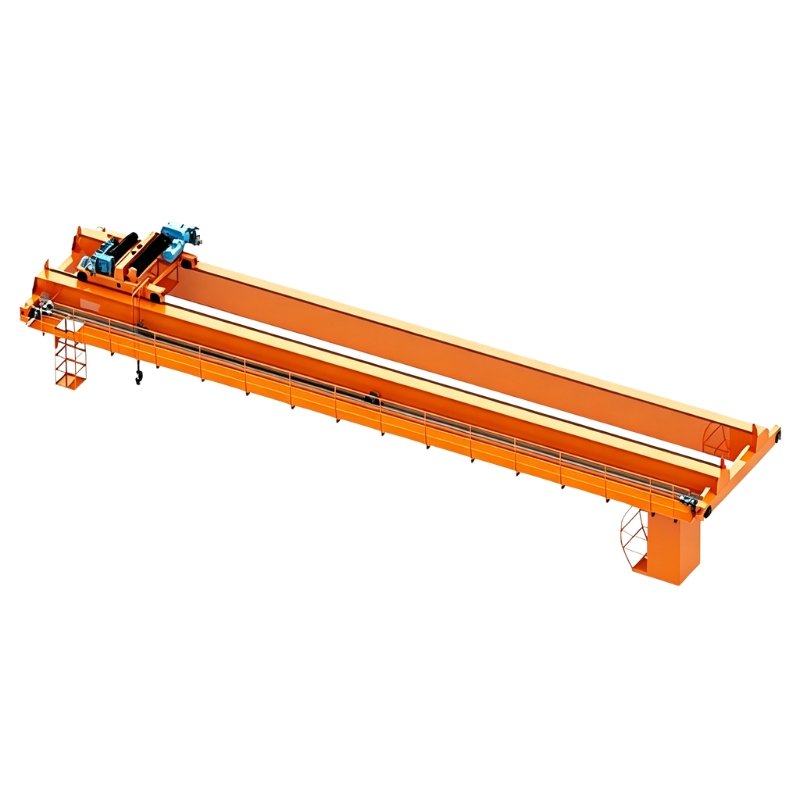
Adopts a double girder structural design. Suitable for medium to large tonnage and high-frequency lifting operations.
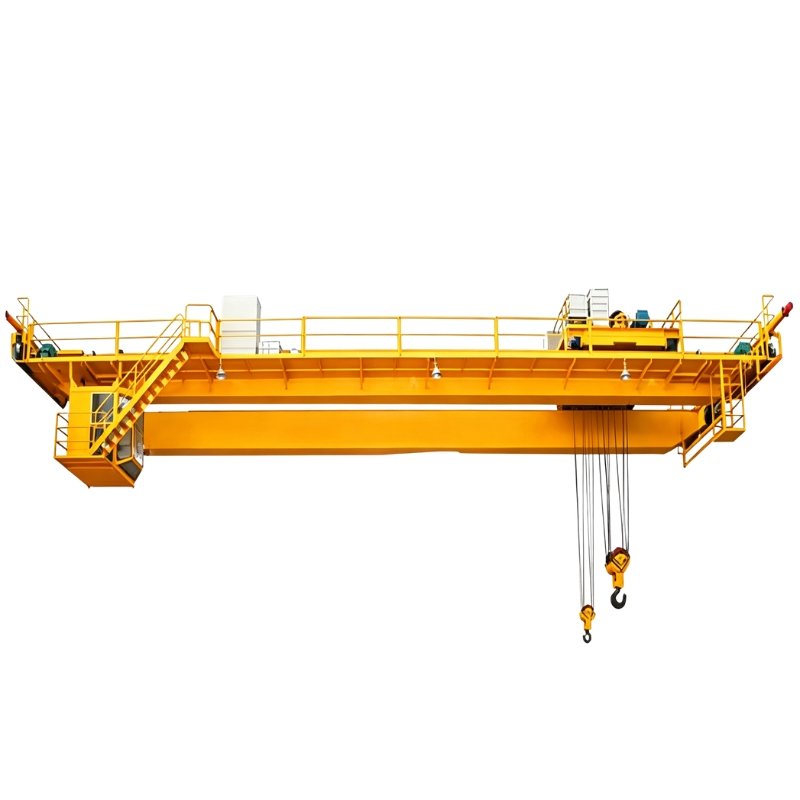
Equipped with a dual lifting trolley system. Enables ladle tilting or coordinated lifting operations.
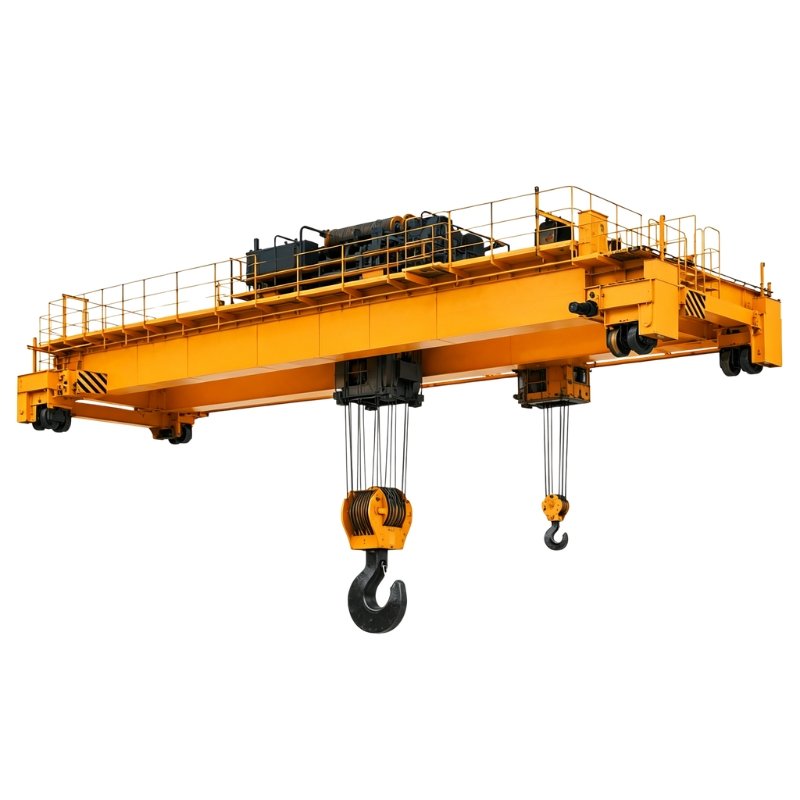
Combines a main hook and an auxiliary hook. Achieves division of labor between heavy lifting and auxiliary operations.
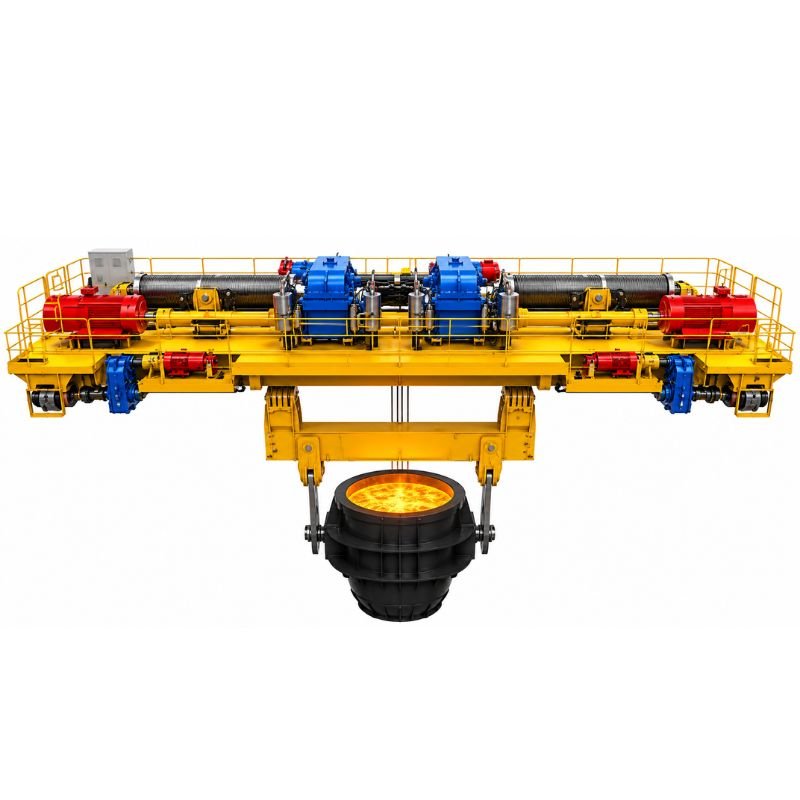
Optimized overall structure to reduce equipment height occupancy. Suitable for workshops with limited ceiling space.
High Heat-Resistant Structural Design
Our foundry crane is manufactured using heat-resistant materials, with multiple thermal protection measures configured at key areas. For example, heat shields are installed on motors and electrical control systems, and heat-resistant cables and protected wiring designs are used for critical circuits. This effectively reduces the impact of high-temperature radiation on core components, ensuring stable operation even in continuous high-temperature environments.
High-Strength Structure
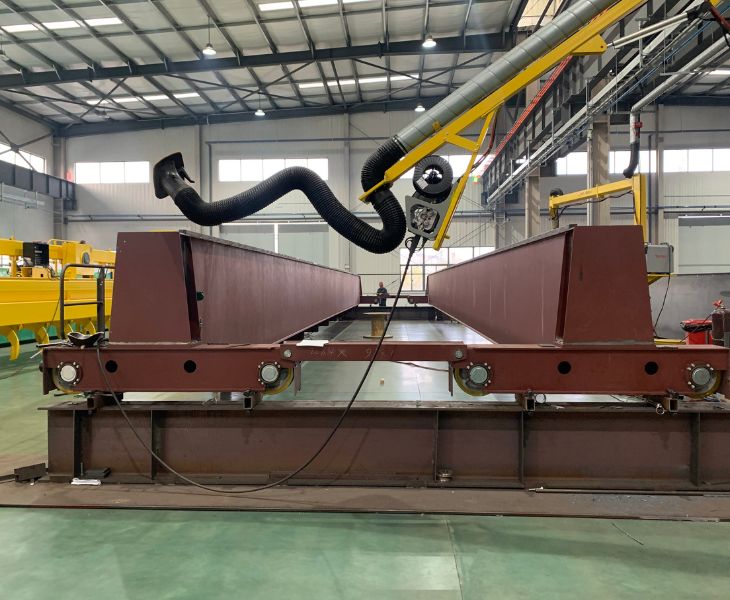
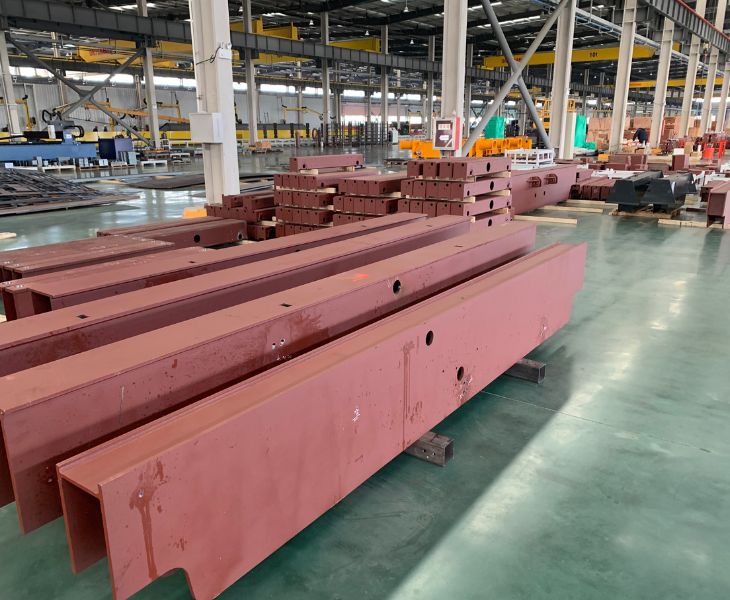
The main girder of Dingya’s foundry crane adopts a high-strength steel box girder design, with key load-bearing areas reinforced. Combined with automated welding processes, this ensures excellent deformation resistance and long-term stability of the overall structure. It can meet the demands of high-frequency, large-tonnage lifting operations, offering a longer service life.
Multiple Safety Protection Systems
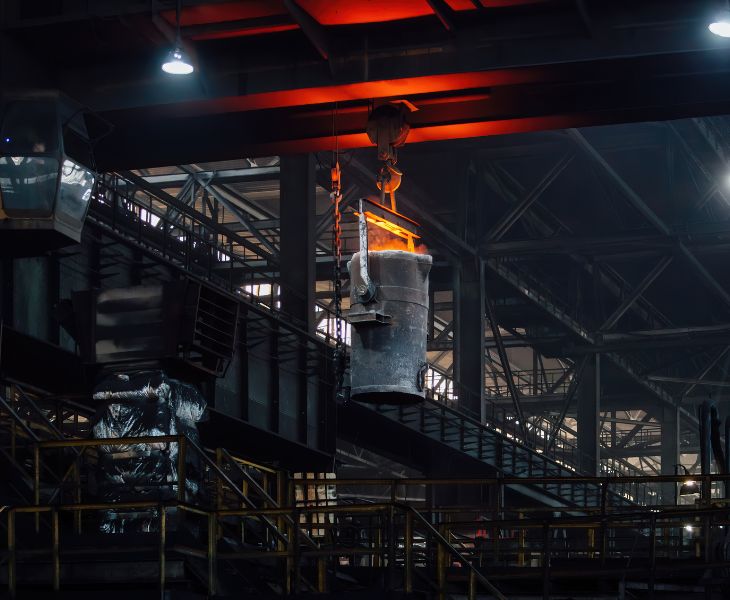
Our foundry crane integrates multiple safety protection mechanisms, including anti-sway control, overload protection, temperature monitoring sensors, an emergency stop system, and redundant brake design. These safety devices effectively address the high-risk operations in a foundry workshop, and also help reduce safety hazards caused by human operational errors.
Flexible Extra Customization
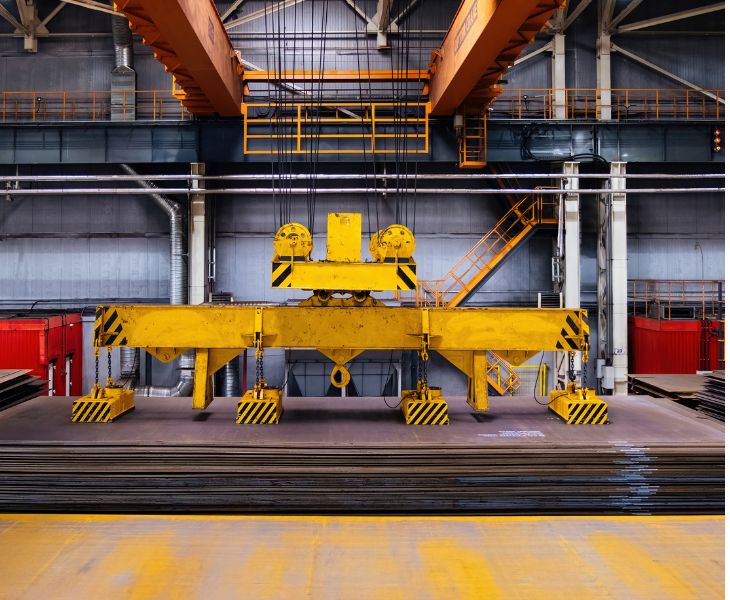
Dingya offers extra customized configuration solutions for foundry cranes based on your specific working conditions, such as adding heat shields, hook heat protection, NEMA standard contactors, and Class H insulated motors and braking systems. Meeting the requirements of different national standards and complex production processes.
Applications of Our Foundry Crane
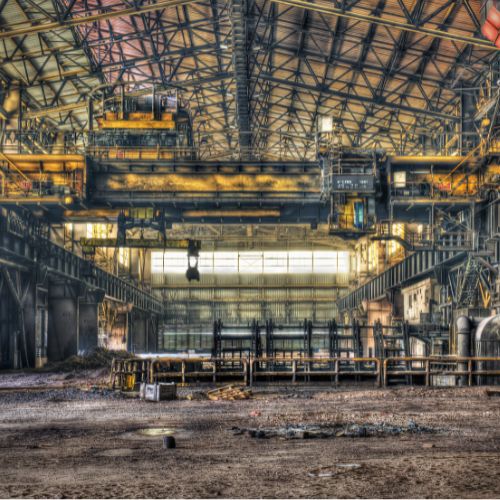
A foundry crane is the core equipment in a steelmaking workshop. It is mainly used for lifting and transporting molten steel, molten iron, and ladles. It can operate continuously and stably under conditions of high heat, heavy loads, and frequent use.
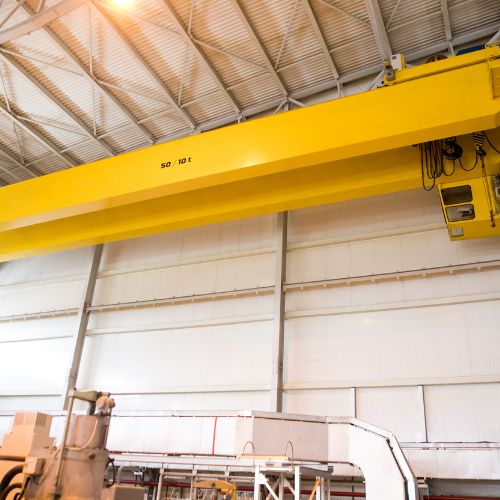
Foundry cranes are commonly used in foundry workshops for handling molten metal and large castings. It maintains continuous and stable operation under high-temperature, high-dust working conditions, improving workshop operational efficiency and safety levels.
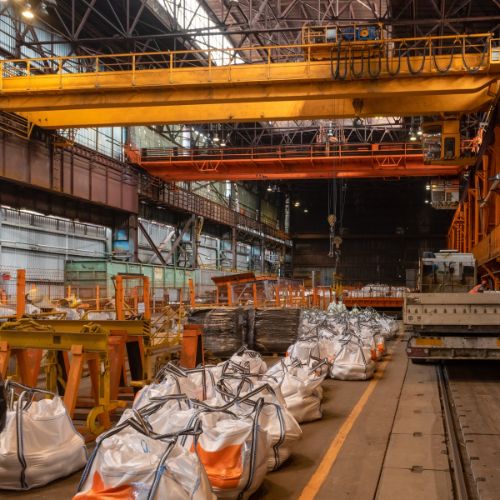
Foundry cranes can be widely used in the lifting and transport of molten metals such as aluminum and copper. They offer good corrosion resistance and precise control capabilities, meeting the stable operation requirements under various complex working conditions in the non-ferrous metals industry.
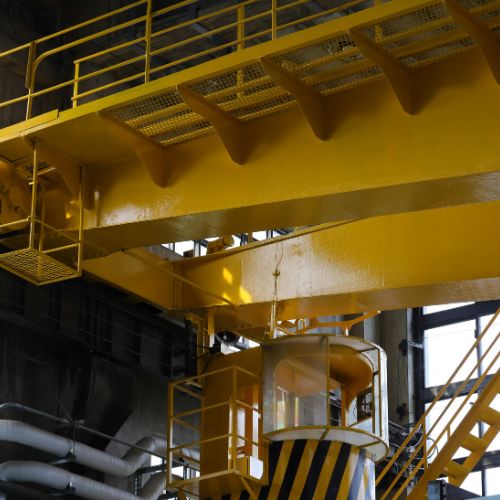
Our foundry cranes can also be used for lifting and transferring large high-temperature components and heavy structural parts. The crane is capable of handling high loads and complex working conditions, thereby helping to improve production efficiency and assembly precision.
- Specification
| Load Capacity | 5-300ton |
| Lifting Height | 8-30.5m |
| Span | 10m–35m |
| Working Temperature | -25-60°C |
| Working System | A7 |
| Power Supply | 380V/400V/ 3-phase/ 50/60Hz (customizable) |
| Protection Grade | IP54-IP65 |
Ordinary bridge cranes are mainly used for routine material handling. Foundry cranes, on the other hand, are specifically designed for lifting and transporting molten steel, iron, and other high-temperature liquid metals. Foundry cranes have higher safety requirements. They are also structurally heavier. Simply to understand, in high-temperature, heavy-load scenarios, ordinary bridge cranes cannot replace foundry cranes.
Because a foundry crane typically operates with high frequency and continuous running. Moreover, the risk is very high if any problem occurs. In a steelmaking workshop, lifting ladles is a regular operation, and the equipment is almost constantly in use.
If the working class is insufficient, equipment fatigue will occur quickly, and stability will also decline. Therefore, it is generally designed to Class A7. This ensures that the equipment can still operate stably over the long term under high-intensity use.
This is primarily to improve load-bearing capacity and stability. The double girder structure distributes stress more evenly. It can withstand greater tonnage. In heavy load conditions requiring stable control, such as lifting ladles, the double girder structure has better rigidity and is less prone to deformation or swaying.
There is no fixed lifespan. The service life depends more on the intensity of use and maintenance. Under normal selection and standardized maintenance, a foundry crane can generally be used stably for more than 10 years.
However, if it is exposed to extremely high temperatures, high dust levels, and inadequate maintenance for a long period of time, the wear and tear on key components will be significantly accelerated.
It mainly relies on two aspects: structural design and control systems. Structurally, a double girder plus a stable trolley system helps reduce swaying during operation. In terms of control, variable frequency drive (VFD) control achieves smooth starts and stops, avoiding impact caused by sudden acceleration or emergency stops. Operation is also critical: stabilize the load first after lifting, then move it.
The main factors affecting the cost of a foundry crane are several core elements: load capacity and span, working class, whether it has a dual trolley or main and auxiliary hoist configuration, and the level of high-temperature protection. In addition, the electrical control system (whether it includes VFD), brand components, and customization requirements also affect the price.
A metallurgical crane is a larger category that covers various working conditions such as steelmaking and rolling. A foundry crane is a specific type within this category, specifically used for lifting molten steel and molten iron.
In other words, all foundry cranes belong to the category of metallurgical cranes. However, not all metallurgical cranes are used in foundry applications. When selecting equipment, the key still depends on your specific working conditions.
Components of Foundry Overhead Crane
Main Girder Structure
The main girder is the load-carrying core of the entire foundry crane. The main girder directly determines whether the equipment can bear heavy loads stably over the long term. It is generally made of high-strength steel and constructed as a box girder. Key load-bearing areas are thickened.
Main Lifting Mechanism
The main lifting mechanism consists of three parts: motor, gearbox, and drum. The motor provides power, and the gearbox reduces speed while increasing torque. The drum is responsible for winding and unwinding the wire rope to complete lifting and lowering movements.
The stability of this combination is critical. If the components are not well matched, issues such as unstable lifting and high impact can occur.
Dual Brake System
Foundry cranes are typically equipped with a dual brake system. One is the service brake, and the other is the safety brake. Under normal operation, the service brake controls the movement. Once an abnormality or power failure occurs, the safety brake immediately engages and locks the load. For high-risk applications such as lifting molten steel, this configuration is mandatory, not optional.
Trolley Travel Mechanism
The trolley is the part that moves transversely along the main girder. It is responsible for moving the lifted ladle from one position to another. Its stability directly affects whether the load will swing. If the trolley travels unevenly, swinging can easily occur during molten steel handling. VFD control is generally used to make starting and stopping smoother.
Electrical Control System
The electrical system acts as the control center of the entire equipment. It includes operation control, speed adjustment, and various safety protections. You can control lifting, lowering, and traveling via a pendant or remote control. The system monitors overload, limit positions, and other conditions. For foundry cranes used in high-temperature environments, special consideration must be given to the stability and protective design of the electrical control system.
Heat Insulation and Protection System
The high temperatures and dust in a foundry workshop have a significant impact on the foundry crane.Therefore, designs such as heat shields, protective covers, and high-temperature resistant cables are added at key areas.
The main purpose is to protect the motors, electrical systems, and structural components from heat radiation and dust erosion. This aspect determines whether the equipment can operate stably over the long term in harsh environments.
Maintenance Guide for Foundry Crane
Lubrication Management
The temperature in a foundry workshop is high, and normal lubricants can easily fail. Over time, this will affect the service life of transmission components. For parts such as gearboxes and bearings, it is recommended that you use high-temperature resistant lubricating oil and shorten the replacement interval based on actual usage frequency.
Brake System Inspection
The brake system is the most critical safety part of a foundry crane and must be given special attention. On a daily basis, pay attention to whether there is slipping, braking delay, or abnormal noise.
Pay special attention after heavy loads or frequent start-stop operations. If braking performance declines, it is not recommended that you continue to use the equipment.
It should be adjusted or replaced promptly.
Electrical System Heat Protection Inspection
The electrical system is most prone to problems in high-temperature environments, such as insulation aging, poor connections, or control failure. You should regularly check cable insulation, control cabinet cooling, and the reliability of all connection points. Special attention should be paid to electrical components near high-temperature areas.
Wire Rope and Sheave Maintenance
The wire rope and sheaves are direct load-bearing components of the foundry crane. Working long term in high-temperature and dusty environments causes them to wear faster than under normal conditions. You need to regularly check for broken wires, wear, or uneven wear, and ensure the sheaves rotate smoothly.
Regular Replacement of Key Components
Components such as brakes, wire ropes, and seals are consumable parts with a limited service life. It is not recommended to wait until they are completely damaged before taking action. You can establish a replacement schedule based on usage frequency to avoid unexpected downtime.