

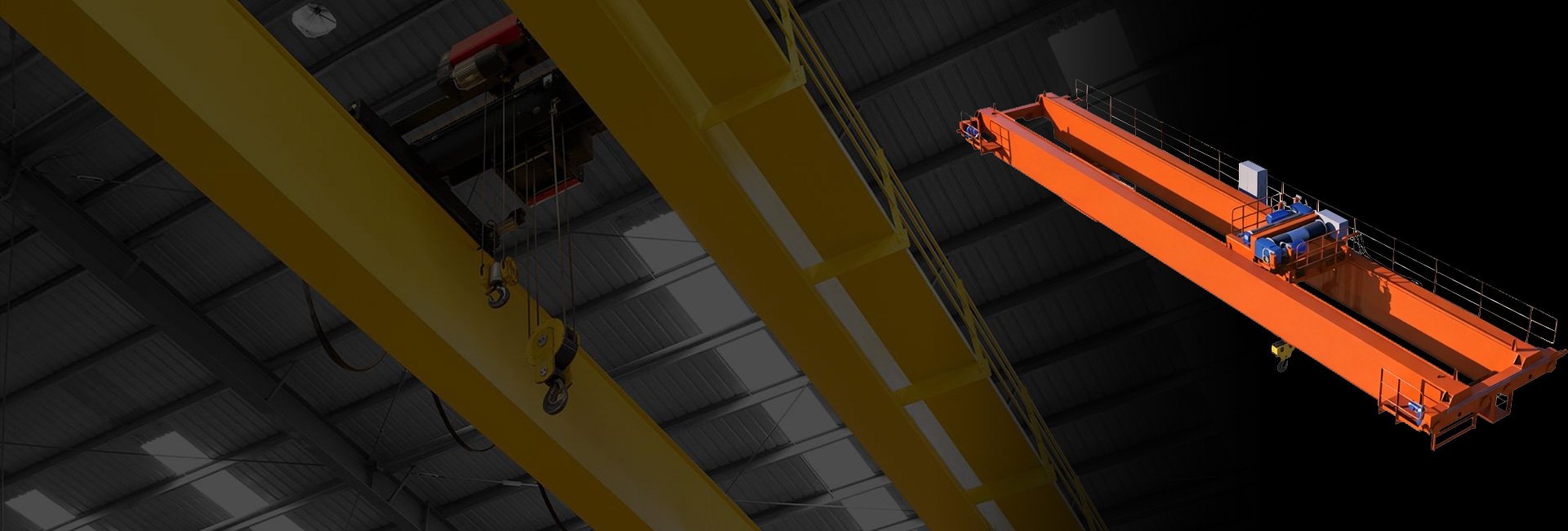
What is a 15-ton Bridge Crane?
A 15-ton bridge crane (15-ton overhead crane) functions as a substantial “airborne handling device” that operates from the upper track of a factory structure. It can lift workshop materials which weigh up to 15 tons between different work areas.
Your workshop’s operational efficiency increases when you use a 15-ton bridge crane because it decreases both labor expenses and safety hazards that arise from manual labor.
DINGYA is a highly experienced manufacturer of 15-ton Bridge Cranes, and we have hundreds of successful global sales cases. Don’t hesitate any longer. Come to the homepage right now and contact us to tell us your crane requirements.
Products By Types
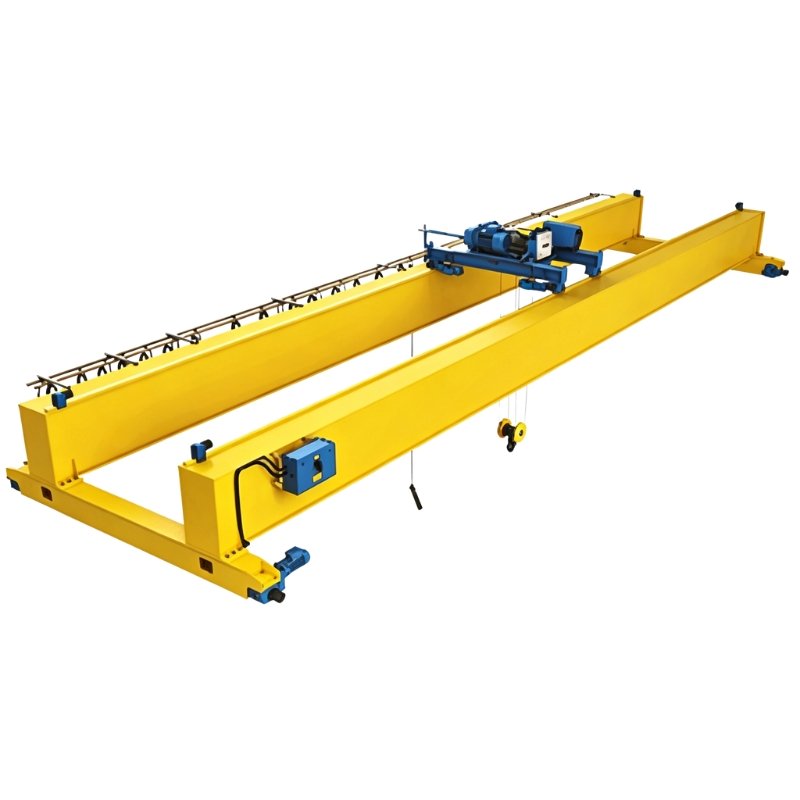
Its initial cost is lower, and it has lower requirements for the structural strength of your building. However, the heavy-duty operation capabilities are also more limited.
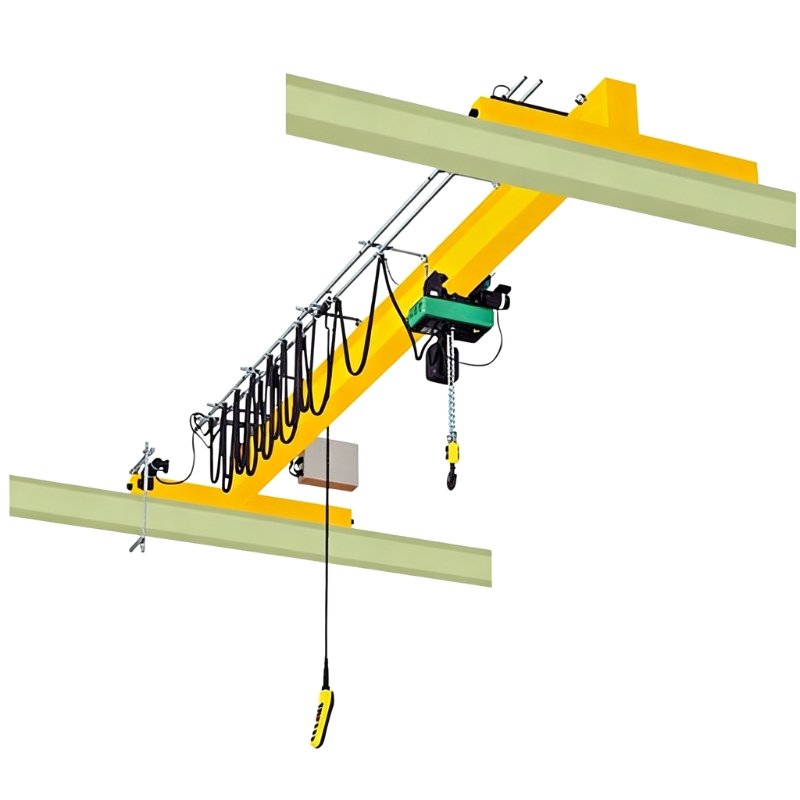
Its lifting capacity and lifting height are both greater. In a more demanding working environment, its applicability is even greater.
Features of the 15-ton Bridge Crane

For workshops that need to lift steel coils, molds, machinery, and large structural components, the 15-ton bridge crane provides sufficient lifting capacity.

It enables you to increase production speed while decreasing operational downtime and maintaining continuous material movement throughout your entire workshop.

It provides the best combination when compared to larger heavy-duty crane systems, which helps you achieve maximum return on investment throughout the entire investment period.

Our 15-ton bridge crane operates in a low-energy consumption mode when not in use, which can significantly reduce your electricity bills over the long term.
Balances Both the Heavy-load Capacity and the Versatility
A 15-ton overhead crane hits that sweet spot where lifting strength and day-to-day operational flexibility kinda balance out. It can tackle heavy molds, steel structures, machinery, and bulk goods, yet it still glides smoothly and works efficiently across multiple production lines.
You don’t need to go and overspend on a huge crane, but you still get dependable performance for tough lifting tasks. For lots of factories and warehouses, this rating is pretty much the point where cost efficiency and real-world adaptability line up.
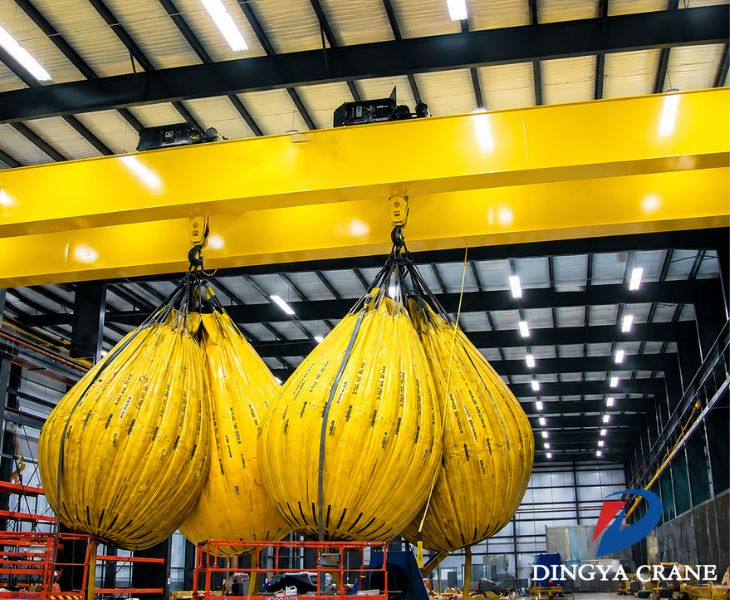
Applications of a 15-ton Bridge Crane
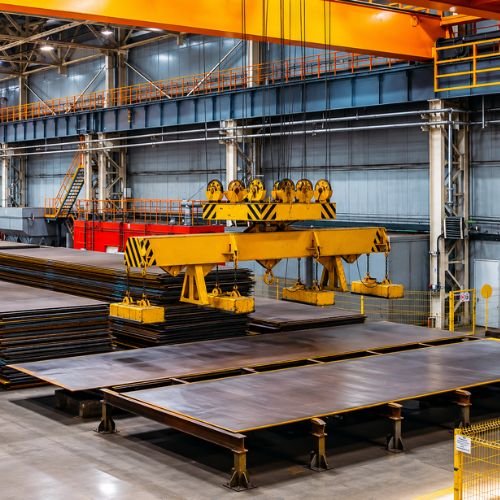
If your factory often hoists steel beams and sheets, then a 15-ton overhead crane is usually enough lifting capacity without making your shop crawl along too slowly.
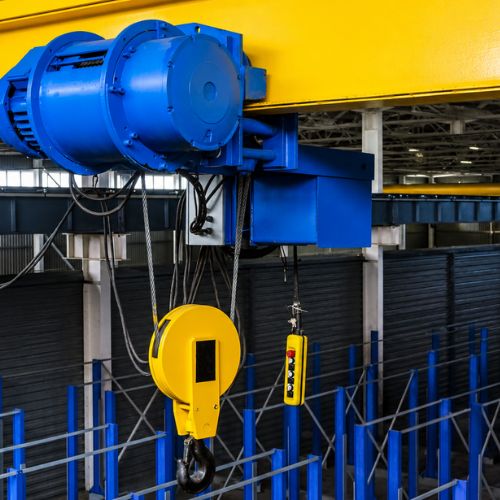
It helps you transport really heavy parts with accuracy between the machining, assembly, and testing zones, so your production flow doesn’t get disturbed.
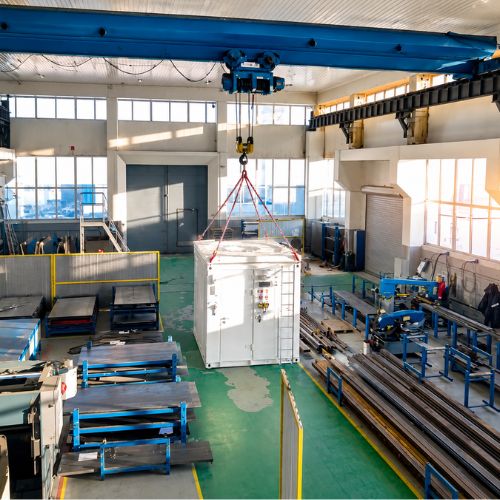
When you have to move large pallets, heavy cargo, or industrial materials fast, inside the warehouse, a 15-ton bridge crane really helps with less manual handling pressure.

Big molds are kinda pricey and not all that easy to manage safely. It gives your team more stable lifting control during mold installation, maintenance, and equipment changeovers.
The cost of a 15-ton bridge crane remains unestablished because its final price depends on multiple factors, which include the span length, lifting height requirements, operational capacity, equipment type, control system design, and applicable regulations.
The price of a single-girder 15-ton crane for standard applications is much lower than that of a double-girder crane equipped with servo positioning, explosion-proof certification, and full automation functions.
- Overload limiter: When your crane is overloaded, an alarm will sound.
- Upper and lower limit switches: Limit the up-and-down movement range of the hook.
- Travel limit switches: Limit the movement of small trolleys and large trolleys.
- Emergency stop: Reduce the risk of accidents.
- Anti-derailment guards: Prevent the trucks from derailing.
- Buffer and bumper system: Reduce the risk of a crane crashing.
- Phase failure protection:
If you need to apply it in some specific places, we will also provide you with additional security systems: Explosion-proof components, load monitoring, data recording, etc.
Our delivery time is mainly determined based on the complexity of your order.
| Scope | Typical Lead Time |
| Standard single girder, no special options | 4-6 weeks |
| Double girder with standard configuration | 6-10 weeks |
| Explosion-proof or cleanroom specification | 8-14 weeks |
| Full automation with PLC integration | 10-16 weeks |
| Turnkey supply, including runway structure | 12-20 weeks |
The above are some approximate times. You can contact us to obtain a more accurate time report.
The installation time depends on your on-site preparation conditions and the configuration of the crane. The runway is ready, just need the crane in 3-7 days. The runway supply and installation are included, then need 10-20 days. Full turnkey project including electrical installation and commissioning in 15-30 days.
A 15-ton bridge crane puts continuous pressure onto the runway beams and the supporting columns, so the runway structure has to be robust enough to carry not only the crane weight, but also the hoist motion, and the full lifting load all at once.
The rail size, beam strength, and even the column spacing need to line up with the crane working conditions and the lifting frequency.
We can offer you explosion-proof 15-ton bridge cranes. The entire electrical system, which consists of the lifting motor, traveling motor, and control panel, button station, limit switch, and cable drum system, needs to achieve explosion-proof certification that matches the hazardous area classification of your location and needs to meet all required protection standards and equipment group requirements.
Please clearly inform us of your ATEX explosion-proof area (gas explosion-proof area is Zone 1 or Zone 2, dust explosion-proof area is Zone 21 or Zone 22) and the related gas categories (IIA, IIB, or IIC).
When Purchasing a 15-ton Bridge Crane, What Technical Specifications Should You Pay Attention to?
Before requesting a quotation, you need to clearly define the following parameters. Vague or incomplete specifications will result in inaccurate pricing and may lead to rework costs after placing the order.
Lifting Capacity
First of all, you need to specify the maximum working load in metric tons.
Please clarify whether the 15 tons you desire refers to the net payload or includes the weight of the hook assembly and any lifting accessories (such as the lifting beam, the device below the hook). Our 15-ton bridge crane has a rated load of 15 tons, including the weight of the hook assembly.
Span
Common spans for 15-ton bridge cranes operate between 10.5 meters and 31.5 meters. Your bay width should be provided because DINGYA will determine your precise crane span by calculating end truck clearances.
Lifting Height
The vertical distance from the floor to the highest point of the hook should be measured. The measurement should start from the finished floor level and extend to the beam’s lowest point, which should be reduced by the hoist’s closed height to determine the remaining distance. Verify your minimum headroom requirement.
Duty Class / Working Group
| Duty Class(ISO/FEM) | ASME Equivalent | Typical Application |
| A3/M3 | Class B | Infrequent use, long idle periods |
| A4/M4 | Class C | Light manufacturing, occasional lifts |
| A5/M5 | Class D | General manufacturing, regular use |
| A6/M6 | Class E | Heavy manufacturing, frequent cycling |
| A7/M7 | Class F | Steel mills, intensive continuous use |
The A5-A6 specifications will fulfill your needs when you require 15 tons of bridge cranes for your processing workshops and manufacturing factories. The A6-A7 level is necessary for steel service centers and stamping workshops that experience high turnover rates.
Crane Speed
- Bridge travel speed (long travel): typically 20–80 m/min
- Trolley travel speed (cross travel): typically 10–40 m/min
- Hoist lifting speed: typically 2–12 m/min (with VFD).
Higher speeds increase throughput but require better braking systems and anti-sway controls.
Control Method
The following presents four different control methods for your selection:
- Pendant control: The operator needs to hold the handle in their hand and move along with the crane. The price is the most affordable. However, if your factory floor has a large number of items, it may restrict people’s movement.
- Radio remote control: The operator doesn’t have to move along with the crane; they can control the crane from a distance. This method can better ensure the safety of the operators.
- Cabin control: Just like an excavator, the operator can drive the crane from the cab at a height and control its movement while also having a detailed view of the surroundings. The field of view is less obstructed, so you can choose to do so when precise positioning is required.
- Semi-automatic/full automation: Reduce the labor requirements in terms of manpower. The cost is the highest, but it is absolutely necessary for you to use this method in the hazardous workshop.
Single-girder Crane and Double-girder Crane: Which One is More Suitable for a 15-ton Bridge Crane?
You can refer to the following table:
| Specification | Single Girder | Double Girder |
| Capacityrange | Upto15 tons | 15 tons and above |
| Hook height | Lower | Higher |
| Dead weight | Lighter | Heavier |
| Runway load | Lower | Higher |
| Spancapability | Upto~28m | Up to 35 m and beyond |
| Deflectionunderload | Greater | Minimal |
| Maintenance access | Limited (walkway optional) | Full walkway on the girder |
| Cost | Lower | Higher |
| Best for | Standard manufacturing, warehouses | Heavy fabrication, precision lifting, long spans |
Our suggestion: A heavy-duty single-girder crane functions as the most affordable solution when your job requires a lifting capacity of 15 tons and works with a standard operating schedule and needs to operate over a distance shorter than 22 meters. The double-girder crane becomes the better option for your needs when your project requires either high lifting frequency or load positioning accuracy because your span exceeds 22 meters.
Checklist for Pre-Ordering 15 Tons of Bridge Cranes
| Item |
| Lifting capacity confirmed as 15 metric tons, including hook block |
| Span measured between runway rail centerlines |
| Lifting height measured from the finished floor to the maximum hook position |
| Duty class/working group specified (A3-A7/Class B-F) |
| Single girder or double girder configuration selected |
| Bridge, trolley, and hoist speeds are defined |
| Control method specified (pendant/radio/cabin / automated) |
| Operating environment confirmed (standard/ Ex-rated/ cleanroom) |
| Applicable standard specified (EN/ASME/AS/other) |
| Runway structure status confirmed (existing/new supply required) |
| Power supply details provided (voltage, frequency, phases) |
| Installation scope agreed (crane only/turnkey) |
| Required delivery date and lead time confirmed |