
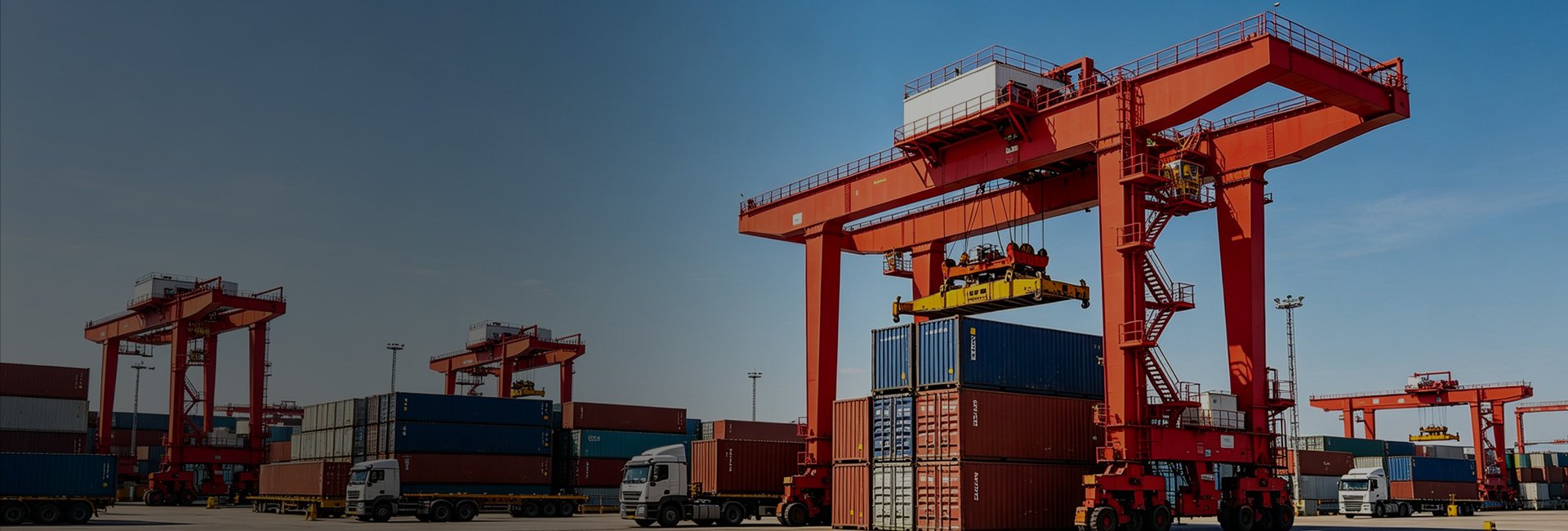
What is a Rail-mounted Gantry Crane?
A rail-mounted gantry crane(RMG) serves as the essential equipment used for loading and unloading operations at container terminals. It moves through its fixed tracks while delivering operational capabilities that enable extensive zone coverage, heavy cargo handling, and automatic machine functions.
DINGYA has actively worked in the port lifting equipment industry for more than 20 years while selling over 800 RMG units and executing projects in more than 40 countries. Contact us now and inform us of your specific project. We will provide you with exclusive custom services for rail-mounted gantry cranes.
Products By Types
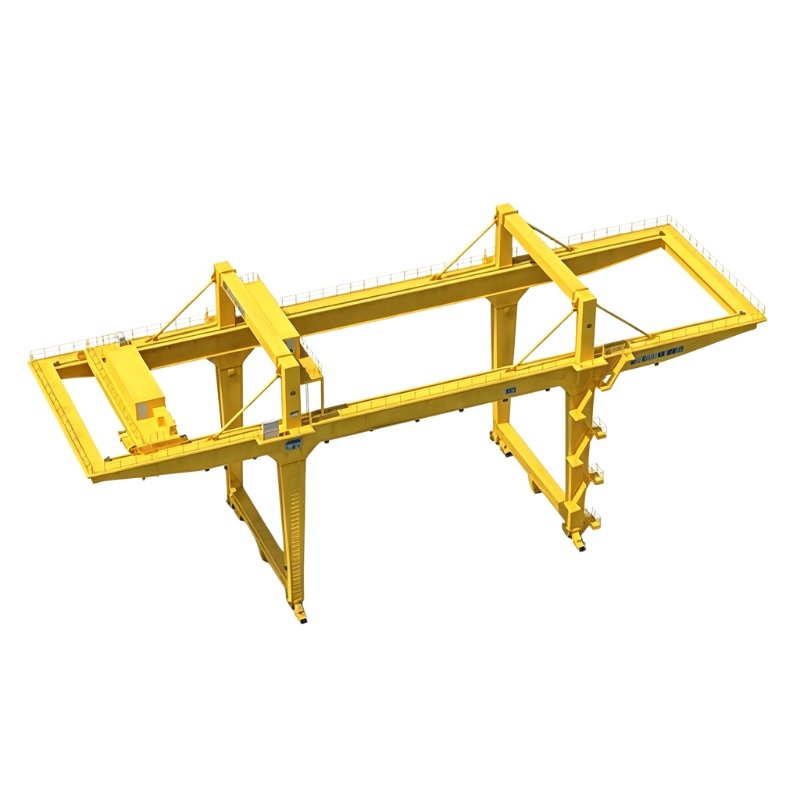
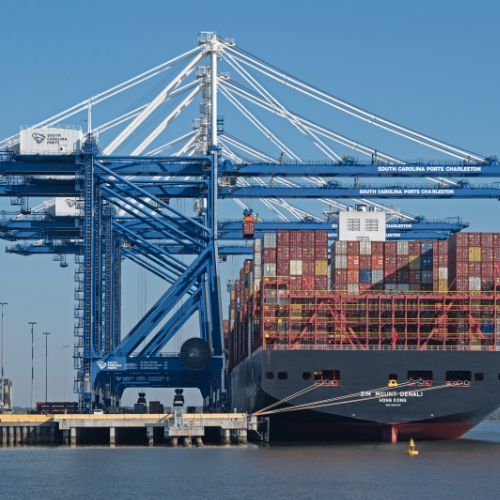
The container RMG crane operates to improve yard space requirements and increase operational speed at high-traffic terminals.
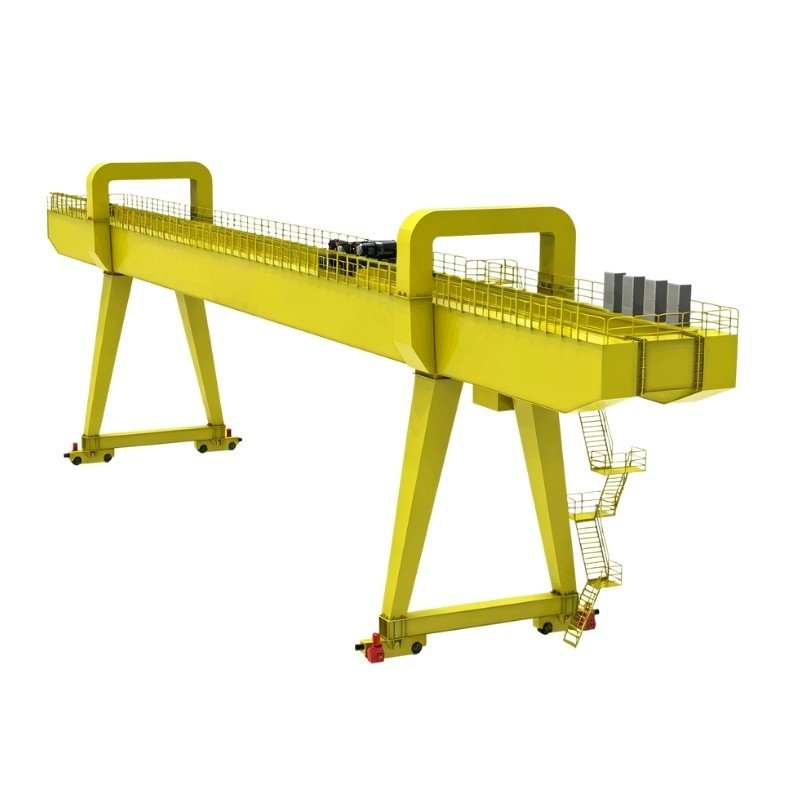
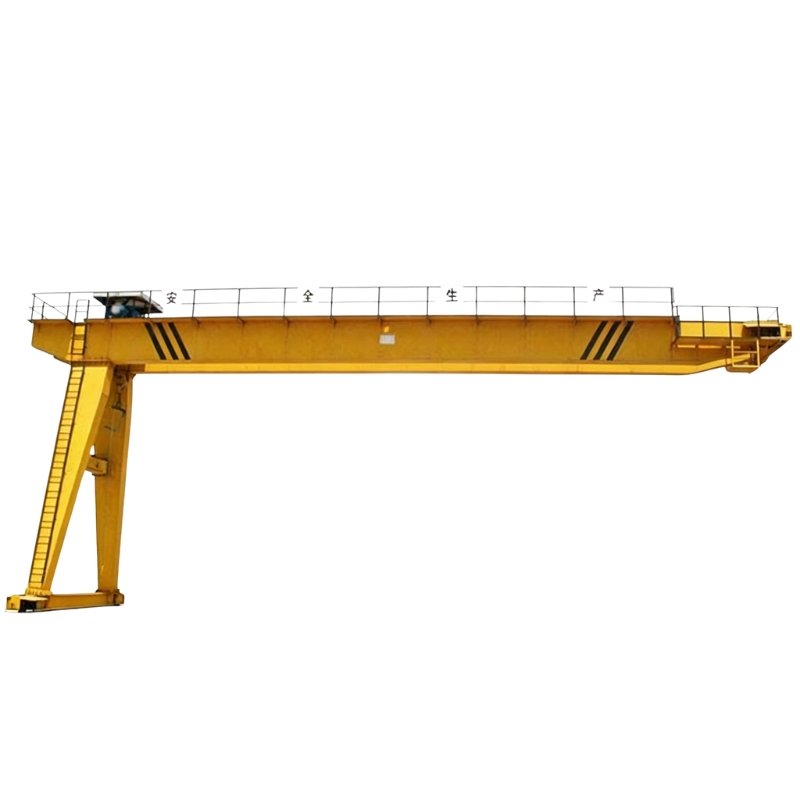
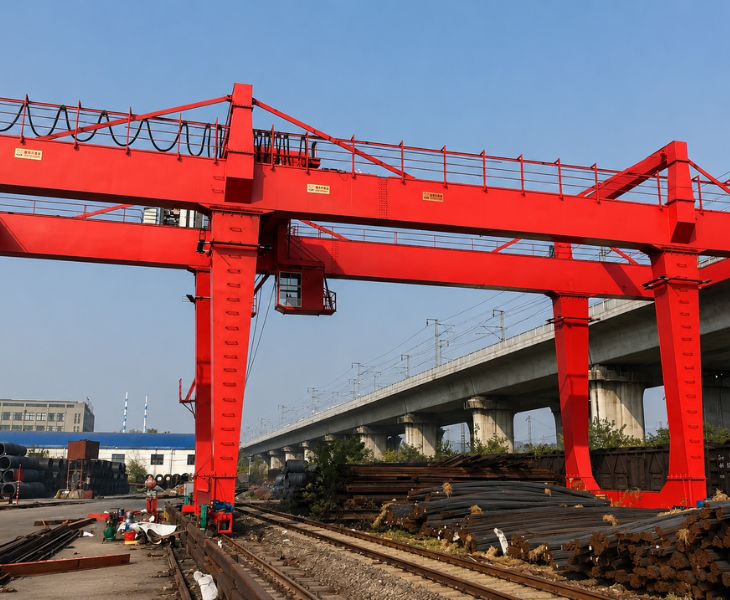
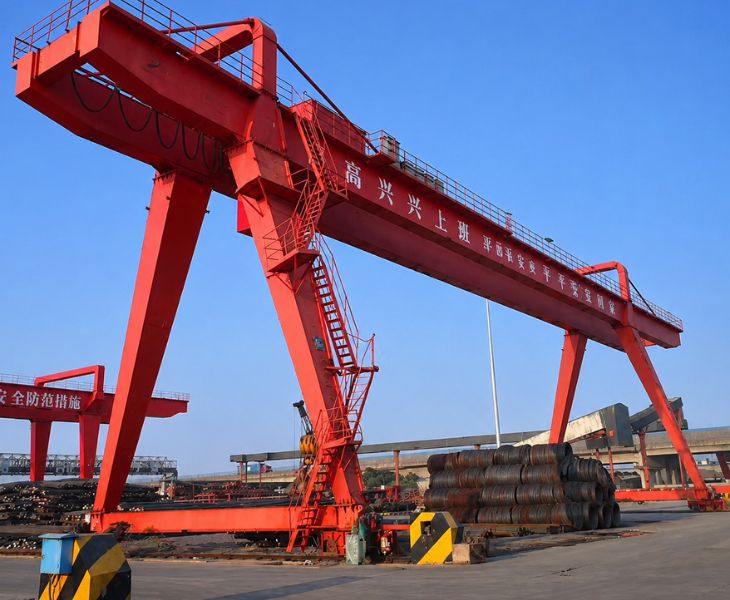
The cranes provide dependable lifting strength, which enables their use in steel production, prefabricated component handling, and heavy industrial operations.
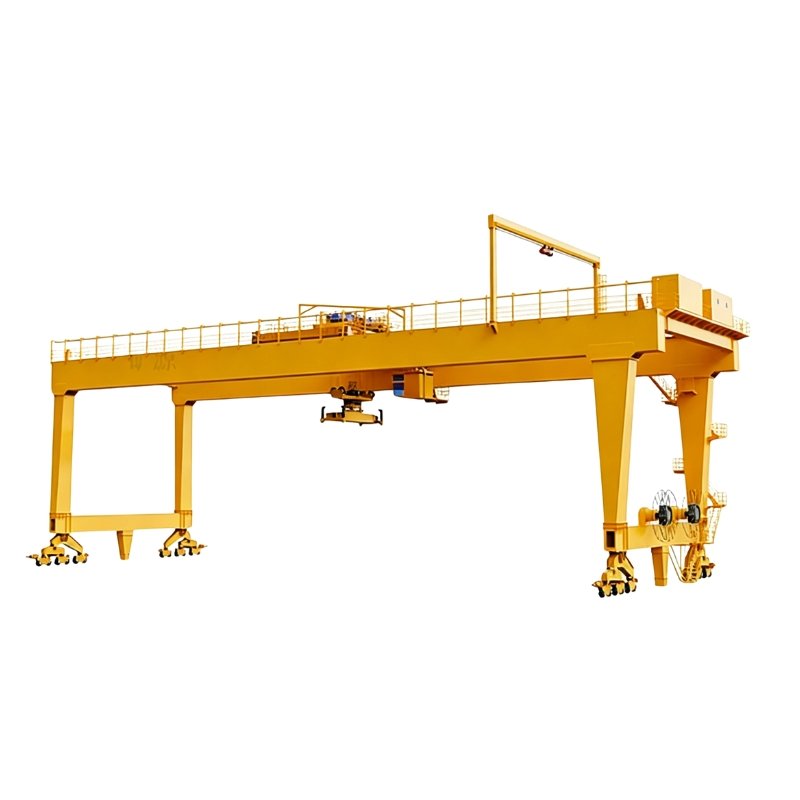
Automated RMG cranes operate continuously without human intervention, using full automation to perform their tasks throughout the entire day.
It achieves better operational efficiency through its combination of smart control systems and human operational flexibility, which improves expense management.
Features of Rail-mounted Gantry Crane

The fixed track system achieves millimeter-level precision. It accelerates lifting and lowering operations, which results in operational processes that function more smoothly.

The rail mount crane has a higher stacking capacity that enables you to maximize your available space, thereby handling more goods in the same area.

The employment of improved anti-sway controls ensures the stability of the load, reducing handling time in the process, and hence an increase in stability and speed.

Our company employs hot-dip galvanized steel together with epoxy coating because this combination effectively protects against corrosion caused by rainwater and saltwater.
Energy Conservation
The rail-mounted gantry crane of DINGYA uses advanced technology that combines variable frequency drive systems with regenerative braking systems. The crane’s descending and braking operations convert kinetic energy into electrical energy, which then returns to the power grid for completely environmentally friendly operations.
The reduced electricity costs create two advantages because they enable better cost management and allow your storage yard to achieve lower carbon emissions than all other factories.
High-speed Transportation and Automation
The rail-mounted gantry crane operates with a high-speed system and PLC intelligent control system, which enables it to perform continuous material transportation. And you can select crane automation. It enables you to maintain consistent operational efficiency because it eliminates human-based efficiency drops that occur during your work.
Our RMG system operates through both single-machine automation and multi-machine scheduling, which allows it to integrate with your intelligent port system while achieving constant throughput expansion.
Cases of the Rail-mounted Gantry Crane
At the multimodal transportation hub project in Lodz. We developed a 4-unit RMG system, which has a 35-meter span and operates together with the TOS intelligent dispatching system. The project implementation resulted in a 42% increase in daily interchange volume, together with a 30% growth in site utilization.
The hub now operates as a standard multi-modal transportation node which connects to the China-Europe railway line.
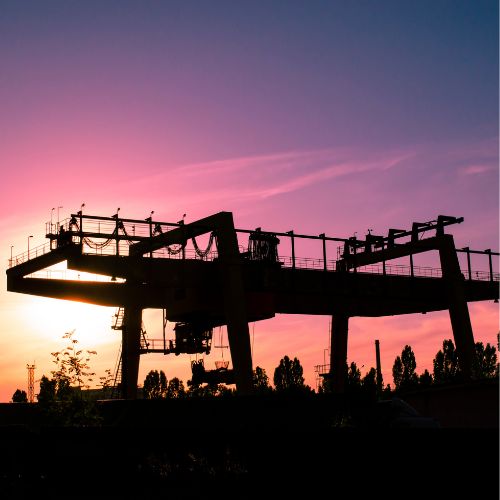
A certain current bridge cranes at the large-scale prefabricated component production base need replacement because their existing capacity cannot handle heavy component transportation during the expansion and renovation process.
We deployed 2 heavy-duty RMG machines with a rated lifting capacity of 80 tons, which provided the required capabilities to handle and position PC components with their non-standard shape. The equipment’s operation resulted in a 55% increase in transportation efficiency.
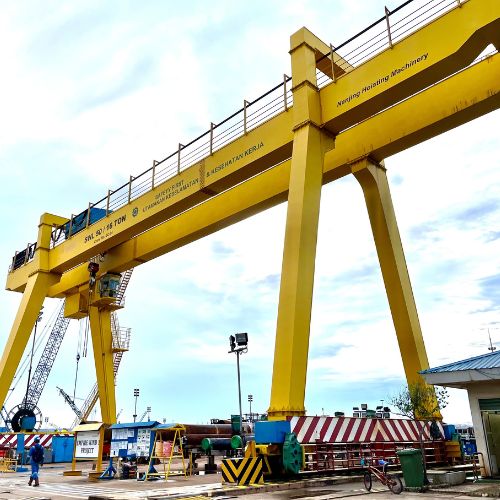
The upgrade project of the raw material storage yard in a large steel complex industrial facility required equipment to operate reliably under extreme conditions, which included high temperatures and dust, and heavy-weight operations.
We delivered 6 heavy industrial-grade RMGs, which included complete dust-proof electronic control systems that protected all internal components from external particles. The cranes functioned without interruptions for 18 months, and they had no significant breakdowns that required shutdown.
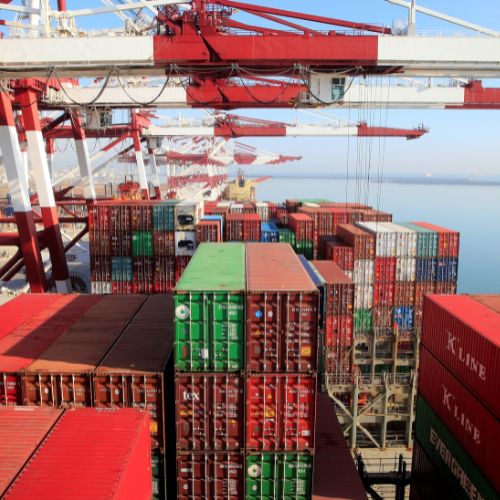
The port of Rotterdam in the Netherlands has started a comprehensive renovation project of an existing container yard.
The client required urgent assistance because their storage space needed to expand beyond its current capacity, which was restricted by available land for development.
Our company delivered an entire ARMG automated rail-mounted gantry crane system, which increased storage capacity from 4 levels to 6 levels and boosted yard operations by 50% while decreasing the need for manual work by 60%.
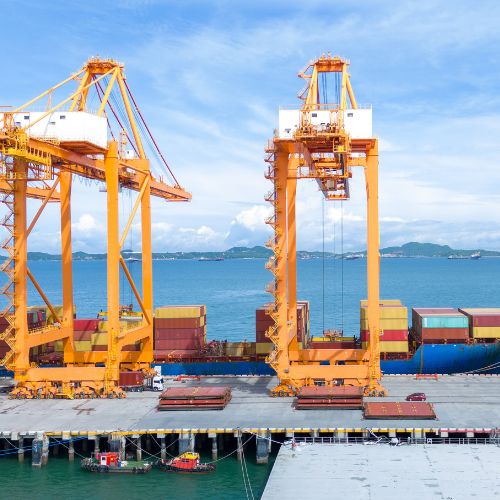
The Islamic port expansion project in Jeddah, Saudi Arabia, required us to handle all project phases, which included designing, manufacturing, installing, and operating 12 container RMG units.
The project achieved all its objectives within the 2022 timeline, which enabled the port to handle 7.2 million TEU and established it as the primary hub port in the Red Sea region.
After this successful and pleasant transaction, the other party immediately signed a ten-year cooperation agreement with us. Up to now, we have remained each other’s reliable partners.
The price of an RMG crane varies significantly depending on factors such as span, lifting capacity, degree of automation, and customized configuration. The single-unit quotation usually starts at 2 million US dollars and reaches up to 20 million US dollars.
Our company provides complete solution packages that include standard solutions and fully automated systems to help you achieve your business requirements while maximizing your return on investment.
Daily maintenance requires inspectors to check the track system, steel cables, motors, brakes and electrical control units. The anti-vibration system and automation system need regular lubrication and inspection to function properly.
In addition, there are some areas that require regular inspection and maintenance over time. We will place these details in our specially-written maintenance manual for you, making it convenient for you to refer to them later.
Through the implementation of positioning systems and intelligent control modules together with TOS interfaces, traditional manual RMG operations can achieve transitions to both semi-automatic and fully automatic operational modes.
The renovation costs of the project decrease by more than 40% compared to the procurement of new materials. The most cost-effective method for traditional ports to achieve intelligent operations uses this path.
The designed service life of our RMG reaches 25 to 30 years under normal operating conditions, which follow the required maintenance protocols.
The equipment achieves its long-lasting performance through the combination of superior structural steel, established anti-corrosion methods, and resilient transmission parts. It enables you to achieve the highest possible equipment value while providing long-term and stable operation.
Our RMG cranes have a span ranging from 16 meters to 70 meters, and their design configuration can be adapted to meet the specific container yard width requirements, track arrangement specifications, and track width needs.
We provide precise matching span solutions for both small inland container yards and super-large container ports. The appropriate design of span measurements enables maximum storage capacity while providing better equipment stability and improved overall operational performance.
The standard RMG configuration allows container handling operations to exceed heights between 8 meters and 30 meters while enabling the movement of containers across four to nine stacked levels. The high-lifting version allows ports and storage areas with restricted land capacity to achieve greater operational efficiency.
How Does a Rail-Mounted Gantry Crane Work?
- Track-guided Walking System: The crane moves along the fixed track.
- Lifting and Trucking Mechanism: The crane lifts the containers or heavy objects while the trolley moves horizontally, thus achieving rapid and accurate material handling.
- Electric Drive and Control System: The motor and PLC system drive the equipment to operate efficiently while consuming less energy throughout the complete operational process.
- Anti-shake and Positioning Technology: The intelligent anti-shake technology can promptly detect load deviations and dynamically correct the operation trajectory through algorithms. The lifting device maintains its stability during severe wind conditions. Help you speed up the loading process.
- Automation Integration: The automated version can operate without human intervention 24/7, which enables you to achieve semi-automated or fully automated operations that will improve efficiency while decreasing labor expenses.
How to Install A Rail-mounted Gantry Crane?
The RMG installation process consists of four main stages, which include track foundation construction, segmented metal structure hoisting, mechanical transmission system installation, and electrical control system testing.
Our company provides complete project delivery from initial site assessment through foundation design until final machine operational testing, with our senior engineering staff present to oversee all project stages.
What are the Differences Between RMG Cranes and RTG Cranes?
- The RMG crane operates on the track and has greater stability and precision; the RTG crane uses rubber tires to enhance its flexibility.
- RMG is suitable for fixed, high-density mesh screens; RTG is suitable for more flexible mesh screens.
- RMG enables more convenient automation and lower costs.
- RTG provides mobility while RMG delivers higher efficiency and better space utilization.