

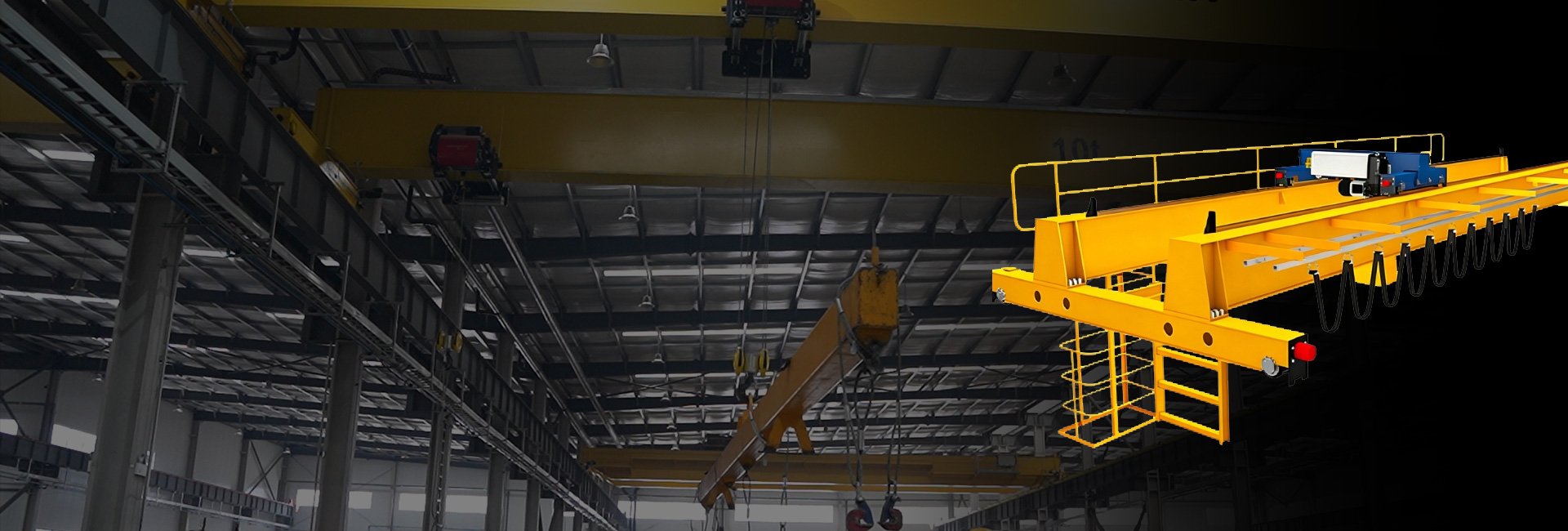
Dingya: Your Reliable 10 Ton Bridge Crane Manufacturer in China
The 10 ton bridge crane is a type of overhead crane used in workshops, warehouses and heavy manufacturing areas. It can complete the lifting and lateral transfer of large workpieces on fixed tracks. Compared with ground handling equipment, it can cover a larger working area and reduce the repeated material movement of heavy loads between production lines.
Dingya can provide customized 10 ton overhead cranes based on your factory span, lifting height, and operating frequency. We manufacture according to FEM and ISO crane classifications, supporting variable frequency operation, customized control methods, and multiple power configurations. Contact us today to get a customized 10 ton bridge crane solution for your workshop and lifting requirements.
Our Products
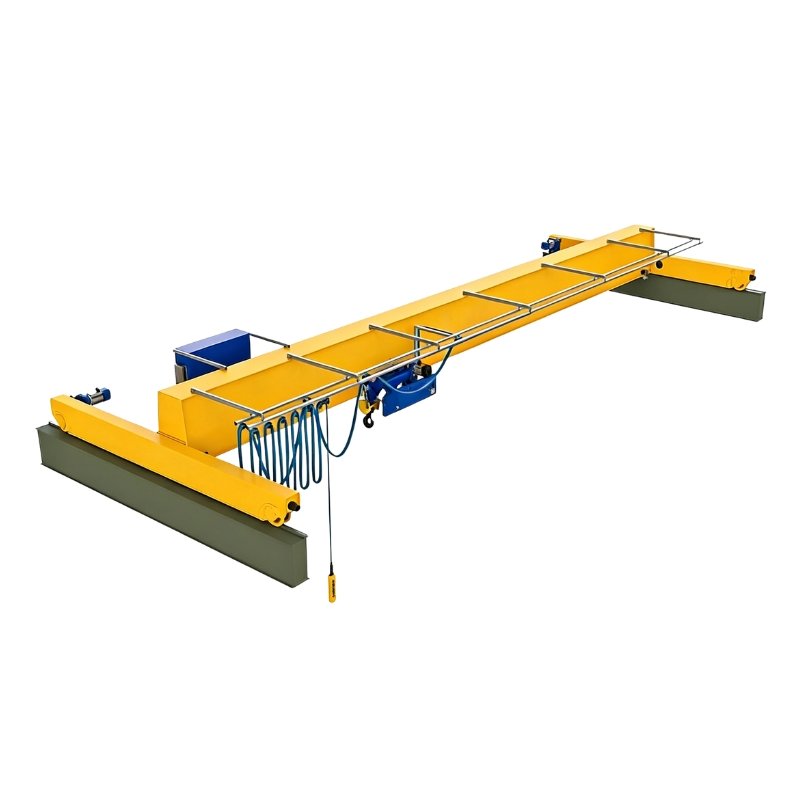
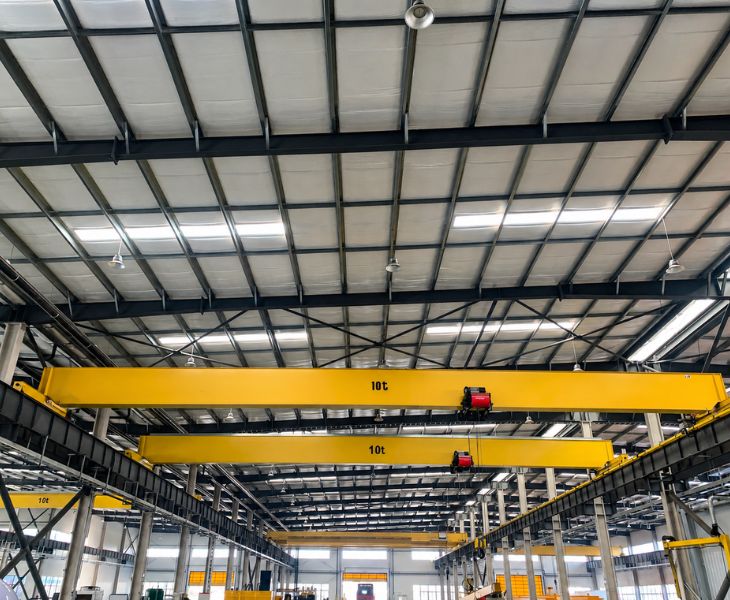
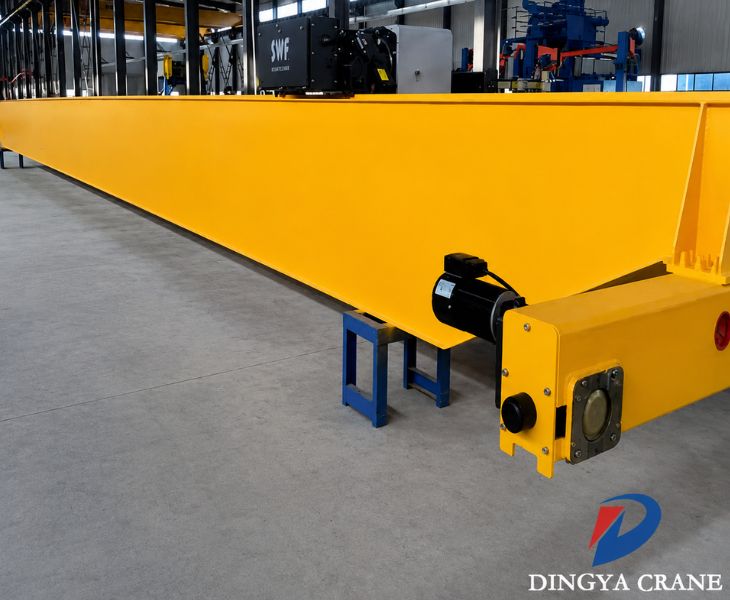
Adopting a single main beam, the structure is simple and lightweight, reducing the load-bearing requirements of the factory building.
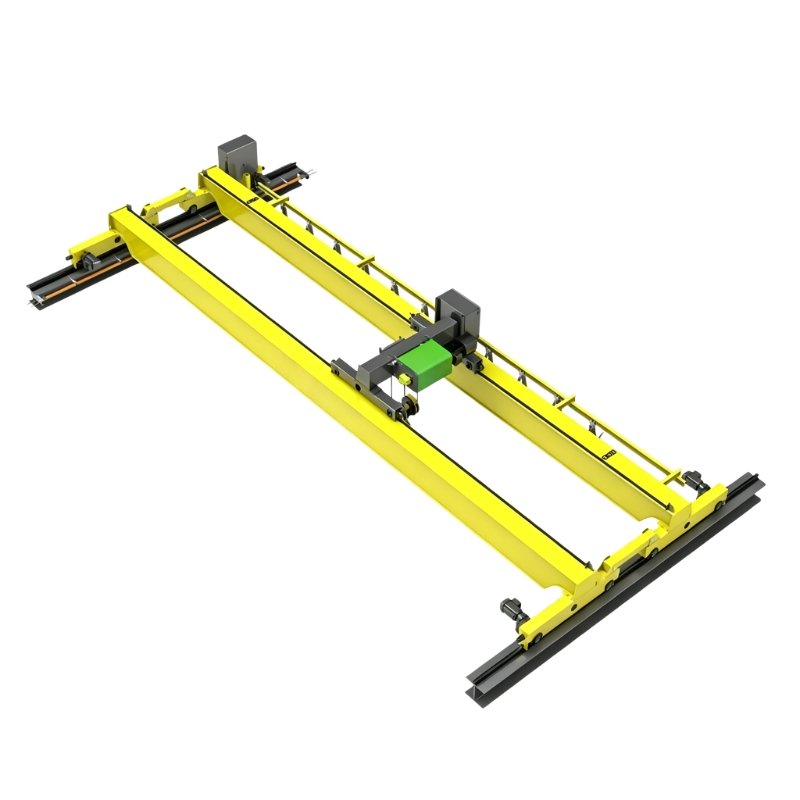
Double parallel main beams, with strong rigidity, can support larger spans and higher lifting requirements.
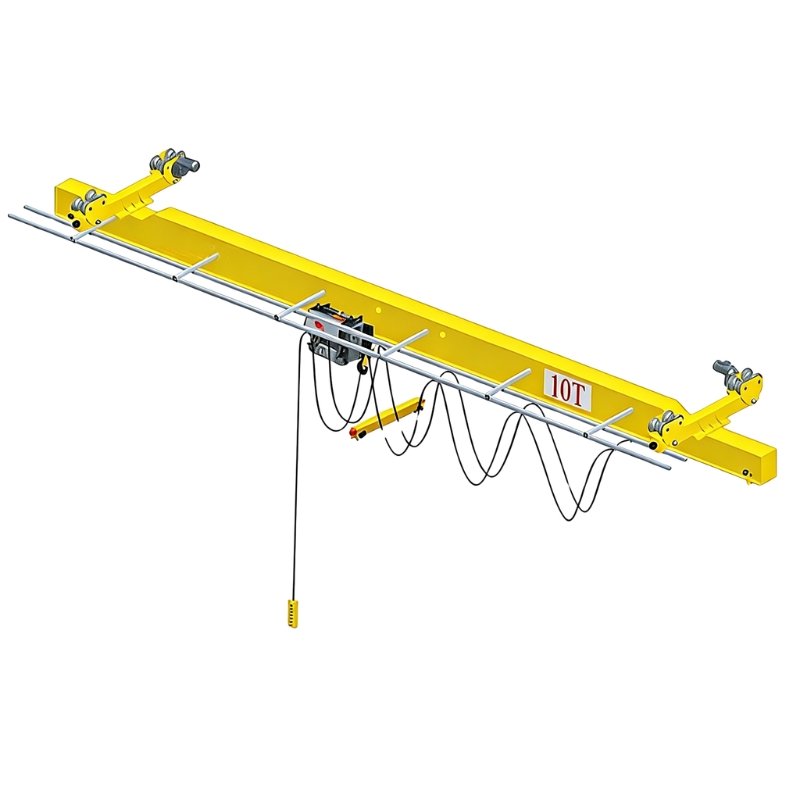
The low clearance main beam, combined with a compact design, increases the available lifting space in the low clearance factory building.
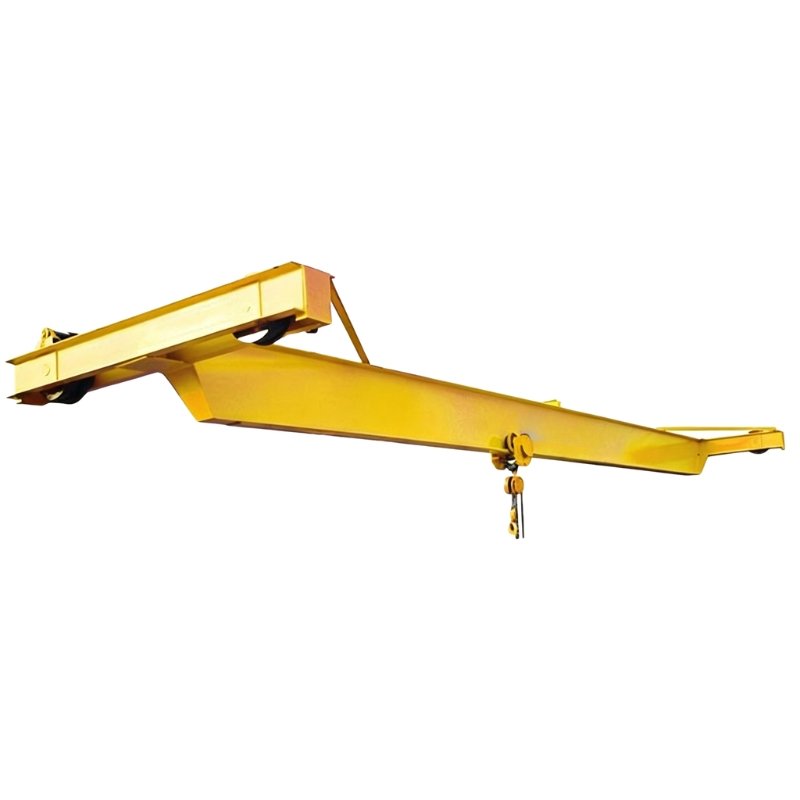
Directly suspended on the roof beam, saves floor space in a restricted workshop.
Multiple Control Methods
Dingya’s 10 ton bridge crane can be equipped with pendant control, wireless remote control, or cab control according to your workshop layout and handling requirements. For lifting large workpieces that require collaboration among multiple people, remote operation can reduce communication errors caused by visual obstructions. In high temperature, dust or large-span workstations, cab control is more convenient for operators to observe the overall operating status, improving the stability and operational efficiency of long-term operations.
Dual Braking Mechanism
Our 10 ton bridge crane is equipped with two independent braking devices for its lifting mechanism. The main brake is responsible for regular parking. When there is a power outage or abnormal working conditions, the safety brake directly locks the drum to prevent the suspended load from losing control and falling due to gravity. The high starting torque motor can withstand the instantaneous impact of frequent forward and reverse starting on the braking device, making sure that the dual braking system can stably hold and release the brake during each action.
Track Buffer Structure
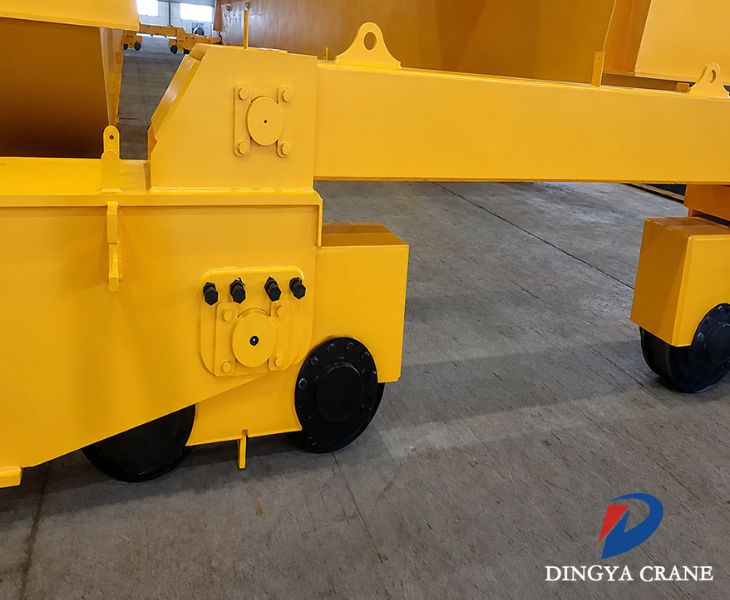
Our 10 ton overhead crane is equipped with a spring buffer device at the end of the bridge frame. When the crane reaches the end point of the track, it gradually absorbs the running inertia and reduces the hard impact between the end beam and the stop block. Compared to ordinary rubber buffers, spring buffers can continuously restore their buffering capacity during both forward and reverse operations. This buffering mechanism can reduce the wear at the track ends and extend the lifespan of the travel mechanism.
Applications of Our 10 Ton Bridge Crane
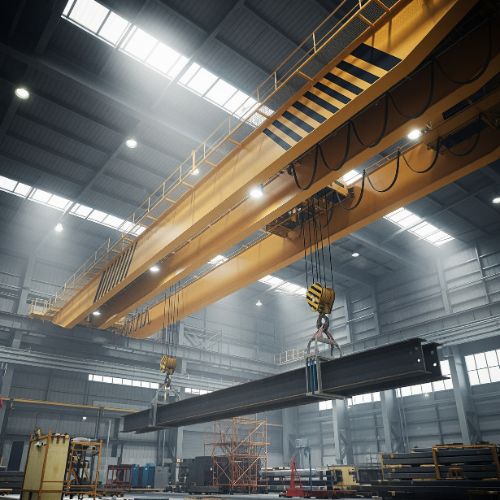
The 10 ton bridge crane is commonly used for transporting steel beams, steel plates and large welded components between the cutting, assembly and welding stations. The bridge frame covering the entire production area can enhance the efficiency of the transfer of long-sized workpieces.
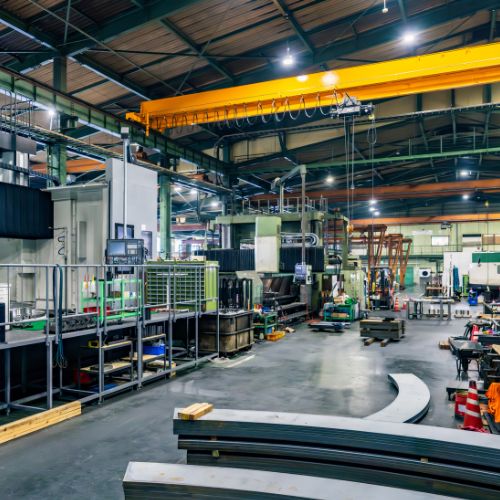
In the machinery manufacturing industry, a 10 ton overhead crane can be used for mold flipping, equipment assembly, and the hoisting and positioning of large components. For production lines that require multi-station collaborative assembly, it can facilitate the smooth transfer of large workpieces between different equipment.
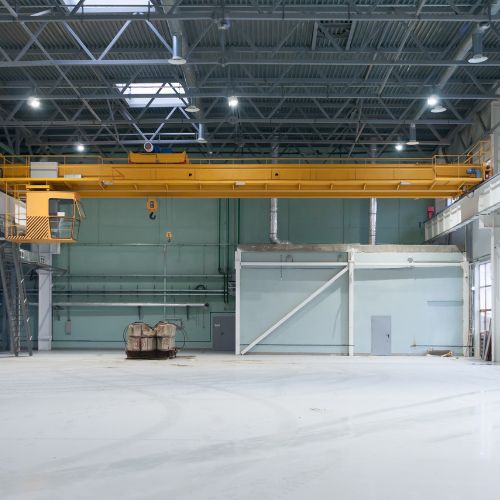
The industrial storage center will use a 10 ton overhead crane for the transportation of heavy pallets, equipment components and complete machinery. Compared to ground transportation equipment, the overhead lifting system can release more ground space, facilitating the continuous turnover in the storage area.
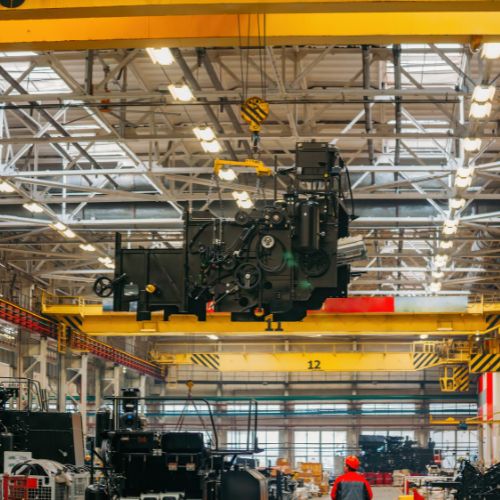
During the maintenance process of large motors, reducers and industrial pump sets, frequent disassembly and assembly are usually required. The 10 ton bridge crane can cover multiple maintenance workstations, facilitating the overall lifting, flipping and reinstallation of the equipment. This reduces the difficulty of moving large components in a limited space.
When choosing a 10 ton bridge crane, the span is not only determined by the width of the building. You need to determine it by evaluating the spacing of the columns, the layout of the equipment, the actual lifting route and the safety clearance.
The excessive span will increase the self-weight of the bridge frame and the wheel load. During long-term operation, higher standards are required for the steel structure of your factory building. If the crane’s span is too small, there may be a blind area for lifting, which will affect your operation.
The variable frequency system helps the 10 ton overhead crane achieve smoother acceleration and deceleration during its movement and lifting operations. Compared with constant-speed operation, stable speed regulation can reduce load oscillation and minimize the impact on the transmission components. This is very useful for precise equipment positioning, mold processing, and workshops with frequent start-stop movements.
During the operation of a 10 ton bridge crane, the bridge, trolley and hook will all undergo lateral and longitudinal movements. If the track is too close to the factory equipment, columns or maintenance passageways, it may affect equipment maintenance and personnel passage. Reasonably reserved safety distances can also help reduce the risk of collisions during long-term operation.
Yes. You can configure the twin-hook configuration according to the working conditions, which is suitable for long-sized workpieces or situations requiring simultaneous lifting at two points. Compared with single lifting, the twin-hook configuration can improve the problem of uneven force distribution of large workpieces. It is more convenient to control the balance state in the transportation of steel structures, molds and large mechanical components.
The 10 ton marking on the bridge crane usually refers to the rated lifting capacity. This means the maximum load that the equipment can safely and stably lift over a long period under standard working conditions. However, in actual use, the weight of the lifting gear and the force changes of some special workpieces will occupy a portion of the lifting capacity. The actual available lifting capacity needs to be calculated by subtracting these weights from 10 tons.
10 Ton Bridge Crane Maintenance Checklist
Regularly Check the Wear Status of the Steel Wire Rope
Steel wire ropes are subjected to repeated stretching and bending loads over a long period of time. They are one of the components most prone to fatigue wear in a 10-ton bridge crane.
During daily maintenance, you should focus on checking for broken wires, flattening, twisting, and changes in rope diameter, especially in the contact area between the drum and the pulley. Many early problems with steel wire ropes do not immediately cause breakage, but they will gradually reduce the overall load-bearing stability.
Early detection of abnormalities can prevent subsequent downtime for replacement, thus avoiding impacts on your production schedule.
Pay Attention to Whether There is any Delay in the Braking System
The lifting and walking brakes directly affect the control stability during the lifting process. In addition to checking the wear of the brake pads, you should also observe whether the brake release is smooth, whether the parking distance is abnormal, and whether there is any slipping.
If you ignore the adjustment of brake clearance for a long time, it will lead to increased impact during frequent start stop cycles, increasing the load on the gearbox and coupling. For high-frequency operating conditions, regularly calibrating the braking system can reduce safety risks.
Check the Running Status of the Track and Wheels
After long-term operation, the 10 ton overhead crane may experience track deviation, loose pressure plates, or wheel wear. This can easily lead to walking deviation and rail gnawing problems. Many abnormal noises are not motor failures, but additional loads caused by changes in track flatness.
During maintenance, you need to check the track connection parts, wheel wear marks, and whether there is any obvious lateral deviation during bridge operation. Maintaining the track installation accuracy helps to reduce operational resistance and structural fatigue.
Maintain Stable Electrical System Connections
Under long-term high-frequency operation conditions, the terminal blocks, cable conveyor, and sliding contact lines of a 10 ton bridge crane are prone to poor contact due to vibration and dust. Some cranes may experience occasional abnormal startups or limit switch failures, which are often related to loose electrical connections.
During maintenance, you should inspect the cable wear, controller contacts, and limit switch operating conditions. Avoid small-scale electrical problems from gradually developing into complete machine shutdown failures.
Establish Maintenance Records
Many people only arrange maintenance after a 10 ton bridge crane malfunctions. If there is a long-term lack of maintenance records, it will increase the difficulty of identifying hidden dangers.
We suggest that you establish daily, monthly, and annual maintenance plans for a 10 ton bridge crane based on the usage frequency. Record the replacement of steel wire rope, brake adjustment, and track calibration.
For continuous production workshops, complete maintenance records facilitate subsequent inspection and judgment, and also help reduce production losses caused by sudden shutdowns.