

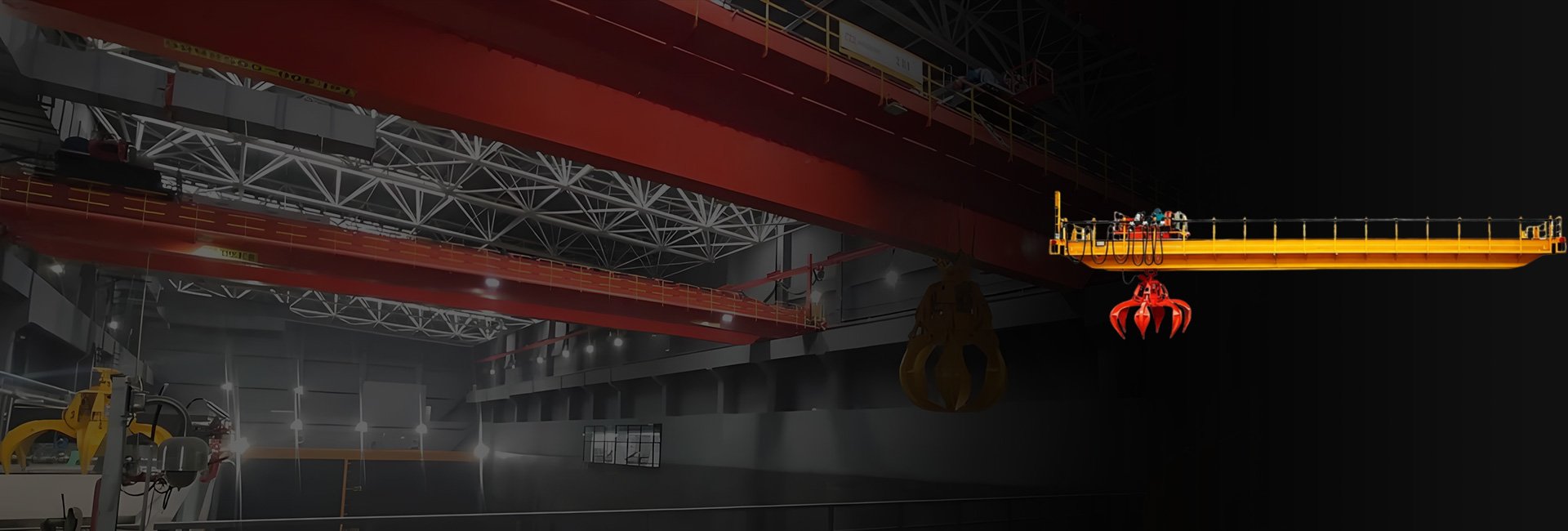
DINGYA - A Reliable Waste Crane Supplier in China
DINGYA’s waste cranes can efficiently transport, mix, stack, and feed waste into incinerators with heavy-duty grab buckets and stable bridge crane mechanisms. They are ideal for any location requiring continuous waste handling, such as waste-to-energy plants, municipal solid waste facilities, and recycling centers. Our automated traveling and hoisting system eliminates the need for workers to handle waste in harsh environments.
As an experienced waste crane manufacturer, DINGYA employs corrosion-resistant structures, intelligent control integration, and reliable continuous-duty performance to withstand the harsh conditions of waste processing environments. We can provide a waste crane according to your waste processing capacity, the bunker size, and your plant operating conditions, with customization available from grab selection to automation configuration.
Products by Grab Bucket Type
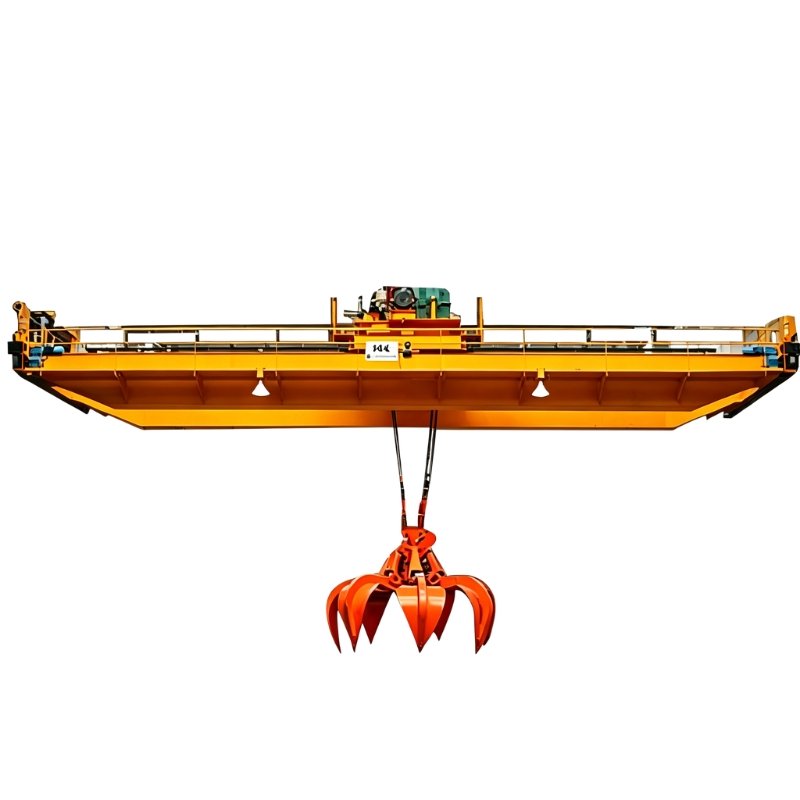
The integrated onboard hydraulic pump gives it a strong grabbing force that can handle waste materials smoothly, which enables it to handle heavy-duty waste efficiently.
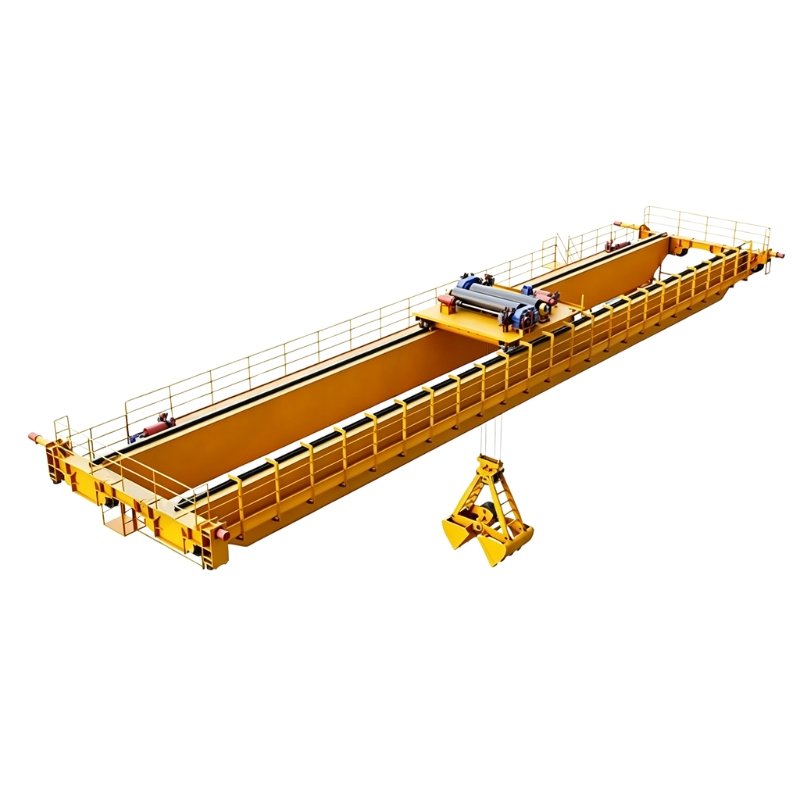
It doesn’t have complex external piping. Its bucket combines electrical control with hydraulic power to handle waste precisely, energy-efficiently, and with fast response.
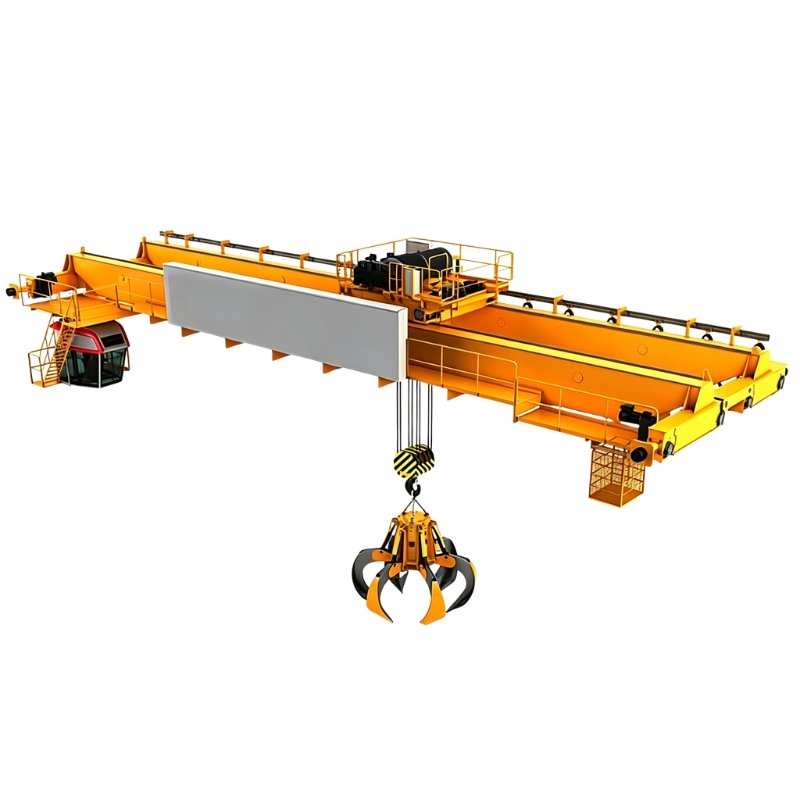
It operates through the multi-rope steel cable winch system, which is easy to maintain and cost-effective. The simple and robust structure makes it very suitable for heavy-duty industrial conditions.
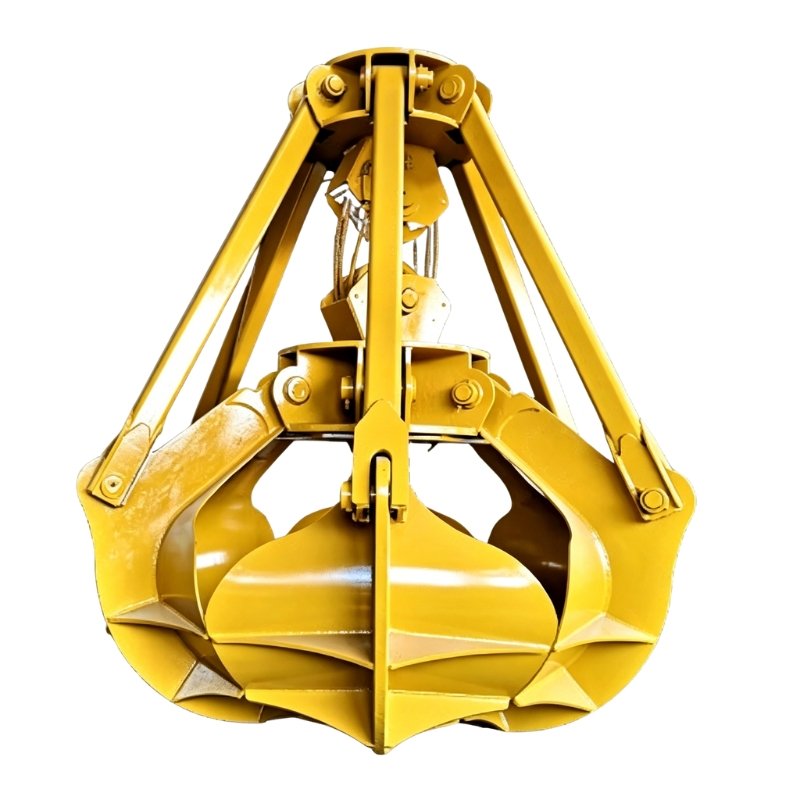
Its multiple tines enable it to have better grabbing stability and grab irregular, bulky, loosely packed waste materials without slipping.
Low Downtime Risk
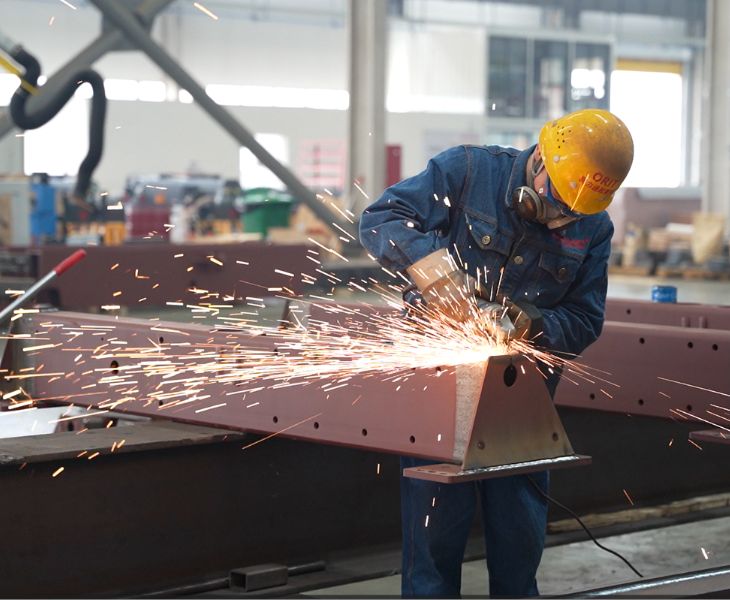
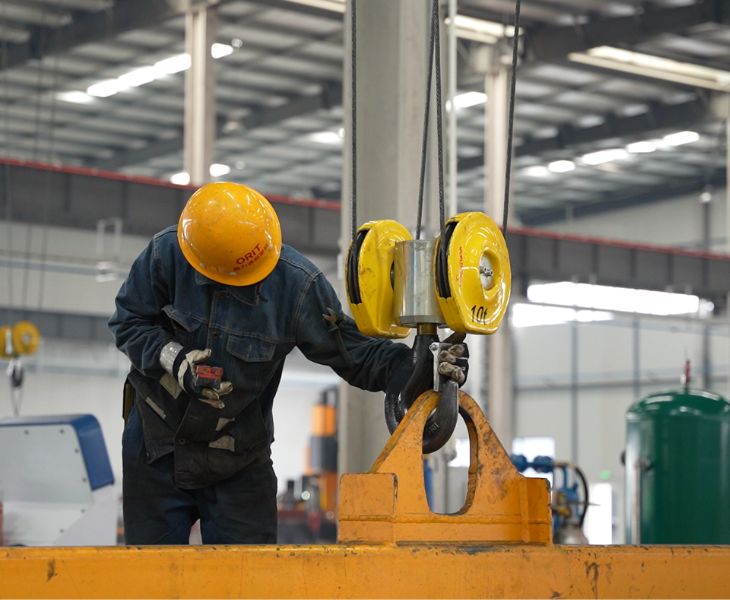
Our waste cranes are designed for uninterrupted, continuous operation, effectively reducing the risk of unexpected downtime and minimizing the impact on your plant’s efficiency. With heavy-duty construction, high-quality and wear-resistant components, and reliable electrical systems, they minimize the risks of equipment failure and production halts. Our waste cranes also simplify inspection and maintenance procedures, helping your operators reduce repair times and further minimize downtime.
High Automation Degree
We offer waste cranes with high automation, which can automatically perform waste grabbing, mixing, stacking, and feeding operations without much manual intervention, significantly reducing the workload on operators. They integrate PLC control systems, intelligent positioning technology, and automated grab movement to improve operational accuracy. Automated waste handling also ensures consistent waste distribution inside the bunker and feeding into the incinerator hoppers, thereby improving incineration stability and efficiency.
High Grab Volume
Equipped with a high-volume grab bucket, the waste crane can handle more waste per operation without material spillage, significantly improving single-load waste handling efficiency, reducing repeated traveling movements, and shortening the feeding time inside waste bunkers. Combined with our stable hoisting mechanisms and precise crane control systems, these waste cranes are ideally suited for high-demand waste processing lines, such as large-scale municipal solid waste treatment facilities.
Applications of Waste Crane
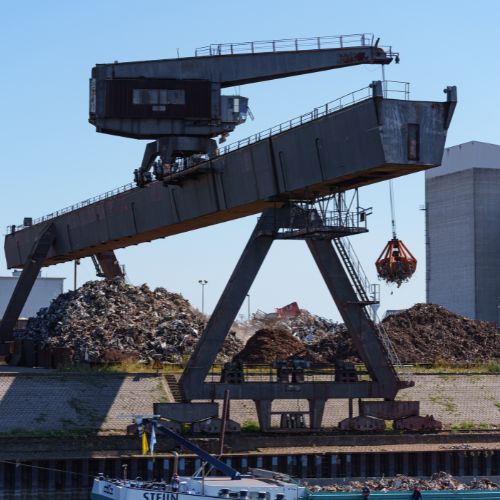
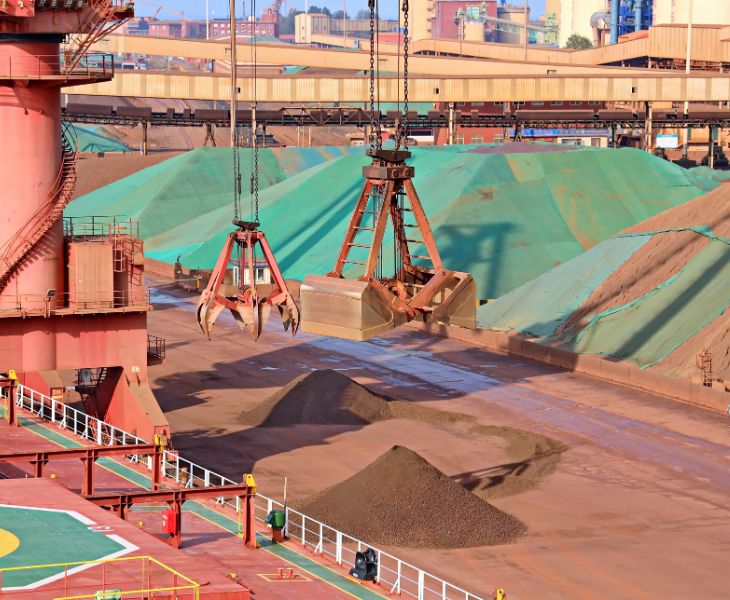
Waste-to-energy plants require uninterrupted 24/7 waste handling and incineration. Our waste cranes can achieve stable and reliable feeding, mixing, and precise placement of waste under M8 heavy-duty cycles, ensuring no unexpected downtime and continuous power generation.
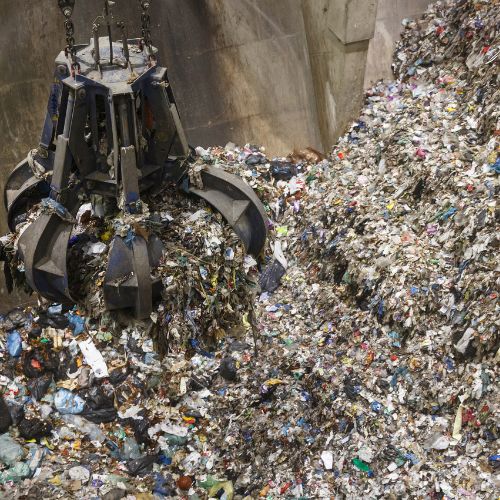
Large cities generate massive amounts of household waste every day. We offer waste cranes capable of easily handling large volumes of mixed waste. These cranes can easily withstand the corrosive and dusty conditions found in waste pits, enabling them to ensure sufficient daily waste throughput.
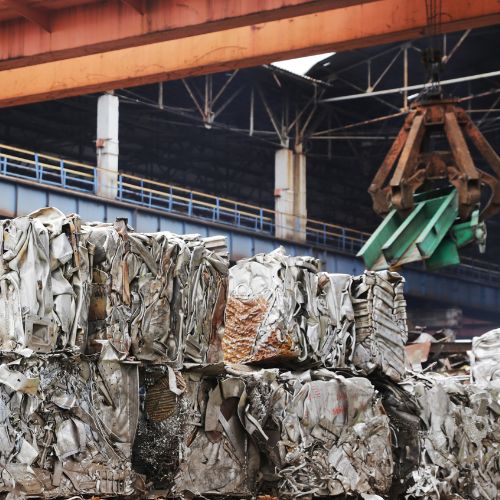
RDF production plants are responsible for sorting, shredding, and processing unsorted raw waste. Our waste cranes are perfectly suited to the RDF production plants’ fast working paces, efficiently and accurately conveying raw waste to shredders and sorting lines.
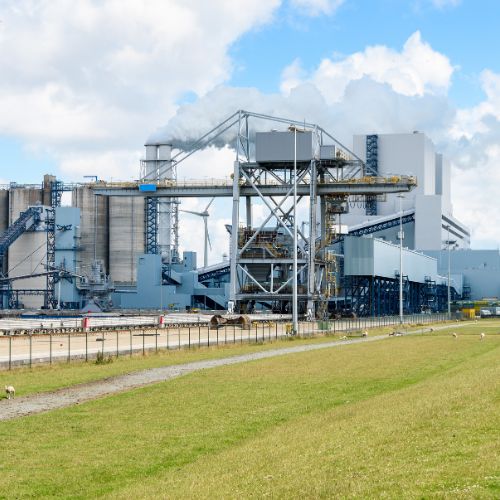
Biomass power plants often need to handle loose, bulky waste materials such as wood chips, straw, and agricultural waste. Our waste cranes, equipped with large-volume multi-tine grabs, can handle these materials seamlessly. Combined with anti-sway technology, they ensure stable material handling.
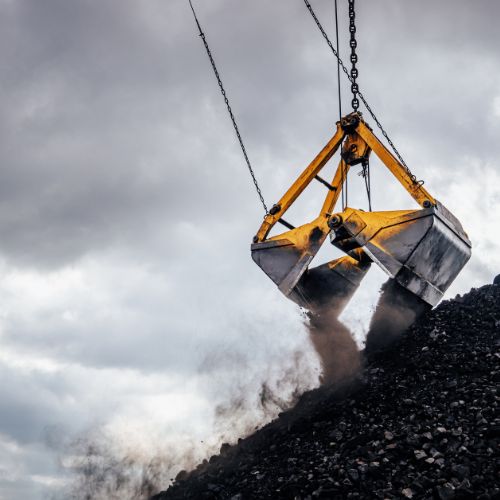
Our waste cranes offer exceptional accuracy and are equipped with flexible grab configurations, enabling recycling centers to efficiently transport, sort, and load a wide variety of recyclable materials. Models with advanced smart controls can significantly improve your resource recovery rate.
The appropriate grab bucket is selected according to waste type, material density, moisture content, and geometry. For highly irregular, bulky, or loosely packed municipal solid waste, a multi-blade orange peel grab can firmly penetrate and trap uneven materials.
Closed-shell or dual-scoop clamshell grabs prevent the spillage of fine waste, biomass wood chips, or dry RDF fractions. When handling wet or sticky waste, reinforced hydraulic grabs with a stronger closing force are required to prevent material from dropping. Furthermore, the grab bucket capacity should also be matched to the waste crane’s lifting capacity and bunker dimensions.
Standard overhead cranes are primarily used for lifting industrial cargo, while waste cranes are mainly used for feeding, mixing, and stacking materials in bunkers.
Compared to standard overhead cranes, waste cranes are typically equipped with heavy-duty structures, automated control systems, and grabs specifically designed for handling bulk waste, enabling them to continuously handle waste in harsh environments. Besides, they typically have greater resistance to moisture, dust, and corrosive gases.
The waste cranes’ lifting capacity typically ranges from 5 to 30 tons, with the specific capacity determined primarily by waste processing requirements, the size of the bunker, and the grab bucket’s volume. For small-scale regional biomass or recycling plants, 5 to 10 tons is the standard lifting capacity.
Medium-sized processing plants typically use 10-ton or 16-ton waste cranes, paired with large-volume grab buckets to ensure efficient waste handling. Medium to large-scale waste-to-energy plants that process massive volumes of urban waste typically deploy heavy-duty systems ranging from 15 to 30 tons to ensure continuous boiler feeding.
Fresh municipal solid waste varies greatly in composition and can cause significant fluctuations in furnace temperature if they are burned directly. Before feeding, the waste crane thoroughly homogenizes different wastes in the storage bunker, ensuring a more uniform distribution of moisture content and calorific value.
Feeding this homogenized fuel into the incinerator hopper ensures stable furnace temperatures, thereby maximizing energy generation, reducing harmful gas emissions, and extending the overall service life of the boiler. Besides, a continuous and balanced feed into the incinerator also improves combustion stability.
Waste cranes must withstand some of the most aggressive and hostile environments in heavy industry. They operate inside sealed waste bunkers, where humidity is extremely high, and the air is thick with airborne suspended dust.
Waste bunkers typically contain acidic gases and moisture released from decomposing municipal solid waste, such as H₂S and NH₃, which can rapidly corrode standard steel and electronic components. In addition, the cranes must withstand 24/7 continuous handling of heavy loads.
The anti-sway technology we provide for our waste cranes is critical to your operation safety and efficiency. During the traveling, lifting, and positioning of waste cranes, heavy grabs often swing like a pendulum.
Our anti-sway system counteracts and eliminates the bucket’s swinging motion, thereby preventing material from falling. It also reduces structural stress on the crane bridge, hoisting systems, and rails, extending the waste crane’s service life and protecting the bunker walls and the feeding hoppers from violent impact.
For automated waste cranes, anti-sway technology also improves positioning speed and enhances feeding cycle efficiency.
The waste crane span must match the waste bunker’s total dimension to ensure that the grab bucket can reach all areas within the bunker, leaving no blind spots. The span must fully span across the entire width of the storage area, including the tipping zones and the feeding hoppers.
An oversized span may increase structural loads and equipment costs, while an undersized span will limit handling efficiency. When designing the span, the plant layout must also be considered, including building columns, maintenance walkways, and safety zones.
Main Components of A Waste Crane
Bridge Girder
The bridge girder spans across the width of the waste bunker and serves as the waste crane’s primary load-bearing structure, supporting the hoisting mechanism, trolley travel, and grab bucket operations.
Lifting Trolley
It is the wheeled mechanism that travels along the top of the bridge girder carrying the hoisting mechanism and grab bucket.
Waste Grab Bucket
The grab bucket is the core waste handling component, used to directly grip, lift, and release waste. Its performance directly affects the waste crane’s waste handling efficiency.
Traveling Mechanism
The travel mechanism refers to the assemblies of end carriages, wheels, and drive motors located on both sides of the waste crane bridge, which enable the entire crane to move longitudinally along the runway rails on the bunker walls.
Hoisting Mechanism
It usually includes motors, gearboxes, brakes, drums, and wire ropes, and is responsible for controlling the lifting and lowering of the grab during the waste handling process.
Electrical Control System
The electrical control system manages the waste crane’s movement, bucket operations, automated operations, and safety functions.
Operator Cabin
The operator cabin is an enclosed and reinforced glass enclosure typically equipped with monitoring systems, control panels, ergonomic seating, and wide visibility, providing workers with a safe and comfortable operating environment.
Drive And Control Systems of Waste Cranes
PLC Control
Based on feedback from on-site sensors, the PLC control system controls the waste crane with high precision to perform lifting, travel, and the opening, closing, and positioning of the grab. It enables the waste crane to operate continuously 24 hours a day and prevents human error.
Frequency Control
The frequency control system regulates the motor speed, thereby reducing the sway of the grab during acceleration, deceleration, and positioning, and improving the waste crane’s operation stability. This technology not only reduces the impact on the waste crane during operation and extends the service life of its components, but also lowers energy consumption.
Remote Control
Workers monitor real-time video feed from cameras and operate the crane using joysticks in a safe remote control room, which keeps workers away from the harsh conditions of the waste bunker, ensuring their workplace safety.
Cabin Control
The crane cabin moves synchronously with the waste crane above the waste bunker. The elevated position provides workers with a wider field of view. They can directly monitor and control the waste crane’s operations. The cabin is equipped with high-strength glass and a positive-pressure air filtration to protect workers from dust and toxic gases.
Smart Monitoring
While it does not directly control the motor, it can detect abnormal conditions early by monitoring the crane’s operational status, motor temperature, load conditions, and maintenance data in real time, thereby reducing unexpected downtime. It can also calculate optimal routes based on the monitored data, maximizing the waste crane’s operational efficiency.
Functions of Waste Crane
Waste Handling
The waste crane can continuously pick up and transport waste between different areas. The trolley, bridge, and grab work together efficiently to prevent waste from accumulating in any one area.
Incinerator Hopper Feeding
The waste crane must continuously deposit waste into the feeding hopper to keep the incinerator burning. The more precise the feed, the higher the incineration efficiency.
Waste Mixing & Homogenization
The waste crane can use its grab to evenly mix dry waste with moist organic waste, thereby improving the stability and efficiency of waste incineration. It also prevents heat generated by microbial fermentation from building up inside the waste pile.
Waste Stacking & Storage
The waste crane stacks the waste densely in the storage bunker to optimize available space and prevent difficulties in grabbing and poor waste processing caused by haphazard waste piling.
Non-Combustible Sorting
In the recycling plants, waste cranes separate oversized or non-combustible waste materials before incineration, preventing blockages in downstream mechanical grates, reducing furnace damage risks, and improving overall incineration efficiency.