
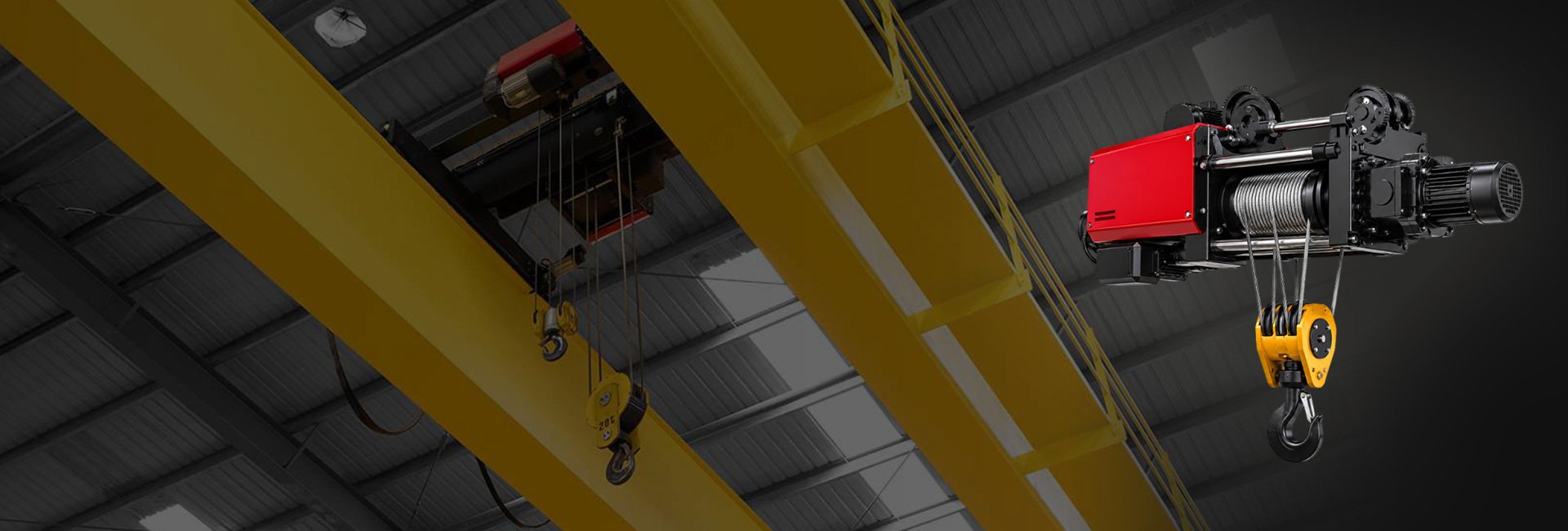
DINGYA - A Reliable Chinese Explosion Proof Hoist Supplier
DINGYA’s explosion proof hoists are specifically designed for safe materials handling in hazardous environments with flammable gases, vapors, or combustible dust. They are widely used in oil and gas facilities, chemical plants, paint workshops, mining operations, and other high-risk industrial areas. By using explosion-protected motors, enclosed electrical components, and anti-spark structures, our equipment effectively reduces ignition risks.
As a professional Chinese explosion proof hoist manufacturer, DINGYA provides customized lifting solutions tailored to your hazardous area classifications, duty cycles, voltage standards, and installation environments. We provide strict production inspections, detailed technical documentation, and export-ready packaging solutions, helping you simplify approval, transportation, and on-site installation processes.
Products by Features
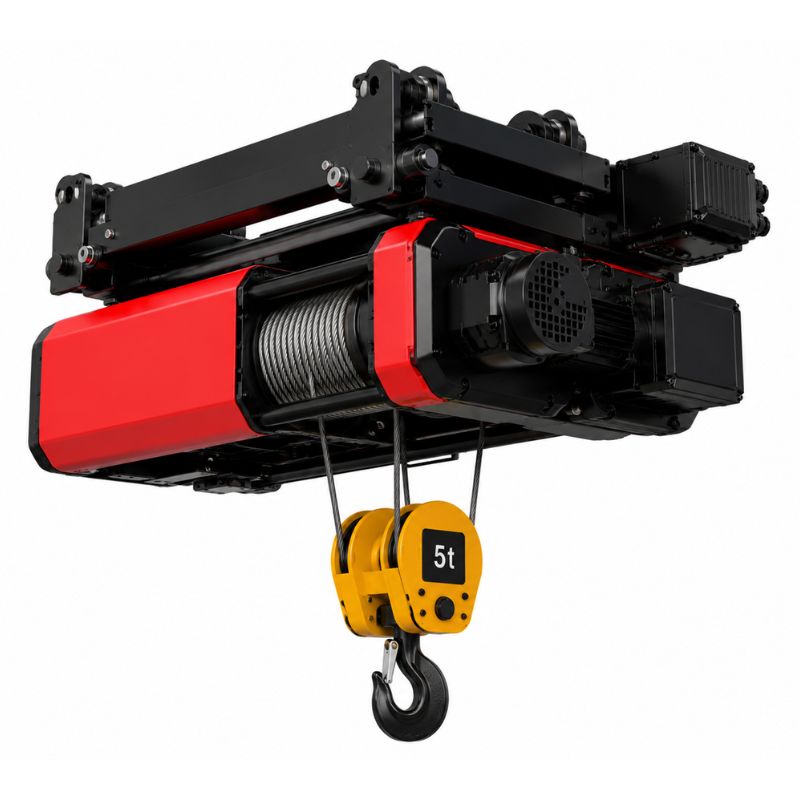
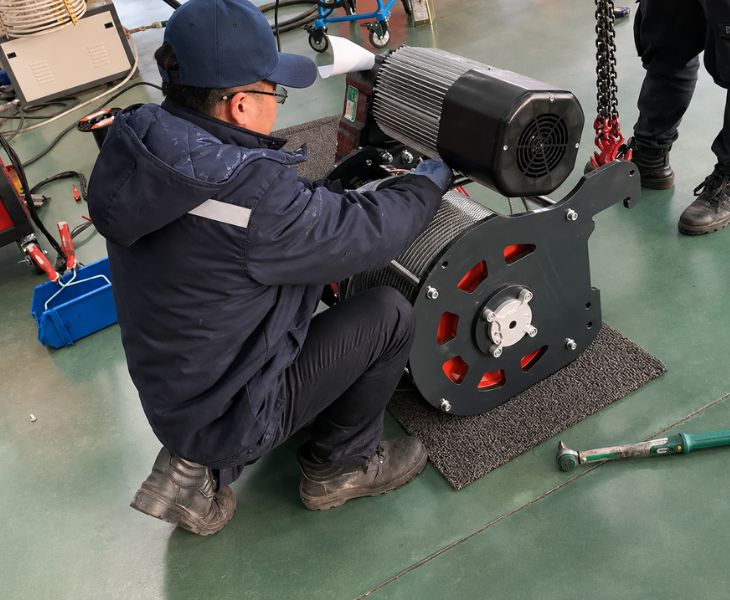
It is equipped with durable steel cables and can provide higher lifting capacities and speed, which makes it suitable for heavy-duty industries, like energy and mining.
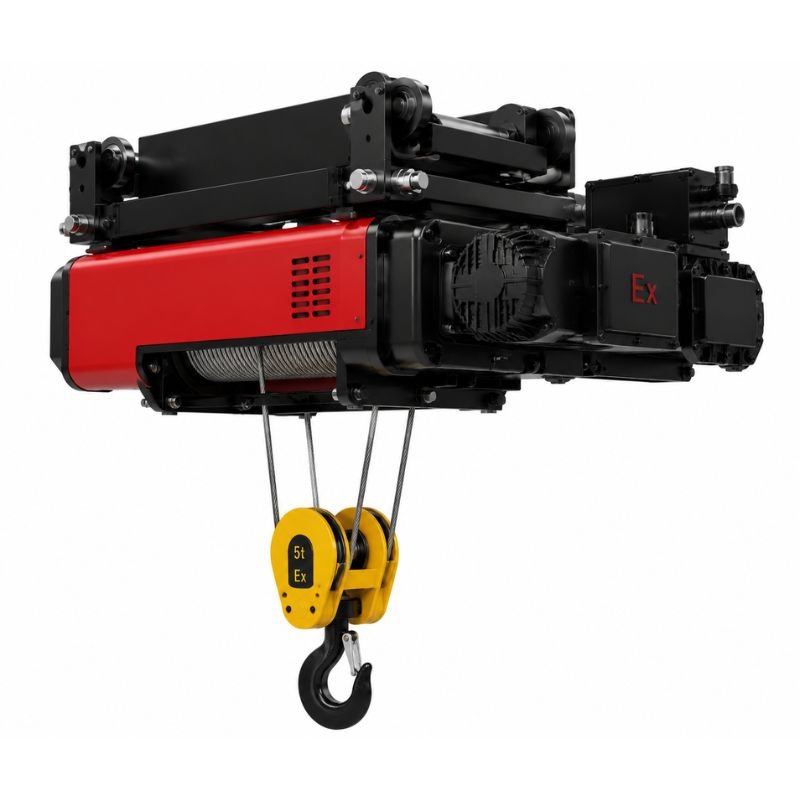
It is designed for hazardous environments with limited space, maximizing lifting height while keeping reliable explosion protection.
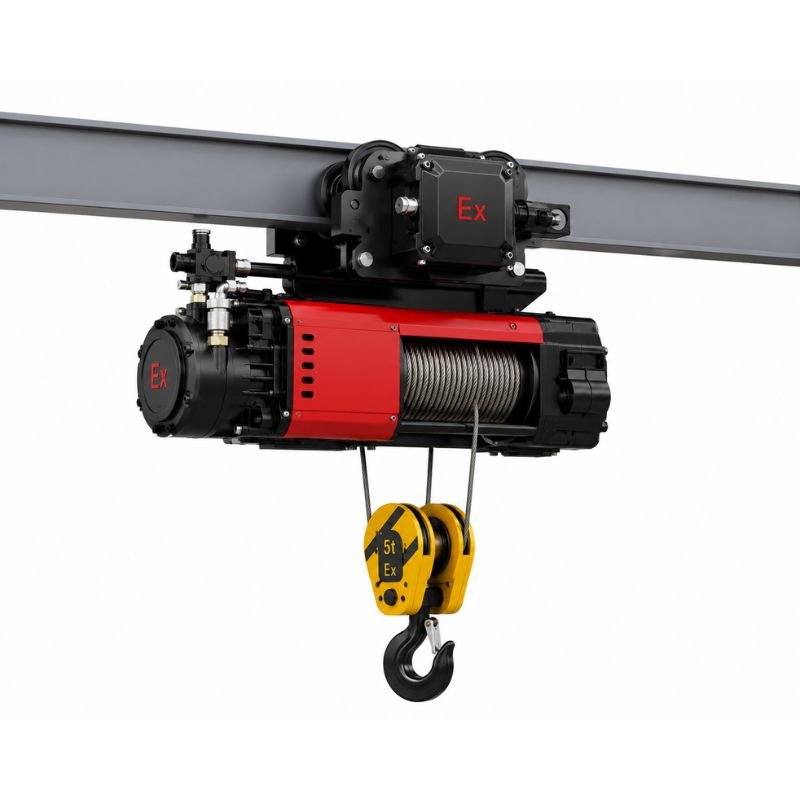
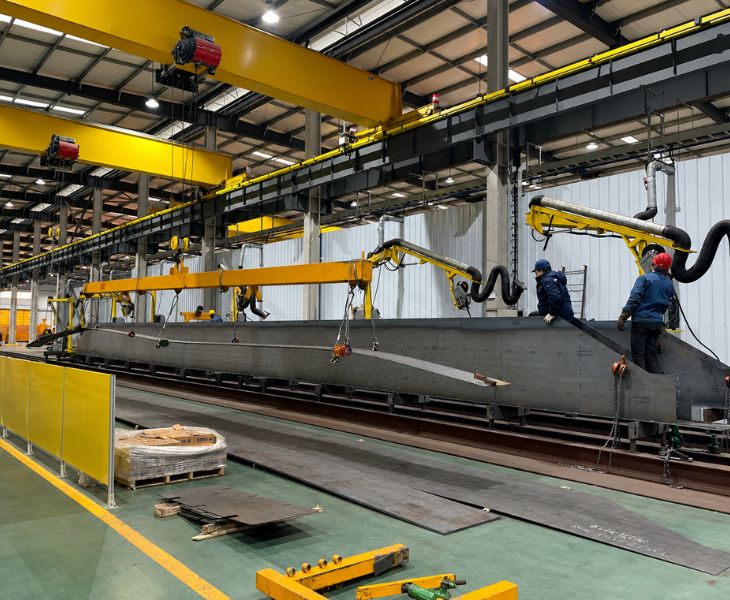
It transports materials along fixed straight or curved overhead beams in hazardous production lines and industrial processing facilities.
Explosion Protection Design
Our explosion proof hoists are equipped with explosion-proof motors, flameproof enclosures, and spark-resistant materials. The flameproof joints cool and quench any escaping flames. The hook and rope guide are copper-plated or made of a special alloy to prevent sparks from collisions with hard objects. The trolley wheels use stainless steel or copper rims to prevent ignition on the track. Besides, overload limiters and upper/lower limit switches can prevent mechanical hazards that could lead to ignition.
Rugged Construction
Rugged construction enables our explosion proof hoists to withstand the harshest and most hazardous industrial environments. The robust steel structure enables our explosion proof hoists to easily handle heavy-duty lifting tasks. Reinforced frames, durable lifting components, and wear-resistant materials further enhance structural stability. The housings are robust enough to withstand internal explosions. Whether used in mining operations, offshore platforms, or chemical plants, their rugged construction ensures stable and safe lifting operations and extended service life in high-risk industrial environments.
Applications of Explosion Proof Hoist
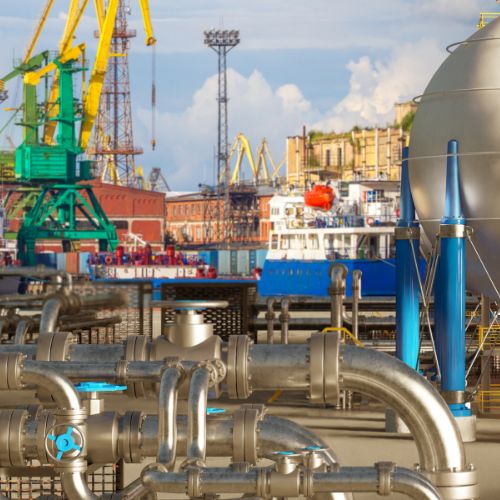
The working environments of drilling sites, refineries, and fuel storage facilities are always filled with flammable gases. Our explosion proof hoists are specifically designed to operate in these hazardous conditions. They meet strict safety requirements, protect your drilling rigs, and ensure enough efficiency.
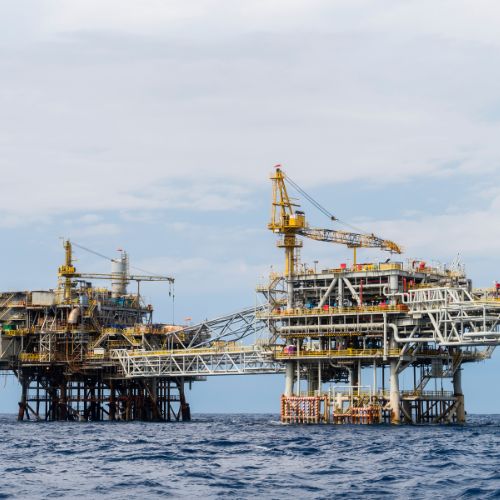
Offshore platforms are exposed to humid environments and salt spray. Our explosion proof hoists are designed to withstand corrosion that could damage both structural integrity and explosion proof functions, ensuring compliance with safety regulations even in the harshest offshore drilling environments.
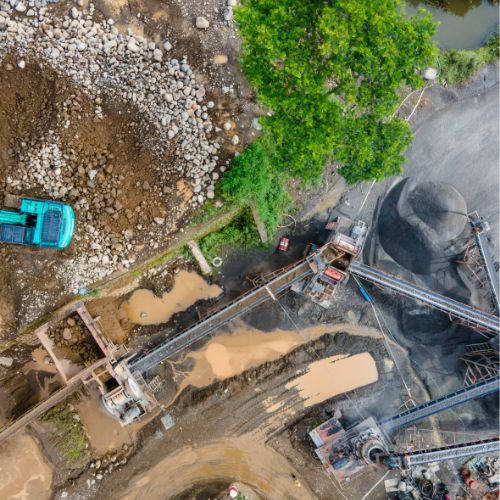
In high-risk mining environments, our explosion proof hoist can safely lift heavy equipment, tools, and other materials in underground atmospheres filled with methane and coal dust, preventing accidents that could disrupt production.
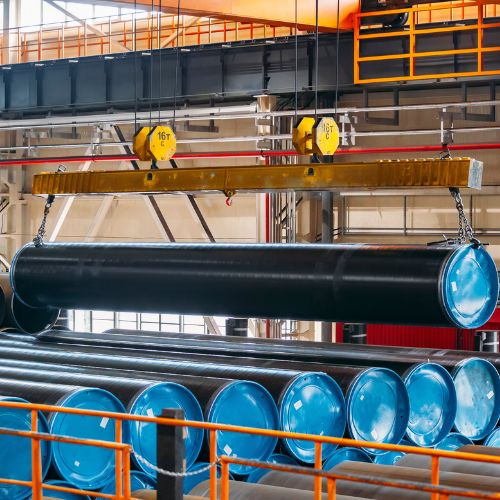
Paint and coating workshops are always filled with atomized solvents and volatile vapors, which are highly flammable. Our specialized explosion proof hoist can smoothly lift heavy components with precision, ensuring that painting operations are completed without generating sparks that could cause a fire.
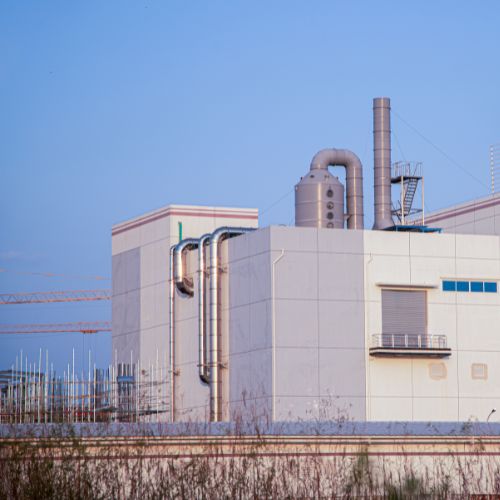
The pharmaceutical industry requires both sterile environments and the handling of flammable chemicals. Our explosion proof hoist has a fully enclosed design that helps maintain a clean production environment, while its stable lifting performance prevents the ignition of flammable chemical components.
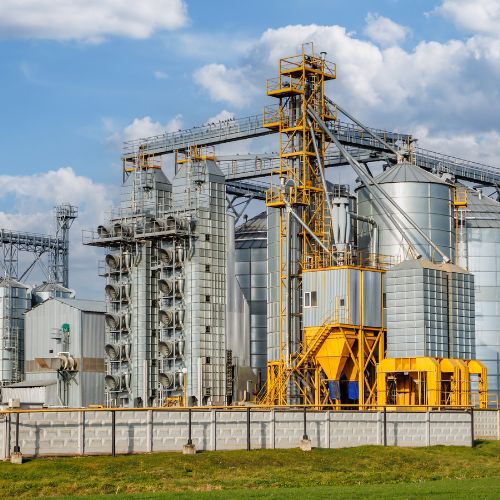
High-dust storage facilities, such as grain processing plants and feed mills, are high-risk environments where sparks can easily trigger dust explosions that cause severe damage to your life and property. Our explosion proof hoist’s housing keeps combustible particles out, thereby eliminating risks.
To ensure the safe operation of explosion proof hoists in hazardous environments, the hooks, wire ropes or chains, brakes, and emergency stop functions need frequent daily or weekly inspections. The electrical system, lubrication, and wear conditions should be checked monthly to quarterly.
Detailed annual inspections are required for internal flameproof joints, motor insulation, and structural integrity. Detailed inspection logs must be maintained for regulatory compliance and safety audits. If the environments are harsh, more frequent inspections and maintenance may be required.
We offer explosion proof hoists compatible with local industrial power systems and regulations according to regional voltage standards. Common voltages in Asia, Europe, and Africa include 220V, 380V, 400V, 415V, and 440V.
The North American market supports 230V, 460V, and 575V. Single-phase options such as 110V or 220V are available for light-duty applications. The control circuits typically operate at safe low voltages, such as 24V, 36V, or 48V, to minimize the electrical spark risks.
Considering both ensures that the equipment safely isolates electrical sparks and maintains a sufficiently low safe temperature. The explosion proof class determines whether the hoist is suitable for specific gas or dust hazard zones, ensuring that the hoist’s enclosure can contain internal explosions.
The temperature class defines the maximum surface temperature the explosion proof hoist is permitted to reach during operation. If the hoist’s surface temperature exceeds the surrounding flammable substances’ ignition point, an explosion will occur regardless of the enclosure’s strength.
Each explosion proof hoist must be delivered with comprehensive technical documentation to facilitate local approval and guide the installation, inspection, and operation. Required documents include the official Declaration of Conformity, as well as ATEX, IECEx, or local regional explosion-proof certificates.
The package includes a detailed user manual covering installation, operation, troubleshooting, and strict maintenance schedules. To enable users to safely maintain the equipment, it also includes electrical schematics, mechanical drawings, and parts lists.
We will provide you with comprehensive technical documentation, including material test certificates, load test reports, and certificates of origin.
The appropriate IP rating helps explosion proof hoists prevent water or particulate contamination. The recommended IP protection ratings for explosion proof hoists typically range from IP55 to IP66.
IP55 is generally suitable for general industrial environments requiring protection against water splashes or dust ingress. IP66 protects internal electrical components from high-pressure water jets, making it capable of withstanding the impact of heavy waves.
For outdoor applications, humid environments, dusty facilities, and washdown environments, IP66 or higher ratings are recommended to ensure superior sealing.
Temperature Class of Explosion Proof Hoist
The temperature class specifies the maximum surface temperature that the explosion proof hoist is permitted to reach during operation. Selecting the correct temperature class helps prevent the ignition of surrounding gases or vapors.
| Temperature Class | Maximum Surface Temperature | Gas Ignition Temperature |
| T1 | ≤ 450 ℃ | > 450 ℃ |
| T2 | ≤ 300 ℃ | > 300 ℃ |
| T3 | ≤ 200 ℃ | > 200 ℃ |
| T4 | ≤ 135 ℃ | > 135 ℃ |
| T5 | ≤ 100 ℃ | > 100 ℃ |
| T6 | ≤ 85 ℃ | > 85 ℃ |
Hazardous Area Classification of Explosion Proof Hoist
Gas Hazard
| Zone | Explanation | Typical Situation |
| Zone 0 | Hazardous environments where explosive gases are present over the long term. Require specially designed models instead of standard explosion proof hoists. | Enclosed storage tanks, oil tank liquid level, long-term pipes and valves leakage point. |
| Zone 1 | Locations where explosive gas atmospheres may occur during normal industrial operations. Require explosion proof hoists with a higher level of protection. | Pump rooms, compressor rooms, areas near pipe flanges with intermittent leaks, and around chemical reactors. |
| Zone 2 | Relatively low-risk areas where explosive gases do not typically persist. Still need explosion proof hoists. | Well-ventilated workshops, areas remote from potential leak sources. |
Dust Hazard
| Zone | Explanation | Typical Situation |
| Zone 20 | High-risk industrial locations where explosive dust is continuously present or frequently occurs. Explosion proof electric hoists are generally not suitable for these areas. | Inside process equipment where dust clouds are always present: hoppers, dust collectors, filters, pneumatic conveying pipes, mixers, and crushers. |
| Zone 21 | Locations where explosive dust clouds may occasionally form during normal operation. Some dust explosion proof hoists are suitable for such environments. | Loading/unloading points, manual feed ports, packaging/bagging areas, and filling stations. |
| Zone 22 | Explosive dust clouds are unlikely to form or only exist for a short time. Dust explosion proof hoists are commonly used. | The vicinity of dust-generating equipment where dust clouds form only briefly in the event of an accidental leak. |