

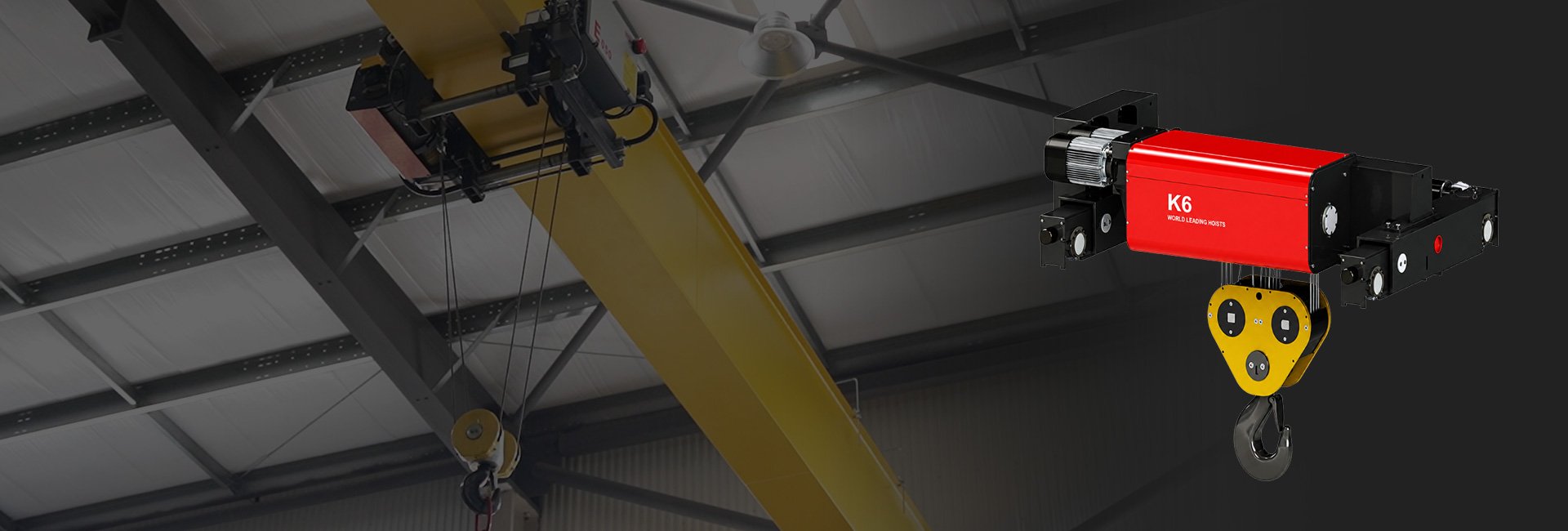
Dingya: Your Reliable 5 Ton Crane Hoist Manufacturer in China
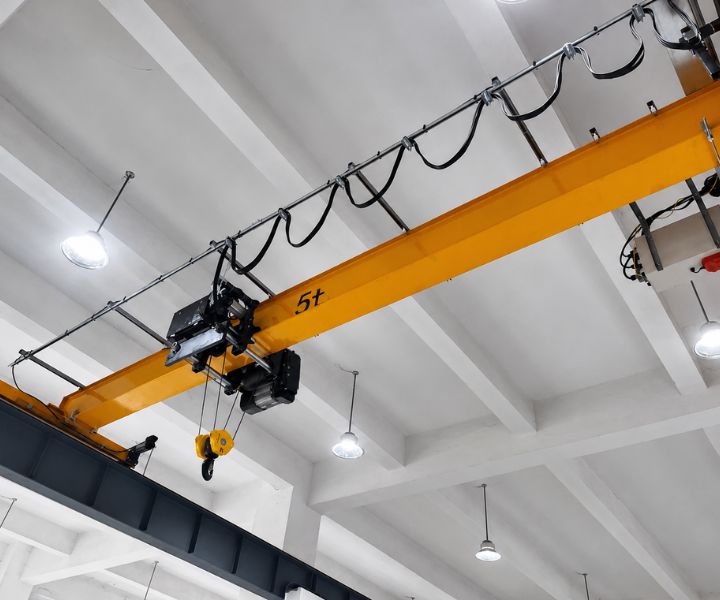
The 5 ton crane hoist is an electric lifting equipment used in industrial lifting systems. It can be installed on bridge or gantry cranes. The 5 ton crane hoist can replace manual handling in a limited space, achieving more stable and controllable lifting and movement of heavy objects, thereby improving work efficiency and safety.
As a professional manufacturer of lifting equipment, our 5 ton crane hoist adopts a modular structure for easy maintenance and energy-efficient motors to reduce your power costs. The lifting height and operating specifications can be customized for you to adapt to the spatial conditions of different factories. Contact us today to get a customized 5 ton crane hoist solution matching your needs.
Our Products
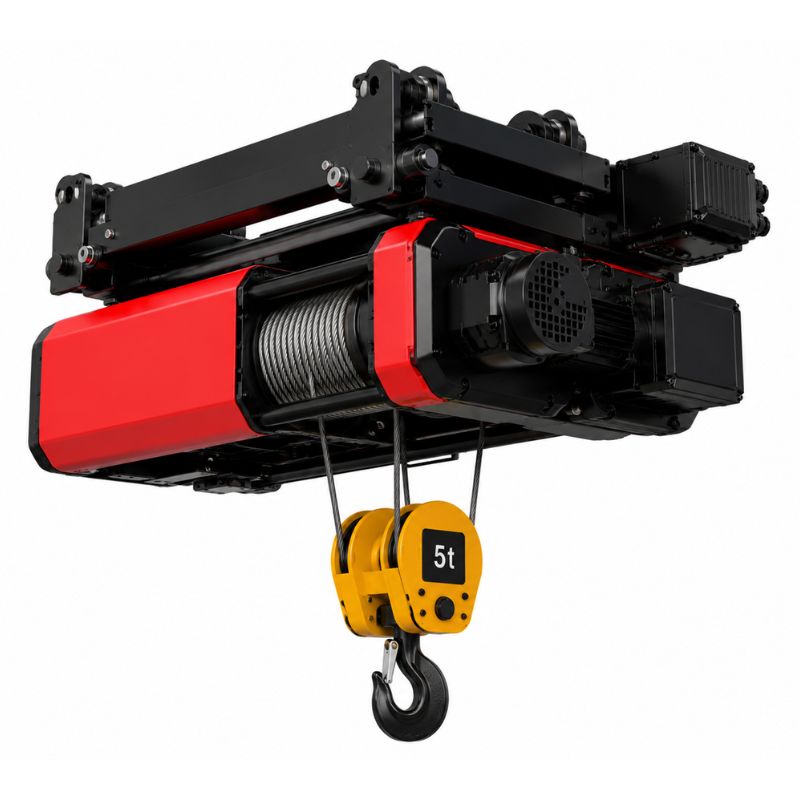
Special low clearance structure increases available lifting height in workshops with limited installation space.
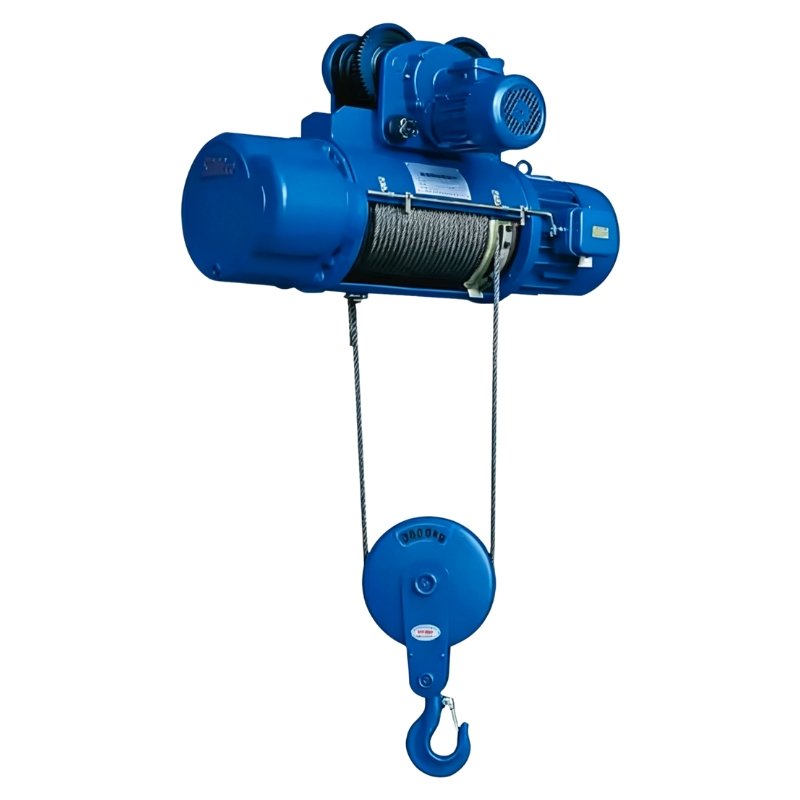
Using high strength steel wire ropes, the lifting speed is fast, suitable for high frequency, heavy load, continuous operation conditions.
Normally Closed Braking System and Multiple Operation Protection
Dingya’s 5 ton crane hoist adopts a normally closed electromagnetic braking structure. It can quickly maintain the load state during power outages or abnormal shutdowns, reducing the risk of accidental sliding of heavy materials. Combined with overload protection and travel limit control, it can reduce the impact of hook over hoisting, overtravel operation and other problems on the equipment. This makes it more suitable for repetitive lifting cycles.
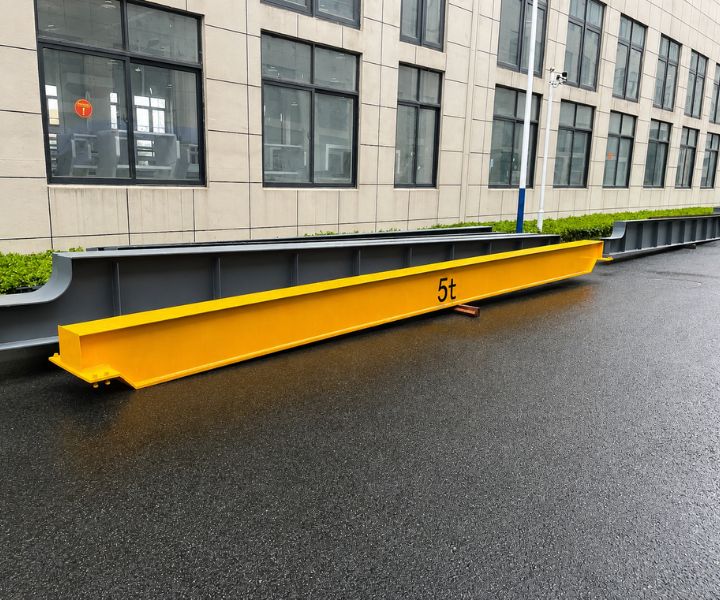
Sealed Transmission Structure Reduces Maintenance
Dust, oil mist and metal particles in the working environment are prone to entering the transmission area, accelerating the wear of internal components. Our 5 ton crane hoist adopts a closed deceleration and lubrication structure. This enables the gears and bearings to operate under continuous lubrication, which helps reduce friction loss and abnormal noise. The sealed structure also prevents external contaminants from entering the transmission area, thereby reducing your maintenance frequency and downtime inspections.
Dual-Stage Reduction System Enhances Lifting Stability
During the processes of mold transportation, equipment assembly and heavy components positioning, the stability of load operation will affect the operation efficiency. Our 5 ton crane hoist adopts a two-stage gear reduction transmission structure. It can more smoothly convert the output of the motor into lifting power, reducing the impact and load shaking during the start-stop stage. For working conditions requiring precise positioning, this transmission method helps to reduce the risk of component collision and surface damage.
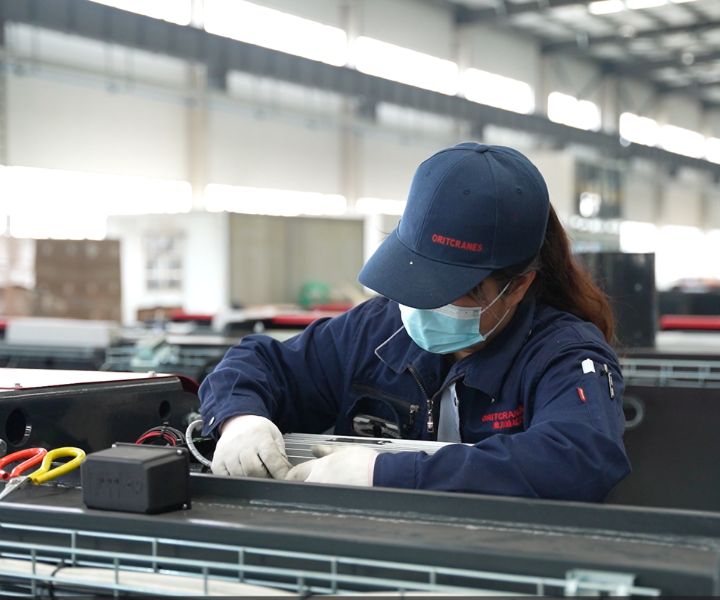
Applications of Our 5 Ton Crane Hoist
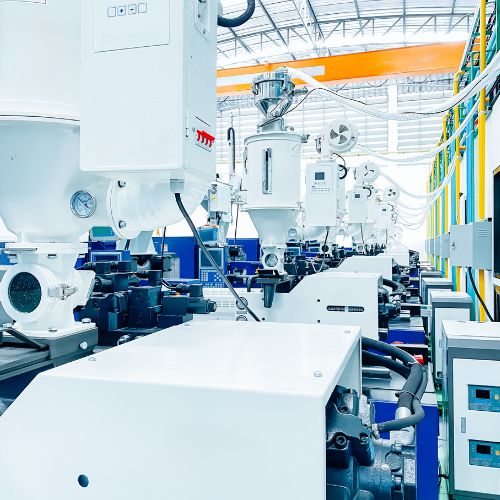
The 5 ton crane hoist is commonly used for mold lifting in injection molding workshops. It can complete mold disassembly and precise positioning within a limited space, reducing manual adjustment time for large molds and improving mold replacement efficiency.
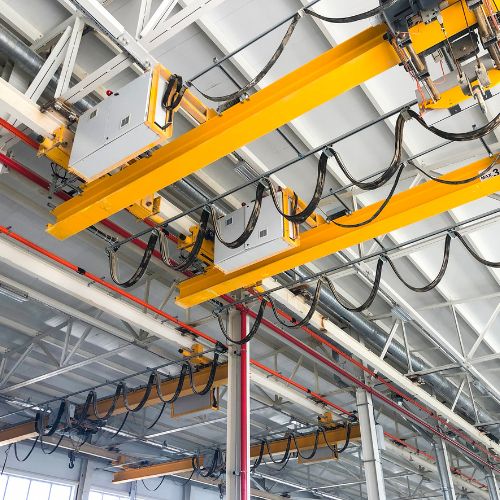
In the mechanical processing and assembly production line, the 5 ton crane hoist can be used for the transportation and lifting of machine tool components, steel structure parts and semi-finished products. It reduces the difficulty of forklifts being unable to enter the processing area for handling.
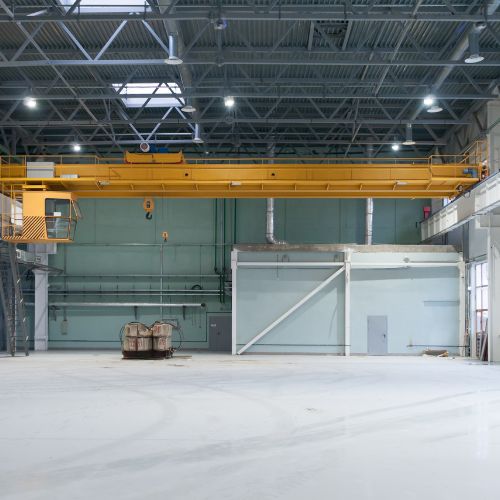
The 5 ton crane hoist is capable of handling and stacking palletized goods, equipment boxes, and large materials. It can improve the utilization of overhead storage space and reduce the workload caused by frequent manual handling.
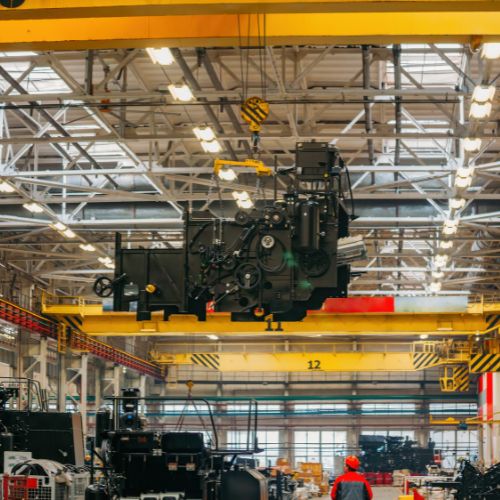
During the maintenance of industrial equipment, it is often necessary to disassemble and assemble motors, reducers, or large transmission components. The 5 ton crane hoist provides stable lifting and positioning capabilities, making it convenient to replace components and repair the production line.
The 5 ton crane hoist is typically driven by an industrial three-phase power supply. In environments with insufficient voltage stability, it is easy to affect the lifting stability and braking response. When using it, you need to make sure that the power fluctuation is within a reasonable range and configure an appropriate circuit breaker protection device.
For factories with complex power grids, you can consider independent power supply circuits to avoid sudden voltage drops caused by simultaneous startup with large equipment.
Yes. The newly installed 5 ton crane hoist usually requires a graded load test to verify that the lifting mechanism, braking system and limit control are in normal condition.
During the testing process, you should gradually increase the load from light to the rated load. Observe for any abnormal noises, slippage or braking delays. This process helps you detect installation deviations in advance and reduce the risks during operation later.
Before installing the 5 ton crane hoist, you need to confirm whether there is sufficient clearance in the factory building, the space under the beams, and whether there is any interference with the trolley running track.
For low clearance structures, you need to make sure that there is a safe distance between the steel beams and the surrounding pipelines and lighting systems. You should also reserve the complete travel space based on the lifting height and the extreme position of the hook. Otherwise, it may limit the flexibility of use.
No. The 5 ton rated load is the maximum allowable lifting weight determined under standard working conditions and safety factors.
During actual operation, you also need to consider factors such as lifting impact, frequent starting and stopping, sling weight, and working methods. Therefore, a safer approach is to avoid operating close to the limit load for an extended period.
When using the 5 ton crane hoist, you should reserve load margin based on actual working conditions instead of always operating at full load. This will reduce the risk of structural fatigue and abnormal wear.
It is usually related to unstable voltage, the load being close to the upper limit, or an increase in the resistance of the transmission system. You can first check the power supply status, and then observe if there is any overload usage.
If the operating environment is dusty, this will cause an increase in the resistance of the gears or bearings. At this time, you need to investigate the combination of the lubrication and maintenance cycle.
Yes. However, you need to pay attention to the temperature rise of the motor and the wear of the brakes. Frequent starting and stopping will increase the load on the brakes and the transmission system.
Therefore, in high-frequency operating conditions, you should choose a 5 ton crane hoist with a higher duty class. Also, properly arrange the operation time of the crane hoist to avoid keeping it in a long-term thermal accumulation state, which could affect its lifespan.
Common Mistakes When Using a 5 Ton Crane Hoist
Long-Term Full Load Operation
Frequent full-load operation of the 5 ton crane hoist will increase the thermal load on the motor, brake and reduction system. Under continuous start-stop conditions, internal wear is more likely to accelerate.
If your application requires high-frequency lifting, you need to appropriately reserve a load margin and select a 5 ton crane hoist with a high duty class. This usually reduces the risk of downtime and extends the hoist’s stable operation time.
Frequent Jogging Operation
During the process of mold assembly or equipment alignment, you may often adjust the position of heavy objects by repeatedly and rapidly pressing the up or down buttons on the control handle. This operation is called jogging control.
Although this method can improve positioning accuracy over a short distance, frequent jogging operations will cause the electromagnetic contactors and motor windings to heat up rapidly within a short period of time. Over time, it is easy to increase wear and tear.
If your working conditions require frequent and precise positioning, you can configure dual-speed motors or variable frequency control systems during procurement. You can achieve millimeter-level precision fine-tuning without frequently pressing the buttons, thereby protecting your electrical components and motors.
Side Pulling
In order to save adjustment time, some operation sites will directly use side pulling to lift materials instead of maintaining vertical lifting. For a 5 ton wire rope hoist, side pulling can cause the wire rope to deviate from the original drum rope groove, changing the normal stress state of the wire rope, drum, and pulley.
Long-term side pulling can easily lead to increased local wear and affect lifting stability. During the daily lifting process, you should try to keep the hook directly above the load to reduce structural damage caused by abnormal stress.
Lack of Lubrication
You might only check the lubrication status after hearing abnormal sounds or feeling vibrations from the equipment. But at this point, the internal friction has obviously increased. The gears and bearings of the 5 ton crane hoist have been operating under high loads for a long time. If the lubrication is insufficient, it will affect the smoothness of the transmission and the operational efficiency.
Compared to repairing after a failure, establishing a preventive lubrication cycle based on actual operating conditions is usually more helpful in reducing maintenance costs and the probability of abnormal shutdowns.