

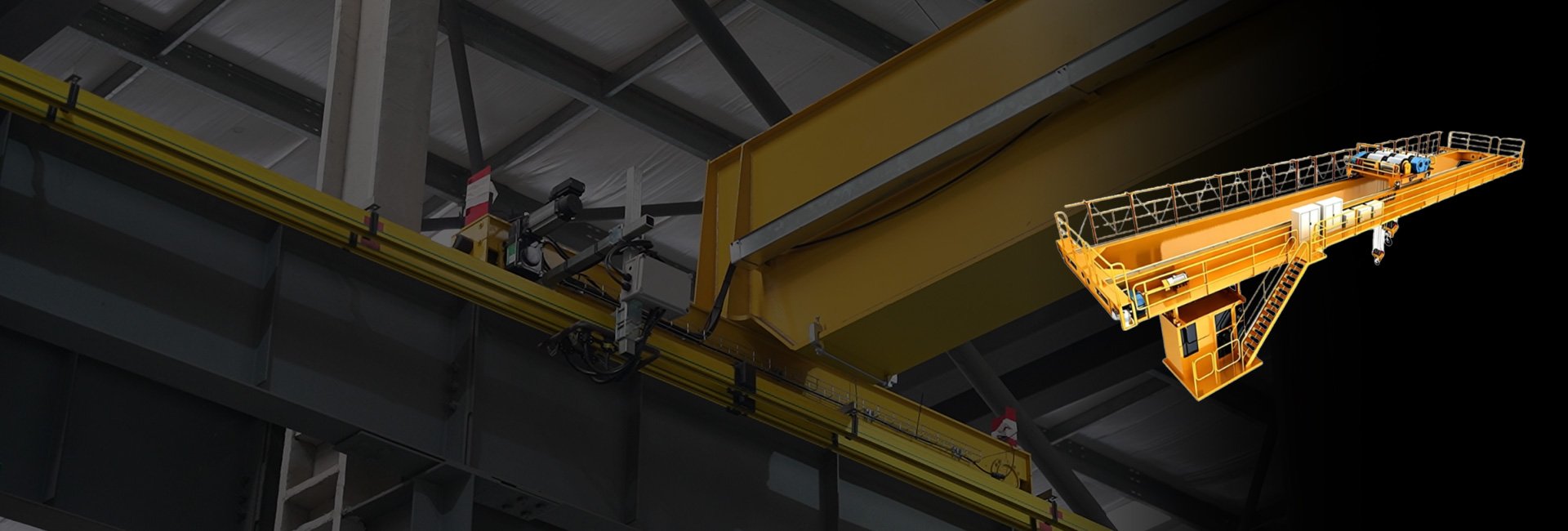
DINGYA - A Reliable Chinese Double Trolley Overhead Crane Supplier
DINGYA’s double trolley overhead cranes have higher balance and operating accuracy. The two trolleys on the beam can simultaneously lift oversized, long, or extremely heavy materials, and can also lift different items independently. It is particularly suitable for heavy-load work that needs to operate continuously and position accurately.
As an experienced Chinese double trolley overhead crane manufacturer, no matter how complex your industrial environment is, DINGYA can customise a suitable double trolley overhead crane system for you. Our products are strictly tested, and we offer professional and timely remote technical support. With our double trolley overhead cranes, you can greatly improve your efficiency.
Products by Features
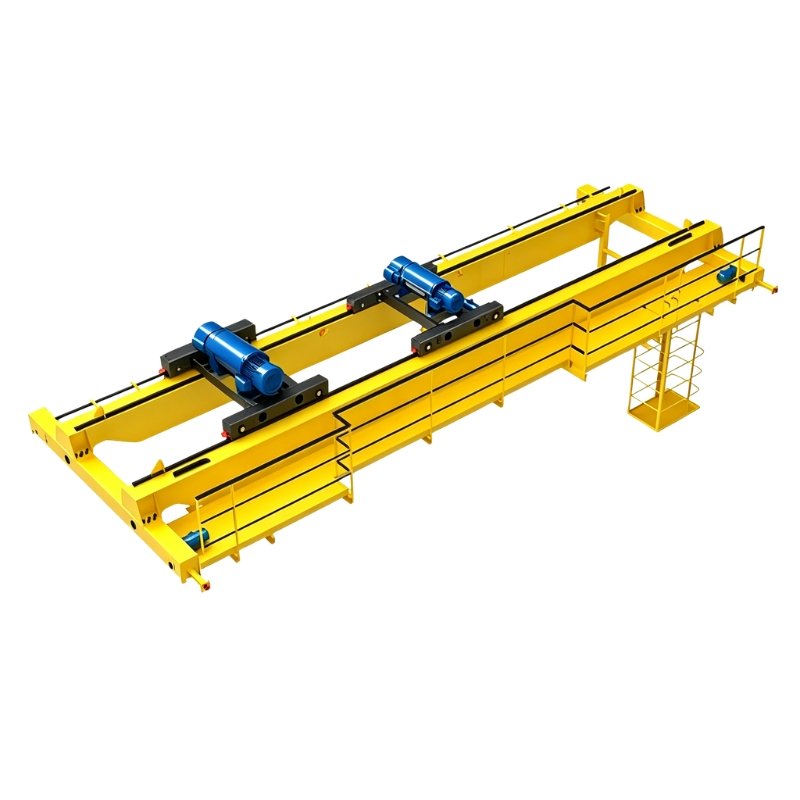
Two lifting trolleys operate on the same track system. They can work together to lift oversized or long weights with high efficiency.
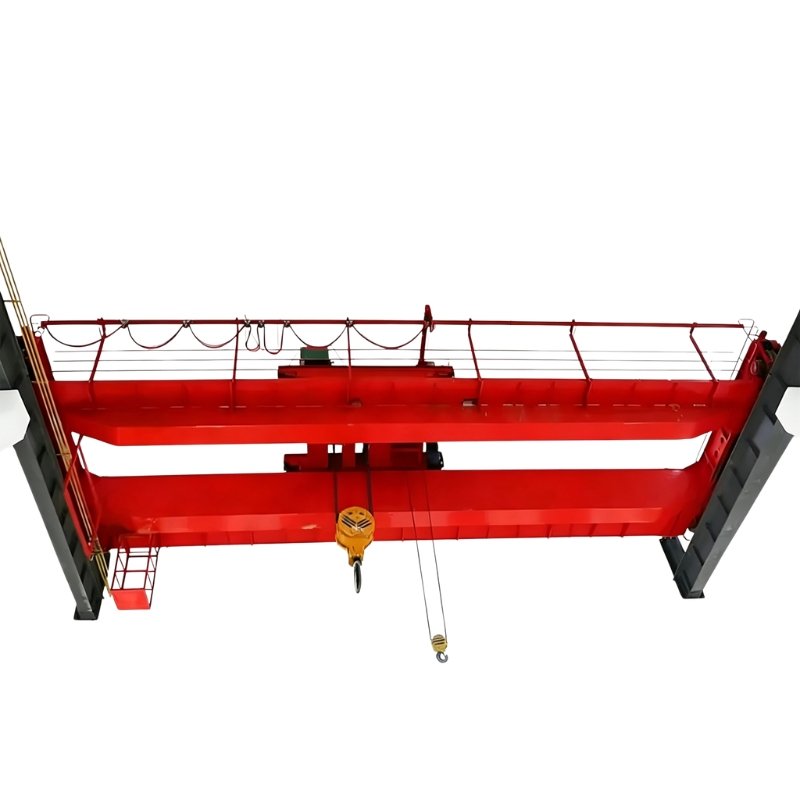
Its two trolleys run on separate tracks, which gives it more operational flexibility. When faced with complex lifting tasks, it can optimise the load distribution.
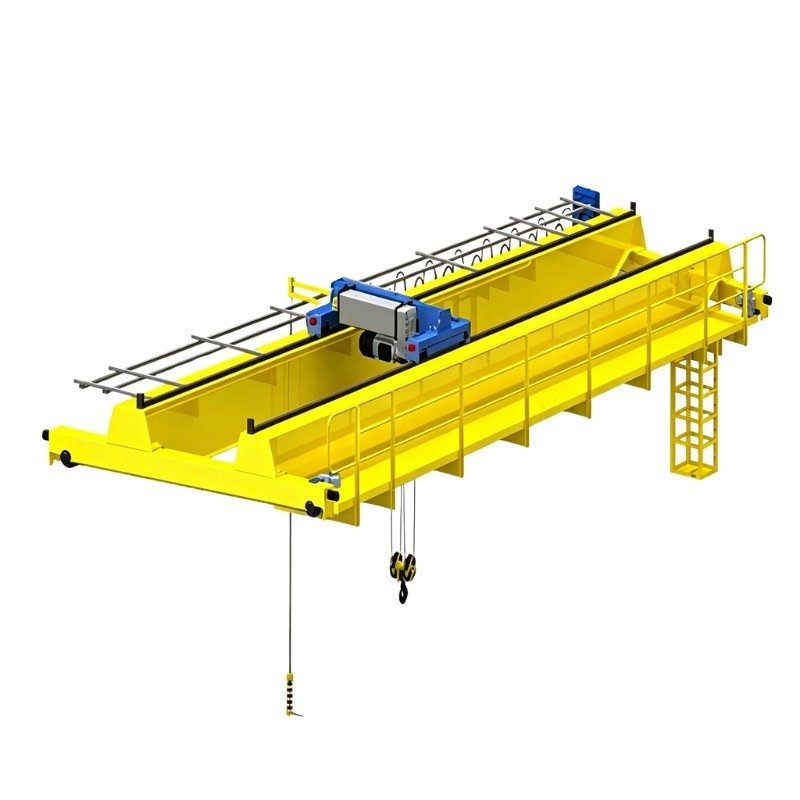
It combines manual operation with automatic control function, which reduces operators’ physical workload and improves lifting accuracy and production efficiency.
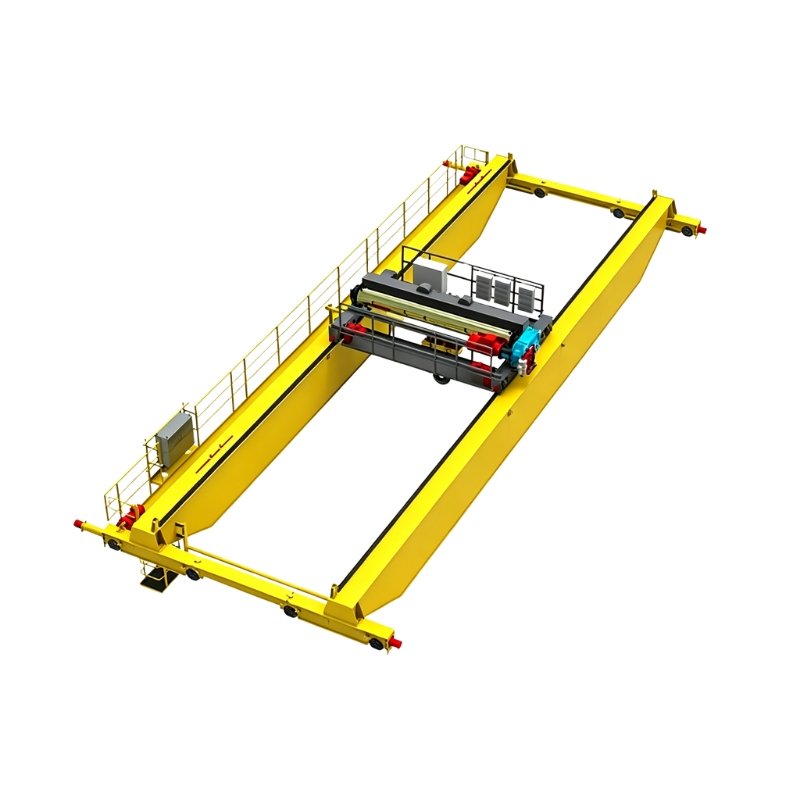
If you are looking for high efficiency, you can choose the crane equipped with an intelligent control system that can handle and lift materials automatically when no one is around.
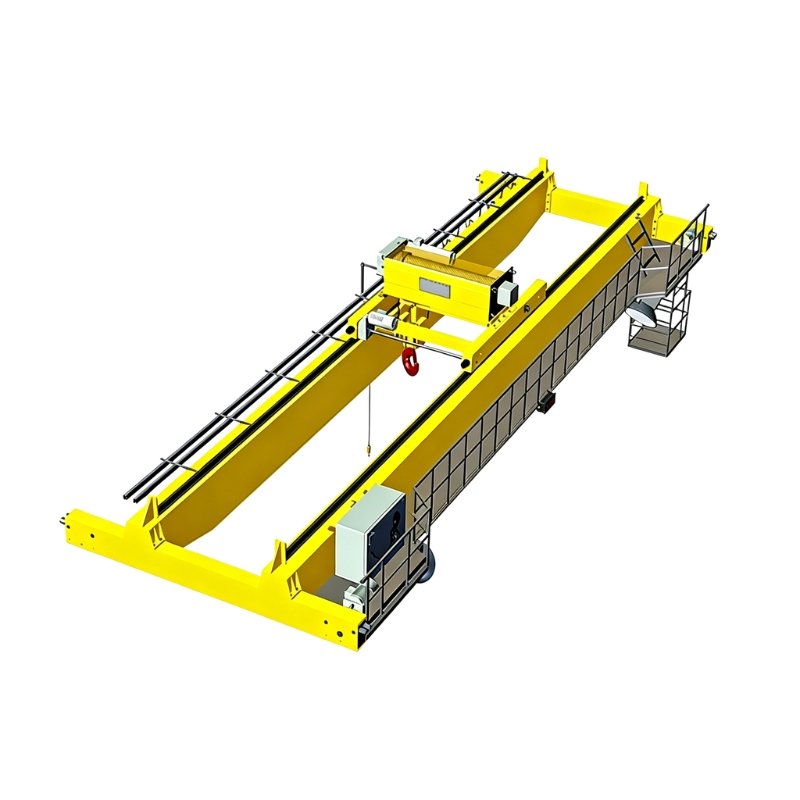
If you’re looking for smooth and precise operation, choose the style equipped with a VFD system that reduces load swing, regulates speed precisely, and reduces operational impact.
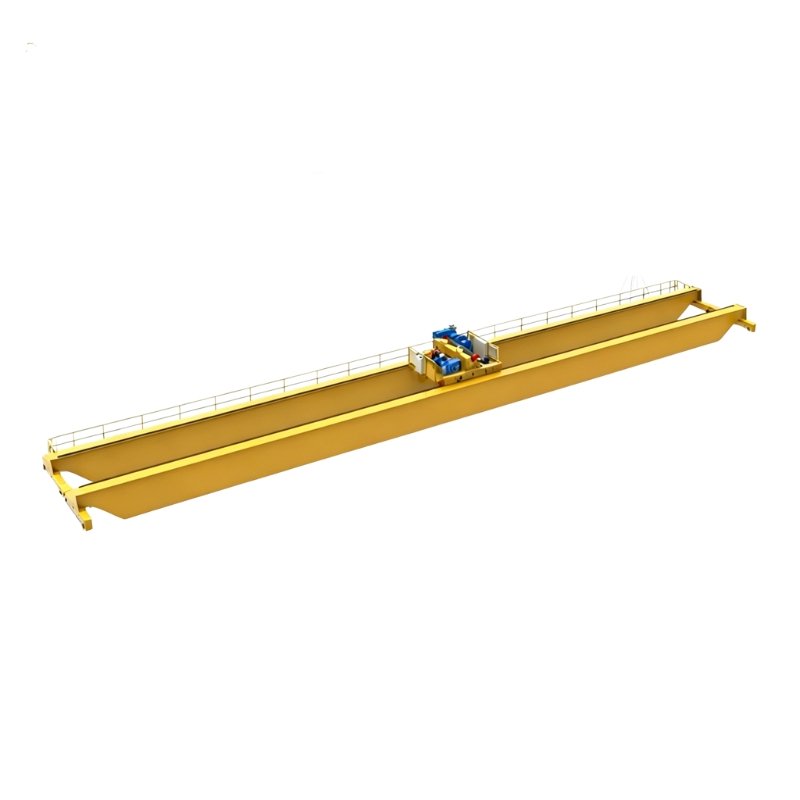
If you are upgrading your lifting facilities for a large plant, this style is ideal because it can stably transport heavy materials within a large span.
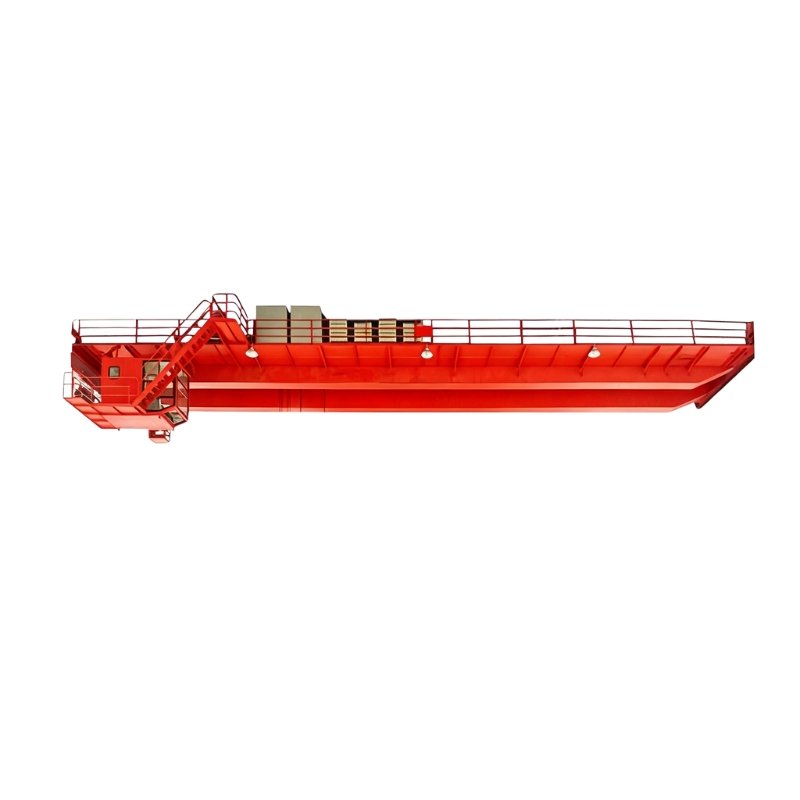
It is suitable for you if your workshop has restricted height, as it optimises the vertical lifting space while ensuring lifting performance and operational flexibility.
Precise Load Positioning
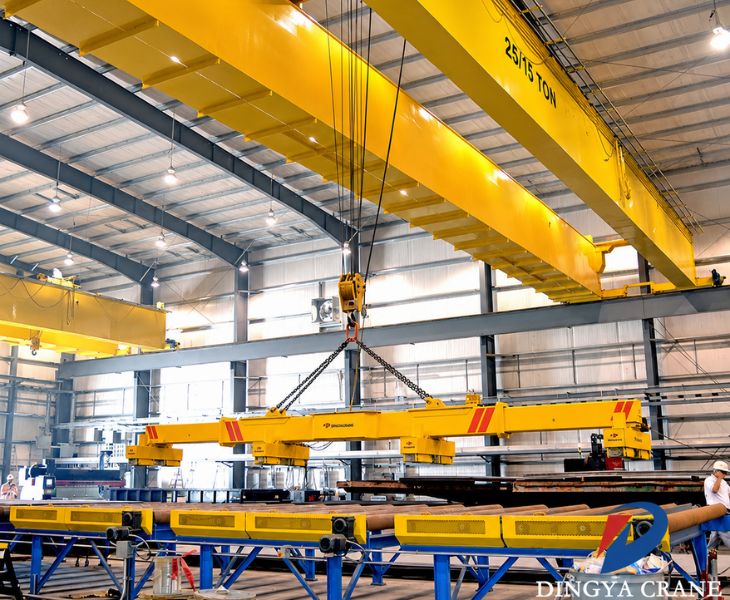
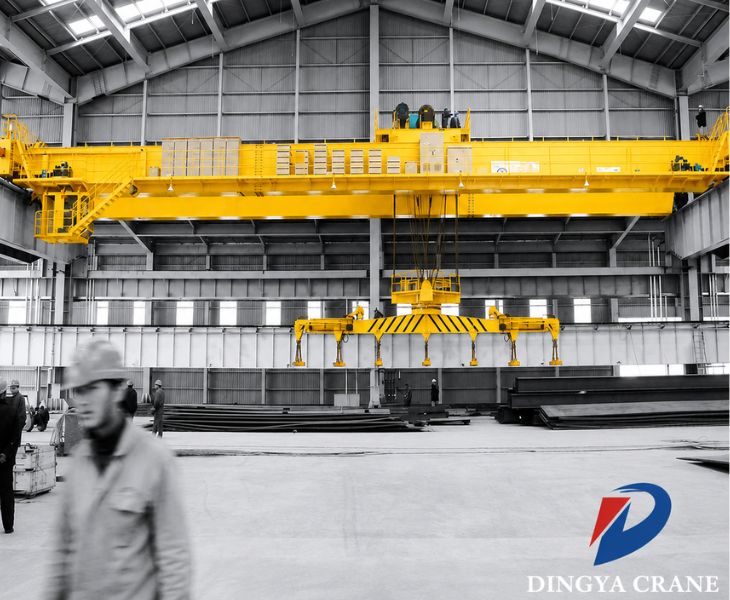
Our double trolley overhead cranes operate smoothly and have an advanced synchronised trolley control system. The variable frequency system is also optional. Whether you need to move large steel structures, heavy machines, or long industrial components, they will not twist or swing during transportation to affect accuracy, even when moving at high speed. Our double trolley overhead cranes’ precise load positioning can protect your expensive equipment and reduce rework.
Reliable Structure
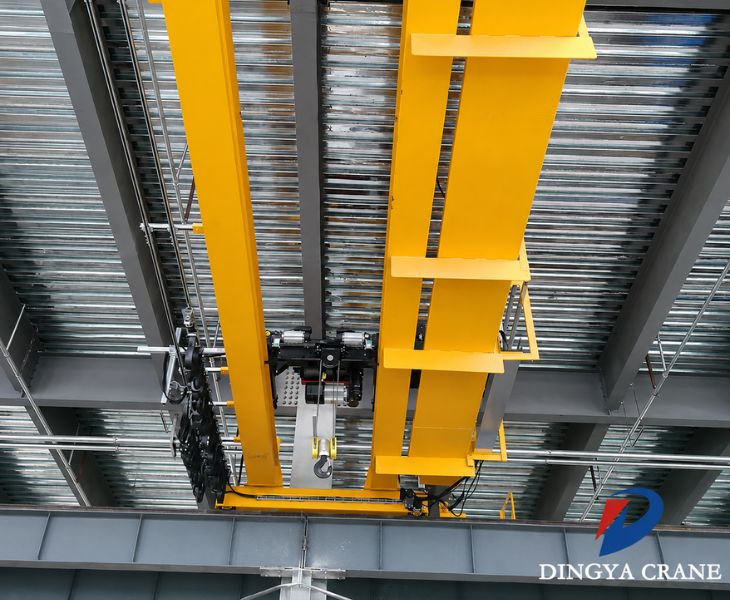
Our double trolley overhead cranes are designed to strictly comply with FEM and ISO standards. In addition, we use strong main beams, sophisticated welding processes, high-strength steel, and strict quality tests to make their structures have higher overall rigidity and durability, and be able to lift large tonnage loads continuously without structural deformation. They can operate reliably for long periods of time, even in harsh, heavy industrial environments.
Better Load Distribution
When you’re lifting oversized or irregular loads, our double trolley overhead crane adjusts both trolleys to evenly spread stresses across the runway beams, which enables you to handle loads more efficiently and extends the crane’s life. In addition, it prevents risks of local overloads and unstable lifting. The double trolley system, which brings about better load distribution, is ideal if you want to get as much lifting capacity as possible without expensive structural reinforcement.
Applications of Double Trolley Overhead Crane
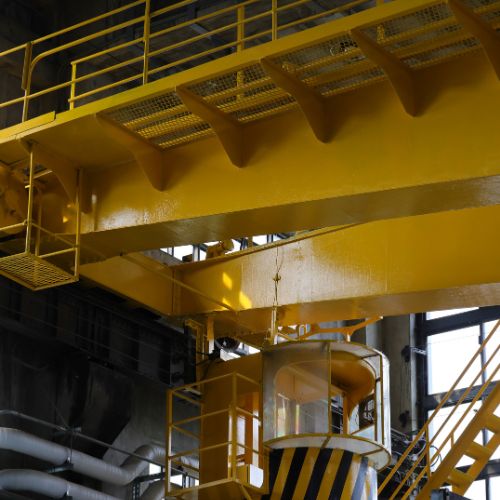
Molten metal ladles, steel coils and large steel slabs are always too heavy and dangerous for workers to handle. Our double trolley overhead crane can adapt to the harsh steel manufacturing environment, and its trolleys can work together to help you lift heavy steel stably and safely.
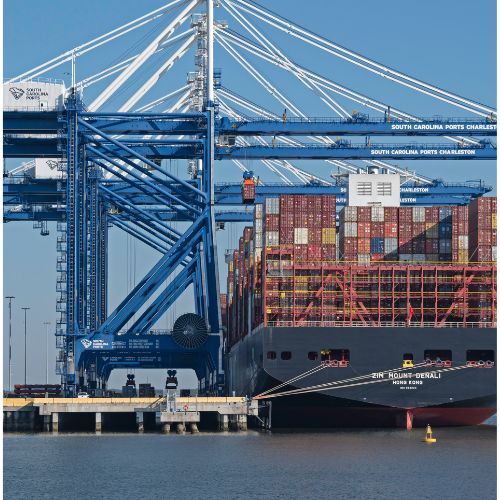
Oversized ship components often have complex shapes and are difficult to lift stably with traditional cranes. Assembling huge hull blocks needs precise and synchronised lifting. Our double trolley overhead crane helps you balance the load without twisting with two trolleys working in tandem.
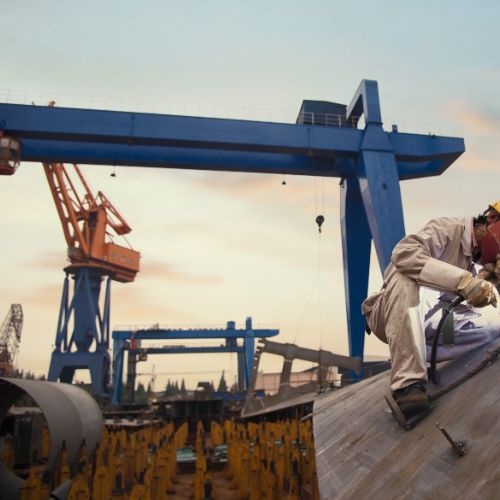
Heavy wind energy components, such as blades, towers, and generators, are not only heavy but also long, which makes them prone to becoming unbalanced during hoisting and assembly operations. These long components are ideally suited for handling by our double trolley overhead cranes.
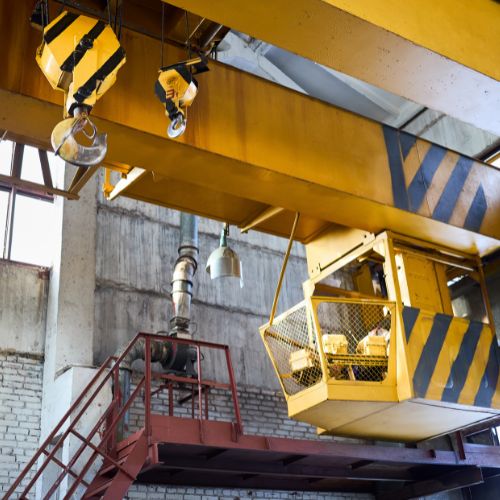
Heavy fabrication workshops are the most common application environment for our double trolley overhead cranes. You only need a single operator to simultaneously control both trolleys to handle heavy loads such as long steel beams, heavy machinery, and large assemblies stably.
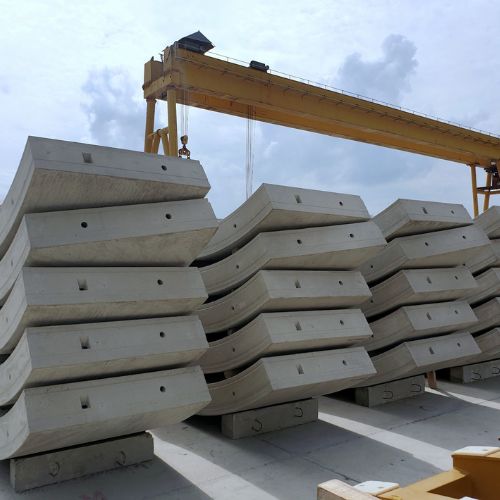
Concrete beams, panels, and piles are heavy and easy to damage during lifting. Our double trolley cranes lift long sections stably and precisely, which prevents large concrete modules from cracking without sacrificing efficiency. It can adapt perfectly to the fast-paced production cycles in precast concrete operations.
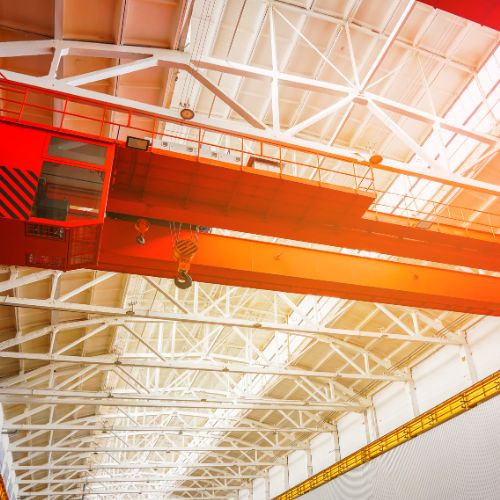
Work environments in the mining and energy industry are often harsh. Our double trolley overhead cranes can travel along runways mounted on support columns across rough mining terrain and lift massive loads, including heavy equipment, components, and maintenance supplies, smoothly.
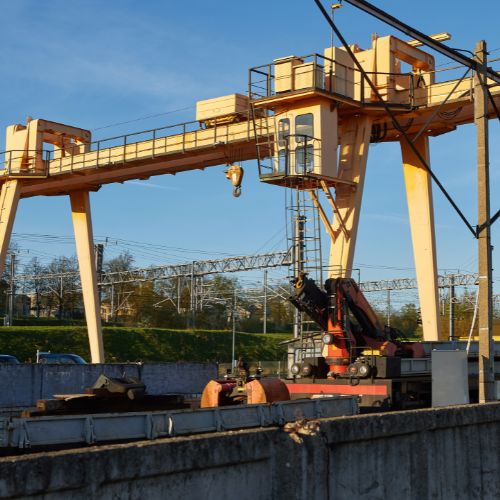
Whether it is bridge construction, water conservancy, or rail transit, the best choice for lifting large construction components in large-scale infrastructure projects is the double trolley overhead crane. It can help contractors speed up project schedules while meeting high operational safety standards.
The double trolley overhead crane is the workhorse for lifting heavy-duty loads in real industrial projects, and its lifting capacity can usually reach up to 500 tons.
If you need a higher lifting capacity, tell us the maximum load and target configurations you need and your working conditions, and we can customise the ideal crane for you.
We will design the structure, strengthen the girder, and adjust the trolley configuration according to your needs.
Anti-sway technology is achieved by controlling acceleration and deceleration to cancel out sway. When our double trolley overhead crane is working, the motion sensor measures the load sway angle and swing frequency.
When the PLC control system receives the data, it calculates the movement needed by the bridge and trolleys through an algorithm to offset the sway. Most double trolley overhead cranes use VFDs to regulate speed. Some styles use advanced sway-free controllers to predict the load movement.
Our double trolley overhead crane has multi-layered safety systems to protect workers and equipment. The most essential safety systems include overload limiters to prevent loads beyond capacity and anti-collision sensors to prevent trolleys from hitting each other or bridge ends.
There is also a special monitoring system to ensure that the trolleys move at the same speed and have even lifting forces. Other safety systems include limit switches for all crane operation directions, motor overheating protection, and emergency stop systems when faults are detected.
Yes. We can provide you with a double trolley overhead crane designed for high-duty cycles, which uses robust heavy-duty structural components, industrial-grade motors with forced air cooling, reinforced gearboxes, and advanced electrical systems to cope with the heat and friction generated by continuous operation.
To reduce wear on rails and cables, an automatic lubrication system is often added. In addition, timely maintenance is indispensable for the double trolley overhead crane to be able to perform continuous 24/7 industrial operation. You need to check regularly to ensure that it can operate reliably.
When lifting large or irregular loads, our double trolley overhead crane will coordinate two trolleys to evenly share lifting forces.
Each trolley’s hoist load is monitored by tension or pressure sensors, and the load-sharing controller will dynamically adjust the trolleys’ hoist speeds to prevent uneven load distribution and ensure lifting stability.
If you use the double trolley overhead crane to lift a rigid load, the system will keep an equal lifting force to prevent the load from bending.
Yes, we can provide double trolley overhead cranes tailored to different harsh environments. For high heat environments, we will use heat-resistant insulation and equip the electrical cabinets with cooling fans. For dust environments such as mines and barns, we seal electrical components and equip them with special dust filters.
If you need a double trolley overhead crane that can work in the offshore environment, we use stainless steel hardware and the protective coating that resists corrosion from seaside salt spray.
Yes, but it must be verified by a structural engineer. Engineers must evaluate whether the existing columns and runway beams in your plant can withstand the double trolley overhead crane’s full load operation.
If not, you will need to add reinforcement or additional beams. Besides, the double trolley overhead crane’s span and hook height must fit your workshop’s layout. Upgrading or retrofitting can increase your production capacity and meet the growing production demand without building new facilities.
Key Structural Components of A double trolley overhead crane
Main Girder
The main load-bearing structure of the double trolley overhead crane is the main girder, which supports the trolleys and their loads. It is very important for smooth operation. High-capacity double trolley overhead cranes’ main girders are usually reinforced box girders or truss structures.
Runway System
The runway system consists of a pair of rails mounted on building steel or columns. The double trolley overhead crane’s end trucks are connected to the main beam at one end and run on the rails by wheels at the other end.
Double Trolley System
Each trolley is equipped with a hoisting mechanism, motors, brakes, and travelling wheels. They can operate independently or in coordination precisely.
Hoisting Mechanism
The hoisting mechanism is responsible for safely lifting and lowering heavy loads. It consists of wire ropes, drums, reducers, motors, and hooks.
Typical Design Standards for A Double Trolley Overhead Crane
ISO Standards
ISO standards are internationally recognised, which involve quality management, welding processes, testing procedures, and manufacturing consistency in the manufacture of a double trolley overhead crane. Meeting this standard is a fundamental condition for earning the trust of customers.
FEM Standards
The standards are developed by the European Federation of Materials Handling, which divides the working levels of cranes, and are recognised as the best practice standards for the global material handling industry.
CMAA Standards
The design, manufacture and performance of bridge cranes need to meet CMAA standards in North America. It categorises cranes into six levels, A to F, based on usage frequency and load intensity.
Factors Affecting The Price of A Double Trolley Overhead Crane
Lifting Capacity & Span
The larger the lifting weight and span of the double trolley overhead crane, the more materials need to be consumed in manufacturing, and the higher the manufacturing complexity, thus increasing the manufacturing cost.
Duty Cycle Class
Double trolley overhead cranes with a higher duty cycle class need high-quality components, higher-grade steel and additional cooling devices, so they typically have higher prices. For example, CMAA F-grade continuous heavy‑duty cranes cost far more than normal cranes.
Control System
The controller’s advanced degree also affects the overall price. Compared with basic control, VFD with anti‑sway and synchronised dual‑trolley logic adds tens of thousands of dollars.
Environmental Protection
Double trolley overhead cranes working in extreme environments, such as high temperature and dust, need to upgrade the corresponding components and protection systems, which will increase material and assembly costs.