
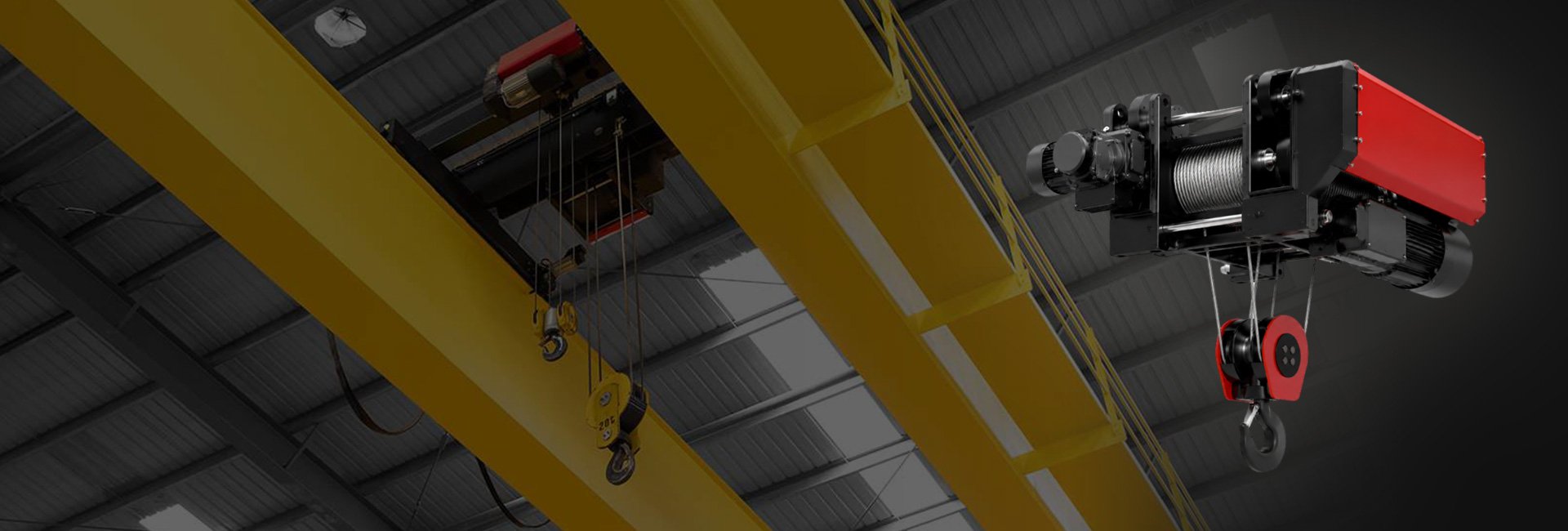
DingYa — Your Reliable Electric Hoists Manufacturer in China
An electric hoist is an electric lifting device used for safely lifting, lowering and positioning materials. It is widely used in factories, warehouses, and construction sites for handling loads ranging from lightweight materials to heavy industrial equipment.
Dingya’s electric hoists feature an efficient electric drive system that meets your needs for different intensity operations. With flexible power supply options, including single-phase 220V or three-phase 380V / 400V / 415V power, fit for different countries.
With multiple structural types and configuration options available, we can provide recommendations based on your specific working conditions. If you have any requirements, please contact us directly.
Electric Hoist Products By Features
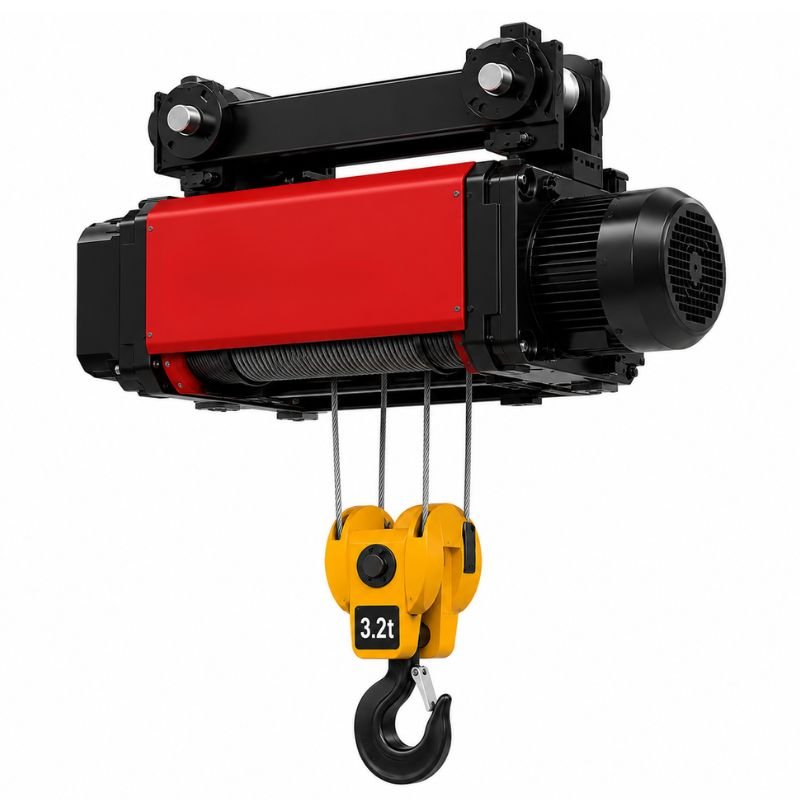
Designed for high-efficiency lifting. It has a faster hoisting speed. Suitable for production lines and applications with frequent lifting cycles.
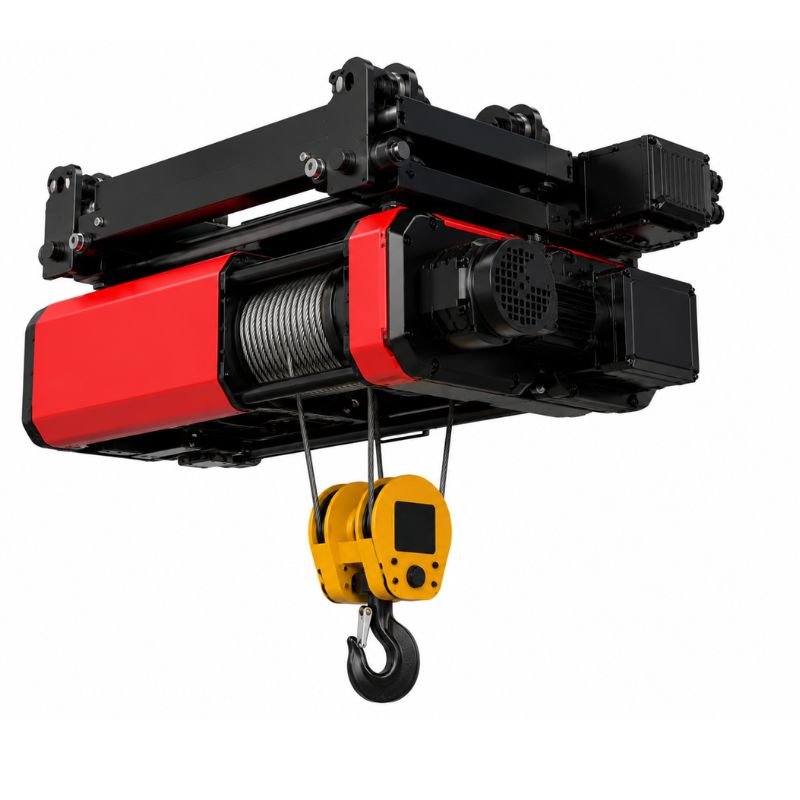
Provides more stable and controlled lifting. Ideal for heavy loads or applications which require precise positioning and safer operation.
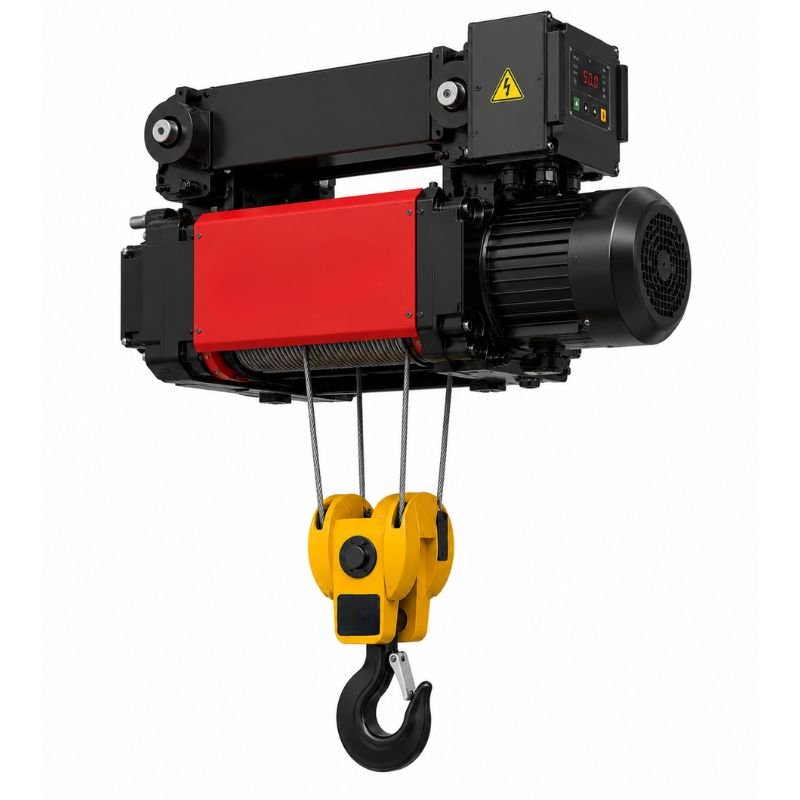
Equipped with adjustable speed control, flexible operation for different working conditions, improving accuracy and reducing impact during lifting.
Precision Electrical Control System
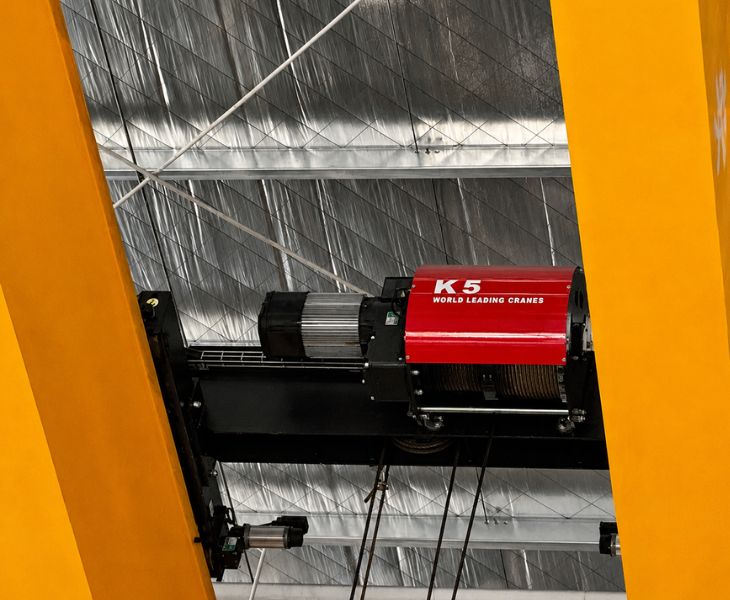
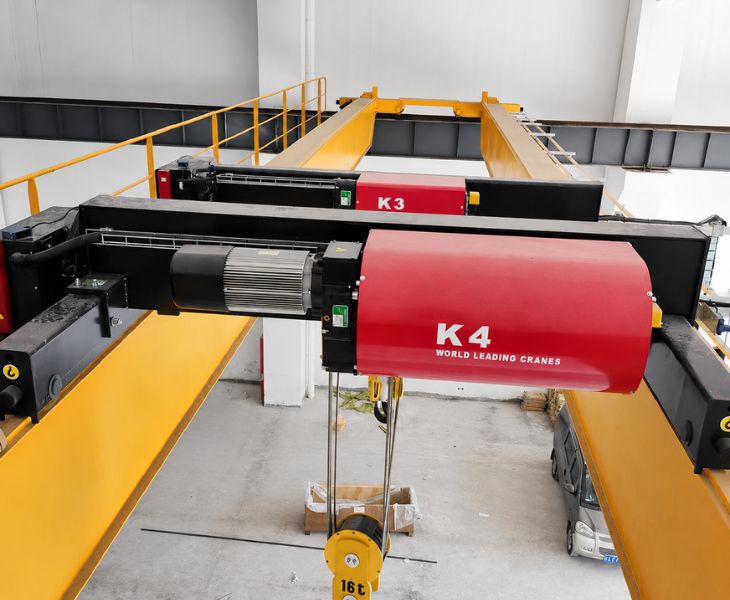
Dingya’s electric hoists are equipped with a comprehensive electrical control system. They support pendant button or wireless remote control operation, meeting the usage needs of different sites. If you require higher control precision, you can also opt for variable frequency drive (VFD) control. The operating speed of the electric hoist can be flexibly adjusted based on working conditions (e.g., 3–8 m/min).
Stable and Safe Braking System
Our electric hoists feature a built-in electromagnetic braking system. It automatically holds the load when operation stops or during a sudden power outage, preventing the heavy load from descending. Combined with limit protection and overload protection functions, the system responds promptly when operational anomalies occur. The coordination of multiple safety mechanisms ensures the safety of the electric hoist even under high-frequency usage.
Applications of Our Electric Hoists
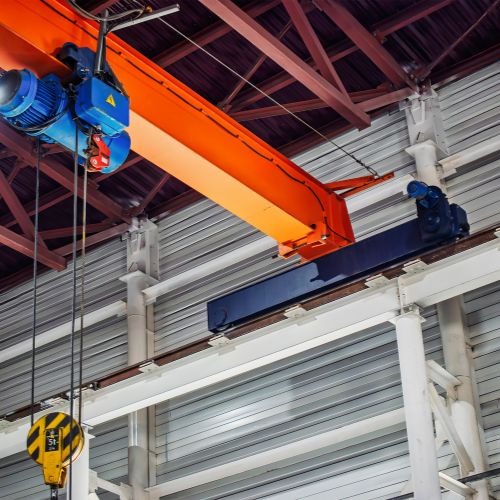
Electric hoists are suitable for equipment assembly and production line material lifting in various manufacturing enterprises. They enable stable and efficient handling between different workstations, especially for automotive parts production, and equipment assembly industries.
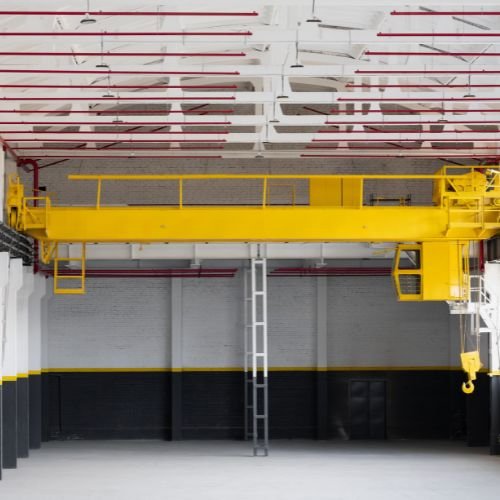
In warehousing and logistics environments, electric hoists are mainly used for loading and unloading heavy goods and internal transfer. They offer advantages in situations requiring vertical lifting. Compared to forklifts, they are more flexible to operate and occupy less space.
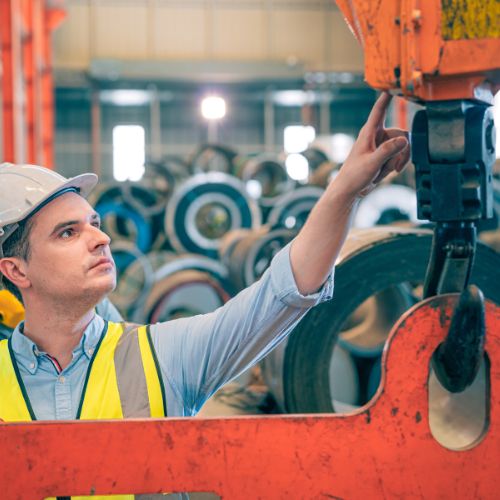
On construction or engineering project sites, electric hoists are commonly used for auxiliary lifting and material handling. The hoist can be deployed quickly to adapt to the needs of different construction stages. It is particularly suitable for non-fixed workstation usage.
The working class reflects its usage frequency and load intensity. M3 is suitable for low-frequency, intermittent use. M4 and above are suitable for more frequent or continuous operations. If your application involves multiple lifting operations per day, or even continuous lifting, choose at least M4 or higher. Otherwise, long-term wear will be faster and the failure rate will increase.
Under normal use and maintenance conditions, the service life of an electric hoist can generally reach 8–10 years or more. The actual lifespan mainly depends on the usage frequency, load conditions, and maintenance level. If the equipment is operated near its rated load for a long time, or you lack regular maintenance,their lifespan will be significantly shortened.
It is not a mandatory configuration. However, it is worth considering in many projects. A VFD can make the lifting and stopping processes smoother, reducing impact. This provides protection for the chain, motor, and structure. It also allows for adjustable operating speeds.
If your project requires precise positioning or frequent operation, you can configure a VFD for your electric hoist, as it helps reduce maintenance costs from a long-term usage perspective.
The maintenance frequency of an electric chain hoist depends on your usage intensity. Under normal conditions, it is recommended that operators perform a basic inspection every week, such as chain lubrication and visual inspection.
A focused inspection should be carried out once a month, with emphasis on the brake, motor, and connection components. In high-frequency usage environments, you need to increase the inspection frequency appropriately. Proper maintenance can effectively reduce sudden failures.
The maintenance frequency of an electric hoist depends on your usage intensity. Under normal conditions, it is recommended that operators perform a basic inspection every week, such as visual inspection.
A focused inspection should be carried out once a month, with emphasis on the brake, motor, and connection components. In high-frequency usage environments, you need to increase the inspection frequency appropriately. Proper maintenance can effectively reduce sudden failures.
Common issues with electric hoists mainly include the following: motor brake failure, abnormal noise and electrical control faults. Many of these problems are actually related to operating habits, such as overloading and long-term lack of maintenance. With regular inspections, most faults can be prevented in advance.
How Electric Hoist Works?
The working logic of an electric hoist is actually very straightforward. After power is turned on, the motor starts running. The gearbox converts the high-speed rotation into a low-speed but more powerful output, which then drives the lifting mechanism to raise or lower the load.
When you operate the hoist, you use the control system to control forward or reverse rotation, which means lifting or lowering. Once operation stops or power is cut off, the brake system immediately locks the position to ensure the heavy load does not descend.
Safety Precautions for Operating Electric Hoists
Pre-Operation Inspection
Before each use, it is recommended to perform a simple inspection of key components.
For example, make sure the hook is in normal condition, and verify that the power supply and controls are responsive. This step does not need to be complicated, but it helps you identify problems early and avoid sudden issues during lifting operations.
Avoid Overloading
The equipment has a rated load capacity. If used near or beyond this range for a long time, it will significantly increase the burden on the structure and the motor. This not only affects the service life but also poses safety risks. Keep a small margin when selecting the model, and strictly control the load during use.
Make Sure the Load Is Stable Before Moving
Many problems do not occur during the lifting process but during the movement stage. If you start moving the load while it is still swinging, it can easily cause uneven loading. The correct approach is to stabilize the heavy load first, then perform horizontal movement.
Operator Training and Standardized Operation
No matter how good the equipment is, improper operation can still lead to problems. It is recommended to have operators familiarize themselves with the basic procedures and equipment performance, such as lifting speeds, control methods, and emergency handling procedures. When operating habits become stable, the equipment will also run more reliably.
How to Choose the Right Electric Hoists?
Load Capacity
First, you need to consider the heaviest working condition you will need to lift. This is the first step in selecting an electric hoist. Do not only look at the average weight; focus on the largest batch of materials. When selecting, reserve a certain margin to avoid long-term operation near full load. When the capacity is chosen correctly, the equipment will be stable and durable.
Lifting Height
Lifting height is not about being as high as possible but about exactly meeting your on-site needs. Common lifting heights include 6m, 12m, 18m, etc. You need to determine this based on your facility’s ceiling height and actual lifting space. Also consider the space occupied by the lifting accessories. Avoid finding out after installation that the height is insufficient.
Power Supply Requirements
Before purchasing an electric hoist, you need to confirm whether your project uses single-phase or three-phase power, as well as the specific voltage standard. Small-capacity equipment can use single-phase power, but for most industrial scenarios, three-phase power is more stable. If you have an export project, you need to match the local power grid standards in advance to avoid later modifications.
Installation Type
You also need to determine in advance whether the hoist will be used in a fixed manner or needs to move back and forth. A fixed type is suitable for lifting at a single workstation. If you need to operate in different locations, you should choose a traveling type with a movement mechanism.
Operating Environment
The operating environment directly affects the configuration selection of the electric hoist. A standard indoor environment has low requirements. If your hoist is used outdoors, you need to consider weatherproofing and corrosion resistance. In dusty, high-temperature, or flammable environments, special configurations are required, such as explosion-proof or enhanced protection. The more complex the environment, the more targeted the configuration needs to be.