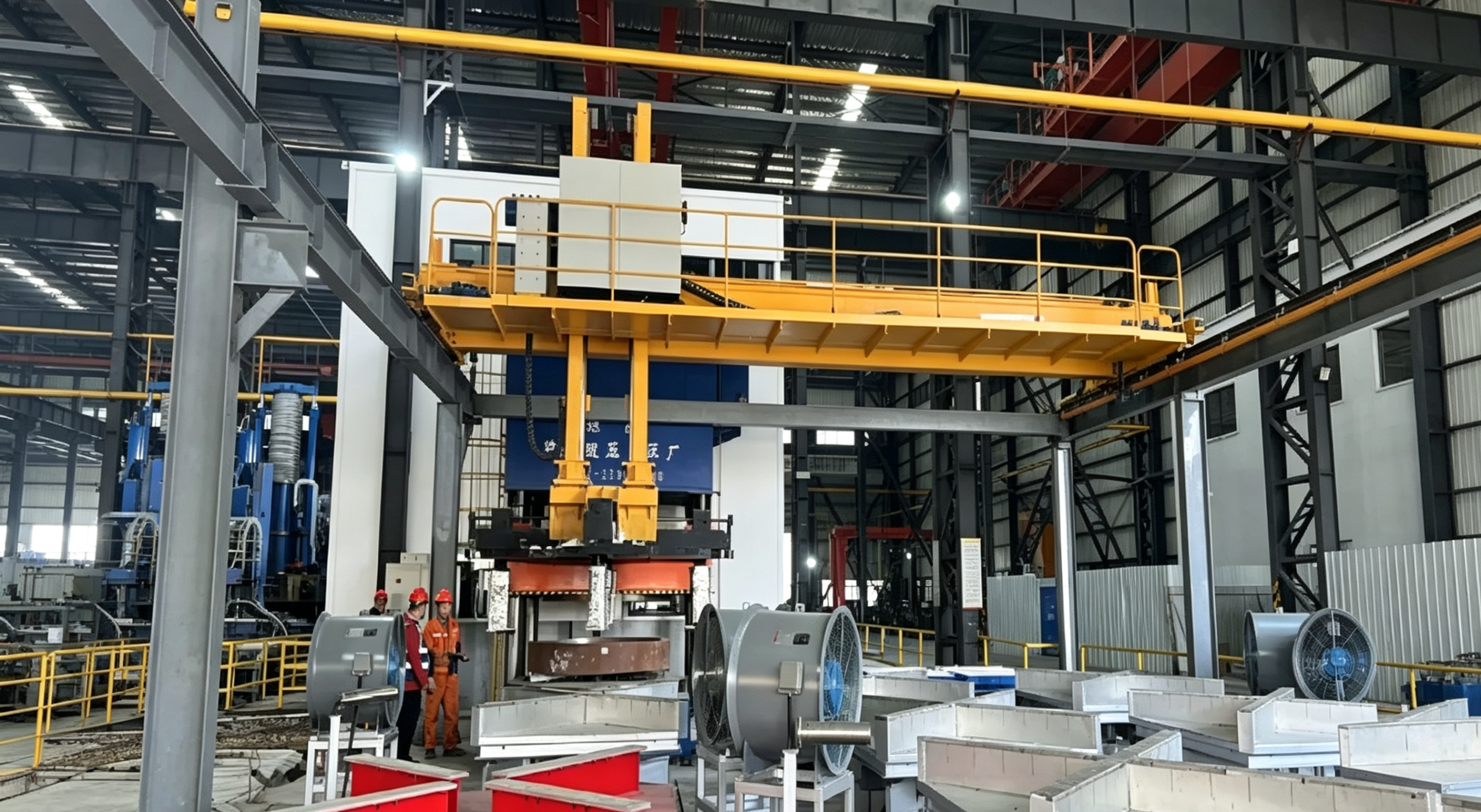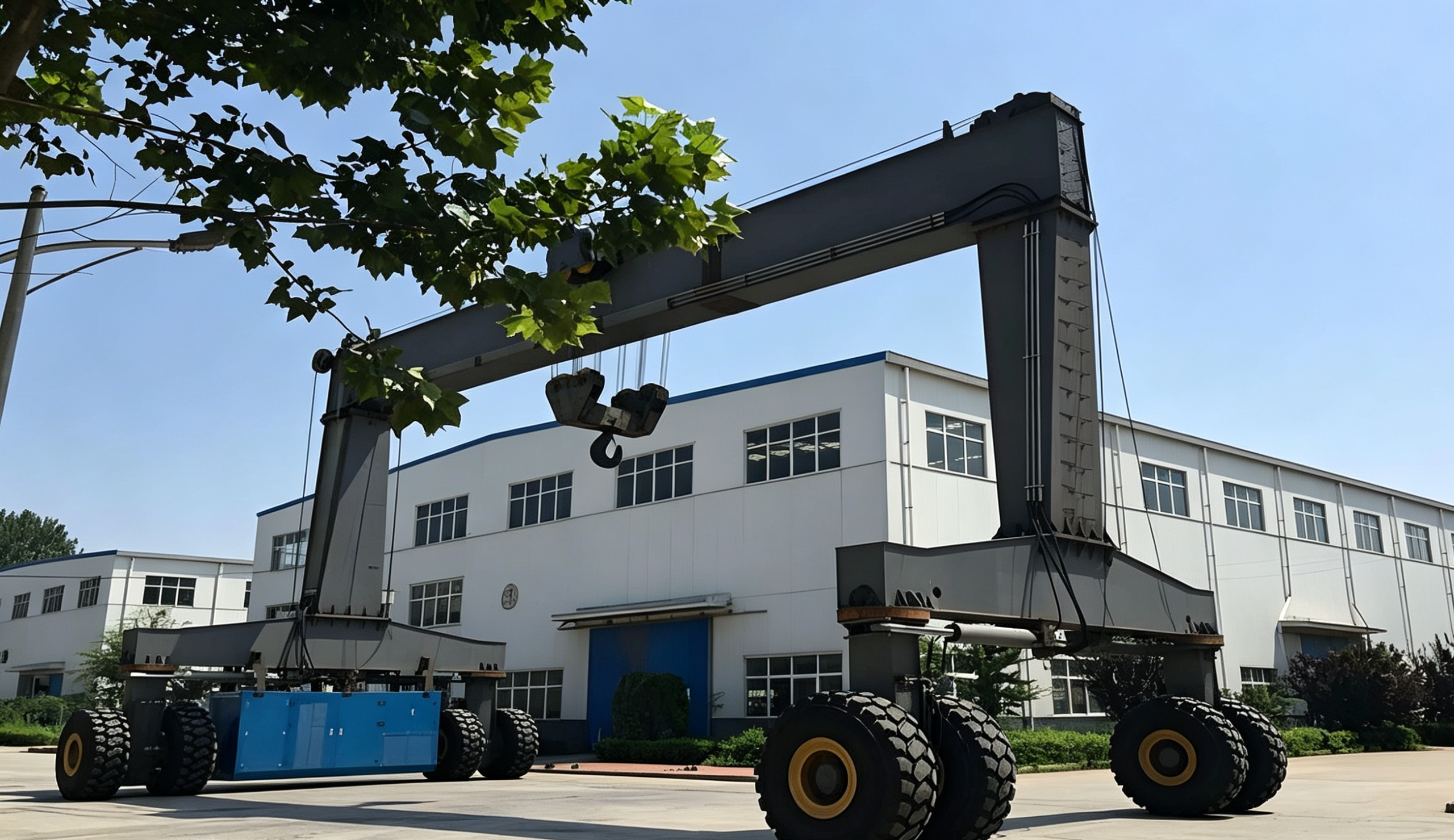
Unplanned grab crane failure due to lack of maintenance can halt cargo operations, create serious safety risks or delay production schedules. This is why daily maintenance of the grab-crane is mandatory to ensure safety standards compliance, reduce unplanned downtime and extend equipment lifespan.
Today, we will outline effective daily inspection and maintenance procedures that can guarantee safe and efficient grab crane operation.
Why Daily Grabe Crane Maintenance is Important
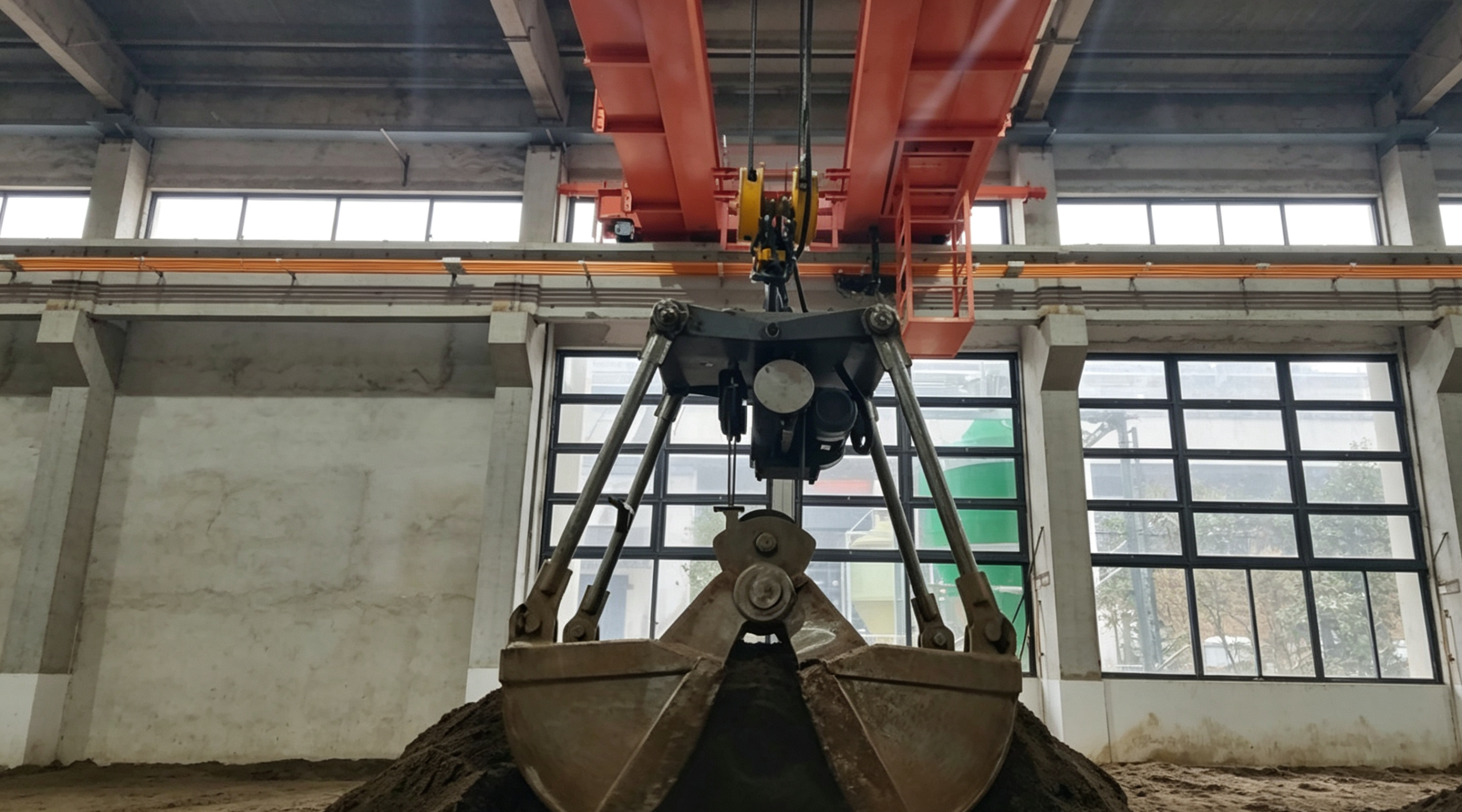
Whether you are operating in ports, bulk material handling, mining facilities or power plants, daily grab crane maintenance in important investment.
Among the key benefits of maintaining cranes regularly are:
- Lowers repair costs due to extensive damage that could have been detected earlier
- Reduces unexpected equipment downtime that can cause high losses
- It helps to extend the hydraulic and wire rope of the crane system
- Ensures the crane is compliant with the safety and regulatory standards
- Helps to increase operational efficiency and reliability
Daily Pre-Operation Inspection Checklist for Grab Cranes
The following are complete tests you need to carry out before every shift to help detect possible problems before they become severe.
This is to ensure the safety of the people working in the vicinity of the crane and facilitate compliance with OSHA 29 CFR 1926 and ASME B30 standards. Below is a critical daily grab crane maintenance checklist:
Visual Inspection of the Entire Crane Structure
To start the process, walk around the entire crane while it is still turned off and stationary.
While moving, inspect for cracks, corrosion, deformations, or even fractured welds on the bridge girder, end truck assembly, boom, mast, turntable, and chassis.
Ensure that all guards, cover plates, access panels, and other safety-related signs and labels are installed and visible, and note structural issues such as bent components, impact damage, or rust.
Remember the principle that a good inspection from yesterday does not necessarily mean an acceptable inspection today.
Checking the Grab Bucket Condition
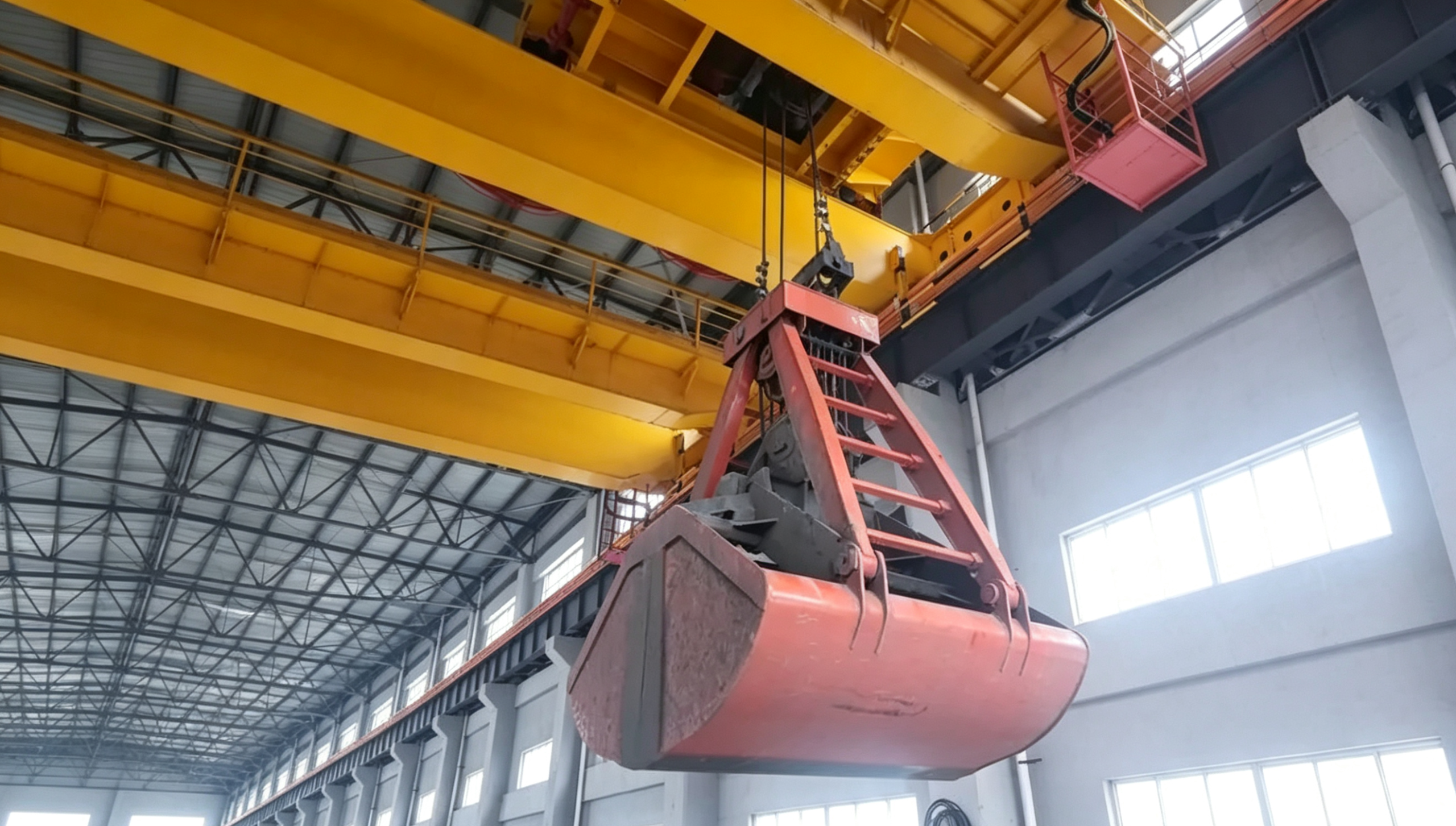
After every shift change, check for any damage to the buckets, such as deformation, cracks, wear, or missing parts that might affect performance when gripping materials.
Examine the grab bucket’s pivot pins, sheaves, and connection links for elongation, corrosion, and movement that shows fatigue.
Then test the movements for both opening and closing to ensure that the motion has no delay or binds. Operating a grab bucket with shell deformation or worn teeth makes it less efficient in lifting or moving materials.
Inspecting Wire Ropes and Hoist Cables
When working with a crane, the condition of the wire ropes is one of the most important parameters.
Always assess the entire length of all hoist cables and closing ropes for damage, such as breaking, kinking, bird-caging, and flattening, corrosion, and reduction in diameter relative to what was originally specified.
As per ASME B30.5 specifications, the presence of six broken wires within a rope lay, or three broken wires in a single strand, should be grounds for removal of the rope from use.
Also, make sure that you lubricate the wire ropes throughout their entire length and fit them properly onto their respective drums.
Note: Do not jump while passing through pulleys.
Examining Hooks and Lifting Attachments
Investigate each hook, swivel, shackle, and connection device before the incoming shift to check for cracks, twisting, throat enlargement greater than 15% of the original, and latch function.
If you find any hook with an open safety latch, crack, or throat enlargement, immediately take it out of service until it is repaired or replaced by a trained individual.
Then verify that swivel movement is smooth and that the shackle pins are properly seated and moused to prevent any rotational action.
Lastly, perform load points inspection to determine whether there is any impact damage, cracked welds, or corrosion on attachment devices.
Checking Pins, Bolts, and Fasteners
Avoid loose or missing fasteners that can lead to structural problems in the crane.
Look carefully for all connection pins, retention devices, cotter pins, and split pins in structural areas such as boom, grab suspension, and end truck assemblies with regard to proper installation and safety.
Confirm the bolted joints in the Crane Bridge, trolley frame, and motor supports for any looseness, corrosion, or sheared fasteners, and make arrangements for their immediate replacement if possible.
Bring your spanner and retighten all loose fasteners during your tour, and document all corrective steps in your shift inspection record.
Daily Maintenance of Grab Cranes
Maintenance is not only a routine check but also an operational service to ensure mechanical soundness and operational efficiency.
You must understand the grab crane maintenance procedures below and document everything, passing on any issues that require engineering intervention.
Hydraulic System Maintenance
For safe operation of the hydraulic grab while handling full working loads on site, you must maintain reliable components and steady hydraulic pressure.
To do this, first verify the hydraulic fluid in the reservoir; if it’s low, top up to the level marked by the manufacturer using the same fluid grade.
Look for leaks in hydraulic lines, cylinders, hoses, pump connections, and valves to prevent lagging performance and overheating in the long run.
Then check if the hydraulic pressure readings on the gauge are within the operating pressure limits in the machine manual before actuating lifting cycles.
Lubrication Requirements for Grab Cranes
Validate the correct grease to lubricate the joints, bearings, pivot points, drums and gears, grab buckets, and other movable parts.
This accurate oil grade limits surface fatigue on your crane’s parts that can be caused by inappropriate lubrication.
In addition, examine the previously serviced areas; if there are any spills, residue, or abrasions that suggest that the fitting is clogged or was missed during the previous smear.
Electrical System Checks
For safety purposes, always inspect the power cables for damage such as loose connections, frayed wires, or heating before starting the equipment.
Verify that all lights on the control panel, including indicator lamps and displays, work fine and that the emergency buttons function properly when operating.
Afterwards, perform a no-load operational check of the limit switches, such as hoist up/down limits, travel end switches, and grab open/closed limits.
Operational Safety Tests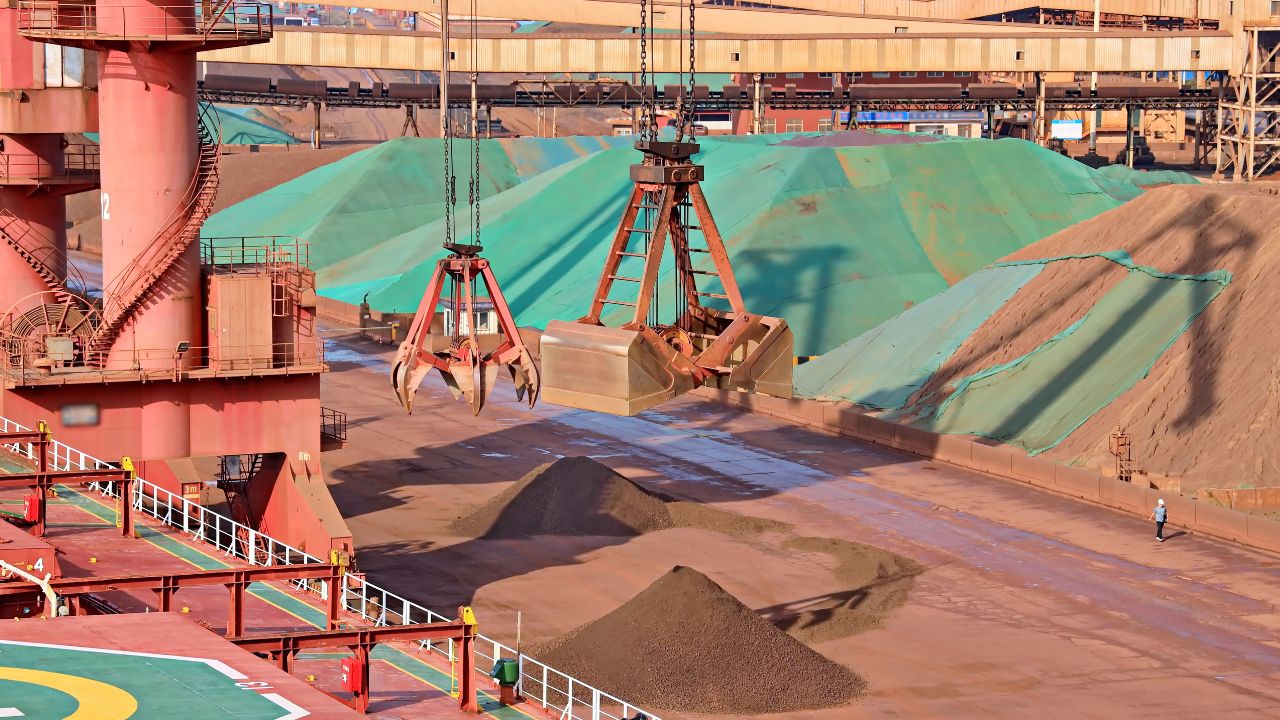
To begin with, perform an equipment test of the vital controls to ensure that they all operate smoothly and do not pose any risks to people or cargo.
Furthermore, check its movements, including uplifting cargo and lowering it, both back and forth along the bridge, opening and closing the grab mechanism, and the reduced speed with an unloaded system.
Make certain that the machine operates with ease; no hesitations, vibrations, or abnormal sounds.
After that, analyze the braking system for delay or slipping beyond tolerable limits, applying each independently while monitoring the process.
Then finalize by double-checking the safety switch from both the operator box and the crane cab.
Crane Safety Devices
When dealing with heavy machines, it is very important to carry out an overload protection system diagnosis. This ensures the load limiter suspends the crane motion when the rated load capacity is reached.
Test the behavior of the crane anti-collision device, wind speed alarm, and out-of-service indicator when you are operating within conditions where such safety devices are installed.
All audible warning alarms emit sounds at a certain volume level during the correct operational processes, including those for travel, hoist, and emergency.
Monitoring for Signs of Wear and Damage
Investing in day-to-day maintenance enables you to detect early signs of component deterioration before they cause operational stoppage during the lifting process.
First and foremost, check the brake pads; if destroyed, repair or replace them, and ensure their thickness is per the crane’s maintenance manual.
In addition, assess the wheels for uneven patterns, flats, and flange cracks, which indicate misalignment or bearing wear-out in the running mechanisms.
Take an active part in no-load run scrutiny by listening carefully for new grinding noises, squeals, knock, and vibrations that are different from normal operation.
Lastly, take into account all measurements, findings, and abnormalities and record them in the maintenance logbook.
This makes it easier for operators and technicians to predict and schedule necessary replacements based on recorded data.
Remember, this daily routine is an important crane preventive maintenance process. Therefore, it is important to document the outcome of this industrial crane maintenance process. It serves as an important reference point during grab crane safety inspection process.
FAQ
What are the most common causes of grab crane failures?
The typical challenges in heavy lifting machines are not replacing defective wire ropes, hydraulic leakages, lack of lubrication at joints, loose bolts on the crane structure, and safety device malfunctions.
To prevent these defects, implement a timely, daily, and regular servicing schedule for the equipment.
Why is the daily maintenance of Grab Cranes Is Essential?
Maintaining your machines every day prevents sudden breakdowns, eliminates the danger of falling loads to workers, increases their longevity, and keeps the operation in compliance.
Who is responsible for daily grab crane maintenance?
The assigned maintenance personnel and machine operators are accountable for day-to-day routine care; make sure you employ competent individuals to perform all pre-shift checks, identify problems, and perform servicing.
A full-scale annual assessment must be carried out by certified crane inspectors in accordance with OSHA and ASME B30 standards.
Need a Grab Crane Maintenance Service Provider?
At DINGYA, we work to build a strong working relationship with our customers. Once you buy grab cranes from us, we help with installation, commissioning, and support all maintenance work. Whether you require remote or on-site maintenance, the DINGYA team is always ready to help – Get a custom quote for all lighting solutions for your project.