

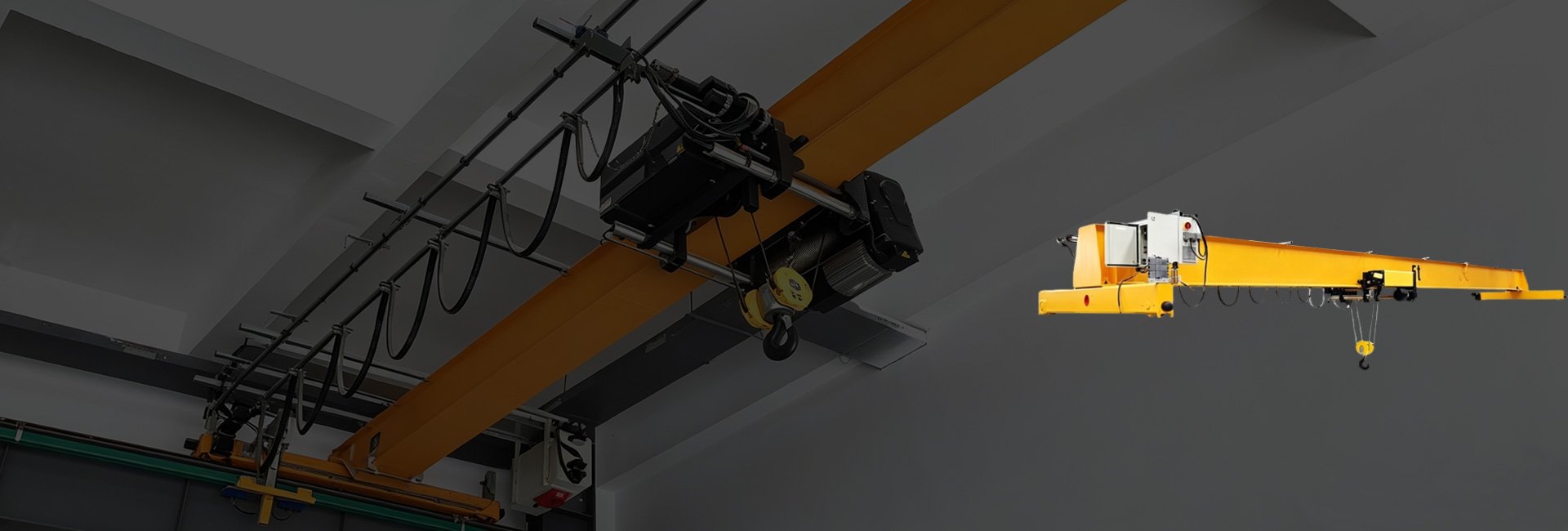
Dingya— Your Reliable Single Girder Hoist Manufacturer in China
A single girder hoist is a type of overhead hoisting equipment with a single main beam structure. It meets light to medium tonnage lifting needs while reducing the equipment’s deadweight and the load requirements on your facility.
Dingya’s single girder hoist combines a lightweight structure with carefully selected materials. All key components go through precision machining and strict quality control. We manufacture and inspect them according to FEM 9.511 and ISO 4308 standards. Whether you need standard or customized lifting solutions, we can provide the professional single girder hoist for your needs. Please feel free to contact us anytime.
Our Products
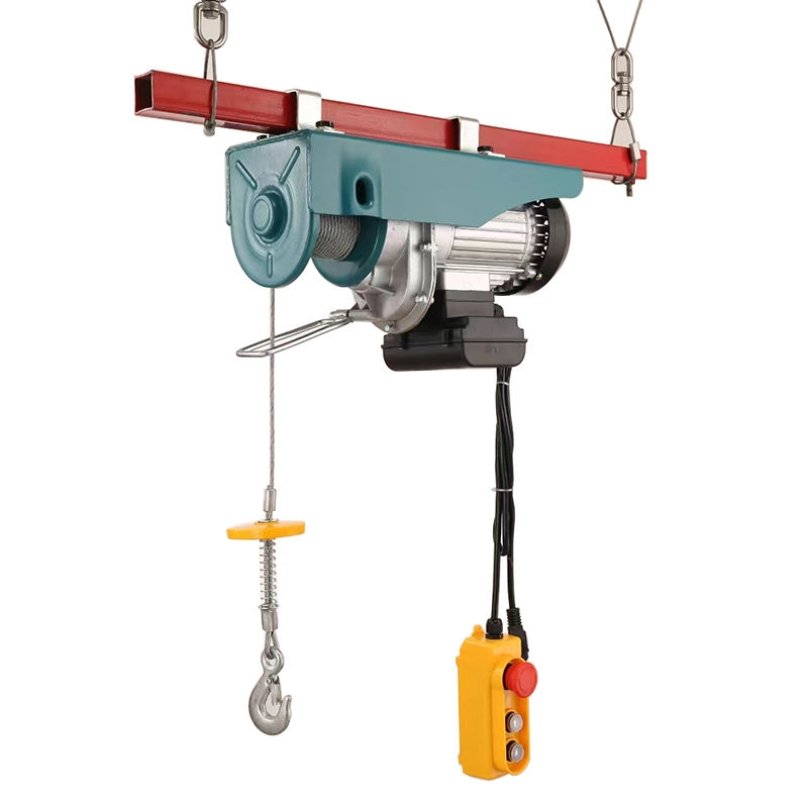
Uses wire rope as the lifting medium. Suitable for long spans and high lifting heights.
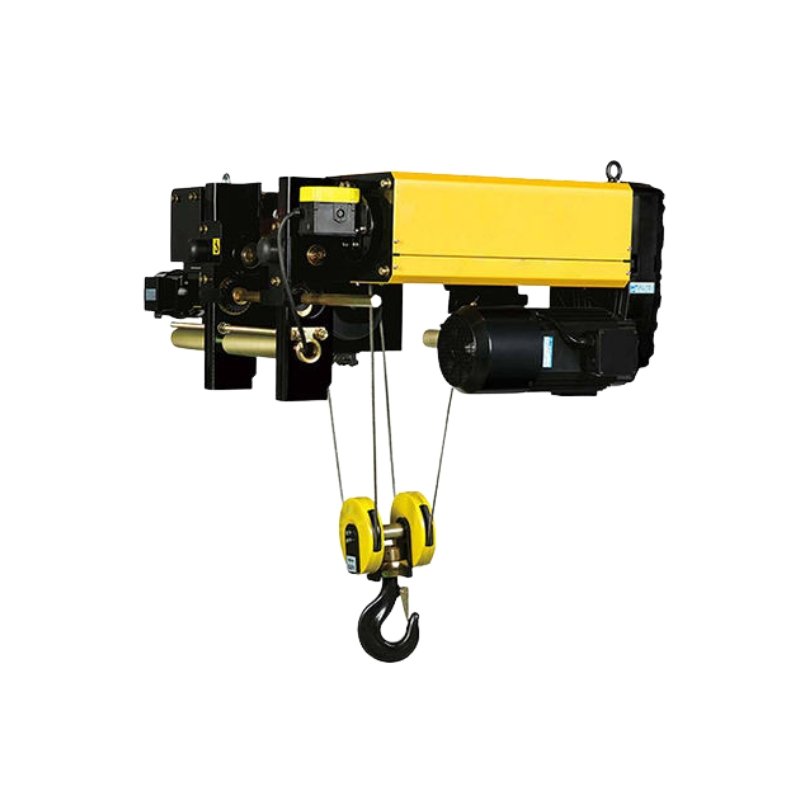
Minimizes the distance between the hoist and the runway to maximize the effective lifting height.
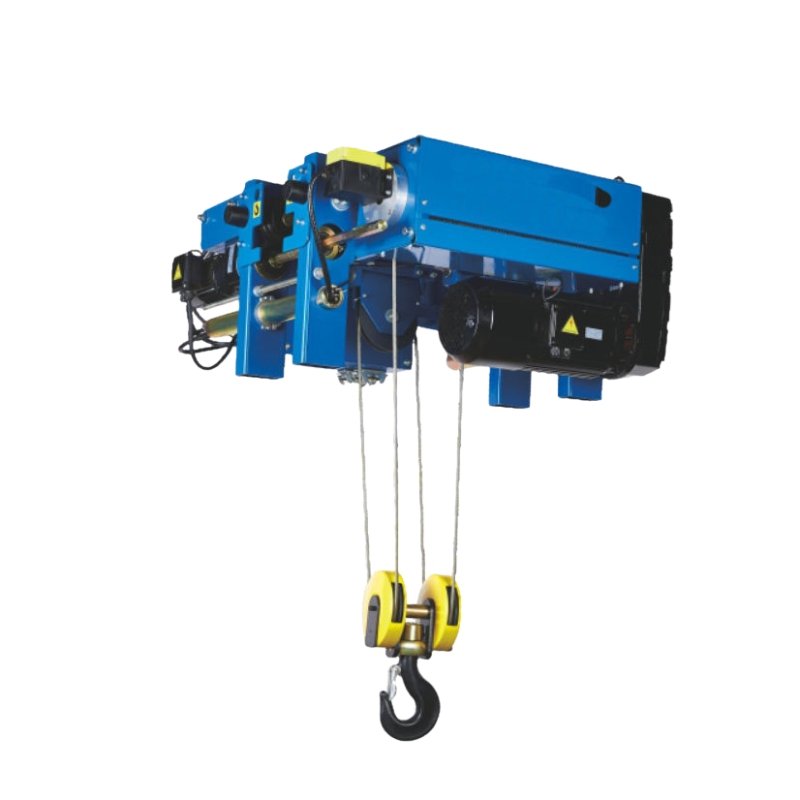
Adopts a compact European style structure with lighter deadweight, smoother operation, and lower energy consumption.
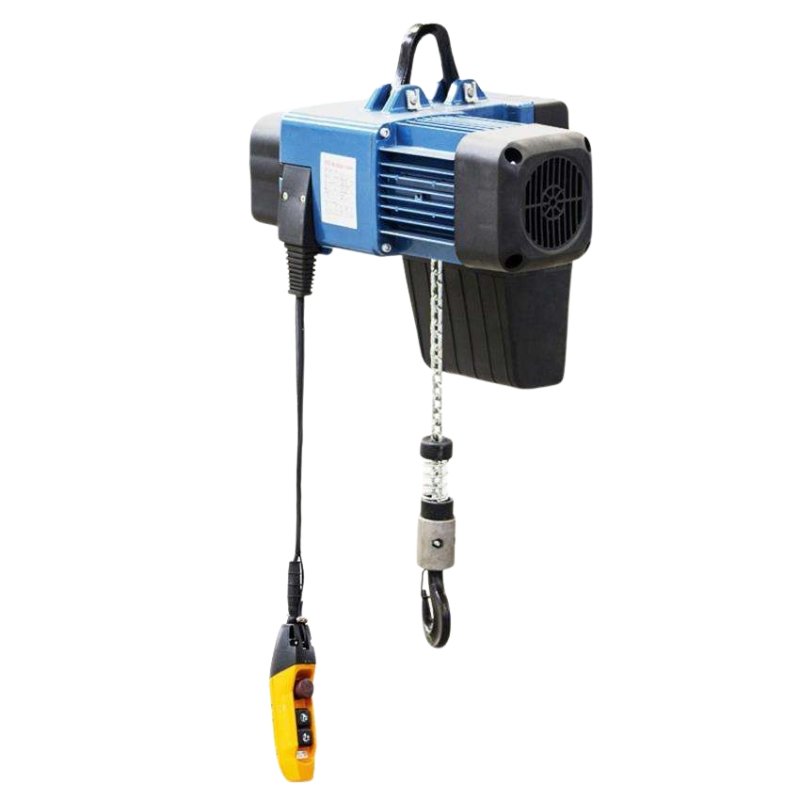
Adopts an underslung structural design. Suitable for workshops with limited overhead space or special runway layouts.
Flexible Control Options
Our single girder hoist offers multiple control methods based on your workshop environment and operating preferences. The standard configuration uses an industrial-grade IP65 wired pendant. This works well in dusty, oily, or other industrial environments. We also offer a wireless remote control option. This allows your operators to perform lifting tasks from safer and more flexible positions. For different working conditions, we can also provide two-speed control or variable frequency stepless speed adjustment. These can reduce load swing and improve your operational efficiency.
Multiple Safety Protection
To improve the operational safety of the equipment, Dingya’s single girder hoist is equipped with multiple safety protection systems. The load limiter automatically alarms when an overload reaches 10%, and cuts off the lifting motion when an overload reaches 15%. This effectively reduces equipment risks caused by improper overloading.
Our single girder hoist also features a dual upper limit switch design, combining both a heavy hammer type and a screw type, to prevent hook over-travel and mechanical damage. Both the wired pendant and the wireless remote control come standard with an emergency stop button.
Applications of Our Single Girder Hoist
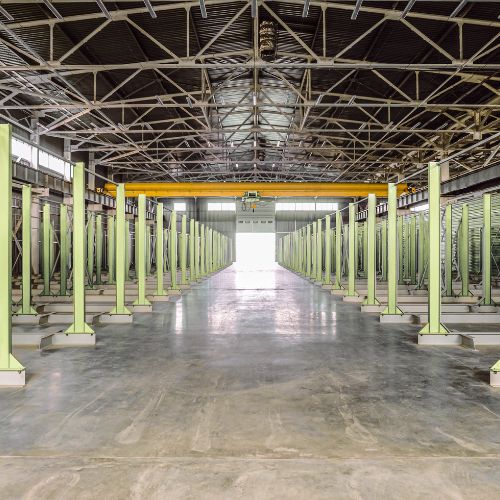
In warehousing and logistics centers, single girder hoists are often used for handling heavy materials such as steel, equipment, and palletized goods. They improve the efficiency of loading, unloading, and transferring goods. They are especially suitable for daily lifting of medium-tonnage goods.
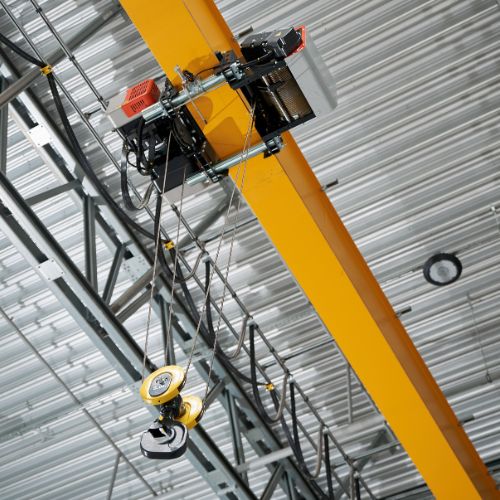
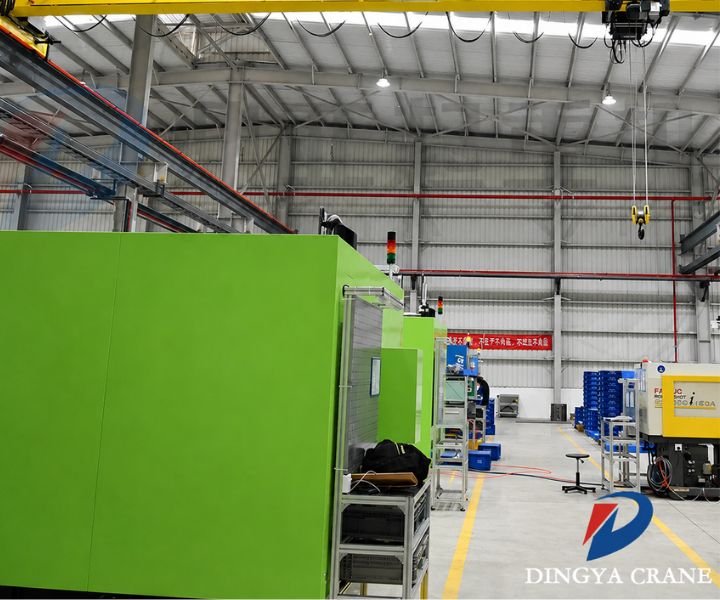
Single girder hoists are widely used in machine shops for lifting and transferring machine tools, molds, steel plates, and metal workpieces. They meet the daily needs of loading and unloading materials and transferring materials between different workstations. This reduces the strain of manual handling.
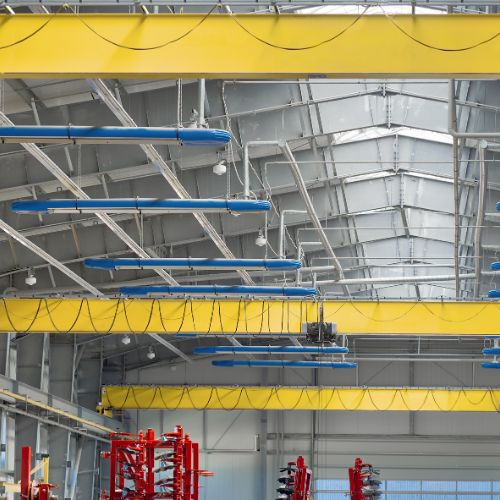
Single girder hoists are suitable for lifting and positioning engines, reducers, and various mechanical components. They meet the requirements for lifting precision and production efficiency during continuous assembly processes. Widely used in machinery manufacturing and equipment assembly lines.
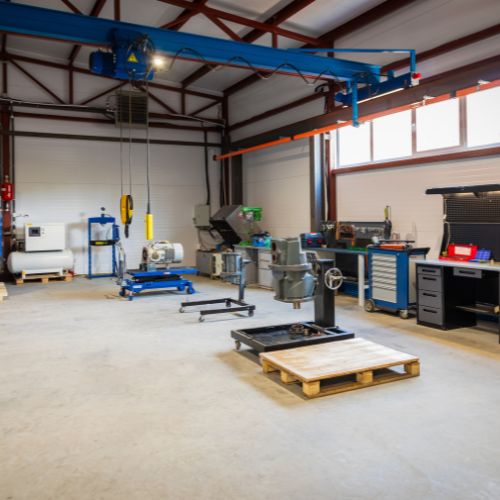
During equipment inspection and production maintenance, single girder hoists can be used for disassembling and assembling equipment, replacing parts, and transferring heavy components. They help maintenance personnel complete their work more efficiently and improve overall maintenance efficiency.
The lifting capacity and span of a single girder hoist need to be selected based on your facility structure, the weight of the materials you need to lift, and your usage frequency. Generally speaking, the lifting capacity of a standard single girder electric hoist crane ranges from 1 ton to 20 tons.
Among these, 3 tons, 5 tons, 10 tons, and 16 tons are the more common specifications in factory procurement. The standard span is typically between 7.5 meters and 31.5 meters. You should also leave a reasonable margin during the early selection stage to avoid costly facility and equipment modifications later.
Yes, it can be customized. The standard lifting height of a single girder hoist is typically 6m, 9m, 12m, 18m, etc. However, most projects support customization.
When determining the lifting height, you need to consider not only the facility height but also the hook safety distance, equipment installation space, and the actual stacking height of your materials.
For example, some customers may have sufficient facility height, but due to limitations from overhead pipes, ventilation systems, or steel structures, the actual effective lifting space may be reduced.
When selecting the duty class, you should not only focus on the lifting capacity. In fact, the duty class often affects equipment stability more than the tonnage itself.
- For light duty applications such as warehouse loading and unloading or occasional lifting, you can choose Class A3 or A4.
- If you have medium frequency continuous operation, such as in a machine shop or equipment assembly workshop, Class A5 is better.
- For high frequency, long duration operation, Class A6 or higher is more suitable.
When selecting, you need to evaluate your daily operating hours, average load factor, and whether frequent starts and stops occur. If you choose a duty class that is too low, your long-term maintenance costs will actually be higher.
Common faults of a single girder hoist mainly occur in the electrical system, braking system, and mechanical transmission parts. For example, motor overheating, brake failure, wire rope wear, limit switch failure, and abnormal noise from the gearbox are all relatively common issues.
Many of these faults are related to operating conditions and maintenance habits. Examples include long-term overloading, frequent emergency stops, insufficient lubrication, or neglecting regular inspections. It is recommended that you establish a regular inspection schedule to reduce the risk of production downtime.
Single Girder Hoist Explained
Basic Structure Composition
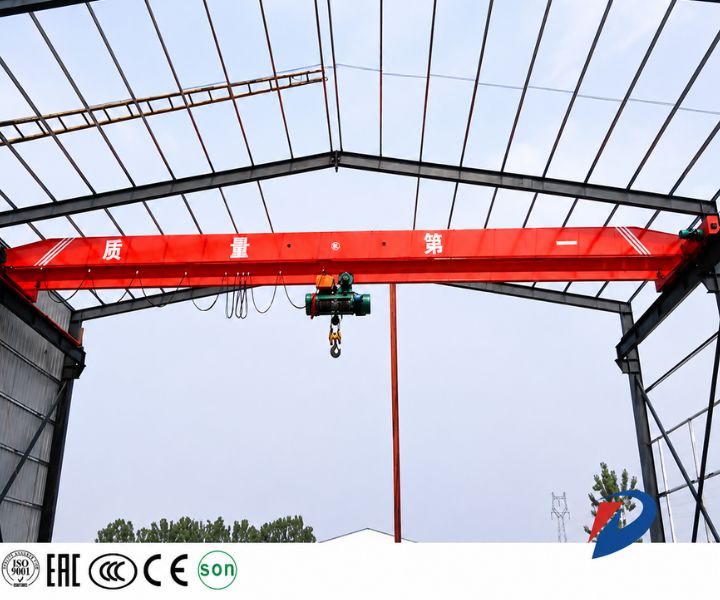
A single girder hoist mainly consists of the main girder, electric hoist, end girders, travel mechanism, and electrical control system.
- The main girder is the core load-bearing structure of the entire equipment.
- The electric hoist is responsible for lifting the load.
- The end girders move the entire crane along the runway.
Working Principle
The operation of a single girder hoist is completed through three coordinated movements: the electric hoist lifts the load vertically, the hoist trolley moves horizontally along the main girder, and the entire crane moves longitudinally along the workshop runway.
Through these three directional movements, the equipment can cover the entire work area, enabling material handling and equipment lifting. Its greatest value lies in reducing the need for forklifts and manual transport, thereby improving efficiency.
Core Features
Lightweight Design
The single girder hoist uses a single main beam structure. Its overall weight is usually much lower than a double girder crane. This makes the equipment itself lighter. It also reduces the load on your facility steel structure.
Cost Advantage
The cost advantage of a single girder hoist shows up not only when you purchase the equipment, but also in transportation, installation, maintenance, and long-term operating costs. Its structure is simpler and uses less steel, so the overall manufacturing cost is usually lower. It also has lower requirements for your facility structure and a shorter installation time.
Installation Flexibility
Compared to larger double girder systems, the single girder hoist adapts better to your on-site space. Whether you have limited facility height or need a low headroom design, the single girder solution is usually easier to adjust.
Single Girder Hoist vs Double Girder Hoist
| Specification | Single Girder Hoist | Double Girder Hoist |
| Structure | One Main Girder | Two Main Girders |
| Capacity | Light to Medium Duty | Medium to Heavy Duty |
| Lifting Height | Lower Hook Height | Higher Hook Height |
| Working Frequency | Moderate Use | High Frequency Use |
| Self Weight | Lighter Structure | Heavier Structure |
| Installation Cost | Lower | Higher |
| Maintenance | Easier Maintenance | More Complex Maintenance |
| Space Utilization | Suitable for Standard Workshops | Better Hook Approach |
| Operating Stability | Standard Lifting Stability | Higher Stability |
| Typical Applications | Warehouses, Workshops | Steel Plants, Heavy Industry |