
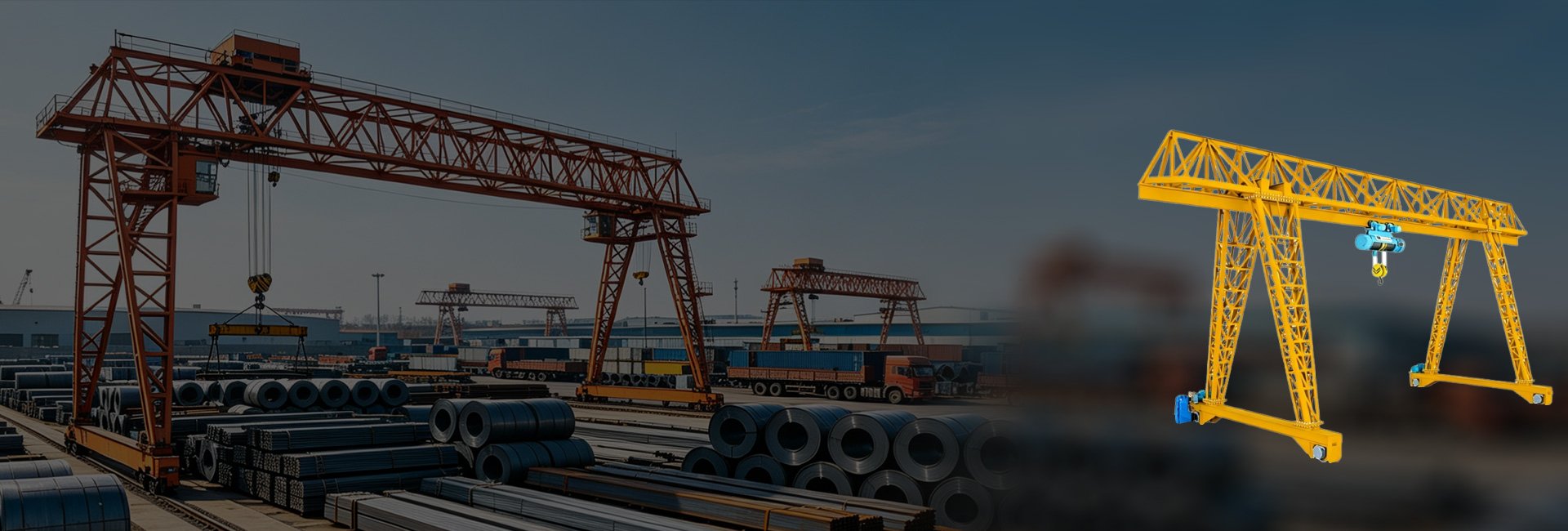
Dingya: Your Reliable Truss Gantry Crane Manufacturer in China
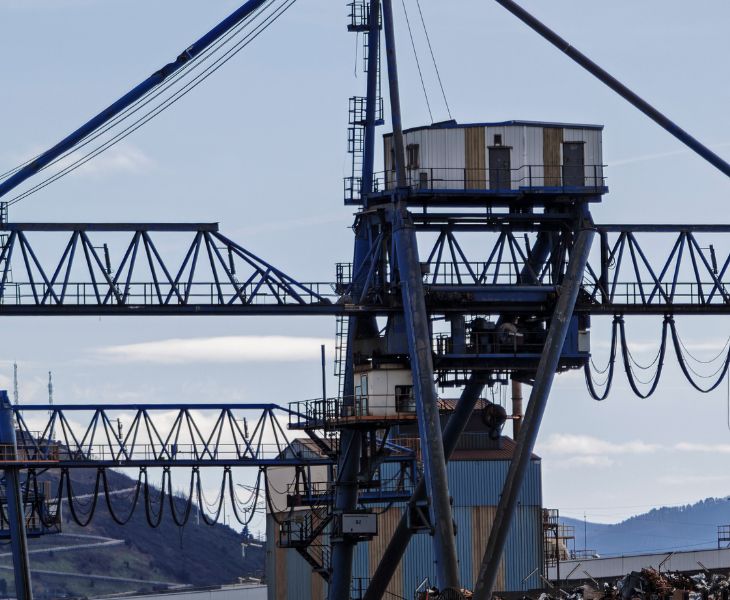
The truss gantry crane is a type of lifting equipment with a main beam made of a triangular grid steel structure and capable of moving along the ground track. It is mainly used to precisely displace large-tonnage materials in open outdoor industrial sites. It solves the problem of structural fatigue caused by concentrated force during the lifting of heavy loads, keeping stable long-term operation.
Dingya is dedicated to providing you with truss gantry cranes that comply with international standard design specifications such as FEM, ISO, and CE. Our truss gantry cranes can be customized for span and load configuration according to your requirements. Through structural optimization, our cranes have strong adaptability and high on-site installation efficiency. Contact us immediately to obtain the customized solution and quotation for the truss gantry crane.
Our Products
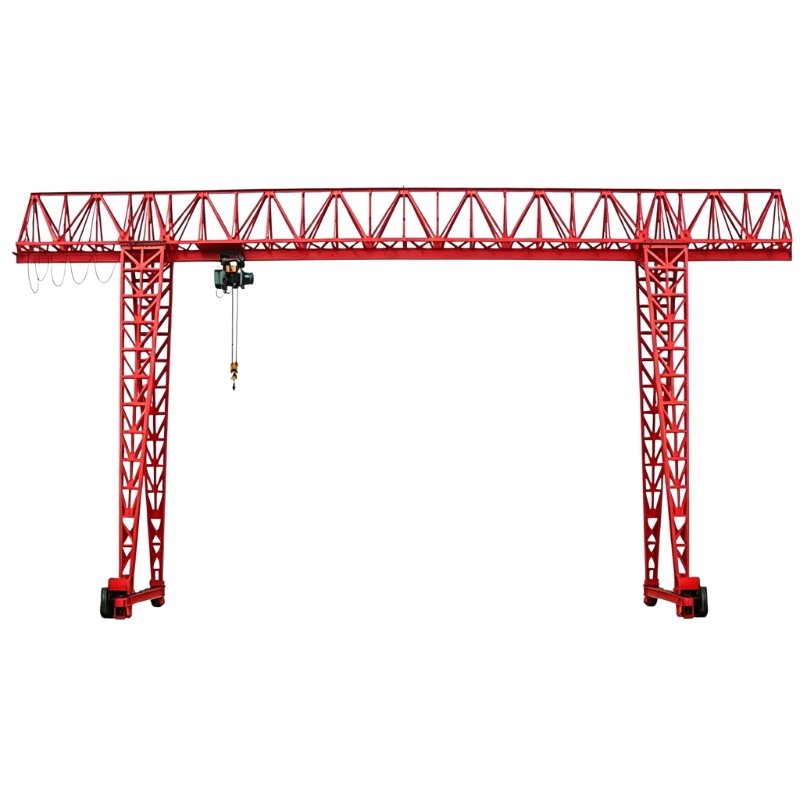
Single truss main beam, used for light lifting tasks, simplifies the structure and reduces the overall system weight.
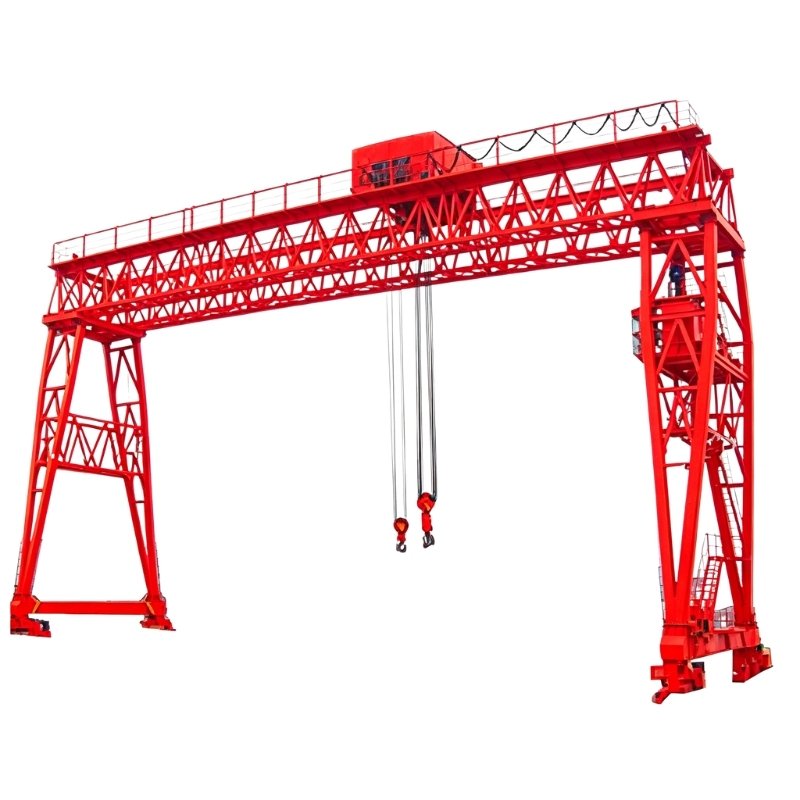
The double parallel truss main beam structure enhances the equipment’s large-span load-bearing capacity and can withstand more complex stresses under heavy-load operations.
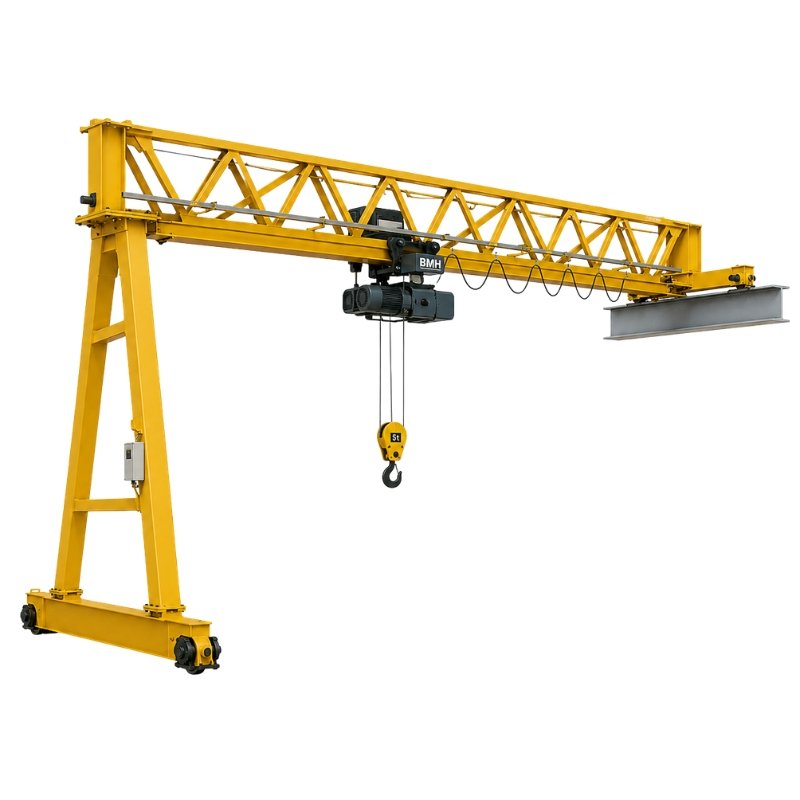
One side of the support leg is grounded, and the other side is equipped with a factory track to save space while maintaining the lifting function.
Variable Frequency Drive System
Our gantry crane adopts advanced variable frequency drive and soft start technology. This solves the severe shaking caused by the inertia of the lifting equipment during high speed operation, sudden start or braking. By controlling the acceleration and deceleration cycles of the motor precisely, this minimizes the dynamic load impact of the lifting device on the truss nodes to the greatest extent possible. This extends the lifespan of the transmission mechanism and the metal structure of your crane.
Multiple Safety Protections
To cope with the complex lifting environment, our truss gantry crane integrates a digital overload limiter, height limit sensor, and trolley running synchronization correction device. These monitoring components can promptly detect the slightest deviations in the leg movement and automatically activate error correction alarms in case of abnormal load or asynchronous operation. This makes sure that the truss frame remains aligned throughout the long-span displacement process, maintaining your lifting operations accuracy.
Precision Fabrication and Coating
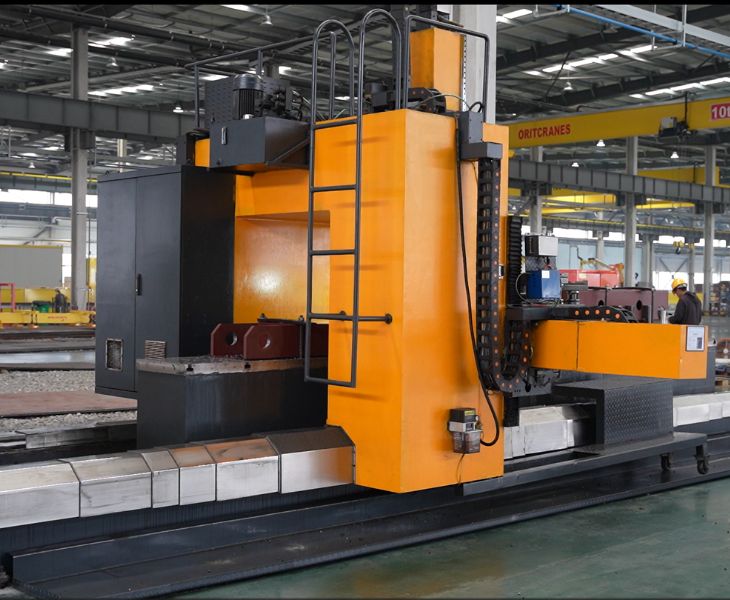
The key structural components of our truss gantry cranes adopt CNC plasma cutting and fully automated welding fixtures, making sure consistent accuracy at each truss connection point. All the steel materials undergo professional Sa2.5 grade sandblasting and rust removal treatment before assembly. And they are coated with multiple layers of high-thickness epoxy zinc-rich primer. This provides a chemical barrier for you to use the truss gantry crane in the air with severe humidity fluctuations or corrosive media.
Applications of Our Truss Gantry Crane
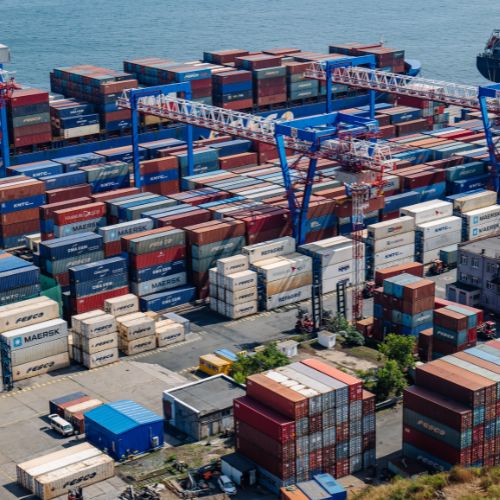
In ports and storage yards, the truss gantry crane is used for loading, unloading and transferring containers and bulk goods. It can cover a large working area, meet the requirements of continuous handling, and enhance the overall handling efficiency.
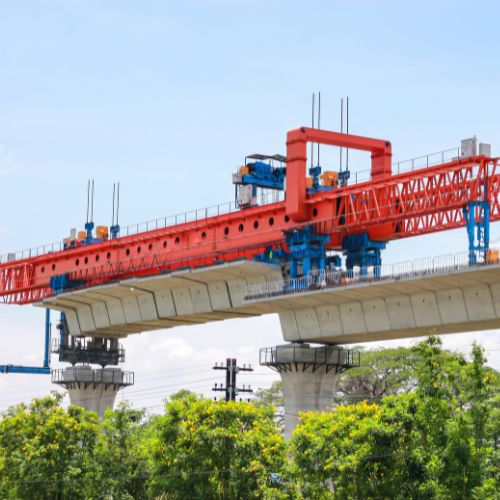
In bridge construction projects, truss gantry cranes are used to lift precast concrete beams and achieve transportation from the ground to the installation location. It can accurately dock with the bridge erecting machine, reduce the switching of intermediate equipment, and improve your construction continuity and positioning efficiency.
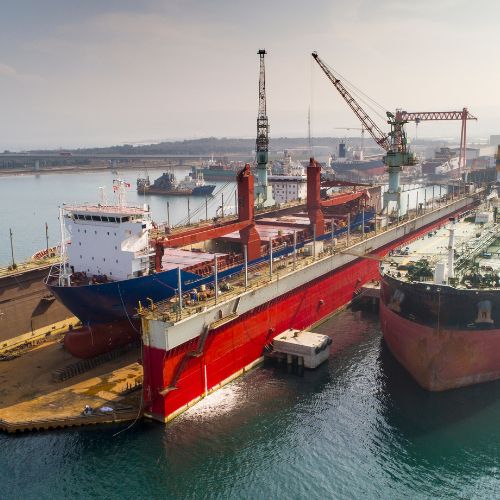
During the shipbuilding process, the truss gantry crane is used to transport ship sections and heavy structures. Its operation range is extensive, and it can meet the transportation needs for large-sized components during the assembly of the ship’s sections.
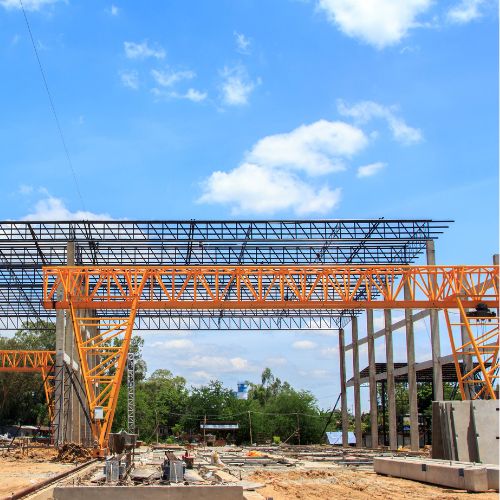
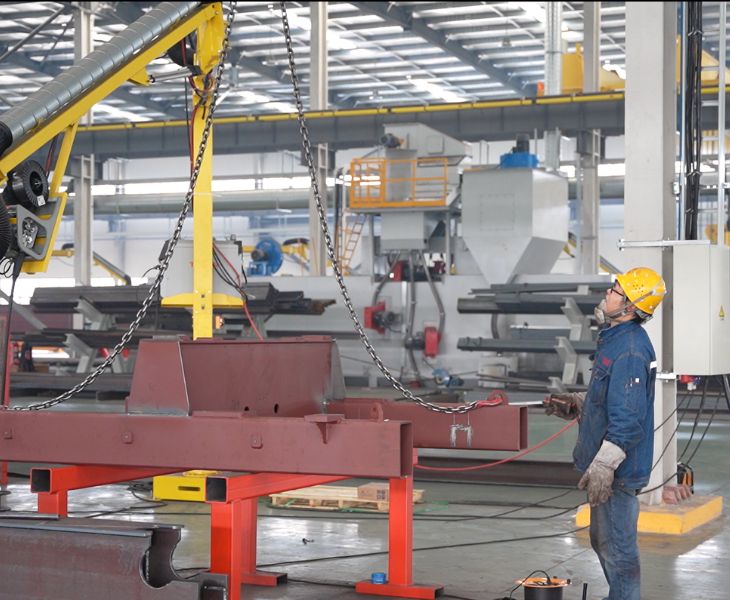
In steel structure processing and heavy manufacturing, the truss gantry crane is used for transporting steel beams, plates and large components. It can perform cross regional transfer and positioning, thereby enhancing the connection efficiency and operational smoothness between production lines.
Yes. The truss gantry crane can add single-sided or double-sided cantilevers according to your needs. The main beam extends outward towards the support legs, causing the lifting range to exceed the original span. This expands the lateral coverage area of the crane without increasing the span of the track laying. It is very suitable for working conditions that require truck loading and unloading or material stacking on the outside of the track.
Truss beams are usually disassembled into multiple modular sections to facilitate transportation. At the construction site, these sections are mainly connected by using high-strength bolt pairs combined with precisely machined end face flanges. This can avoid the risk of brittleness in the heat-affected zone that may occur during on-site welding. It also makes sure that each connection node can evenly distribute the axial stress transmitted by the tension rods.
The rail clamps are the most common wind-resistant devices. They can clamp the front and rear ends of the track when the crane is stopped or in strong winds, preventing the crane from sliding. The manual rail clamp has a simple structure and a low cost. It is suitable for medium and small-sized truss gantry cranes. For working conditions with strong wind or large equipment, you can install hydraulic rail clamps.
Meanwhile, for the tall truss gantry crane, we recommend that you install anchoring devices to secure the crane to specially pre-embedded ground anchors, further enhancing safety.
If the working class of your crane is A5 or higher, the winch can provide superior heat dissipation performance and longer continuous power supply due to its independent motor, reducer and brake. Because the main truss beams provide ample installation space, you can achieve a faster lifting speed and a higher lifting height by using a winch. Meanwhile, the winch is also convenient for you to carry out daily lubrication and maintenance in dusty environments.
Our truss gantry cranes generally offer three operation modes. The cab control mode requires the operator to be located inside the cab. The view is wide but requires cooperation with ground command personnel for coordinated operations.
The ground line control mode is operated through the controller connected by wires on the crane body. You can move around near the crane to observe.
Wireless remote control is currently the safest method. You can control the crane from a safe distance using a wireless remote control. It provides a good viewing angle and keeps you away from the accidental swinging range of the hook and load, making it suitable for use in complex working environments.
The Reason for Designing the Large-Span Truss Gantry Crane with One Rigid and One Flexible Support Leg
When the span of the truss gantry crane exceeds 30 meters, we will adopt a rigid leg on one side and a flexible leg on the other. The rigid leg forms a fixed connection with the main beam. The flexible leg is usually connected through a hinged or slightly movable structural form.
Release the Structural Stress caused by Temperature Changes
Since the truss gantry cranes are mostly used for outdoor operations, their long metal main beams are directly exposed to the drastic fluctuations of environmental temperature. The large-span steel main beams will undergo obvious thermal expansion and contraction when the ambient temperature changes.
If both side legs are rigidly connected, the expansion and contraction of the main beam will be constrained by the rigidity of the track. This will result in additional stress acting on the main beam and the connection between the main beam and the legs.
By designing one side as a flexible leg, the main beam can have a certain degree of displacement or rotation capability. During temperature changes, the additional force generated by the expansion and contraction of the structure can be released. This avoids the risk of frequent maintenance or even shutdown later in the design stage.
Adapt to Orbital Errors and Uneven Ground Settlement
In actual industrial sites, it is difficult to achieve theoretical absolute parallelism for long-distance running tracks. At the same time, the foundation may experience uneven settlement over a long period of use.
When the crane trolley encounters track span deviations during operation, the rigid legs, lacking lateral elasticity, will exhibit severe rail gnawing. This will increase running resistance and accelerate the wear of the wheelsets.
The flexible legs can adjust their positions within a certain range and automatically adapt to minor deviations in track parallelism and uneven foundation settlement of the track caused by geological conditions. This avoids large-scale rework or subsequent adjustment costs due to insufficient track accuracy.
Improve the Crane Force-Bearing Condition
The rigid legs mainly bear the lateral forces and perform the positioning function. They can resist the inertial forces during operation, wind loads, and lateral effects caused by uneven loading, ensuring the stability of the crane during movement.
The flexible legs play a role in coordinating structural deformation. They can release additional stress and prevent these deformations from being transmitted to the main beam and the overall frame.
The combination of the two makes the load more evenly distributed between the main beam and the outriggers, avoiding local stress concentration due to excessive rigidity constraints. This design helps reduce running resistance and makes your truss gantry crane move smoothly over long distances.
Reduce Structural Fatigue and Extend Service Life
For large-span gantry cranes that operate frequently, repeated load changes can easily cause fatigue in the metal structure. If the additional stress persists for a long time, it will accelerate damage to key parts.
The flexible legs reduce the stress fluctuations between the main beam and the connection nodes by absorbing some deformation and displacement, thereby slowing down the accumulation of fatigue. This helps to extend the service life of your crane.
Improve Adaptability to Complex Working Conditions
In outdoor or large-scale engineering projects, environmental conditions are often complex, such as changes in wind resistance, differences in ground conditions, and structural micro-deformations caused by long-term operation.
The design of one rigid and one flexible support leg makes the truss gantry crane have better adaptability when facing these complex working conditions. It can maintain overall stability and respond to external changes through structural adjustment, thereby making sure long-term operational reliability.