Choosing the right intelligent overhead crane requires a careful evaluation with specific lifting requirements. These advanced cranes use automation, anti-sway technology, and smart sensors to boost safety and precision. Understanding your workshop’s unique demands is very important for safety, operational efficiency and to improve productivity.
This guide walks you through how to choose an intelligent overhead crane for your workshop.
What Is an Intelligent Overhead Crane?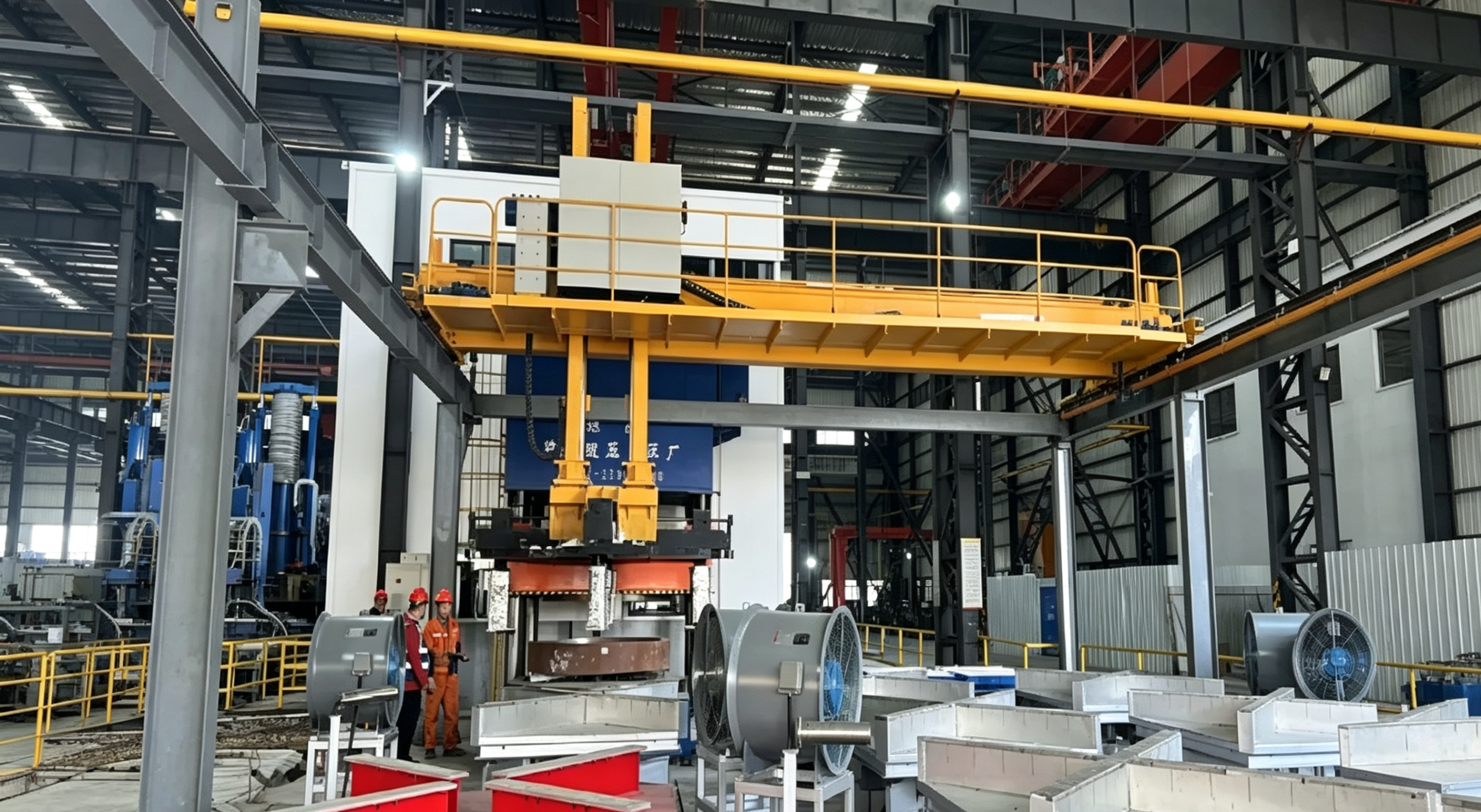
An intelligent overhead crane is an automated lifting system that automatically executes repetitive positioning with extreme accuracy reducing material damage for fragile items. They increase vertical warehouse stacking density and reduce cycle times, clearing crowded ground-level logistics channels.
How to Choose an Intelligent Overhead Crane
Assess Workshop Requirements
Consider future growth before choosing an intelligent overhead crane because a properly planned system should support future expansion. Determine the maximum weight of the heaviest load by analyzing the workflow and allowing a 10-20% safety margin and include the weight of attachments.
Next, identify the types of loads your crane will handle and evaluate the workshop layout by measuring the available floor space, ceiling, and travel distance required for moving material. Calculate how many lifts per hour and how heavy those average lifts are and consider the desired level of automation.
Smart Automation Features
Invest in a crane with features that solve specific operational demands such as automated load positioning, collision avoidance systems, remote monitoring, and real-time tracking. These programmable target coordinates allow the crane to stop automatically enhancing lifting accuracy, improving safety, and enhancing efficiency. This is one of the key benefits of investing in smart overhead cranes.
Look for sway control, which eliminates load swing, and allows faster material positioning. Software limits the crane from entering specific areas and points to a specific program destination automatically.
Evaluate Load Capacity and Duty Cycle
Evaluating load capacity and duty cycle is the foundation of the entire investment in the automated overhead cranes. It helps in the intelligent crane system sizing.
It is important to calculate the heaviest lift, while also assessing the weight below the hook lifting attachments. Remember, these cranes are rated to handle both weights combined.
More importantly, by analyzing daily lifting volume it can guide on establishing a smart lifting solution that can guarantee maximum performance at reasonable prices.
Don’t overspend on a massive steel structure you don’t need by calculating thoroughly your heaviest lifting.
Monitoring and Connectivity Capabilities
Select a crane that has advanced monitoring and connectivity systems that can stream real-time operational data about the crane’s maintenance usage. The intelligent crane system should allow operators to check the exact status of the crane such as the current load weight, wear and tear.
If an operator attempts a lift that is too heavy, the system instantly logs the event, records and alerts management, helping you enforce safety protocols. This helps in predictive maintenance of crane systems.
Safety Features
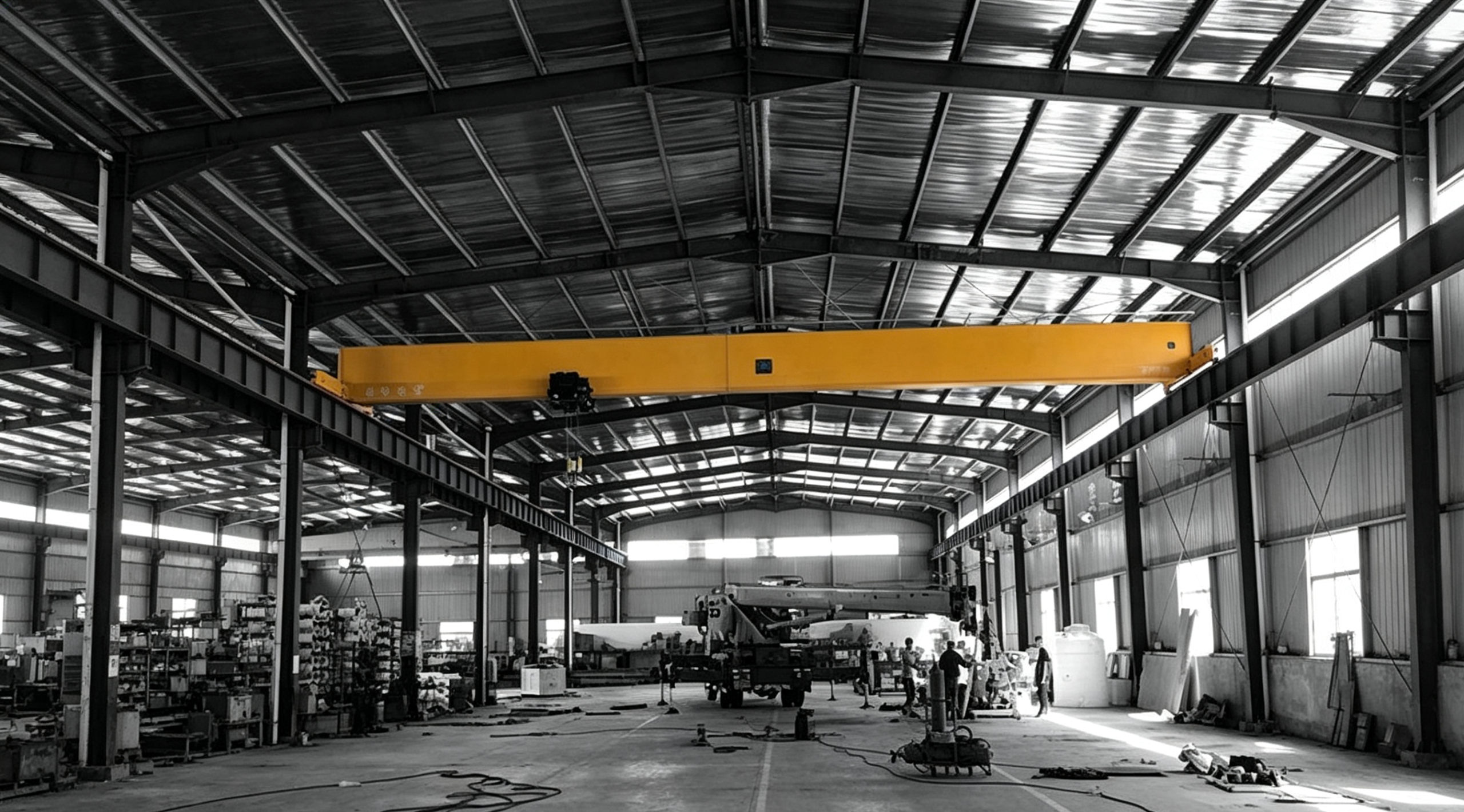
Purchase an intelligent overhead crane that has built-in anti-sway software that automatically compensates for acceleration and braking. Safety is about protecting the most valuable assets, workers, and expensive machinery.
All smart lifting solutions should be equipped with overload protectors, limit switches, and anti-collision systems, which use sensors to detect obstacles and reduce the risks of accidents.
Energy Efficiency and Sustainability
A good crane is designed to drastically cut power waste, lower your utility bills, and help your facility meet modern sustainability targets. Purchase an intelligent overhead crane with features like variable frequency drives and regenerative braking, which optimize energy use and recover power during operations.
Integration with Existing Workshop Equipment
When purchasing an intelligent overhead crane, you are gaining a fully synchronized teammate for the workshop machinery. It should integrate easily with the existing infrastructure or system so that you don’t have to conduct extensive modifications that may be costly.
With industrial overhead crane automation, the system should lower loads to precise drop-off points the moment a conveyor arrives to receive them, eliminating idle waiting time.
Predictive Maintenance and Remote Diagnostics
When selecting an intelligent overhead crane, consider predictive maintenance to help you fix crane issues before they cause costly breakdown downtime. Remote diagnostics allow for troubleshooting possible problems instantly by generating specific error messages immediately when a problem occurs.
However, monitor motor and gearbox bearings to detect microscopic misalignment using sensors and data analysis instead of waiting for failure. Use thermal imaging to track internal temperatures of control panels and brakes to catch overheating risks.
Total Cost of Ownership
Focusing on total cost of ownership is critical when making smarter investments and this includes all expenses involved in operating, maintaining, and supporting the crane throughout its lifespan. An intelligent overhead crane has a higher upfront cost but delivers a lower total cost of ownership therefore expect a 15% to 30% higher initial purchase. This is due to automation software, sensors, and network infrastructure.
For instance, a smart crane system can cut energy use by 30%, feed braking power back to your grid, and reduce labor by eliminating the need for ground spotters. Consider maintenance and repair costs to fix the exact issue immediately, reducing billable repair hours and finally factor in training and lifecycle extension to reduce onboarding costs for new staff.
Choose the Right Manufacturer
Choosing the right manufacturer ensures quality assurance and ongoing technical support. You should start by checking companies with a proven track record of delivering reliable cranes that meet international safety and quality standards.
Evaluate their certifications and compliance standards to ensure the crane is built to handle demanding workshop conditions. Investigate their after-sales support and spare parts availability to avoid replacement of parts in the future and finally review their warranty and service agreements. These show the manufacturer’s confidence in their product and commitment to long-term customer support.
Common Mistakes to Avoid When Choosing an Intelligent Overhead Crane
Here are the main mistakes to avoid when choosing an overhead crane that can lead to costly downtimes, safety risks, and wasted investments.
- Ignoring load distribution: You should use appropriate rigging and slinging methods to ensure balanced loads. Uneven loads may cause excessive stress on one side of the crane, leading to failure.
- Skipping expert consultation: Ensure you consult with overhead engineers before purchasing one to avoid miscalculations and save your business from operational inefficiencies.
- Over-specifying capacity: Assess and consult with crane engineers to determine the optimal capacity because underestimating capacity is very risky. You may purchase a bigger crane, although your company only needs a smaller one, thus doubling the project cost.
- Failing to align with industry standards: Make sure you familiarize yourself with applicable standards because ignoring industry standards can lead to legal penalties and operational risks. Conduct regular inspections and certifications on standards such as OSHA and CMAA, which are guidelines for crane capacity.
- Overloading the crane’s capacity: Avoid overloading the cranes rather, train your operators on the importance of adhering to the rated capacity. This can lead to component failure and damage to materials, causing delays and increased costs.
- Not considering maintenance requirements: You should choose a crane with components that are durable and easy to maintain hence, neglecting to consider maintenance needs can cause a breakdown. You should schedule regular inspections to identify potential issues early to reduce excessive wear.
- Underrating future needs: Analyze growth projections and future projects by choosing the right overhead crane capacity. If your business grows, you may require a crane with a larger capacity.
- Ignoring environmental factors: Identify environmental challenges in your operation such as humidity, corrosive atmosphere, and temperature. They can influence the performance and durability of your overhead crane. However, choose cranes with protective features such as anti-corrosion coatings to avoid premature failures.
- Overlooking operator skills and training: Emphasize the importance of respecting capacity limits even a perfectly selected crane can fail to deliver its intended performance. Therefore, provide comprehensive training for crane operators.
FAQ
What makes an overhead crane intelligent?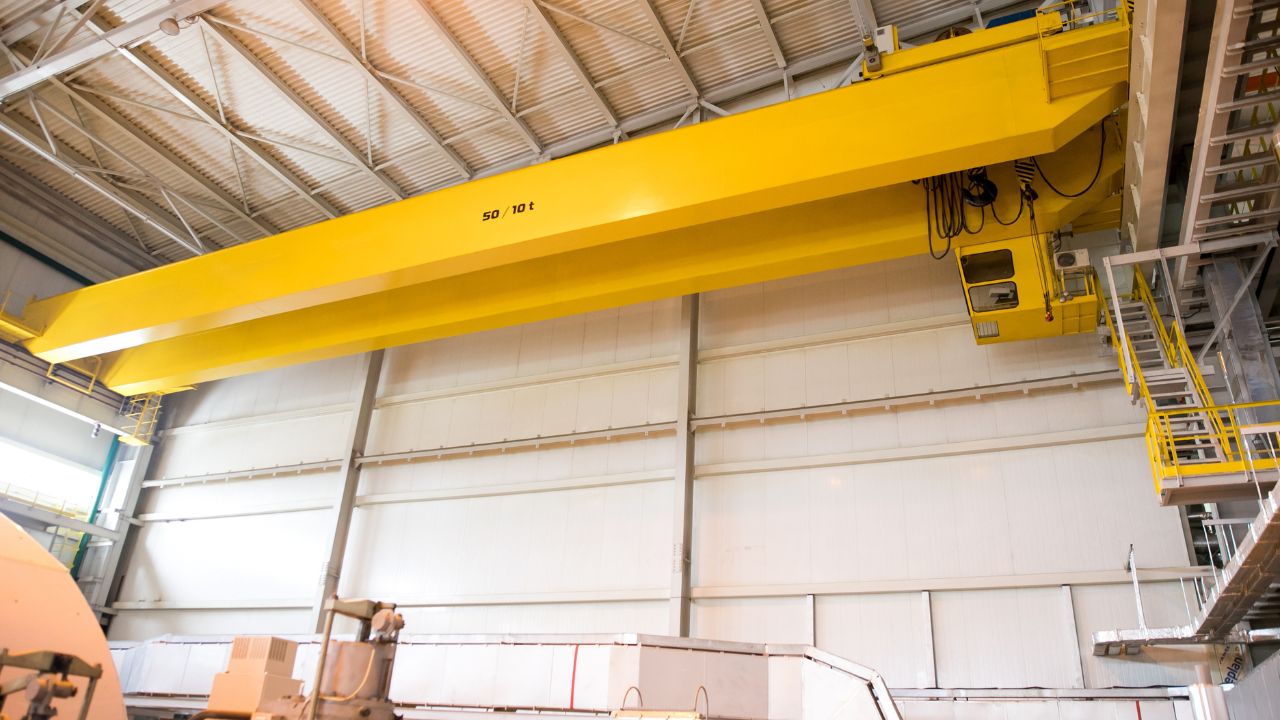
These cranes are referred to as intelligent because they offer autonomous operation and precision, have robust data analytics and automatic safety systems. Additionally, they also have predictive maintenance alert features.
What smart features should you look for in an intelligent overhead crane?
When buying these crane systems, it is important to consider hardware, speed, precision, safety features, collision avoidance capability, cloud telemetry, and predictive diagnostics.
How do intelligent overhead cranes improve workplace safety?
They prevent catastrophic failures by instantly disabling the lift function if the weight exceeds structural limits. They also create virtual boundaries where the crane physically cannot enter restricted places like busy walkways and break areas.
Can intelligent overhead cranes reduce maintenance costs?
Yes, intelligent overhead cranes reduce structural abuse by up to 30% to 75% and replace calendar-based maintenance schedules with data-driven tracking, allowing you to fix components only when data proves it is necessary.
Can intelligent cranes be retrofitted to existing crane systems?
Yes, they can be retrofitted depending on your budget and operational needs because older industrial cranes can easily support modern electronic brains.
What industries benefit most from intelligent overhead cranes?
Among the key industries that have integrated these systems are automotive, aerospace, steel processing, paper pulp, power generation and nuclear industries.
DINGYA is Your Smart Lifting Solutions Provider in China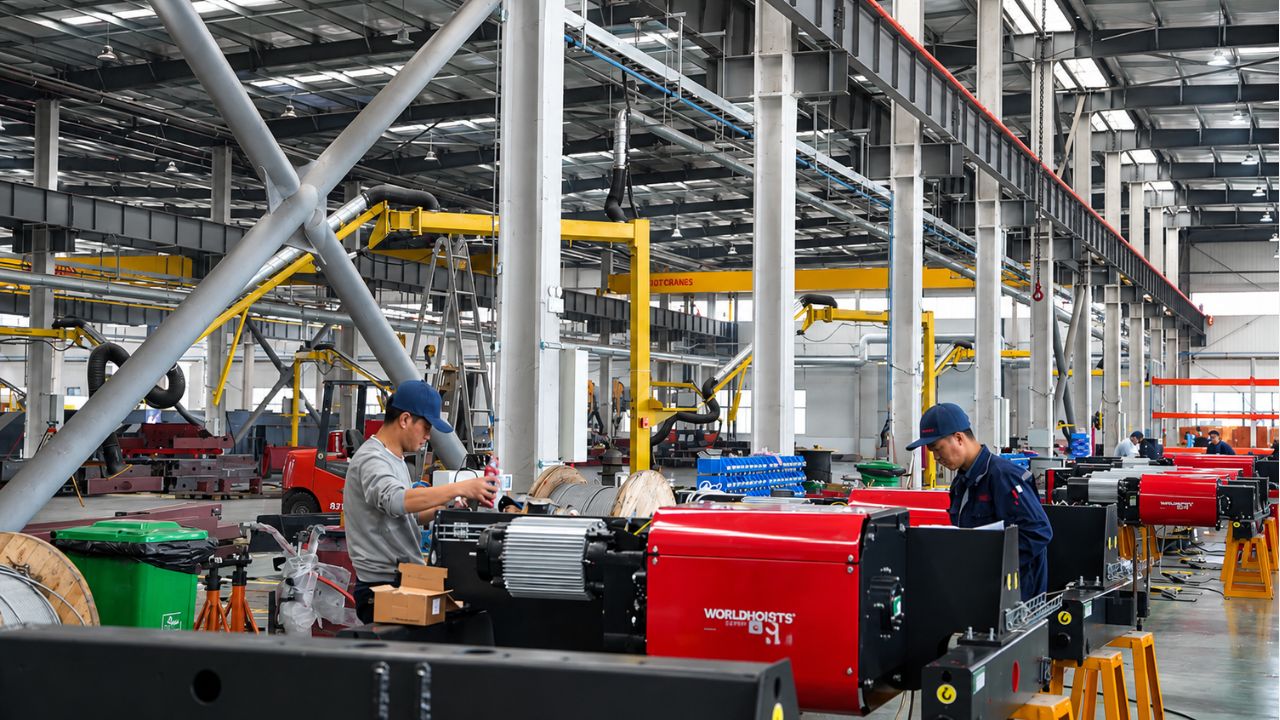
For over 21 years, DINGYA has specialized in designing and manufacturing industrial overhead crane automation solutions. With every crane, we offer free software upgrade and technical support during routine maintenance alongside free training.
For all customized crane solutions, contact our sales team for competitive prices.