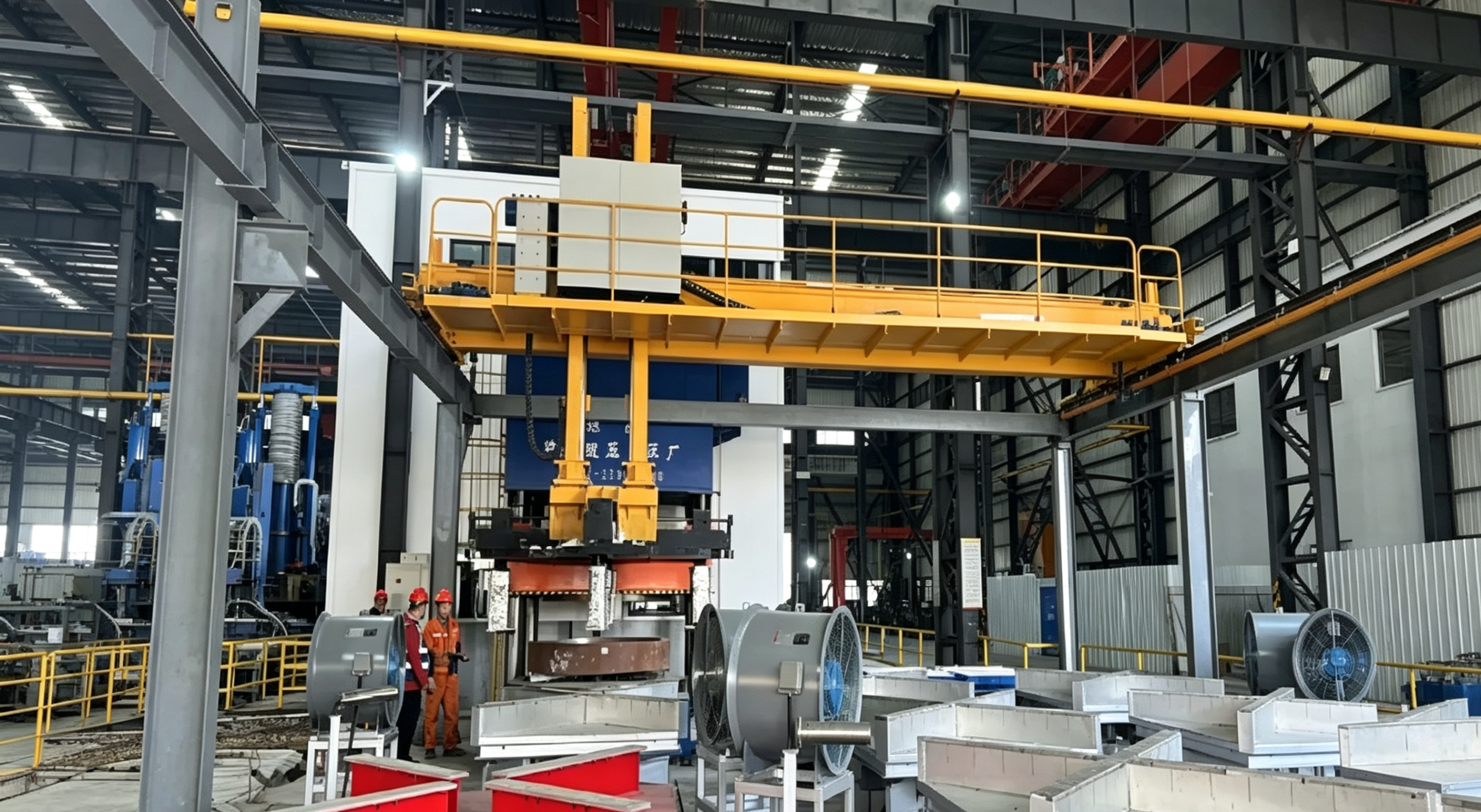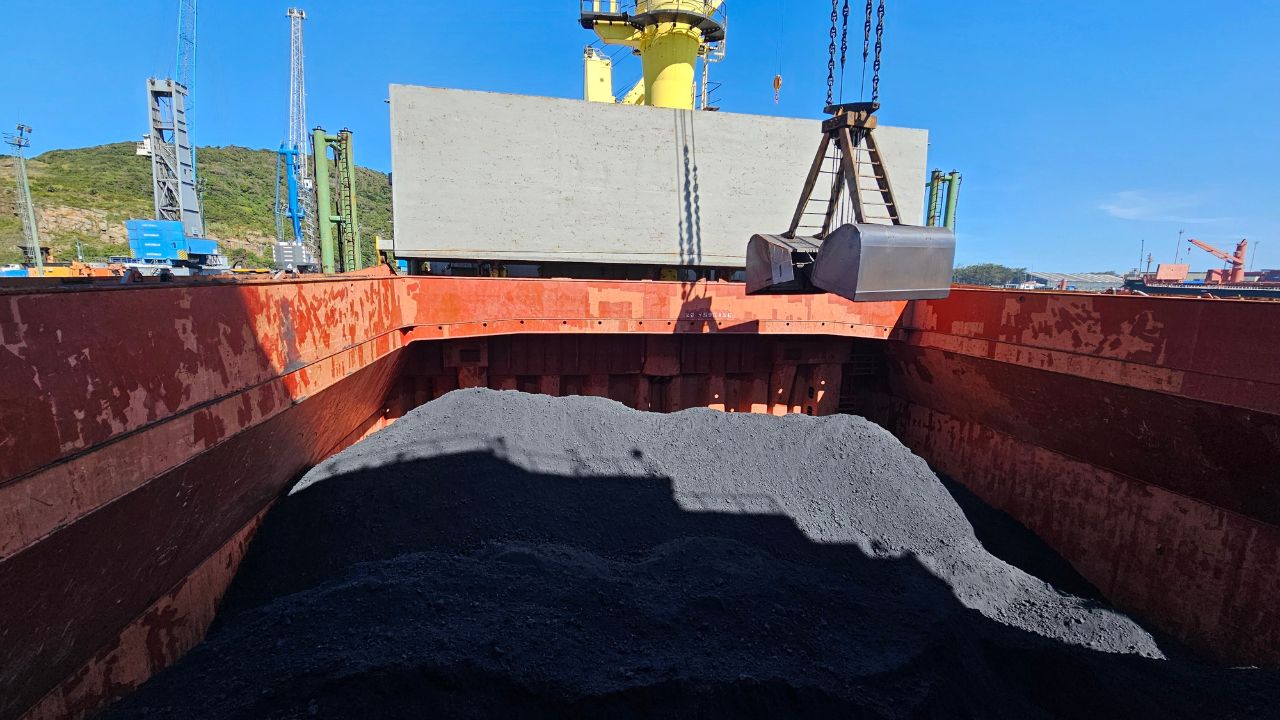
Without the right crane, port operators will struggle with improving cargo throughput, cargo handling efficiency and vessel turnaround times. Therefore, selecting cranes will eliminate all bottlenecks in port operations, which will impact cargo handling efficiency in container terminals, bulk cargo handling facilities or rail yards.
In this guide, we will explore the most common types of port cranes, their applications, cargo handling capacities and factors to consider when choosing the right option.
What Are Port Cranes?
Port cranes are essential pieces of equipment designed to load and unload shipping containers, enabling ports to handle large volumes of cargo quickly, safely, and efficiently.
With the right crane, you will increase cargo handling efficiency with higher gross moves per hour. This will greatly impact the turnaround times for container ships, yard optimization, and safety.
Types of Port Cranes
For most ports, you will find 7 different types of cranes to handle a wide range of cargo. Therefore, it is important to work with experts who can help in choosing the right cargo handling crane. For quick decision-making, let’s explore this port crane types comparison table:
| Type of Port Crane | Main Use | Mobility | Approximate Capacity (tons) |
| RTG | · Yard stacking | · High | · 35 to 65 |
| STS | · Vessel loading | · Rail | · 40 to 100 |
| RMG | · Rail and yard operations | · Fixed | · 40 to 70 |
| ASC | · Automated yards | · Automated | · 40 to 65 |
| MHC | · For multi-purpose cargo handling | · High | · 40 to 300 |
| Floating crane | · Heavy lifting in offshore applications | · Waterborne | · 100 to 10,000 |
| Bulk handling crane | · Bulk material handling | · Varies | · 10 to over 100 |
Rubber-Tired Gantry (RTG) Cranes
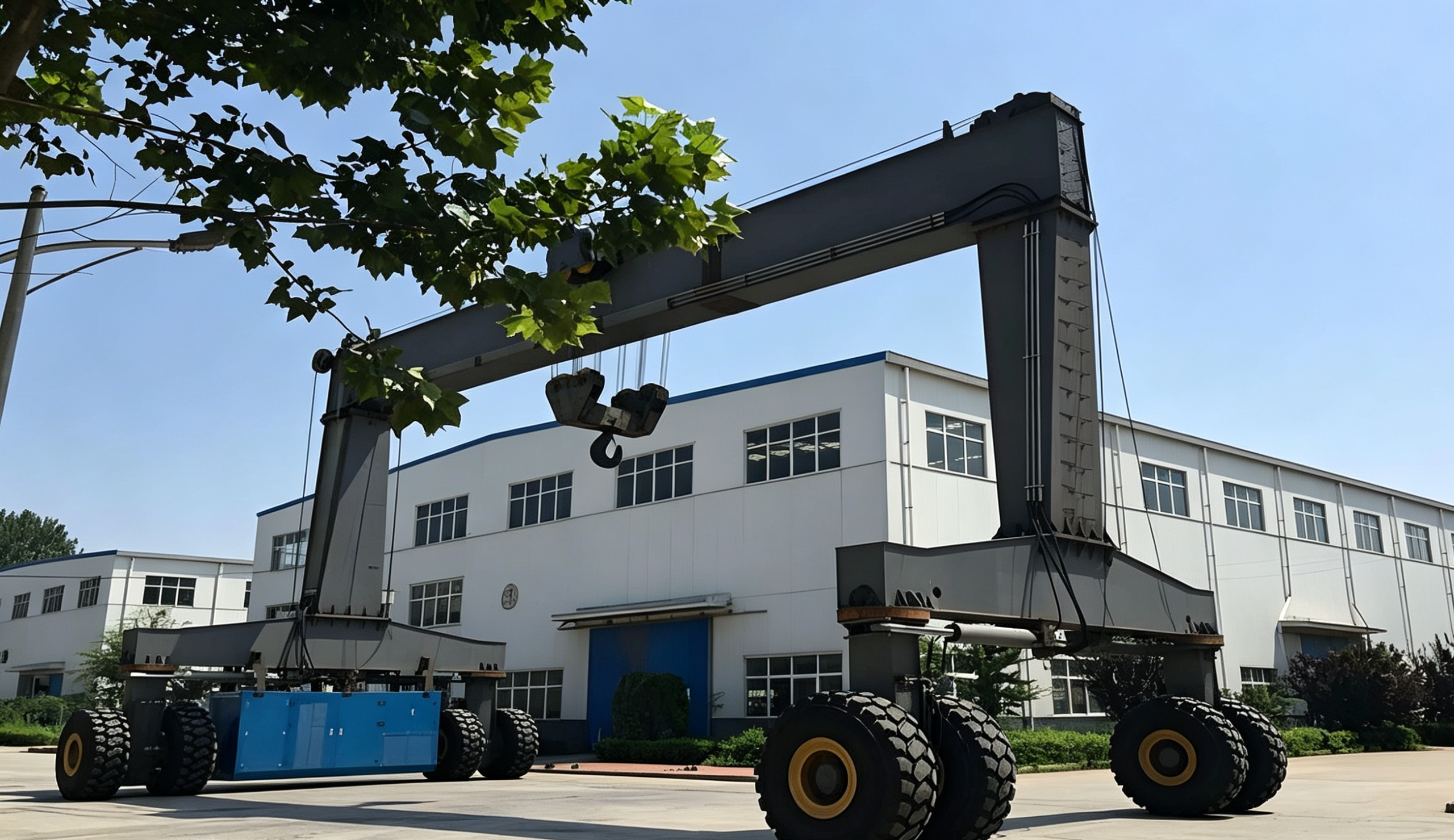
Rubber-Tired Gantry (RTG) cranes are mobile gantry cranes that move on large rubber tires freely between container stacks and operational areas. They are widely used in container terminals and intermodal yards for transporting and organizing shipping containers. Primarily, RTGs are known for stacking containers vertically to maximize yard storage capacity.
They are also used in loading and unloading containers from terminal trucks and trailers and rearranging them within the yard to optimize space utilization. These cranes, space-up multiple container rows and truck lanes, enabling them to operate over large storage blocks while maintaining high productivity.
RTG cranes are available in various sizes and lifting capacities depending on terminal requirements. In addition, they can achieve container handling rates of 20–40 moves per hour depending on operator skill, yard layout, and automation level.
Furthermore, these cranes have a safe working load of 35–65 tonnes under a spreader with a twin-lift capability of up to 65 tonnes. Similarly, RTGs have a hoisting height of approximately 18–25 meters and 1-over-5 or 1-over-6 container stacking height configurations.
Since they are mounted on rubber tires, they can relocate between different storage blocks without requiring fixed rail infrastructure. Also, they do not require rail tracks hence reducing initial construction costs. Additionally, these cranes can be commissioned and integrated into terminal operations more quickly than fixed-track alternatives.
Ship-to-Shore (STS) Cranes
Ship to shore cranes are designed to load and unload shipping containers between container vessels and the dock. These cranes are essential to port productivity by enabling the rapid transfer of containers while minimizing vessel turnaround times.
STS cranes are built with a spreader attached to a hoisting mechanism to lift, move, and position containers with precision. This means they operate in operate on rails installed along the quay that allow them to move parallel to the vessel and serve different ship bays efficiently.
Besides loading and unloading containers from vessels, STS cranes also transfer containers between ships and terminal transport vehicles. Moreover, they support efficient vessel turnaround and berth utilization.
Under the spreader, their safe working load is 40–100+ tonnes as their tandem-lift capability is up to 100 tonnes or more for handling multiple containers in a single lift. In addition, their container handling rates are about 30–50 moves per hour.
Their high lifting speeds and advanced controlled systems enable ports to handle large vessels efficiently. Furthermore, they have the ability to handle ultra-large container ships with faster vessel turnaround. In major international container terminals, STS cranes are essential for handling cargo volumes.
Rail-Mounted Gantry (RMG) Cranes
Rail-Mounted Gantry (RMG) cranes are designed for high-density container stacking and efficient cargo movement. They operate on fixed rails installed within container yards and rail freight facilities. RGM cranes maximize storage density and maintain efficient cargo flow by moving containers between stacking areas and rail wagons.
Besides, these cranes organize container inventory to improve yard management and support automated container handling operations. RMG crane working load capacity is 40–70 tonnes under a spreader with a twin-lift capability of up to 65 tonnes for handling two 20-foot containers simultaneously.
Additionally, their hoisting weight approximates 18–30 meters with a higher travel speed due to rail-guided operation. These cranes maximize storage capacity by enabling terminals to stack containers in tightly organized blocks.
Likewise, they ensure highly accurate container placement and retrieval thus improving overall terminal efficiency. Furthermore, these cranes are equipped with automated and advanced monitoring systems that improve workplace safety within the terminal environment.
Automated Stacking Cranes (ASC)
Automated Stacking Cranes (ASCs) are advanced cranes designed to operate based on instructions received from the terminal’s control system. They use software, sensors and terminal operating systems to automatically stack, retrieve, and transport containers within container yards.
Their ability to operate continuously with high precision makes them efficient yard-handling solutions in shipping. Besides automatically stacking containers in designated storage blocks, they manage container inventory within the yard and optimize container placement for efficient retrieval.
ASCs have a safe working load of 40–65 tonnes under a spreader with a twin lift capability of up to 65 tonnes. Additionally, their hoisting height approximates 18–30 meters with a stacking height of 1-over-5 to 1-over-8 containers. Furthermore, these types of cranes’ automated operations reduce delays associated with manual crane operation, increasing productivity.
Its positioning capabilities allow containers to be stacked closer together while simultaneously maintaining safe operating clearances. Moreover, they maintain uniform productivity levels throughout, improving planning accuracy and terminal reliability.
Mobile Harbor Cranes (MHC)
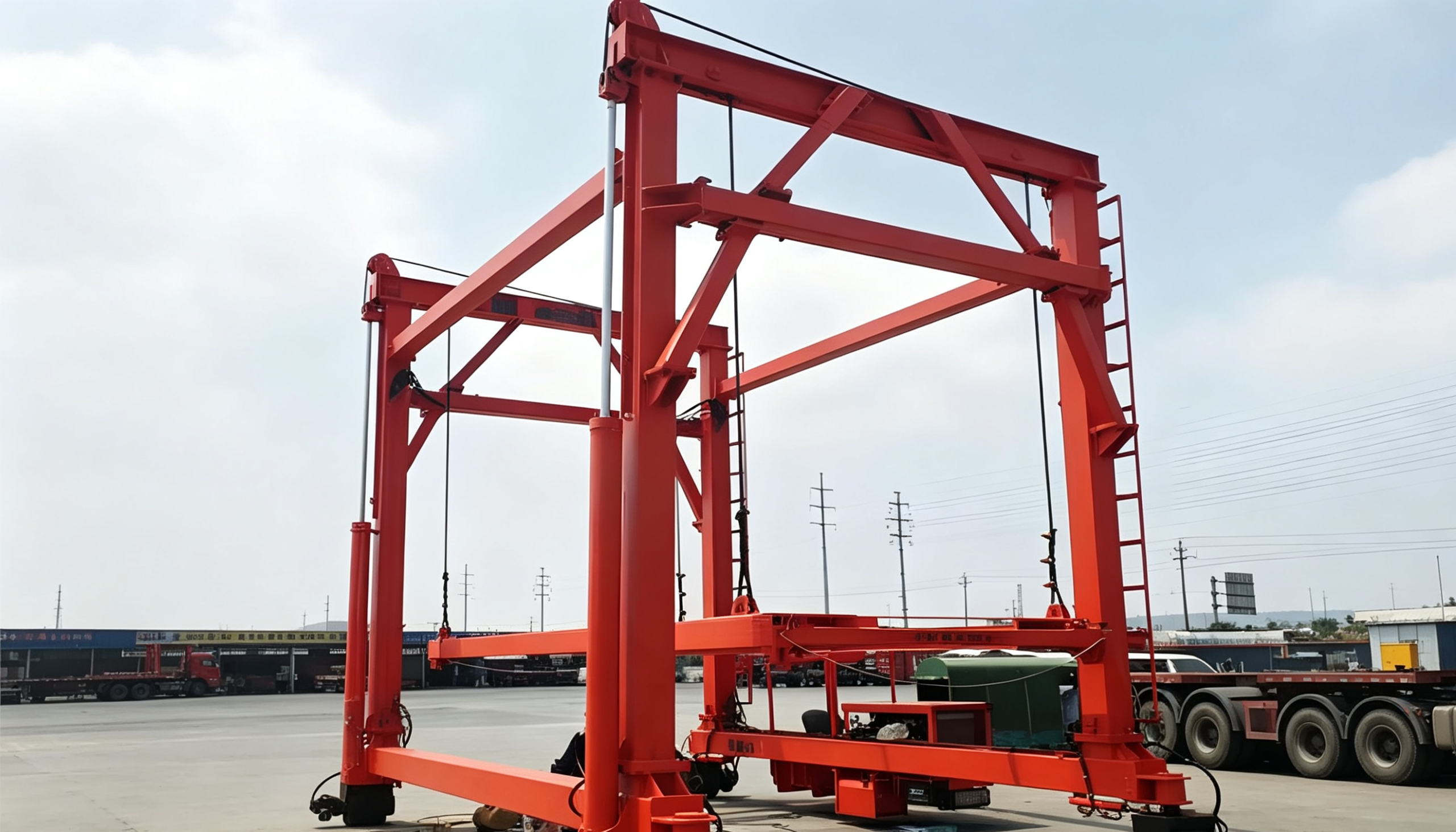
Mobile Harbor Cranes (MHCs) are multifaceted cranes designed to load and unload cargo while simultaneously providing mobility and operational flexibility. Primarily, they are fixed on a wheeled chassis that allows them to transfer cargo between vessels and shore-based transportation systems.
Equally, MHCs support project cargo and heavy-lift operations as well as moving breakbulk cargo including steel, timber, paper, and machinery. With a single crane, they can serve multiple berths. Mobile Harbor Cranes have a safe working load of 40–300 tonnes with single-lift, twin-lift, and tandem-lift operations.
You can move MHCs throughout the port freely and relocate them between berths and terminals according to your operational needs. Similarly, you can use these cranes to handle various cargo types using interchangeable attachments. This will reduce the need for multiple specialized cranes. As compared to other fixed cranes, you can commission them and put them into operation relatively quickly
Floating Cranes
Floating cranes are highly versatile for marine construction, heavy-lift cargo handling, salvage operations, and offshore projects. Usually, they are mounted on dedicated crane vessels that operate on water to lift loads that are too heavy for conventional port cranes.
These machines are extensively used in offshore energy projects for installing and maintaining offshore platforms and subsea infrastructure. In addition, assist shipyards by handling large vessel components and supporting maintenance operations.
Floating cranes have a lifting capacity of 100–10,000+ tonnes and an outreach of 20–100+ meters. They rotate at 360 degrees with a heavy-lift model of 1,000–10,000+ tonnes. These cranes allow you to serve multiple ports and access offshore sites because they are mobile on water and can be moved to different work locations. Furthermore, they support large-scale infrastructure projects by their ability to handle oversized components safely and efficiently.
Bulk Handling Cranes
Bulk handling cranes are designed to load, unload, transfer, and stockpile large volumes of loose bulk materials efficiently. They move large quantities of bulk materials between ships, storage facilities, trucks, rail wagons, and processing plants.
Furthermore, they assist in creating, organizing, and reclaiming stockpiles within bulk storage yards. These cranes facilitate efficient movement of materials between different handling systems, maintaining continuous cargo flow throughout the terminal. Bulk handling cranes have a lifting capacity of 10–100+ tonnes with a grab capacity of 5–50 cubic meters.
Because they are specifically designed to move large quantities of cargo quickly and efficiently, they can be adapted for different materials by changing grabs or handling attachments. Equally, these cranes can be integrated with terminal systems to support seamless cargo movement throughout the terminal.
How to Choose the Right Port Crane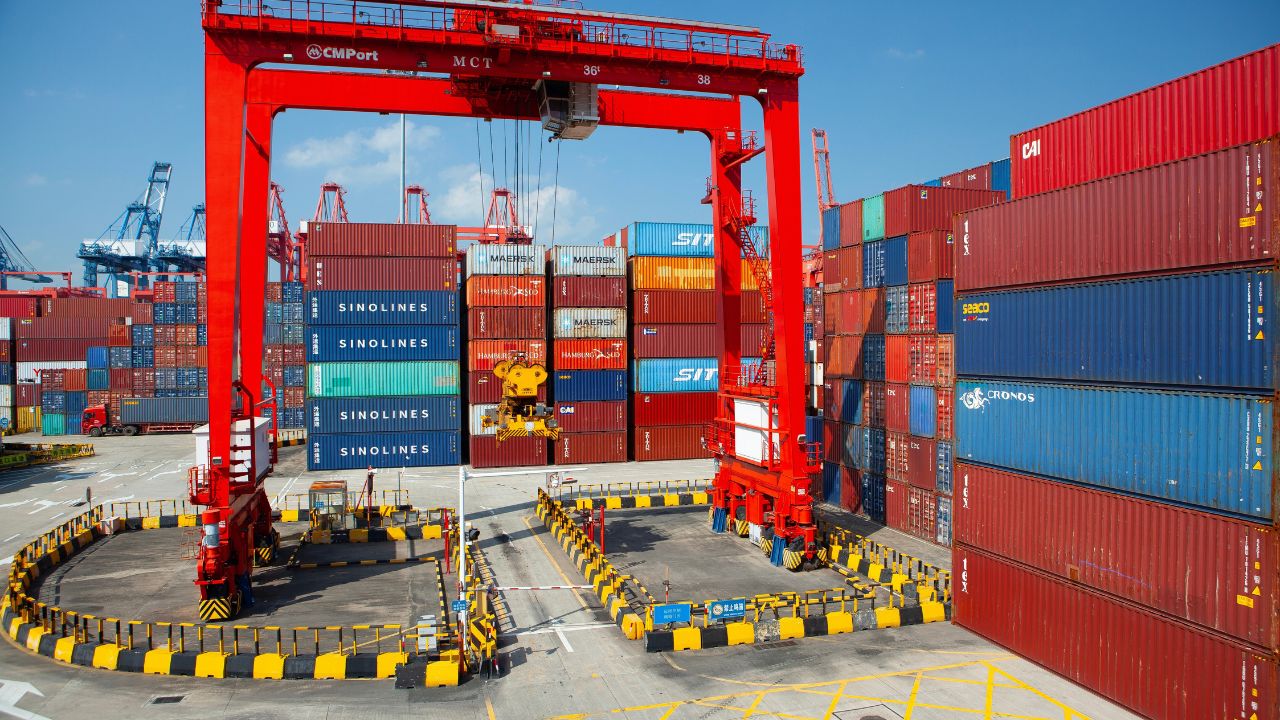
At times, choosing the right type of port cranes can be an overwhelming task without a proper guide. Among the fundamental factors to consider when choosing these cranes are:
- Select a crane specifically designed for your cargo type to improve productivity, safety, and equipment lifespan.
- Determine the required lifting capacity that must align with the maximum load you expect during daily operations.
- Assess throughput and productivity by evaluating annual cargo volume, required container moves per hour and future traffic growth projections.
- Choose a crane that is compatible with the terminal layout to help maximize operational efficiency.
- Evaluate automation capabilities to provide long-term operational advantages.
- Always consider ISO crane standards alike the ISO 4301and ISO 8686
- They must comply with safety standards, especially the OSHA 1910.179
Future Trends in Port Crane Technology
AI-assisted Operations
AI-powered crane systems will be able to analyze data, learn from operational patterns, and make real-time decisions that improve productivity, safety, and resource utilization.
Fully Automated Terminals
Fully automated terminals will be a combination of advanced crane technology, artificial intelligence, autonomous vehicles, and integrated control systems. This will be able to create highly efficient cargo-handling environments to improve productivity.
Remote Crane Operations
Depending on the level of automation, you will be able to control crane movements and supervise automated processes directly.
Predictive Maintenance
With predictive maintenance, maintenance teams will be able to service equipment only when necessary, improving efficiency and reducing unnecessary costs.
Electrification and Sustainability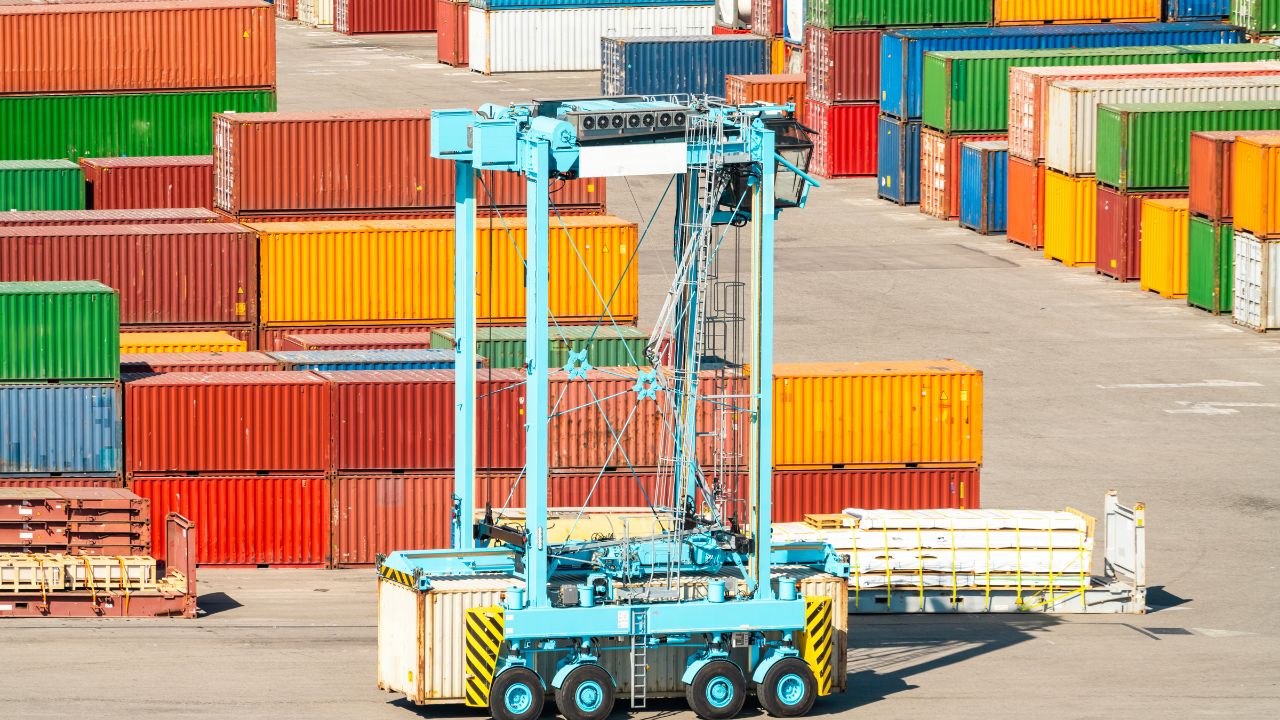
Electric alternatives will provide better operational performance while significantly reducing environmental impact. They will also incorporate regenerative energy systems that capture and reuse energy generated during crane operations.
FAQ
Why are different types of port cranes needed?
Different types of port cranes are needed to meet particular lifting, transportation, storage, and loading requirements within the port environment.
What is the most common type of port crane?
Ship-to-Shore (STS) crane since it is used to load and unload containers from vessels.
Are port cranes automated?
Yes. Port cranes are automated. However, the level of automation varies between ports and crane types.
How much weight can a port crane lift?
A port crane lifts between 35 and 100 tonnes, while specialized heavy-lift cranes can handle hundreds or even thousands of tonnes.
Looking for A Crane Manufacturer in China?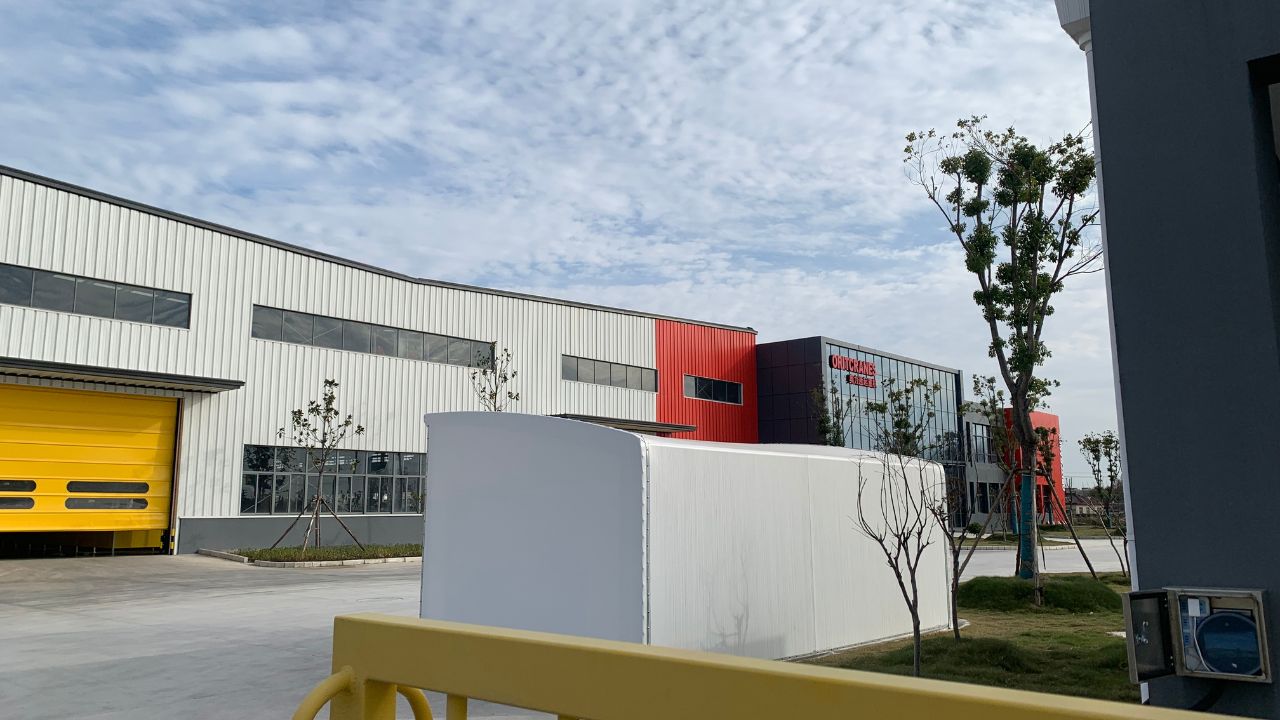
DINGYA is your trusted port crane solutions provider in China with over 22 years of experience in the industry. We have supplied customers globally with a wide range of industrial crane solutions.
Contact our crane experts today for a free consultation on industrial crane solutions.