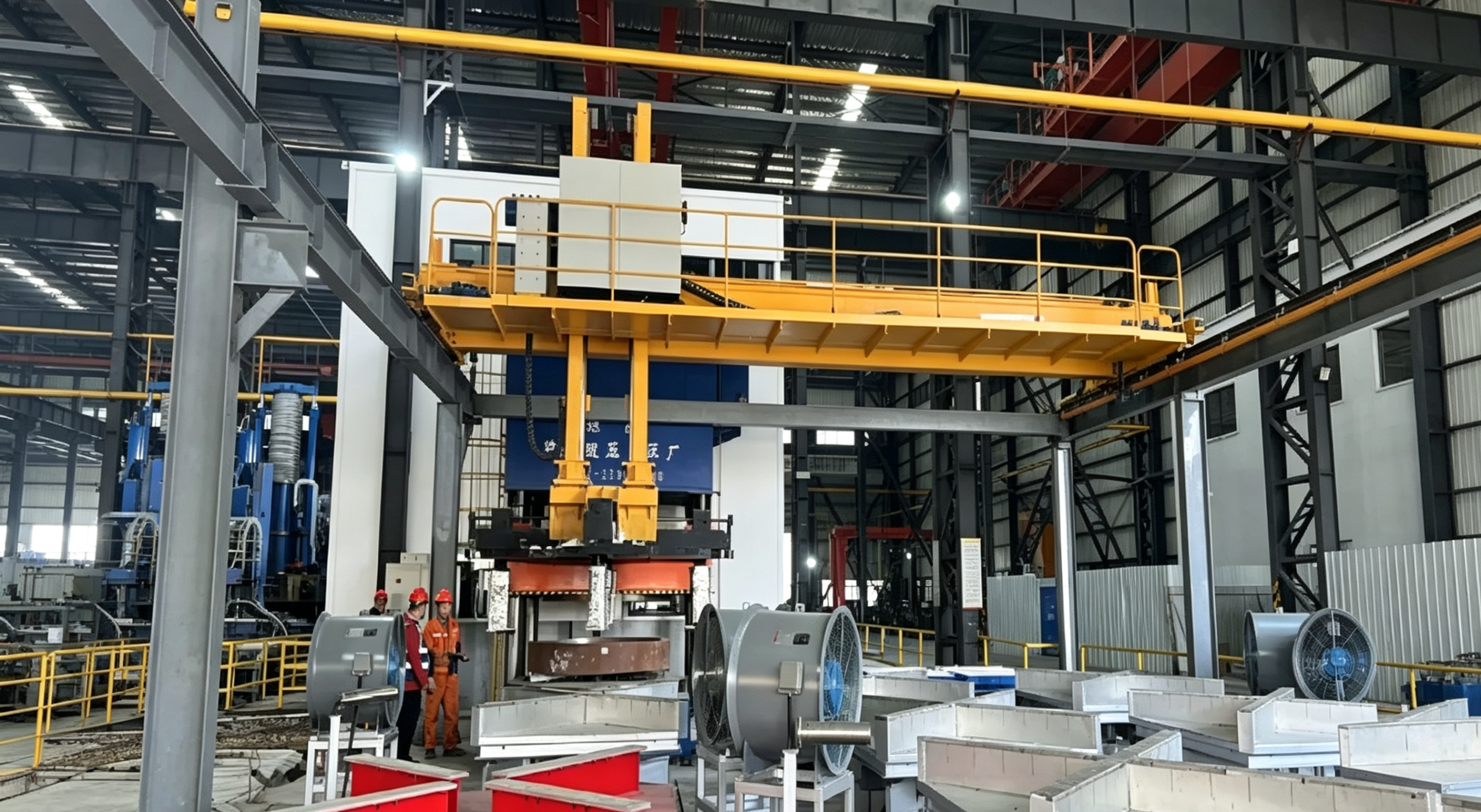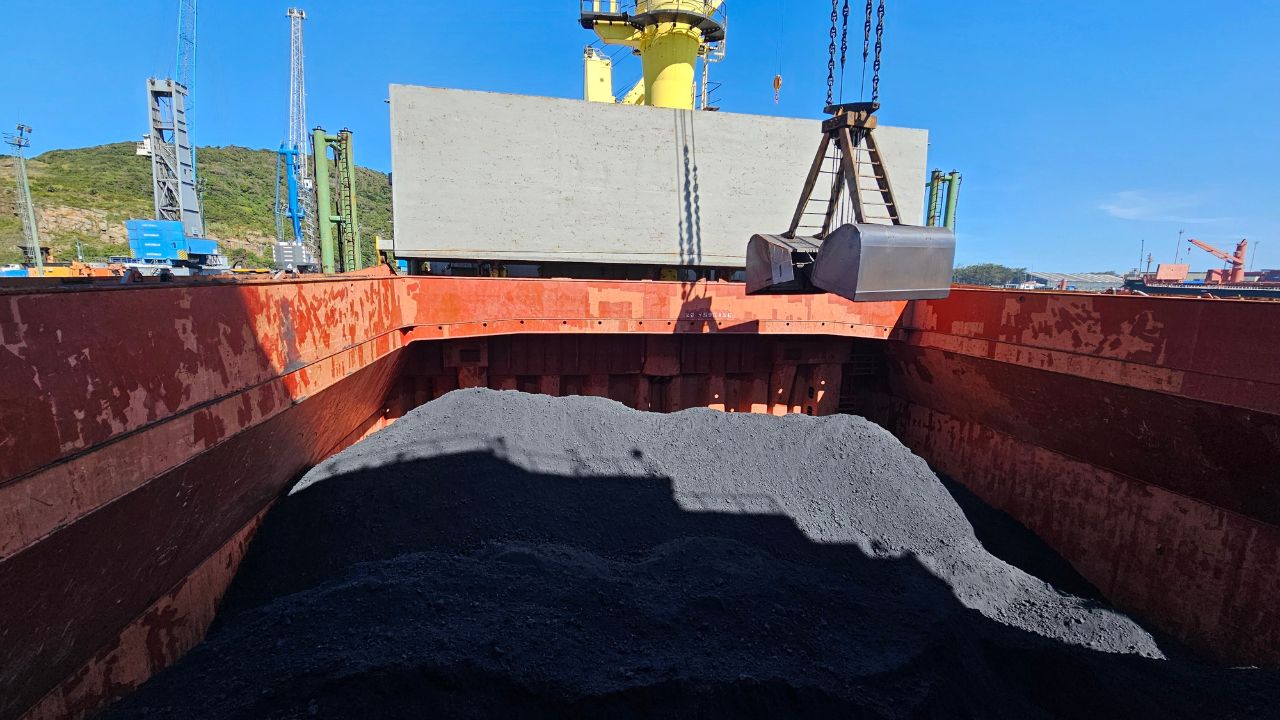
When you need to buy an explosion-proof crane, choosing the wrong protection level can cause serious problems. It will be hard for you to obtain the crane certificate after installation. It can also create big safety risks during your daily use. If you don’t know what an explosion-proof crane is, or how to choose the right type for your workshop, maybe this guide can help you.
What Is an Explosion-Proof Crane?
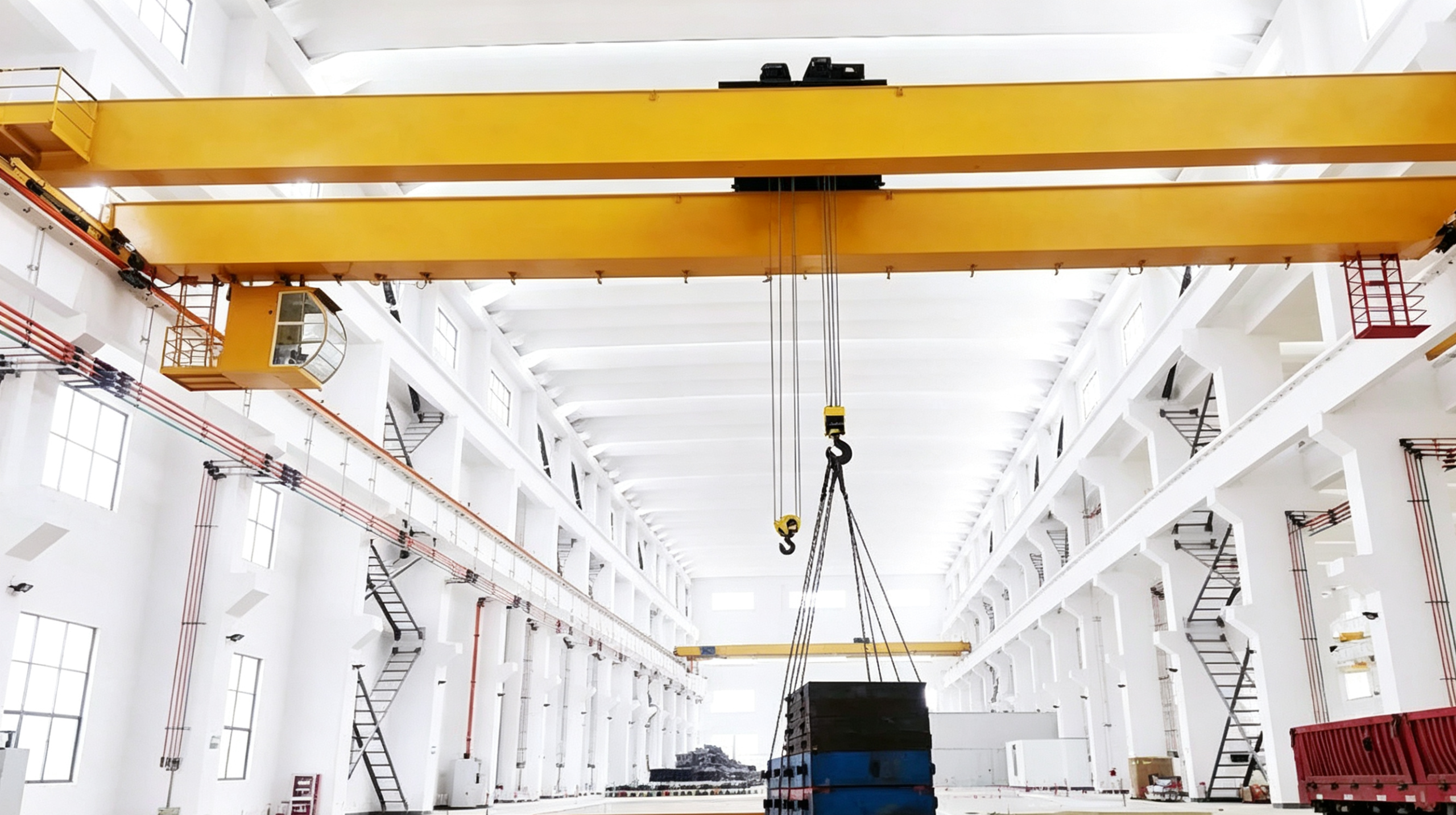
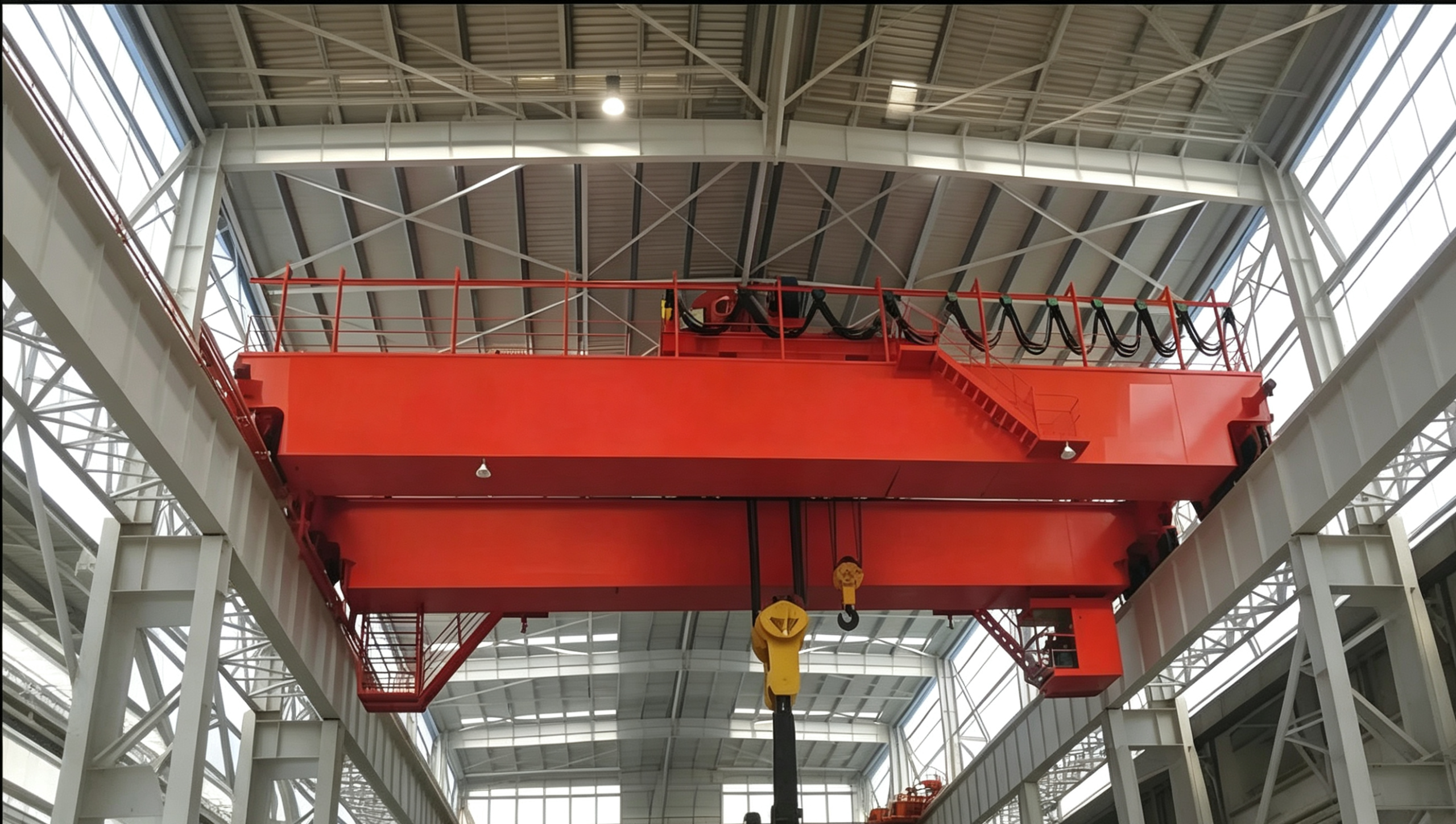
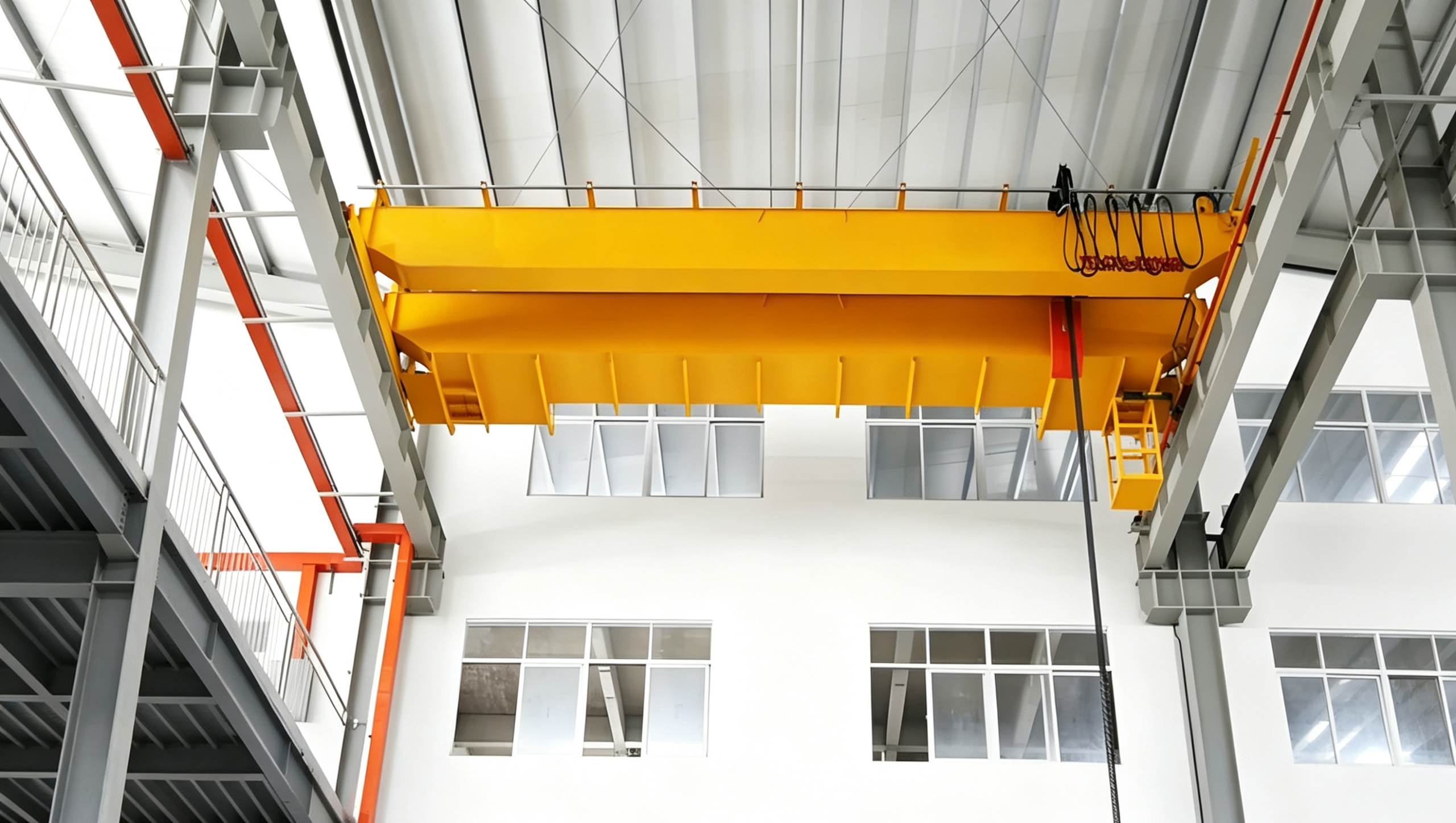
An explosion-proof crane operates safely in workshops with explosion risk, such as chemical plants or dusty environments. It seals sparking components in reinforced housings and keeps surface temperature below the hazardous material’s ignition point, preventing heat and sparks from reaching flammable gas or dust nearby.
Understanding Hazardous Area Classification
Zone / Class Classification
| Certification System | Certification Body | Zone Classification |
| International | IECEx | Zone system |
| European Union | ATEX | Uses the international standard, the “Zone” system |
| China | CCC | Uses the international standard, the “Zone” system |
| North America | NEC | Class system |
IECEx / ATEX / CCC Classification
| Environment Type | Hazard Is Always Present | Hazard Is Occasionally Present | Hazard Is Rarely Present |
| Gas / Vapor | Zone 0 | Zone 1 | Zone 2 |
| Dust / Fiber | Zone 20 | Zone 21 | Zone 22 |
Zone numbers 0, 1, and 2 are only used for gas environments.
Zone numbers 20, 21, and 22 are only used for dust environments.
NEC Classification
| Environment Type | Hazard Is Present During Normal Operation | Hazard Only Appears During Abnormal Conditions or Storage |
| Class I (Gas) | Division 1 | Division 2 |
| Class II (Dust) | Division 1 | Division 2 |
| Class III (Fiber) | Division 1 | Division 2 |
Class shows the type of hazardous material.
Division shows how often the hazard appears.
How to Choose the Right Explosion-Proof Crane
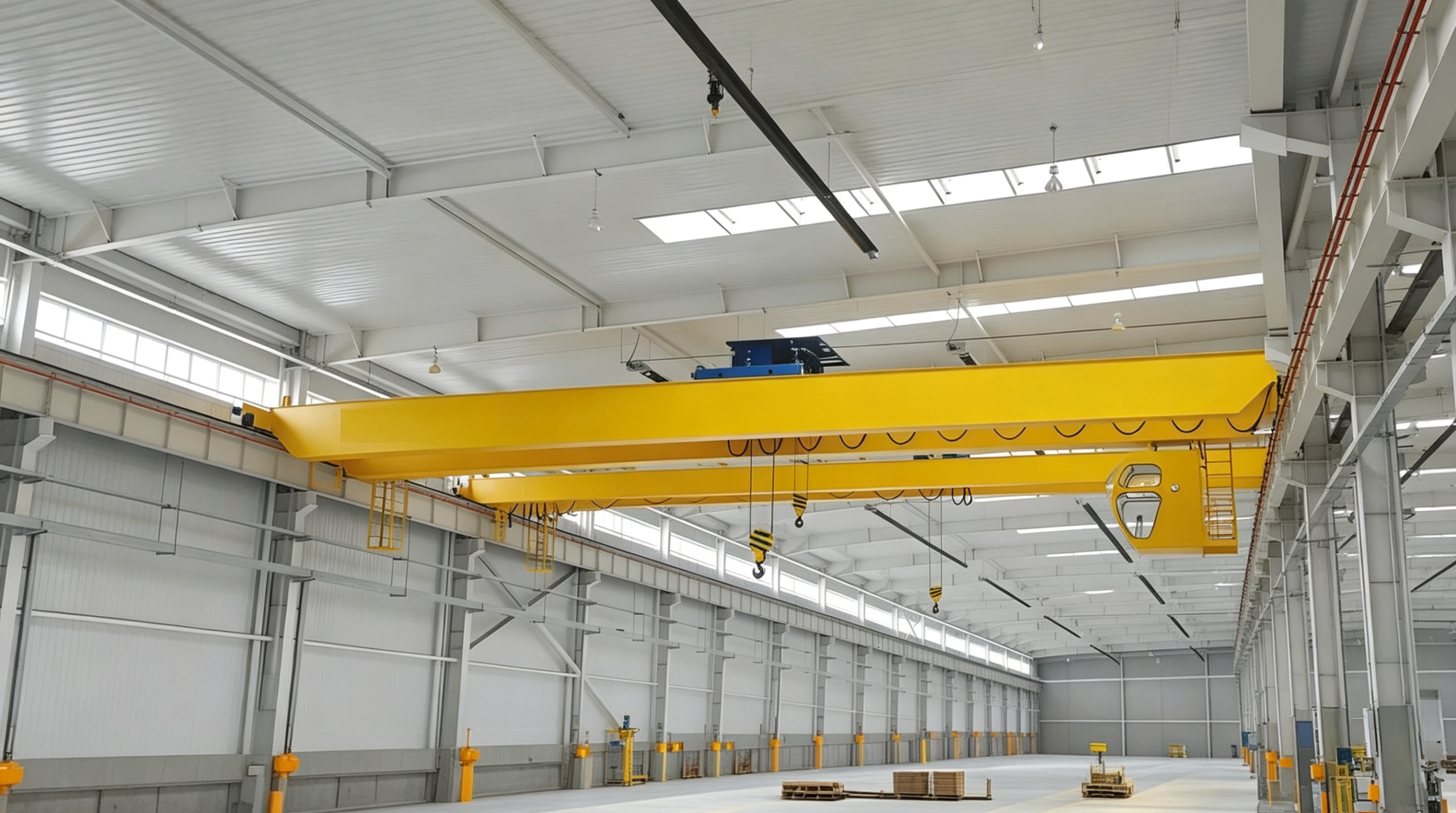
Choosing an explosion-proof crane is not a single decision — it’s a four-step verification process. Most of the time, when you get equipment that won’t pass certification or doesn’t fit their site’s risk, it’s because you skipped a step. Here’s how to work through each one.
Step 1: Identify Your Site’s Hazardous Area Classification
Before you talk to any supplier, you need to know exactly what zone or division your workshop falls into.
- Start with your hazardous area drawing (or “hazardous area map”). This is usually prepared by a safety engineer or third-party assessor, and it should already exist for any workshop handling flammable gas, vapor, or dust. If your workshop doesn’t have one yet, this is the first document you need — don’t guess.
- If you want to verify it yourself, walk through three questions: What is the hazardous material — gas, dust, or fiber? How often is it present — always, occasionally, or only during an abnormal event like a leak? How good is the ventilation in your workshop?
- Don’t classify your whole workshop as one zone. Many workshops have mixed zones — for example, the area right next to a reaction vessel might be Zone 1, while a storage area 10 meters away is Zone 2. Your crane’s coverage area needs to match the zone it will actually operate in, not the “safest” zone in the building.
What this means for your purchase: tell your supplier the exact zone(s) your crane will travel through — including the entire span of the runway, not just where it’s most hazardous. A crane that only meets Zone 2 requirements cannot be used in a Zone 1 area, even briefly.
Step 2: Confirm the Ignition Temperature and Temperature Class (T1–T6)
Once you know your zone, you need to match your crane’s maximum surface temperature to the hazardous material’s ignition temperature.
| Temperature Class | Max. Equipment Surface Temperature |
| T1 | ≤ 450°C |
| T2 | ≤ 300°C |
| T3 | ≤ 200°C |
| T4 | ≤ 135°C |
| T5 | ≤ 100°C |
| T6 | ≤ 85°C |
What T1–T6 mean: the crane’s max surface temperature must not exceed the ignition temperature of the flammable gas in the environment.
How to apply this: look up the ignition temperature of the specific gas, vapor, or dust in your workshop (this is usually listed in your hazardous area documentation or your material safety data sheet). Then select a temperature class where the maximum surface temperature is safely below that number.
For example, ether gas has an ignition temperature of 160–180°C. A T4-rated crane (max. 135°C) leaves enough margin below that threshold. A T3-rated crane (max. 200°C) would not be safe to use, even though 200°C is a “higher” number on the chart — the equipment’s surface would run hotter than what the gas can tolerate.
Don’t assume a higher temperature class number is always safer. T1 allows the highest surface temperature (450°C) and is the least restrictive; T6 allows the lowest (85°C) and is the most restrictive. Match the class to your gas’s actual ignition point — don’t just pick the strictest-sounding option, since over-specifying can add unnecessary cost.
Step 3: Verify Every Explosion-Proof Component, Not Just the Crane as a Whole
A crane is only as explosion-proof as its weakest component. When you evaluate a supplier’s crane, check the certification of each of these parts individually — not just the crane’s overall rating on the spec sheet.
Motor and gearbox.
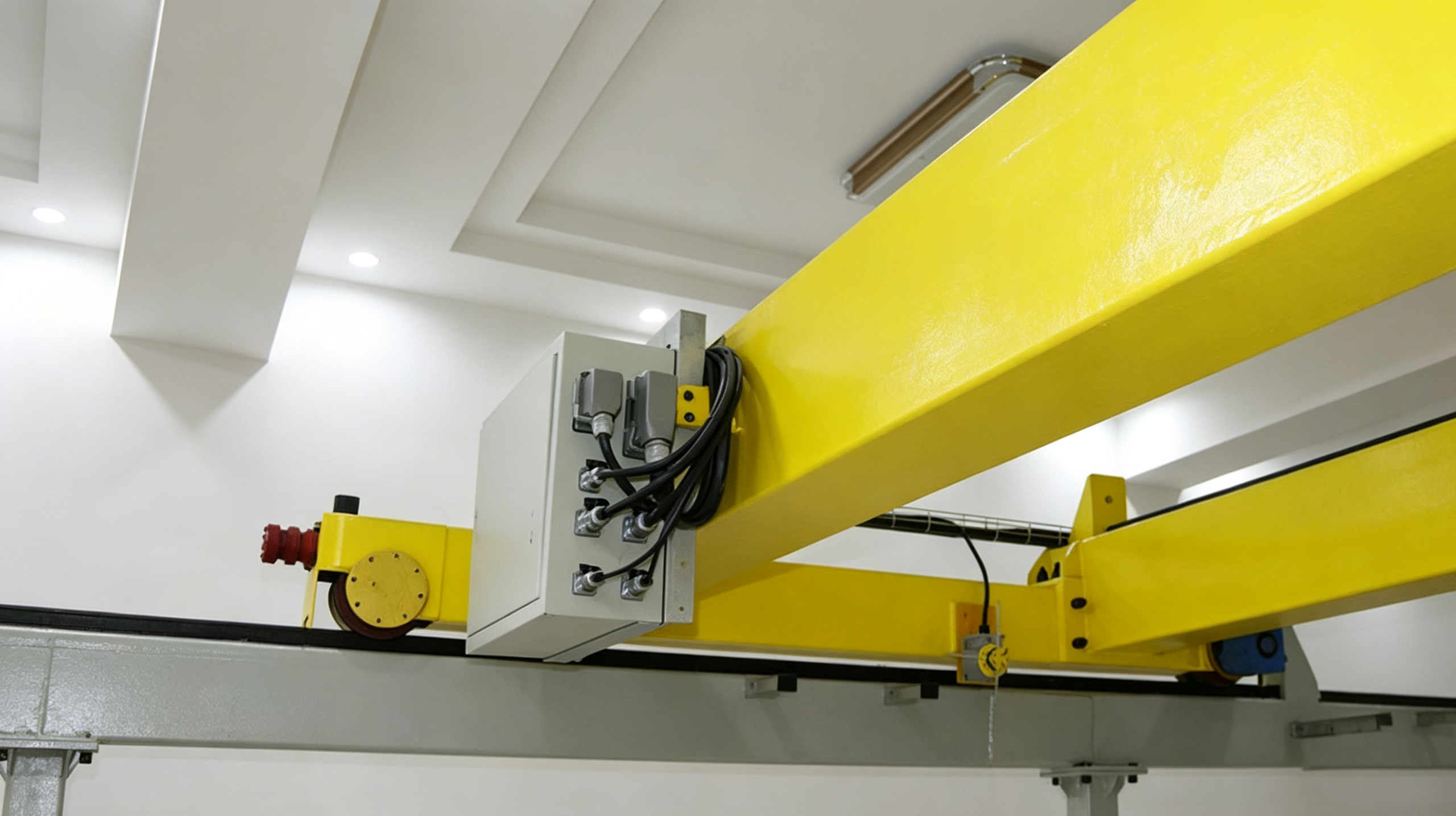
These control all crane movement (up-down-left-right-forwards-backwards) and generate the most heat and friction of any component. Ask for the motor’s explosion-proof certificate number and confirm it matches your required zone and temperature class — not just the crane assembly’s certificate.
Metal housing and enclosures (motor housing, control box housing, girder/electric control box-mounted enclosures).
Check three things: the housing’s protection rating (IP rating — see below), the housing material, and the certified explosion-protection type (Ex d, Ex e, or Ex i — explained below). For workshops with corrosive gas, request stainless steel or coated housings rather than standard cast aluminum.
IP rating.
For most industrial explosion-proof applications, IP65 is the minimum standard — this protects against dust ingress and low-pressure water jets. If your workshop involves washdown procedures, high humidity, or outdoor/coastal exposure, ask your supplier about IP66 or higher. Give your supplier the details. Is it dusty? Wet? Outdoor? Coastal? They’ll match the equipment to that. Not just giving you a one-size-fits-all.
Electrical control panel.
All electric-powered cranes will produce heat during operation, whether normal type or explosion-proof type. To keep it safe, the circuit boards and switches need special designs. We offer three types of solutions, depending on your workshop conditions:
- Ex d (Flameproof). This is the method described above already. A strong housing resists the heat and pressure of an internal spark or explosion.
- Ex e (Increased Safety). This method uses strict electrical clearances and tight temperature control. It stops sparks from forming inside the equipment in the first place.
- Ex i (Intrinsic Safety). This method makes the crane’s operating current and voltage very small. The energy is too low to ignite dangerous material.
Cable and wire entry points.
All electric-powered cranes need wiring. Gas or sparks can easily leak out at cable connection points. These connection points need explosion-proof fittings and seals. This makes sure the entry and exit points cannot become a path for an explosion.
Quick reference — components to check with your supplier:
| Component Category | Item |
| Hoisting and traveling mechanism | Explosion-proof motor, gearbox, brake |
| Electrical control panel | Explosion-proof control box, remote control/pendant, switches |
| Cable and wire entry protection | Explosion-proof cable, connectors |
| Safety and auxiliary components | Explosion-proof limit switch, overload limiter, alarm bell, light |
Ask your supplier for the certificate number and issuing body (IECEx, ATEX, CCC, or NEC) for each item on this list. A supplier who can only provide one overall certificate for the “crane” — without component-level documentation — may not be able to support your certification process later.
Step 4: Confirm Load Capacity, Span, and Site-Specific Working Conditions
Once the safety classification is settled, finalize the mechanical specifications:
- Load capacity and span — based on the heaviest single lift and the width of your workshop or runway.
- Duty cycle — how frequently and how continuously the crane will operate; this affects motor sizing even before explosion-proofing is considered.
- Ambient conditions — temperature range, humidity, and altitude at your site can all affect component selection and certification validity.
Bring these details to your supplier alongside your Step 1–3 findings, so the explosion-proof solution they design is also mechanically correct for your workshop from day one.
FAQ
What is the difference between the different hazardous area classification levels?
If you’re not familiar with hazardous area classification, remember this simple rule: the smaller the number, the higher the danger level. Under the international system, the order from most to least dangerous is: Zone 0/20, Zone 1/21, Zone 2/22. This matches how often the hazard is present — always present, occasionally present, or only present during an emergency.
In North America, the logic is reversed in naming: Division 2 (hazard only appears under abnormal conditions) is lower risk than Division 1 (hazard is present under normal conditions).
How do I know which hazardous area classification applies to my workshop?
The simplest and safest way is to check your workshop’s latest hazardous area drawing. If you want to verify it yourself, confirm what hazardous material is present on site and how often it appears — see Step 1 above for the full process.
How does an explosion-proof crane actually prevent sparks from causing an explosion?
There are two complementary techniques. First, a thick, heavy-duty housing seals the motor, switches, and other electrical parts, so that even if a spark happens inside, it cannot escape and reach flammable material outside. Second, a dedicated electrical system controls current and temperature so open flame cannot occur, and surface temperature stays below the ignition point of the hazardous material on site. Most explosion-proof cranes rely on both techniques together, applied differently across different components — see the next question.
Are explosion-proof techniques applied the same way across all crane components?
No. Different parts and different hazard scenarios call for different protection methods. Some components rely on a heavy-duty housing to contain a spark by brute strength (Ex d). Some prevent the spark from forming in the first place (Ex e). Some simply limit the electrical current so it’s too weak to ignite anything (Ex i). See Step 3 above for how to match each method to your components.
Do all explosion-proof products automatically have ATEX certification?
No. ATEX is a mandatory certification required only in the European Union. It is not recognized worldwide. North America uses NEC certification, and China uses CCC certification. Find out which certification applies. Don’t assume. It depends on where your crane is installed.
Can explosion-proof cranes be customized?
Yes. Once your hazardous area classification, temperature class, and component requirements are confirmed (Steps 1–3), a supplier can design a matched technical solution. Capacity, span, and other mechanical specifications (Step 4) can also be customized.
Do explosion-proof cranes need ongoing maintenance to keep their explosion-proof performance?
Yes. An explosion-proof crane is not an “install it and forget it” product. Its explosion-proof performance can decline over time. Regular inspection of the housing seals, electrical components, and buildup of dust or oil residue is required to keep it safe.
What is the difference between “explosion-proof” (Ex d) and “explosion-protected” in general?
“Explosion-protected” is the general term covering all protection methods. “Explosion-proof” (Ex d, flameproof) is one specific method within that category — it means the equipment uses a strong housing to contain internal heat and pressure, preventing an explosion from spreading. Ex e (increased safety) and Ex i (intrinsic safety) are the other two methods, and each suits different components and zones — see Step 3 above.
Work With a Manufacturer You Can Trust
Explosion-proof cranes are safety equipment. There is no room for shortcuts. Our cranes meet IECEx, ATEX, and CCC standards, matched to your site’s hazardous area classification. Need a certified explosion-proof solution? Contact DINGYA today.