Smart overhead cranes can improve repeatability, operator separation, data visibility, and maintenance planning when lifting tasks have defined routes, cycles, hazards, or positioning targets. These benefits depend on the selected functions, site integration, safety design, and how performance is tested against the current process.
The table below summarizes potential benefits, the functions that can support them, the conditions under which they are most relevant, and practical ways to verify the expected results.
| Potential gains | Corresponding functionality | Best Scenario | Conditions | How to Verify |
| Faster, more consistent material handling | PLC-based programmed sequences, position sensors, drive control, and anti-sway functions | Repetitive lifting with fixed routes or target positions | Routes, pickup/drop-off points, and operating cycles are clearly defined. | Compare cycle time, positioning deviation, and manual interventions before and after implementation. |
| Reduced exposure to hazardous areas | Remote operation, real-time status feedback, load monitoring, and overload protection | High-temperature, dusty, or otherwise hazardous work areas | Remote operation can be implemented with suitable safeguards, communication, exclusion zones, and emergency functions. | Check the risk assessment, personnel exposure, emergency functions, and defined responsibility for abnormal conditions. |
| Less unplanned downtime | Sensors, equipment-status monitoring, alarms, and operational records | Frequent use or production processes that depend on continuous material flow | The monitored components, alarm limits, and maintenance response process are defined. | Test selected alarms and review whether abnormal conditions can be identified early enough to support planned intervention. |
| Better connection with factory workflows | Higher-level management software and configured MES/WMS interfaces | Facilities that schedule lifting tasks through production or warehouse systems | Required data, commands, interfaces, and integration responsibilities are agreed in advance. | Verify the required data and task exchange during FAT/SAT, or another agreed commissioning test. |
| Easier traceability and review | Load, time, position, and equipment-status data collected during lifting | Operations that need production records or incident review | Required data points, retention period, and export or reporting method are specified. | Check sample records, timestamps, stored data, retention, and export functions against the agreed requirements. |
| More manageable long-term operating costs | Condition monitoring, fault alerts, automated sequences, and reduced manual adjustments | High-frequency operations where labor, maintenance, and downtime costs matter | There is a meaningful baseline for labor, maintenance, downtime, and current operating costs. | Compare expected total cost of ownership with the conventional-crane baseline over the planned service period. |
6 Key Advantages of Smart Overhead Cranes
Improve Positioning Accuracy and Handling Consistency
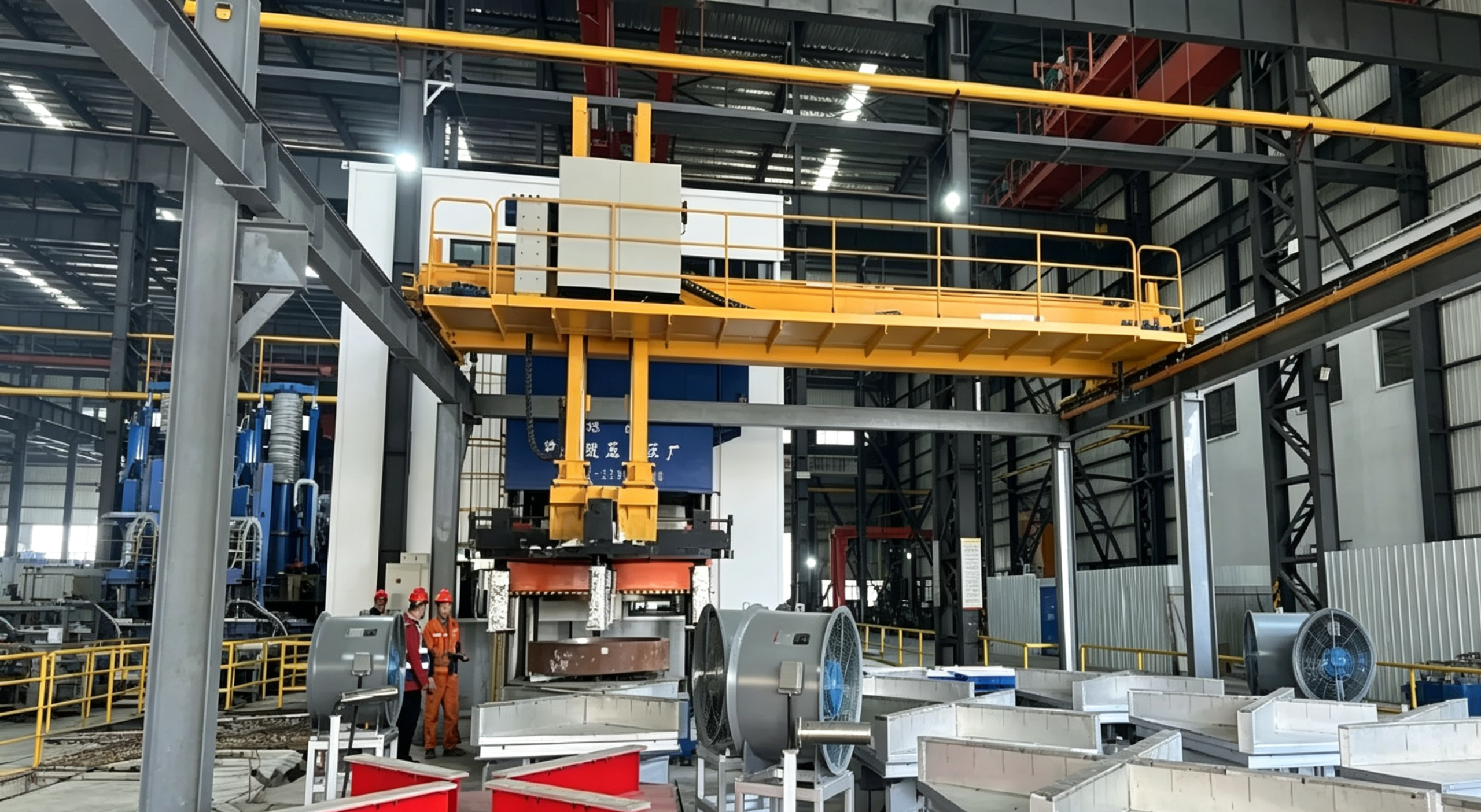
With a conventional crane, a suspended load may sway during travel, and the operator may need to make repeated adjustments to place it accurately. These corrections take time, especially when the same lifting cycle is repeated throughout the day.
An intelligent crane can use position feedback, programmed control sequences, and anti-sway functions to help move loads along planned routes and stop at preset locations. Sensors can provide information such as the load position and sway angle, while the PLC processes the control instructions and coordinates crane movements. Depending on the configuration, drive control can adjust acceleration and deceleration to reduce load swing.
This can shorten repeated positioning tasks and make handling more consistent. The actual improvement depends on the load, runway condition, travel speed, control settings, and site acceptance tests. High-precision positioning should therefore be verified under the intended operating conditions rather than assumed from the term “intelligent crane” alone.
Reduce operating burden and improve work safety
In steelmaking, metal processing, and waste handling, operators may face hazards such as falling loads, collisions, extreme heat, dust, or confined spaces. When operating arrangements require staff to work close to the crane or suspended load, these hazards can increase their exposure to risk.
Remote operation can allow operators to issue commands from a more suitable location. A wireless communication module can transmit commands and return system-status information, while an HMI or operator console can display information such as load weight and equipment status. Depending on the configuration, load monitoring and overload protection can also trigger an alarm or prevent a lift from continuing when the system detects an overload.
These functions can help reduce exposure and support safer lifting practices, but they do not eliminate all risks. The crane still needs appropriate safeguards, operating procedures, training, and a site-specific risk assessment.The crane itself, lifting attachment, electrical equipment, and safety functions must also be specified for the environment.

Reduce unplanned downtime
A crane failure can interrupt material flow and delay production. Intelligent monitoring can help maintenance teams identify abnormal conditions before they lead to a more serious interruption.
Sensors can collect operating information such as load, position, speed, and equipment status. The control system can display status information or issue an alarm when readings exceed configured limits. Where the selected monitoring system supports it, trends in operating data can also help maintenance personnel identify components that may need inspection.
Recorded operating data can help maintenance teams prioritize inspections and troubleshoot selected conditions, but it does not replace required periodic inspections, preventive maintenance, or qualified on-site assessment.
Integration of crane operations with factory management systems
If your factory already uses a Manufacturing Execution System (MES) or Warehouse Management System (WMS), connecting crane operations to these systems may help coordinate material handling with production or warehouse tasks.
Higher-level management software can collect crane operating data and coordinate task assignments. Unlike a PLC, which directly controls crane movements, this software generally runs on a separate computer or server and communicates with the crane control system. With a suitable interface and configuration, it can exchange task information with MES or WMS so the crane can receive assigned handling tasks.
This can reduce manual relaying of instructions and help align lifting activities with production schedules or warehouse workflows. However, integration is not automatic for every crane. Before purchasing, confirm which data and commands need to be exchanged, whether the proposed interface supports your existing system, and who is responsible for integration, testing, and commissioning.
Make Lifting Records and Operational Data Easier to Access
Manual records can be difficult to maintain when a crane performs many lifting cycles each day. A configured intelligent crane system can record information for each operation and make it easier to review later.
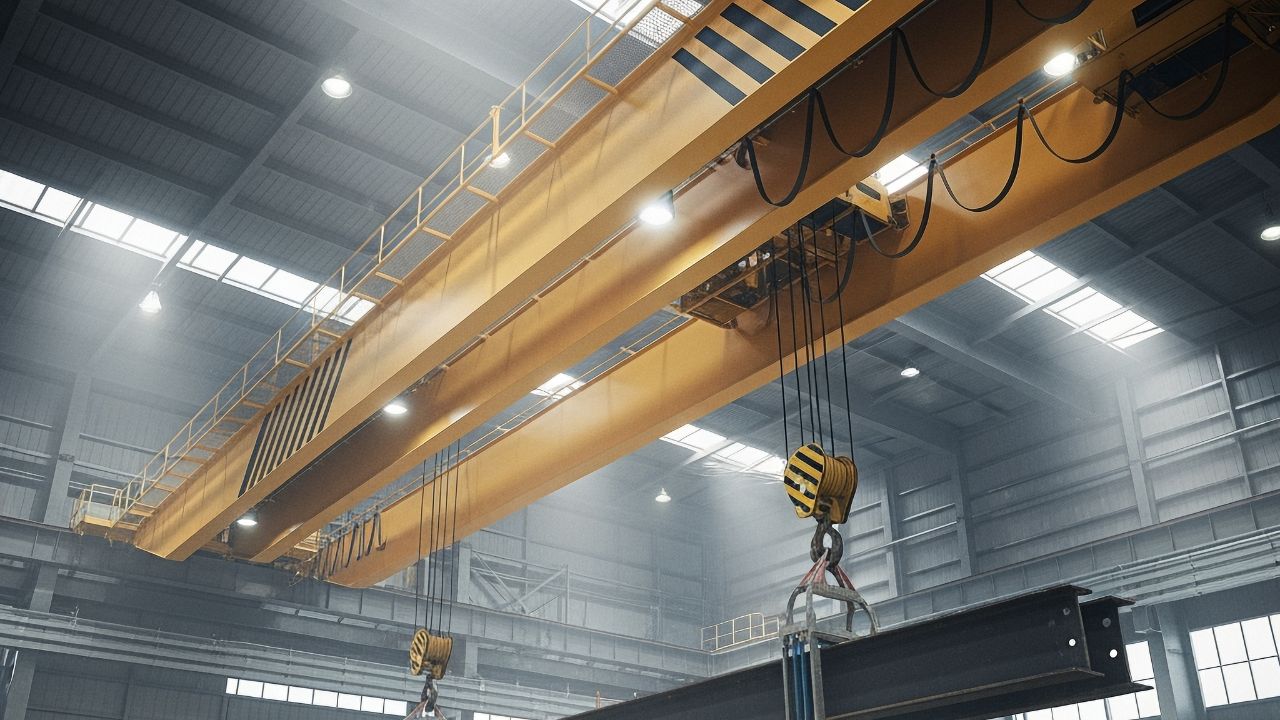
Depending on the installed sensors and software, records may include the load weight, start and end times, bridge and trolley positions, and equipment status during a lift. The HMI can display operating information locally, while a connected higher-level system can collect and store data centrally. These records can help you review lifting activity, support production statistics, and investigate an abnormal event.
The available records depend on the system’s data collection and storage capabilities. Confirm which data points are captured, how long they are retained, and whether you can export or connect them to your existing reporting tools.
Can Help Make Life-Cycle Costs More Predictable
An intelligent crane usually requires a higher initial investment than a conventional crane. To judge whether the upgrade is worthwhile, you need to consider operating costs over time—not just the purchase price.
Programmed sequences and positioning functions can reduce repeated manual adjustments during frequent lifting cycles. Equipment monitoring and alarms may help maintenance teams identify issues earlier and plan inspections more effectively. Where the system supports remote or automated operation, it may also reduce the amount of time operators spend on repetitive control tasks.
These benefits can help control labor, maintenance, and downtime costs, but savings are not guaranteed. The payback depends on lifting frequency, the cost of production interruptions, the existing crane’s condition, integration and training costs, and the level of automation selected. Compare the expected total cost of ownership with that of a conventional crane before deciding.
Where Smart Overhead Crane Automation Can Fit
Repetitive Heavy-Load Handling in Steel and Metal Processing
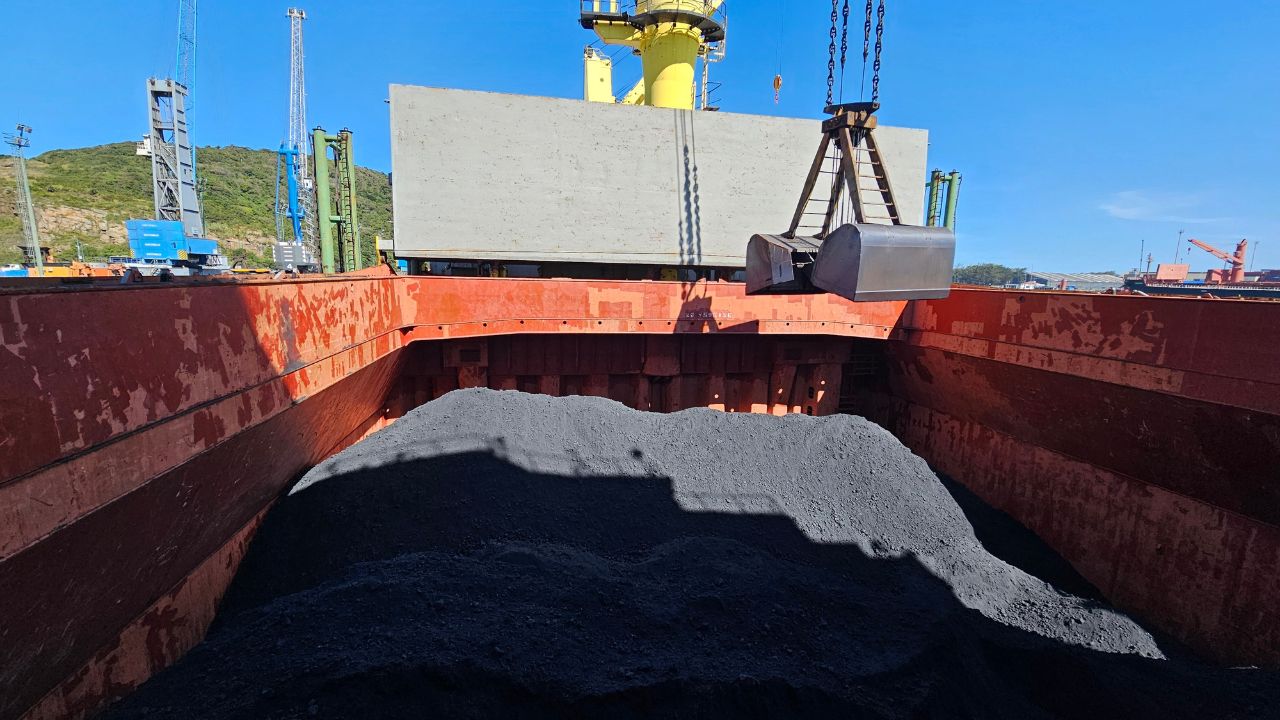
Steel and metal plants may repeatedly transfer billets, coils, plates, or other heavy loads through areas with dust, heat, or restricted access. Remote operation, load monitoring, and anti-sway control can support safer and more consistent handling.
These functions are most relevant when routes and handling tasks are repeated, and the site can define suitable operating and exclusion zones. They may reduce operator exposure and improve consistency, but they do not guarantee uninterrupted material flow; results depend on the load, lifting accessories, duty class, environment, control configuration, and site validation.
Automotive and Machinery Manufacturing
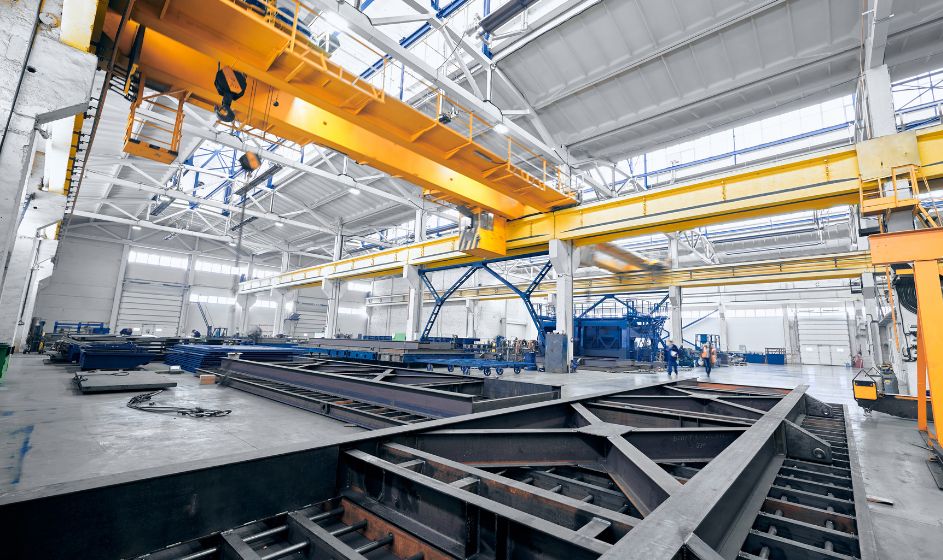
Manufacturing plants often move molds, castings, tooling, or large equipment frames between repeatable locations. Pre-programmed routes, positioning feedback, and controlled acceleration and deceleration can reduce repeated manual alignment.
The value is strongest when pickup and drop-off points are well defined, and positioning tolerances are known. Actual positioning performance should be checked during commissioning or site acceptance testing rather than assumed from the term “smart overhead crane.”
Warehouse and Internal Logistics Handling
Warehouses and production logistics areas may repeatedly move materials between defined storage, staging, and production locations. A configured crane can exchange task information with a WMS or another higher-level system when the required interface is available.
Before integration, define which tasks, data, commands, and safety permissions must be exchanged and who is responsible for testing and commissioning. When these interfaces are properly integrated, the system may reduce manual instruction handoffs and repetitive operator input; it does not remove the need for supervision, exception handling, or safe recovery procedures.
Is a Smart Overhead Crane Right for Your Operation?
Suitable Operation
| Scenario Type | Scenario Features | Why Good Investment | Main Benefits |
| High-frequency Repetitive Lifting | Frequent daily lifting with fixed routes and positions; manual alignment consumes time | Pre-set programs and auto positioning can reduce repeated manual fine-tuning when routes and target points are stable. Verify with cycle time, manual intervention, and positioning accuracy before/after. | Improve handling consistency and reduce alignment time; confirm the change with agreed SAT measurements. |
| High-risk Working Conditions | High temperature, heavy dust, falling-object risk, corrosive environment, or restricted access | Remote operation may reduce operator exposure when the hazard assessment, exclusion zones, communication, and emergency functions are properly designed and tested. The crane itself, lifting attachment, electrical equipment, and safety functions must also be specified for the environment. | Reduce personnel exposure to defined hazards; verify through the risk assessment and functional safety tests. |
| Repetitive Heavy-Load Handling | Frequent transfer of steel coils, castings, or large workpieces along defined routes or to known target positions | Load monitoring and anti-sway functions are relevant when heavy loads are handled repeatedly. Heavy load alone is not sufficient justification for automation. | Improve handling consistency and reduce selected operational risks; verify load-control and anti-sway performance under site conditions. |
| High-precision Lifting & Positioning | Strict positioning requirements for workpiece assembly, installation, or process handling | Position feedback, controlled motion, and auto-stop can help when target coordinates and allowable tolerances are defined. | Reduce manual alignment time and improve repeatability; verify actual positioning deviation during SAT. |
| Continuous Production with High Downtime Cost | Material flow is closely tied to a continuous or high-volume production process | Condition monitoring and alarms may help identify selected abnormal conditions earlier and support planned intervention. Monitoring cannot guarantee zero downtime. | Support maintenance planning and reduce some unplanned interruptions; verify alarm coverage and maintenance response times. |
| Factory-System Integration | MES/WMS or another management system must exchange defined task or data information with the crane | A suitable interface can reduce manual instruction handoffs when data ownership, commands, safety permissions, and integration responsibilities are clearly defined. | Connect material handling with production or warehouse workflows; verify required data and task exchange during FAT/SAT. |
| Data Traceability and Operational Visibility | Lifting records are needed for production statistics, traceability, or incident review | Configured data collection can record agreed load, time, position, and equipment-status information. Storage and export capabilities must be specified. | Support production review and traceability; verify the required records, retention, and export functions. |
| Repetitive Operator Tasks with Meaningful Labor Cost | Skilled operator time is heavily spent on repetitive control tasks, and the task can be standardized | Automation may reduce repetitive operator input when task confirmation, supervision, safety logic, and exception handling are properly integrated. | Potentially reduce repetitive labor input; verify the expected labor-hour change against the current process. |

Unsuitable Operation
| Scenario | Reason |
| Few and infrequent lifting tasks | Low equipment utilization can make it difficult to recover the additional upfront investment. |
| Simple working conditions without high hazards | If conventional crane functions already meet the lifting requirements, the additional benefits of automation may be limited. |
| Variable tasks with no stable routes or target positions | If loads, destinations, and handling sequences change frequently, programmed automation may provide limited value unless the system can safely accommodate those variations. |
| Tight budget and sensitive payback period | Smart overhead crane projects add costs for controls, sensors, software, integration, training, and maintenance. Compare the expected total cost of ownership and payback before upgrading. |
FAQ
What Site Information Should You Prepare Before Choosing Smart Crane Functions?
Before you select functions, you should provide the load capacity, lifting height, span, duty class, lifting frequency, travel routes, positioning requirements, working environment, and required control interfaces. This allows the automation scope to be matched to your actual operating conditions.
Does a Smart Overhead Crane Require Changes to the Existing Runway System?
Not necessarily. You should have the existing runway, supporting structure, clearances, wheel loads, power supply, and crane operating conditions checked against the proposed equipment. Smart controls do not change the basic structural and mechanical requirements of the crane system.
Can You Retrofit Smart Functions to an Existing Overhead Crane?
In some cases, yes. You should first evaluate the crane’s mechanical condition, motors, drives, control system, sensors, safety devices, and available installation space. The supplier should confirm whether the existing crane can safely support the proposed functions and interfaces before retrofit work begins.
How Should a Smart Crane Respond to an Unexpected Obstacle or Abnormal Condition?
You should define the required response before commissioning. Depending on the configured safety and control functions, the crane may stop, generate an alarm, or require operator intervention. You should also agree on emergency functions, exclusion zones, recovery procedures, and responsibility for abnormal conditions.

How Do You Define Acceptance Criteria for a Smart Overhead Crane?
You should agree on measurable acceptance criteria before commissioning, based on your actual process. These may include positioning deviation, cycle time, alarm response, data recording, or communication performance. The agreed criteria should then be verified during FAT, SAT, or another documented acceptance test.
Final Thoughts
Smart overhead crane automation is most valuable when its functions match your lifting process, safety requirements, and measurable operating targets. Define the required functions and acceptance criteria first, then select the automation level that delivers practical value without unnecessary complexity.
Discuss Your Smart Overhead Crane Requirements with Dingya
If you are evaluating a solution for an intelligent overhead crane, please provide the following information: rated load, span, lifting height, duty classification, travel path, positioning requirements, operating environment, power supply conditions, and any necessary system interfaces. This information will enable Dingya to assist you in assessing the appropriate level of automation and identifying the functions that will need to be verified during the commissioning phase.