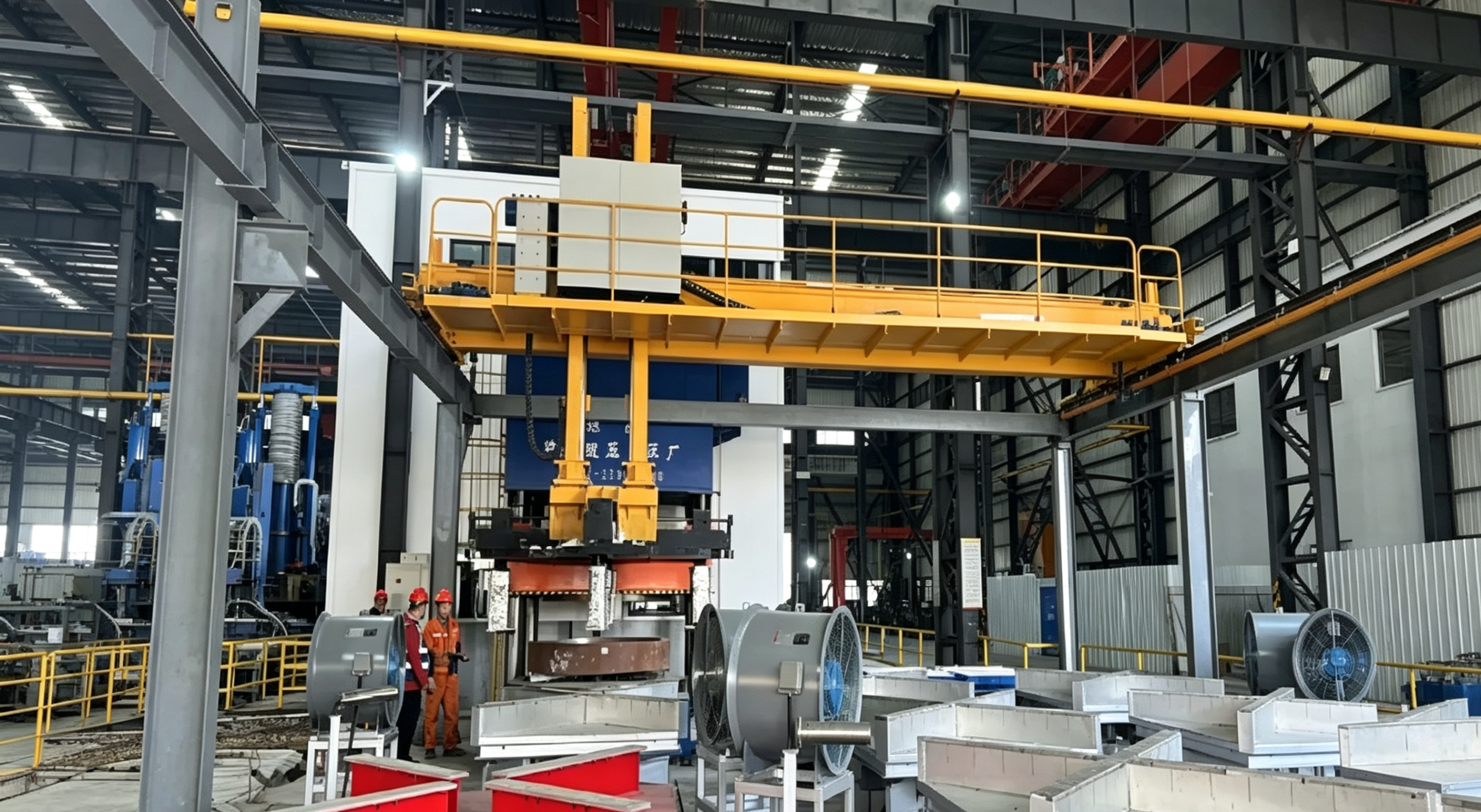
Whether you are operating a warehouse, shipyard, construction site or manufacturing plant, selecting the wrong crane is not only a safety risk but also limits operational efficiency.
Therefore, before you decide to select bridge cranes or gantry cranes, it is important to evaluate lifting requirements, facility layout, and future scalability. In this guide, we will explore the differences between these cranes and then help you choose the right lifting solution.
What Is a Bridge Crane?
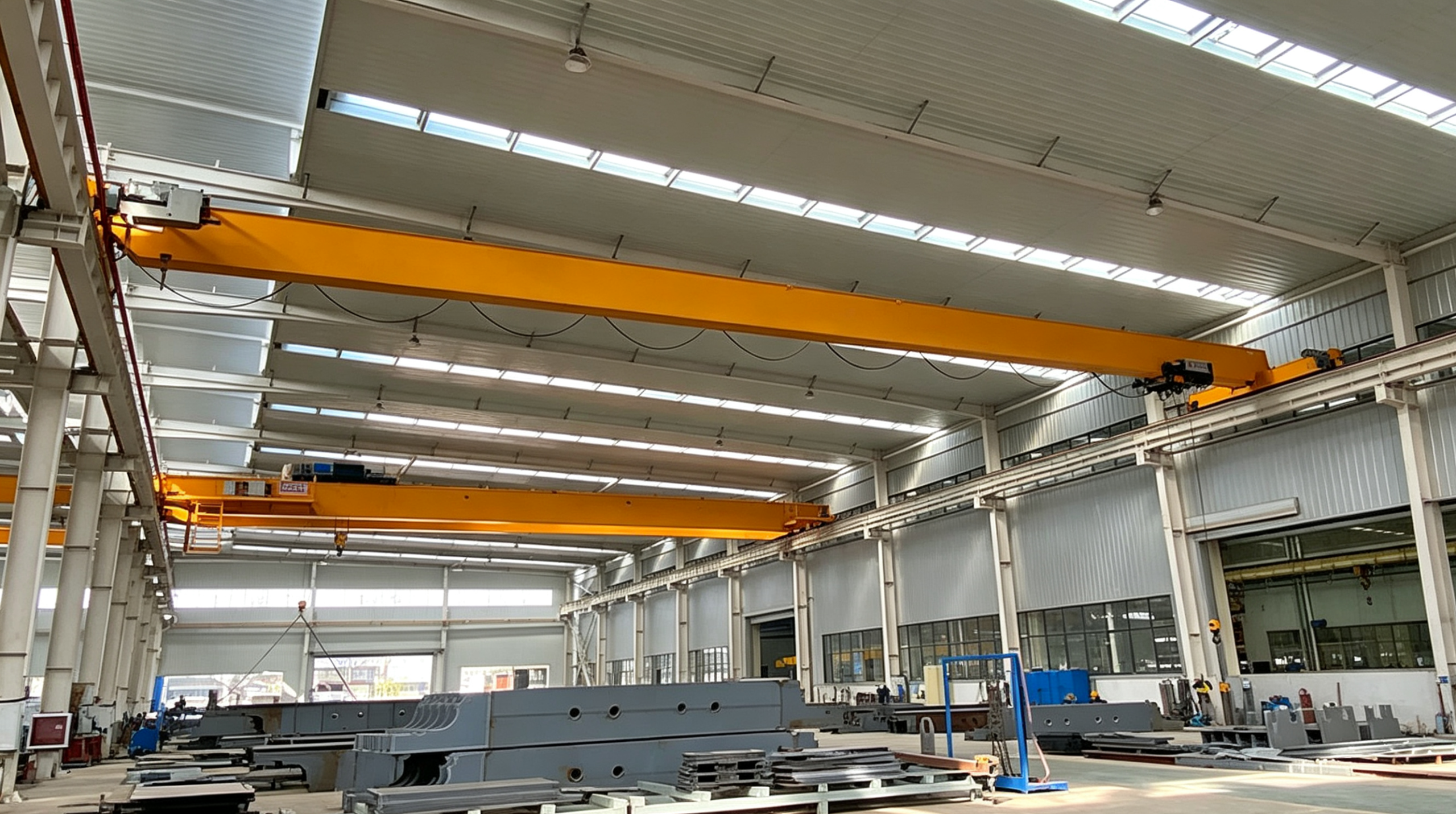
A bridge crane is an overhead lifting system that consists of a bridge girder, a pair of end trucks, and a hoist. It is supported by elevated runway beams attached to the building structure or to freestanding columns and travels along the runway beams.
You can use bridge cranes to move material either horizontally or vertically within a facility. Bridge cranes are most commonly utilized in permanent indoor operations where they allow for optimum material handling and maximum use of the facility’s floor space.
What Is a Gantry Crane?
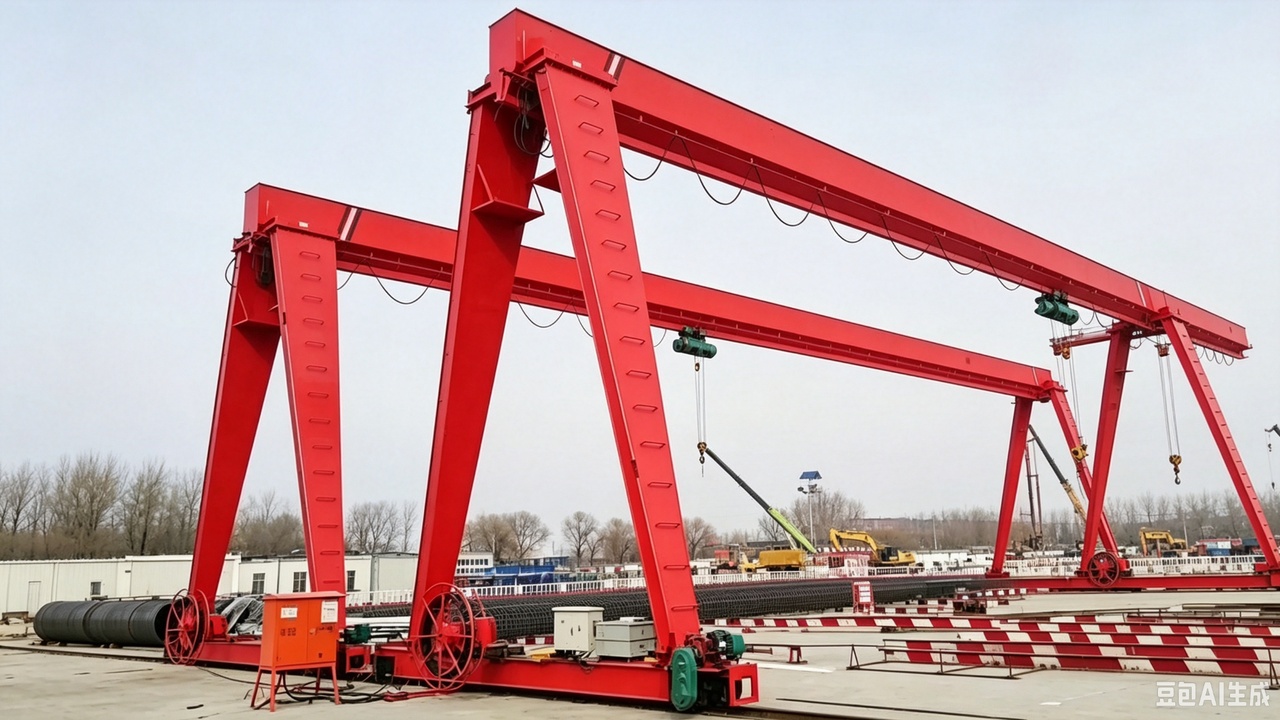
A gantry crane is a lifting system that is entirely supported by legs that travel on wheels or rails located at ground level. Unlike Bridge Cranes, Gantries do not require an overhead rail system to be attached to a building.
Gantry cranes are used to lift and transport heavy materials in both indoor and outdoor environments. Since they are self-supporting structures, you can install them in areas where no building support is available.
Key Differences Between Bridge Cranes and Gantry Cranes
· Installation Structure
Bridge cranes require elevated runway beams that are mounted either on building columns or on freestanding support structures. Therefore, they are suitable for permanent installation.
Gantry cranes do not require overhead support; they are supported by their legs that travel on ground-mounted rails or wheels. For these cranes, you will require minimal building modification, which also makes installation easier and faster.
· Mobility
Bridge cranes are usually installed at a fixed location and cannot be moved to another location. On the other hand, if the facility requires a crane with greater mobility, then a gantry crane is a perfect alternative. These cranes provide a great deal of mobility, particularly portable and rubber-tired gantry cranes.
· Workspace Requirements
Bridge cranes free up floor space to maximize it because they utilize an overhead lifting system. With this configuration, they eliminate obstacles, which may at times be a safety risk in the operation area. However, gantry cranes take up some floor space because of the legs and travel area.
· Lifting Capacity
Bridge cranes and gantry cranes are both capable of handling very heavy loads. Bridge cranes are typically used for extremely large industrial lifting operations, but large gantry cranes can also have very high load capacities.
In most cases, bridge cranes can handle 1 to over 500 tons, while gantry cranes can lift from 1 to over 1000 tons.
· Span and Coverage Area
Bridge cranes will provide a significant span and coverage throughout a facility through the use of the overhead runway system. On the other hand, gantry cranes will provide flexible coverage; however, their coverage is typically limited to the available rail length or other operating area restrictions.
· Cost
Bridge cranes generally require a higher cost for installation compared to gantry cranes since they require a runway system and additional structural support. However, by matching the crane with the right operating requirements, you can eventually realize a higher return on investment.
Gantry cranes can often be installed at a lower cost, especially in situations where there are no existing building supports. Therefore, where the building supports are not available, these cranes offer an economical solution.
· Maintenance Requirements
Bridge cranes require inspection on a regular basis of the runways, electrical systems, and lifting components. On the other hand, gantry cranes require maintenance and inspection of the wheels, rails, support legs, and the lifting mechanisms on a regular basis.
· Operational Flexibility
Bridge cranes are typically designed for continuous service in a specific location for a long period of time in a fixed environment.
Gantry cranes have much more operational flexibility and can adapt to changing work environments more easily. It is a perfect choice for both fixed and temporary projects.
· Safety Considerations
Bridge cranes are great for lifting up tooling equipment over work areas and therefore help to eliminate obstructions from the ground. To safely operate a gantry crane, it is important to carefully manage both the travel paths and clearance of the legs from the ground.
· Suitable Working Environment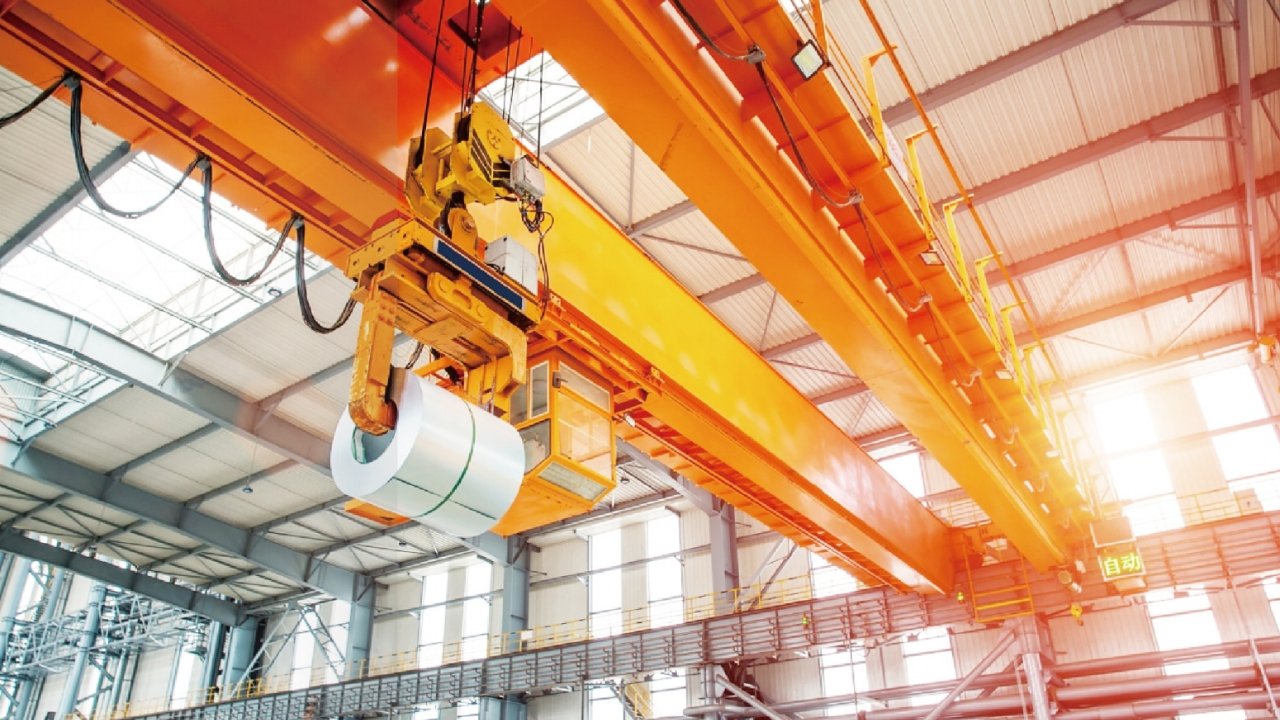
Bridge cranes are ideal for indoor Industrial buildings, manufacturing floors, and other environments where continuous movement of loads without floor-level obstructions is required.
Gantry cranes are ideal for both indoor and outdoor applications, such as construction sites and shipping facilities.
Quick Comparison Table: Bridge Crane vs Gantry Crane
| Feature | Bridge Crane | Gantry Crane |
| Structure | Overhead bridge system | Bridge supported by legs |
| Support System | Building or runway supported | Self-supporting |
| Mobility | Fixed operating area | Mobile or relocatable |
| Installation | Requires runway structure | Minimal building modification |
| Cost | Higher installation cost | Often lower installation cost |
| Span | Can cover large area long facility | Limited by rail system or operating area |
| Lifting Capacity | Very high | Lifting capacity is high to very high |
| Workspace Coverage | Can cover the Maximum overhead area of the facility | Can cover flexible area according to the requirement of the operation |
| Flexibility | Lower | Higher |
| Maintenance | Runway and crane maintenance | Rail, wheel, and crane maintenance |
| Best Application | Permanent indoor operations | Outdoor and flexible operations |