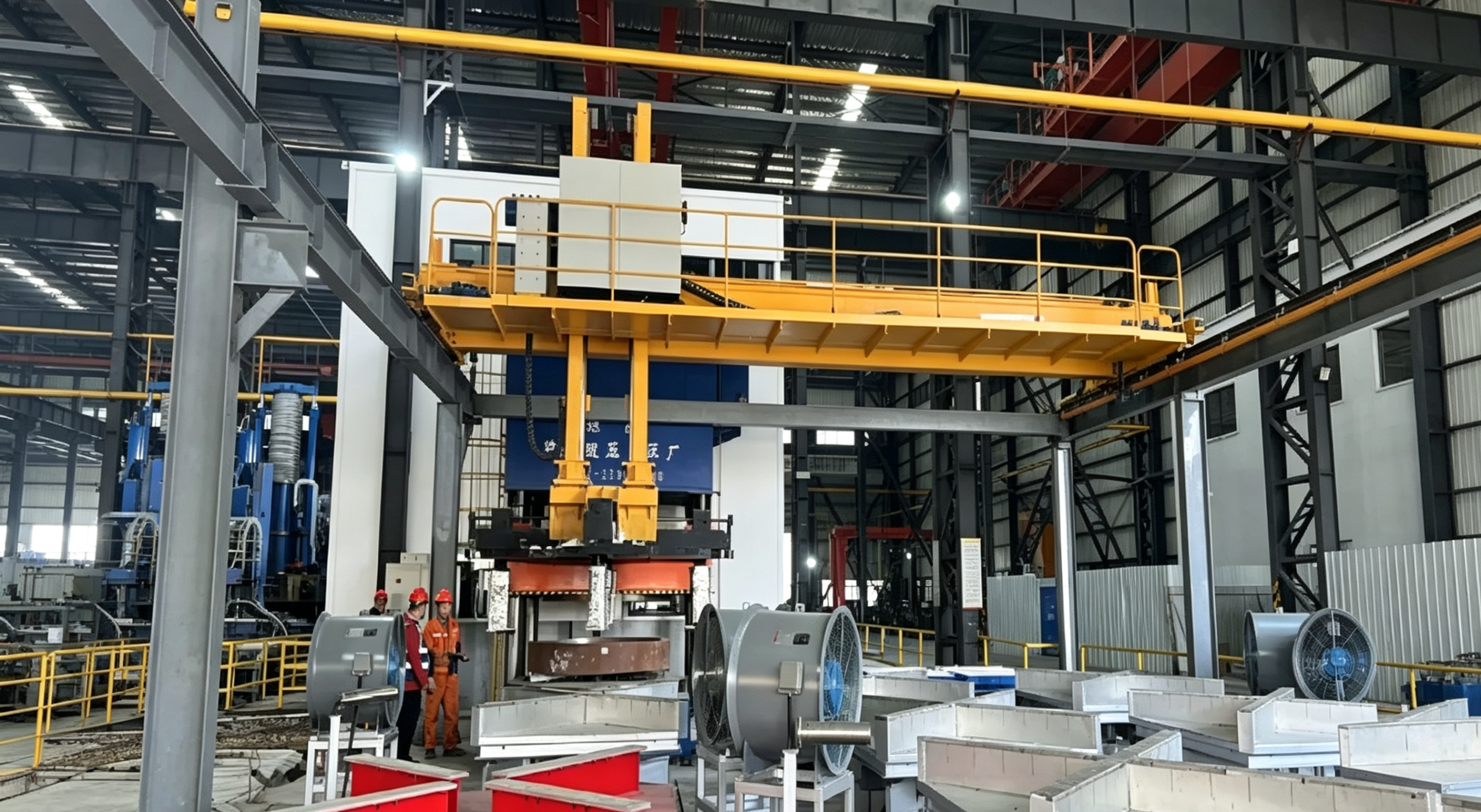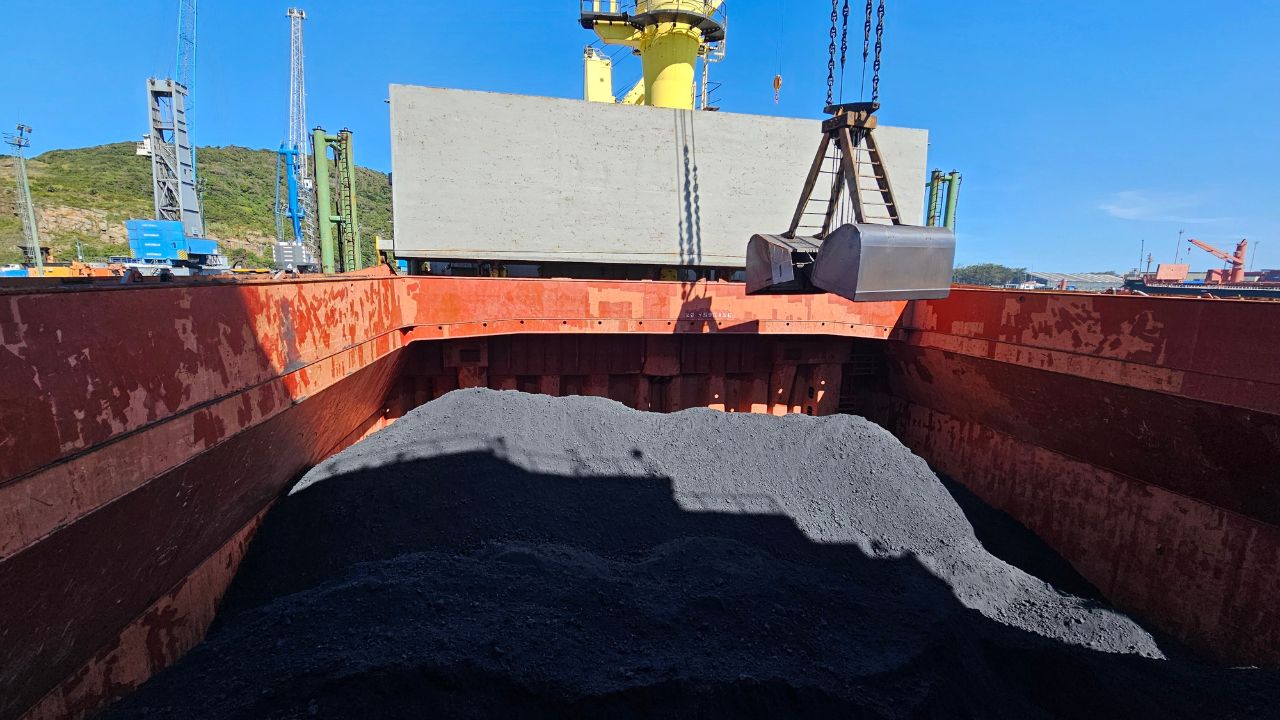
Improper Electric Overhead Traveling (EOT) crane installation is a safety hazard that can result in premature equipment failure and costly downtimes. Therefore, it is important to follow approved crane installation guidelines and functional tests.
This guide explains the key steps, best practices and safety requirements in EOT crane installation.
What is an EOT Crane? 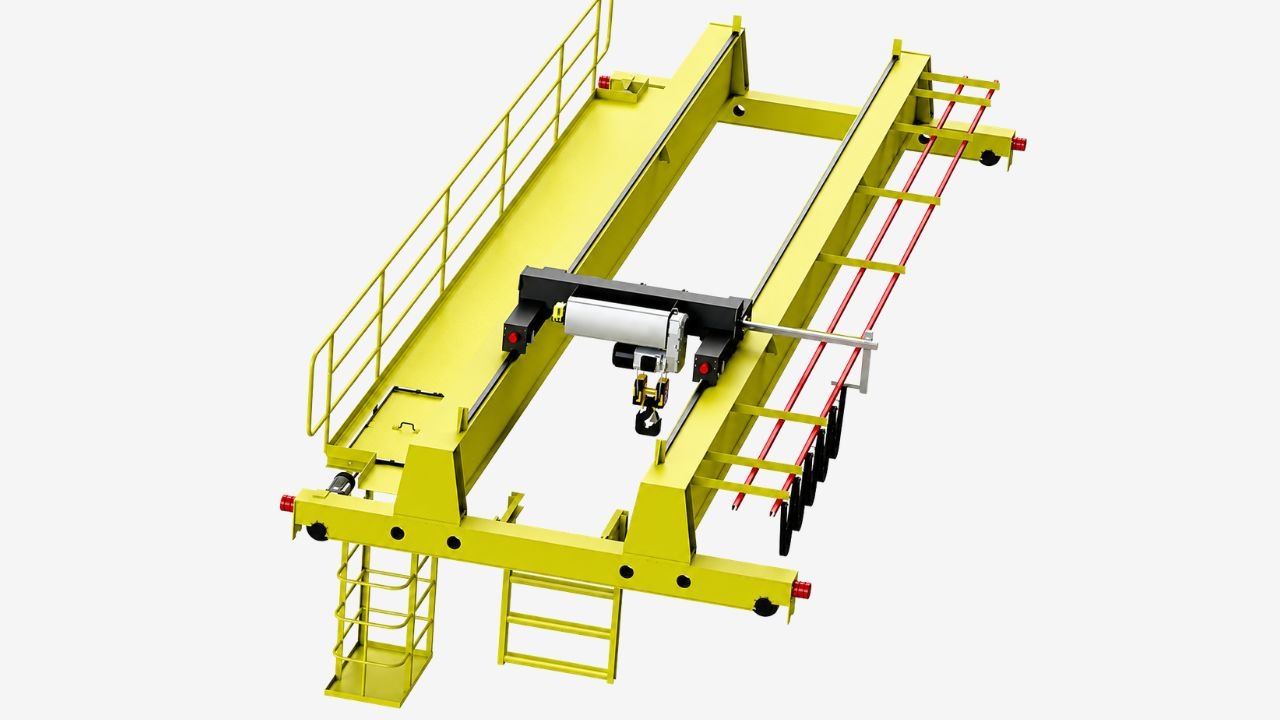
An electric overhead traveling (EOT) crane is specially designed lifting equipment that travels along two parallel runways with a bridge spanning the gap. With its hoist fitted on a trolley that moves along the bridge beam, it offers an effective lifting solution across many industries.
Its unique design saves floor space, boosts workflow speed, and maximizes safety. Additionally, it allows for both customization and scalability with a single-girder setup for lighter loads and a double-girder design for high load capacities.
Types of EOT Cranes
For effective electric overhead traveling crane installation, it is important to know the exact crane design. Although these cranes perform virtually the same function, there are certain structural features that make them unique.
| Crane Parameters | EOT Crane with Single Girder | EOT Crane with Double Girder | Top Running | Bottom Running |
| Design | One bridge girder with end truck supports | Two girders parallel to each other | Crane/end trucks run atop runway beams on rails | Crane beneath the bottom flange of runway beams |
| Position of Hoist | Mounted on the girder’s bottom flange | On top of girders | Mounted on the bridge (top rails) | Below the runway beam |
| Load Capability | Light to medium (20 tons) | Medium to heavy (100 tons) | Highest load capability | Lower load capacity |
| Lifting Height | Limited | Decent lifting height | Can achieve maximum height | Lifts only to floor space height |
Tools and Equipment in EOT Crane Installation

You will need different equipment when installing an Electric Overhead Traveling (EOT) crane. Among the most critical tools for effective crane installation are:
- Access Equipment:Such as ladders, scaffolding and work platforms. Allow you to work at elevated heights safely.
- Alignment and Leveling Tools:Aid in aligning rails and runway beams ensuring accurate positioning. Includes laser systems, spirit levels, measuring tapes, and plumb bobs.
- Cutting and Welding Equipment:Help separate or join parts. Includes gas torches, TIG machine and grinding tools.
- Electrical Instruments:Important when handling power supply, electrical wiring and control panels. Ensures safety when working and proper connection, e.g., crimping tools, testers and strippers.
- Lifting Equipment:Help raise and support large components like girders and end trucks. Includes hydraulic jacks, mobile cranes, hoists and chain blocks.
- Mounting Hardware:Allows you to secure mechanical and structural parts. Includes fasteners like bolts, washers, shims, rail clips and nuts.
- PPE:Personal protective equipment keeps your body well covered, reducing the potential for injury when working. You can have protective footwear, helmets, gloves and goggles.
Safety During Installation
Safety procedures reduce the chance of injury or damage to equipment during the process of putting up an EOT crane. Therefore, before the crane installation process begins, it is vital to consider the following:
- Planning and Assessing Risk:Carry out an extensive assessment of risk to identify any hazard potential and its mitigations.
- Personnel Selection:Installation should be carried out by certified personnel whose training and qualifications are relevant.
- Emergency Preparedness:Provide procedures for emergency situations like having fire extinguishers easily accessible in case of fire.
- Height Measures:Installing an EOT crane requires you to work at height. You need safety interventions to prevent falling such as stable scaffolding and a safety harness.
- Lifting Safety:EOT crane components like hoists and girders are heavy. Care is needed when raising them to their positions.
- Lockout/Tagout Procedures:Especially important when undertaking electrical installation minimizing the occurrence of shocks and electric fires.
- Site Control:Barricade the installation zone and have clearly visible warning signs in place. Also only provide access to people working on the site.
- Personal Protective Equipment:It is the basic standard for personal safety, preventing the body from direct harm.
Pre-Installation
A pre-installation exercise allows you to lay ground for successful installation. It shows preparedness and includes measures like:
- Undertake a site assessment to determine its suitability for carrying out the installation.
- Evaluate the structure to determine its capacity to support the crane’s maximum load.
- Review the crane specifications concerning configuration, load conditions and assembly.
- Keep abreast of the required industry standards and building regulations.
- Develop a thorough plan and schedule an elaborate workflow.
- Select a qualified and competent team equipped with skills in installation aspects.
- Create safety measures in case of emergency.
Installation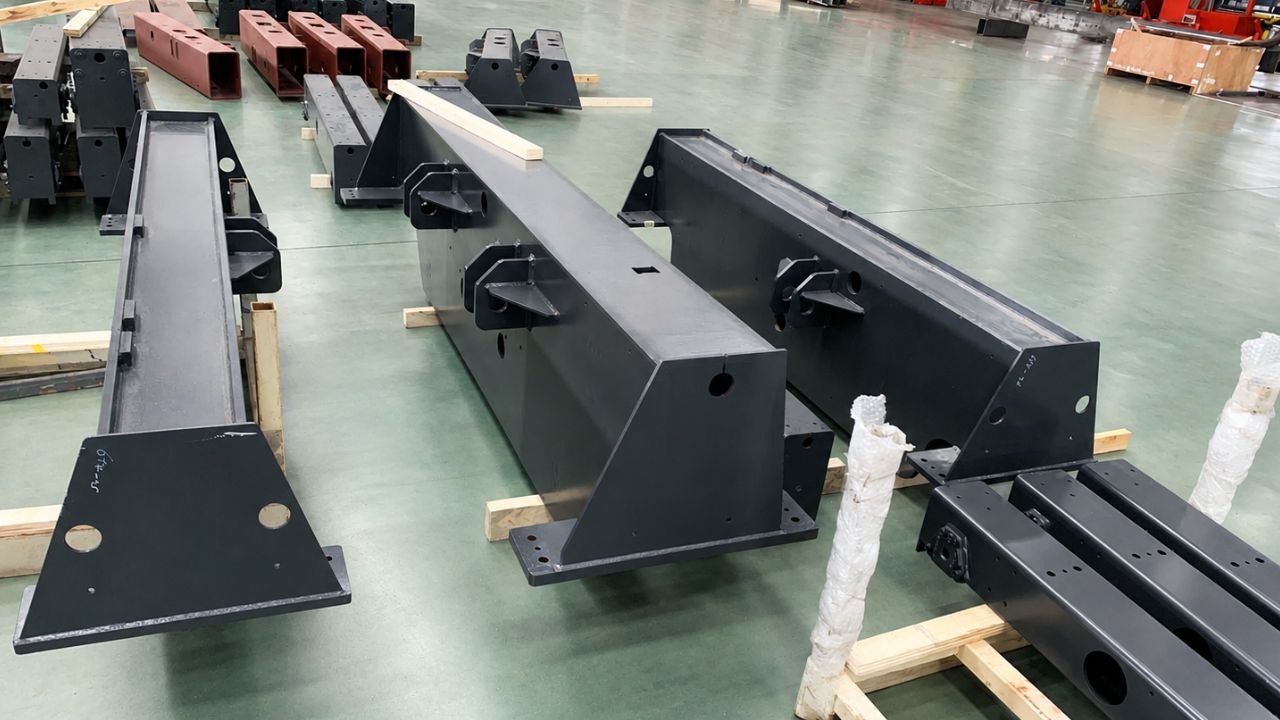
Step 1: Installation of Runway Beam and Rail
- Position and secure the runway beams before you install the rails.
- Use reference lines along the runway beams to help in rail positioning.
- Position the rails, leveling them laterally and longitudinally on the runway beams.
- Use fasteners or welding to secure the rails.
Step 2: Installation of Bridge Girder
- Position the girder on the rails aligning with end trucks.
- Ensure the girder wheels align with runway rails. Use fasteners for the girder and trucks.
- Ensure it is level using available alignment techniques.
- Conduct a test for movement of the girder on the rails.
Step 3: Installation of Hoist and Trolley
- Mount the hoist on the frame of the trolley; fasten.
- Install assembly onto the girder along the flange or rails depending on design configuration.
- Align trolley wheels to the flange or girder, leaving enough clearance.
- Install the hoist with the cable properly threaded and the hook block attached.
- Ensure the hook can rotate and its latches are secured.
- Work on the wiring and finish with a test.
Step 4: Installation of Electrical System
- Ensure you have a stable source to match the EOT crane’s rating.
- Install conductor systems, read busbars and festoon cables, for uninterrupted supply.
- Wire motors controlling movement, remembering to include brakes and limit switches.
- Set up the control panel.
- Provide earthing/grounding.
- Configure control systems like remotes and pendants.
- Put in place overload protection and limit switches.
- Inspect cabling and test the system.
Step 5: Alignment
- Use a laser system or other means to keep the runway rails parallel. The girder should be perpendicular to the rails.
- Keep the bridge girder and runway level distributing load evenly.
- Check tolerance keeping them within the accepted range.
- Make gradual adjustments using shims when repositioning rails or wheels.
- Carry out a test run.
Step 6: Safety Systems
- Incorporate limit switches for safe function. This prevents contact with the crane structure and over-unwinding of the cable.
- Have limit switches for the trolley too, keeping it in a non-collision path with structures along the girder. Also ideal for the bridge’s movement along the rails.
- Put in place an overload protection system that could be electrical or mechanical to prevent hoisting of loads beyond the rating.
- Install emergency stop buttons on electrical systems to immediately cut power and stop crane movement.
- Add safety devices like end stops and buffers at bridge and runway ends to intervene during over-travels absorbing impact.
- Install brakes for halting crane motion and securing the load preventing slippage.
- Add warning devices that are both loud and clearly visible like a horn and/or sirens, to issue a warning to personnel.
Step 7: Testing and Commissioning
You can only know your EOT crane is correctly installed by performing a test to evaluate its functionality and safety. Before commissioning the crane, it’s critical to ensure the entire process complies with the ASME B30.2, OSHA 1910.179, ISO 4310, EN15011/EN13001 and CMAA specifications 70 and 74.
Remember, all these testing standards vary according to the geographical location and local laws on material handling equipment. As a guideline before commissioning lifting equipment, it is critical to pay attention to:
- Undertake a thorough inspection, verifying installation status and examining mechanical and electrical systems.
- Carry out an initial test without any load to confirm operational uprightness. Keep an eye on the movements of the trolley, bridge, and hoist.
- Proceed with a functional test verifying combined movements, brake operation and other safety features.
- A load test follows to determine the crane’s operational capacity in terms of meeting its load objectives. A load test can be static or dynamic.
- Verify and vigorously test the crane’s electrical systems and safety devices for maximum safety during operation.
Common Challenges in EOT Crane Installation
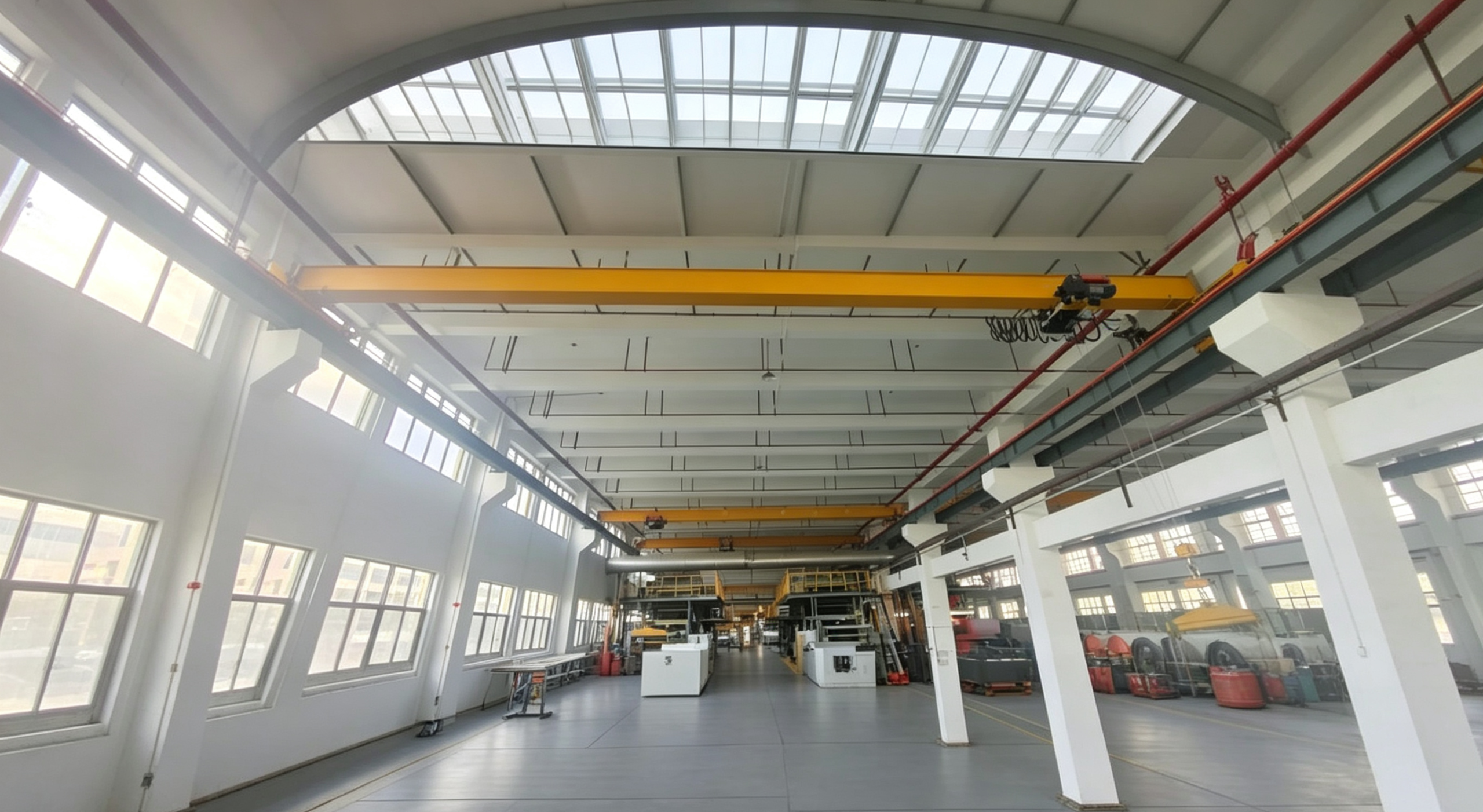
At times, during the installation process, you may experience certain challenges that may ultimately affect the performance of the EOT crane. Let’s look at the common crane installation challenges and their possible solutions.
| Common Crane Installation Challenge | Potential Impact and Recommended Solution |
| Runway rail misalignment | · Using a laser alignment tool to verify rail straightness, spacing and levelness. · The misalignment may cause premature wear, vibration and uneven load distribution |
| Insufficient building support | · Always conduct a structural analysis on where to install the crane, since this can be a serious safety hazard and can reduce the service lifespan of the crane |
| Rail wear or damage during installation | · Inspect and replace damaged sections to ensure there will be proper fastening and alignment · Installing a crane with damaged sections will result in higher maintenance costs. |
| Load test failure | · Check the electrical systems, hoist mechanism and structural parts of the cranes · A load test failure may delay commissioning and operations. |
| Safety devices failure | · It is important to test all limit switches, emergency stop button, buffer brakes, warning devices and overload protection systems · Failure to adhere to this may result in accidents and regulatory non-compliance |
| Power supply issues | · Check supply specifications including voltage, frequency and power capacity. Additionally, there should be proper circuit protection since these malfunctions may damage crane motor · Again, it is important to follow the approved wiring by the crane manufacturer. · Ensure there is adequate grounding |
| Incorrect hoist or trolley alignment | · This may cause uneven load lifting, and increased wear thereby reducing lifting accuracy. · It is critical to align the trolley wheels and hoist components. |
FAQs
How long does EOT crane installation take?
Installation time will vary with different factors like its size, design and intended use. As such it could be anywhere from a few hours to days.
How much clearance is required for an EOT crane?
The clearance will vary with the building dimensions and maintenance service requirements. Lifting height and crane design. It is important to specify all these during the planning stage.
Who can install EOT cranes?
Only qualified and experienced technicians with experience in mechanical assembly, electrical systems, alignments and safety protocols should install EOT cranes.
Can an EOT crane be installed in an existing building?
Yes. As long as the building can support the expected total loads.
Looking for Professional EOT Crane Solutions?
Dingya is a professional EOT crane manufacturer in China with over 21 years of experience in the material handling equipment industry. We not only design and manufacture, but also offer technical support on EOT crane installation and commissioning. Our crane experts can offer technical support virtually or visit your site for the installation – Get crane installation support from Dingya experts for free.