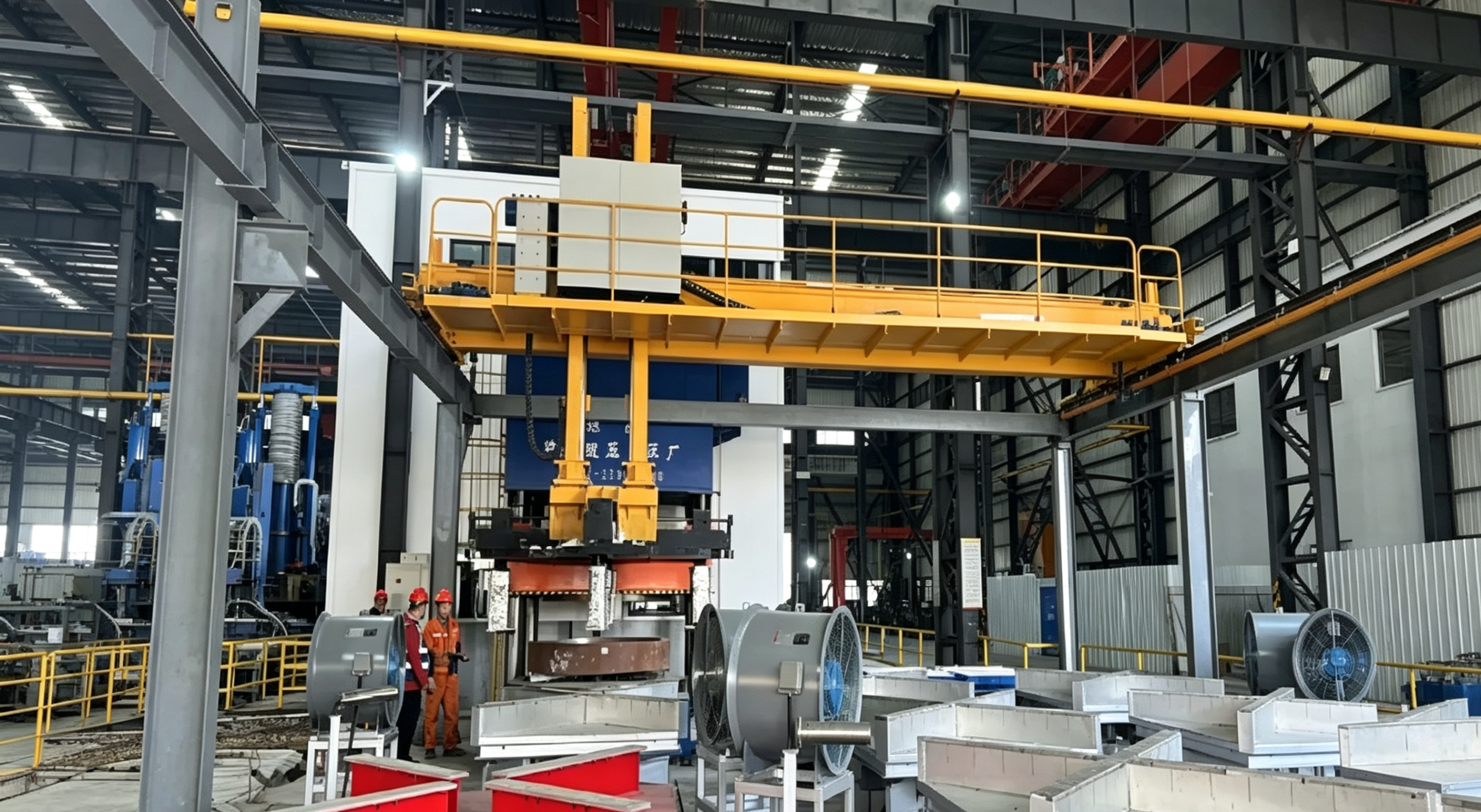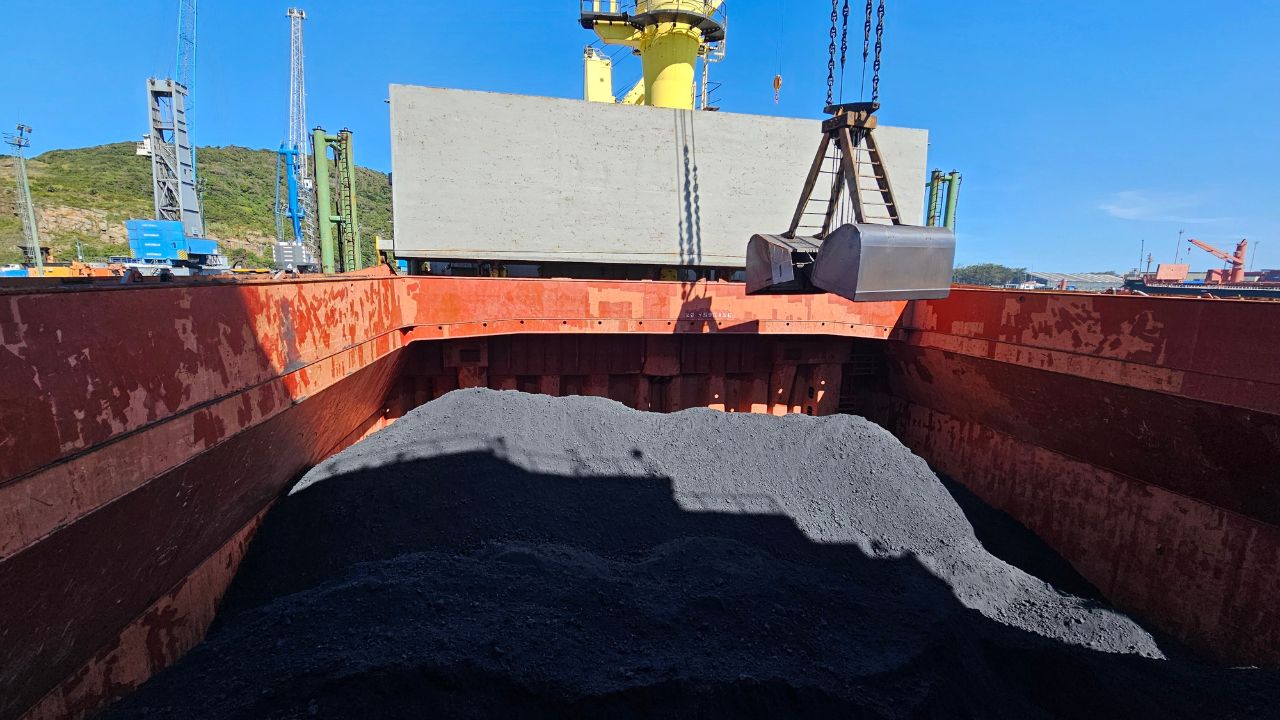
Integrating automated smart cranes is transforming material handling operations across many industries. From warehousing and logistics to waste handling, smart crane systems improve operational efficiency, safety, and productivity.
In this guide, you will learn how AI-powered cranes work, the benefits, factors to evaluate before investing in one, and how they can make your business profitable.
What is an Automated Smart Crane?
This is a lifting equipment that is an amalgamation of control systems, advanced sensor together with Artificial intelligence. The combined systems allow you to fully automate the operations of the lifting equipment.
With these smart technologies, these cranes help in fast decision-making, thereby optimizing load movements, performing predictive maintenance and preventing collisions.
How an Automated Smart Crane Works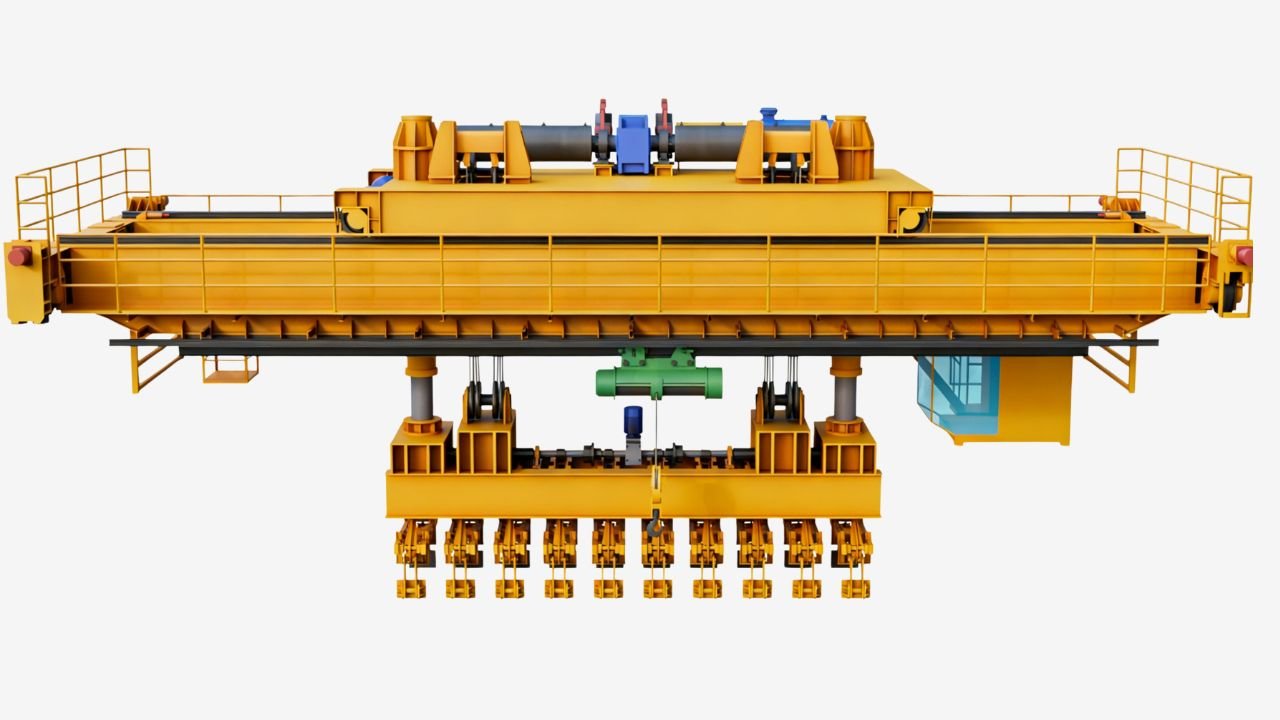
Smart cranes feature a closed-loop architecture that is composed of three main layers.
The first layer is the control layer, which is essentially the brain of the operation and is tasked with planning the crane’s operation path. Essentially, it relies on AI algorithms, PLC programs, and programmable automatic movements to control the range of motion of the control. It depends
The second layer is the sensing layer comprising inbuilt processors such as encoders, IoT sensors, lasers, and cameras. These are layer functions like the nerves of the system responsible for gathering and relaying information integral to the operations in real time.
The execution layer is the last layer of the architecture, and it comprises all the physical components that perform the actual tasks. It comprises the traditional parts of the crane, such as travel drives with precise control, Motors, and hoists
Core Technologies Powering Automated Smart Cranes
· Sensor Integration and IoT
Given that it features a closed loop systems smart crane relies on several monitoring and diagnostics systems that allow them to monitor and analyze relevant data in real time. This allows you to keep a close eye on the operations and intervene preemptively before errors affect operations, maximizing efficiency.
Sensors incorporated include:
- Anti-Collision Sensors
- Limit Switches
- Millimeter Wave Radar
- Lasers & Encoders
- Load Cells
- IoT Sensors
· Control Systems and Automation
Smart cranes rely on an intricate set of systems composed of electrical, mechanical, and technological systems for automation to maximize the efficiency of their operations. Essential components required for smooth operations include:
- Wireless Controls
- Programmable Logic Controllers (PLC)
- Variable Frequency Drives (VFD)
- Human-Machine Interface (HMI)
- Safety Systems
Automation Features vital for operations
- Automatic Path Planning
- Automated Execution
- Millimetric Precision
- Closed-Loop Control
· Artificial Intelligence and Machine Learning
Combining these two technologies allows the crane system to not only analyze data in real time, but also to use this information to optimize operation. It also eliminates any human error as it has the ability to self-regulate.
These technologies are executed using applications such as
- Automated Collision Detection
- Predictive Maintenance
- Dynamic Load Adjustment
- Pattern Learning
- Automatically calculates optimal load movement paths
- Fuel/Part Failure Prediction
Types of Automated Smart Cranes
· Automated Ship-to-Shore (STS) Cranes
This is a smart crane variation whose key function, typically at container terminals, is to facilitate the transfer of containers between ships and quay. It offers you extremely high precision during cargo handling operations due to its fully automated systems. The machine does not have a cabin suspended on mounted onto its frame as it is controlled remotely.
· Automated RTG (Rubber-Tired Gantry) Cranes – ARTG
This variation is specifically designed for stacking containers in the yard, offering you fully automated operations. Auto steering and active load control are some of the applications encompassed by this machine’s systems. It can be remotely controlled as it is wireless, giving you flexibility in terms of the operating room.
· Automated Overhead/EOT Cranes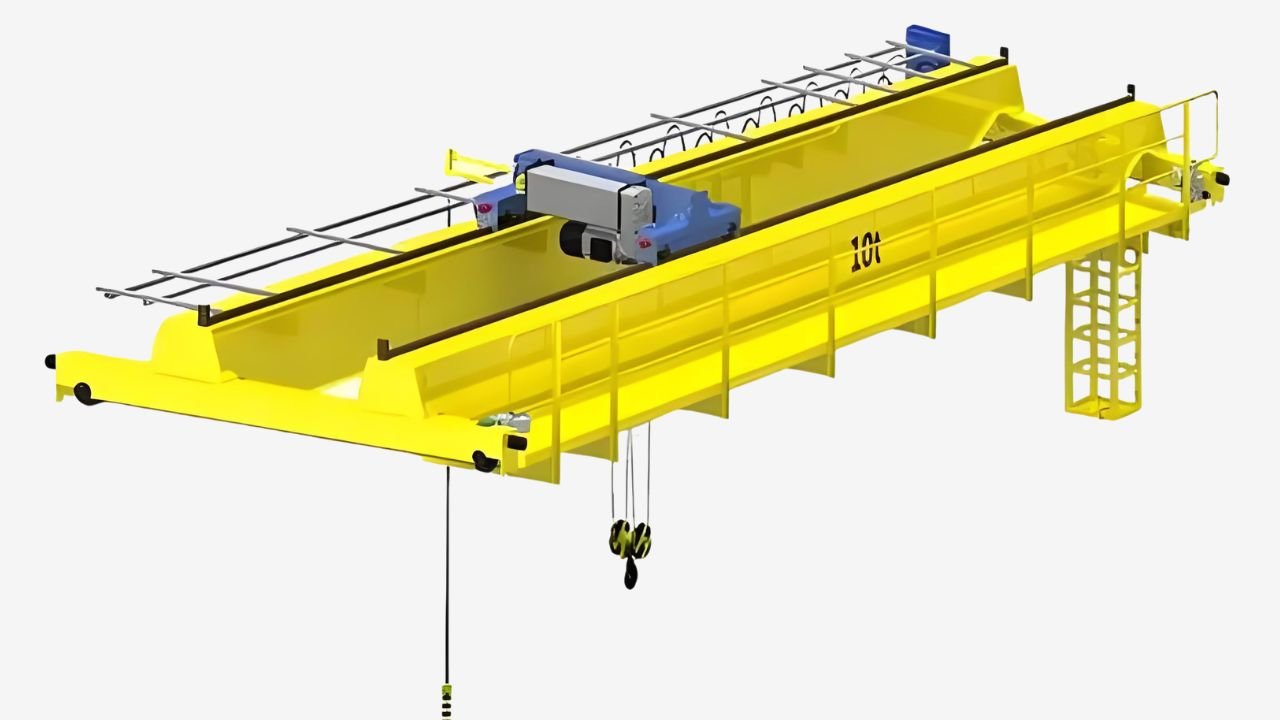
For applications involving warehouse or factory material handling, you should consider this crane variation as it has been optimized to perform this function. It contains various artificial intelligence algorithms and automation technology, which allow it to operate with minimal human intervention. It offers you faster and more efficient operations.
· Automated Gantry Cranes
Relying on large workspace robotics, this smart crane variation is designed for heavyweight transportation. It is a versatile automated machine utilized for handling heavy loads in container terminals and manufacturing plants. Automated saddlers are typically utilized alongside this crane variation for optimized efficiency.
· Quay Cranes (Automated)
You should consider this crane variation if you are looking for a crane to handle containers at the quay position. The machine is available in various configurations, allowing you to select the most suitable one for your application. Its automation relies on ABB automation solution integration
· Autonomous Construction Cranes
This variation is designed to be utilized in construction sites without relying on human operators. Fully relying on AI, Machine vision, and deep learning, this machine not only optimizes operations but can also differentiate between cargo and humans. Therefore, it retains its efficiency and does not require any sort of human intervention.
· Mobile Harbor Cranes with Smart Features
Mobile harbor cranes are versatile equipment used to perform a wide range of applications such as lifting general cargo, heavy project cargo, and bulk handling. The automation increases the efficiency of the operations by eliminating the need for human intervention. Automating these operations eliminates human error by relying on precise sensors and systems to guide operations.
· Automated Robot Cranes (ARC)
For your freight and logistics operations, this smart crane variation offers you an AI-powered option with remote controls. The machine can differentiate between cargo and human laborers, offering an optimized system that also reduces the risk of accidents. By minimizing human error and optimizing operations, it helps you boost your supply chain performance.
Key Features of the Automated Smart Crane
· Precision
Automated cranes are especially suitable for lifting, positioning, and weight control operations that require high levels of precision. Every operation is preprogrammed from the intended path, the physical movement, motor torque, and speed to allow for precise lifting and positioning. Additional technology, such as anti-sway, is also utilized to eliminate errors.
· Efficiency
Given that these smart machines’ operations are fully automated, the process by default becomes more streamlined, offering you faster cycles. Using the advanced technology featured in smart cranes, all the operations from the initial planning to the final execution are optimized. You can also remotely operate different systems at the same time while eliminating human error and fatigue.
· Advanced Safety Systems
Smart cranes employ a hoard of safety systems that ensure that all operations are smoothly executed. These safety features include emergency stop systems, fail-safe braking mechanisms, limit switches, advanced object recognition, load overload protection, and Anti-collision sensors. Using the features allows the machine to operate under optimal conditions and also factor in the safety of the human workers around.
· Autonomous Functionality
Functionality is another factor that is optimized when using automated smart cranes, as these machines fully function independently of a human operator. Relying on AI and machine learning, the machine collects real-time data and uses this data over time to learn and optimize various functions. This allows the machine to, over time, be able to adjust the crane’s mechanical movement in order to implement the most practical and efficient routes.
Key Applications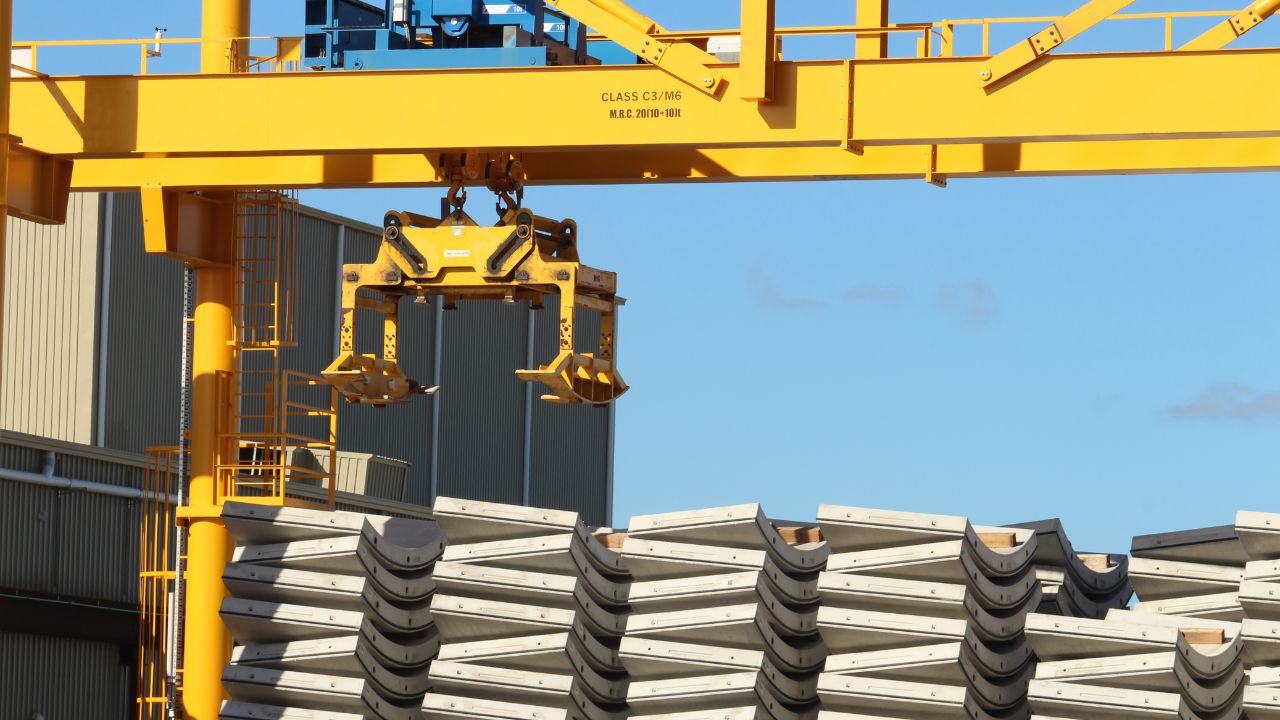
Automated smart cranes are used across various industries for heavy-duty lifting. They come in various designs and configurations; you should therefore select the best-suited one for your specific applications. Some of the key applications for these machines include:
- Factory and warehouse material handling
- Construction sites
- Container terminal operations
- Offshore and deep-sea operations
- General cargo
- Heavy lift handling
- Bulk material handling
- Freight and logistics industry
- Maritime industry
- digital transformation
Benefits of the Automated Smart Crane
Safety Benefits
- The machine has safety features that ensure that there are limited risks to the machine and any human workers around
- Instead of the traditional cabs that were either suspended or mounted high on the crane, they can be remotely operated, minimizing risk to the operator
- Fewer workers are required because most processes are automated, reducing the risk of workplace injury
- The independent system self-regulates, eliminating human error, which often leads to accidents occurring
- It incorporates detection and prevention systems that ensure that the machine only operates under optimal and stable conditions, preventing damage to the machine or anyone present
Operational Benefits
- The repetitive operations that cover most of the crane’s functions are automated and therefore optimized
- All the operations are planned before eliminating any delays that are typically caused by manual decision-making
- You can utilize a single supervisor to oversee up to five machines using remote operating stations.
- Operations can be carried out continuously as the system relies on advanced AI and machine learning to monitor and adjust operations, making it more efficient.
Cost and Maintenance Benefits
- The advanced technology featured in these machines implements predictive maintenance, which uses pattern recognition to prevent real-time failures.
- Automation using advanced technology minimizes unnecessary stress on the components of the machine, which in turn increases the durability of the parts.
- Faster cycle times help reduce power and fuel consumption, reducing operational costs.
- Emergency shutdowns and downtimes are greatly minimized, saving further on costs.
Data-Driven Decision Making
- IoT-integrated sensors are an integral part of these systems and are tasked with collecting and analyzing various types of operational data in real time.
- The extensive data collected allows the machine to optimize operation, but also implement predictive maintenance
- Real-time data tracking allows both the operator and the system to identify the machine’s weaknesses, allowing for optimization
- Based on previous data collected, you can properly allocate the required resources.
Automated Smart Cranes vs Traditional Cranes
| Feature | Automated Smart Cranes | Traditional Cranes |
| Operation Mode | Autonomous operation without human intervention | Requires manual operator control |
| Control System | Advanced technology and sensors | Manual joysticks and controls |
| Precision | Millimetric accuracy | Operator skill-dependent precision |
| Speed/Cycle Time | Faster cycle times | Slower cycle times |
| Maintenance | Predictive maintenance | Reactive maintenance |
Factors to Consider when Selecting the Automated Smart Crane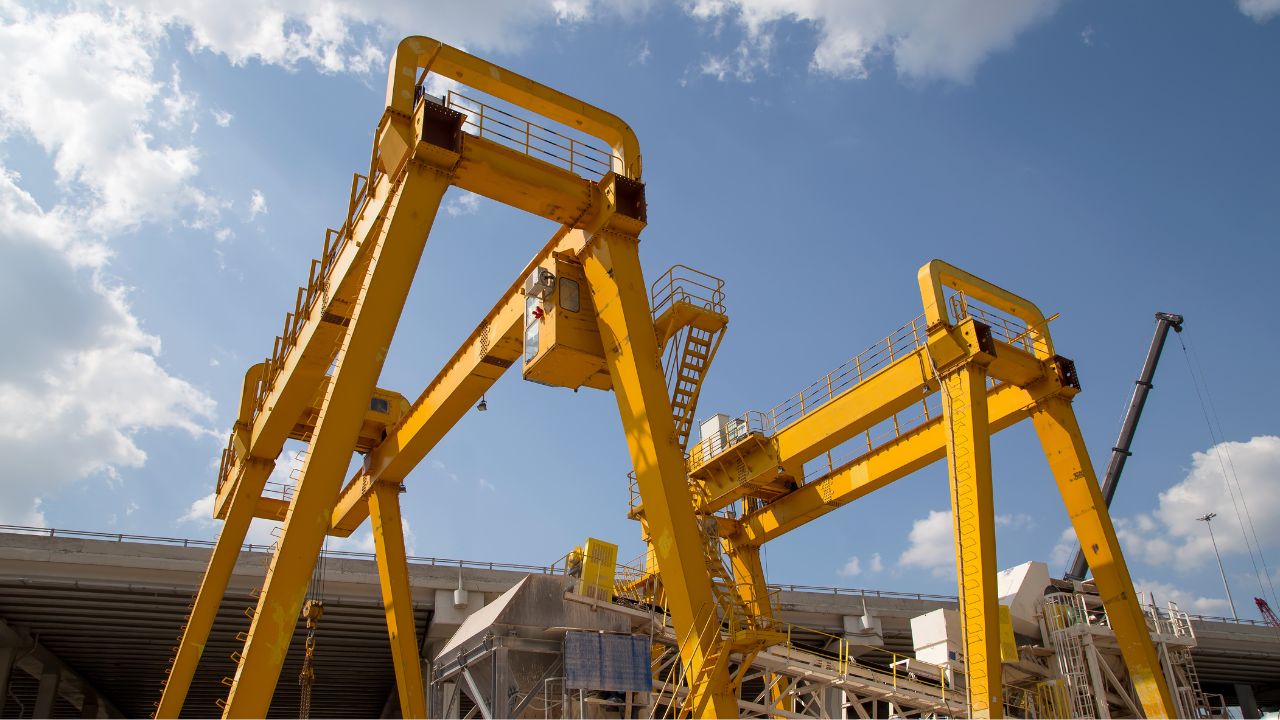
- Integration Requirements: The automated system should be able to integrate with the existing terminal operating system, have compatible communication protocols, and match the existing infrastructure.
- Cost Factors: You need to factor in the initial cost, installation, design, engineering, operation, and maintenance costs of the system before deciding on which one is economically feasible.
- Technical factors: Consider factors such as lifting capacity and performance, precision and control technology, automation features, safety systems, sensing and IoT capabilities, and AI and machine learning, among others
FAQs
Is there a difference between a smart crane and an automated crane?
Smart cranes rely on an extensive range to monitor and relay real-time data, while automated cranes operate independently of human intervention.
What are the limitations of automated smart cranes?
They rely on a sensor that can be affected by harsh weather conditions, impacting operations.
Can traditional cranes be automated?
Yes, you can upgrade traditional cranes and automate operations.
How long does it take for a crane to be automated?
The time needed to automate a crane depends on the design and engineering of the crane in question
What are the different levels of automation possible?
- Basic monitoring
- Semi- automated
- Fully automated
How much do smart cranes cost?
The cost varies depending on the type of crane you have and the additional safety and operation features incorporated, ranging from $50,000 to over $200,000.
Get an Automate Smart Crane Solution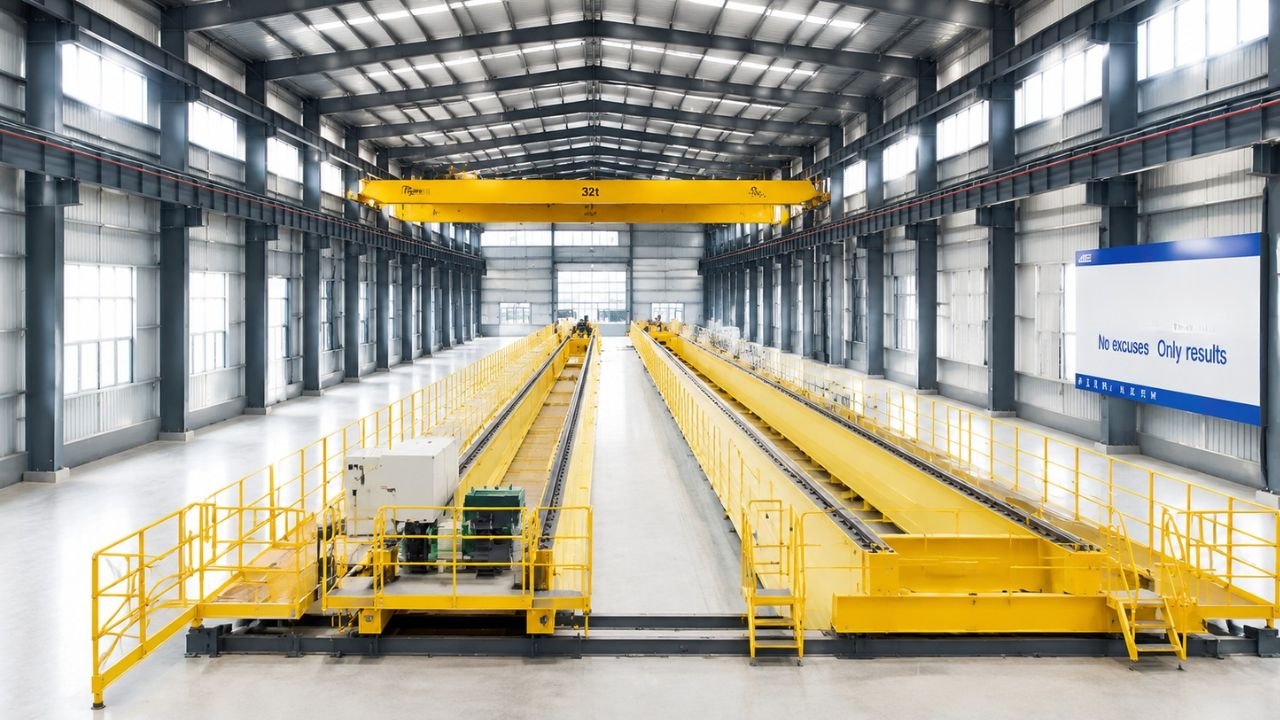
From automated overhead cranes to smart gantry cranes, Dingya offers a fully integrated crane automation solution to match the specific requirements of every industry.
Tell us more about your material handling needs, and we will customize crane systems to improve productivity and enhance safety – Get free consultations and technical assessments on your next crane now.