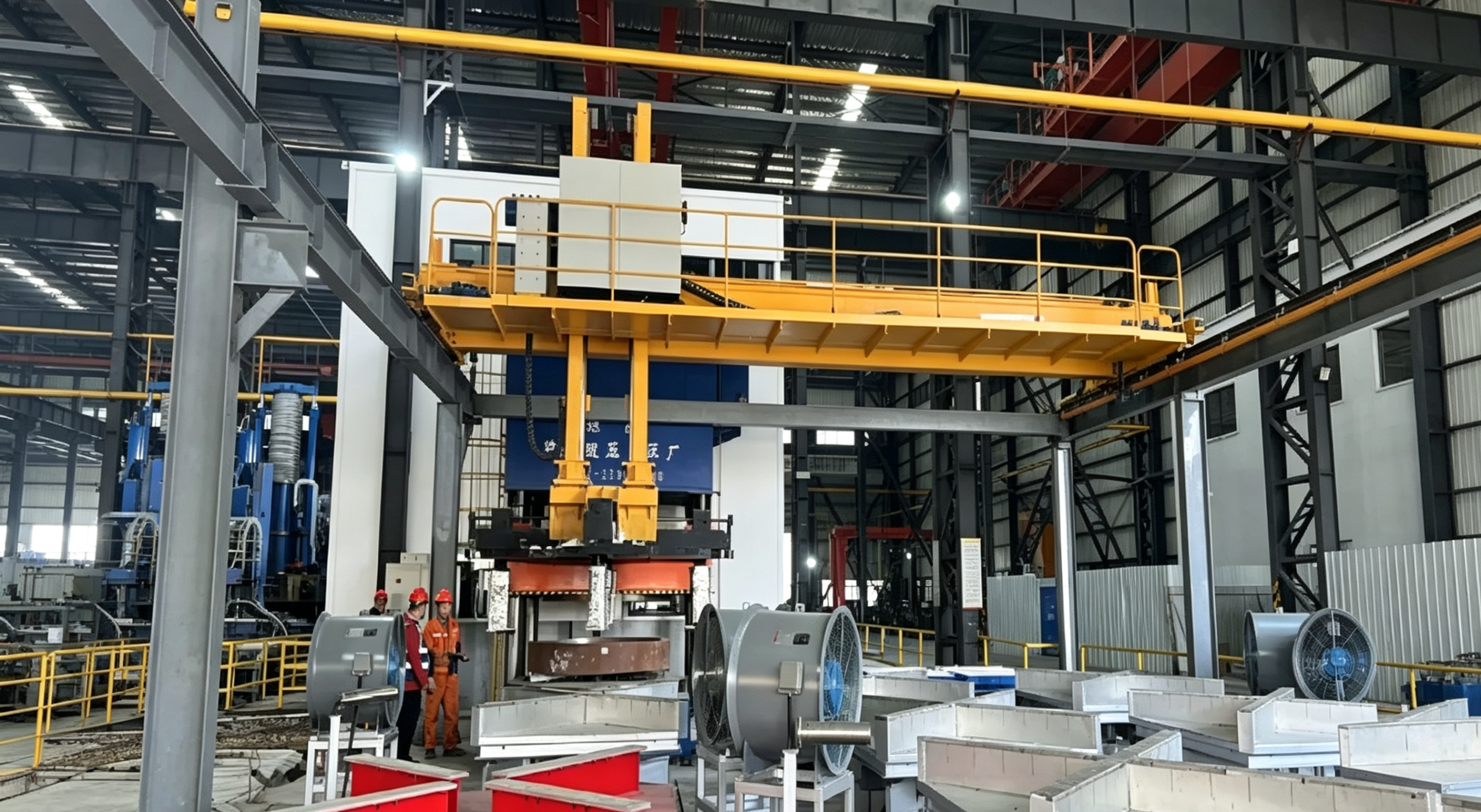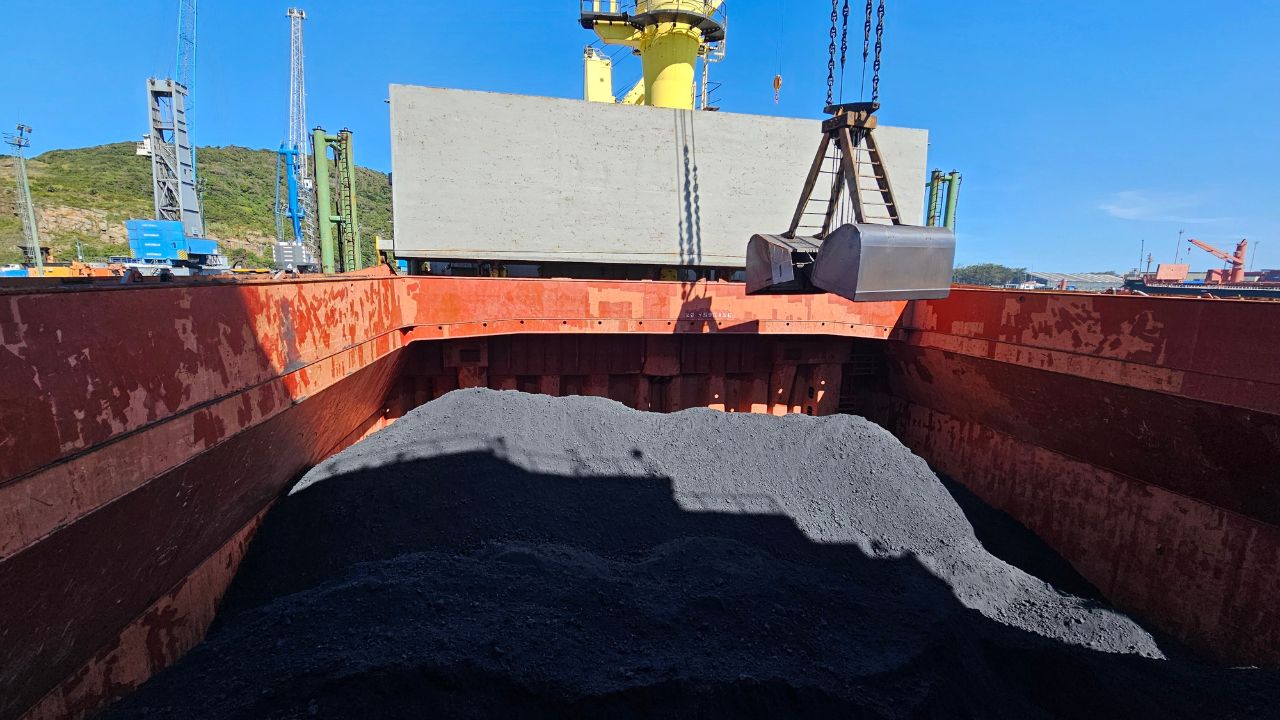
Comparing overhead crane quotations starts with making the technical and commercial scope comparable. Before judging the total price, confirm the same capacity, span, lifting-height reference, duty, environment, controls, power supply, supply boundary, installation scope, testing basis, warranty, and delivery terms. This guide shows which details to request from each supplier and how to identify costs that are excluded from a low initial quote.
How to Compare Bridge Crane Price Quotes
Confirm that every quote is based on the same project conditions
Do not compare the total prices first. Check whether each supplier used the same rated capacity, lifting-height reference, span, duty or classification, working environment, control method, power supply, and installation boundary. If one supplier prices a 5 t crane for a different span, height, duty, or site condition, the totals are not comparable.
Rated lifting capacity
Confirm whether the quoted crane rating covers the payload and the below-the-hook device. If the payload is 5 t and the lifting device weighs 0.5 t, the crane rating may need to cover 5.5 t. The crane’s own self-weight is not part of the lifted load. The final basis must be stated in the technical specification, because attachment and process requirements vary.
Lifting height
Ask the supplier to define the lifting-height reference level, the highest permissible hook position, hook approach, and the clearance required below the hook. Hook block dimensions and reeving affect the usable working space. Do not compare a lifting-height number until the reference level and hook-block arrangement are the same in every quotation.
Span
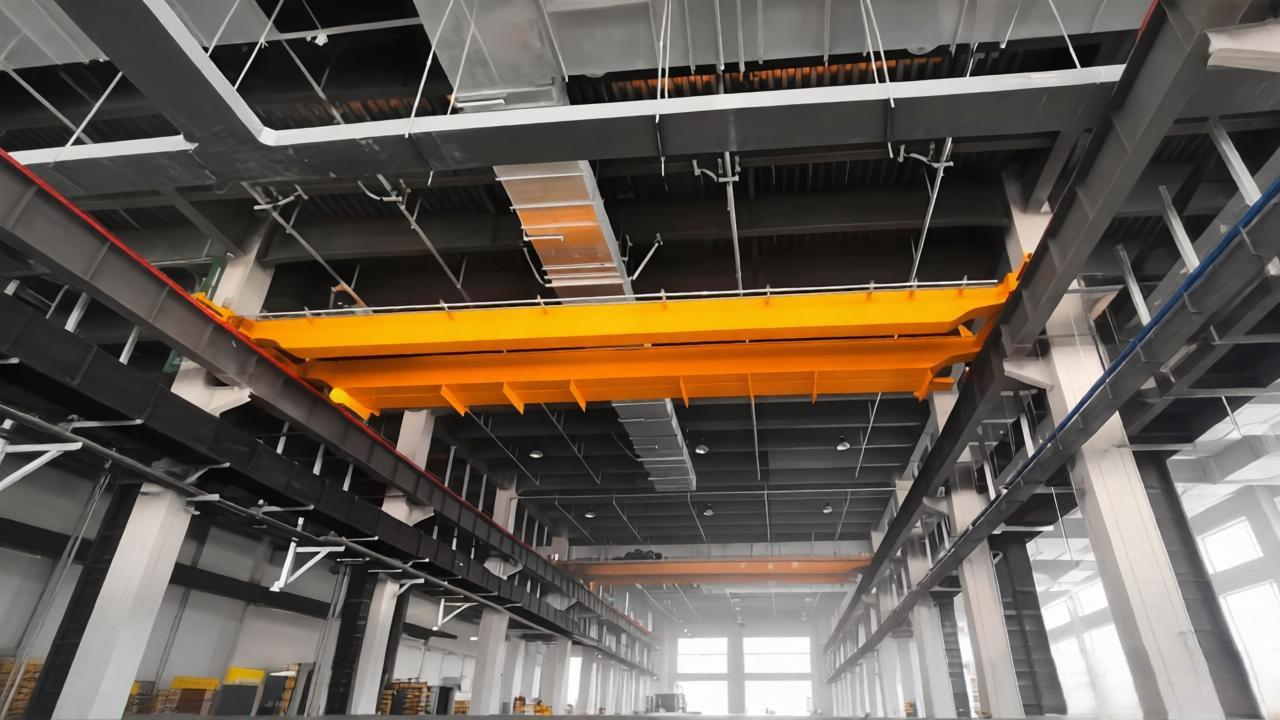
Span normally refers to the distance between the runway rail centerlines, or the specified runway gauge. Rails may be supported by building columns, runway beams, brackets, or a separate structure. Use the actual building and runway data rather than assuming that every factory has the same support arrangement.
Working environment
Record dust, moisture, corrosive media, temperature, outdoor exposure, hazardous-area classification, cleanroom requirements, and other site conditions. Cement, chemical, metallurgical, and outdoor applications may require different motors, enclosures, materials, coatings, controls, or protection. An explosion-protected or cleanroom configuration should be selected only after the site requirements and applicable local rules are confirmed.
Duty or classification
Duty selection depends on operating time, starts and stops, load spectrum, load distribution, speeds, and the selected classification system. A1–A8 is not a universal label for every market. Ask each supplier to state the classification system, version, design basis, and the connection between the stated duty and your actual operating pattern.
Compare the Key Equipment and Configuration
Once the project conditions are aligned, compare the main mechanical and electrical specifications. Require model numbers, quantities, materials, and performance data. Replace vague descriptions such as “standard configuration” or “well-known brand” with itemized evidence.
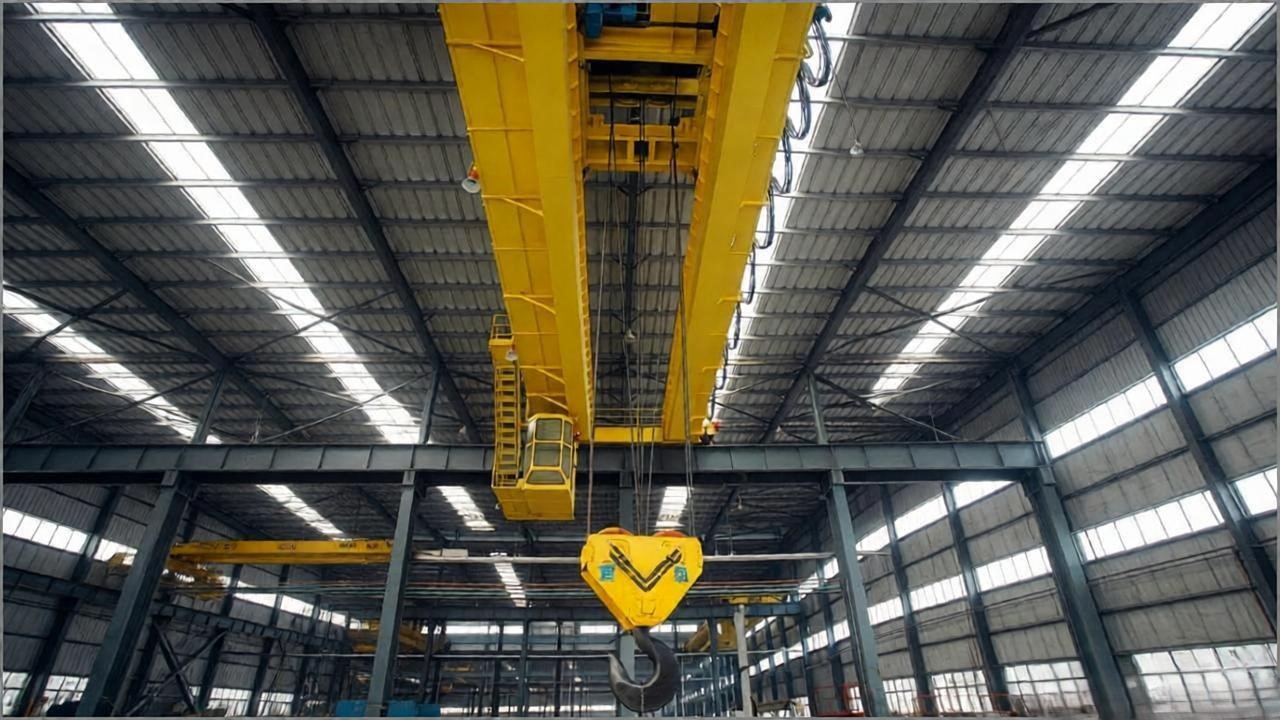
Hoist and hook block
| Item | What to verify | Why it affects the quotation |
| Hoist model | Full series, model, manufacturer, control options, and product scope | Different series and configurations use different mechanisms and components |
| Rated capacity and duty | Rating basis, duty/classification, load spectrum, and actual use | Higher duty or capacity changes the lifting and load-bearing components |
| Lifting speed | Single, dual, or variable speed and the specified values | Speed and control affect motor, brake, and drive selection |
| Motor and brake | Power, model, manufacturer, brake arrangement, and control | Motor and brake specifications affect performance and cost |
| Rope reeving | Reeving ratio, hook travel, lifting speed, and hook-block arrangement | Reeving changes rope forces, speed, drum, and block design |
| Wire rope | Diameter, construction, material, length, and applicable specification | Rope selection affects compatibility, service life, and cost |
| Drum | Diameter, length, grooves, rope guide, and retention arrangement | Machining and rope-retention requirements affect cost |
| Hook and hook block | Type, material, rating, sheaves, bearings, guards, and assembly | Hook-block design affects capacity, maintenance, and compatibility |
| Safety latch | Whether included and how it is designed for the selected hook | Safety hardware and testing add scope and cost |
End carriages and travel wheels
| Item | What to verify | Why it affects the quotation |
| Wheel diameter and material | Diameter, material, hardness, process, and design wheel pressure | Wheel design must match loads and runway conditions |
| Maximum wheel load | Maximum and relevant wheel-load data from the supplier | Wheel loads affect runway-beam and building checks |
| Travel drive | Independent drive, geared drive, three-in-one drive, or another design | Drive layout changes controls, maintenance, and price |
| Travel motor and gearbox | Power, model, ratio, manufacturer, and speed | Drive components must match the crane and operating requirements |
| VFD | Whether VFD control is included for long travel, cross travel, or hoist | VFD quantity and power affect the electrical package |
Long-travel performance cannot be judged from motor power or wheel diameter alone. Check the drive assembly, wheel loads, travel speed, runway compatibility, alignment requirements, and control method.
Electrical system
| Item | What to verify | Why it affects the quotation |
| Control cabinet | Model, components, enclosure/protection, and installation scope | Cabinet configuration changes the electrical package |
| Control mode | Pendant, radio remote, cabin, or combined control | Each method requires different accessories and safety arrangements |
| Variable-frequency control | Which mechanisms use VFD and how the drives are coordinated | Drive quantity and power affect cost and commissioning |
| Main components | Brands, models, ratings, and availability of breakers, contactors, and relays | Component specification and support affect price and serviceability |
| Power supply | Busbar, collector, cables, brackets, festoon, and limits of supply | Power-supply parts are often separated from the crane price |
| Protection | Overcurrent, short-circuit, overload, emergency-stop, and other specified functions | Protection functions require matched control and testing |
Safety functions
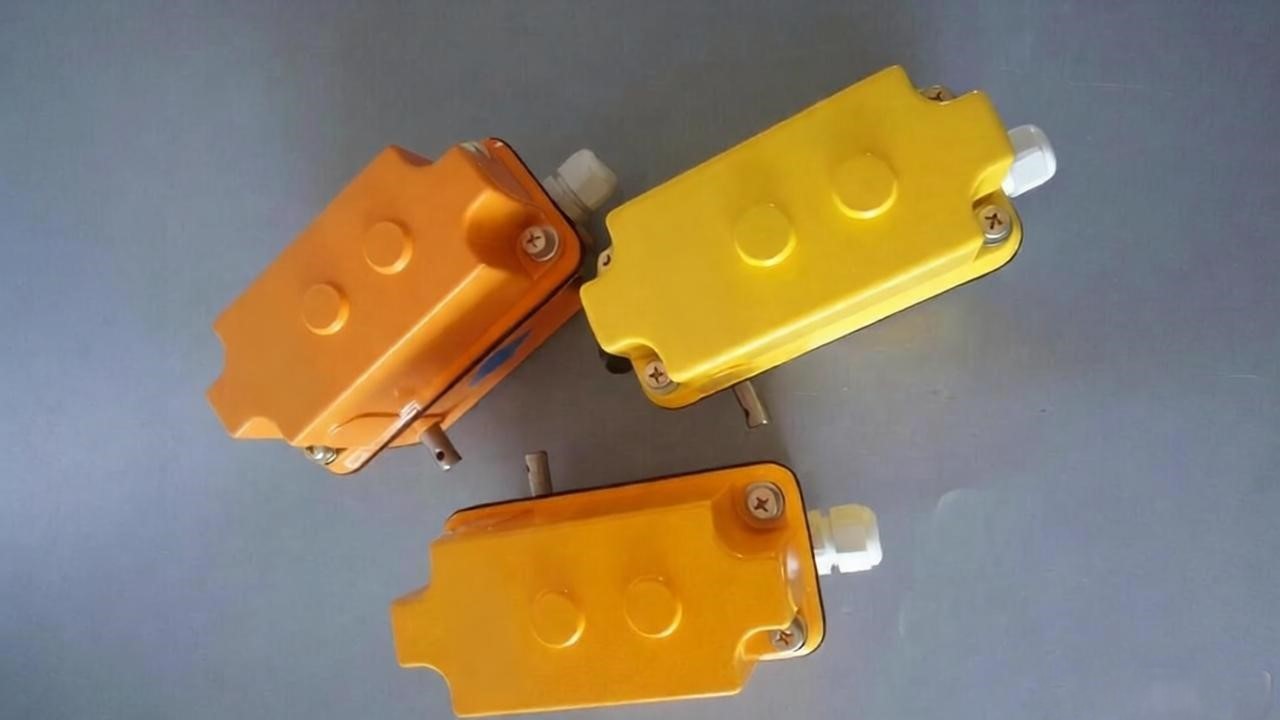
Ask the supplier to list the safety functions included in the quoted design and to identify the applicable requirements. Depending on the crane configuration and local rules, the list may include lifting limits, travel limits, overload protection, buffers or end stops, emergency stop, hook safety latch, rope or sheave guards, warning devices, and other interlocks. Confirm the function, quantity, test method, and responsibility for each item instead of assuming that every crane uses the same hardware.
Main girder and structural design
A heavier girder does not automatically indicate better performance. Compare the design calculations, steel grade and material standard, girder form, plate dimensions, duty basis, wheel loads, welding and inspection plan, surface preparation, coating system, and adaptation to the existing runway. Ask for the design information that the supplier is contractually able to provide; do not judge quality from plate thickness alone.
Verify the Supply Boundaries
Crane and configuration
Manufacturers use different definitions of “complete crane.” Ask for an itemized list with part numbers, specifications, quantities, brands where relevant, and a clear distinction between standard items and options. A typical package may include the main girder, end carriages, electric wire-rope hoist or hoisting trolley, control cabinet, drives, power collection, pendant or radio control, cable or conductor-bar system, limits, and specified safety functions. The exact package depends on the design and contract.
Transportation and on-site services
Check whether the quotation includes packaging, loading, transport, insurance, port charges, customs-related work, unloading, installation, commissioning, operator training, and technical support. These items may be included, excluded, or offered as separate services. Compare the same service boundary before calling one quotation cheaper.
Items that may be excluded
- Runway rails, runway beams, or building reinforcement
- Power-supply installation and civil or foundation work
- Installation labor, unloading, or local handling
- Taxes, duties, customs charges, and local permits
- Spare parts, travel expenses, and on-site service
Each exclusion should be stated in the quotation. Do not assume that an item is included merely because it appears in a general product description.
Check Qualifications and Acceptance
Check the legal entity, manufacturing capability, quality records, test documents, and any licenses or certificates required by the manufacturing country, destination, equipment type, and contract. The names and scope of required documents are not identical in every market.
The contract should define the inspection and acceptance basis, responsible parties, test conditions, records, and actions if the equipment does not meet the agreed requirements. Possible checks include visual and dimensional inspection, review of drawings and weld records, no-load functional testing, load testing at the factors specified by the applicable standard or contract, travel and braking checks, and verification of the specified safety functions. Do not treat 1.25 or 1.1 as universal test values without confirming the governing requirement.
Compare Warranty, After-Sales Support, and Delivery Risks
Compare which parts are covered, the warranty start date, response time, spare-parts support, manuals, remote troubleshooting, installation guidance, commissioning support, and the process for critical failures. A “12-month warranty” has little meaning unless the covered components, exclusions, start point, and remedy are written clearly.
Clarify whether the delivery period starts after the advance payment, after approved drawings, or after another agreed milestone. Define responsibility for engineering changes, production delays, logistics delays, and failures to pass the agreed acceptance test.
How to Choose Between Different Price Quotes
Remove quotations that do not meet the working conditions
First eliminate quotations that do not meet the agreed capacity, duty, environment, safety, and installation requirements. Price comparison is useful only after technical suitability has been confirmed.
Compare the scope of supply
For any item that is vague or missing, ask the supplier to confirm the specification, quantity, inclusion, and price before making a decision. A low initial price may reflect a narrower supply boundary rather than a lower manufacturing cost.
Compare long-term support
Compare the warranty start date, remote response process, spare-parts availability, maintenance documentation, commissioning support, and remedies for late delivery or failed acceptance. These conditions can materially change the total project risk.
Illustrative crane quotation comparison table
| Comparison item | Supplier A | Supplier B | Supplier C |
| Technical conditions | Confirmed | Confirmed | To be confirmed |
| Main equipment configuration | Itemized | Partial | Itemized |
| Supply scope | Complete per quotation | Partial | Complete per quotation |
| Installation | Included | Excluded | Excluded |
| Testing and commissioning | Included | Included | Excluded |
| Warranty | To be confirmed | To be confirmed | To be confirmed |
| Spare-parts support | Confirmed | Confirmed | To be confirmed |
| Total project cost | To be calculated | To be calculated | To be calculated |
The table is an illustrative template. The entries must be replaced with the actual technical and commercial terms from each supplier.
FAQ
How long is an overhead crane quotation usually valid?
The validity period is set by the supplier and contract. It may change with steel, electrical components, exchange rates, freight, and delivery lead times. Ask what happens when the stated validity period expires.
Can I negotiate the price of an overhead crane quotation?
Price can sometimes be negotiated when the technical and supply scope remains unchanged. A lower price may also result from changing brands, options, delivery scope, or service conditions. Ask the supplier to show every change in writing so that the quotes remain comparable.
What payment terms should I check?
Check the payment milestones, bank charges, currency, advance-payment security, drawing approval, factory or pre-shipment inspection, shipment documents, installation acceptance, and remedies for delay or failure to meet the agreed specification. Percentages vary by supplier and project and should be agreed in the contract.
Can an overhead crane quotation be changed after the order is placed?
Changes may be possible before production or at another agreed design milestone. Confirm feasibility, price, schedule, and responsibility in writing before the change is implemented.
How many quotations should I request?
Request enough comparable quotations to understand the market and your procurement policy. More important than a fixed number is that each supplier receives the same technical conditions and returns an itemized scope, delivery basis, testing plan, warranty, and commercial terms.
Dingya Crane | Request a Comparable Crane Quotation
Dingya Crane can review a project brief and prepare a quotation against the agreed technical and commercial scope. To make the comparison useful, send the required capacity, span, lifting-height reference, duty or operating pattern, environment, power supply, runway or building information, control method, below-the-hook device, destination, installation scope, and target delivery date. Final suitability, testing, documents, and compliance depend on the agreed model, site conditions, contract, and applicable local requirements.