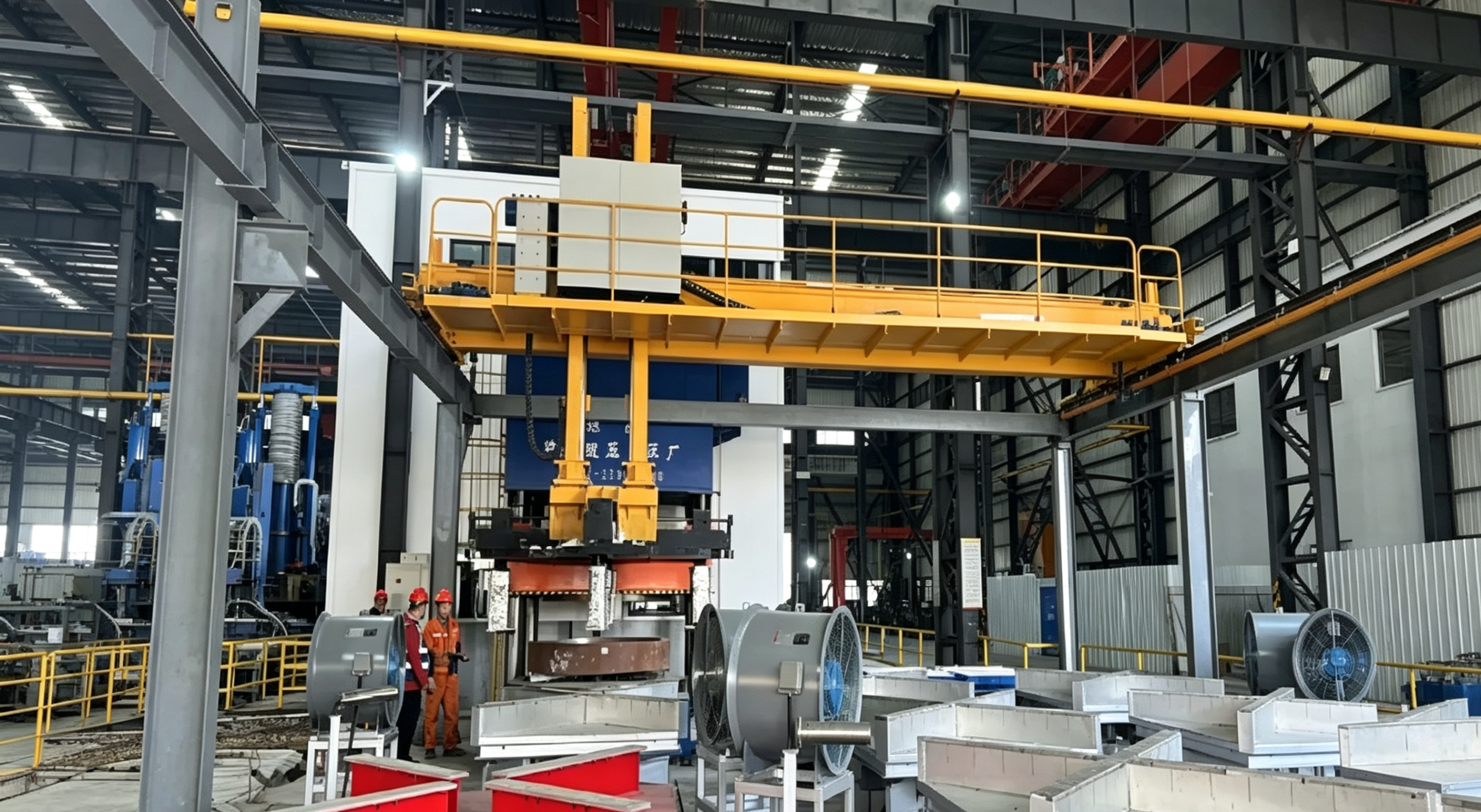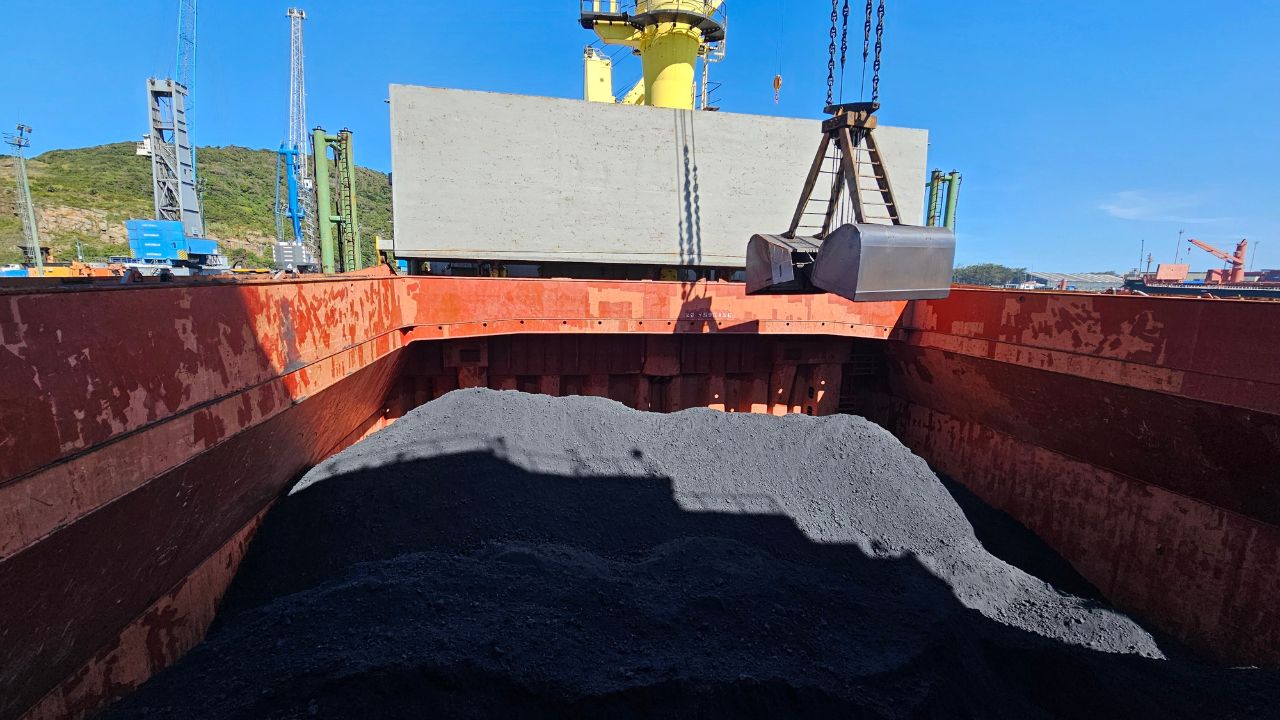
The main components of an overhead crane include the main girder, end carriages, electric hoist, hook and lifting attachments, runway system, trolley, control system, and travel mechanisms. This guide will teach you how to select the main overhead crane components when purchasing a complete crane, and how to maintain, repair, and replace these components after the crane is put into service.
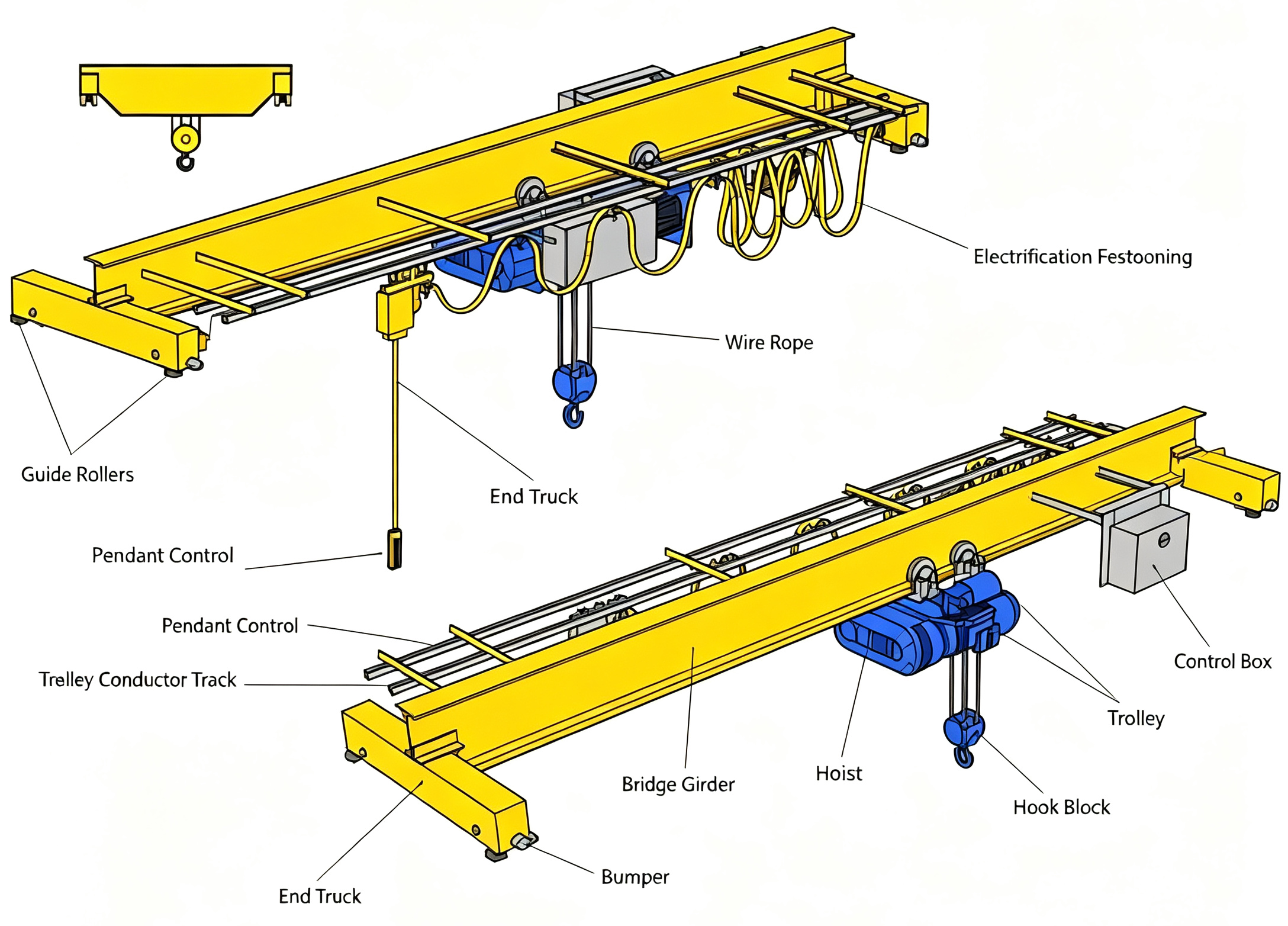
Understand the basic parameters
Before selecting specific components, you need to determine the basic parameters of the bridge crane. Your lifting capacity, span, lifting height, duty cycle, and operating environment will all influence the choice of components.
Lifting Capacity
You should first determine the maximum load you need to lift. For example, you may need a 5-ton, 10-ton, 20-ton, or 30-ton overhead crane. However, you should not choose the hoist only because its rated capacity matches your maximum load.
You also need to consider how often you lift heavy loads. If you regularly operate close to the rated capacity, you may need components designed for a higher duty level.
Span and Lifting Height
Your crane span is the distance between the runway rails. You should provide the manufacturer with the actual span required for your building. You also need to confirm your required lifting height. If your hook needs to reach a high working position, you may need a longer wire rope and a suitable hoist configuration.
Before ordering, you should also check the available headroom. Your building may have limited space between the roof and the lifting area, so you need to make sure the crane and hoist will fit your building.
Working Duty
When specifying a crane, you need to inform the supplier of two things:
The number of lifts the crane performs per hour (or per shift), and the proportion of those lifts carried out at or near the rated load. This is to determine the duty class.
Working Environment
You should also describe your working environment before choosing components. For example, your crane may operate in:
- A general workshop
- A warehouse
- A steel plant
- A dusty factory
- A high-temperature area
- An outdoor yard
- A cleanroom
Different environments may require different electrical protection, motors, materials, coatings, or other configurations.
How to Choose the Main Components
Main Girder
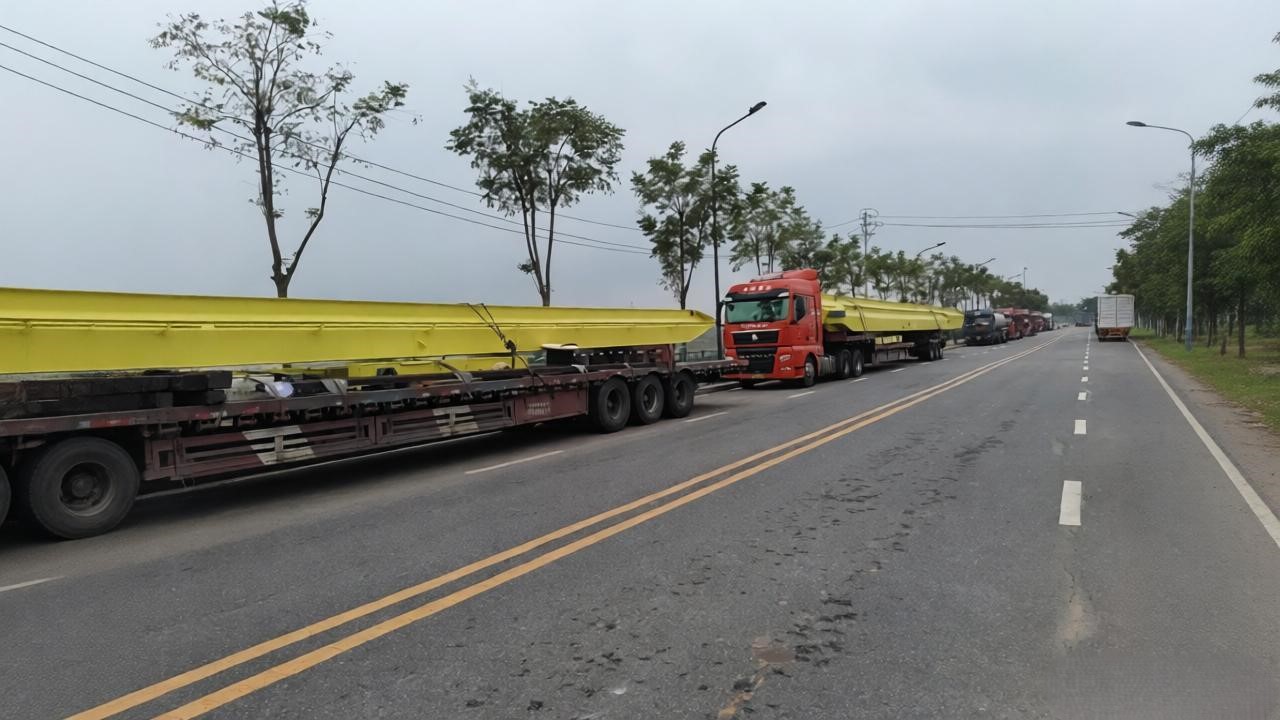
The main girder supports the lifting load and transfers the load to the end carriages and runway system. You normally need to consider the crane capacity, span, duty class, and available headroom when selecting the girder.
For a lighter-duty application, you may use a single-girder overhead crane. For heavier loads, longer spans, or more demanding applications, you may need a double-girder eot crane configuration.
You should not make this decision based only on tonnage. You also need to give your supplier the span, lifting height, working frequency, and so on, so the girder can be designed for your actual application.
Hoist
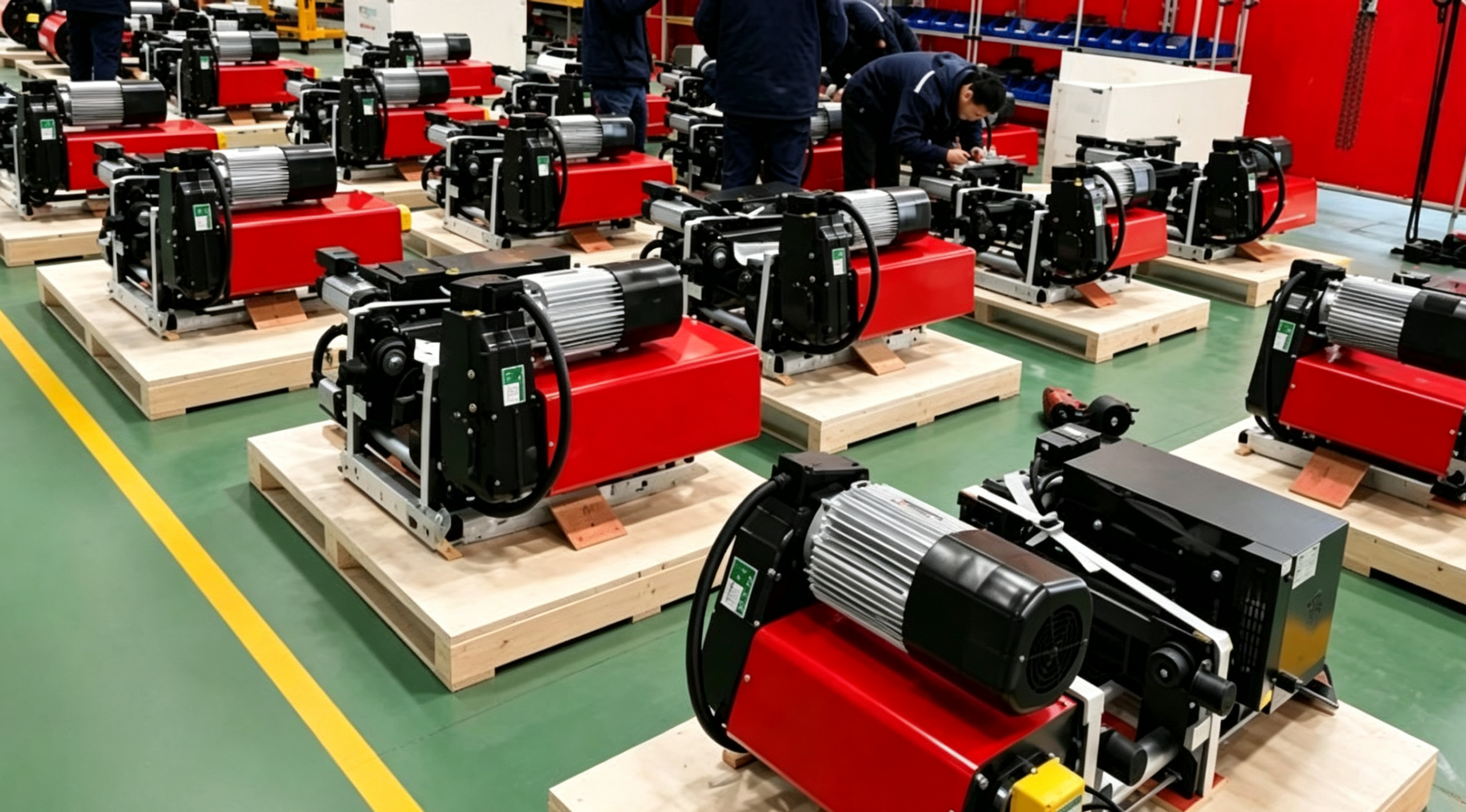
The hoist is one of the most important components because it performs the up-and-down lifting operation. When you select a hoist, you should check more than its lifting capacity. You also need to confirm:
- Rated lifting capacity
- Lifting height
- Lifting speed
- Working duty
- Motor power
- Brake type
- Limit switch
- Wire rope or chain
- Power supply
- Control method
For example, if your crane has a 10-ton lifting capacity but you need a 12-meter lifting height, you should make sure the selected hoist can provide both the required load capacity and lifting height. You should also check whether the hoist’s working class matches your actual lifting frequency.
Hook and Lifting Attachments
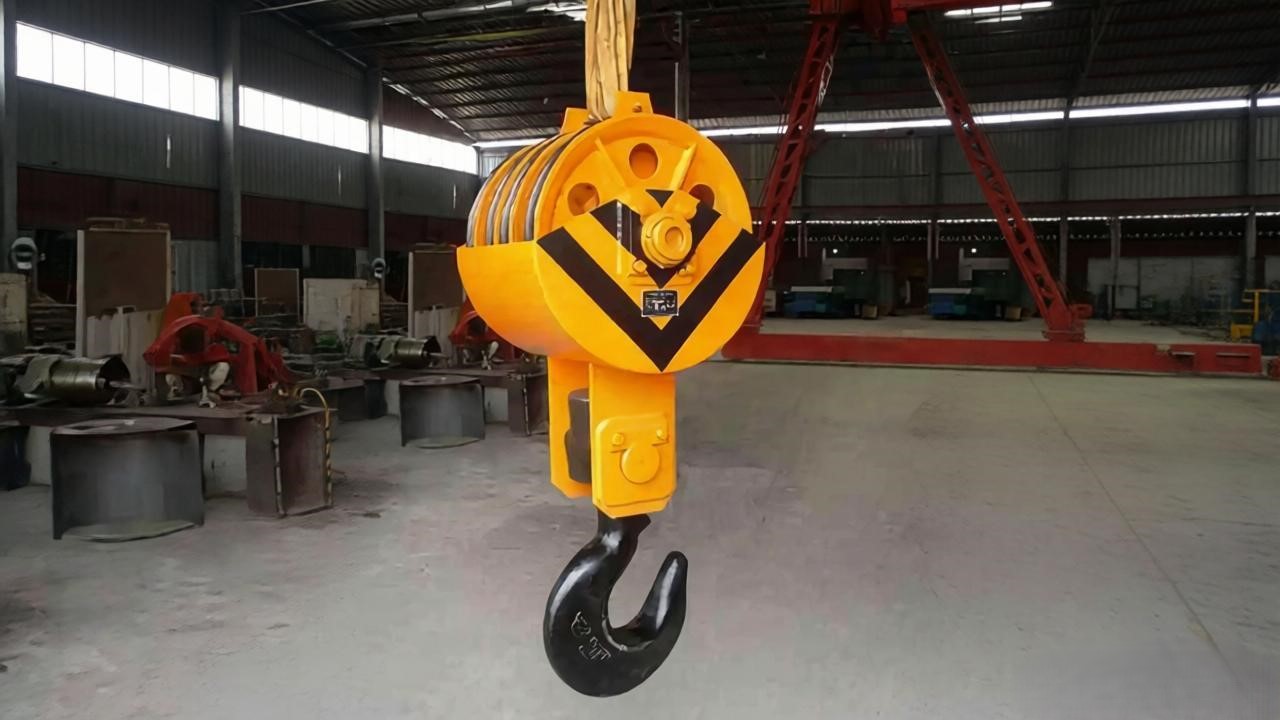
The hook is the part that connects the crane to the load. Your choice should depend on the type, shape, weight, and lifting method of the materials you handle. You should check the hook capacity, hook type, hook opening, hook block configuration, and the way the load will be connected.
For general material handling, a standard hook may be sufficient. However, your application may require a special lifting attachment for long, wide, heavy, or irregular loads. Common lifting attachments include: standard hook, double hook, magnet, grab bucket.
You should choose the attachment according to the load you actually lift. For example, you may use a C-hook for steel coils, a grab bucket for bulk materials, a magnet for steel plates, or a lifting beam for long loads.
Trolley
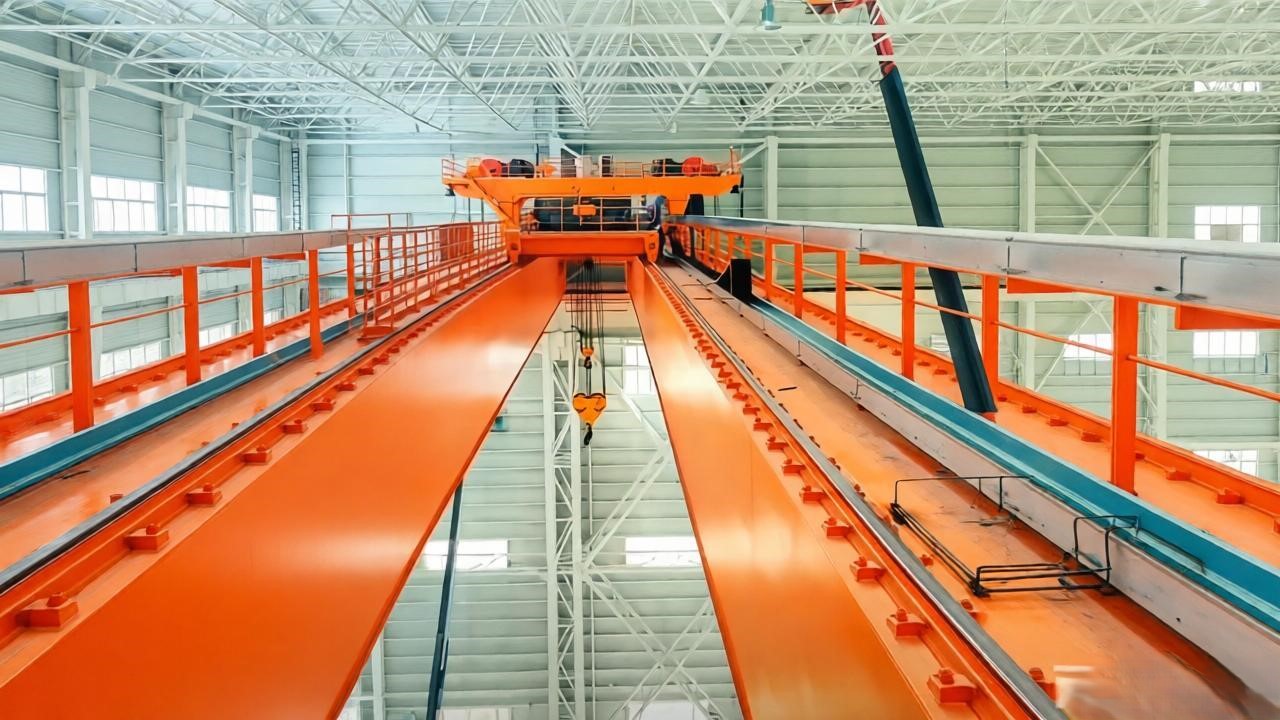
The trolley moves the hoist horizontally along the bridge girder. You need to make sure your trolley is compatible with the selected hoist and crane structure.
You should check the trolley’s:
- Rated load
- Travel speed
- Wheel configuration
- Motor and gearbox
- Rail or flange dimensions
- Working duty
If you require accurate positioning, you may also consider variable frequency control so you can adjust the travel speed more smoothly.
End Carriages
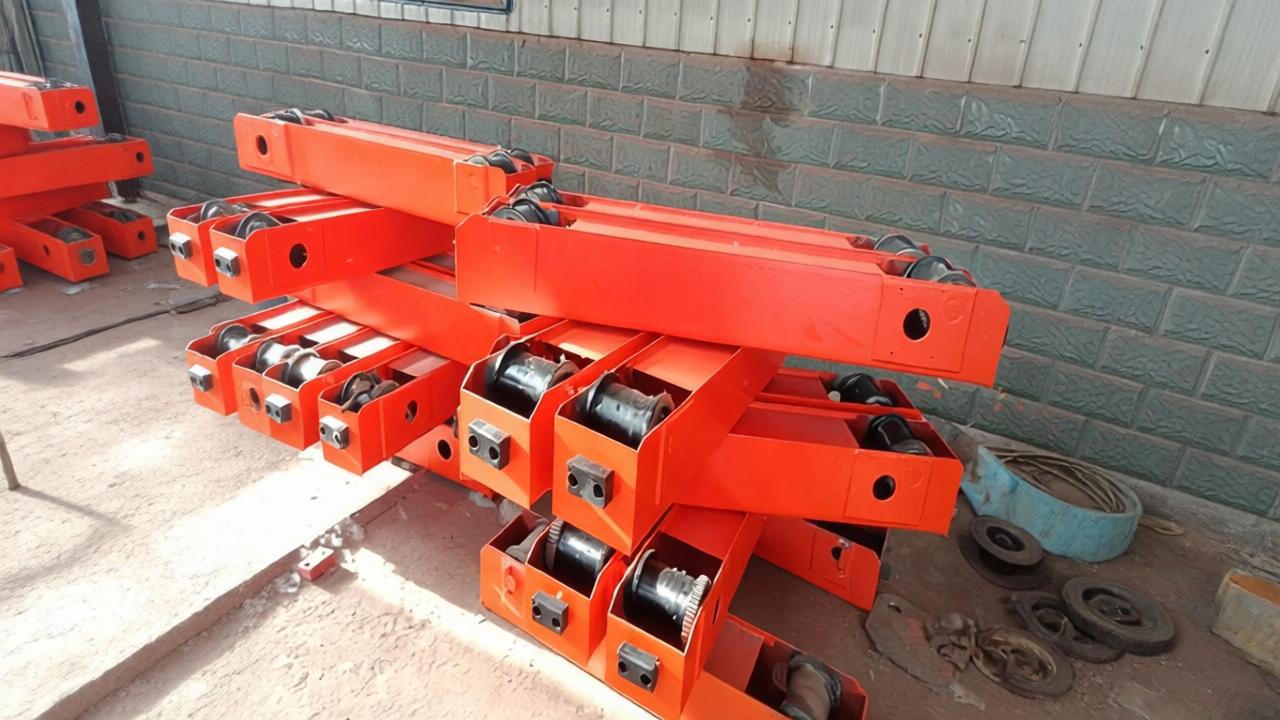
The end carriages support the bridge girder and allow the crane to travel along the runway. When you choose end carriages, you should check the wheel diameter, wheel material, wheel load, travel speed, motor, gearbox, and wheel alignment.
You should also confirm that the end carriage dimensions match your runway rails. If you are buying the complete crane from one manufacturer, you should ask the supplier to confirm the compatibility between the bridge girder, end carriages, wheels, motors, and runway system.
Electrical System
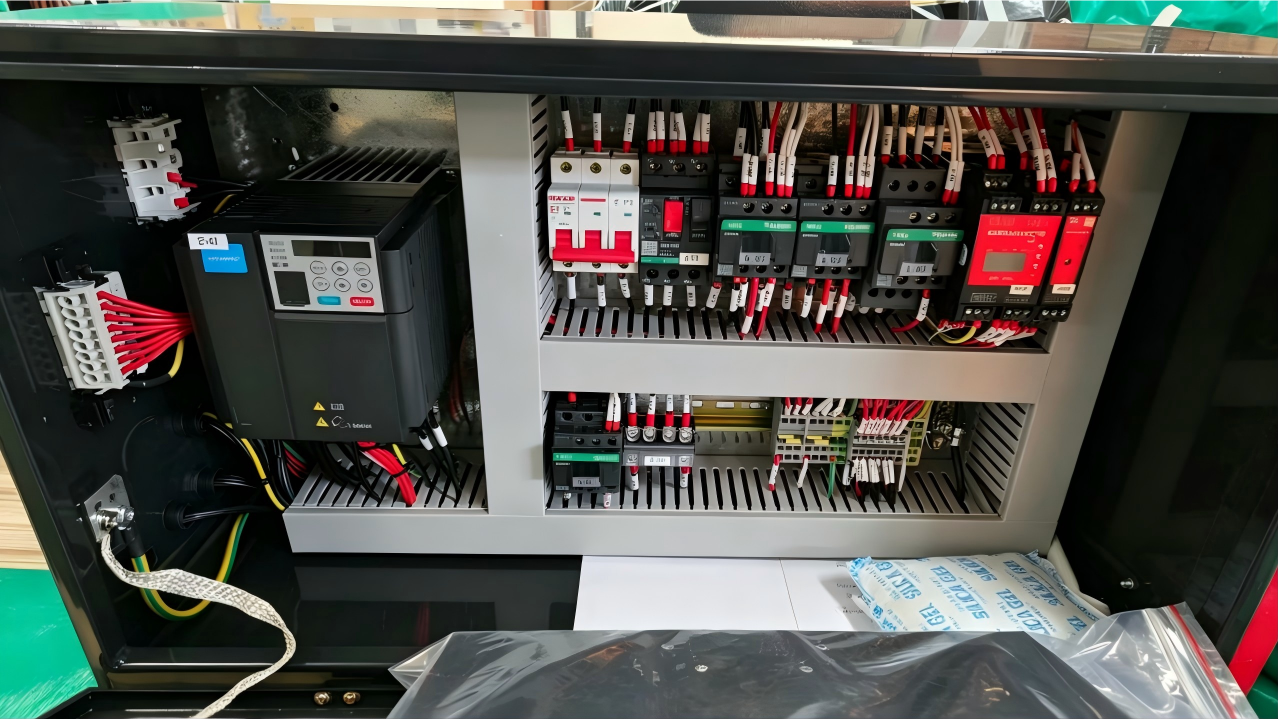
Your electrical system should match the power supply available at your site.
Before ordering, you should confirm:
- Voltage
- Frequency
- Motor power
- Control voltage
- Protection rating
- Control method
- Cable system
You may use pendant control, radio remote control, or a combination of different control methods depending on your application. If you need smoother starting and stopping, you can also ask your supplier about variable frequency drives.
Safety Components
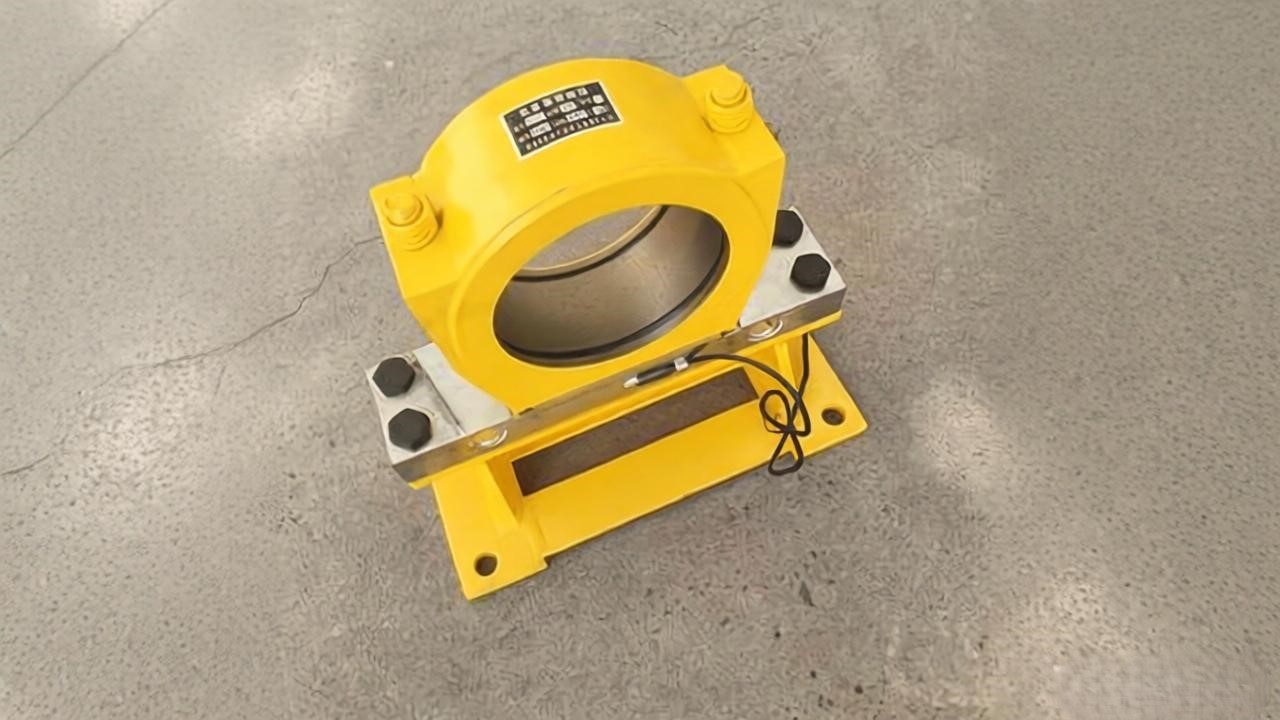
You should also check the safety devices included in your crane configuration.
Common safety components include:
- Upper and lower limit switches
- Overload protection
- Emergency stop
- Travel limit switches
- Buffers
- Warning devices
You should ask your supplier to list these components clearly in the technical quotation instead of assuming that every safety device is included.
Runway System
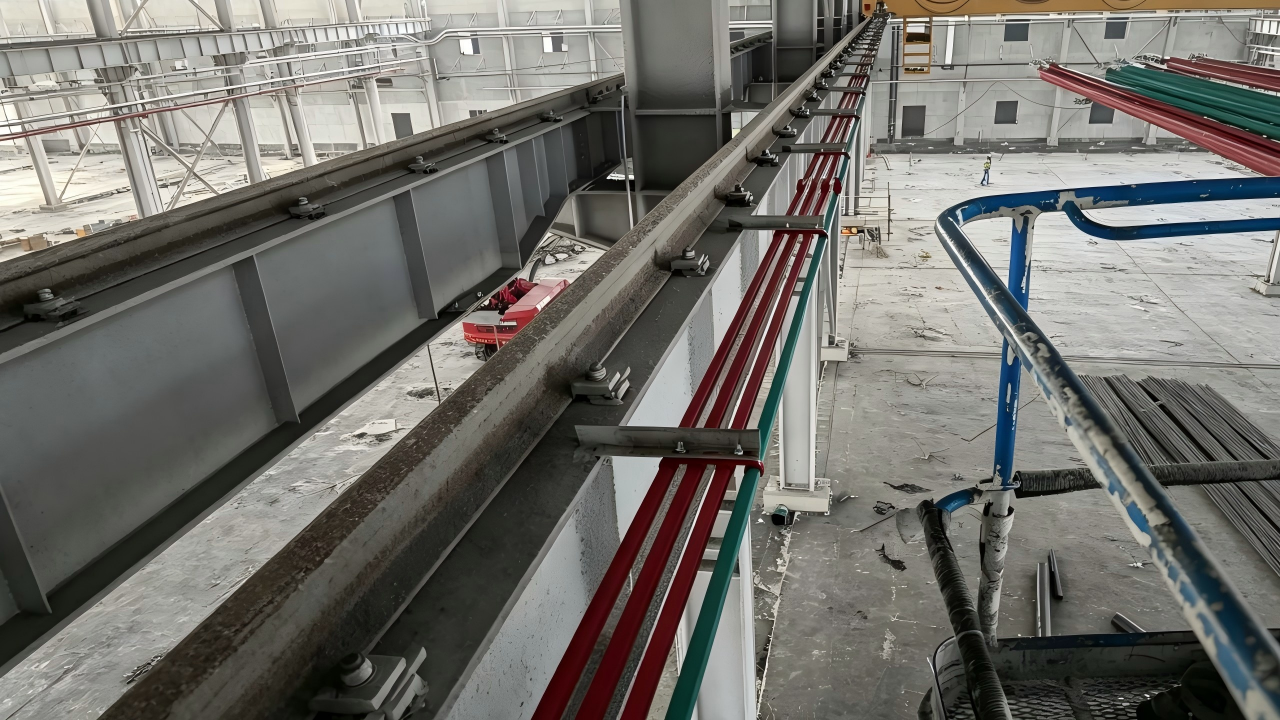
The runway system supports the crane and provides the path for the end carriages to travel. You should treat it as an important part of your new overhead crane project rather than as an optional accessory. When choosing a runway system, you should check:
- Runway rail type
- Rail size
- Runway length
- Rail gauge
- Supporting structure
- Brackets and connections
- Runway alignment
- Power supply system
Your overhead crane and runway system need to work as one system. You should confirm the rail gauge, wheel dimensions, wheel load, and runway length before production starts.
If you already have a runway system, you should provide your supplier with the rail size, rail gauge, runway length, and available drawings. The manufacturer can then check whether the new crane is compatible with your existing runway.
You should also check the supporting structure before ordering. If the runway is attached to your building structure, you need to make sure the columns, brackets, and connections can support the required loads.
Components You Should Prepare for Installation
After you have selected the crane components, you should also prepare your site for installation. You may need to prepare the runway system, power supply, supporting structure, electrical connection, and installation area.
You should ask your supplier for installation drawings and foundation or runway requirements before the crane arrives. If you need installation support, you should also confirm whether the manufacturer provides on-site installation, remote guidance, or commissioning support.
Checklist Before You Order A Complete Overhead Crane
If you are purchasing a complete crane assembly, you should verify the following points before placing your order. Confirming these details prior to the start of production
can help minimize misunderstandings between you and the crane supplier.
- Lifting capacity
- Crane span
- Lifting height
- Working frequency
- Duty class
- Working environment
- Main girder configuration
- Hoist model
- Trolley configuration
- End carriage
- Hook and lifting attachments
- Electrical system
- Runway system
- Safety devices
- Component brands and models
- Spare parts
- Installation scope
- Testing and commissioning
- Transportation
Maintenance of Key Components of Overhead Cranes
Maintenance can reduce abnormal wear and help maintain stable crane performance. The main maintenance tasks for the components are as follows.
Main Girder Maintenance
The main girder should be inspected for visible dents, bulges, corrosion, and other structural abnormalities.
Do not rely on visual inspection alone for structural assessment. Periodic measurements may be required using appropriate tools and procedures.
Pay particular attention to welds and areas showing signs of cracking or deformation.
If a crack or significant structural abnormality is found, stop using the affected equipment as required and arrange an assessment by the manufacturer or qualified engineering personnel.
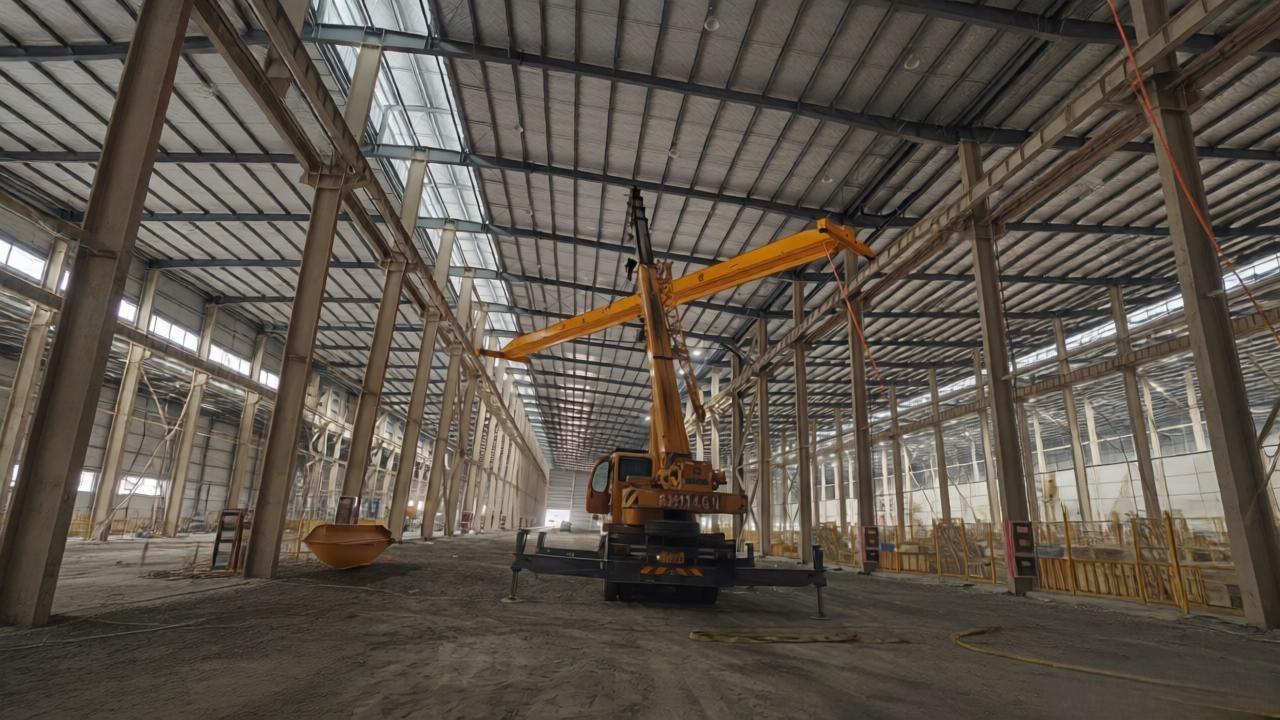
End Carriages (End Trucks) Maintenance
There are typically two end carriages connecting the bridge structure to the crane’s travel wheels. During maintenance, check:
- Bolts and structural connections
- Wheel condition
- Wheel alignment
- Abnormal travel
- Bearing condition
- Signs of corrosion or contamination
If the workshop contains large amounts of dust, moisture, or iron filings, keep the end carriage area clean to reduce contamination around bearings, threaded connections, and moving components.
Hoist Maintenance
Electric hoists may use wire rope or load chain as the lifting medium. The hoist is frequently operated and therefore requires regular attention. For gearboxes that use lubricating oil, check the oil level and condition according to the manufacturer’s maintenance instructions.
Also inspect the drum or chain sprocket for abnormal wear or deformation. For wire-rope hoists, inspect the wire rope, drum, rope arrangement, and reeving system. For chain hoists, inspect the load chain and sprocket arrangement according to the manufacturer’s criteria.
Wire Rope or Load Chain Maintenance
Wire rope and load chain are load-bearing lifting components and should be inspected according to the manufacturer’s instructions and applicable standards.
For wire rope, look for:
- Broken wires
- Corrosion
- Crushing
- Flattening
- Birdcaging
- Other deformation
For load chain, look for:
- Deformation
- Cracks
- Corrosion
- Abnormal wear
- Damaged links
- Abnormal engagement with the sprocket
Do not use a general broken-wire number or wear value as a universal discard limit. Removal criteria depend on the rope or chain specification, application, manufacturer, and applicable standard. If the condition reaches the specified removal criteria, the component must be removed from service.
Hook and Lifting Attachments Maintenance
Before operation, inspect the hook and latch for visible abnormalities.
The hook latch helps retain the sling or lifting attachment in the hook throat under slack conditions. The hook—not the latch—must support the load.
Check the hook for:
- Deformation
- Cracks
- Excessive wear
- Abnormal throat opening
- Corrosion
- Damaged latch
For rotating hooks or hook blocks, inspect the rotation or movement according to the hook or hook-block design and manufacturer’s instructions. Do not assume that every hook must rotate freely under load.
If a hook or lifting attachment reaches the manufacturer’s or applicable standard’s removal criteria, stop using it and replace or otherwise dispose of it according to the required procedure.
Brakes Maintenance
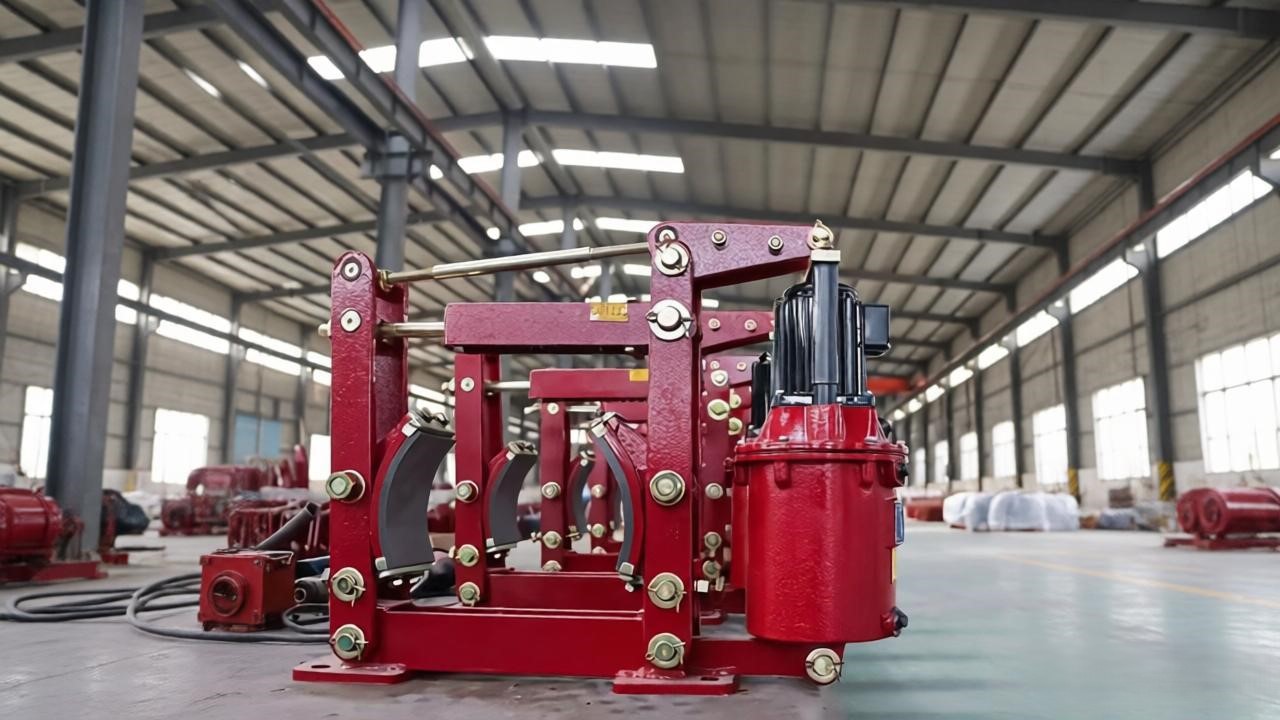
Brake maintenance should not be based only on whether the friction lining appears to have remaining thickness. Check the complete brake system, including:
- Brake performance
- Brake clearance
- Friction surfaces
- Springs
- Electromagnetic or mechanical components
- Contamination
- Adjustment
- Manufacturer-specified limits
If the brake cannot provide the required stopping or holding function, the crane should not continue normal operation until the problem has been assessed and corrected by qualified personnel.
Control System Maintenance
Control system maintenance includes checking the applicable pendant station, cab controls, radio remote, emergency stop, and control cabinet. With power isolated according to the site’s procedure, inspect:
- Loose terminals
- Oxidation
- Dust accumulation
- Damaged cables
- Conductor rails
- Current collectors
- Signs of arcing or overheating
Runway System Maintenance
The runway system requires inspection, cleaning, alignment checks, and corrosion control according to the applicable maintenance plan.
Remove welding slag, metal fragments, and other debris from the rails.
Check rail bolts and clamping plates for movement or looseness.
If the rail shows cracking, serious damage, or abnormal alignment, the crane should not continue operating until the condition has been assessed.
Trolley Maintenance
Before operation, observe the trolley for:
- Wobbling
- Stuttering
- Abnormal noise
- Abnormal travel
- Uneven movement
These symptoms may indicate wear or misalignment and should be investigated.
Wheel bearings and power-transmission components should be lubricated according to the manufacturer’s instructions.
Also check bolts and structural connections because repeated crane movement and vibration can gradually loosen fasteners.
Key Points for Overhead Crane Component Repair
A component does not automatically need to be replaced whenever a problem is detected. Some conditions, such as looseness, contamination, incorrect adjustment, or insufficient lubrication, may be corrected through appropriate maintenance. Possible actions may include:
- Tightening
- Cleaning
- Lubrication
- Adjustment
- Alignment
- Replacement of seals
- Replacement of damaged subcomponents
However, the appropriate action should be determined after inspection and according to the manufacturer’s criteria.
Possible Actions After Inspection
| Component | Possible Action | Conditions to Confirm | Who Decides | Do Not Reuse When |
| Fasteners | Retighten or replace | Check fracture, elongation, thread condition, and required torque | Qualified personnel as required | Fastener is damaged or outside specified condition |
| Bearings & couplings | Lubricate, adjust, or replace | Check lubrication, seizure, noise, wear, and alignment | Qualified personnel as required | Seized, cracked, or otherwise outside limits |
| Brake assembly | Adjust, clean, repair, or replace | Check complete brake performance and manufacturer limits | Qualified personnel | Required braking function cannot be achieved |
| Gearbox | Inspect, repair, reseal, or replace | Check oil, seals, breather, shaft, bearings, sealing surfaces, and contamination | Qualified personnel | Gears or other critical components are damaged beyond permitted condition |
| Control cabinet & terminals | Clean, tighten, repair, or replace | Power must be isolated; inspect terminals and electrical components | Authorized electrical personnel | Burned or damaged components cannot meet requirements |
| Rails & rail clips | Tighten, clean, de-rust, repair, or replace | Check alignment, rail condition, clips, and fasteners | Qualified personnel | Cracks or serious damage are present |
| Rail scrapers & guards | Repair or replace where permitted | Check whether deformation affects function or clearance | Qualified personnel | Damage affects safe operation or manufacturer limits |
Key Points for Bridge Crane Component Replacement
Bridge crane components may sustain surface damage. The method for addressing cracks depends on the component type and applicable standards. If you discover a crack, you must immediately stop using the part and conduct an evaluation. Even if only fine surface cracks are visible, internal metal fatigue may be present.
Common issues include: hook latches being forcibly pried open; the number of broken wires in the steel wire rope exceeding limits set by applicable standards or the manufacturer; metal spalling on wheel treads; and defects in welds.
If a component reaches the service life limit specified by the manufacturer, it must be replaced in accordance with relevant regulations, even if it appears to be functioning normally. This requirement is particularly applicable to components subjected to high-frequency cyclic loads. You should decide based on site conditions and the results of the engineering assessment. Compared to repeated adjustments or repairs. targeted replacement helps reduce unplanned downtime.
How to Safely Replace Crane Components
Before performing any replacement work, you must isolate all hazardous energy sources and execute the “Lock-Up and Tag” (LOTO) procedure. You must verify that the system is shut down and implement control measures to mitigate risks posed by adjacent overhead cranes or mobile equipment. This work must be performed in accordance with site protocols and relevant standards. It must be carried out by authorized, qualified personnel.
You must verify that the new spare parts match the original components in terms of model, specifications, and operating class. Spare parts may be procured from the original equipment manufacturer or a qualified local supplier. Disassembly and installation must be performed by appropriately qualified professionals. During disassembly, the use of excessive force such as violent hammering or forceful prying is strictly prohibited.
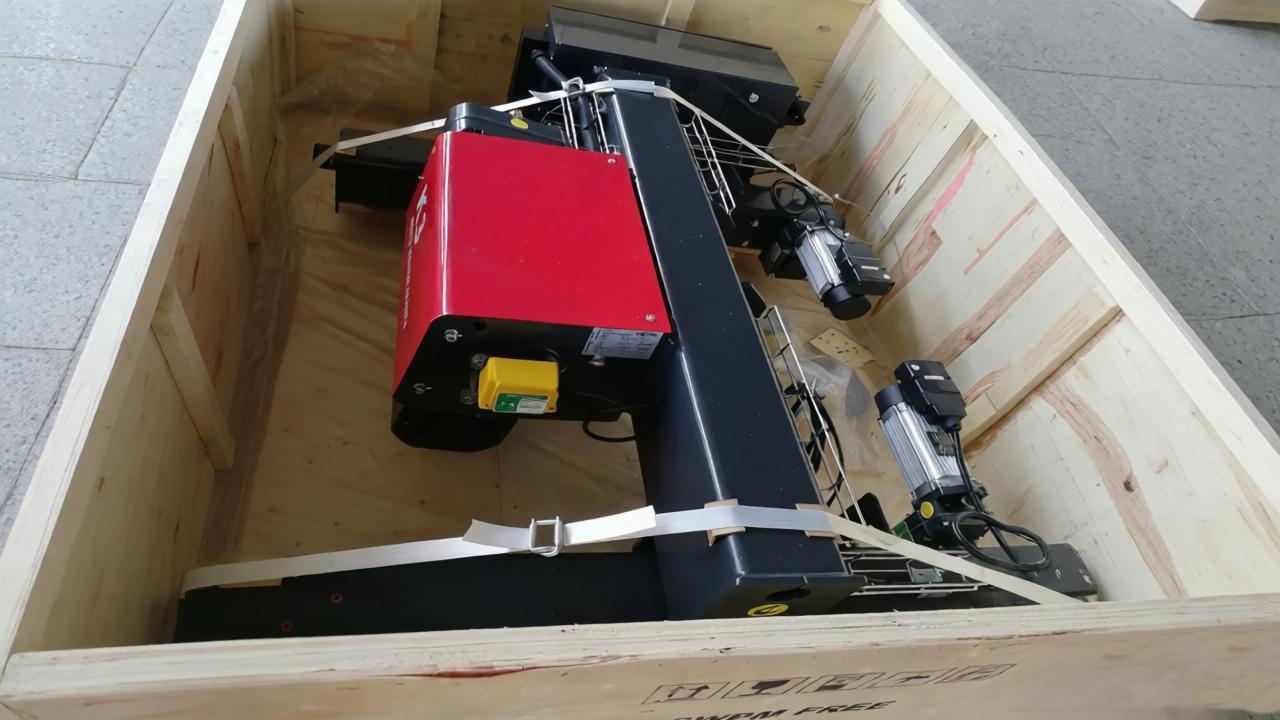
Retain the removed old parts for comparison with the new ones. Exercise caution during disassembly to avoid creating new safety hazards. You should strictly follow the specifications of the component manufacturer during installation. Fasteners, bearings, couplings, and other components must be tightened to the specified torque values. Apply approved lubricants as required. Functional testing must be performed after installation to verify that all safety functions operate correctly.
Upon completion of installation, all inspections and functional tests required by component manufacturers, the crane manufacturer, site procedures, and applicable regulations or standards must be performed. Only after all necessary inspections and tests have been successfully completed may you resume normal crane operation. Complete maintenance records should be properly retained to support future maintenance activities.
FAQ
Why is there such a huge price difference between crane parts that look identical?
You cannot determine whether two crane components share the same technical performance based solely on their appearance. When comparing components, you should verify material grades, heat treatment processes (where applicable), dimensions and tolerances, ratings, operating condition requirements, traceability documentation, test records, warranty terms, and supplier liability. These factors influence the price.
What factors affect the service life of overhead crane components?
Service life depends on the component’s design and quality, operating conditions, load spectrum, frequency of use, environment, and maintenance, as well as applicable standards for use or retirement. You can perform proper maintenance.
This helps reduce abnormal wear and tear and maintain component performance. However, even with maintenance, if the component has reached the retirement or decommissioning criteria specified by the manufacturer or applicable standards, it must not continue to be used.
What happens if a crane component has the wrong duty classification?
Using crane components that do not match the required duty class significantly reduces fatigue resistance. Under cyclic loading, these components are prone to accelerated wear, premature cracking, and sudden fracture. This not only violates relevant standards, but may also lead to frequent downtime later on. Any resulting accidents would pose safety risks and entail corresponding legal liability.
How should idle crane spare parts be stored?
You need to protect spare parts from moisture, dust accumulation, corrosion, impact, and deformation.
Do not place heavy objects on components such as bearings or brakes.
Ensure electrical components are kept away from unsuitable temperatures and damp environments.
You may store parts by category and label them with the following information:
- Part number
- Model
- Specifications
- Purchase date
- Applicable crane or equipment
This ensures the correct parts can be easily identified and located when needed.
Which crane components should not be upgraded or replaced without technical verification?
You should not unilaterally upgrade or replace components that are critical to safety or load-bearing functions based solely on factors such as appearance or rated load.
Such components include:
- Main girders
- End carriages
- Hook assemblies
- Brakes
- Hoist drums
- Wheels
- High-strength structural fasteners
- Safety-related devices
Replacing these components may affect load paths, wheel loads, structural stresses, clearances, electrical functions, or safety functions. Any such modification requires verification by a qualified engineer prior to installation.
Dingya Cranes | Expert Spare Parts Guidance to Minimize Downtime
Choose Dingya cranes. All supplied components comply with applicable performance and regulatory standards for overhead cranes. We offer technical guidance for spare part selection, and support maintenance and component replacement to mitigate typical procurement risks. Our recommendations aim to improve equipment safety and extend service life, reduce potential downtime, and deliver consistent technical support for your factory lifting operations, subject to the agreed service scope and site conditions.