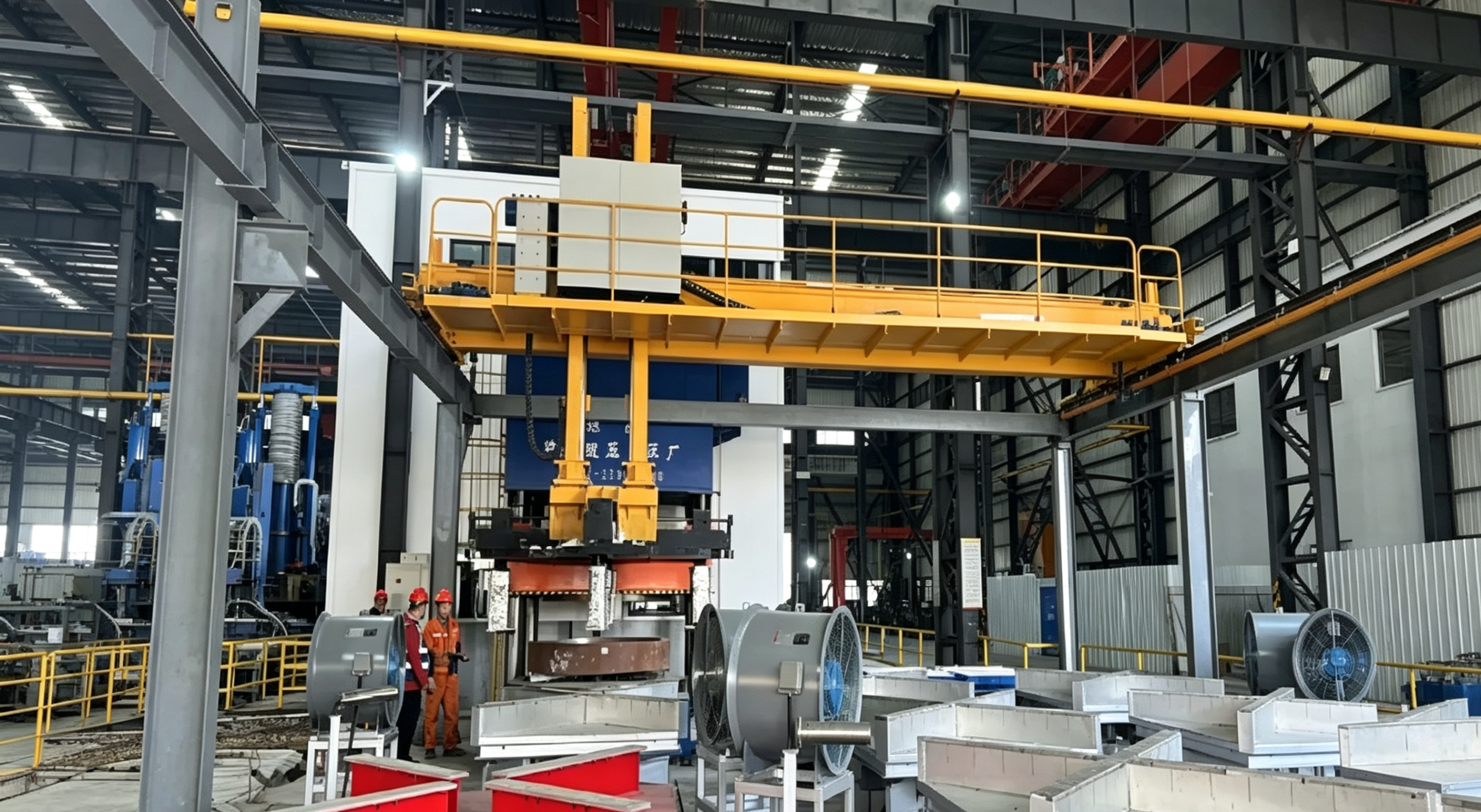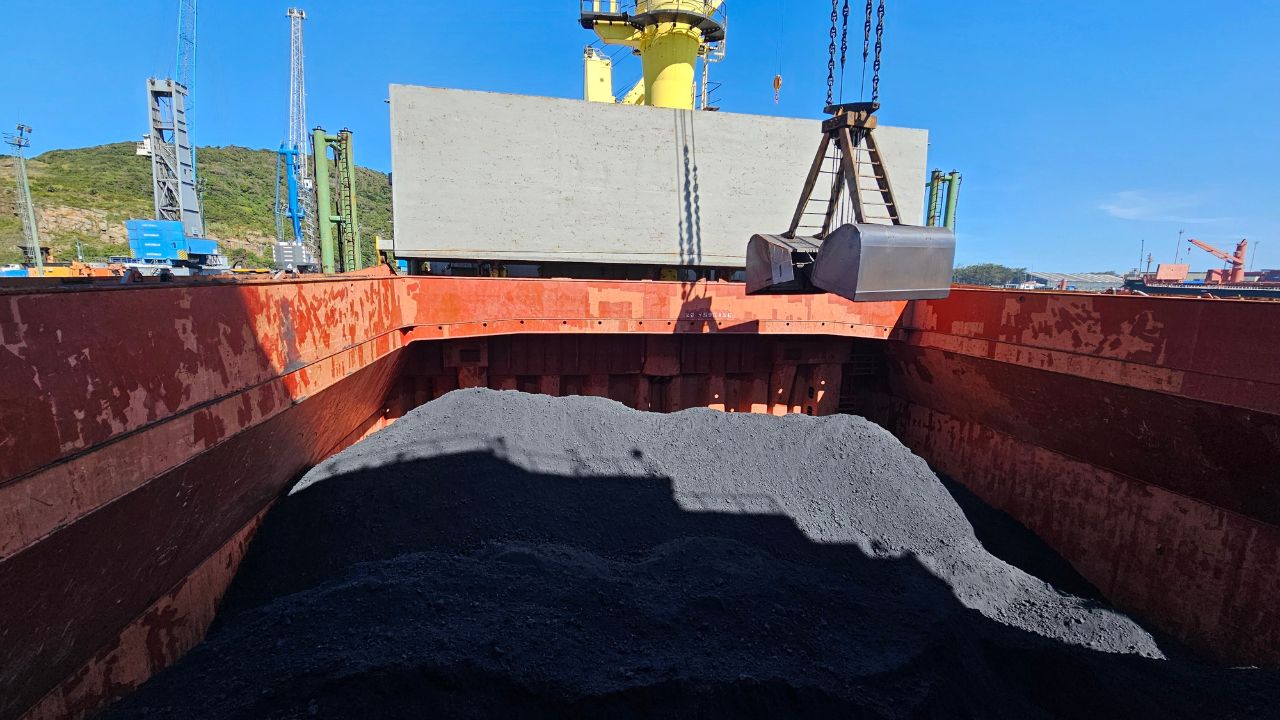
Cranes rely heavily on electric hoists during lifting operations. Electric hoists consist of many components, such as hooks, chains, ropes, braking systems, and control systems. Failure to inspect electric hoists can lead to unexpected malfunctions, causing production line shutdowns. This article will teach you how to inspect electric hoists, helping you identify problems early.
Electric Hoist Inspection Checklist
The safety of an electric hoist depends on the health of every component. During a safety inspection, you need to check every critical part. Only then can potential problems be detected in time. The inspection of an electric hoist includes the following parts: hook, wire rope or chain, braking system, control system, motor, and electrical components.
Inspect the Hook
You should pay close attention to the electric hoist hook during routine inspections. The main thing to check is whether there are cracks or deformations on the surface. If any of these problems are found on the hook, do not attempt to disassemble or repair it yourself. Have it inspected by a professional. Replace the hook parts if necessary. Refer to the table below for the main inspection items for the hook:
| Check Item | Abnormal Phenomena |
| Hook body | Cracks, bending |
| Hook opening | apparent increase of the hook throat opening |
| Hook latch | Missing or damaged latch |
| Hook rotation | Difficult movement or unusual resistance to operation |
Inspect Chain or Wire Rope
The chains and wire ropes are tens of meters long. Therefore, you must fully extend them to check for signs of wear and breakage. The following sections explain the inspection points for chain hoists and wire rope hoists separately.
The following is a checklist of items to be checked when using a chain hoist.
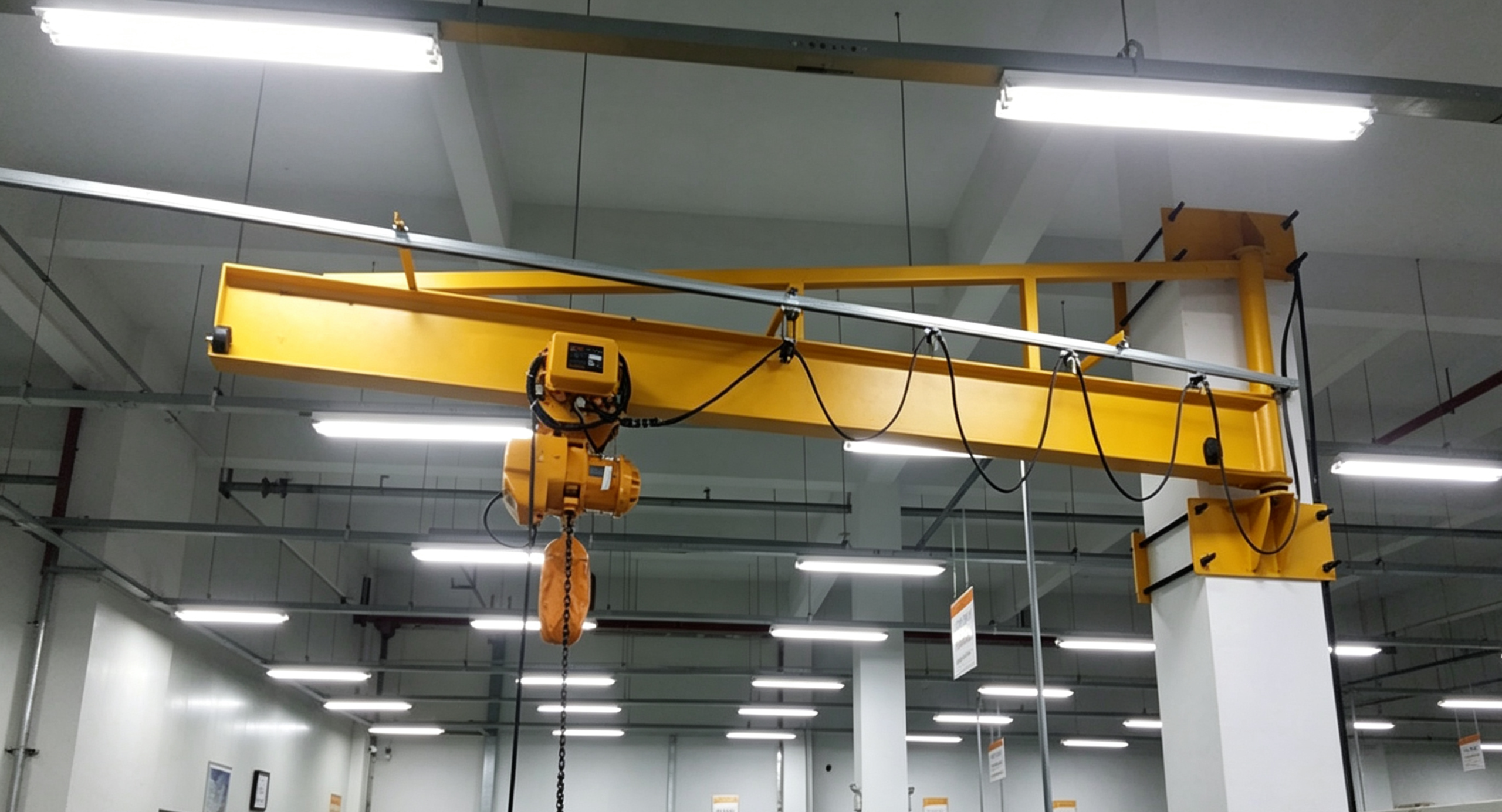
| Inspection area | Inspection Content | Consequences |
| Links one by one | Pay close attention to both sides for wear, thinning, or dents. | Reduced load-bearing capacity. Chain is prone to breakage, causing heavy objects to fall |
| Chain length | Measure the total length of the chain when unloaded. | Exceeding the original standard length. Indicates chain damage |
| Link surface | Check for cracks, rust, and corrosion on the surface. | Anomaly present. Indicates weakened metal strength. |
| Chain deformation | Check for twisting, bending, or other defects in sections. | Reduced load-bearing capacity of chain segments. Prone to breakage. |
| Chain and sprocket meshing | Raise and lower the chain when no load to check for any uneven operation or slippage. | Component misalignment. Extremely high risk of suspended objects falling. |
The following is a checklist of items to be checked when using a wire rope hoist.
| Location | Inspection Content | Consequences |
| Wire rope length | Check for any broken steel wires. | Too many broken wires can easily lead to accidental breakage. |
| Rope body | Check the entire steel wire rope for any hard bends, flattening, or dents. | Damaged internal steel wires are prone to breakage. |
| Wire rope surface | Inspect all surfaces of the wire rope for cracks, rust stains, and corrosion. | Corrosion thins steel wires, reduces load‑bearing capacity, and brings fracture risks. |
| Wire rope diameter | Check the surface for cracks, rust, and corrosion. | The steel wire has corroded and thinned. Easily broken |
| Drum | Ropes misplaced | This will cause the rope to come off. |
Inspect the Brake System
You pressed the pause button while using the wireless remote control during the lifting process. The electric hoist should stop immediately. This is because the braking system is working. It can securely lock heavy objects in place. There will be no slippage. If the braking system malfunctions, it won’t be visible to the naked eye. A professional mechanic needs to perform the testing. The checklist for the braking system is as follows:
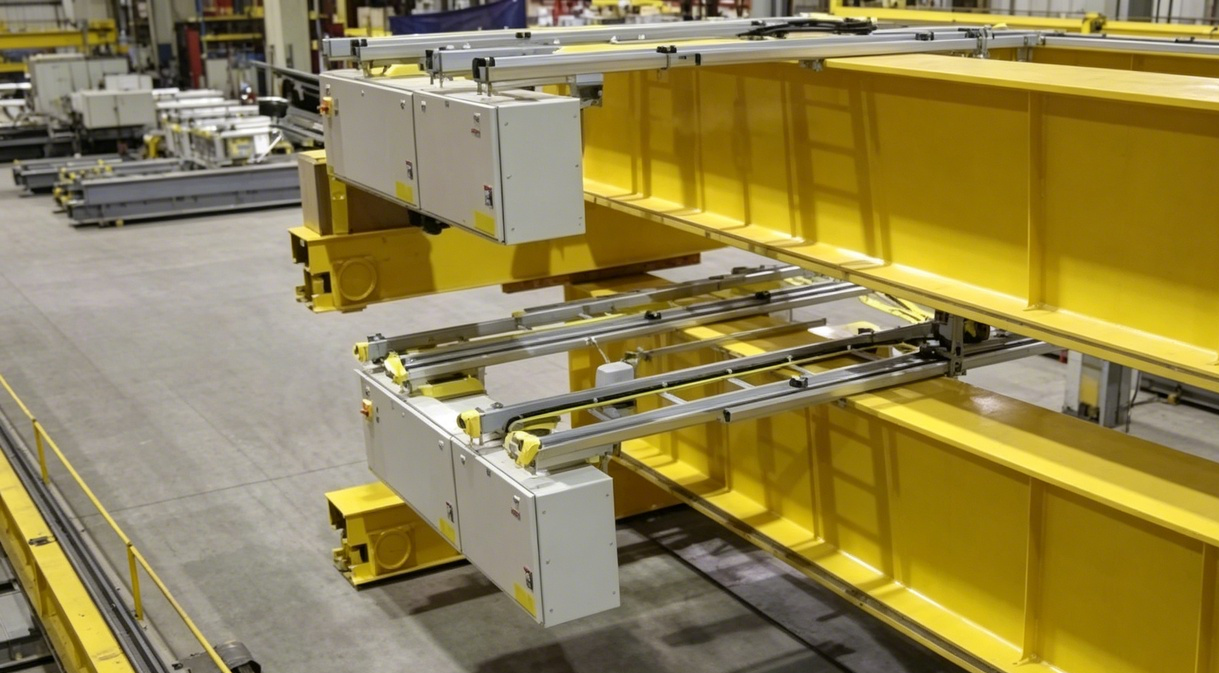
| Inspection Item | Inspection Content | Fault symptoms |
| Locking performance | Hoist the heavy object into the air. Observe whether the heavy object will slowly slide down uncontrollably. | When the stop button is pressed, the weight begins to slide down. |
| Start‑stop sensitivity | Press the start and stop buttons. Observe the sensitivity. | Slower response speed |
| Abnormal noise | During the lifting operation, observe for any shaking or friction sounds. | Abnormal shaking, piercing sound |
| Two‑time brake test | One no-load test and one full-load test. Test the brakes’ performance separately. | Brakes slip, unable to lock the object |
| Brake pads and surrounding parts | Check the wear and tear of brake pads and brake liners. | The surface has deep grooves worn into it, or the brake pads have become thinner. |
Inspect the Control System
When you need to lift and lower heavy objects, you’ll need the electric hoist’s control system.
It should be able to handle up/down/left/right movement/emergency stop/start. The buttons must not malfunction. Slow reaction time and incorrect direction. Each function needs to be tested in practice. The checklist for the control system is as follows:
| Inspection area | Inspection Content | Fault symptoms |
| Outer casing | Check the controller housing for damage and loose parts. | Missing parts |
| Press each operation button | Check if it’s smooth to press. Check if it springs back immediately when released. | The button is stuck, cannot be pressed, or does not bounce back. |
| Emergency‑stop function & control response speed | Press the emergency‑stop button and verify equipment shutdown. | Slow reaction time |
| Control switches | Inspect all switches on the control panel. | Switch to the indicated position. However, it doesn’t actually correspond to the function. |
| Control cable | Inspect the condition of the outer skin from beginning to end. | Insulation layer cracks, exposed copper wires, and damaged outer sheath. |
Electric Hoist Inspection Frequency
During repeated lifting operations, all major components will gradually experience metal fatigue. If regular inspections are not performed, these hidden dangers will accumulate and worsen, leading to production disruptions. Therefore, regular inspections of electric hoists are crucial.
Check before each day’s homework
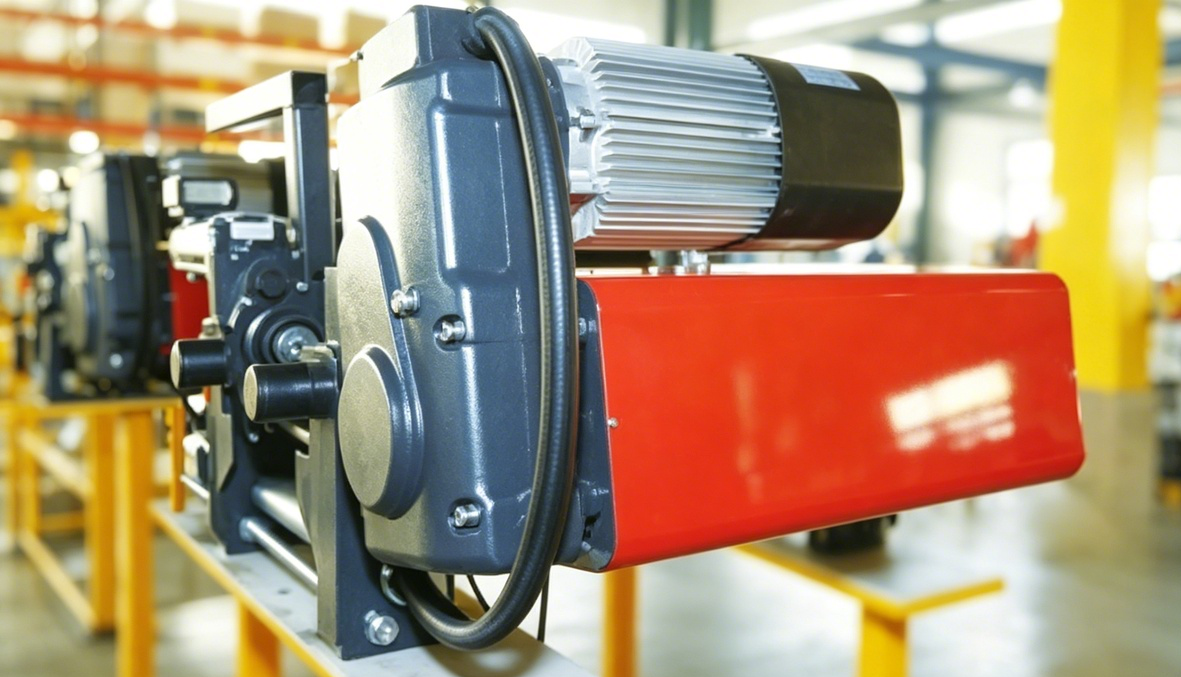
Operators must check the equipment before starting work each day. It’s not enough to just look at it with your eyes. Check for any abnormalities on the exterior of the equipment. Also need to do a simple test to see if each button and safety component works properly. If there is an obvious malfunction, stop work immediately for inspection and repair to prevent accidents.
End-of-month inspection
You need to check the appearance of the electric hoist at the end of each month. Check for signs of loose screws. The wheel axle, drum, wire rope, and pulley system all need to be lubricated.
Test the control and braking systems for any abnormalities. The cable sheath must also be free of damage. The trolley should move smoothly, etc. Then record and archive the evaluation conclusions.
Year-end inspection
Year-end inspection, using tools as needed. You will need to use measuring tools such as calipers to check the actual dimensions after wear. Additionally, a flaw detector is needed to scan the hook. Inspect for small internal cracks.
Check that the limit switches, emergency stop button, and overload protection of the electric hoist are in their set positions. You need to adjust them to the standard settings.
Compile all the data from the previous checks. Use all the data to make a comprehensive judgment on whether the electric hoist is ready to operate. Finally, record and archive the evaluation results.
FAQ
What tools are needed for an electric hoist inspection?
-scaled.png)
The tools you will need include a measuring tape, a magnifying glass, an insulation tester, a torque wrench, a , a notebook, and inspection forms. A measuring tape can be used to measure the actual distance after wear. A magnifying glass can clearly show the actual condition of broken wires in a steel wire rope.
And instability such as small grooves that are difficult to observe with the naked eye.An insulation tester can check for leakage or short circuits. Torque wrenches are used to inspect various screws and fasteners. Test weights can be used in testing experiments.
Can I use an electric hoist if it fails inspection?
This electric hoist fails inspection and must never be used. The equipment itself poses a safety hazard. You must immediately stop the machine for inspection or replace any damaged parts. Label it to prevent others from using it. Professional repairs are required. The machine can only be put back into operation after it has passed a complete re-inspection.
Does the working environment affect electric hoist inspection?
Yes, routine inspections are only applicable to ordinary indoor workshop environments.
If the environment is very harsh, for example, if you are using an electric hoist outdoors in corrosive or high-temperature environments, the inspection cycle will need to be increased accordingly. Additional items such as corrosion and dust accumulation can be added. Specific inspection standards need to be flexibly adjusted according to the site environment.
Can inspection findings be used to plan electric hoist maintenance?
Yes. After each gourd inspection, a written record must be kept. The records document the status of each component. You review these inspection logs.
Follow up with targeted maintenance and repairs. Instead of waiting until the equipment breaks down to address it. Identify potential problems early by keeping records.
Should a newly installed electric hoist be inspected before operation?
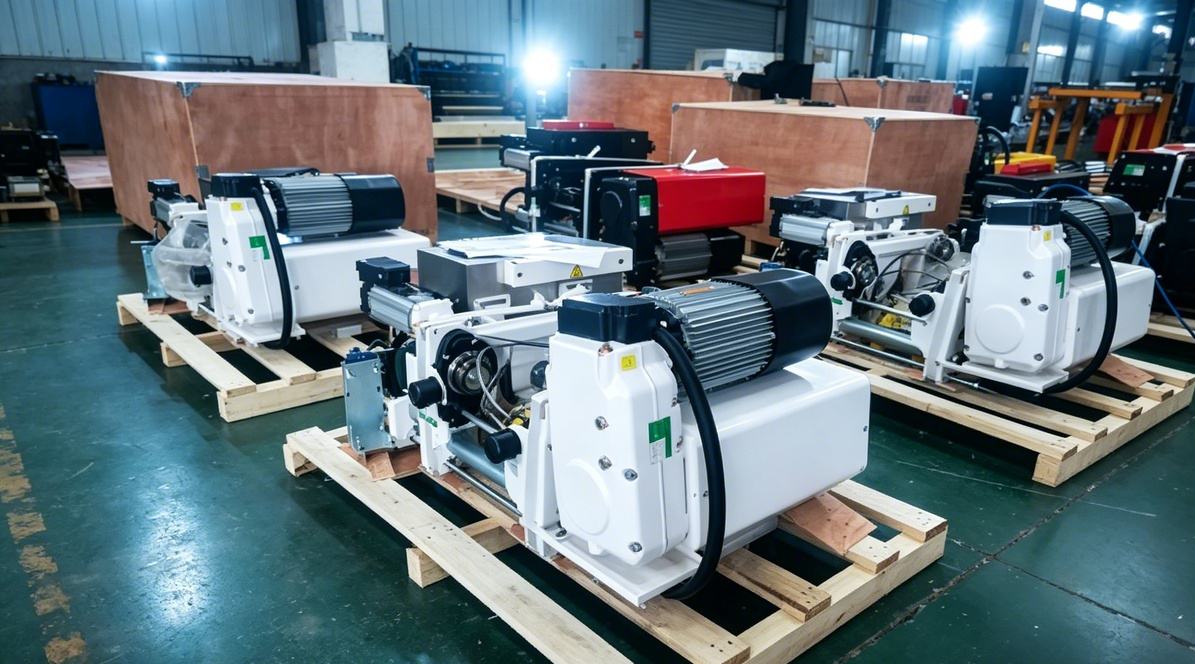
Yes, it needs to be checked. Even a new electric hoist isn’t necessarily 100% safe. Installation workers may cause problems during on-site assembly.
We conduct a pre-operation check on the new machine. This is to verify whether the installation was up to standard. Many malfunctions are not due to a faulty product itself,
But rather to hidden problems arising from the installation process. Therefore, an inspection is essential before hoisting.
Reliable Electric Hoists From Dingya Factory
If you require a durable, CE-certified, and stable electric hoist, please choose Dingya factory.We support custom designs and conduct rigorous factory testing. Ensuring your lifting operations are safe and efficient. Contact us now for a quote.