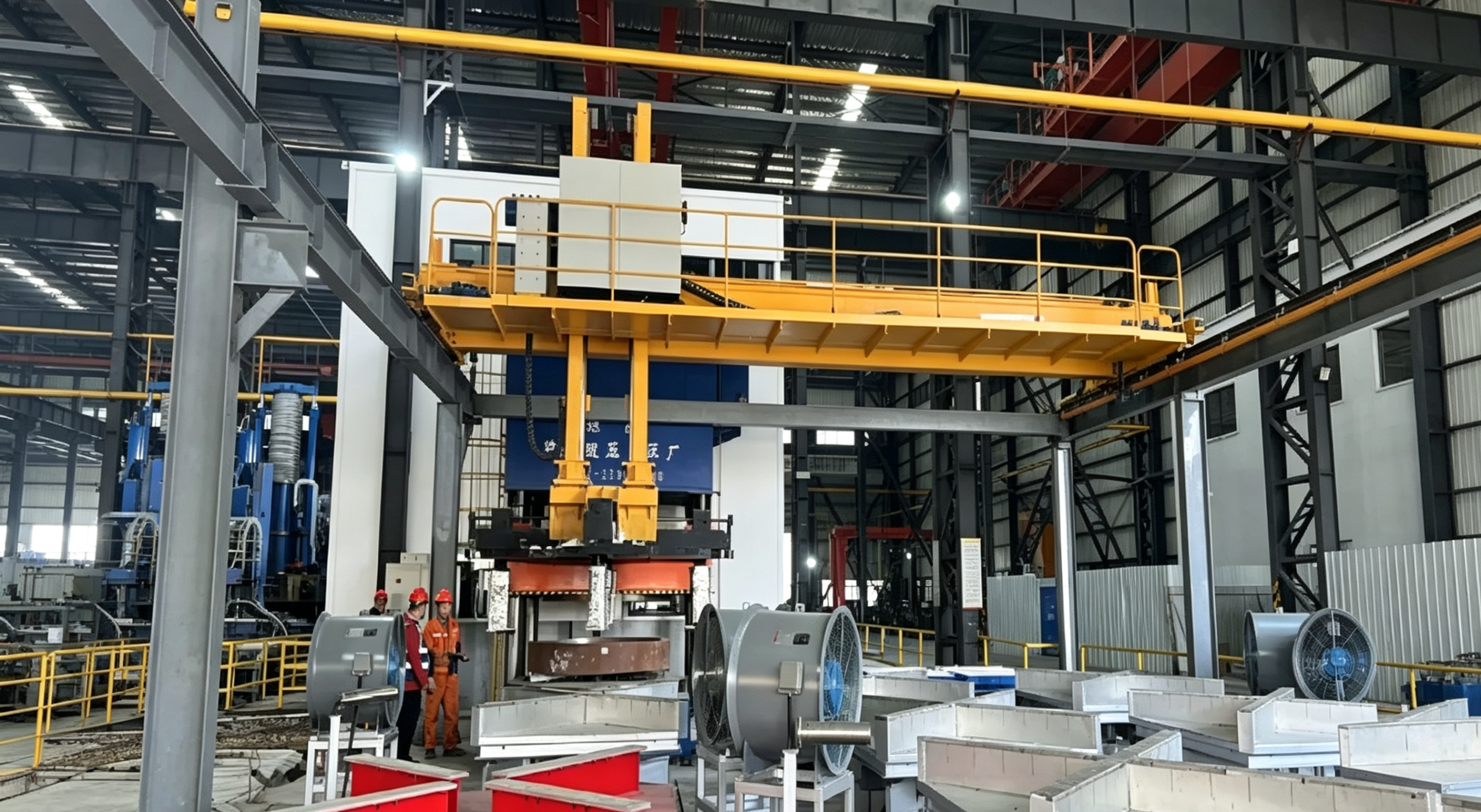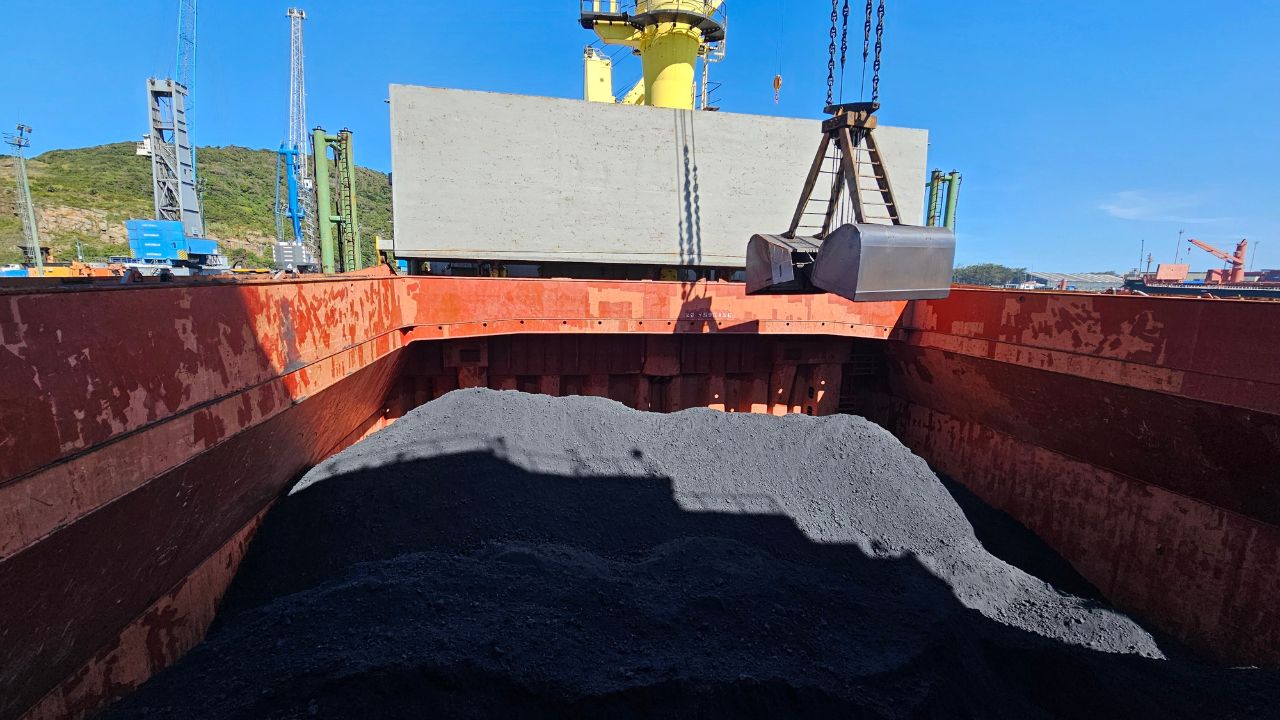
In a precision factory workshop. Electric hoists can replace manual labor for moving goods.Incorrect installation can cause goods to fall from heights. Even injuring workers. This article explains how to correctly install an electric hoist. To help you better understand the installation process.
What To Do Before Installation
Please verify the following basic conditions at the factory site
- You need to carefully inspect the entire track beam. Confirm there is no damage; pay particular attention to whether it is bent or twisted. Also, check if there are any cracks at the weld. If a problem is found, it should be fixed first. Proceed with installation only if everything is in order.
- The width of the main beam of bridge cranes, gantry cranes, and special cranes must match the width of the trolley.
- To ensure the electric hoist can operate normally and lift, you need to measure the width and length within the factory.
- You also need to check if the on-site power supply is sufficient, if the voltage is normal, and if the wiring is appropriate. It must be able to power the equipment. Prevent problems caused by insufficient power.
Inspect all parts
| Part | Requirement |
| Electric hoist casing | There should be no obvious bulges or damage on the casing. |
| Trolley assembly | It should run smoothly without any lag |
| Pendant controller | The button presses smoothly without sticking. It springs back when released. The action response is normal. |
| Power cable | The outer sheath of the wire must not be worn or cracked. And the internal cables must not be visible. |
| Limit switch | It’s responsive and easy to use. Won’t get stuck or malfunction |
| Fasteners (before assembly) | All screws and accessories must be complete. No parts are missing, loose, rusted, or corroded. |
Please read the electric hoist inspection guide to help you better understand its characteristics.
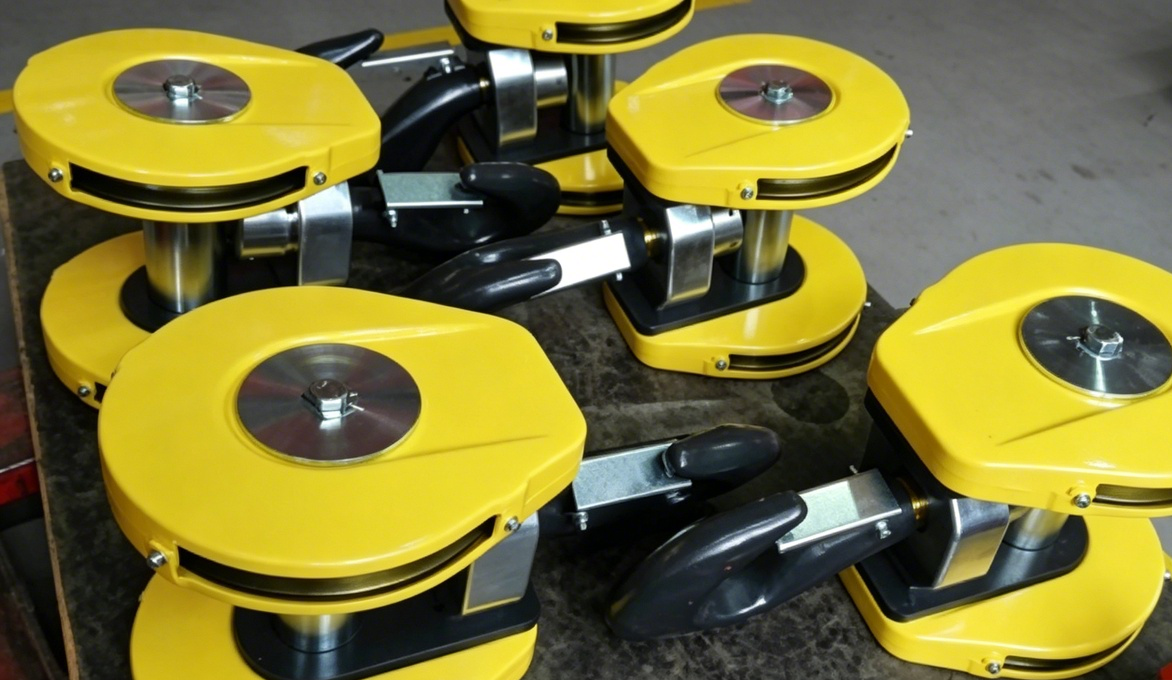
Check the dimensions of the I-beams
Before installation, you need to measure the width and side thickness of the I-beams.
And check if the steel beams are bent. If the I-beam width is incorrect, or the side thickness is too high, or the steel beams are bent, the trolley will derail during operation. The wheels will also experience uneven stress; one side will be heavier than the other.
Electric Hoist Installation Steps
Step1:Adjust trolley wheel spacing
First, you need to securely place the trolley on the I-beam rails. Then install the spacers.
Install the side guards. Finally, tighten the lock nuts. Every step is crucial. The nuts must be tightened securely. Otherwise, the hoist may loosen, drift, or even fall during lifting. This would make the work unsafe.
Step2:Connect the power supply
Check electrical parameters
Before connecting the power and wiring, you must verify the relevant electrical parameters.
For example, the factory’s power supply voltage.Whether it matches the voltage on the hoist’s nameplate. The voltage requirements for 10t and 20t hoists are different. Usually, larger tonnage hoists require a higher voltage.
This ensures the electric hoist can perform lifting operations. If you select the wrong voltage, it will definitely damage your motor when connecting the power. Therefore, you must confirm the voltage is correct before connecting the wires. Below is a table showing the common voltage compatibility of electric hoists.
| Hoist Capacity | Available Voltage |
| 0.5 Ton | 220V / 380V |
| 1 Ton | 220V / 380V |
| 2 Ton | 220V / 380V |
| 3 Ton | 380V |
| 5 Ton | 380V |
| 10 Ton | 380V / 460V |
| 16 Ton | 380V / 460V |
| 20 Ton | 380V / 460V |
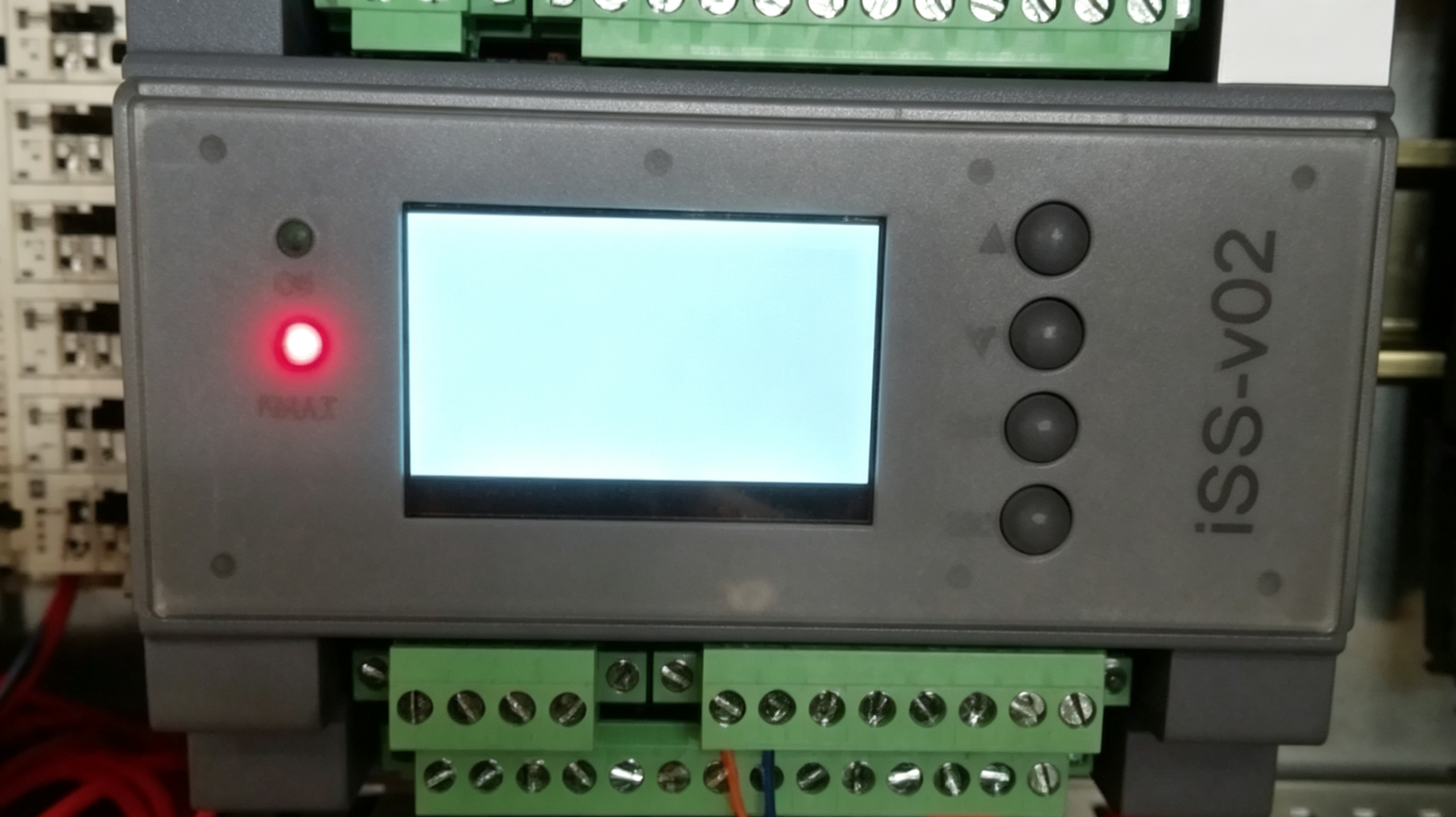
Connect motor and control circuit
Wiring for the electric hoist’s motor and complete control circuit. This mainly includes the main power line, grounding wire, and hook control cable.
First, you need to connect the main power line strictly according to the equipment standards. Ensure the wiring is secure and without looseness or incorrect connections. This guarantees a proper power supply to the motor.
Second, you should install and secure the grounding wire. This is a crucial step in preventing electrical leaks and ensuring construction safety.
Finally, you need to correctly connect the hook control cable to enable the electric hoist’s manual control function. Each circuit line should be checked one by one. To avoid hidden dangers such as short circuits and poor connections.
Step3:Electric hoist whole machine commissioning
Pretest Inspection
You must disconnect the power first. Perform a visual inspection. Check that all screws and bolts are tightened. Ensure the electric hoist’s wire rope is neatly arranged and not squeezed together, stacked, or twisted. The oil level in the speed reducer should be within the normal range.
The power supply cables must be laid out neatly. They must not be touching or rubbing against the main steel beams. The cables will sway back and forth when the equipment is running. If you keep rubbing against the steel beam, the outer skin will easily get worn through. This could lead to a risk of electrical leakage.
After carefully checking all the above items and confirming that everything is normal,
You can then connect the power and test run the machine. Do not connect the power and start the machine without performing any checks first.
Safety protection devices testing in place
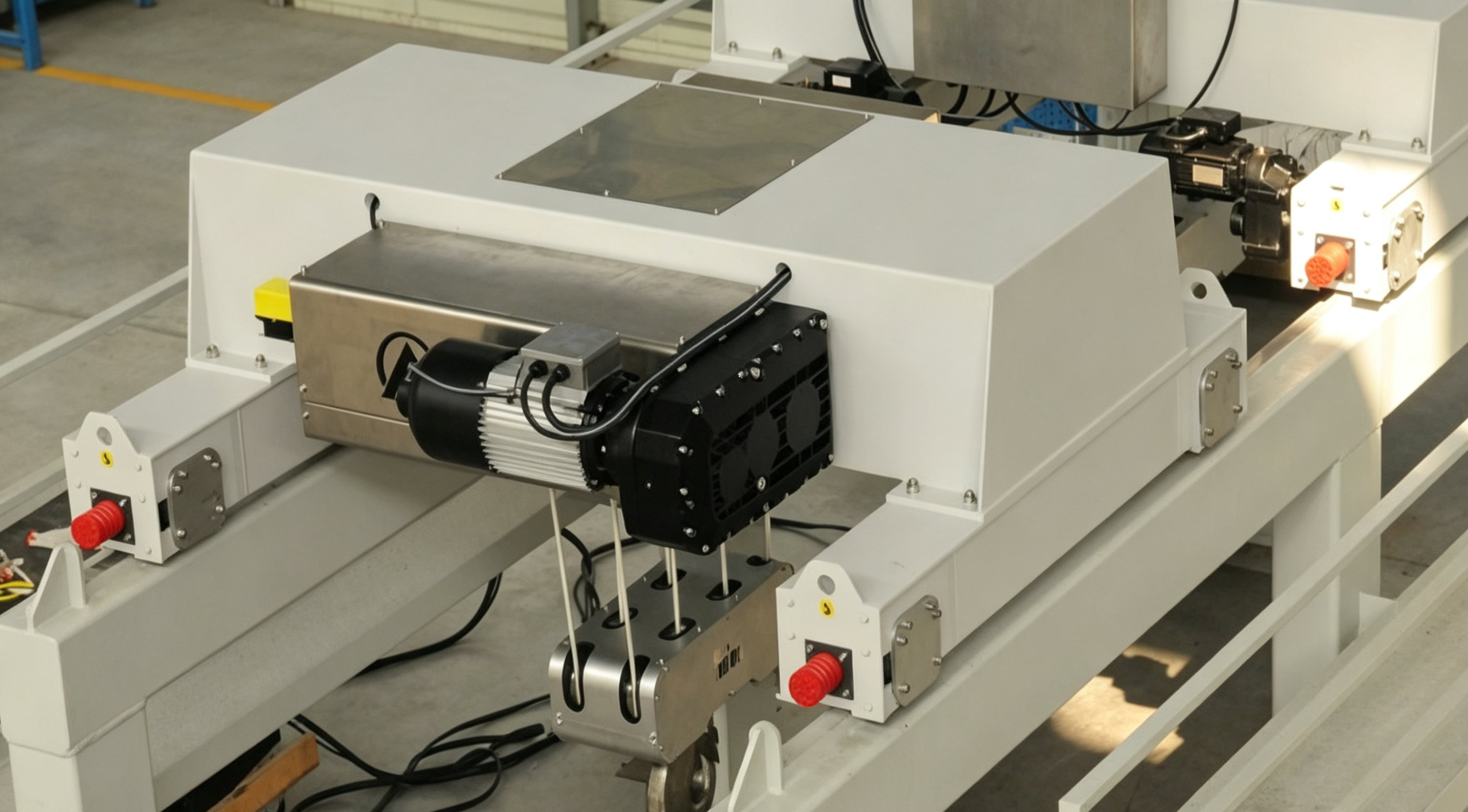
You need to double-check all safety protection components, circuit breakers, and disconnect switches. Ensure these components are functioning correctly and reliably. The testing method is as follows: when you press the emergency stop button, the machine must stop immediately. It cannot be slow to respond. In addition, it cannot be pressed and then have no effect.
Overload protection devices must be tested and in place before any actual lifting operations begin at your factory. If the load exceeds the electric hoist’s rated load, the power supply to the entire machine must be automatically cut off. The motor must not be forced to pull the drum to drag the heavy object.
When the overload protection device has failed. This can easily burn out the motor and break the wire rope. It can also cause the heavy object to fall, leading to a major safety accident. So all limit switches must be highly responsive.
No-load test run
Do not hang any heavy objects yet. Test the hook’s raising and lowering. Also, test the trolley’s forward and backward movement. When pressing the handle button, carefully observe the actual direction the equipment moves. Avoid situations where pressing “up” results in the equipment moving downward.
During the trip, pay attention to any abnormal noises, vibrations, jamming, or stagnation in the equipment. At the same time, also test the travel limit switches for the hook and trolley.
Confirm that when the limit switch is reached, the power should be cut off and the protection should be triggered normally, without loss of control.
Static load test
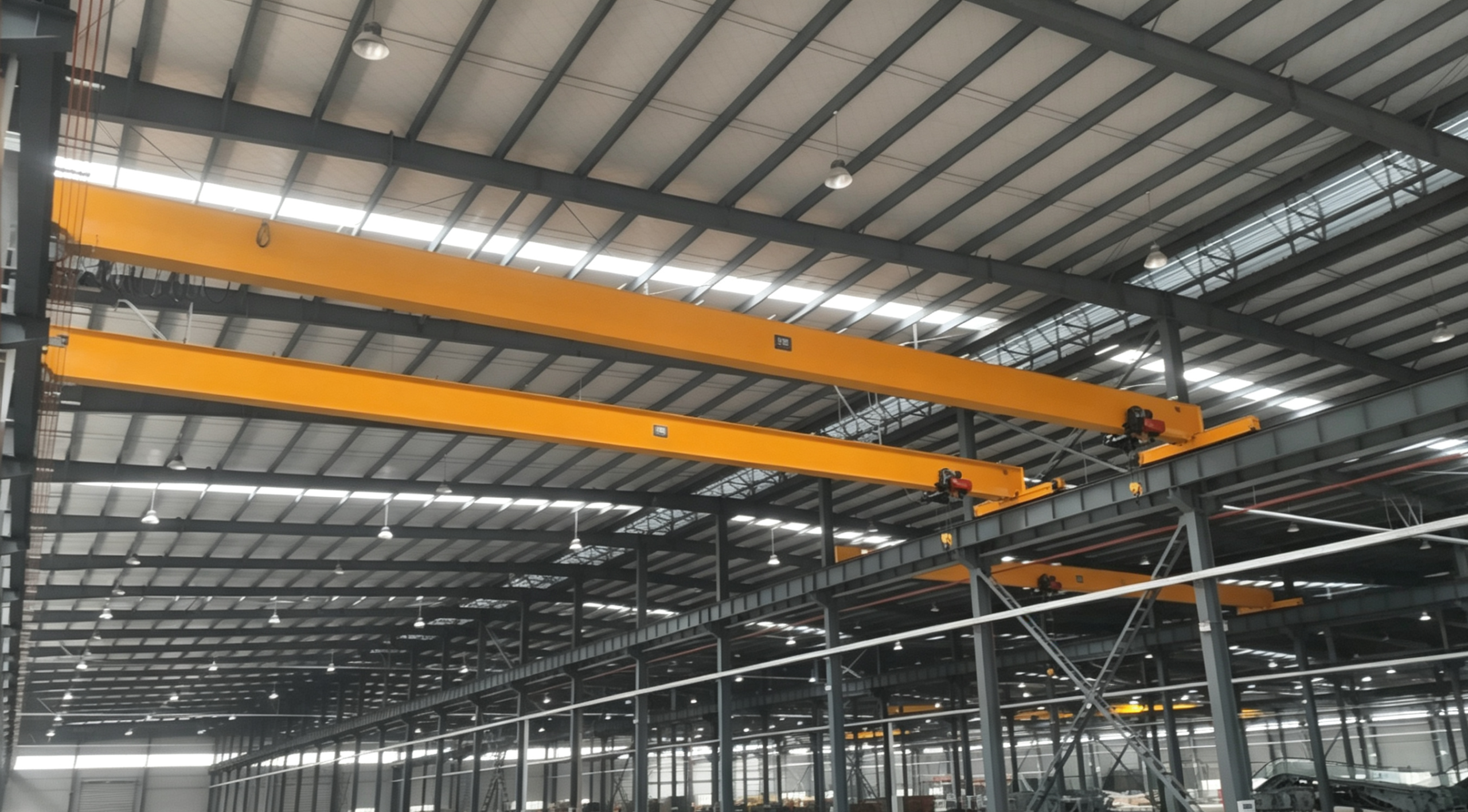
You need to attach a test weight equivalent to 125% of the rated lifting capacity. Lift the weight slightly off the ground, allowing it to hover. Observe the brakes, main beam, lifting points, and wire ropes for any abnormalities. For example, check for deformation or swaying of the main beam. Check for slippage or displacement of the wire ropes.
Dynamic load test
Dynamic load testing requires attaching a load of 110% of the rated weight to the electric hoist. During the lifting process, you should not only observe whether the trolley moves smoothly from side to side, but also check whether the brakes and limit protection devices function properly under overload conditions.No unusual noises should occur during the entire test.
Step4:Final handover
Once the above installation and testing are completed and passed, the product can be delivered. Archive all relevant documents for future reference. At the same time, train the staff. Ensure they are proficient in operating the electric hoist and crane. They also need to be trained on how to respond to emergencies.
FAQ
How long does it take to install an electric hoist?
The construction period depends on the actual site conditions:
- Standard single-speed electric hoist. Simple power supply wiring. Installation + basic testing can be completed in 1 day.
- For heavy-duty hoists or long-distance conductor rails, installation and commissioning will take 2-3 days.
The above time does not include work such as foundation laying and site clearing. These will be calculated separately.
Can I install an electric hoist without a trolley?
Yes. An electric hoist can be installed without a trolley; it’s called a fixed electric hoist, fixed to the main beam, but the object cannot move left or right, only up and down, and the steel beam must be able to support the weight of the electric hoist itself. Installation complies with local safety regulations.
Do electric hoists require grounding?
Yes. Electric hoists must be properly grounded. Grounding conducts any leakage current.This prevents electric shock to operators. Use qualified cables. Connect the hoist’s metal casing to a reliable connection point. This step is crucial and cannot be skipped. Follow safety regulations.All electric hoist installations must be grounded.
How often should a newly installed hoist be inspected?
You should quickly inspect the hook, wire rope, cable, etc., before each use of the electric hoist. At the end of each month, fasteners, ropes, and safety devices are inspected in a concentrated manner. Annual certification inspections by designated personnel are required.
This is to extend the service life of the electric hoist and ensure safe operation.
What should I do if the hoist does not move after installation?
Always disconnect the main power supply before operation. Ensure personal safety.
Next, check the power supply lines, motor rotation and phase sequence, lifting equipment, and emergency stop button status one by one. Check if the equipment is stuck by any foreign objects. Or if the protection devices have been triggered. Do not repeatedly press the operation buttons to test the machine. If you cannot find the root cause of the problem yourself, call a certified electrician or a professional crane repair technician to handle it.
Get Safe & Durable Electric Hoists from DingYa Factory
Dingya is your trusted electric hoist factory. We supply compliant, durable hoists and offer full installation guidance, on-site support, and reliable aftersales. Contact us for a safe lifting solution tailored to your workshop.