How do I choose the right overhead crane for my factory
Selecting the wrong overhead crane systems can be costly to your business – from workplace safety risks and inefficient material handling to production delays, all of which can be costly. Whether in a shipping container terminal, workshops, production, or any material handling setup, evaluating lifting requirements will help you choose the right solution.
This article will guide you on how to select an overhead crane for your factory and how to avoid common mistakes during the selection process.
What Is an Overhead Crane?
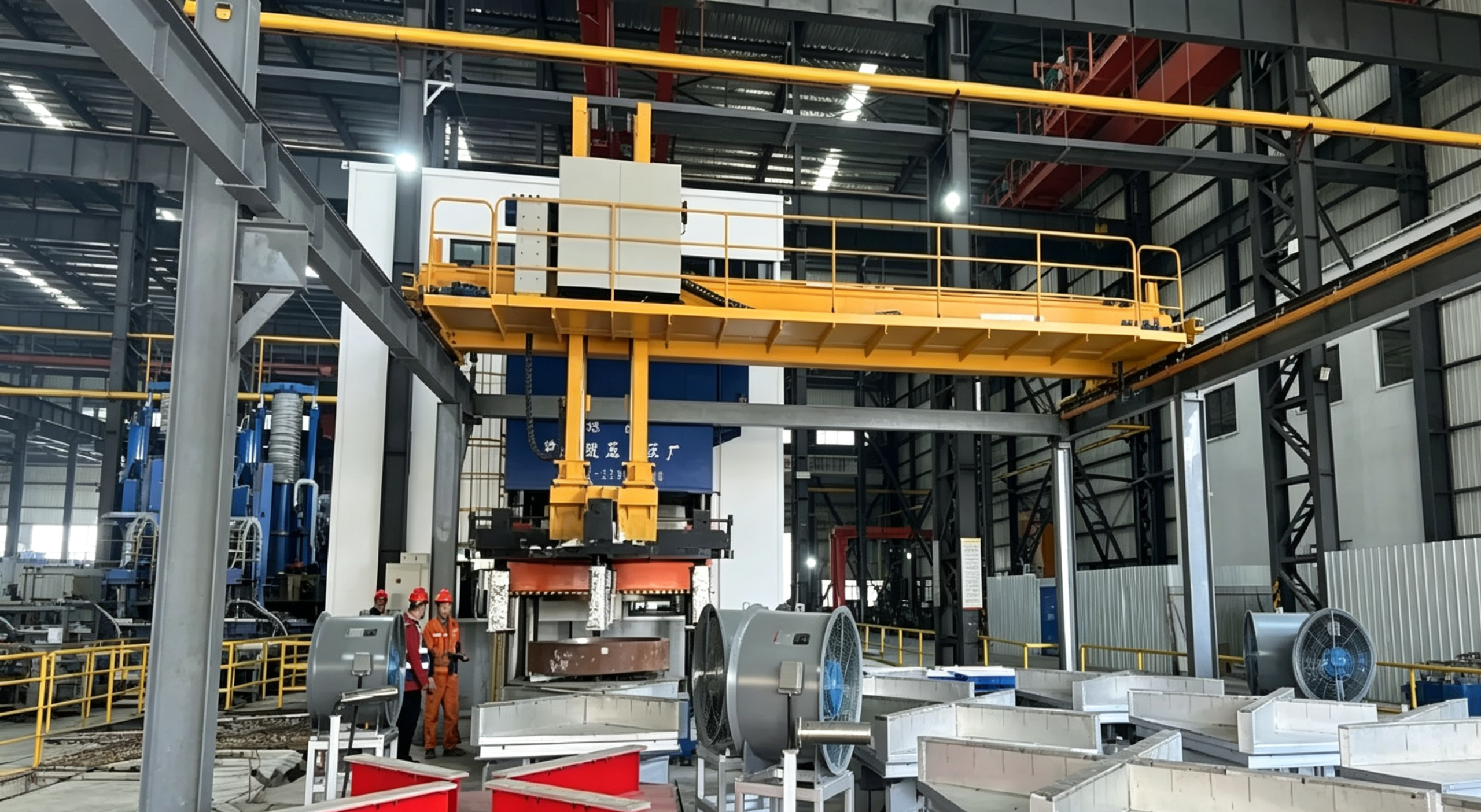
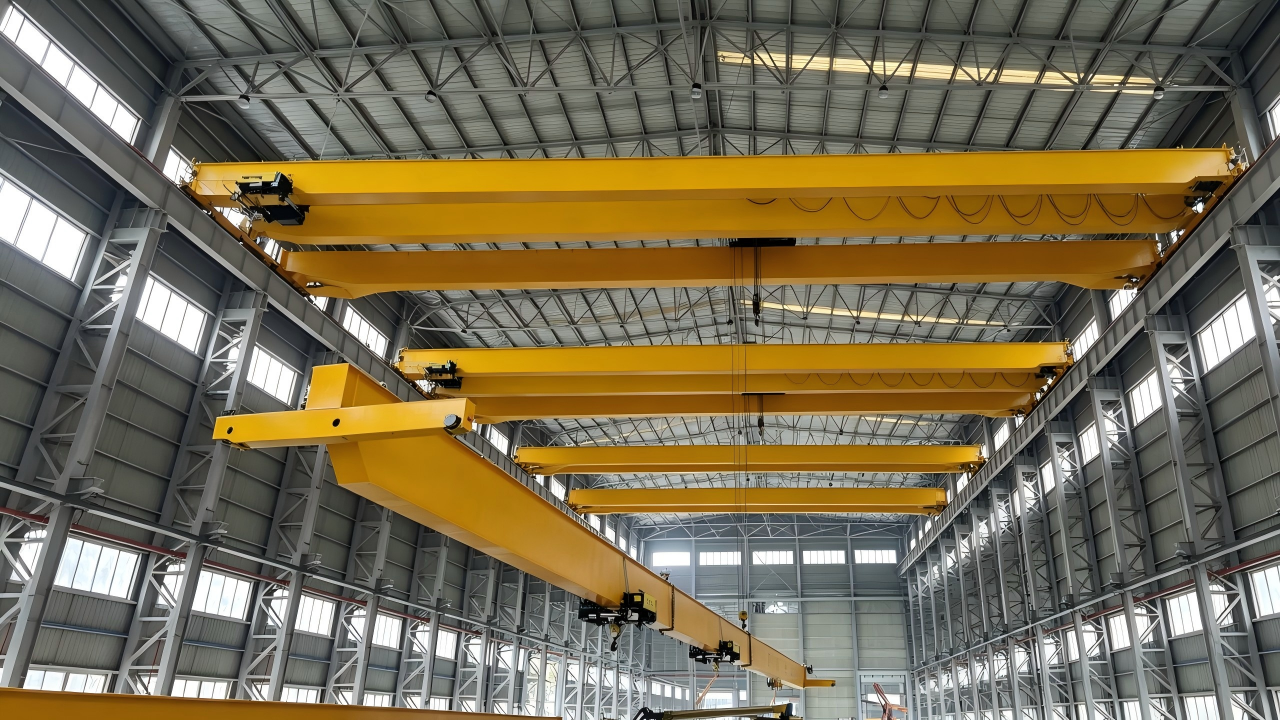
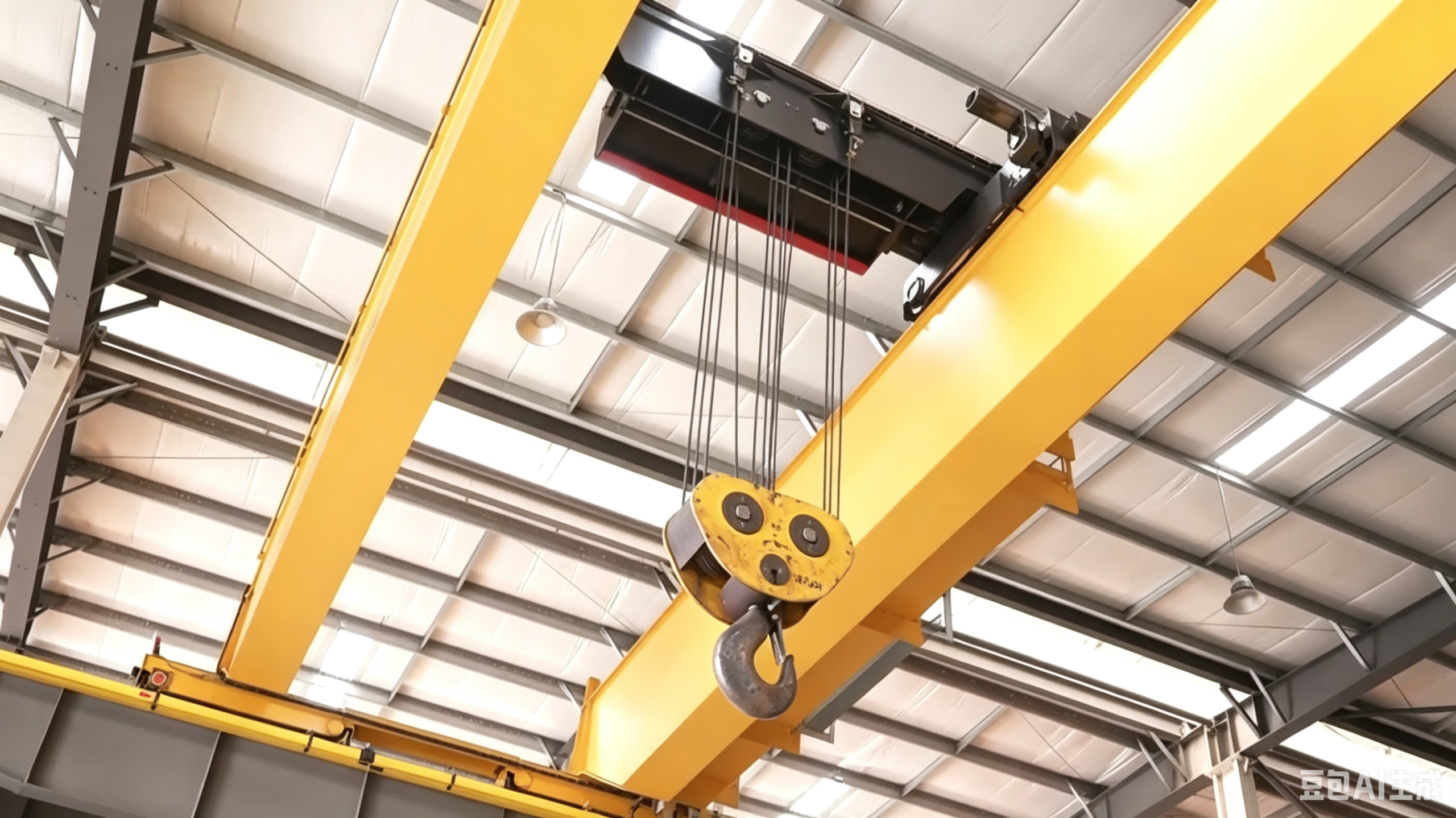
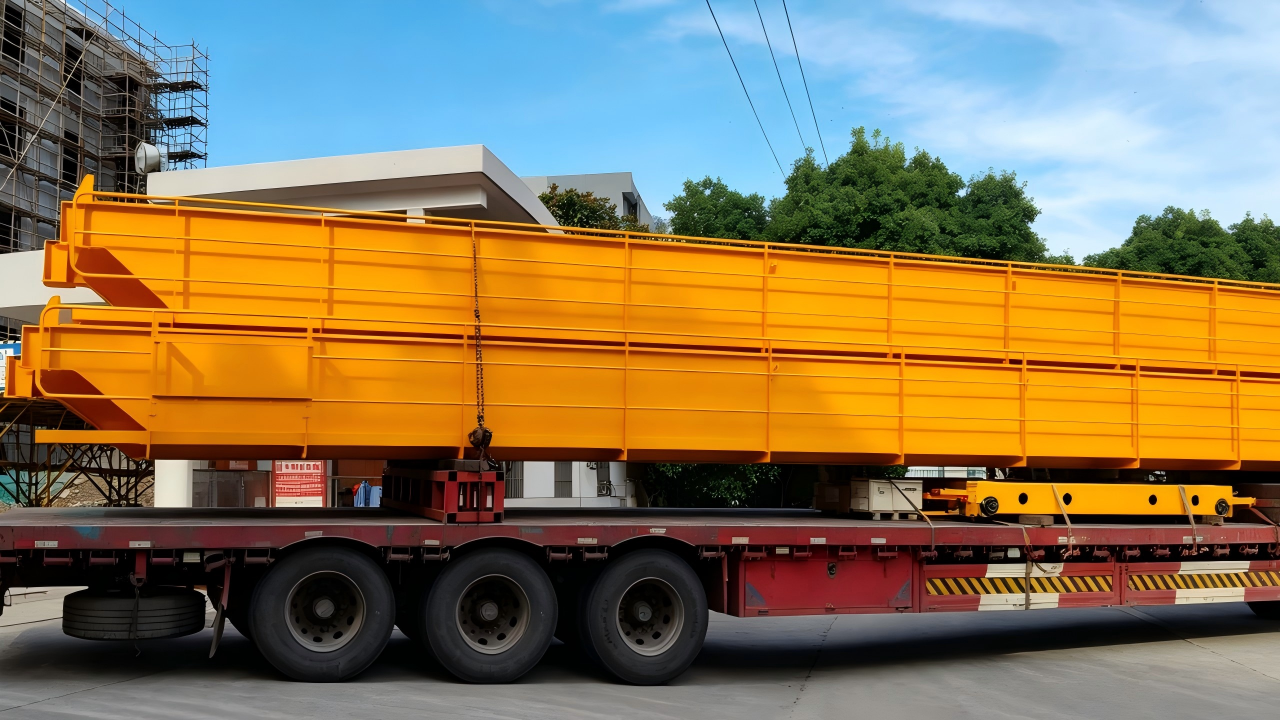
These are kinds of machines designed with a bridge, trolley, hoist, and end trucks that operate on elevated runway beams. They raise and place very heavy weights at various locations within their performance boundaries.
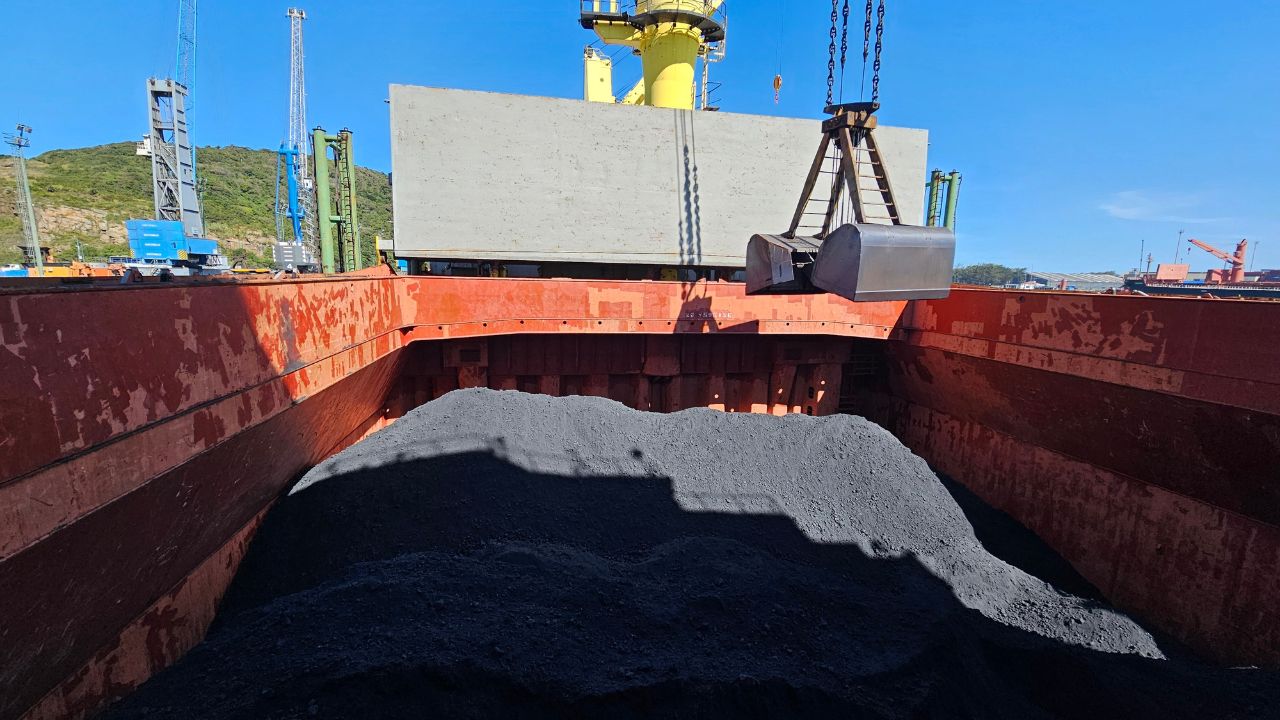
These lifting solutions play an important role in many industries like manufacturing plants, power sectors, steel mills, construction sites, and warehouses. They can handle varying weight capacities, from one ton to hundreds of tons.
Selecting the Right Overhead Crane
Industrial overhead cranes come in many designs and configurations with varying load capacities. Therefore, before contacting any overhead crane supplier, it is important to consider the following:
· Assess Your Lifting Requirements
First, you need to determine the approximate tonnage range for the loads to be lifted, including the maximum load you expect to handle. Consider not only your current lifting requirements but also any planned changes in load weight or production capacity.
Do not treat a fixed percentage or formula as a universal purchasing rule for the crane’s rated capacity. You should provide the supplier with the maximum lifted load, the lifting attachments, load distribution, and actual operating conditions. The manufacturer can then verify the required rated capacity, hoist, structure, and applicable safety margins through engineering calculations.
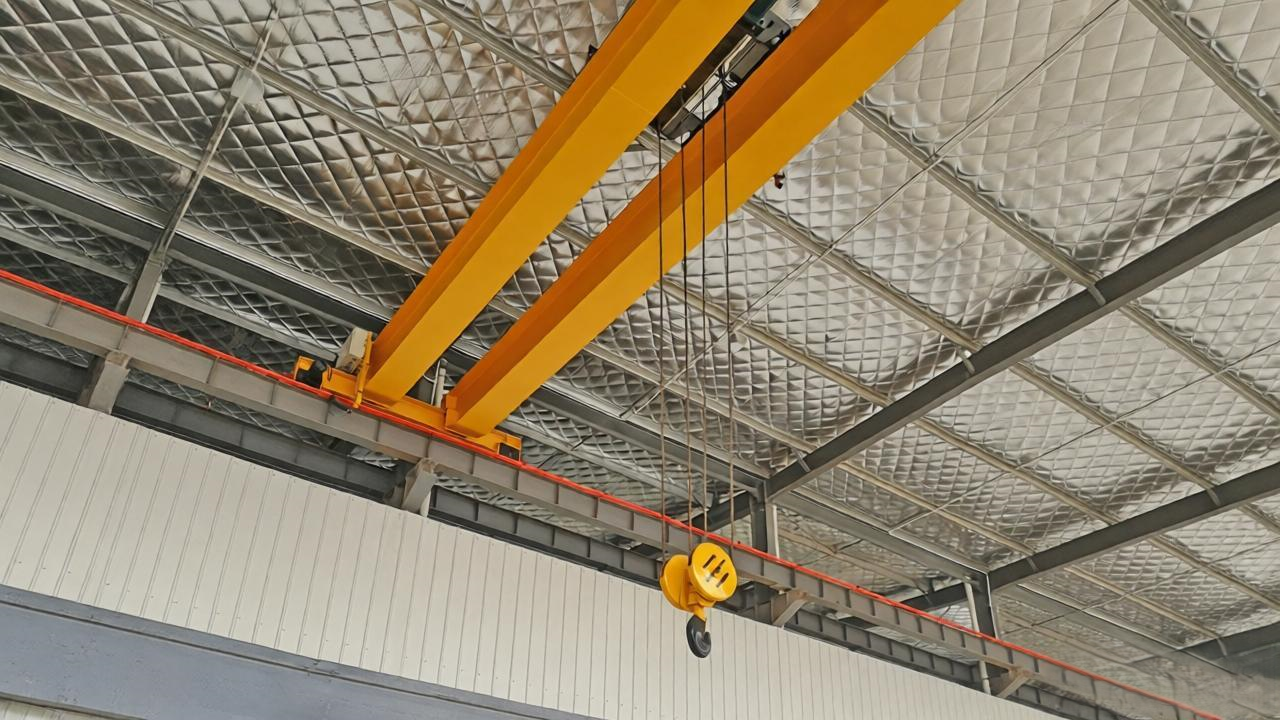
Second, determine the required lifting height, meaning the vertical travel required for the hook. Lastly, identify how often you intend to use the crane, including the daily operating duration, lifting cycles, and operating days per week. These factors help determine the appropriate duty classification.
· Evaluate Your Facility Conditions
Among the key crane safety requirements is ensuring there is enough space for installation. Therefore, it is important to select a crane that fits the available space and building structure without unnecessary modifications.
During this assessment, determine the total height clearance from the ground to roof trusses, ventilation systems, lights, sprinklers, and other overhead obstructions.
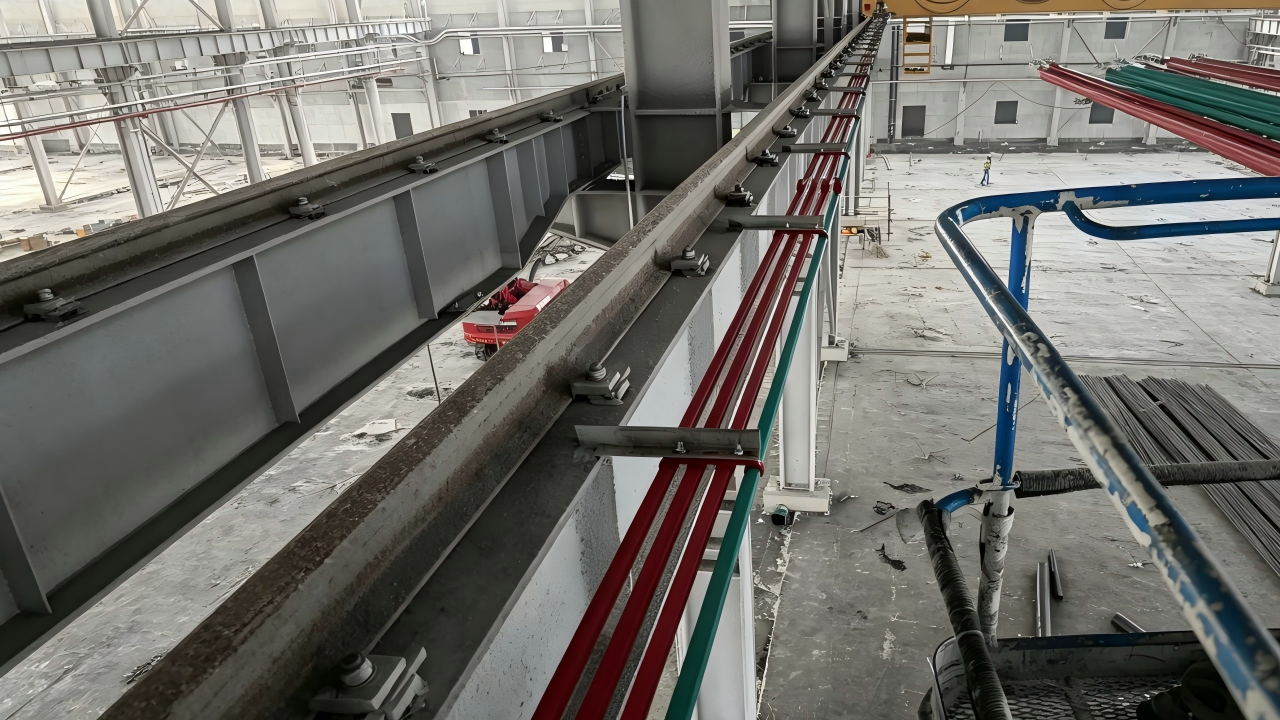
For the span, first determine the runway layout. If rails have not been installed, the rail positions should be designed and marked in advance, and the horizontal distance between the left and right rail centerlines should be measured. If rails are already installed, measure the center-to-center distance between the rails at multiple locations to check the actual span, alignment, and installation deviation. Do not simply take a median measurement and use it as the manufacturing span. The final crane span should be determined from the surveyed runway layout and the manufacturer’s design tolerances. Never use the factory’s clear width as the crane span.
You should also check the bay width, column spacing, runway beam height, and the clearance available around the crane. For headroom, do not define it simply as the distance from the runway rail bottom to the highest position of the hook. Instead, identify the lowest overhead obstruction and the available vertical space above the crane runway. The crane manufacturer should check the highest point of the selected crane and hoist against these limits. Provide the building cross-section and relevant obstruction dimensions whenever possible.
· Choose the Appropriate Overhead Crane Type
Bridge cranes come in two structural types: single-girder and double-girder. Do not choose between them by using a fixed tonnage cutoff. The decision should also consider span, duty class, lifting height, headroom, wheel loads, operating frequency, and the required hoist arrangement. The following provides a general comparison.
| Item | Single Girder Overhead Crane | Double Girder Eot Crane |
| Application Scenarios | Light to medium loads, moderate span, and general workshop operation | Higher loads, longer spans, frequent operation, or applications requiring greater structural rigidity |
| Weight & Building Load | Generally lighter, with lower structural load requirements | Generally heavier, with higher rigidity and greater demands on supporting structures |
| Headroom Requirement | Can be configured with a low-headroom hoist where vertical space is limited | Hoist/trolley arrangement may provide favorable headroom depending on the crane design |
| Cost | Generally lower initial cost | Generally higher initial cost |
| Typical Use | General manufacturing, workshops, and applications where the selected capacity and duty class are moderate | Heavy-duty production, long-span workshops, and applications with higher capacity or duty requirements |
In addition, gantry cranes may be considered for outdoor use or in areas where no elevated runway is available, because the crane structure can travel on ground-level rails or wheels.
· Select the Right Hoist System
The electric hoist is the component of a bridge crane responsible for lifting operations. It directly determines whether the crane can perform lifting tasks stably and safely. Types include electric wire rope hoists and electric chain hoists. The specific differences between the two are shown in the table below. You can select the type of hoist that best meets your needs.
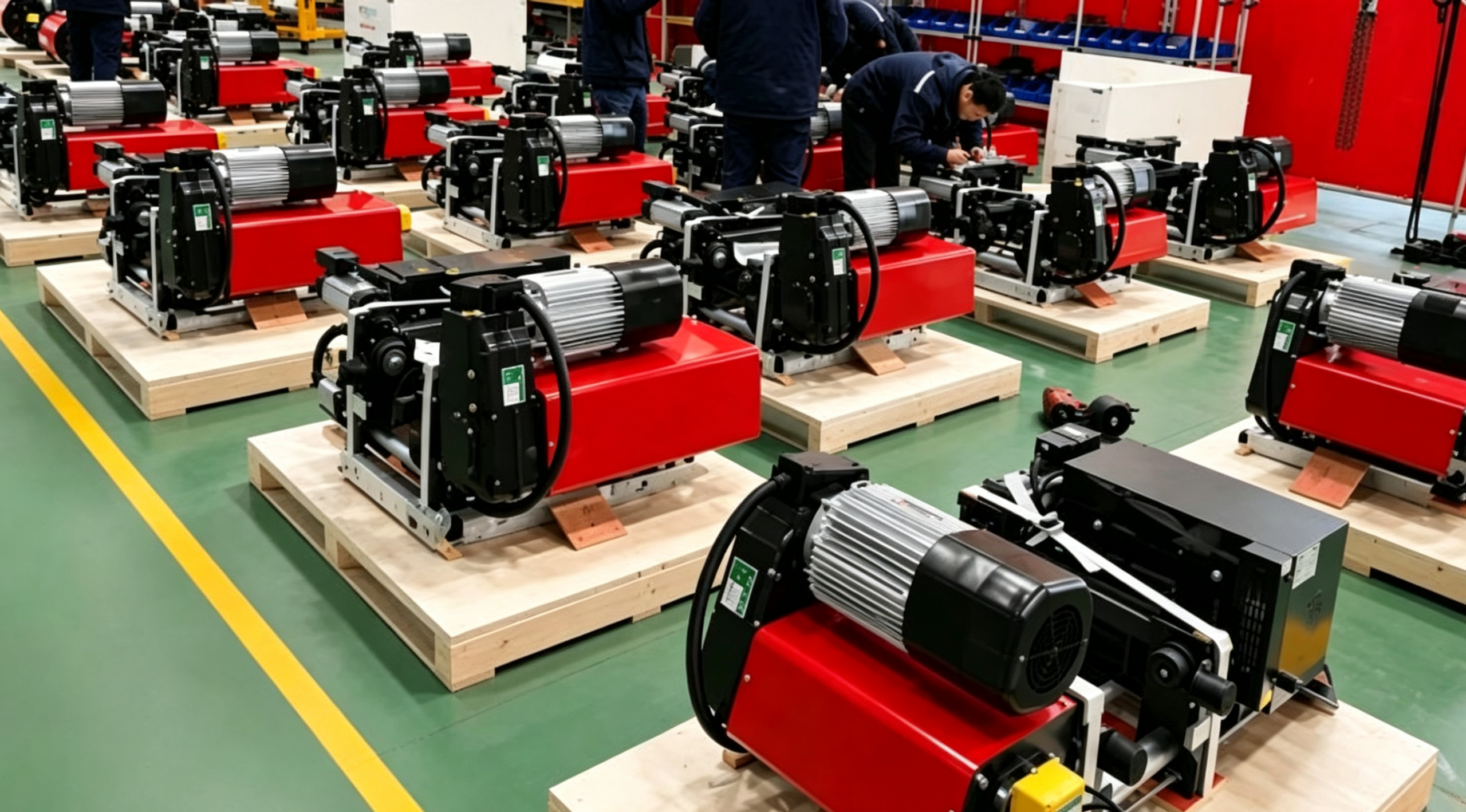
| Item | Wire Rope Electric Hoist | Chain Electric Hoist |
| Load-bearing Component | Multi-strand wire rope | G80 alloy steel load chain |
| Common Capacity | 1t ~ 80t+ | 0.1t ~ 20t (larger capacity customizable) |
| Lifting Height | Very high, up to hundreds of meters | Generally < 30 m |
| Headroom Requirement | Large, requires taller workshop | Small, ideal for low-headroom workshops |
| Positioning Accuracy | Average; hook has lateral displacement | High; vertical lifting without offset |
| Failure Risks | Rope tangling, rope biting, guide damage | Chain jamming, fatigue cracks inside chain links |
| Inspection Difficulty | Easy; broken wires are visible to the naked eye | Hard; internal cracks are hard to detect |
| Working Class | Available for M7 heavy continuous duty | Mostly M3-M5, suitable for intermittent operation |
| Noise Level | Smooth operation with low noise | Slight friction noise from chain meshing |
| Application Scenarios | Heavy load, high lifting height, outdoor / metallurgy / port | Medium & small capacity, assembly positioning, low workshop, clean room |
For a detailed comparison, please refer to the article “Electric Chain Hoists vs. Electric Wire Rope Hoists.”
· Consider Crane Duty Classification
The CMAA (Crane Manufacturers Association of America) came up with six types of classification, from A to F, that you need to correctly correlate with your actual operational frequency.
Let us start with classes A and B; these are perfect for occasional use in maintenance shops, power generation stations, and warehouses where the crane runs five times or less per hour, hoisting low weights.
Next, class C applies to machine shops and manufacturing industries for an average weight on an ongoing basis during working shifts.
Then, class D is ideal for heavy industries such as steel fabrications and automotive companies.
After that, we have classes E and F, which apply to steel manufacturing plants, waste-to-energy plants, and manufacturing industries that work 24 hours a day, continuously near maximum capacity.
· Check Lifting and Travel Speeds
The lifting speed and horizontal travel speed should be selected according to the load, positioning accuracy, operating frequency, travel distance, workshop layout, and required acceleration and deceleration performance. A faster speed is not automatically better.
For lifting speed, consider the type and characteristics of the load. Long steel profiles, sheet coils, and other loads with an unstable or shifting center of gravity can swing during acceleration or braking. Even solid and rigid loads can swing because of acceleration, deceleration, eccentric loading, or sudden starts and stops. When smooth movement or precise positioning is important, dual-speed or variable-frequency drive (VFD) control can be considered.
For trolley travel speed, track length alone is not enough to determine the required speed. You should also consider positioning accuracy, load characteristics, operating frequency, acceleration and deceleration requirements, workshop layout, endstop distance, and the risk of load swing or collision. The final travel speed should be selected through the crane’s engineering design rather than by applying a fixed speed recommendation based only on track length.
· Choose a Control Method
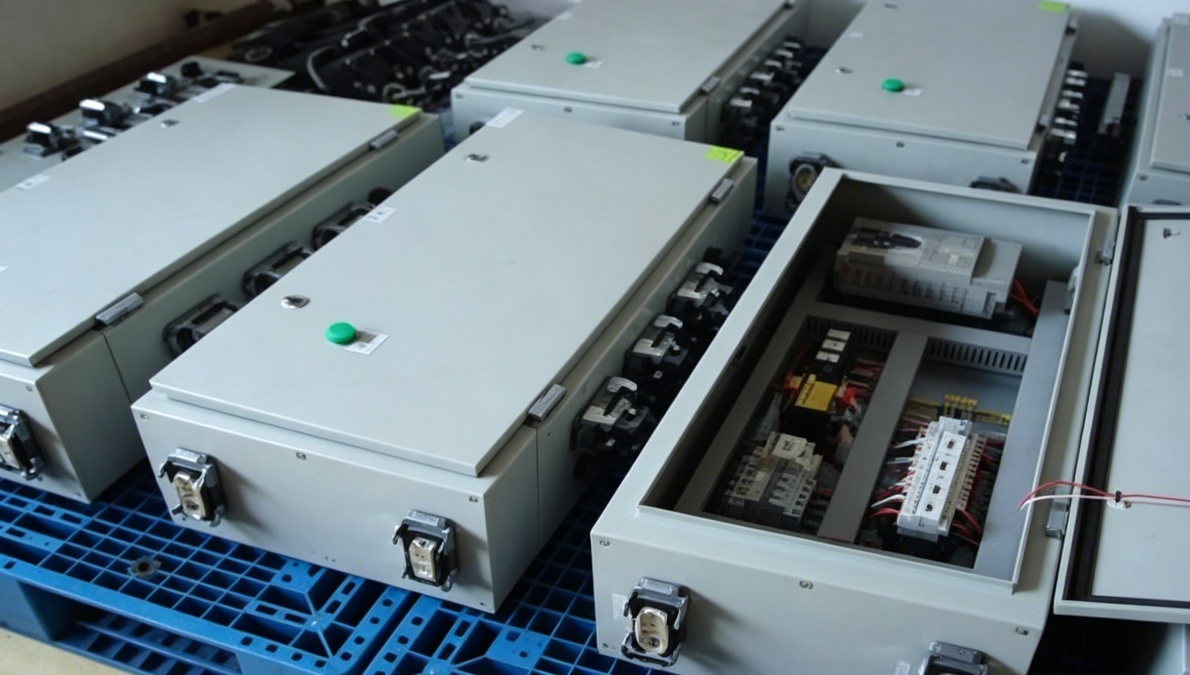
The main control methods include a wired pendant, radio remote control, cab control, and dual control. Choose the method according to the operator’s working position, visibility, operating environment, and required control arrangement.
| Control Type | Application | Advantages | Considerations |
| Wired Handheld Pendant | Clear line of sight and close-range operation | Low cost and stable signal | Cable length and operator position must be considered |
| Radio Remote | When the operator needs to control the crane from a suitable position or stay farther from the load | Flexible operation and greater operator mobility | Communication reliability and interference protection must be considered |
| Cab Control | High-tonnage, long-duration, high-intensity operations or harsh industrial environments | Dedicated operating position and suitable visibility in some layouts | Higher cost and additional access requirements |
| Dual Control | Applications where both pendant and remote operation are required | Provides two control interfaces for operational flexibility | Requires appropriate interlocking and control design |
· Select security features to configure
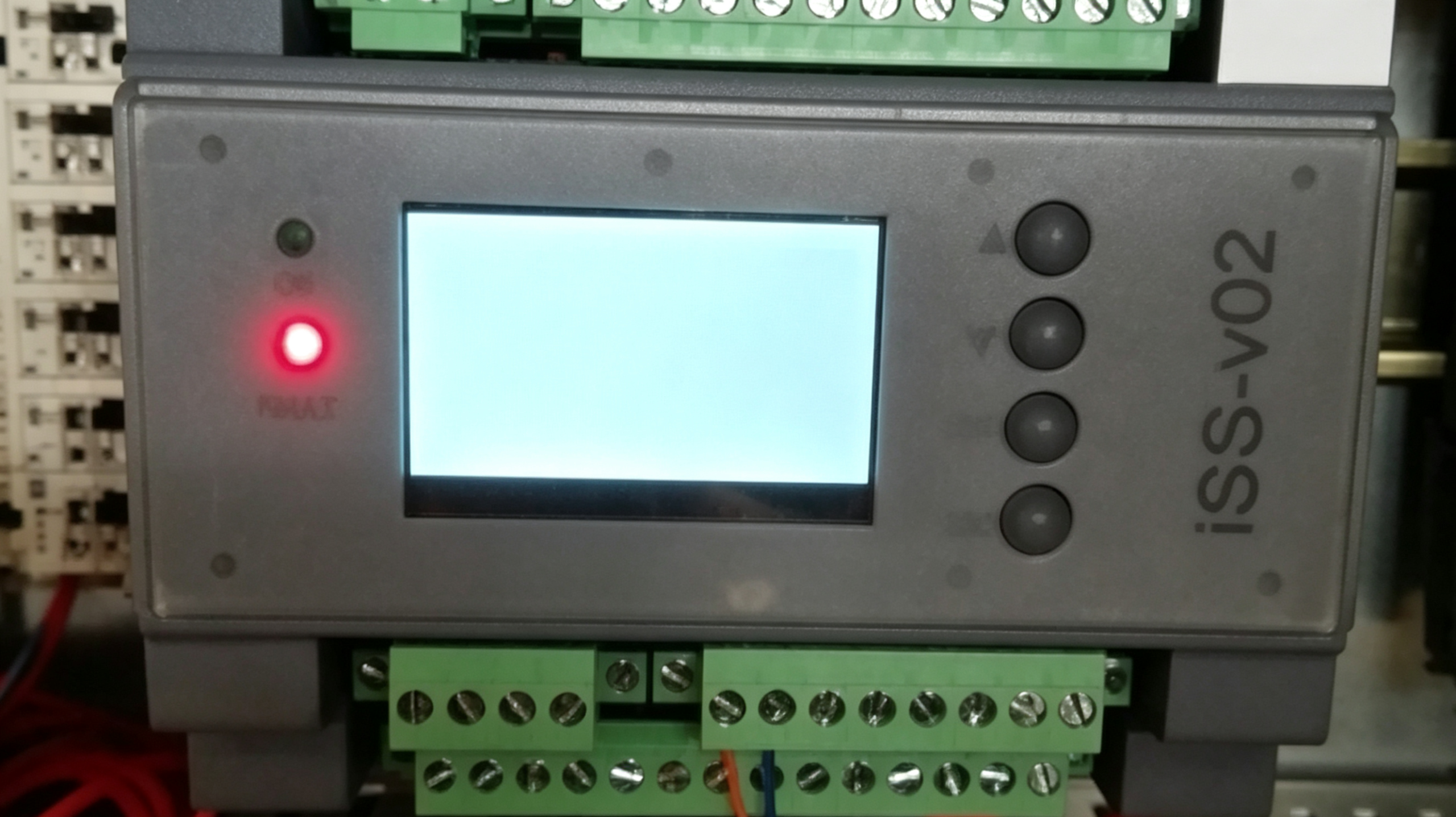
Basic safety devices are essential for bridge cranes. Their exact configuration, operating limits, and functions should be determined according to the crane design, applicable standards, operating conditions, and the manufacturer’s engineering calculations. Optional devices can improve protection or operational control, but no single device should be treated as a guarantee of overall crane safety.
Basic Configuration
| Safety Device | Function |
| Overload Limiter | Monitors the lifting load and acts when the configured overload limit is reached. The threshold and response should follow the crane design and applicable requirements. |
| Upper & Lower Limit Switch | Limits the hook’s upper and lower positions to reduce the risk of over-travel and other lifting-system faults. The exact action and reset method depend on the design. |
| Electromagnetic Brake | Holds the load when the hoisting drive is not energized, subject to the brake’s rated capacity, adjustment, and maintenance condition. |
| Emergency Stop Button | Provides an emergency means of stopping the relevant crane motions or control circuit. The exact equipment affected depends on the control and electrical design. |
Recommended Optional Equipment
| Safety Device | Function | Suggestion |
| Phase Sequence & Loss Protection | Helps protect motors and control systems against phase loss or incorrect phase sequence. The actual protection function depends on the electrical design. | Consider it where the power supply is unstable, or the crane design requires it. |
| Load Swing Suppression (VFD) | Provides controlled acceleration and deceleration and can reduce load swing during crane movement. It is an operational control function, not a guarantee that the load will not sway. | Consider it when smooth movement or precise positioning is important. |
| Over-speed Protection | Monitors the relevant drive or lifting system and provides a protective response when the configured speed limit is exceeded. | Consider it according to the hoisting system, lifting height, duty class, and applicable requirements. |
| Buffer & Travel Limit for Trolley | Helps limit trolley over-travel and absorb impact at the end of the travel path. | Configure according to the crane layout and end-stop arrangement. |
High-end optional features
| Safety Device | Function | Suggestion |
| Explosion-proof Structure | Uses explosion-protected motors, junction boxes, and control components designed for the specified hazardous environment. The configuration must match the applicable area classification and requirements. | Consider it where flammable or explosive dust or gases are present. |
| Thermal Overload Protection | Monitors motor temperature and can trigger a protective response when the configured thermal limit is reached. | Consider it for high-frequency operation according to the motor and duty-class design. |
| Anti-collision Device | Detects a potential approach between cranes or hoists and provides a configured warning or control response. | Consider it where multiple cranes or hoists operate on the same track or in overlapping areas. |
| Load Display / Weight Monitor | Displays or monitors the lifted load for operational and load-management purposes. | Consider it where frequent weighing or load monitoring is required. |
| Rainproof / Dustproof Enclosure | Provides the specified enclosure protection for outdoor or dusty environments when the selected IP rating matches the actual operating conditions. | Select the enclosure rating according to the environment and electrical design. |
· Consider Automation and Smart Technology
In 2026, automation and smart technology have minimized reliance on human labor, increased accuracy, and allowed the use of live data for production planning.
The semi-automated cranes are equipped with position control to execute repetitive production processes by lifting loads from one station to another without continuous supervision.
Moreover, automated cranes work in tandem with your manufacturing execution system; they plan, program, receive their orders, and report performance data without any manual involvement from your employees.
· Calculate Total Cost of Ownership
According to the market survey, the acquisition price accounts for only 30%-40% of the total cost of crane ownership during its entire lifespan. Other costs, such as maintenance, audits, spare parts, power usage, and training, will increase over time.
· Evaluate Maintenance and Service Requirements
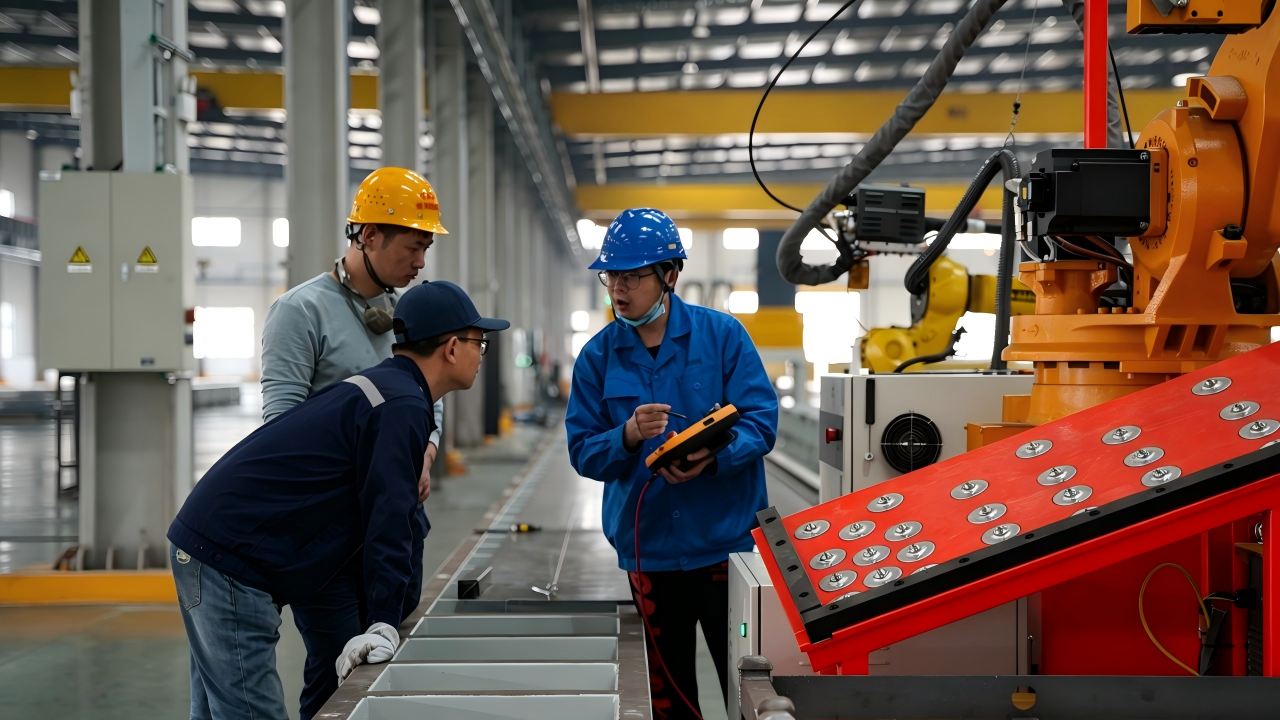
It is essential to ensure that the supplier has a local or regional service team for a certain piece of equipment to guarantee qualified assistance whenever needed within the specified time frame.
Always remember to check spare parts such as motors, brake linings, hoist rope, end truck wheels, and controllers, and their availability locally or internationally, and their lead times.
Make sure to have a preventative maintenance program from the supplier to undertake service in accordance with your facility’s access.
· Assess Supplier and Manufacturer Reliability
The manufacturer you pick will be your business partner for 20-25 years; thus, they must assure the safe operation of your machine.
Be certain that they are ISO 9001-certified and are in compliance with OSHA, ASME B30, and CMAA requirements appropriate for your business.
Also ask about their financial state, years in business, and export experience.
Common Mistakes to Avoid When Selecting an Overhead Crane
Underestimating the Weight
Do not treat a fixed 25% margin or the formula (workpiece weight + lifting tackle weight) × 1.11.25 as a universal purchasing formula. Provide the supplier with the maximum lifted load, lifting attachments, load distribution, and actual operating conditions so the required rated capacity and safety margins can be verified through engineering calculations.
Not Considering the Duty Rating
Opting to use a light-duty crane in a heavy-duty production can result in increased downtime due to parts wearing out quickly, leading to higher repair costs.
Neglecting Building Capacity
Check your building’s structural strength before purchasing to avoid extra costs for building modifications.
Using the Building’s Clear Width as the Crane Span
Do not report the factory’s clear width directly as the crane span. The final span should be based on the actual runway rail center-to-center dimensions, installation tolerances, structural layout, and required clearances. If rails are already installed, survey multiple points to check alignment and deviation rather than using a single measurement or automatically using the median as the manufacturing dimension.
Selecting Travel Speed by Track Length Alone
Track length is only one factor in selecting trolley travel speed. Load characteristics, positioning accuracy, operating frequency, acceleration and deceleration, workshop layout, endstop distance, and load swing or collision risks should also be considered. The final speed should come from the crane’s engineering design rather than a fixed speed table based only on track length.
Betting on Price Instead of Total Cost
Less expensive products are very attractive, but the likelihood of becoming more costly in the long run due to high maintenance, shorter service periods, and early component replacements is very high.
Bypassing Supplier Screening
If at all you accept a crane from an uncertified supplier that lacks financial stability, there is a risk that you might receive a product that did not pass an OSHA inspection.
FAQ
What are the consequences of a mismatch between the bridge crane and the factory’s power supply system?
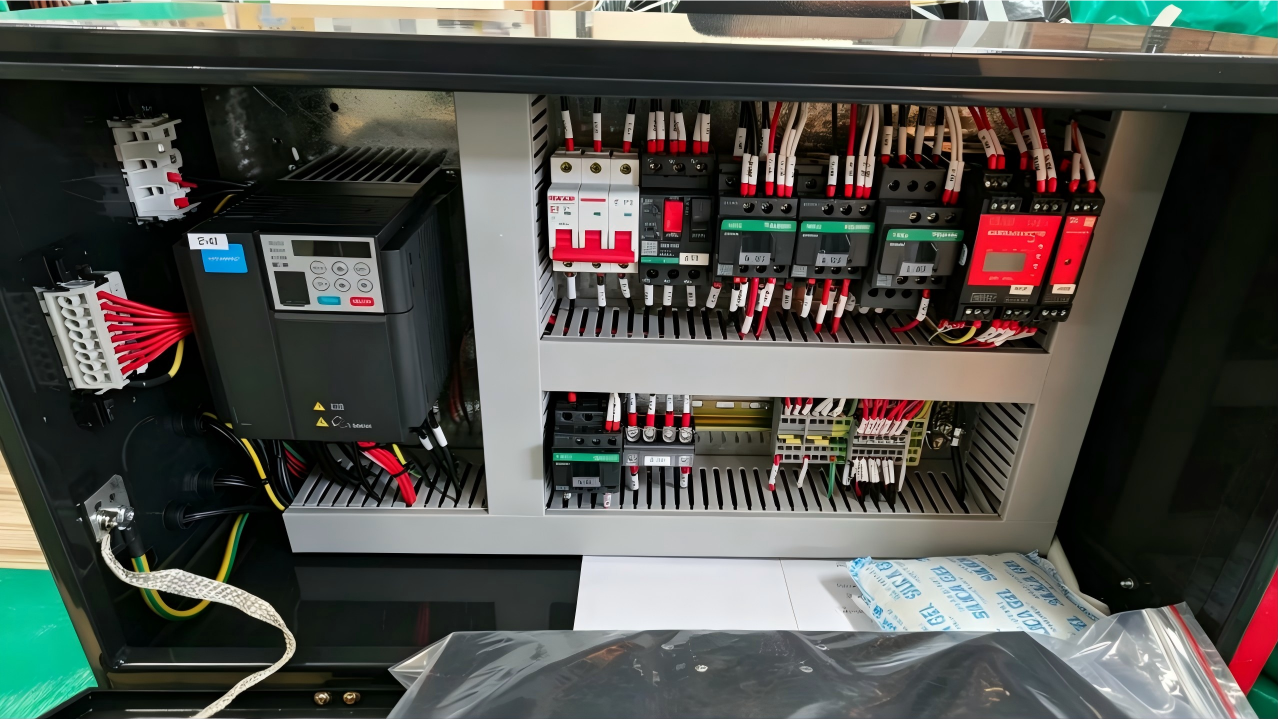
This may lead to the following: 1. Decreased motor load-bearing capacity, resulting in slow or even non-starting when lifting loads. 2. Frequent tripping; contactors are prone to burnout. 3. Intermittent operation of the travel mechanism and unstable starting/stopping cause the suspended load to sway easily. 4. If the frequency converter and remote control communication are interfered with, the equipment may exhibit abnormal behavior without command. 5. Prolonged abnormal power supply can cause motor damage due to heat accumulation and create fire hazards from ignited wiring. Before ordering, the total length of the line should be assessed, and cables and conductor rails should be selected appropriately. Specialized workshops require customized power supply systems.
What factory drawings should I provide to the crane manufacturer?
You should provide the crane manufacturer with the structural drawings of your factory building. These should include the workshop floor plan, column reinforcement drawings, a simplified electrical power supply diagram, and the building’s cross-sectional view. These documents enable the manufacturer to clearly understand your factory’s specific crane requirements. If the documentation is incomplete, please provide as much on-site data as possible to the manufacturer.
Can I move an existing bridge crane to another factory?
Relocation is possible, but a professional assessment is required before the equipment can be formally moved and reinstalled. The assessment subjects are bridge cranes and new factory buildings. The main checks for bridge cranes are their service life, condition, and the status of electrical safety components. The main assessments for the new factory building include its net height, span, column load-bearing capacity, and power supply compatibility. The installation team must possess the necessary qualifications and compliance documentation to carry out the dismantling and reinstallation. The equipment may only be put into service after passing the final acceptance inspection.
Can a bridge crane be upgraded after installation?
Yes, it is possible. Modifications to bridge cranes require structural analysis and safety verification. Upgrades may include:
- Changing the control method.
- Switching the drive system to variable frequency control.
- Replacing the hoisting mechanism with a European-style electric hoist.
- Adjusting the duty classification or lifting speed.
- Adding safety devices such as overload limiters, anti-collision systems, and audible/visual alarms.
- Optimizing travel limit switches for the trolley and bridge.
What size overhead crane do I need for my business?
To determine the required crane capacity, identify the maximum load you need to lift and provide the supplier with the lifting attachments, load distribution, operating conditions, required span, lifting height, and duty requirements. The manufacturer should verify the final rated capacity through engineering calculations rather than applying a fixed percentage.
Can bridge cranes be designed for low-headroom factory buildings?
Yes. If the overhead space in your factory is limited, you can use a low-headroom bridge crane to optimize the overall layout. Opting for a low-headroom electric wire rope hoist effectively reduces the total vertical space occupied by the crane. You will need to measure the effective headroom and the height of the crane runway brackets (corbels). Additionally, please verify the required lifting height, wheel load, and duty class before placing your order.
What factory drawings should I provide to the crane manufacturer?
You should provide the crane manufacturer with the structural drawings of your factory building. These should include the workshop floor plan, column reinforcement drawings, a simplified electrical power supply diagram, and the building’s cross-sectional view. These documents enable the manufacturer to clearly understand your factory’s specific crane requirements. If the documentation is incomplete, please provide as much on-site data as possible to the manufacturer.
What is the lifespan of an overhead crane system?
An overhead crane with proper maintenance can operate efficiently for 20-25 years.
However, high-duty class E and F cranes that run continuously in industries including steel mills and foundries can require overhauls at around 15 years.
Partner with Dingya
Since 2003, Dingya has been designing and manufacturing overhead cranes with over 40 registered patents and 2 software copyrights. With the help of our engineering team, we offer 100% custom overhead crane solutions to match every client’s unique lifting requirements.
Contact Dingya experts today for free consultations, and we will help you with overhead crane selection.