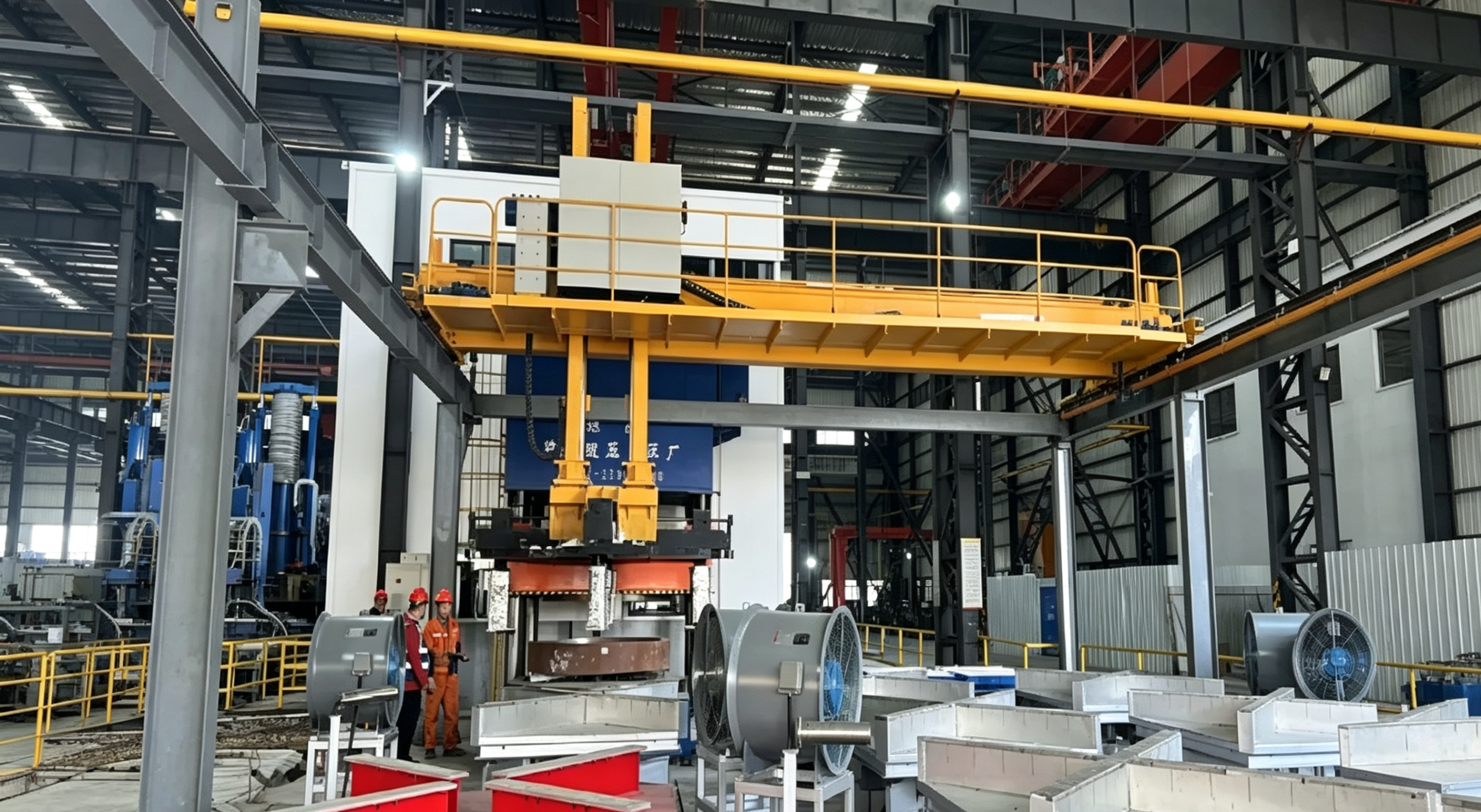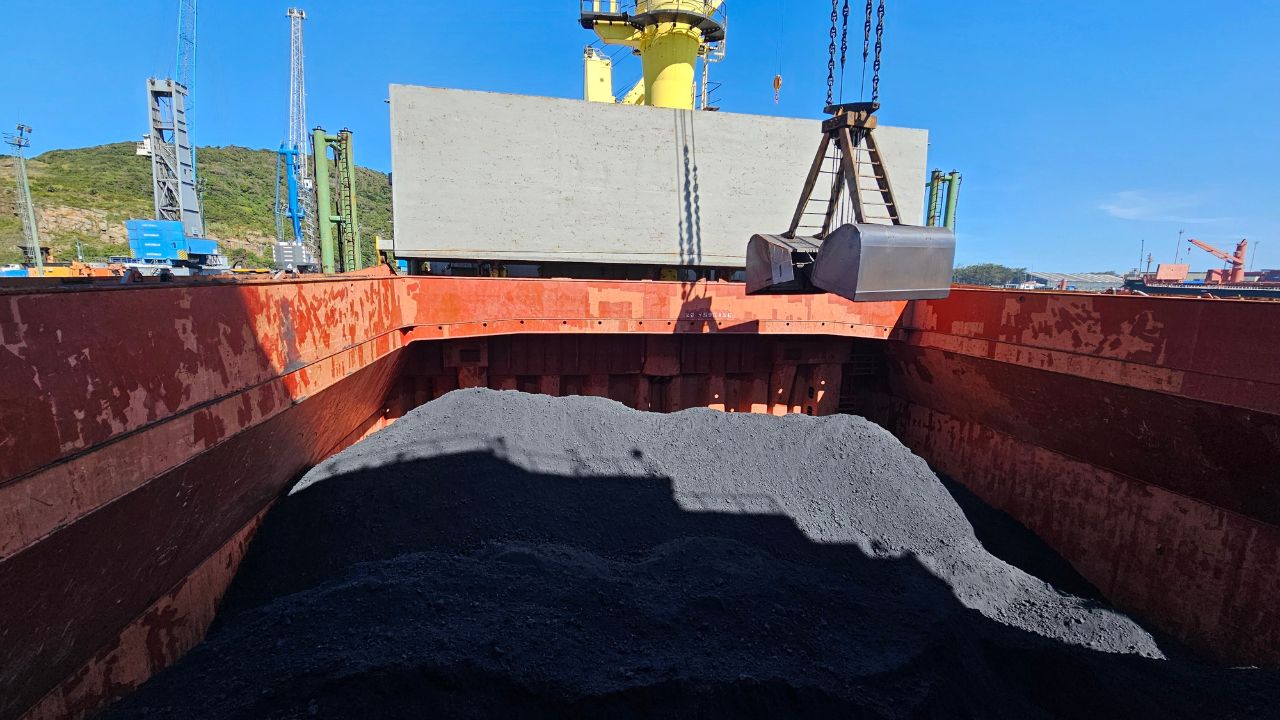
Selecting the wrong overhead crane systems can be costly to your business – from workplace safety risks, inefficient material handling to production delays, all of which can be costly. Whether in a shipping container terminal, workshops, production or any material handling setup, evaluating lifting requirements will help you choose the right solution.
This guide explores critical factors businesses must consider before investing in new overhead crane systems that can maximize productivity, guarantee safety and ensure higher ROI.
What Is an Overhead Crane System?
These are kinds of machines designed with a bridge, trolley, hoist, and end trucks that operate on elevated runway beams. They raise and place very heavy weights at various locations within their performance boundaries.
These lifting solutions play an important role in many industries like manufacturing plants, power sectors, steel mills, construction sites, and warehouses. They can handle varying weight capacities, from one ton to hundreds of tons.
Selecting the Right Overhead Crane System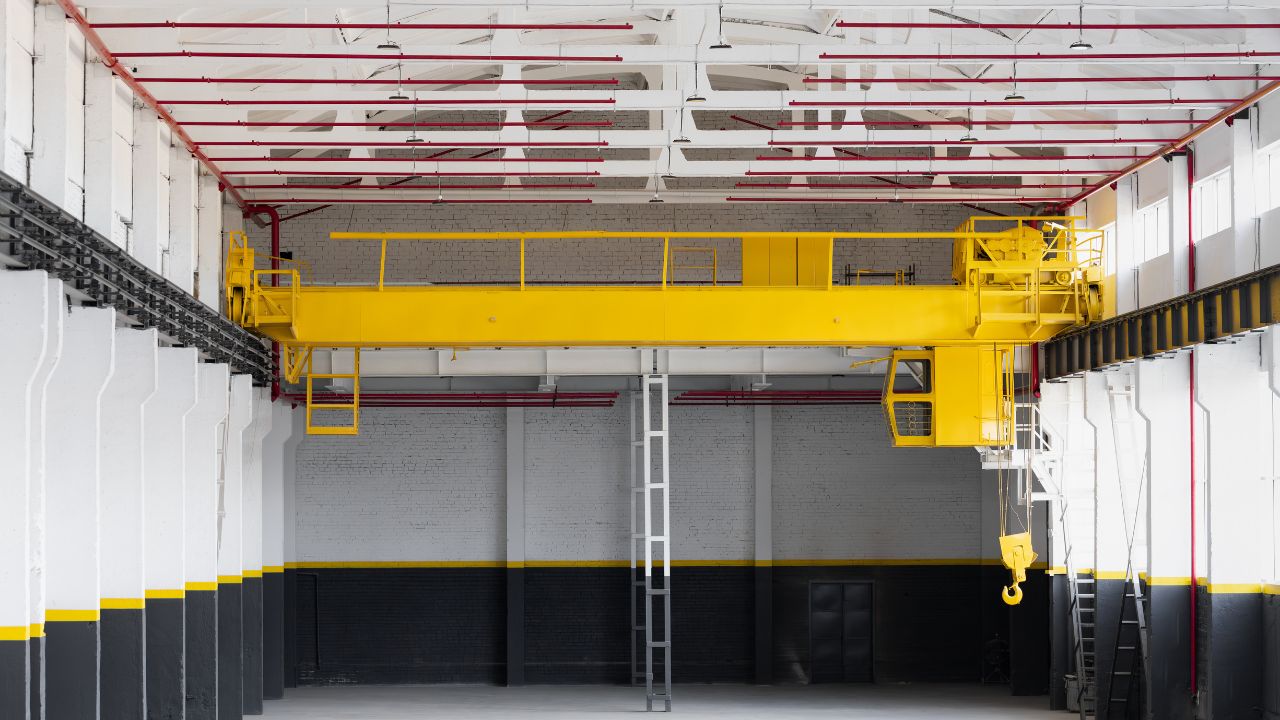
Industrial overhead cranes come in many designs and configurations with varying load capacities. Therefore, before contacting any overhead crane supplier, it is important to consider the following:
· Assess Your Lifting Requirements
First, you must know the average weight your crane elevates on a regular basis, as well as the maximum amount it can lift. Ensure to incorporate at least a safety factor of 25% beyond your maximum frequent pulley requirement when calculating your required rated capacity.
Second, determine the height you require from ground level to your highest possible hook position throughout the working range. Lastly, identify how often you intend to use the tool or the number of cycles per hour and shifts per day.
· Evaluate Your Facility Conditions
Among the key crane safety requirements is to ensure there is enough space for the installation. Therefore, it is important to select cranes that fit the available spaces without extensive structural modifications.
During this assessment, determine the total height clearance from the ground to roof trusses, ventilation systems, lights and sprinklers.
Then, check the total bay width, column spacing, and runway beam heights since all three measurements detect the maximum span and the margin from each column for the lifting hook.
· Choose the Appropriate Overhead Crane Type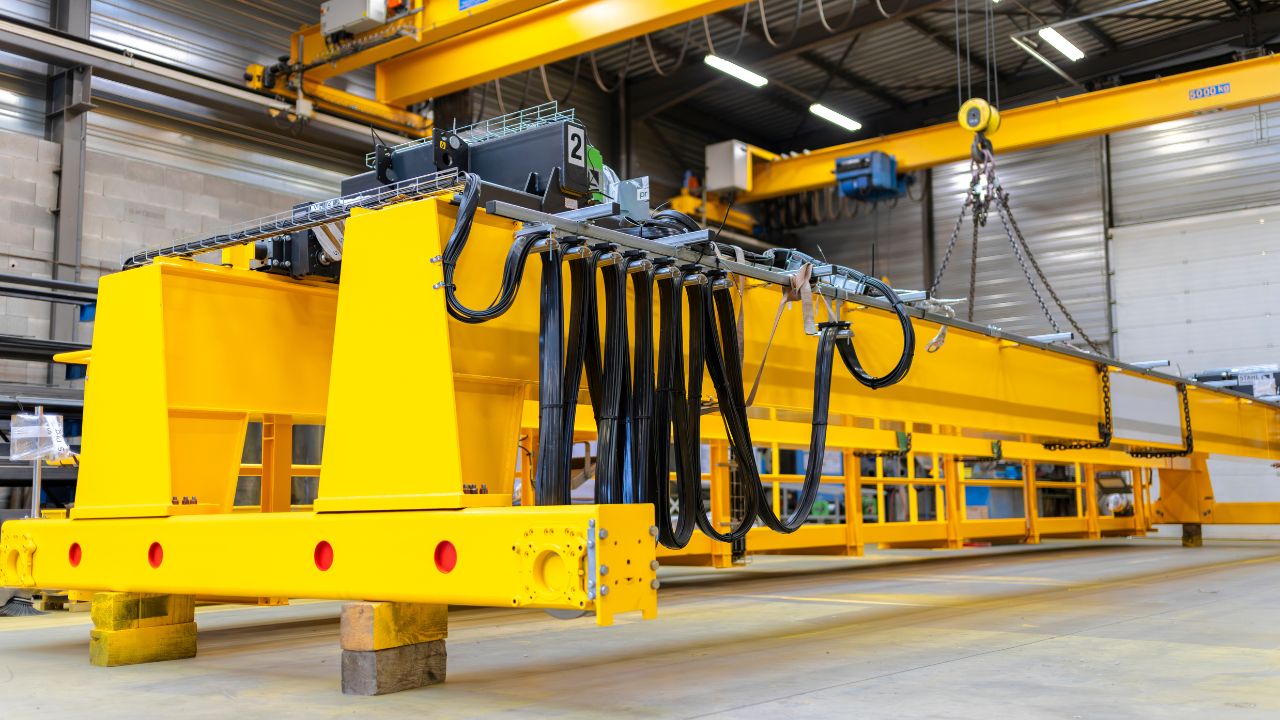
To begin with, consider your material, size, layout of the floor space, production process flows, and clearance provided by your headroom.
A single-girder bridge handles a moderate load of about 20 tons where vertical clearance is an issue and cost is of paramount importance. Whereas double-girder bridge cranes are for heavy loads between 10 and 500+ tons, offering hooks, clear heights, and the ability to accommodate larger hoisting machines.
In addition, apply gantry cranes outside or in areas where no runway is available, and structures where rail mounting occurs in floor space.
· Select the Right Hoist System
In any crane system, the hoist is the main functional part that requires you to ensure that all of its parameters are exactly as per your needs. Start by picking the recommended wire rope hoists for loads over 5 tons, high lifting capacity, and heavy-duty operations.
While chain hoists are perfect for low-duty operation and light-duty loads under 5 tons, in some cases, the decision should depend on your ability to install the system fast and save money at the same time.
· Consider Crane Duty Classification
The CMAA (Crane Manufacturers Association of America) came up with six types of classification, from A to F that you need to correctly correlate with your actual operational frequency.
Let us start with classes A and B; these are perfect for occasional use in maintenance shops, power generation stations, and warehouses where the crane runs five times or less per hour, hoisting low weights.
Next, class C; it applies to machine shops and manufacturing industries for an average weight on an ongoing basis during working shifts.
Then, class D, ideal for heavy industries such as steel fabrications and automotive companies.
After that, we have classes E and F, which apply to steel manufacturing plants, waste-to-energy plants, and manufacturing industries that work 24 hours a day, continuously near maximum capacity.
· Evaluate Safety Features
Here, select the overload protection mechanism and confirm that loads are within the capability of the crane, for the safety of the bridge and runway structure in any circumstances.
Install upper and lower travel limiters on every crane to prevent overtravel, block and cable breakage, and drum over spooling that might cause failure of the hoist assembly.
Ensure the crane has end stops, an emergency stop switch at the pendant station, audible alarms, and that it complies with both OSHA 29 CFR 1910.179 and ASME B30.2 specifications.
· Consider Automation and Smart Technology
In 2026, automation and smart technology have minimized reliance on human labor, increased accuracy, and allowed the use of live data for production planning.
The semi-automated cranes are equipped with position control to execute repetitive production processes by lifting loads from one station to another without continuous supervision.
Moreover, automated cranes work in tandem with your manufacturing execution system; they plan, program, receive their orders, and report performance data without any manual involvement from your employees.
· Calculate Total Cost of Ownership
According to the market survey, the acquisition price accounts for only 30%-40% of the total cost of crane ownership during its entire lifespan. Other costs, such as maintenance, audits, spare parts, power usage, and training, will increase over time.
For instance, if a class D crane costs $180,000 at acquisition, you will require around $350,000-$450,000 to own it after 20 years; This will all come down to higher initial costs for high-quality equipment and components.
· Evaluate Maintenance and Service Requirements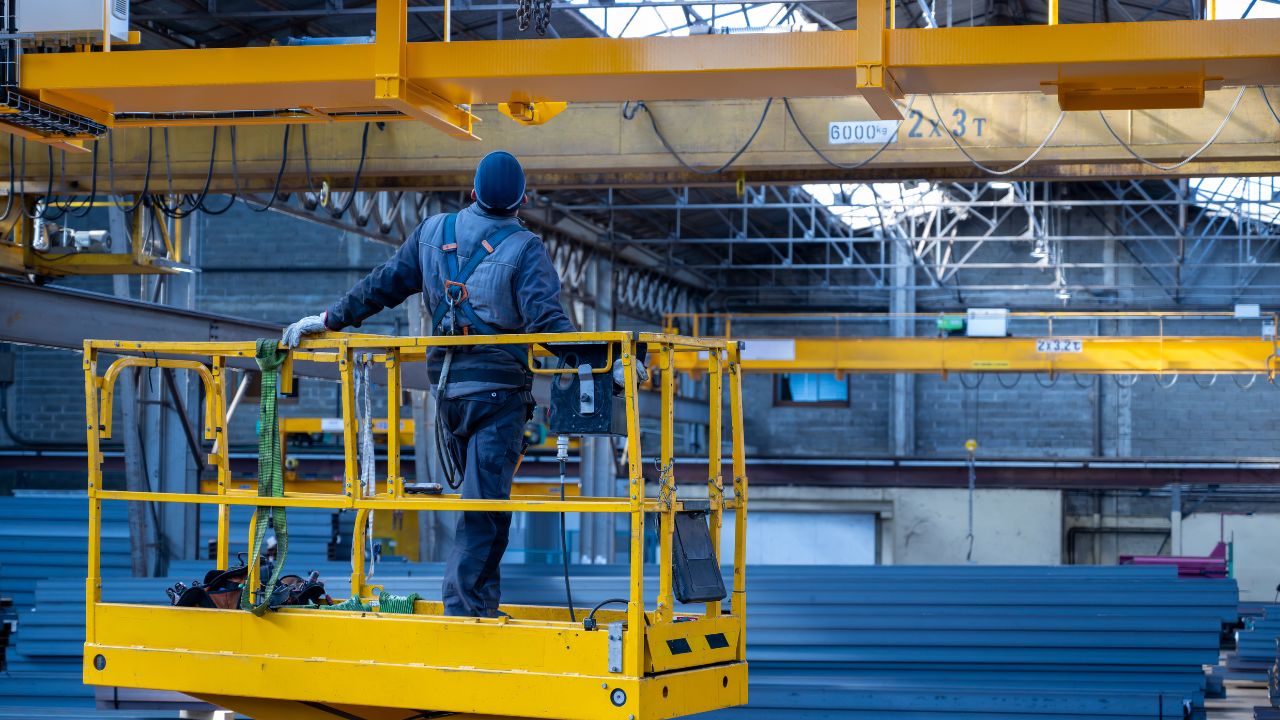
It is essential to ensure that the supplier has a local or regional service team for a certain piece of equipment to guarantee qualified assistance whenever needed within the specified time frame.
Always remember to check spare parts such as motors, brake linings, hoist rope, end truck wheels, and controllers, and their availability locally or internationally, and their lead times.
Make sure to have a preventative maintenance program from the supplier to undertake service in accordance with your facility’s access.
· Assess Supplier and Manufacturer Reliability
The manufacturer you pick will be your business partner for 20–25 years; thus, they must assure the safe operation of your machine.
Be certain that they are ISO 9001-certified and are in compliance with OSHA, ASME B30, and CMAA requirements appropriate for your business.
Also ask about their financial state, years in business, and export experience.
Common Mistakes to Avoid When Selecting an Overhead Crane
Underestimating the Weight
Always ensure you factor in a minimum of 25 percent for your largest known material to avoid using the crane near capacity, as that can cause them to depreciate very quickly and put the loads at risk.
Not Considering the Duty Rating
Opting to use a light-duty crane in a heavy-duty production can result in increased downtime due to parts wearing out quickly, leading to higher repair costs.
Neglecting Building Capacity
Check your building’s structural strength before purchasing to avoid extra costs for building modifications.
Betting on Price Instead of Total Cost
Less expensive products are very attractive, but the likelihood of becoming more costly in the long run due to high maintenance, shorter service periods, and early component replacements is very high.
Bypassing Supplier Screening
If at all you accept a crane from an uncertified supplier that lacks financial stability, there is a risk that you might receive a product that did not pass an OSHA inspection.
FAQ
Why is Proper Overhead Crane Selection important?
This is because it will improve production efficiency, keep your employees safe, and help you reduce overall operational costs.
What size overhead crane do I need for my business?
To determine the size of the overhead crane for your project, weigh the highest load and add a 25% safety factor.
Then provide information such as required spans, height, and lift frequency to a qualified engineer for recommendations based on your production setting.
What is the difference between single girder and double girder cranes?
A single girder crane consists of one bridge girder, with the hoist suspended on the bottom flange with a maximum capacity of around 20 tonnes, and the headroom is restricted.
Whereas, the double-girder crane contains two bridge girders with the hoist suspended between them, thereby carrying heavy weights ranging from 10 to more than 500 tonnes.
How do I determine the required crane capacity?
Simply consider the weight of the heaviest single piece you need to lift by the crane on all your ongoing and future projects.
Then pass the total value obtained to the manufacturer to determine the minimum rated system capacity.
What is the lifespan of an overhead crane system?
An overhead crane with proper maintenance can operate efficiently for 20-25 years.
However, high-duty class E and F that run continuously in industries including steel mills and foundries can require overhauls at around 15 years.
Partner with Dingya
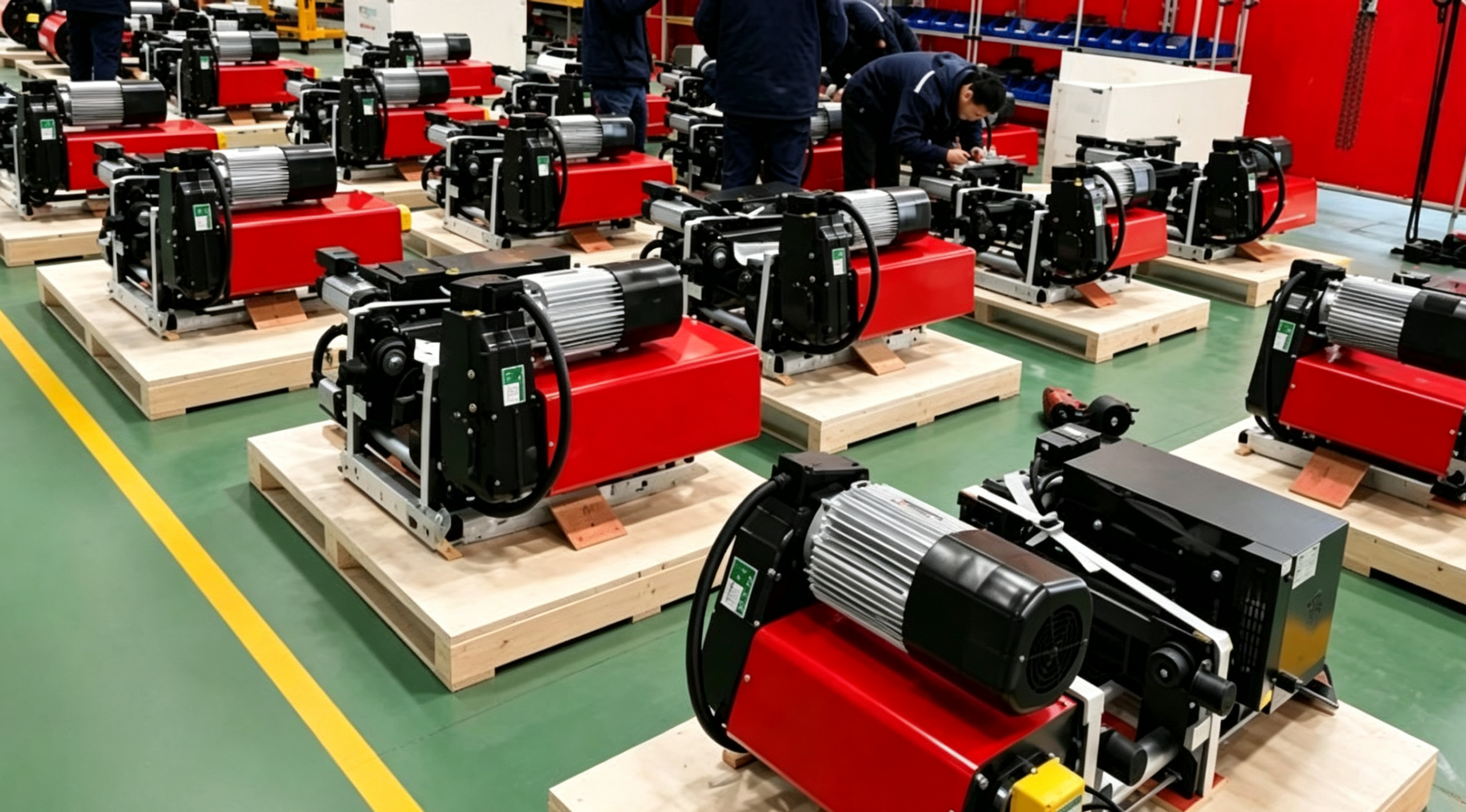
Since 2003, Dingya has been designing and manufacturing overhead cranes with over 40 registered patents and 2 software copyrights. With the help of our engineering team, we offer 100% custom overhead crane solutions to match every client’s unique lifting requirements.
Contact Dingya experts today for free consultations, and we will help you with overhead crane selection.