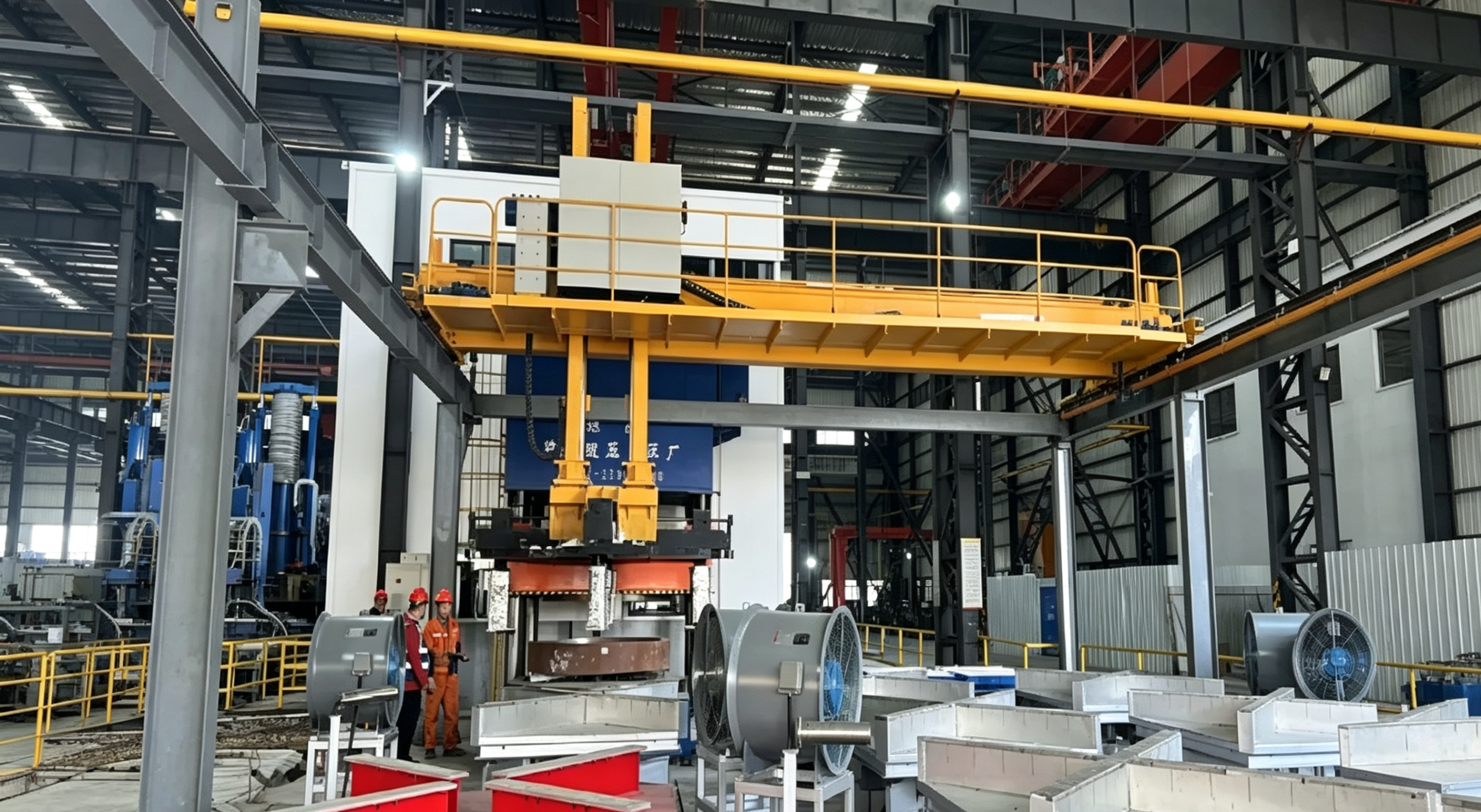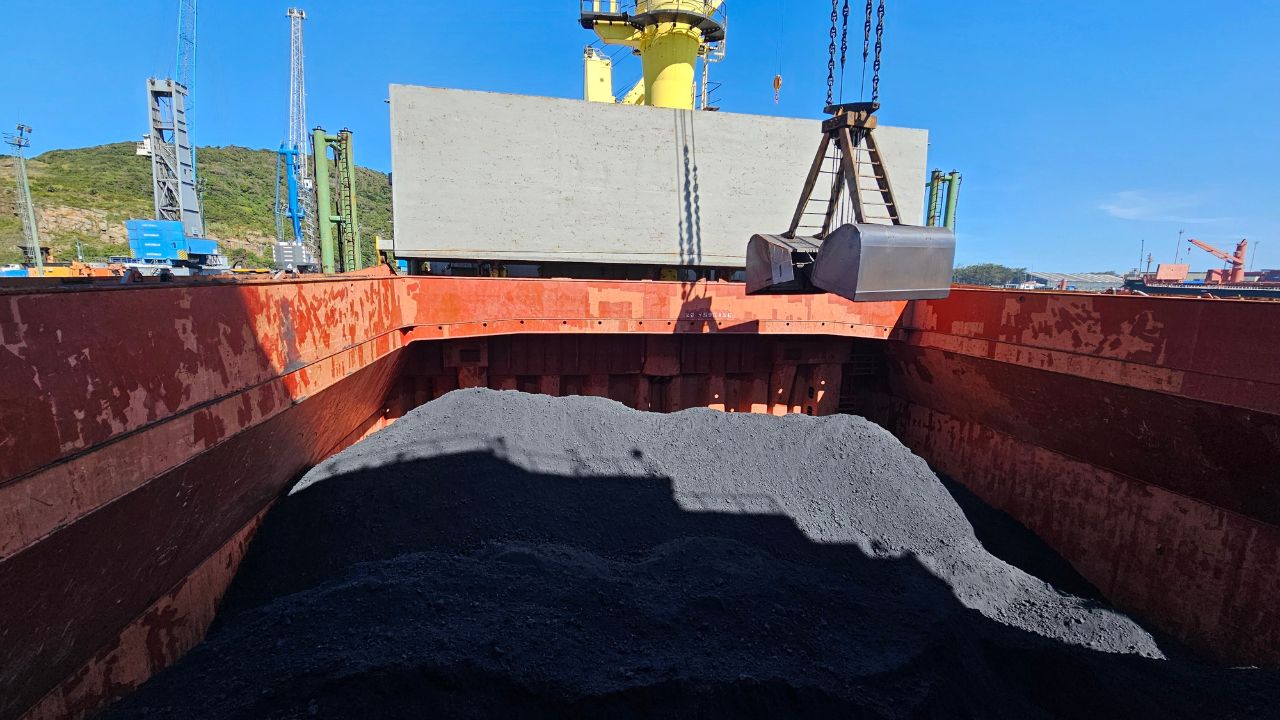
Investing in the right material handling equipment will improve productivity, workplace safety and operational efficiency. Even with most companies short for modern lifting equipment, knowing when to choose either an intelligent lifting or traditional lifting system is key to ensuring optimal operation at reasonable cost.
This guide compares intelligent and traditional lifting equipment to help you make an informed decision on a system that can deliver the greatest value to your business.
What is Intelligent Lifting?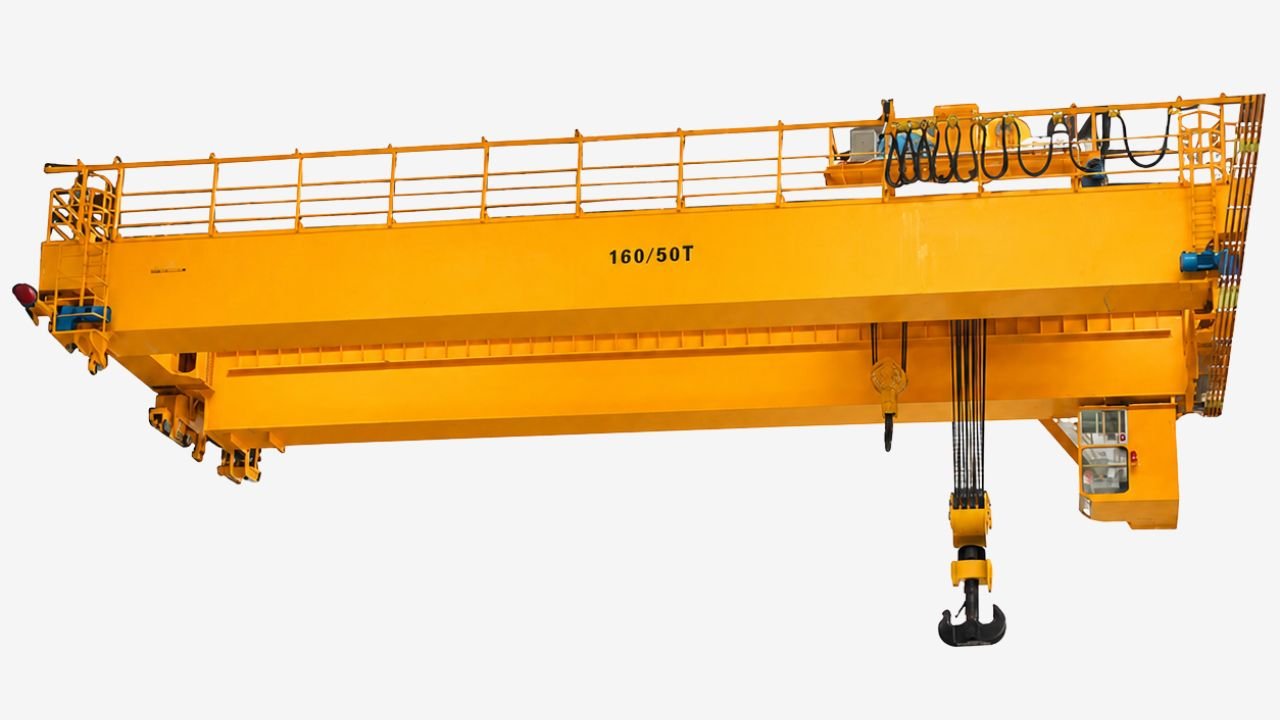
Intelligent lifting systems are cranes that use modern automation systems to improve precision and productivity for a higher-long term return on investment.
The devices convert the operator’s precise commands to execute the required tasks. This technology bridges the gap between the use of automated devices and human labor by bearing the weight of the load.
What is Traditional Lifting?
This is a lifting mechanism that mainly relies on a human operator to direct and adjust the machines used to lift the loads. There are also semi-automated machines that combine the use of automation and human labor, allowing the machines to do the heavy lifting.
Key Differences between Intelligent and Traditional Lifting
Before exploring these differences in detail, let’s have a comparison table to help you make a quick and informed decision:
| What to Consider when Choosing Lifting Equipment | Intelligent Lifting | Traditional Lifting |
| ROI | · Long-term | · Short-term |
| Lifting precision | · Excellent | · Moderate |
| Productivity | · Very high | · Moderate |
| Safety | · Advanced sensors and control system for higher safety | · Depends entirely on the operator |
| Initial cost | · Higher | · Lower |
| Maintenance | · More technical and requires high expertise | · Simple |
| Recommended applications | · Repetitive industrial tasks | · General lifting applications |
· Working Principle
Intelligent lifting devices rely on sensing technology incorporated in electromechanical servo mechanisms. This technology converts the operator’s force into precise movement, and it automatically balances the weight of the load it carries without any adjustment from the operator. Balancing of the weight happens in a hundredth of a second, creating a seamless transition between human control and machine.
Traditional lifting devices are numerous and are designed with different configurations, meaning the mechanisms of operation differ from type to type. However, these devices are typically mechanical or air-powered with no advanced sensors incorporated. Therefore, all operations are physically controlled, and any adjustment required is done manually.
· Control and Technology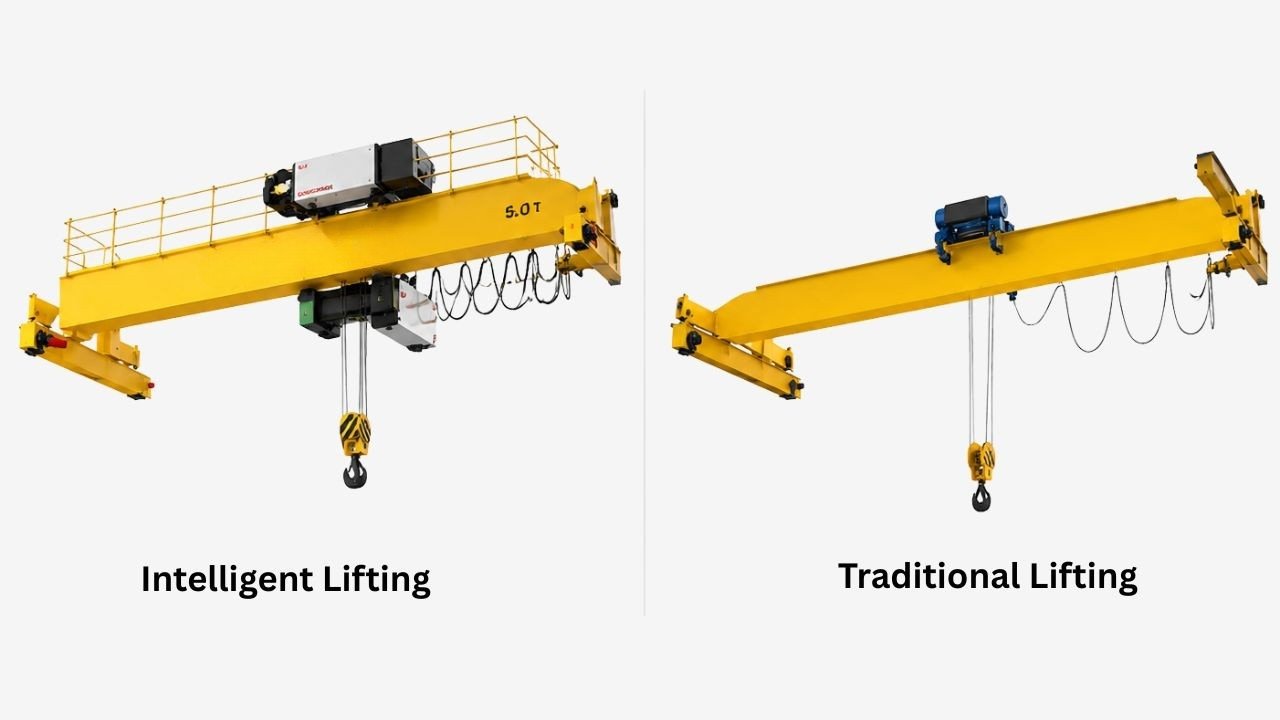
Intelligent lifting is technologically advanced and relies on electronics, sensors, and Industry 4.0-ready on-board systems. These components communicate via gateways with management systems. The combination of these two systems allows the device to monitor and collect real time date that is used to predict and issue alerts before any errors occur.
Traditional lifting equipment typically features mechanical controls that require an operator to physically control its mechanisms. This equipment features basic hardware with no advanced sensors. Any mechanism or adjustment required is manually done by the operator.
· Operation
Using intelligent lifting equipment allows for seamless operations as it only requires the lightest touch from the operator to respond. The device carries the bulk of the weight, needing only minimal force from the operator as a guiding mechanism. This allows operators to easily lift and position the loads as required.
Given that traditional relies on manual mechanical labor, operations are often impeded as it involves significant effort from the operator. Some devices require manually pulling chains or physically controlling direction and pull. Any adjustment required is also handled manually, which also makes the operations more strenuous for the operators.
· Precision
With advanced sensors present and given the repetitive nature of tasks these devices are utilized in, intelligent lifting equipment offers superior precision, making it ideal for sensitive applications. These machines offer you exceptional movement control, allowing you to incorporate them in assembly lines.
Traditional lifting, on the other hand, is a simple machine that is manually controlled and therefore is not ideal for delicate applications. These machines are more rudimentary and offer you limited precision, with their functions restricted to positioning based on the operator’s guidance.
· Performance
Using intelligent lifting devices offers you exceptional performance. Performance index elevations include manufacturing speeds of over 70%, productivity by over 51%, and operations that are eight times faster. This performance boost makes it ideal for industrial applications.
Traditional lifting devices, by comparison, are slower as they rely on the operator’s speed, which cannot match that of machines. Given the physical strain involved in operating these devices, speed and productivity are limited. This makes it ideal for small to medium-scale enterprises.
· Safety
Fitted with advanced sensors, AI algorithms, and cameras, intelligent lifting devices are equipped with many safety features that help prevent accidents. The devices also eliminate human error, which in turn eliminates any accidents that are typically caused by human error. It automatically balances the load with a hundredth of a second, which further minimizes the risk of injury during operations.
Traditional lifting devices, on the other hand, rely mainly on human operators to move and adjust loads, which leaves room for human error. With no in-built sensors, there is a risk of overloading or misalignments, which can lead to accidents. Risks are also more likely to occur after long hours of operation due to the operator’s fatigue
· Ergonomics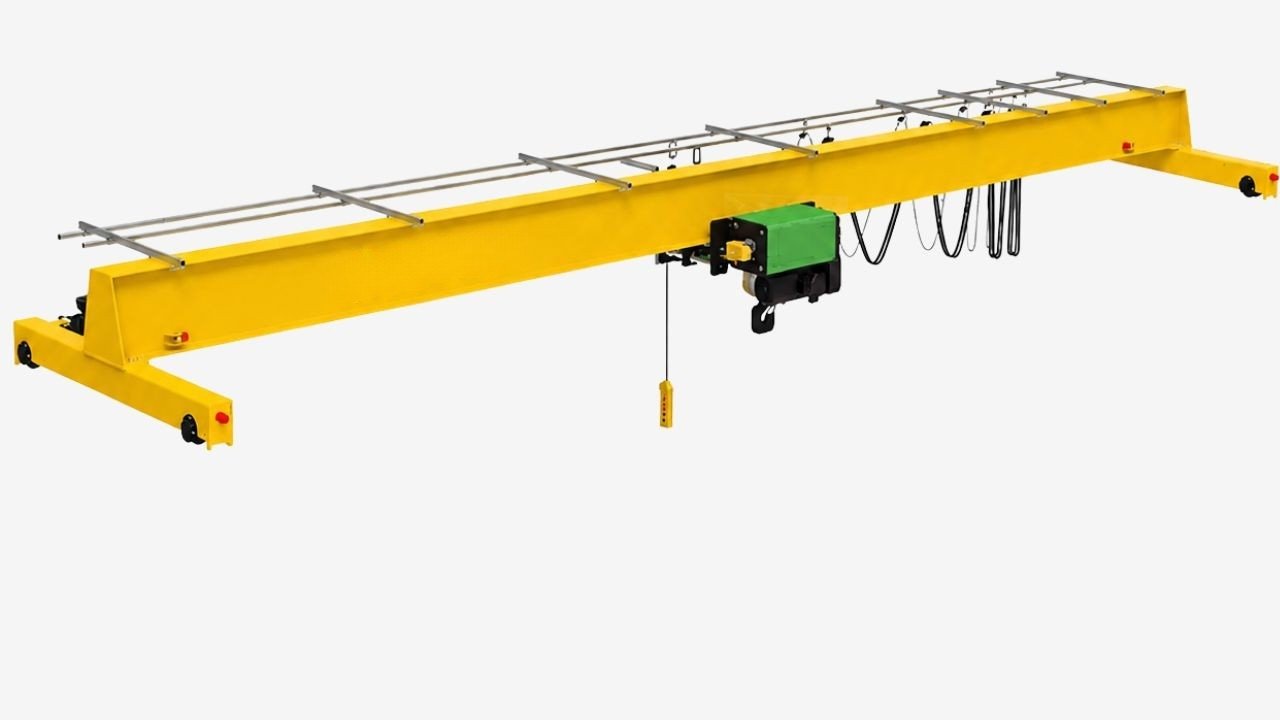
Intelligent lifting machines are typically incorporated in operations that involve repetitive tasks. By incorporating these machines, the physical force typically required to complete these operations is greatly reduced by 78%. This in turn increases productivity and also minuses risk of injury and fatigue.
Traditional lifting requires a lot of force and involves a lot of movements, as the adjustment and position solely rely on the operator. Repeated movements throughout the production process take a toll on the operator. As such, fatigue and the risk of workplace injuries are higher.
· Product Protection
Intelligent lifting minimizes the risks of loads getting damaged as it is being moved or repositioned. It is three times less likely for the loads to be damaged as the machine automatically balances the load within a hundredth of a second
Given that adjustment and loading of the loads rely on a human operator, there is a high risk of the load getting damaged. This risk is increased with the physical state of the operator.
Knowing when to Choose:
Intelligent Lifting
You need to factor in the following when selecting intelligent lifting.
- For applications that require elevated precision, as it greatly minimizes error.
- If the scale of your operation can withstand the hefty cost of purchasing a unit.
- As a method of eliminating workplace injuries caused by repeatedly moving and repositioning heavy objects.
- If your application involves repetitive or predictable tasks
- For applications involving industrial-sized operations or assembly lines, as it costs more to purchase and operate.
- You can get one if your application involves moving or repositioning heavy loads.
- If you are in a position to offer a brief training for operators to be able to better work the machine
Traditional Lifting
You should select traditional lifting if your application’s needs meet the following factors:
- Traditional lifting devices are fairly cheaper to purchase and offer a more budget-friendly option
- You can consider these devices if your application involves various operations as opposed to repetitive tasks, as the machine is versatile.
- You do not need to offer technical training, as traditional lifting devices are very easy to use and do not require skilled experts to operate
- For extensively heavy loads, traditional lifting methods such as cranes are better suited.
- If you have more than one type of application that requires lifting heavy loads, then this variation of lifting device is better suited for you.
- They are best suited for small to medium operations of facilities
- If you are not running a high-risk operation that values precision, such as loading or moving cargo, then you can use these devices
- If you want to get a quick return on investment at a lower cost, then these devices are ideal.
FAQs
Is intelligent lifting equipment better than traditional lifting designs?
Yes, utilizing intelligent lifting equipment has shown significant benefits by elevating productivity, precision, and ergonomics.
Is intelligent lifting equipment worth the higher cost?
Yes, if you have a large-scale operation involving the same operations, then the return on investment is high.
What’s the return on investment for each type?
If you are looking for a high return on investment, then intelligent lifting systems are ideal. Traditional lifting devices offer a quick return on investment.
Do operators need technical skills to use intelligent lifting devices?
Yes, using intelligent lifting devices requires training, but they are designed to be user-friendly.
Which is safer—intelligent or traditional lifting?
While relying on technology, intelligent devices work seamlessly with human operators, minimizing risk and making them safer.
Looking for the Right Lifting Solution
Dingya is a high-tech company with over 21 years of experience in lifting equipment design and manufacturing. From an LD electric single-girder overhead crane to a smart crane solution featuring anti-sway technology and anti-centering.
Tell us more about your material handling requirements and our engineers will advise you on the right lifting solution.