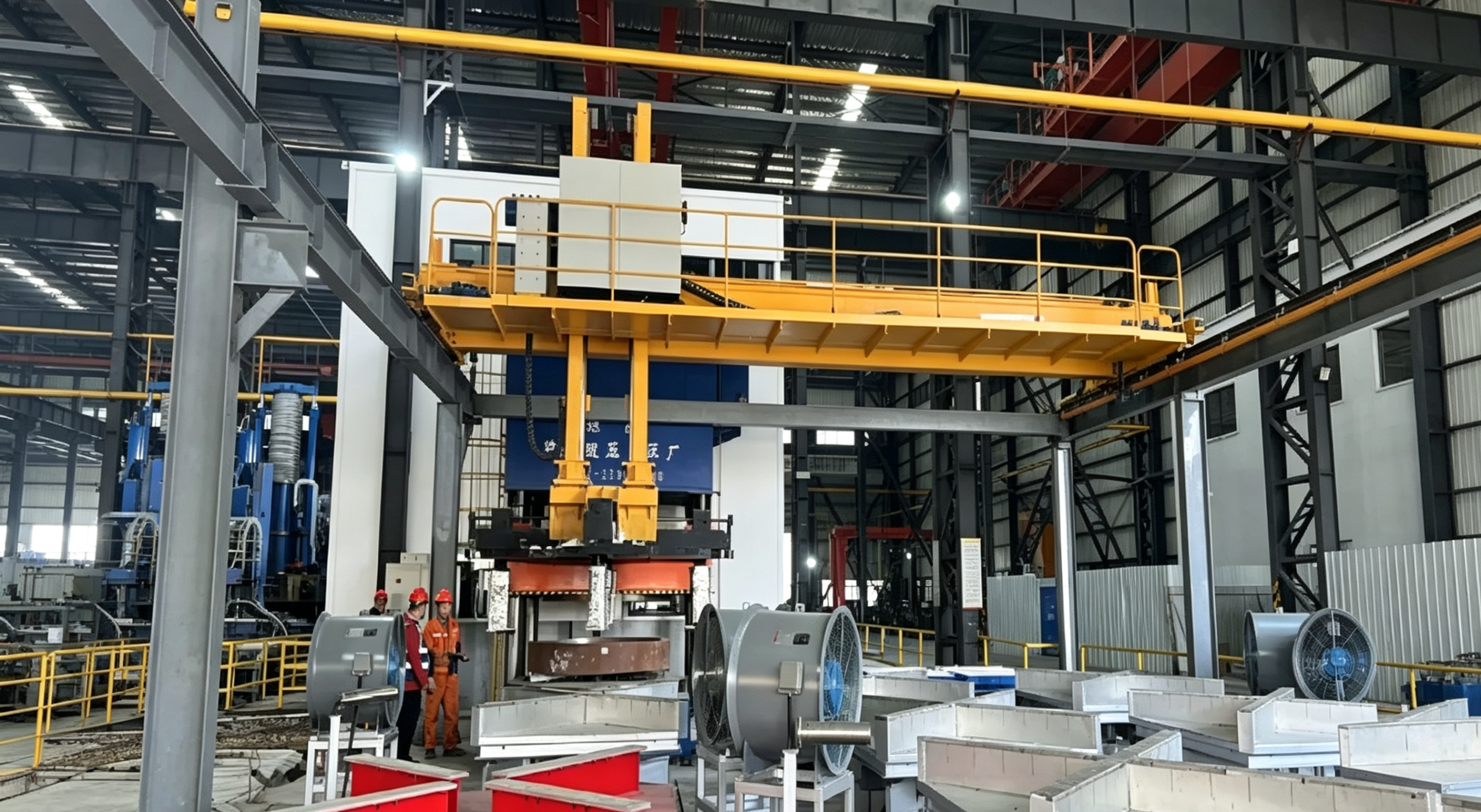
If the load exceeds a certain limit before use, it will lead to wear and even malfunction.Crane load testing helps you find potential crane issues. It can verify whether your crane is up to standard. This ensures the reliability of safe work in the factory.
This article teaches you about crane loads and the processes involved. It helps you better understand crane load test types, processes, and frequency.
What Is Crane Load Testing?
Crane load testing simulates actual lifting conditions. It verifies that components, including the structure, brakes, wire ropes, electrical systems, and limit protection, can safely bear the load.
Types Of Crane Load Testing
The testing is divided into two categories: static testing and dynamic testing.
Static load test
In a static load test, the crane lifts 125% of its rated capacity. Lift the load 100–200 mm off the ground and hold it still for at least 10 minutes. You should check the crane’s structural strength, stiffness, and whether any permanent deformation or cracks appear.
For example, rated lifting capacity of the single girder bridge crane is 10 tons, the test load should be 12.5 tons. During this period, you should inspect the main beams, end beams, welds, hooks, and pins. Check for signs of deformation, cracks, or peeling paint.
If no defects are found, the crane passes the static load test. It meets the factory inspection standards.
Dynamic load test
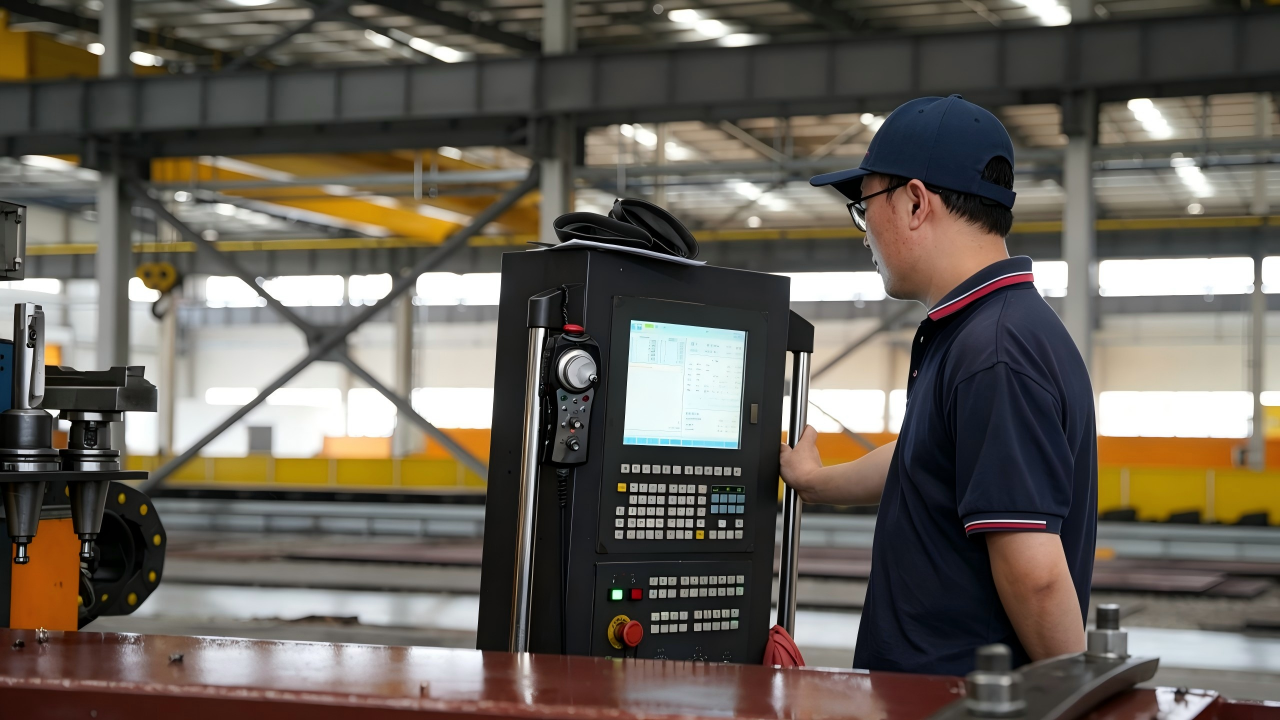
During the dynamic load test, you test the crane with 110% of its rated capacity. For example, a 20-ton double girder overhead crane is tested with a 22-ton load. Operate the crane according to the complete work cycle, including hoisting, lowering, trolley travel, and bridge travel. In addition, repeatedly start, stop, and perform emergency stops to simulate actual operating conditions.
If the crane runs smoothly throughout the test, with no unusual noise, excessive vibration, or unstable movement, this typically indicates that the crane is performing as expected during dynamic load testing. Suitable for delivery.
5 Steps For Crane Load Testing
1. View crane specifications
Before starting the load test, you should first review the crane’s specifications. For a double-girder overhead crane, this includes checking the rated lifting capacity, lifting height, and span to ensure the correct test conditions.
You should also review the local regulations and applicable standards before testing. Test loads, inspection procedures, and safety requirements may vary from country to country. Following these requirements helps ensure the load test is carried out safely, accurately, and meets local regulations.
2. Inspection of parts before testing
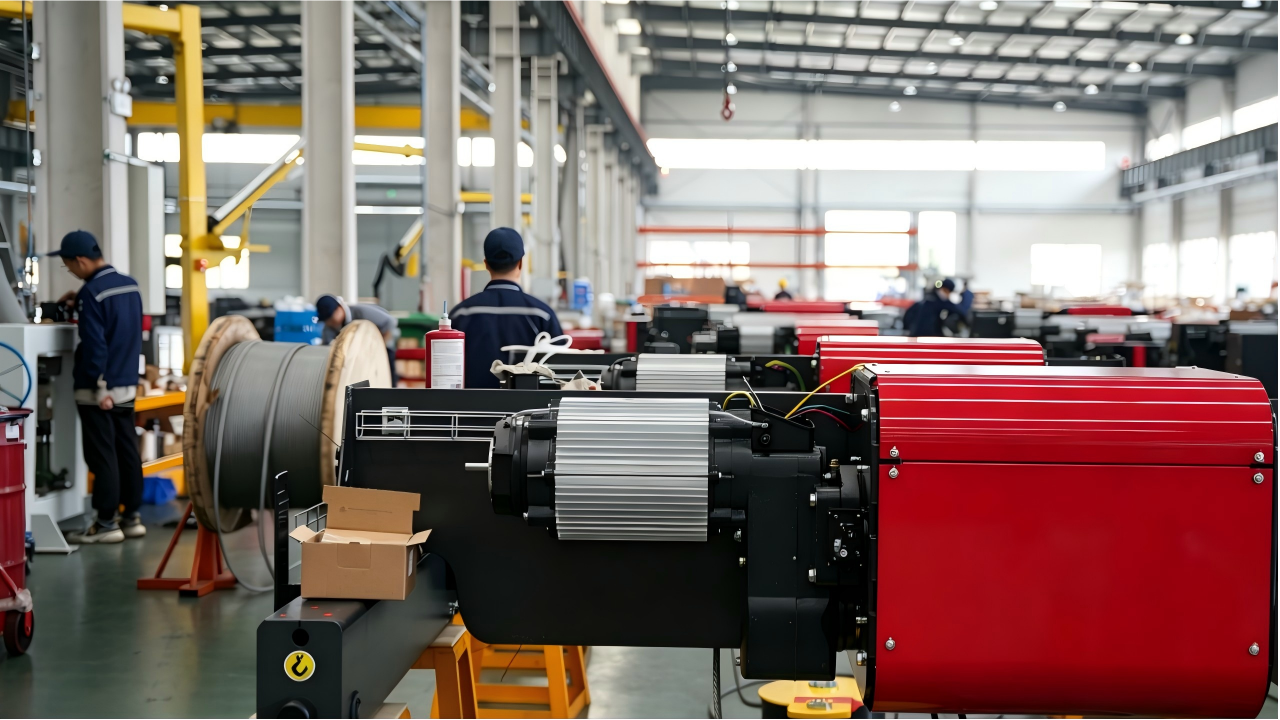
Whether your free-standing crane needs routine inspection, repair, or is newly built for export, check all structures and parts before testing. Before testing, a pre-inspection of the structure and components is required. Check crane’s structure and key components are in good condition.
Pay close attention to the wire rope, hook, brake, hoisting mechanism, electrical system, limit switches, and the main steel structure. If you spot wear, damaged parts, or loose connections, complete all repairs before testing.
3. Perform static and dynamic load tests
After completing all preparation work, you can start with the static load test. This test mainly helps you check whether the crane supporting components,show any signs of abnormal deflection, deformation, or instability under the test load.
After the static load test is completed, you should proceed with the dynamic load test. During this step, you need to observe whether the movement is abnormal.
4. Verify all safety devices function normally.
Your crane is equipped with various safety protection devices, such as overload protection systems, limit switches, emergency stop buttons, alarms, and other installed safety devices.
After completing the static and dynamic load tests, you should verify that these safety devices are working properly.
Check whether they can respond correctly. Ensure personal safety. Well-functioning safety devices help reduce equipment damage caused by unsafe operation. This extends the service life of the crane.
5. Regular statistical maintenance reports
You should record the test results in the maintenance report. The report should include important details such as the crane identification, test date, test load, inspection results, safety device test results, and final test conclusion.
Keeping complete and organized records helps you track the crane’s operating condition over time. It also allows you to review previous test results and better plan future maintenance work. These records can also serve as evidence that the crane has been inspected in accordance with the prescribed procedures.

Standards For Crane Load Testing
Before purchasing a crane, you should confirm the required standards with the supplier based on the project location and local regulations. This helps ensure that the crane passes inspection and operates safely after installation.
Test reports and certificates based on ISO or Chinese GB standards are usually required. Common requirements are as follows:
- Static load test: 1.25 times the rated load.
- Dynamic load test: 1.1 times the rated load.
- Main girder deflection under full load: ≤ L/800.
Such as, an overhead crane with span L=14000mm as an example. Maximum allowable deflection = 14000mm ÷ 700 = 20 mm. If deflection exceeds 20 mm, the main girder lacks sufficient rigidity. Prolonged operation may cause fatigue cracks.
CE certification is required. Safety circuits and all limit protections shall comply with EU specifications.
Crane Load Testing Frequency
The frequency of crane load testing can be arranged based on your crane’s working conditions, usage frequency, and duty class. Different applications may require different inspection intervals.
| Crane Working Condition | Recommended Load Test Frequency | Test Requirements | Notes |
| Light-duty work environment | Every 3–4 years (recommended) | Complete load test according to applicable standards | Suitable for cranes with low usage frequency and lighter working conditions. You can adjust the interval based on actual operation. |
| Medium-duty work environment | Every 2 years (recommended) | Full static and dynamic load testing | Common for factory workshops with regular daily operations. Regular testing helps you monitor crane performance and safety conditions. |
| Heavy-duty crane (A6–A8 duty class) | Once a year | Annual load capacity check and periodic static load testing | Heavy working cycles create higher stress on crane structures, so more frequent inspections may be needed. |
| High-frequency operation | Shorter inspection intervals are recommended | Increase testing frequency according to usage intensity | Frequent lifting cycles may accelerate component wear and structural fatigue. |
| Coastal or corrosive environments | Consider reducing the normal inspection cycle by around 30% | More frequent structural and component inspections | Salt, moisture, and corrosion can affect steel structures and may increase fatigue risks. |
FAQ
Who carries out traveling crane load testing?
For cranes newly installed or with major modifications to the crane, inspection must be conducted by personnel from the Special Equipment Inspection Institute.
If you are not located locally, we will provide you with a certificate of conformity before shipment. Alternatively, you can have a third-party testing agency perform crane load testing.
Or, a qualified engineer can perform the test entirely. Or, a qualified engineer can perform the entire test.
What should you do if a fault occurs during crane load testing?
In this situation, do not start second crane load test. You should immediately press the emergency stop button. Return all control levers to their original positions.
Return all control levers to their original positions. Disconnect the crane’s main power supply.
All crane load test actions were terminated. First, check if the fault is an electrical fault, a brake fault, or a structural fault. Only after checking all faults should you attempt a second crane load test.
How to calculate SWL for a eot crane?
SWL = Safe Working Load
You cannot calculate a crane’s SWL (Safe Working Load) by yourself. The manufacturer sets the SWL according to the main beam, wire rope, mechanical strength, stability, and working radius, and marks it on the nameplate. On site, you should adopt the rated load on the nameplate and verify loads considering working radius, angle, and lifting equipment weight.
Can load testing stop all failures of euro overhead bridge cranes?
No, crane load testing cannot prevent all breakdowns of euro bridge cranes. It only verifies the load capacity of load-bearing structures and lifting capacity. Investigate potential hazards caused by overloading. However, it cannot prevent malfunctions caused by routine wear and tear. It can only be used as an important safety screening method.
Can load testing damage a traveling crane?
No.As long as applicable standards are followed.Testing is conducted by qualified personnel.
Load testing will not damage the crane.The test load is carefully calculated.And the crane is inspected before and after testing.If any abnormal deformation or damage is found,the crane should be repaired before being put into use.
Load Testing Standards & Factory Quality Control
Dingya Lifting attaches great importance to every load test. We use high-standard load tests to identify and eliminate potential structural defects. Eliminate the risk of load-bearing failure. We provide durable, compliant lifting equipment that can pass annual inspections smoothly.
Dingya Cranes guarantees that all products exported will be tested strictly in accordance with local regulations. All machines need to pass these inspections before leaving the factory.