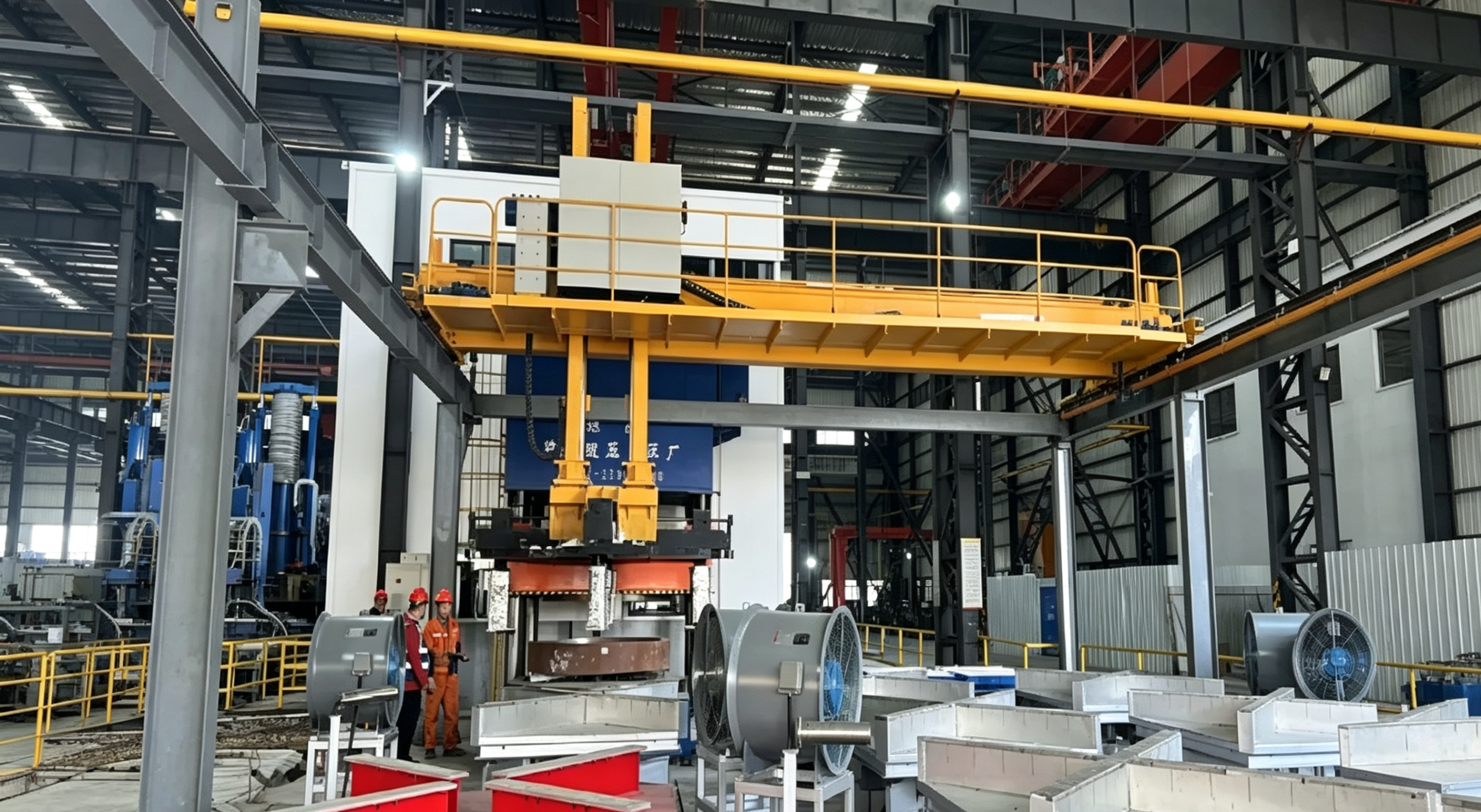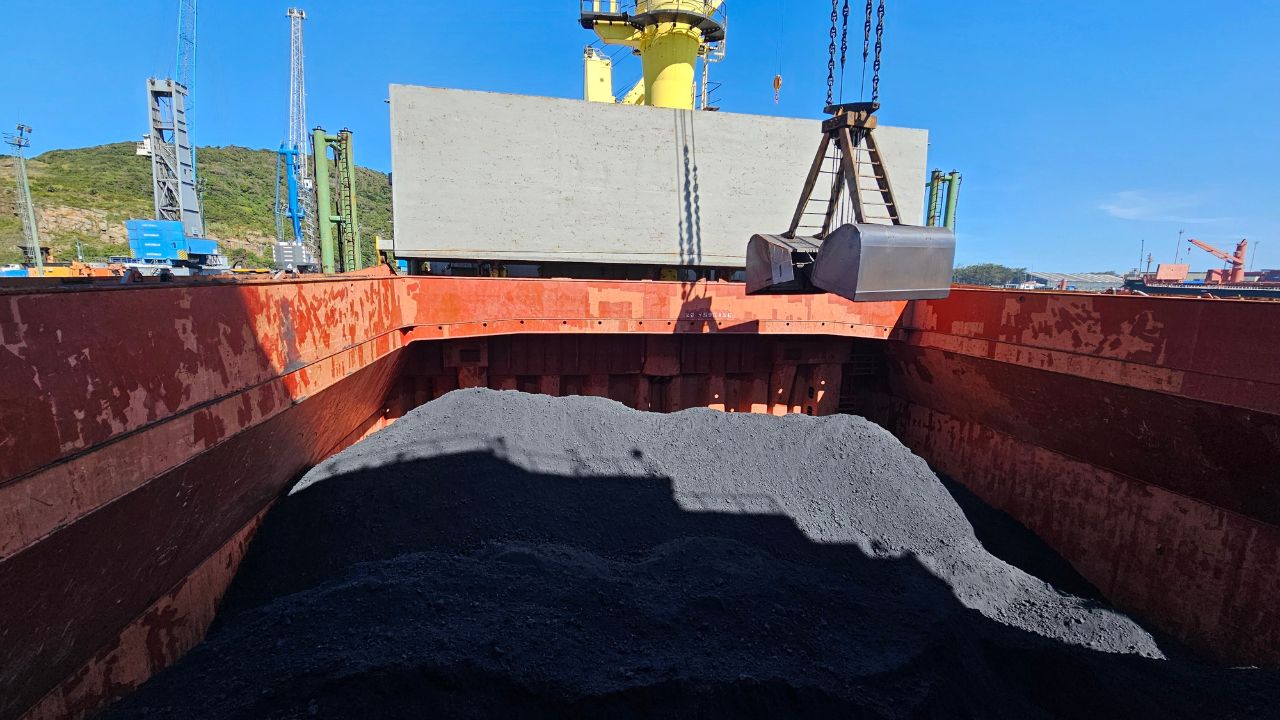
Any factory, logistics company, or construction firm handling heavy materials, machinery, or products requires a functional and customized crane at the very least. Cranes come in distinct types, meaning you need to be deliberate when procuring or renting one for your factory or firm. In this article, we navigate the distinct factors that will make your crane selection process easier.
What is a Crane?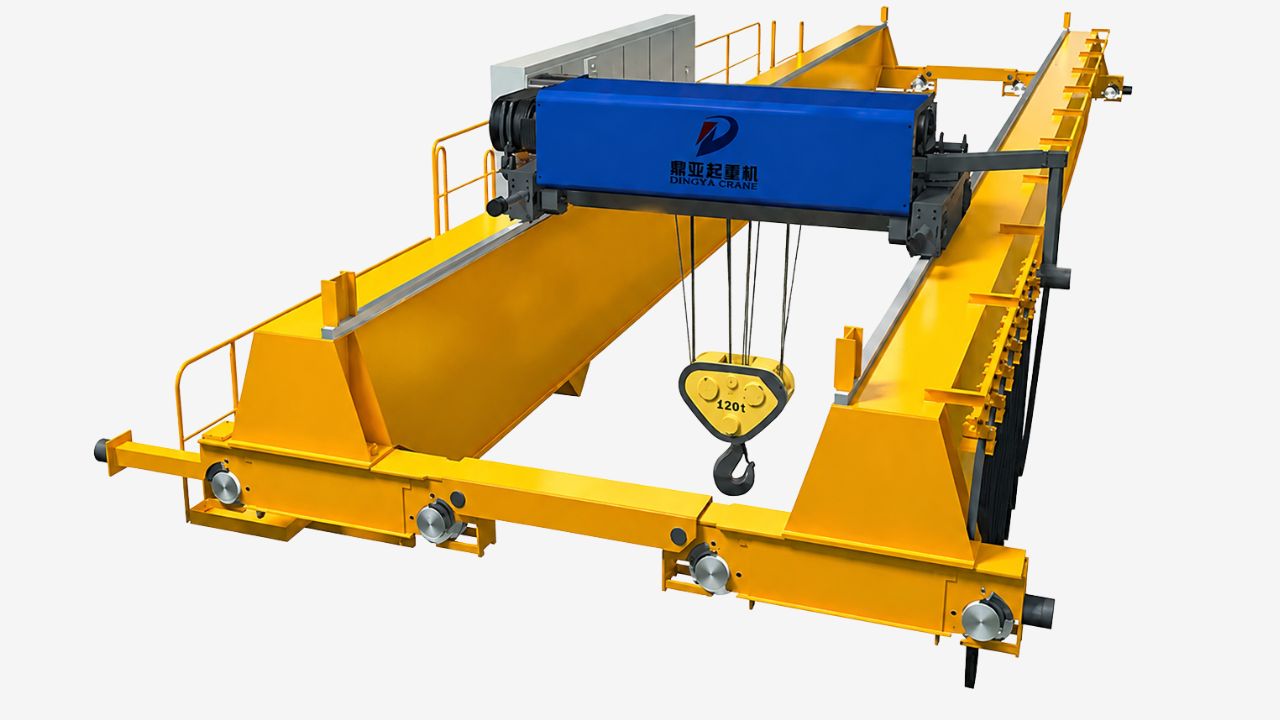
A crane is simply a heavy materials handling machine often utilized in the construction and shipping industries to move weighty objects quickly and safely. Cranes use different lifting mechanisms, including hooks and chains, and this reduces the workload placed on your respective staff.
Thanks to cranes, manufacturing facilities and shipping companies can now move heavy objects that would be virtually impossible to move with human hands.
Finding the Ideal Crane: Key Factors to Consider
Whereas all cranes may look the same and execute the same functions, each application necessitates a tailor-made crane as well as crane equipment.
To ensure that your facility or project benefits optimally from a crane, we have outlined 10 key factors to consider.
Type of Crane
Even before evaluating key specifications of cranes, it is important to identify the design. In most cases, cranes come in different configurations that are optimized for specific applications.
Therefore, by first identifying the type of crane to use, it will be easier to evaluate other specifications:
| Type of Crane | Recommended Application |
| Mobile crane | · Flexible side operations |
| Overhead crane | · Manufacturing workshops |
| Gantry crane | · Outdoor yards |
| Portal crane | · Ports and shipping terminals |
| Jib crane | · Localized workstations |
| Tower crane | · High-rise construction |
Lifting Capacity
When purchasing a crane, the first thing on your mind should be the maximum weight the crane can support. Always consider the weight of the objects or materials the crane will be handling.
Find a crane that will handle your objects’ weight range with ease. Going for a crane with a relatively higher lifting capacity than your project demands is likely to lead to wasted potential, while opting for a crane with a relatively lower lifting capacity could be a safety hazard.
When determining the crane lifting capacity, it is important to know the duty specification and working cycles.
| CMAA Crane Classification | Service Level | Recommended Application |
| Class A | · Standby · Lift per hour: 0 to 2 | · Dam hoist houses, power plants, etc. |
| Class B | · Light service · Lift per hour: 2 to 5 | · Light warehouse work, repair shops, and service buildings |
| Class C | · Moderate service · Lift per hour: 5 to 10 | · Paper milling machine rooms, general manufacturing, machine shops, etc. |
| Class D | · Heavy service · Lift per hour: 10 to 20 | · Foundries, fabricating plants, lumber mills, etc. |
| Class E | · Severe service · Lift per hour: over 20 hours | · Scrap yards, container shipping yards, etc. |
| Class F | · Continuous service · Lift per hour: Non-stop | · For specialty applications |
Height of the Lift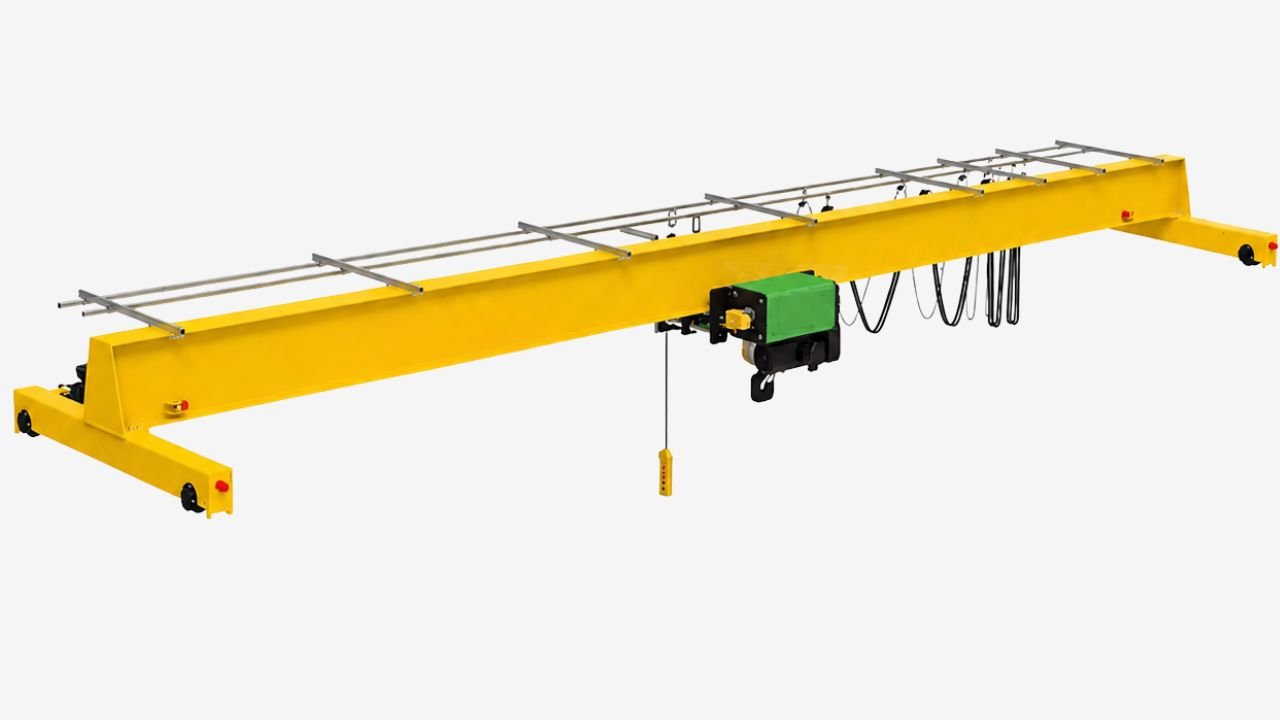
Factoring in how high the crane can stretch is equally important as factoring in the crane’s lifting capacity. When picking a crane, particularly one for a specific construction project, it is important to consider the specific height the crane should reach.
Picking a crane with a limited height of lift risks slowing down your construction production. As such, determining the required height of lift prior to the purchase is quite essential.
Crane Span
The crane span simply determines the maneuvering distance a crane is designed to achieve. For instance, how far a shipping crane can extend its arm to load or offload heavy products from a shipping container. Finding a crane with the perfect span not only makes the loading and offloading process faster and more efficient, but it also eliminates the risk of personnel injury and product damage.
Control Options
The control options supported by a crane directly impact the speed and efficiency of the manufacturing processes, shipping operations, or construction projects. Manually operated cranes are comparatively slower, making them suitable for relatively small operations.
Cranes with automatic or remote controls, in contrast, are much faster and more efficient, making their use in large shipping facilities, industrial manufacturing facilities, and enormous construction projects. However, you must understand that the crane’s degree of automation greatly impacts its cost.
Additionally, it is important to consider crane power consumption since this determines the operational costs. On average, a 1 to 5 tons crane with a hoist motor of 3 to 7.5 kW can use 1 to 2 kW per hour. While heavy industrial mill cranes with 50 to 100 tons capacity with 45 kW to 150 kW motor can use 30 to 75 kWh per hour.
Choosing cranes with smart technologies such as variable frequency drives (VFD) or regenerative braking can save power consumption.
Safety Features
Different industries and regions have stipulated numerous safety features that must be embedded in cranes before they are put into use. For instance, all cranes must come with an emergency stop button or mechanism to allow proactive deactivation in case of a malfunction.
Other safety features to look for in a crane before purchase include overload protection and a functional braking system. The overload protection lets you know when the maximum load capacity of the crane has been achieved or surpassed. This subsequently allows you to adjust the weight, ultimately averting crane equipment damage and upholding user safety.
Certifications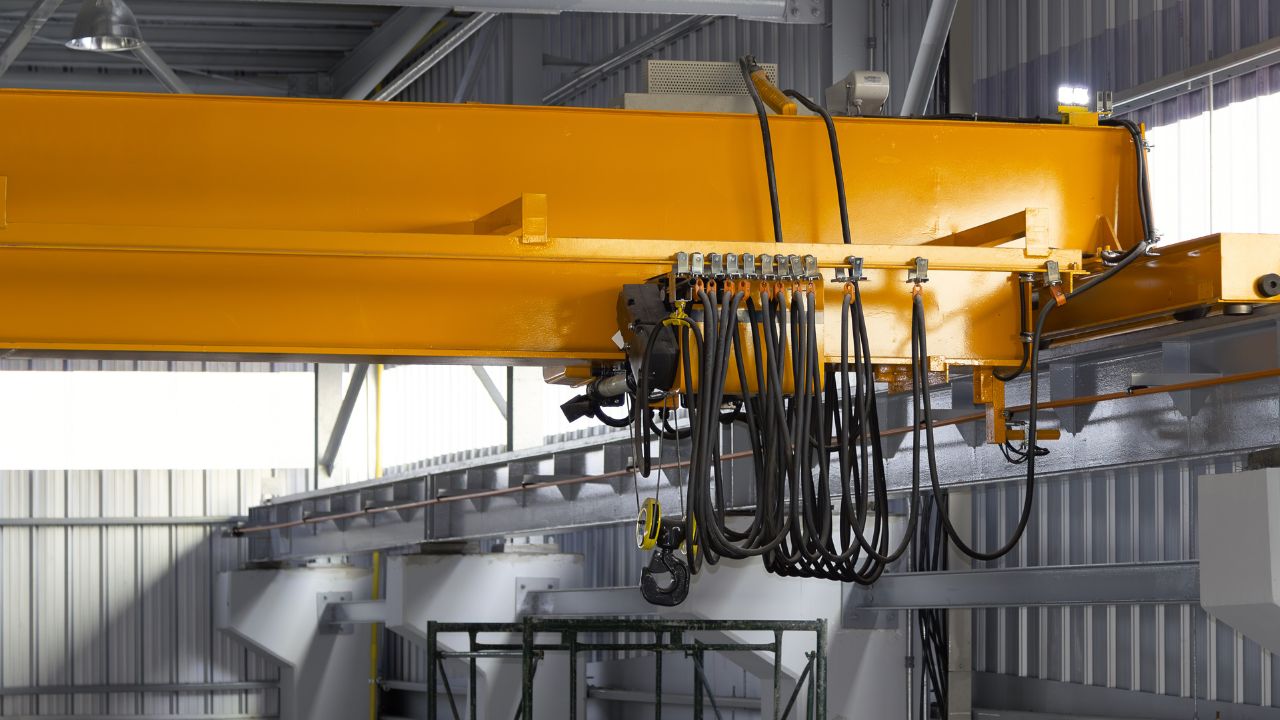
Never install cranes that do not comply with the safety and performance specifications. Non-compliance is costly since the local authorities may revoke your operating license, and insurance may not compensate the operators in case of an accident.
Before purchasing a crane, it is therefore important that you certify that the crane meets all the stipulated compliance standards.
Always buy cranes from manufacturers who are ISO 9001 certified. Additionally, the cranes must comply with the CMAA Spec 70, CMAA Spec 74, ASME B30, FEM 1Am, FEM 2m/3m and CE. All these standards vary according to geographical location.
Budget
Every business must keep its operational costs under control, and this applies to the purchase of cranes. Before procuring a crane, you must first understand the budget constraints under which your factory, shipping facility, or construction company is operating.
If your business is quite small, procuring a crane with manual or semi-automatic control options may be more logical. However, if your manufacturing facility is enormous and without budgetary constraints, you should opt for a fully automatic crane with a relatively higher lifting capacity.
Maintenance
Cranes, just like every other piece of moving machinery utilized in manufacturing factories and shipping processes, necessitate frequent and quality maintenance. Failure to maintain a crane as stipulated by the manufacturer risks limiting its life expectancy and deteriorating its performance.
Before making a purchase, understand the maintenance practices necessitated by the crane, the cost involved, and the frequency of these maintenance practices. A well-maintained crane not only makes the lifting of heavy objects easier and more efficient, but it also boosts personnel safety.
Working Conditions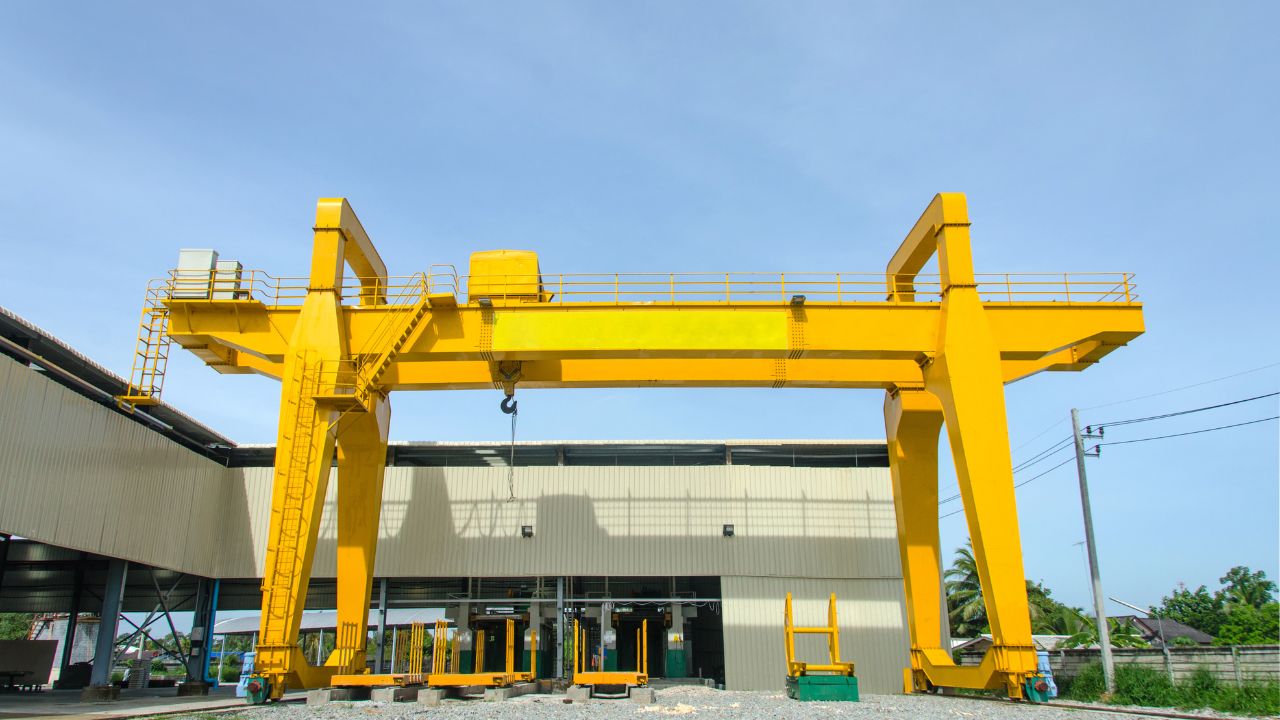
Different crane applications come with distinct working conditions, and you cannot afford to ignore the impact of these working conditions on your crane’s performance. For instance, what type of terrain are you dealing with, and what type of materials or objects do you intend to lift or carry?
Once you have categorical answers to these questions, finding a crane that best suits your manufacturing facility, construction project, mining site, or shipping facility becomes easier.
Outdoor crane operations will require IP56, while pharmaceutical industrial lifting equipment must comply with ISO Cleanliness specifications.
FAQs
What types of cranes can you choose from?
Cranes have become indispensable machinery across industries such as shipping, construction, and manufacturing. This has prompted the construction of distinct types of cranes, key amongst them being crawler cranes, tower cranes, and truck-mounted cranes, among others.
Is it mandatory for a crane to meet accreditation standards?
Yes. Different industries, in conjunction with the respective regional authorities, have stipulated a set of accreditation standards that respective cranes must adhere to. If you are found to be using a crane that does not meet these standards, you are likely to be fined heavily or even have your operational permits revoked.
How much does a crane cost?
Well, cranes aren’t the cheapest of machines to procure or hire. They generally attract high price tags, but their upside is that they promise greater returns on investment. The cost of a crane is primarily determined by its type, tonnage specification, and control options, amongst other factors. This makes it difficult to pin down an average price point.
Does crane maintenance demand external expertise?
Whereas you can utilize your operator’s expertise to undertake basic crane maintenance, you are advised to consult external experts when executing complex maintenance practices. To be on the safer side, you should consult the crane’s manufacturing technicians.
Need Help in Selecting the Right Crane?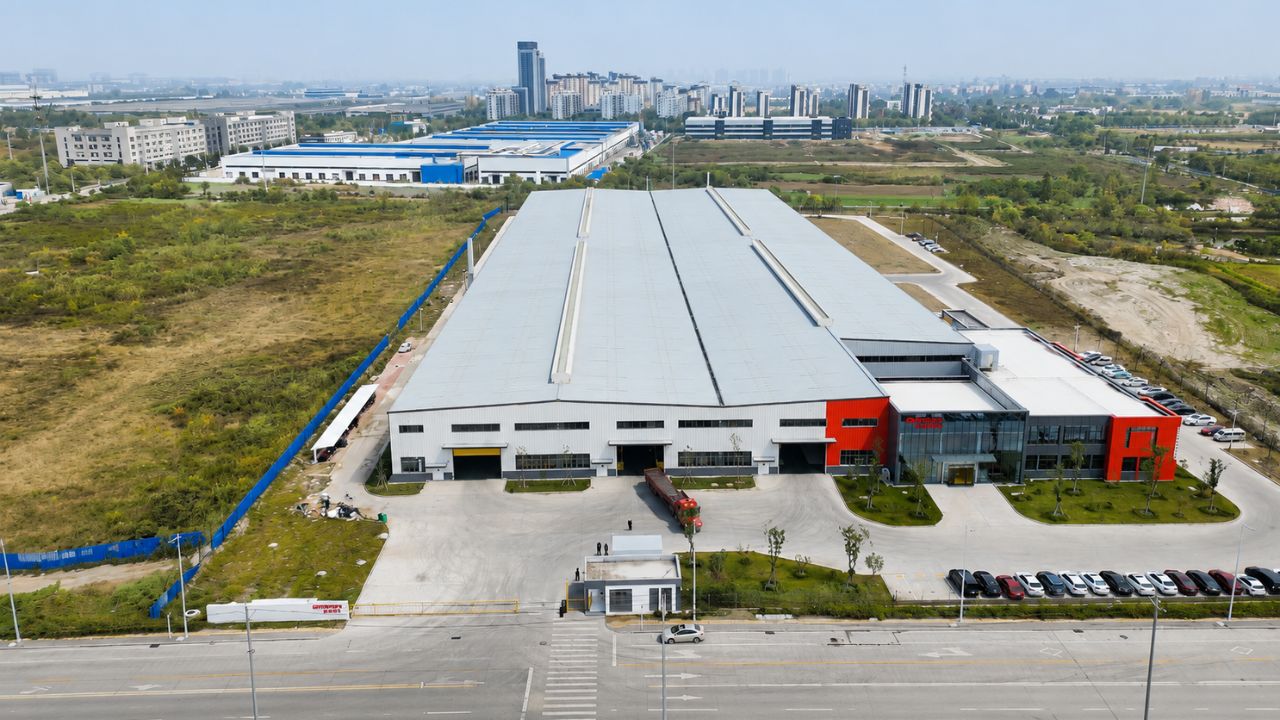
Dingya team is here to help you choose the right crane for your unique application requirements. Our material lifting equipment ranges from gantry cranes, overhead cranes, portal cranes, to fully customized specialty cranes.
Contact the Dingya team today for free consultations and custom crane recommendations.