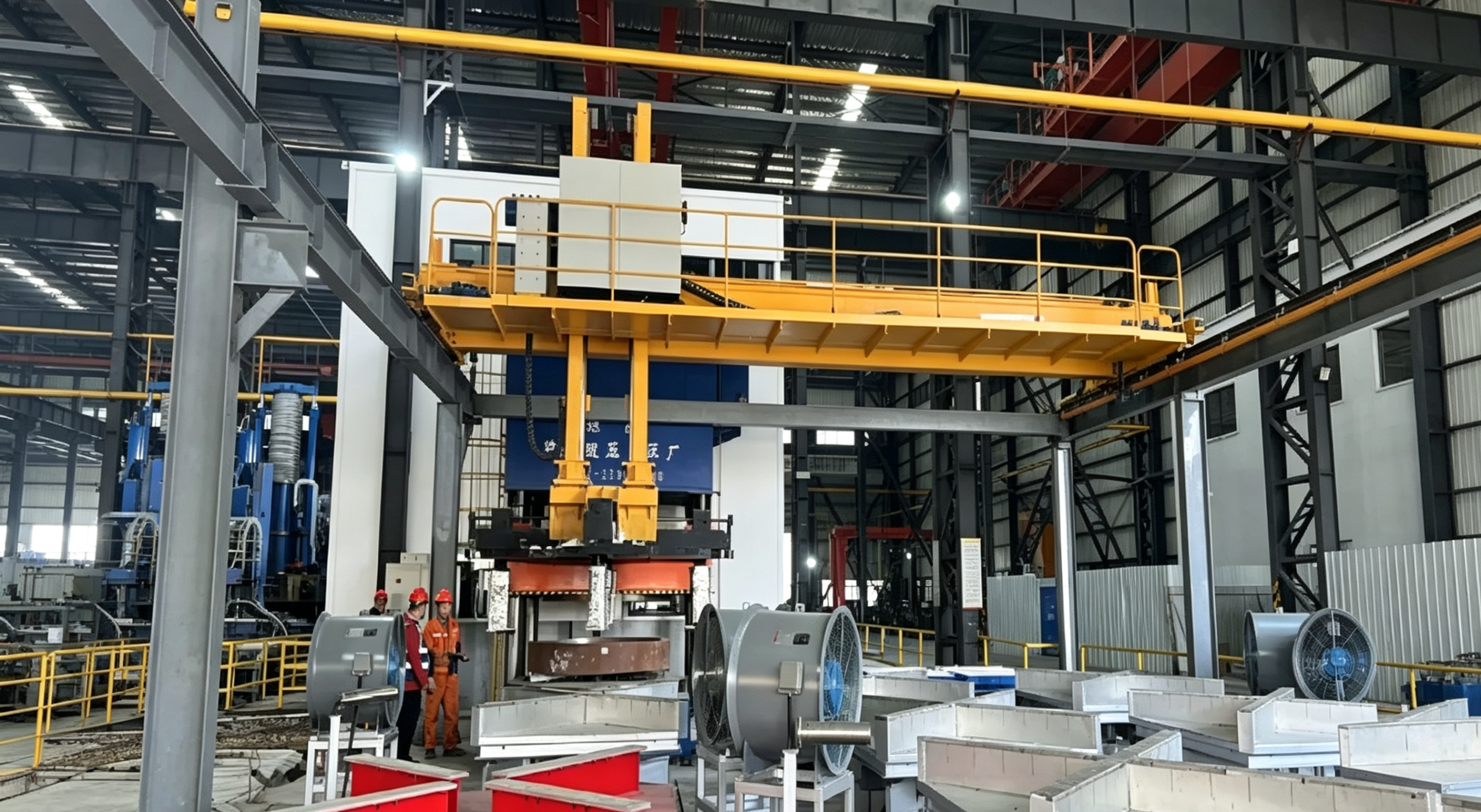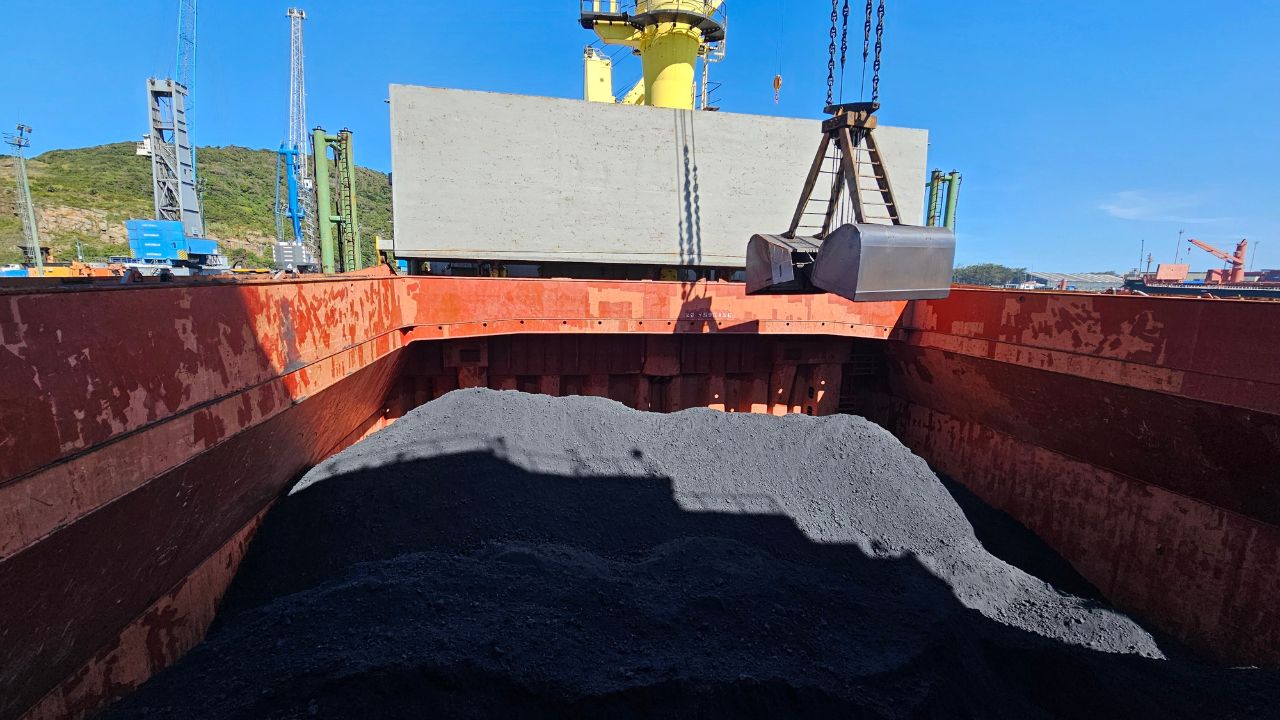
Electric hoists are indispensable for lifting and moving loads. They can replace manual labor in handling objects. However, improper selection may lead to incompatibility with the crane.
This can result in derailment or even a fall due to overloading. This article will teach you how to choose the right electric hoist.
What Is An Electric Hoist?
Electric hoists are industrial devices used for lifting and moving objects. You can install it on bridge cranes, gantry cranes, jib cranes, special cranes, and other equipment. Their running path is horizontal along the main beam. The hoisting is completed by lifting and lowering the equipment. They are powered solely by electricity, requiring no manual pulling. You can choose from different types of electric hoists. They can help you better accomplish heavy lifting and moving tasks. Making operation simpler, more labor-saving, and more efficient.
Types Of Electric Hoists
Chain hoist
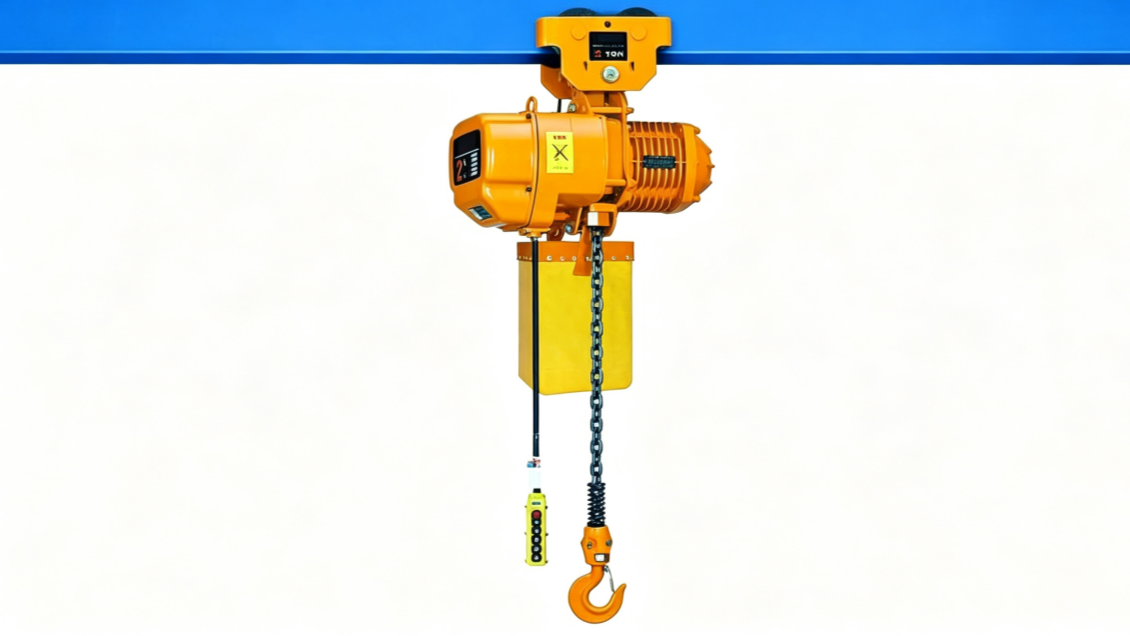
Chain electric hoists belong to one major category of electric hoists. You will get an alloy steel chain with excellent tensile strength, and that is not easily broken. The chains support bending and coiling operations. An inbuilt motor drives gear rotation, pulling the chain into the hoist unit.
Both upper and lower hooks come with anti-drop spring latches to stop slings from slipping off. Dual-speed versions are available to you; they also include operation options such as wireless remote control. You can install these hoists in low-ceilinged workshops or in confined spaces beneath crane main girders. Their maximum load capacity is 20 tons.
Wire rope hoist
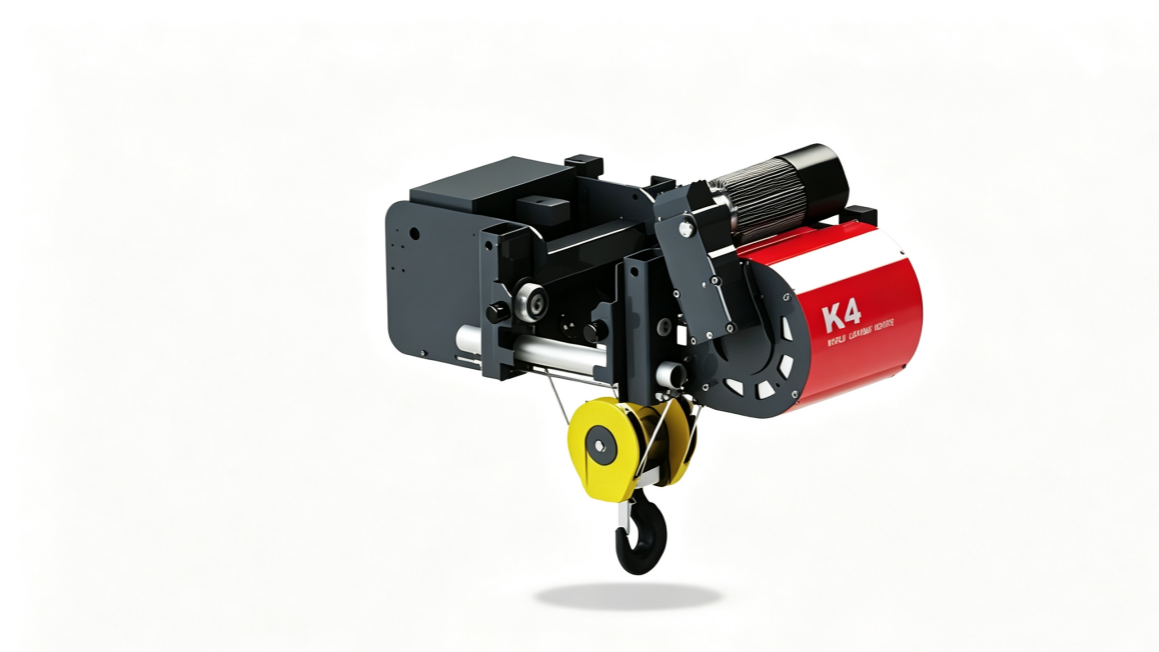
Wire rope hoists do not use chains to bear the load. Instead, they use specialized national-standard hoisting wire ropes, such as the 6×37 type—made of many fine steel strands twisted together. The rope is neatly wound in successive coils around a large, grooved drum to avoid damaging the steel wire. In operation, the hook lifts the load when the drum winds in the rope; conversely, the heavy object is lowered as the rope is released from the drum.
The hoist is fitted with comprehensive safety configurations, including upper and lower limit switches, overload limiters, broken-rope protection devices, and buffer devices. For your selection needs, wire rope hoists are divided into two mainstream types: classic conventional models (CD1/MD1) and upgraded European-style models. Low-headroom electric hoists are generally European style electric hoists. To meet your diverse industrial lifting scenarios.
Explosion-proof hoist
You can use explosion-proof electric hoists for high-risk industrial sites. These places contain flammable gas or combustible dust, making standard lifting equipment unsafe to use.
Each explosion-proof hoist is manufactured under strict industry standards and holds official Ex explosion-proof certification. It features a fully sealed enclosure with precisely controlled seam gaps. All core electrical parts, including motors, contactors, and control buttons, are completely enclosed.
This professional structure stops internal short circuits and electric sparks from leaking outwards. It effectively avoids explosion risks and delivers stable, reliable safety performance for your hazardous working environments.
Clean Electric Hoist
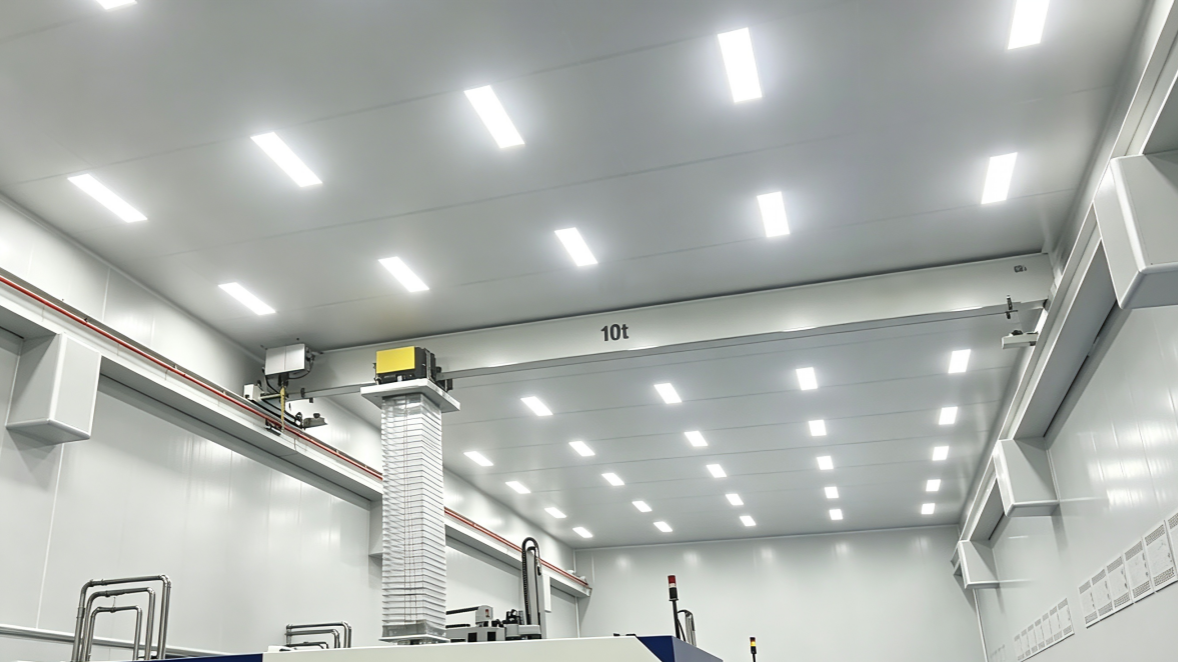
This is a special‑purpose hoist engineered for dust‑free clean‑room environments, with mirror‑polished stainless steel. Its smooth surface leaves no dead corners. Clean electric hoist design features help you prevent cross‑contamination within your workspace. When you run the equipment, it will not shed metal debris, leak oil, or generate dust particles.
You can wipe and disinfect the hoist directly with alcohol or sanitizing solutions for routine sanitation work. The hoist complies with ISO cleanliness‑class requirements. Common applications include dust‑free workshops, pharmaceutical production facilities, and semiconductor clean‑rooms.
How To Choose The Type Of Electric Hoist
When you select an electric hoist, do not only focus on the price. Cheap options often bring poor performance, frequent breakdowns, and hidden safety risks. You can choose the ideal hoist for your project by checking key standards, including rated lifting capacity, lifting height, working duty, track adaptation, and IP protection level, to guarantee safe and steady long-term use.
Rated lifting capacity
When selecting a lifting device, pay attention to its rated lifting capacity. This includes the total mass of the load and lifting gear. The unit is tons. Choosing the wrong size can easily lead to safety accidents such as overload and rope breakage. However, too high a value will result in unnecessary expenses; it is necessary to match the value appropriately according to your needs.
| Hoist Type | Rated Lifting Capacity (t) | Standard Lifting Height (m) |
| Electric Chain Hoist | 0.25-20 | 3/6/9/12 |
| Wire Rope Electric Hoist | 1-80 | 6~50 |
| Explosion-Proof Electric Hoist | 0.5-32 | 6/9/12/18/24/30 |
| Clean Room Electric Hoist | 0.25-32 | 3/6/9/12 |
Lifting height
You must ensure that the actual required height plus a safety margin does not exceed the standard lifting height of the hoist. Also, consider the site’s clearance conditions. For example, is it a general space, an explosion-proof space, a clean space, or a confined space? Ensure that the hoist type is perfectly matched to your operating environment.
| Category | Lifting height range | Limit height |
| Chain hoist | 3m‑6m | Maximum 12m, custom reach 16m |
| Wire rope hoist | 6m‑30m | Reach 50m or even higher. |
| Explosion-proof hoist | 3m‑30m | Reach 30m+ |
| Clean Electric Hoist | 3m‑6m | ≤10m |
Work duty
The working level directly affects the durability and safety of the electric hoist. You must plan your usage based on your work frequency and daily usage time. Choosing a low working level for long-term, high-frequency use will significantly shorten the lifespan and increase the risk of failure. Conversely, it will result in wasted costs. The following table can be used as a reference.
| Category | Work Duty |
| Chain hoist | M3‑M5 |
| Wire rope hoist | M3‑M6 |
| Explosion-proof hoist | M3-M5 are the primary models; heavy-duty customization is available for M6. |
| Clean Electric Hoist | M3‑M5 |
Track adaptation
Track compatibility directly impacts operational safety. You must ensure that the track model on site is a perfect match for the hoist’s trolley. Incompatible track specifications can lead to operational jams, derailment, and even equipment damage. Be sure to verify dimensions and load-bearing capacity before installation. Avoid installation failures or operational malfunctions.
| Track type | Electric hoist types | Capacity ranget(t) |
| KBK Flexible Track | Chain hoist | 0.125‑5 |
| I-beam Single Girder | Wire rope hoist, chain hoist | 0.5‑10 |
| Box Girder Single Girder | Chain hoist, explosion-proof hoist, cleanroom hoist Wire rope hoist, chain hoist | 1‑20 |
| Double Girder Crane | Wire rope hoist | 5‑50+ |
IP protection level
IP protection rating refers to the hoist’s level of protection against external elements. The higher the protection rating, the stronger its waterproof and dustproof capabilities. Common protection ratings are IP44, IP54, IP55, and IP65. The higher the number, the higher the protection level. The following is a list of hoist types corresponding to common IP ratings.
| Type | Standard IP configuration | Upgradeable |
| Wire rope hoist | IP44‑IP54 | IP55 / IP65 custom |
| Chain hoist | IP54 | IP55‑IP65 custom |
| Explosion-proof hoist | IP55 | IP65 custom |
| Clean Electric Hoist | IP55 | IP65 custom |
FAQ
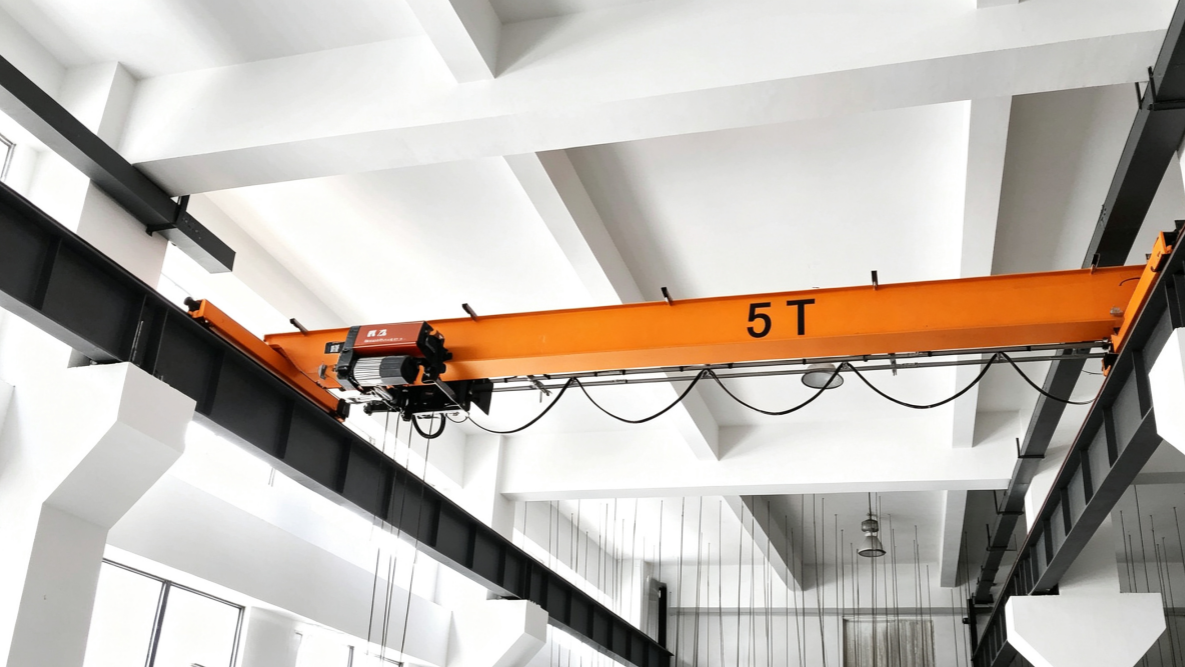
Can a 5-ton crane occasionally lift loads weighing 5.2 tons?
For safety reasons,For safety reasons,even a small overload can lead to latent fatigue damage and cracks,and may cause sudden failures. If your equipment is equipped with an overload protection device, it will sound an alarm or cut off the lifting power, so not recommended to lift objects weighing more than 5 t.
Can a regular electric hoist be used outdoors?
You are not advised to use this electric hoist outdoors. If you have to apply it in outdoor scenarios, you need to give special anti‑corrosion treatment to the hoist casing, fit complete protective devices, and upgrade its protection level. You should note that ordinary electric hoists will suffer unavoidable corrosion from harsh outdoor environmental factors.
How often should an electric hoist be inspected or maintained?
You need to inspect and maintain your electric hoist on a regular basis. You should do a simple check before every use. You carry out full maintenance monthly for frequent operation. You complete a thorough yearly inspection. You watch for wear, loose parts, and abnormal conditions. Timely work helps you avoid damage and keep your hoist working safely.
Is a dual-speed electric hoist worth buying?
You can consider buying a dual‑speed electric hoist based on your real work needs. You get slow speed for precise positioning and fast speed for quick lifting. You will pay more for this model. You should pick it if you often need accurate load placement. You may choose single‑speed instead if your work only requires simple lifting tasks.
Do you need to consider voltage when installing an electric hoist?
You must check the voltage before installing your electric hoist. Match the hoist rated voltage with the on‑site power supply. If voltages do not fit. You may even damage the hoist motor. Also check wire capacity. Avoid safety risks from wrong power settings for your lifting work.
Your Trusted Supplier: Dingya Electric Hoists & Overhead Cranes
If you are comparing electric hoist suppliers for your factory lifting projects, choose Dingya. We manufacture bridge cranes and gantry cranes, as well as multi-functional electric hoists with adjustable load capacities. All products undergo rigorous quality testing. Contact us for customized lifting solutions optimized for your workshop conditions.