When choosing between a single-girder and a double-girder bridge crane, you might be unsure which is better suited to your factory. Lack of understanding could lead to
reduced operational efficiency, higher maintenance costs, or even production downtime.
This article will help you understand the differences between the two, helping you to make a better choice when purchasing eot crane.
What Is a Single Beam Bridge Crane
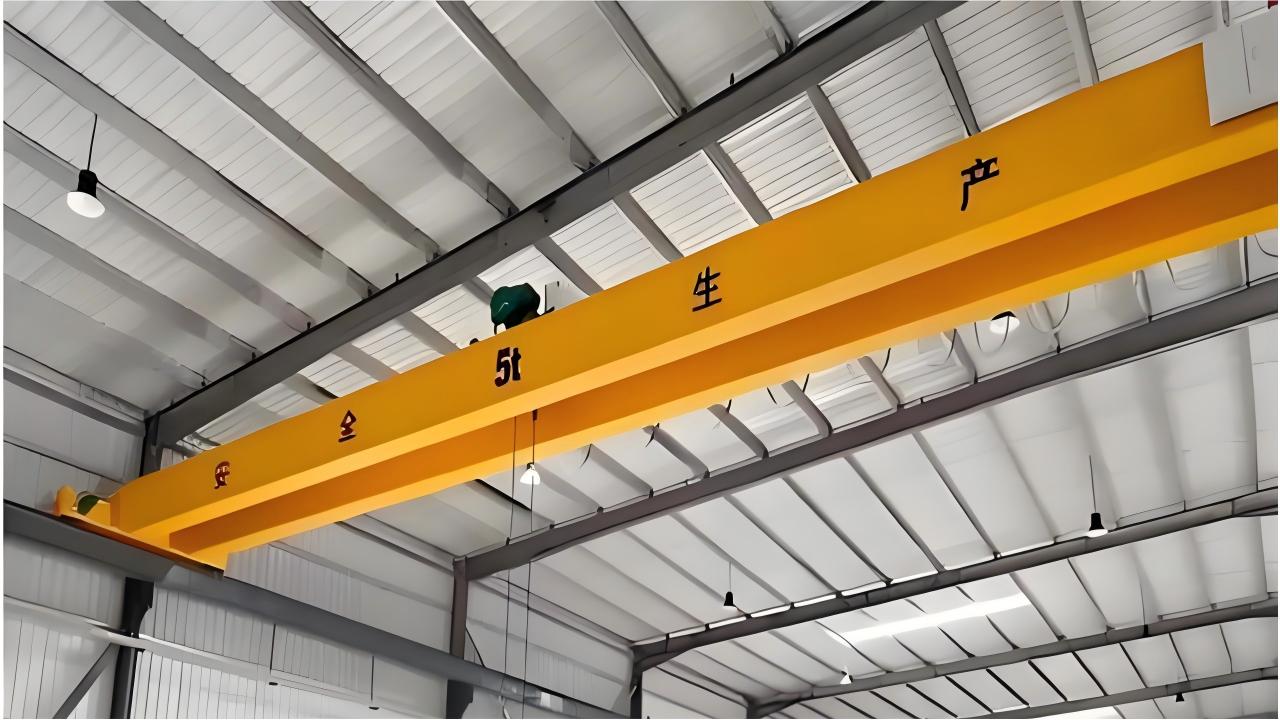
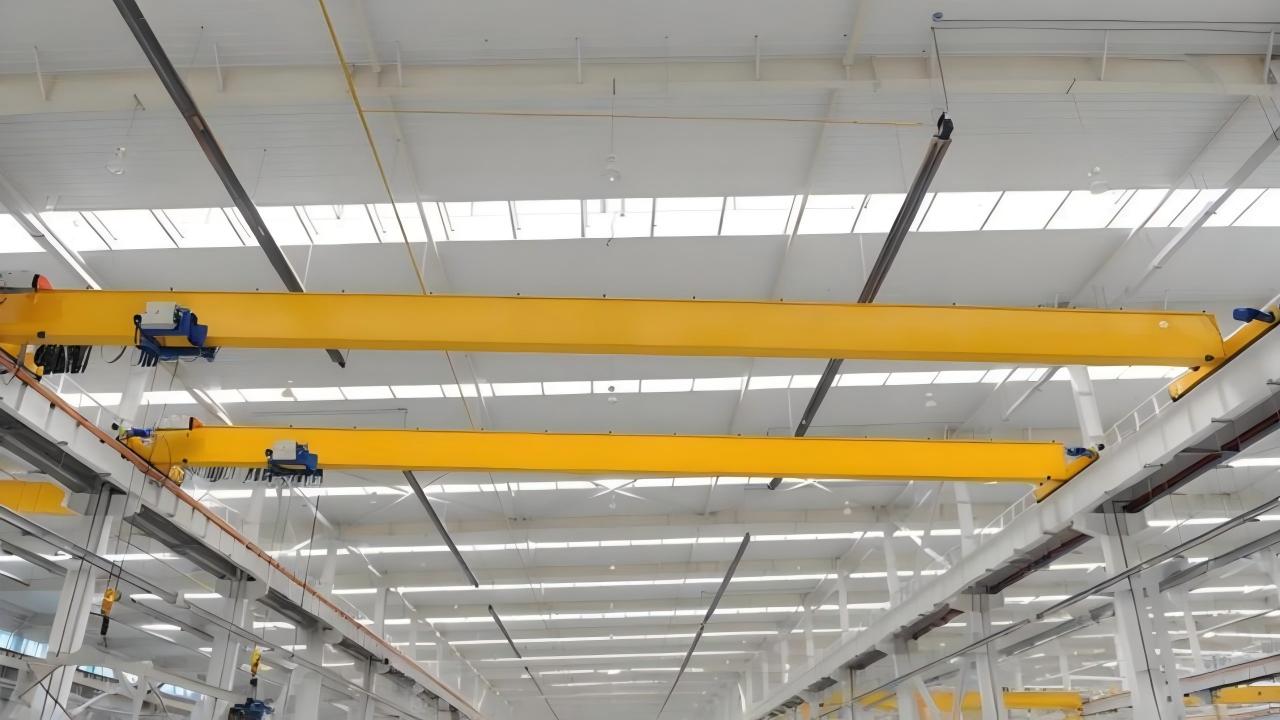
You can think of a single girder bridge crane as a lightweight, factory-specific lifting device.
It is very simple to install. You simply need to lay dedicated rails along both sides of the factory floor. Then place a main girder across the rails on either side. The entire device can then move back and forth along the track.
It mainly consists of end beams, an electrical control system, and an electric hoist. Structure cuts cost by 30%-50%, with low maintenance for budget-conscious small factories. But if your factory involves heavy industrial production and the lifting of large equipment, this crane simply cannot keep up.
What Is a Double Beam Bridge Crane
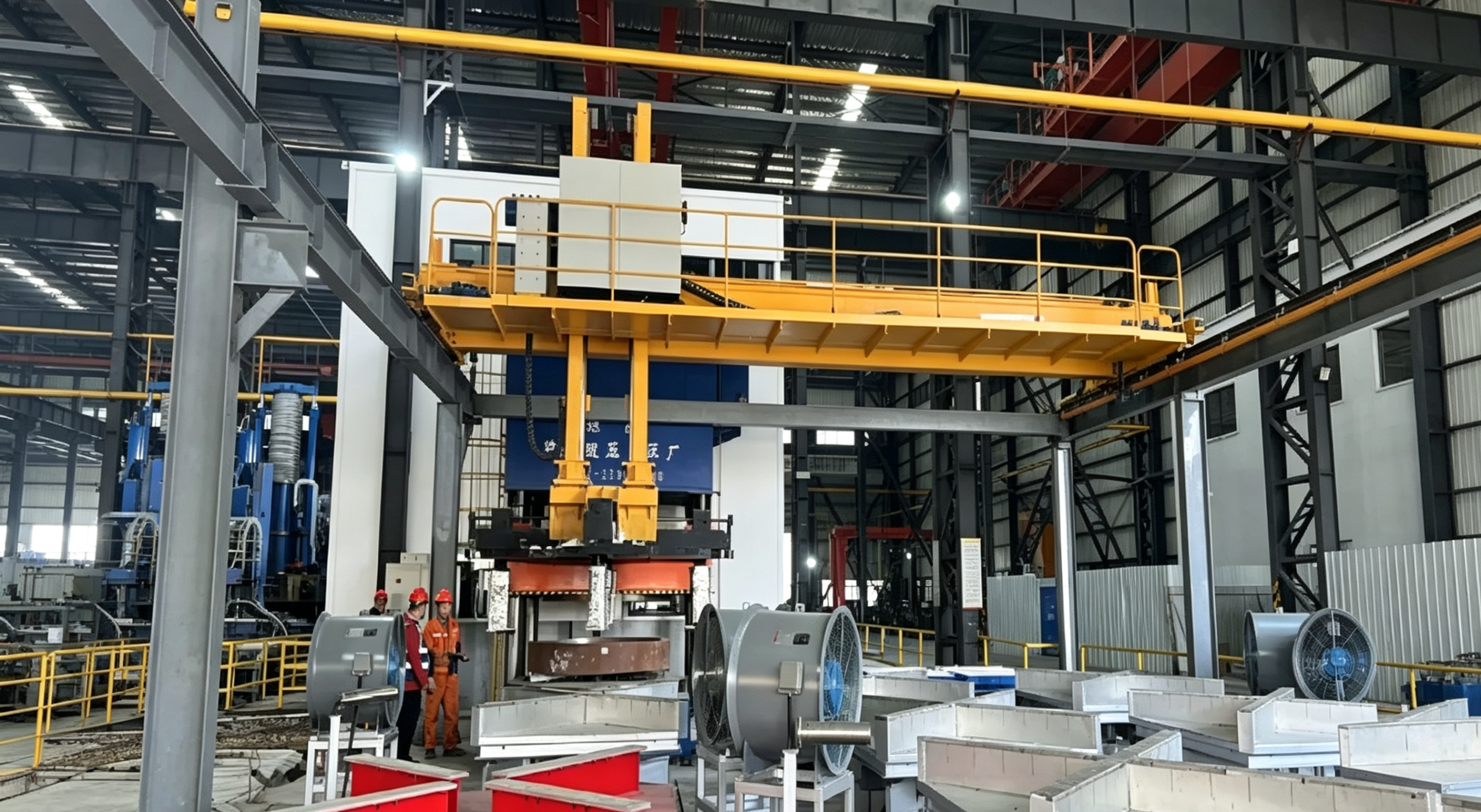
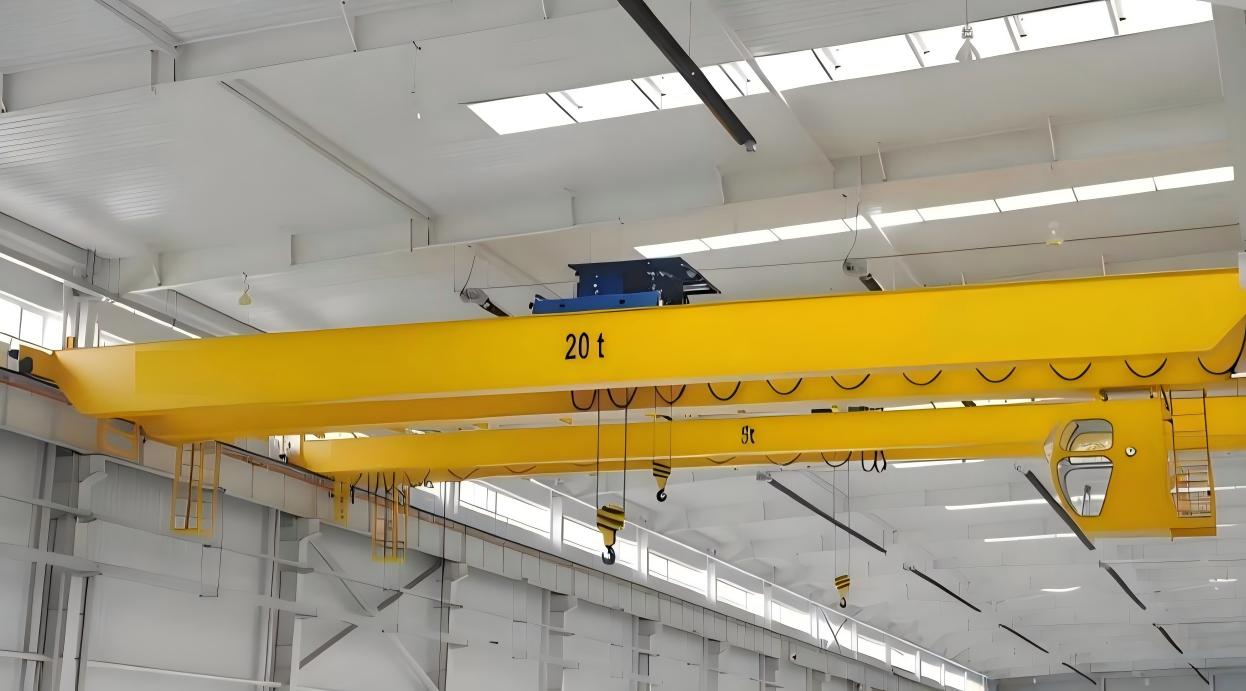
You can think of it as an upgraded and enhanced version of a single-girder crane. The installation method is similar to a single-girder crane. But the core difference is having two parallel main beams as the primary load-bearing structure. It consists of end beams, a trolley mechanism, a hoisting system, and an electrical control system.
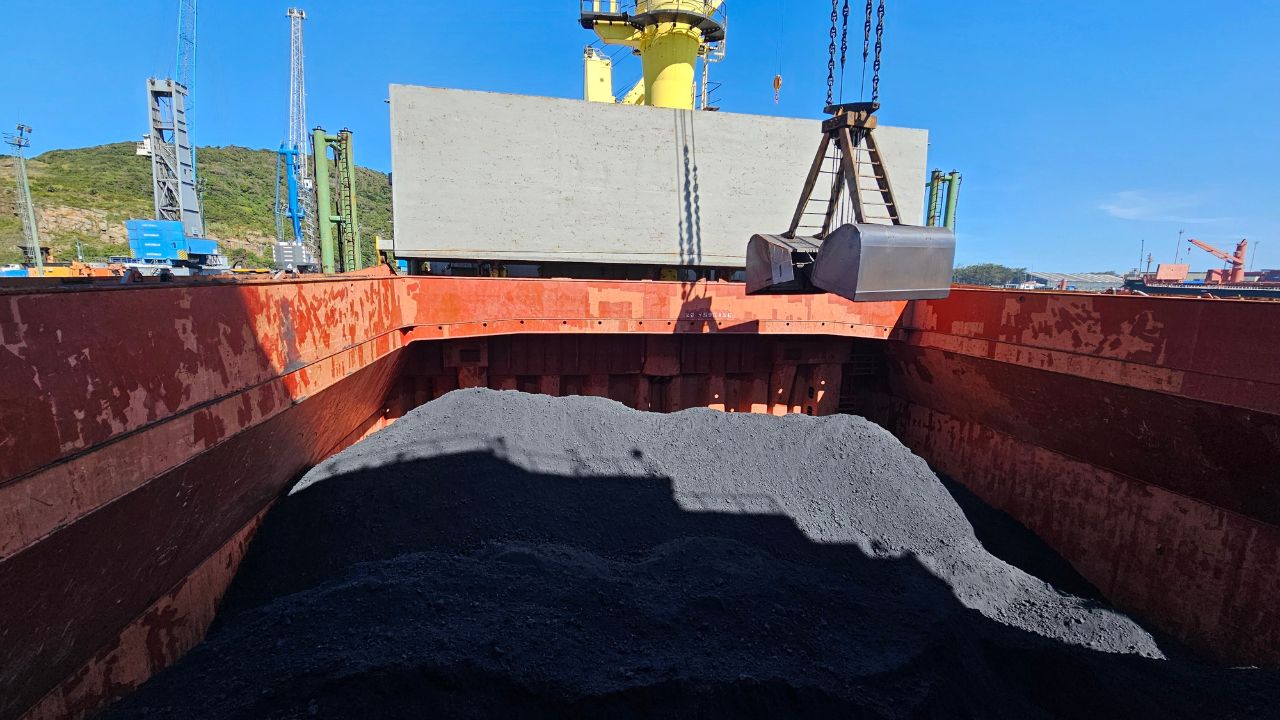
It can lift hundreds of tons of cargo. Double girder eot cranes teel content that is very high, strong load capacity, and stable performance, very suitable for heavy-duty, high-frequency industrial lifting. But higher steel consumption and manufacturing costs, and complex installation & maintenance. It is not economical for small, low-budget workshops.
Key Differences Between Single Beam Bridge Crane and Double Beam Bridge Crane
Lifting Capacity
When choosing a bridge crane, lifting capacity is your most important factor.
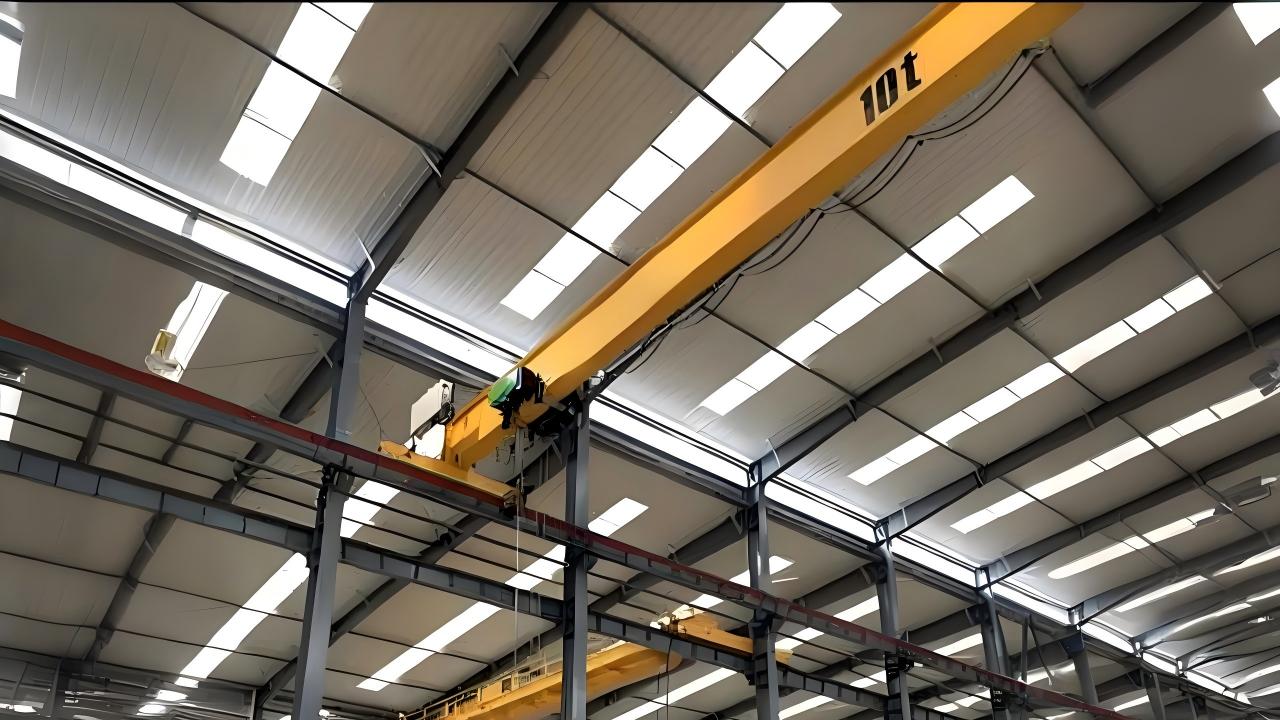
Single-beam bridge cranes are built for light and medium material handling tasks. They commonly support loads from 0.5 tons to 20 tons, more than enough to cover routine daily lifting work in most small and medium workshops.
Double-girder bridge cranes are capable of handling heavier loads. Standard double-girder models easily handle loads of 20 tons or more, and customizable options are available to meet lifting requirements of hundreds of tons. You can also order custom-made double-girder cranes with lower load capacities.
Workshop Span
The span of your workshop directly determines the length of the main beam for these two types of bridge cranes.
Single girder bridge cranes fit perfectly with factory span ranges from 7.5 meters to 23 meters. If your workshop span is beyond this range, the single-girder structure will produce excessive deflection. This problem reduces the overall operational stability of the crane.
Double-girder overhead cranes solve the span limitation problems. They can adapt to large factory spaces. If your factory building is 50m wide, it can also meet the requirements. The double girder structure comes with stronger load-bearing performance and better bending strength.This core advantage guarantees full safety and stable operation when the crane travels across long spans.
Working Duty / Frequency
Selecting the right working duty or frequency can extend the service life.
Single girder bridge cranes are suitable for intermittent, low-frequency work environments. Examples include material handling tasks with a limited number of work cycles.
Double girder top running cranes are specifically designed for continuous operation at medium-to-heavy duty levels. They can help you handle long-term, high-frequency, continuous cyclic hoisting. Electrical systems require IP55 or higher protection ratings.
Suitable for cranes that frequently lift, jog, start and stop, with working classes A6, A7, M7 and above heavy-duty classes.
Workshop Height
Single-beam bridge cranes save workshop space; lightweight dead load reduces building bearing pressure and energy consumption. This crane features a very compact overall height. In low-rise factory buildings, old workshops with low ceilings and limited upper space.
The hook can be positioned higher. This increases the maximum actual lifting height. The vertical space utilization rate of the warehouse/workshop is maximized.
If your factory has a low ceiling and you want a greater effective lifting height, don’t choose a double-girder crane. The trolley itself is very thick. It occupies a large amount of vertical space above the track. Even when the hook is raised to its highest point, it only reaches the bottom of the trolley. Large workpieces cannot be completely lifted off the ground for passage. The effective lifting height has been severely reduced. Double-girder bridge cranes are suitable for factory buildings with a ceiling height of ≥8 meters, and for heavy-duty, high-frequency, and high-intensity applications.
Column Load-Bearing Capacity
A single-girder bridge crane has a single main girder and a compact trolley. The crane itself is not heavy. When running, the force exerted by the wheels on the pillars of your factory is very small. Suitable for standard steel structure factory buildings and ordinary concrete columns. You do not need to reinforce the pillars. It can be installed directly. Renovating an old workshop and adding this crane has a very low barrier to entry. The structural risk is almost nonexistent.
A double-girder bridge crane has two main girders plus a heavy-duty winch trolley.
The equipment itself is very heavy. In addition, tens of tons of heavy objects are hoisted.
The columns must withstand the dual pressure of the equipment’s own weight + the lifted load. The existing factory building columns and brackets may not have sufficient load-bearing capacity. You must perform structural reinforcement beforehand. This will prevent the columns from bending during lifting and avoid potential safety hazards to your factory building structure.
Budget & Maintenance Cost
Single-beam bridge cranes adopt simple manufacturing processes and require fewer raw materials. This keeps their equipment prices low. You will also spend less on their installation and commissioning. Due to their simple structure, the daily failure rate is very low; therefore, the daily maintenance costs for single-girder cranes are quite low.
Double-beam bridge cranes require advanced production processes and more supporting accessories. This means you need a higher budget for procurement and installation.
Although double-beam cranes deliver stable performance and a longer service life, their long-term operating costs are much higher. You will spend more on regular inspections, component replacements, and routine maintenance over time.
Knowing when to Choose:
Choose a Single Girder Crane If:
- Lifting capacity is typically 20 tons or below.
- The weight of the lifted items will not be at full load for an extended period of time.
- Your workshop has limited headroom.
- You want to reduce the initial equipment investment.
- Need a crane for general manufacturing, warehouses, fabrication shops, or maintenance work.
- Prefer simpler installation and easier maintenance.
- Your production line does not require continuous heavy lifting.
- You are looking for a cost-effective solution with reliable performance.
Choose a Double Girder Crane If:
- Lifting capacity is more than 20 tons.
- Have higher hook height and greater lifting clearance.
- Operates multiple shifts or continuously throughout the day.
- Handle large or heavy equipment on a regular basis.
- Plan to expand production capacity in the future.
- You need higher durability for heavy-duty industrial applications.
- You are willing to invest more money in the early stages for longer service life and better performance.
Table of Common Parameters for Single Girder Free Standing Cranes
| Lifting Capacity | Span Range | Lifting Height | Working Class | Application Scenarios |
| 1 ton / 2 tons | 7.5m – 15m | 6m / 9m | A3 / M3 | Workshop & warehouse light cargo transfer |
| 3 tons / 5 tons | 10m – 20m | 6m / 9m / 12m | A3-A4 / M3-M4 | Machining, mold & daily workshop lifting |
| 10 tons | 15m – 23m | 6.3m / 9m / 12m | A4 / M4-M5 | Steel handling, medium-duty continuous work |
| 16 tons / 20 tons | 18m – 23m (max standard span) | 9m / 12m | A4 / M5 | Medium-heavy lifting, low-load plant custom design |
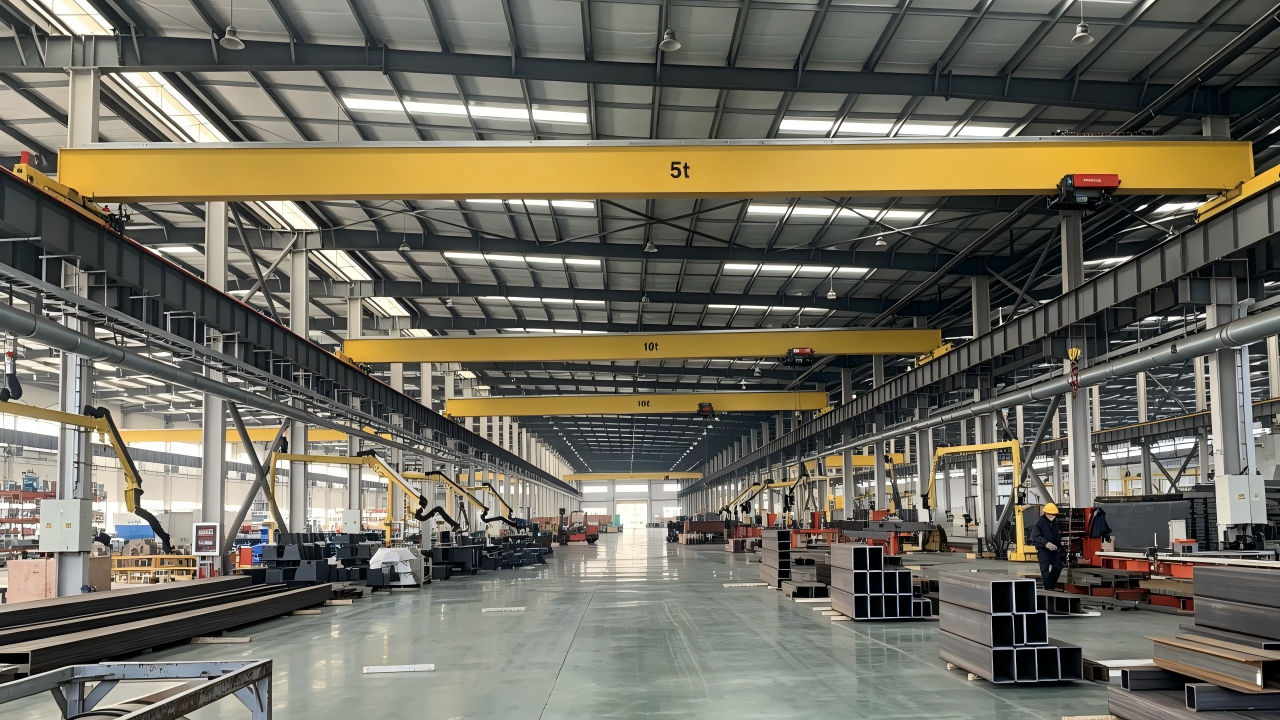
Table of Common Parameters for Double Girder Free Standing Cranes
| Lifting Capacity | Span Range | Lifting Height | Working Class | Application Scenarios |
| 16 tons / 20 tons / 32 tons | 12m – 30m | 9m / 12m / 18m / 24m | A4-A6 / M4-M6 | Medium-heavy steel & foundry lifting |
| 50 tons / 75 tons | 15m – 35m | 12m / 18m / 24m / 30m | A5-A7 / M5-M7 | Steel mill, power & shipyard lifting |
| 100 tons / 125 tons | 20m – 40m | 18m / 24m / 30m / 36m | A6-A7 / M6-M7 | Metallurgy, hydropower & port heavy lifting |
| 150 tons / 200 tons | 25m – 45m (max standard span) | 24m / 30m / 36m / 42m | A6-A8 / M6-M8 | Nuclear, bridge & shipyard heavy lifting |
| 250 tons / 300 tons+ | 30m – 50m (customized span) | 30m / 36m / 42m / 60m | A7-A8 / M7-M8 | Ultra-heavy custom lifting |
FAQ
Can a single-girder crane be equipped with an explosion-proof hoist?
If your workshop stores or generates flammable gases, combustible dust, or volatile chemicals. You can certainly equip your single-girder bridge crane with a certified explosion-proof electric hoist. This specialized upgrade significantly reduces the risk of fire and explosion during the entire material lifting and handling process.
What factors affect the stability of bridge cranes?
You need to be aware of issues such as poor frame welding and electrical component defects in bridge cranes. Also, consider mechanical wear resulting from heavy-load operations. These hidden dangers mainly stem from shoddy manufacturing processes, substandard parts, and long-term improper daily operation and overloading.
What are the operating standards for bridge cranes?
When operating an overhead bridge crane, you must strictly follow these standard safety rules:
- Never allow overload lifting
- Fully inspect brakes and travel limit switches before startup
- Avoid sudden starts and stops.
- Keep suspended loads far away from personnel
- Carry out regular professional maintenance to eliminate potential safety hazards.
What are the components of the load on a bridge crane?
You need to calculate the total load of your overhead crane comprehensively, including the rated lifting capacity, the dead weight of the entire crane body, inertial impact force from frequent starting and braking, and additional environmental loads such as wind pressure applied to outdoor-installed equipment.
What type of wire rope is used for bridge cranes?
You mostly use 6×19 and 6×36 steel-cored wire ropes for your overhead cranes. Pick wear-resistant 6×19 for regular lifting and flexible 6×36 for frequent winding. Galvanized or non-twist variants work for harsh working environments/
Choose Dingya overhead cranes to match your workshop conditions perfectly. Our single/double girder models cover 1t–300t loads, adopt reliable electrical parts and sturdy wire ropes, with tailor-made designs serving your Saudi, Thailand, and other overseas production sites safely.
Single & Double Girder Overhead Cranes | Reliable Custom Solutions by Dingya
Choose Dingya overhead cranes to match your workshop conditions perfectly. Our single- and double-girder models cover 1t–300t loads and feature reliable electrical components and sturdy wire ropes. We offer customized design solutions that can reliably meet your production needs in Saudi Arabia, Thailand, and other overseas locations.