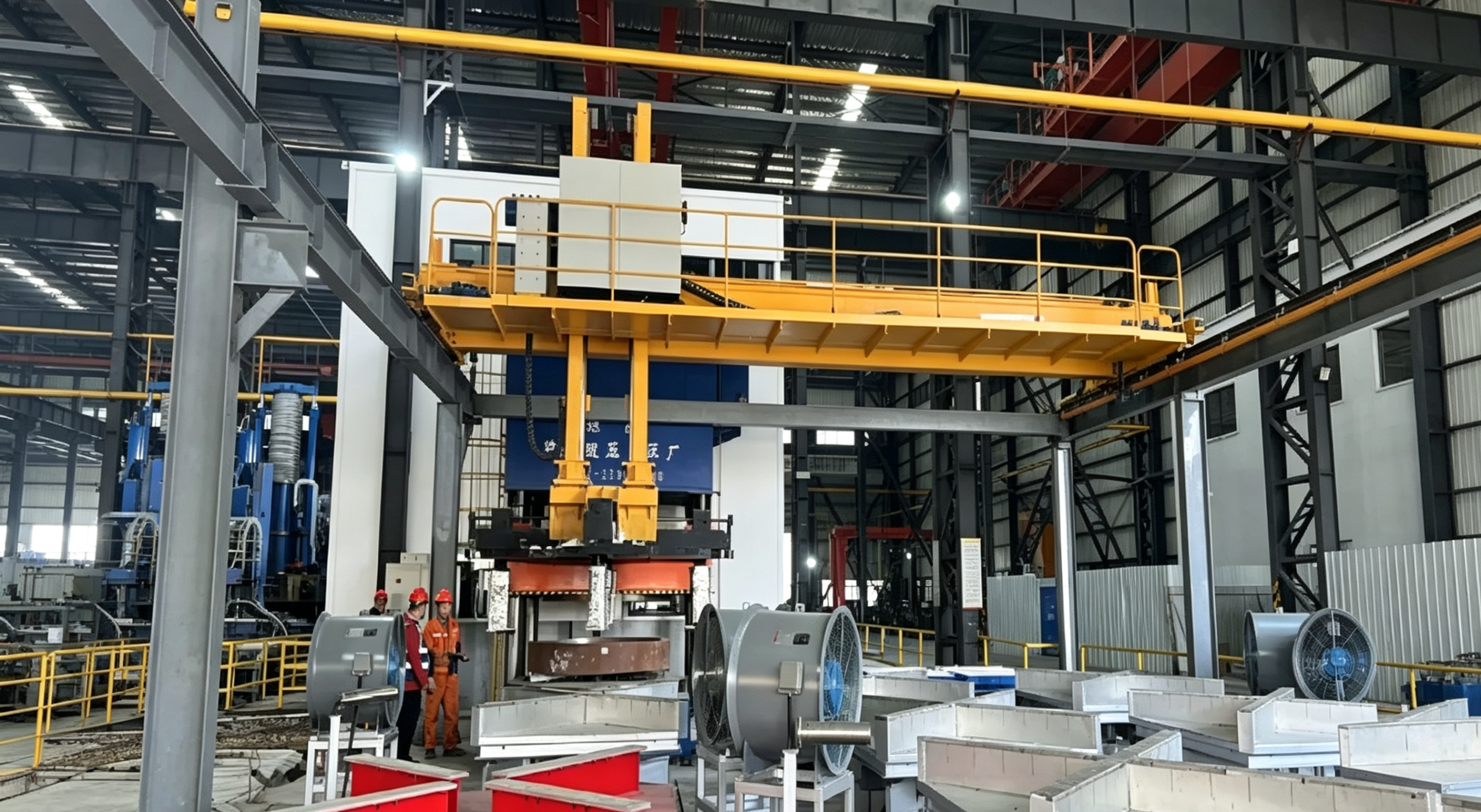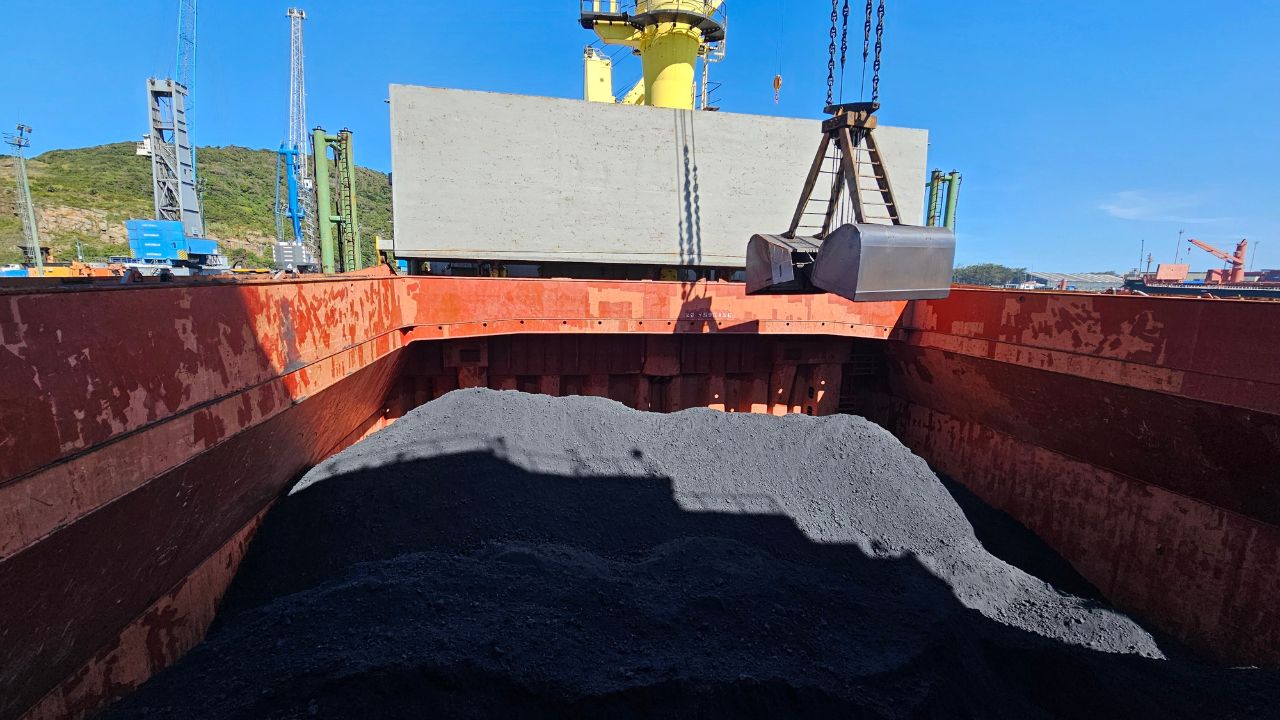
Choosing the right overhead crane manufacturer is crucial for any industrial company. With many suppliers in the global market, identifying a reliable partner can be challenging. A professional manufacturer should offer more than competitive pricing. This guide will help you select the right supplier.
Things You Need to Know Before Choosing an Overhead Crane Supplier:
Before selecting a supplier, understanding which overhead crane is best suited to your facility and needs is a key factor. Even if you choose the industry’s leading supplier, the wrong overhead crane can result in installation issues or inefficient operation.
The following types of overhead cranes are available: single-girder, double-girder, European-style, explosion-proof, metallurgical, underhung, and monorail. Reading about overhead crane types can help you gain a deeper understanding of the characteristics of each type of crane.
6 Key Factors in Selecting a Bridge Crane Supplier:
Quality
Quality should be the first consideration when choosing an overhead crane manufacturer. Product quality directly affects service life and operational reliability; a high-quality overhead crane can operate for ten years without failure.
Before purchasing the crane you need, verifying the manufacturing standards and relevant certification documents can help prevent operational issues after installation.
To determine the quality of a crane, you need to evaluate these 3 aspects:
Materials
The materials for the main structural components should be killed steel (Q235 or 20 steel). The specific brands of components must be specified (reputable manufacturers will select products from internationally renowned brands for the hoisting mechanism, variable-frequency drives, and electrical control systems).
When evaluating a manufacturer’s material quality, you should ask:
- What type of steel is used for crane structures?
- How are raw materials inspected?
- Are material certificates available?
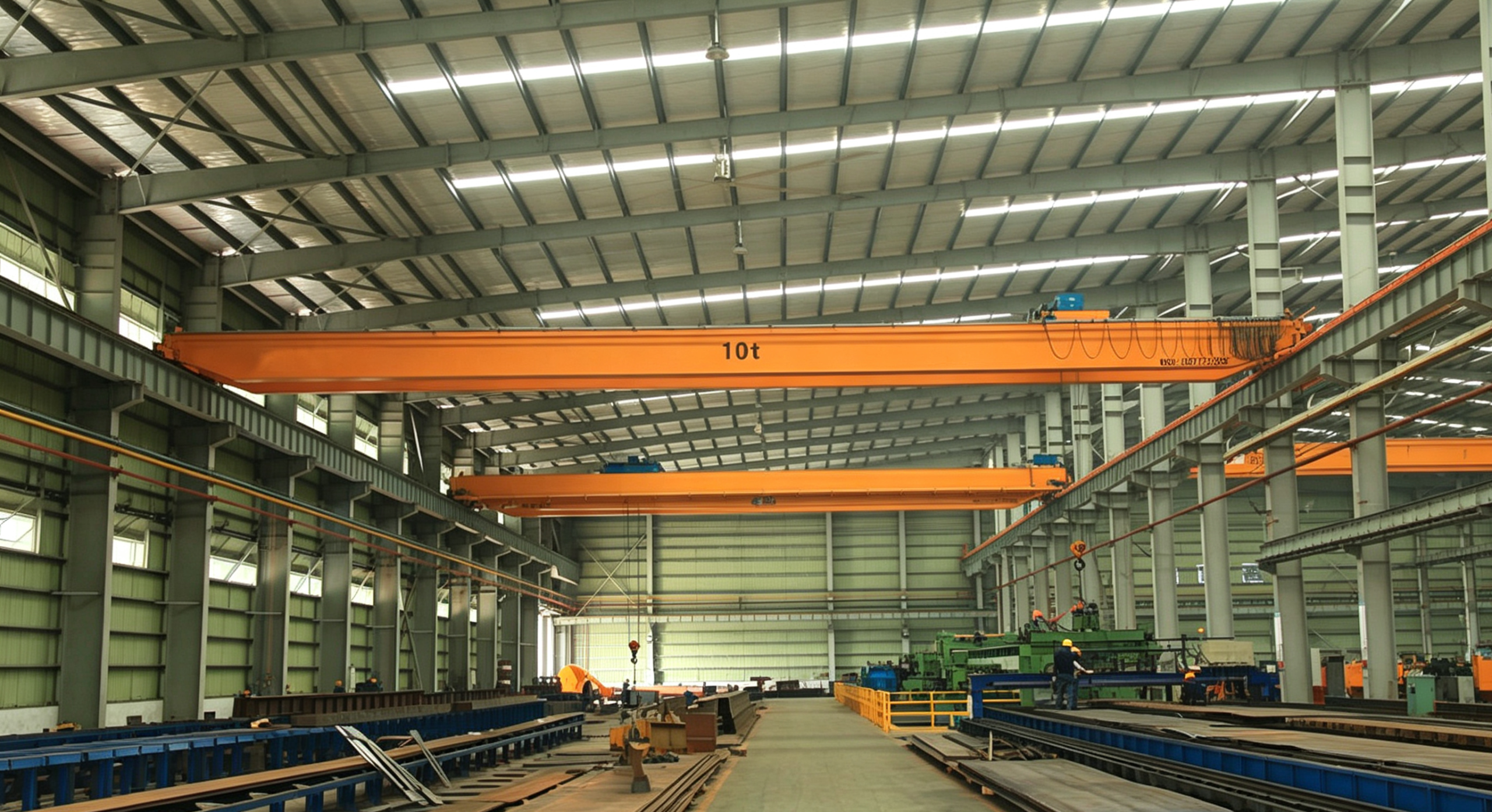
Manufacturing Process
The manufacturing entity must hold a Special Equipment Manufacturing License; welding of metal structures must comply with the ISO 3834 standard; and inspection personnel must inspect and test the welds in accordance with requirements and maintain records.
A professional crane factory should have standardized production procedures, including: Steel cutting, Welding, Machining, Assembly, Surface treatment, and Load testing. You should pay special attention to the fact that, within the crane’s structure, the quality of the main structure’s welds is particularly important, as it directly affects the crane’s safety.
Testing and Inspection
Inspecting products prior to shipment is a standard part of an excellent supplier’s workflow, including structural inspections, electrical system testing, no-load testing, full-load testing, and safety device testing. In particular, every crane must undergo full-load testing, and a certificate of product quality compliance must be issued.
Certifications
Certifications demonstrate that a manufacturer’s products and processes comply with safety and quality standards.
You should pay attention to the following certifications: CE Certification, ISO 9001, FEM Standards, and ECC Certification.
Factory Capabilities
Typically, a capable crane supplier possesses the following characteristics:
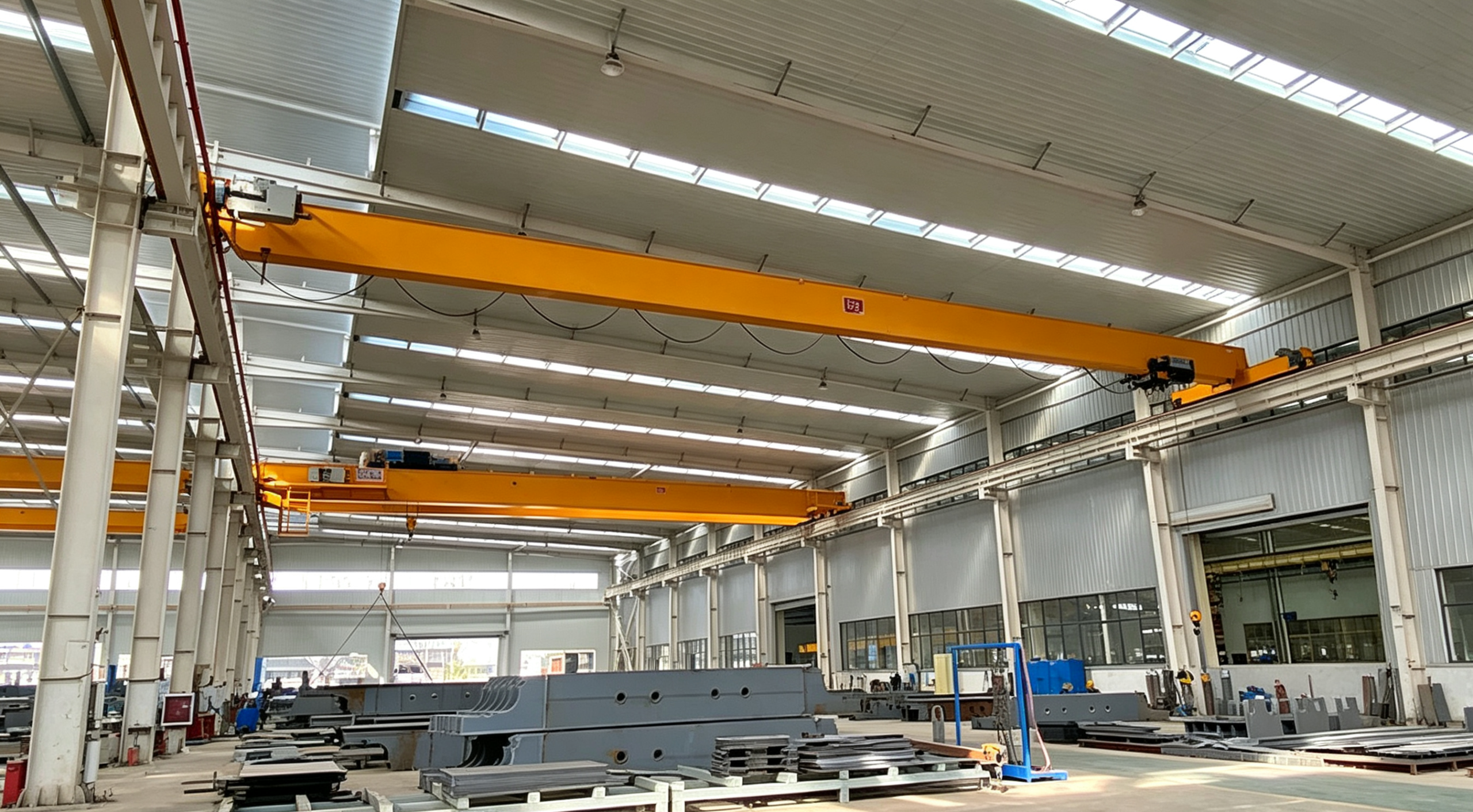
- It has its own factory and specialized production equipment;
- It has quality inspection processes, equipment, and departments for the products it manufactures;
- It employs experienced workers and a highly professional engineering team.
I’m sure you find it difficult to distinguish whether a supplier is a source factory or a trading company. You can use the following questions to determine whether a supplier is a direct manufacturer:
- Do they own their own factory?
- What is the condition of their production equipment?
- What is their annual production capacity?
- How capable is their engineering team?
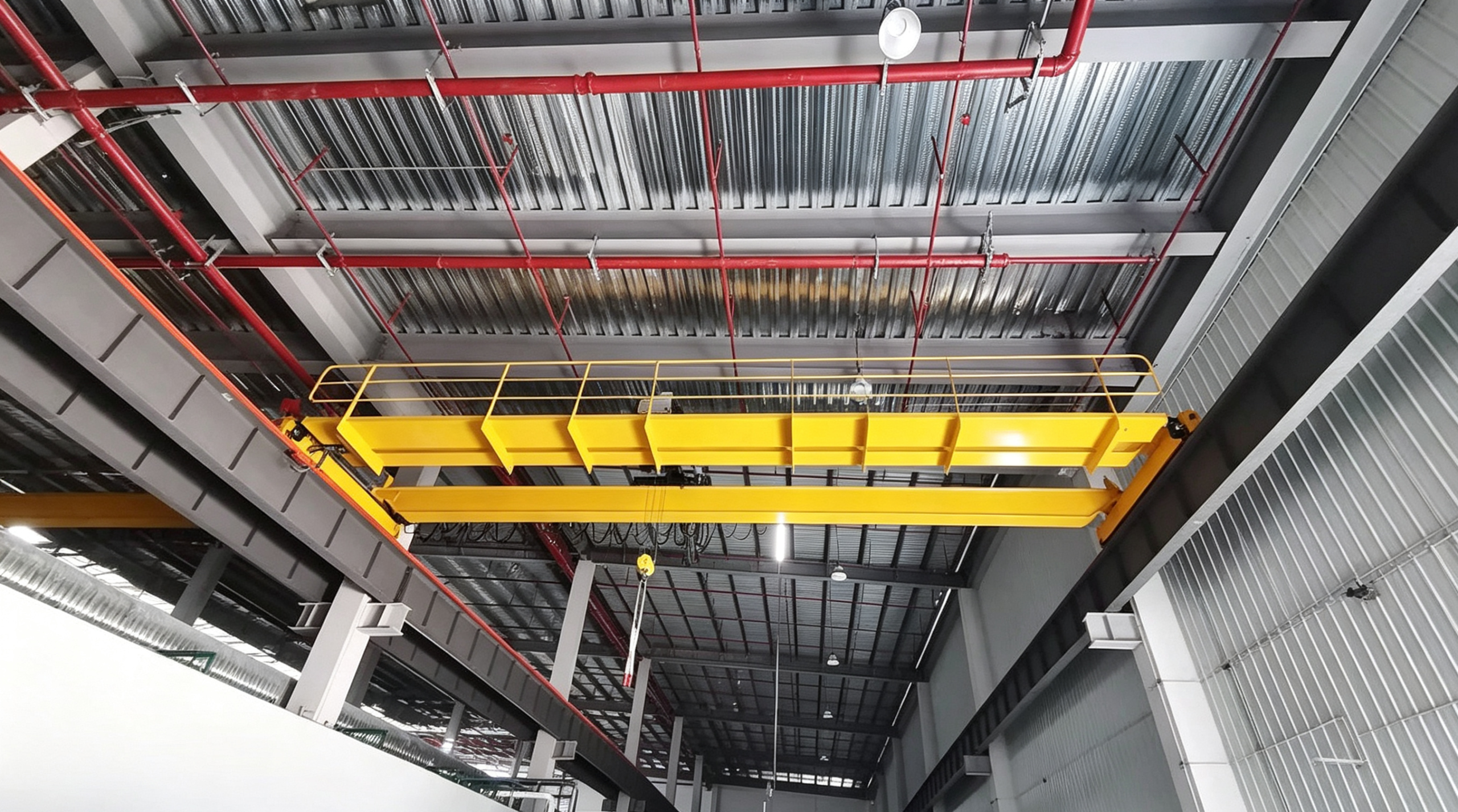
Of course, on-site visits, online factory tours, or production videos are all more helpful in verifying a supplier’s authenticity.
Second, a supplier’s strength is reflected not only in its market sales capabilities and customer service standards, but more importantly in its core manufacturing capabilities and R&D capabilities.
An excellent supplier possesses the production capacity to handle large-volume orders while meeting the design, manufacturing, and delivery requirements for crane equipment with complex structures and high-precision specifications. Only suppliers with strong manufacturing capabilities can provide reliable, high-quality solutions for large-scale, complex, and demanding lifting equipment projects.
Technical Capabilities
Different facilities have different technical requirements. A professional bridge crane supplier should not merely offer standard products but also provide suitable lifting solutions by understanding your facility’s operating conditions.
To verify a manufacturer’s technical capabilities, you should review the supplier’s previous projects, engineering experience, and customization records. A reliable bridge crane manufacturer should be able to provide similar project references, including crane specifications, application industries, project photos, and technical solutions. You can also ask whether the manufacturer has an experienced engineering team, provides detailed design drawings, and can recommend suitable crane configurations based on specific working conditions such as lifting capacity, working frequency, and operating environment.
Export Experience
For you, one of the most important factors in selecting a supplier is whether the supplier has export experience. An experienced export supplier has a deep understanding of the key aspects of international communication, the processes and required documentation for overseas trade, shipping procedures, industrial standards in different countries and regions, as well as market trends and customer expectations in various countries.
Some suppliers with extensive export experience may even offer on-site installation services. You can find out which countries the supplier has previously exported to by asking them. In addition, you may want to consider the following factors: experience with international projects, customer references, and experience in your industry. A manufacturer that has supplied cranes to various countries typically has more experience handling international projects.
When exporting, you should also make sure to include important documents such as commercial invoices, packing lists, certificates of origin, inspection documents, operating manuals, and installation instructions.
After-Sales Service
After-sales service is often overlooked during the procurement process, but it is crucial during installation and operation. When purchasing an overhead crane for your factory—which has a service life of approximately 20–25 years—the supplier’s ability to provide support throughout the entire service life is just as important as the machine’s quality and price.
A reliable supplier generally provides long-term support after delivery. After-sales service should include: technical support, installation guidance, commissioning support, operating instructions, troubleshooting, and the supply of wear-and-tear parts. Professional suppliers typically clarify their warranty terms at the time of purchase, including the warranty period, scope of coverage, and service procedures.
Before making a purchase, you can ask the supplier for details regarding their after-sales warranty terms, such as:
Will remote installation guidance or commissioning support be provided?
- How are operational issues resolved?
- Are there detailed troubleshooting guides available?
- Is there a supply of spare parts? How quickly can spare parts be delivered?
- How long is the warranty period?
- What does the warranty cover?
Project Case Studies
In most cases, real-world experience is far more effective than verbal sales pitches; a manufacturer’s past projects are one of the best ways to assess its capabilities. Look for projects similar to your industry, such as:
- Steel manufacturing
- Automotive Manufacturing
- Machinery Plants
- Warehouses
- Power Plants
- Mining Operations
For similar crane specifications, check whether the supplier has relevant project case studies (project photos, installation examples, customer feedback, application details), and pay attention to whether they have manufactured and serviced cranes similar to your requirements in these cases.
FAQ
What should I prepare before looking for a bridge crane supplier?
When evaluating an overhead crane supplier, you should determine whether the company is a direct manufacturer or only a distributor, check its international export experience, confirm whether customization services are available, verify the required quality certifications, and ensure that reliable after-sales support is provided throughout the equipment’s service life.
How should I conduct due diligence on a bridge crane supplier?
Conduct research through the company’s official website, social media accounts, certification documents, the expertise of their engineers, and the product catalogs, images, and videos they provide.
Should I choose a bridge crane manufacturer or a trading company?
A manufacturer. Compared to trading companies, bridge crane manufacturers offer better customization services, more direct technical guidance, and faster after-sales response times.
What factors affect the price of a bridge crane?
The crane price is influenced by several key factors, including lifting capacity, span, lifting height, duty cycle, crane type, brands of electrical and mechanical components, and delivery destination. For example, cranes with higher load capacity or higher working frequencies usually require stronger structures and more durable components, resulting in higher costs.
How important is after-sales service?
The price of an overhead crane depends on lifting capacity, span, lifting height, duty cycle, crane type, component brands, and delivery destination. Higher requirements usually require stronger designs, better components, and more complex manufacturing processes, increasing the overall cost.
Reliable Custom Overhead Crane Solutions by Dingya
Choosing a bridge crane supplier is a long-term investment decision that will affect factors such as plant safety, production efficiency, and maintenance costs for the next decade or so. At Dingya Crane Machinery, we have 20 years of industry experience; not only do we hold internationally recognized certifications, but we also consistently maintain export-grade quality standards. We provide services for all major crane and hoist brands and have our own team of inspectors and technicians.