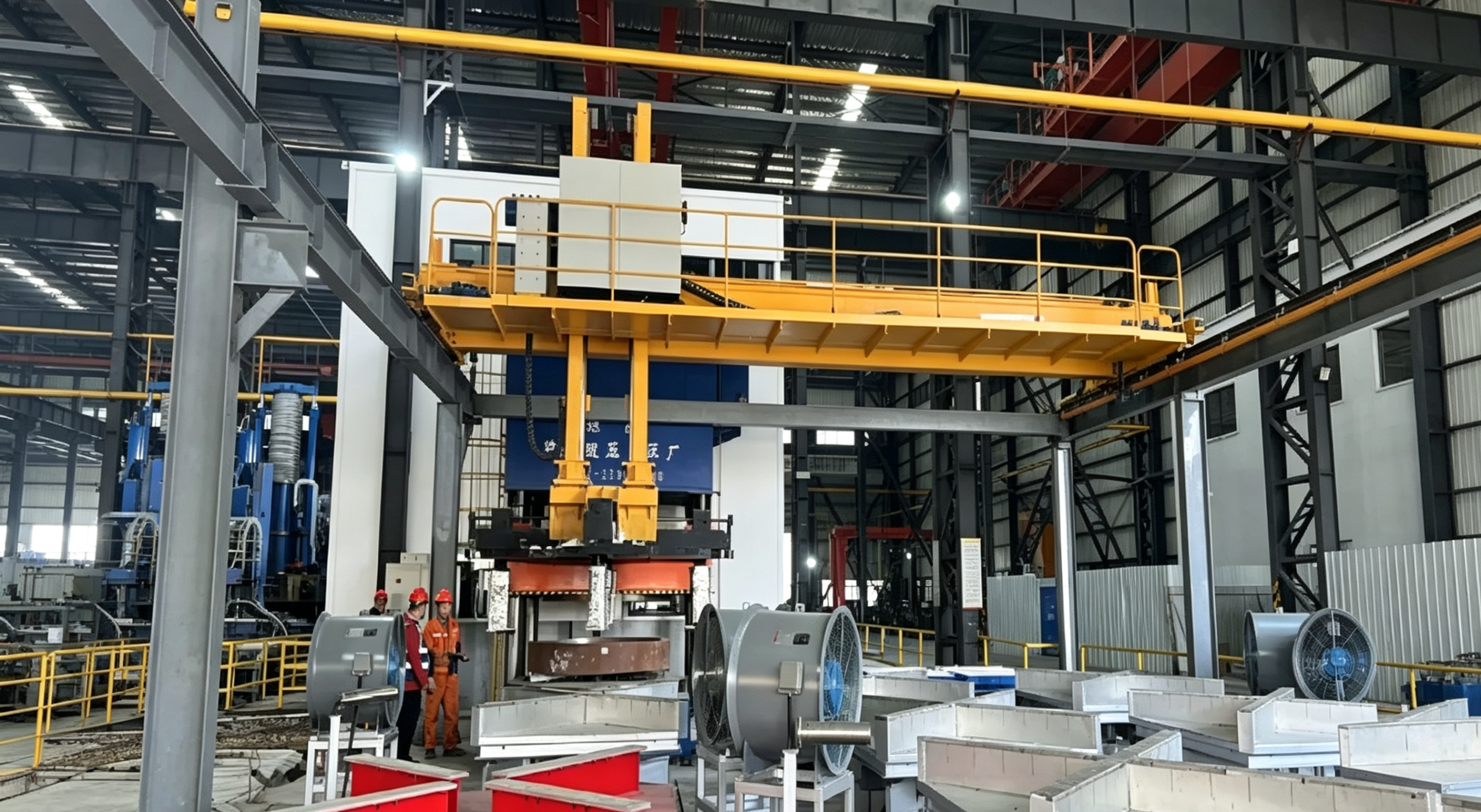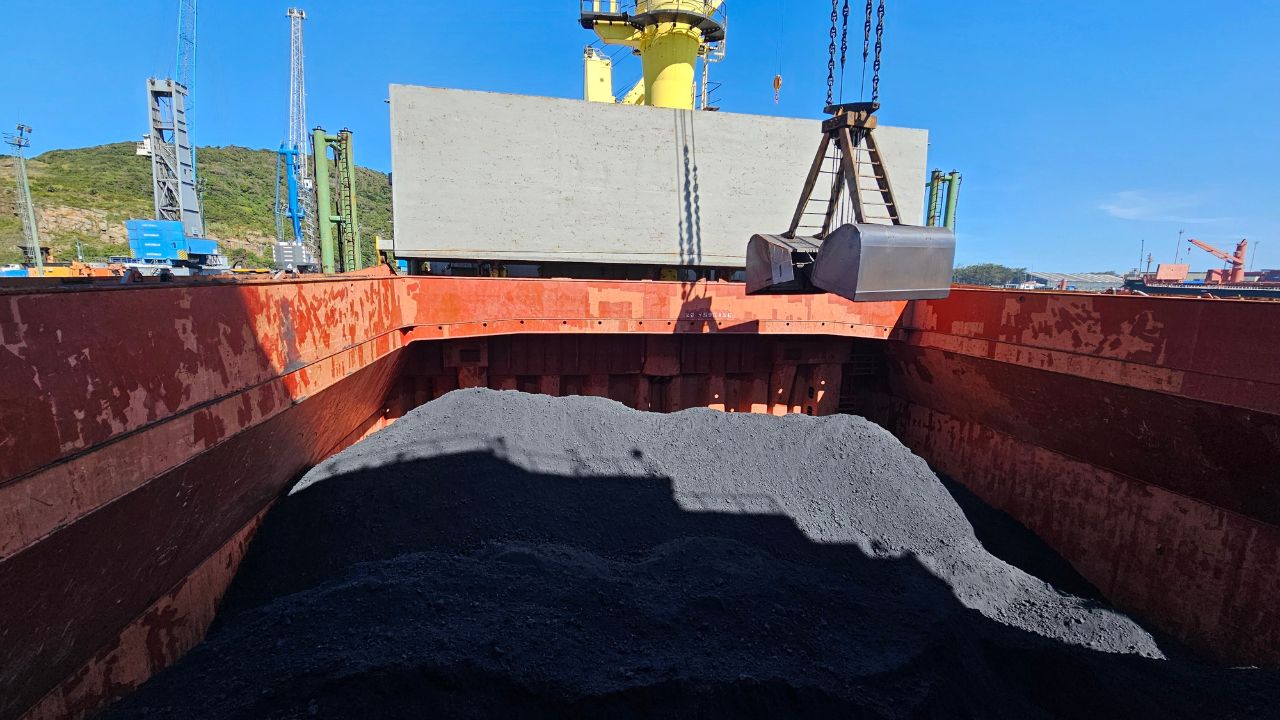
Do you think you can lift goods using only a crane boom? Actually, lifting goods is accomplished by two systems: the boom and the hoist. Many people don’t understand the functions and control logic of these two systems. This not only easily leads to operational errors but also creates more safety hazards. Today, we’ll teach you how to distinguish between them and how they work together.
What Is boom
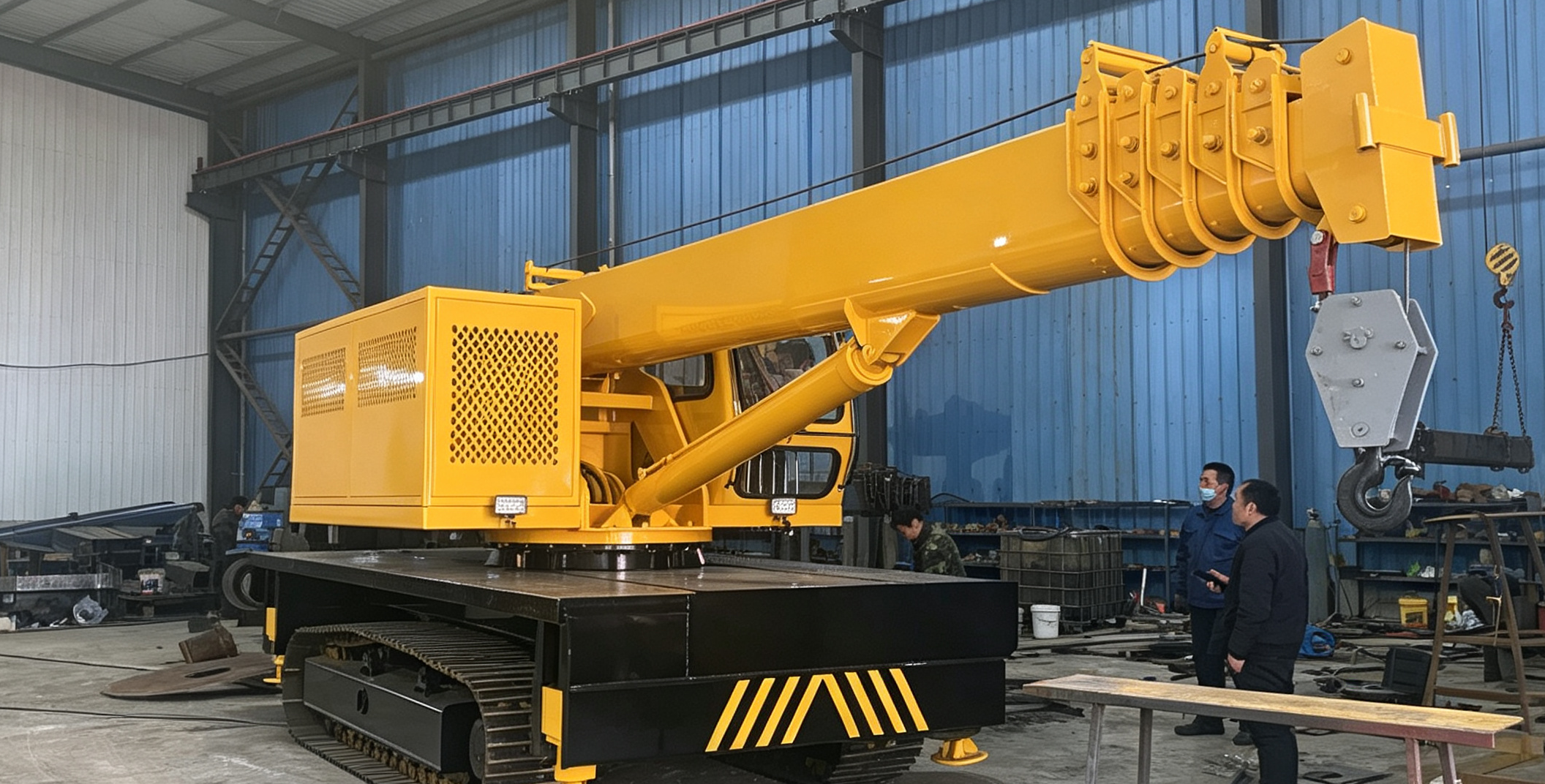
The boom is the long arm that extends outwards from a crane. One end connects to the crane body, and the other end connects to the hook. Like truck cranes, crawler cranes, and tower cranes, the long boom is the boom. You can control it using a joystick. Extend or retract this arm.
It’s used for horizontal movement. It is hydraulically driven for horizontal movement.
What Is hoist
A hoist is a device on a crane specifically designed for lifting and lowering loads. All cranes must be equipped with a hoist. You can control it to wind up or unwind the wire rope/chain, moving the load up and down. Different electric hoists can be selected to fit your crane.
Common models on the market include wire rope hoists, chain hoists, and European-style hoists.
The Steps Of the Boom and Hoist Working Together
The complete lifting process of a crane involves the coordinated operation of the boom and the hoist. Although they are two separate systems, their roles are clearly defined. Their coordinated operation is as follows.
Step 1:
The crane starts working with a boom. Find the right angle and rotate it left and right. Move the hook at the end of the boom directly above the cargo.
Step 2:
You should start lowering the hook. Once the cargo is hooked, the hoist continues to provide lifting power, activating the hook to steadily lift the cargo off the ground, leaving the object completely suspended in the air.
Step 3:
Pause the lifting operation. Adjust the boom direction and boom length. Move the suspended cargo horizontally. Delivered directly above the target construction location.
Step 4:
You need to slowly lower the hook using the hoist. Precisely place the cargo into position.
Complete the entire lifting operation.
Key Differences Between boom and hoist
Structures
boom structures
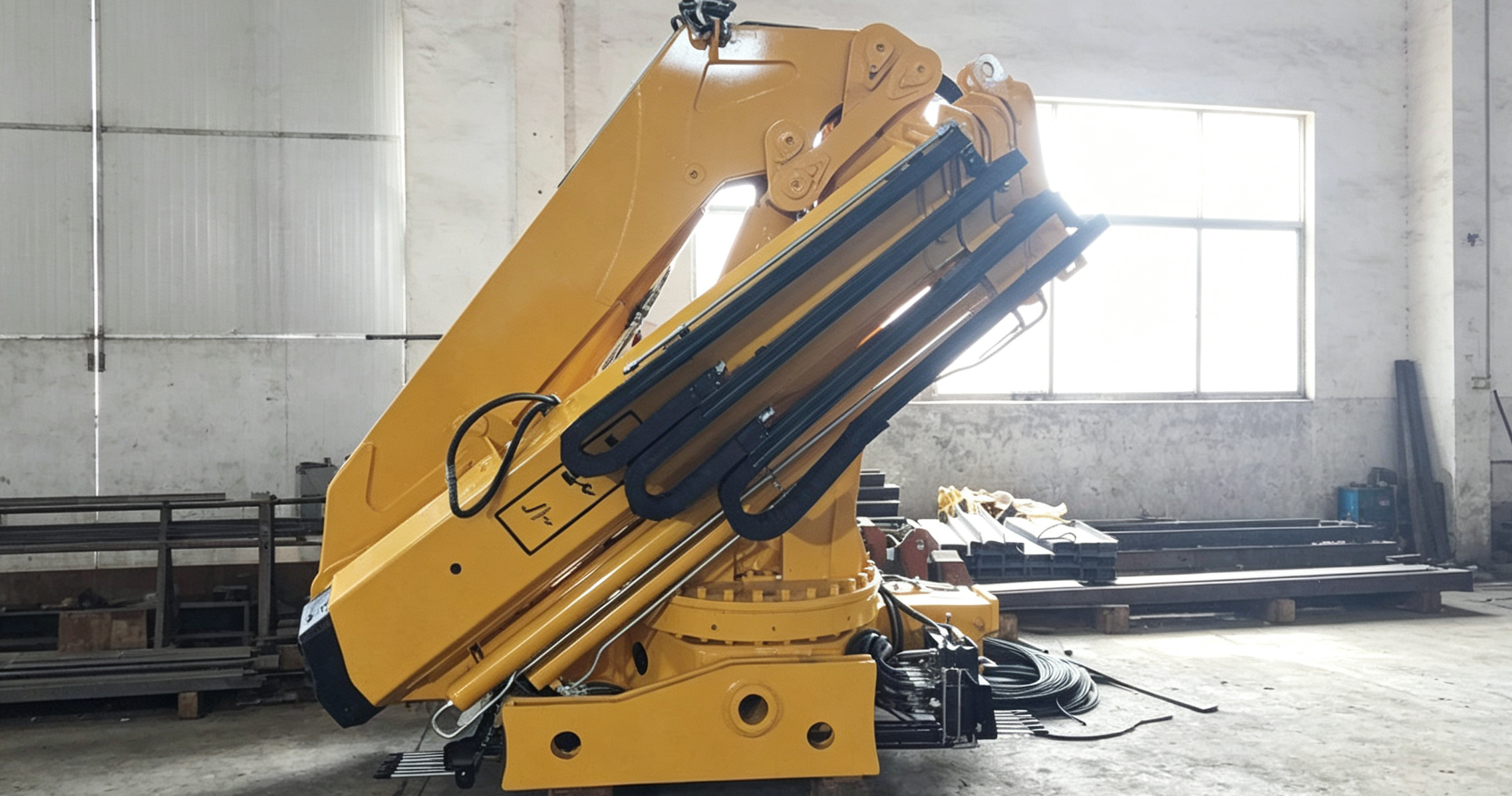
The main component of the boom is a steel boom, welded section by section from thick steel plates. It contains a slider, telescopic cylinder, luffing cylinder, connecting base, boom head pulley, hydraulic lines, and sensors for measuring angle and length.
You need to understand. All the pulling and twisting forces generated during hoisting are entirely withstood by the thick steel reinforcement. It relies on hydraulic cylinders to do the work.
There are hydraulic components like hoses and cylinders. The boom doesn’t contain a motor. There was also no reel for winding steel wire rope. You don’t expect it to pull the load up by itself. The pulleys are only used to change the direction of the wire rope. They don’t generate tension themselves.
hoist structures
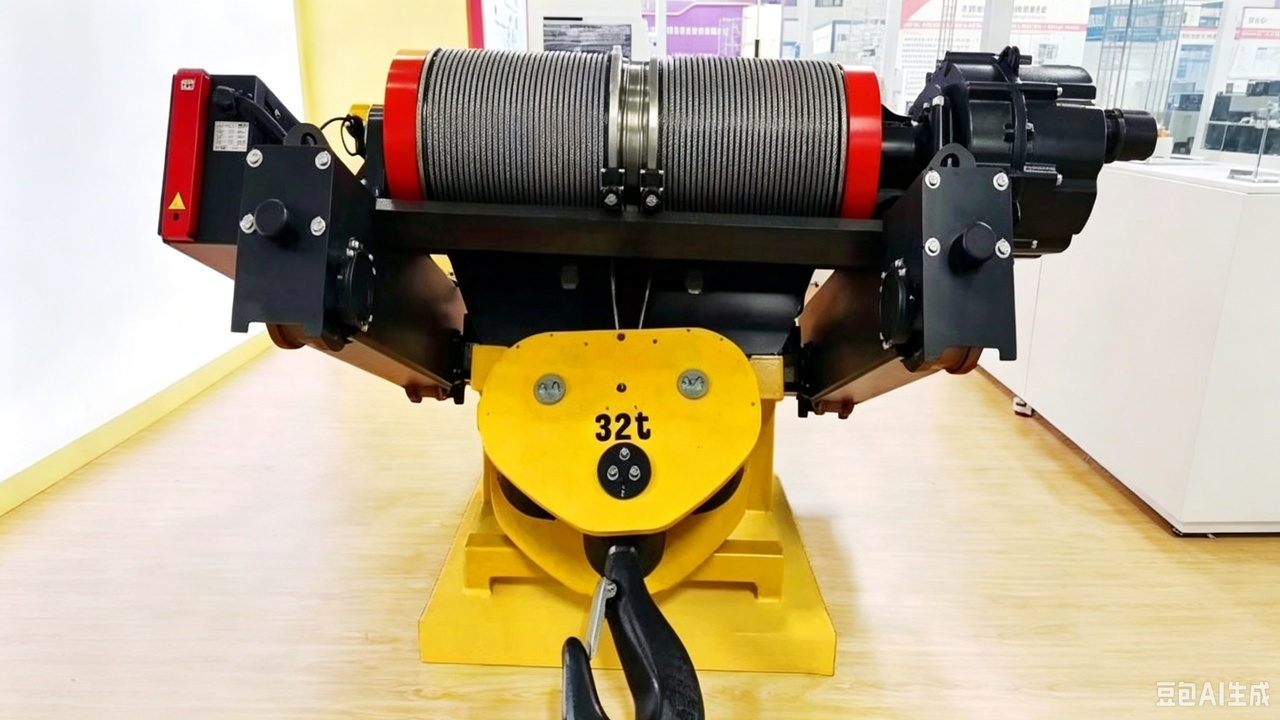
The main components of a c are a drive motor, reduction gears, a drum or sprocket, wire rope/chain, a complete hook assembly, an electrical box, and limit and overload protection switches.
It relies on an electric motor for power. The torque is then amplified through a gearbox. Drive the drum to rotate. Use steel wire ropes to lift and pull goods. You can see that its outer shell is just a regular box. It only bears the tensile force from the lifting operation. The entire mechanism integrates electrical components. Only after power is supplied can you lift and lower the cargo.
Types
Types of boom
| type | Features |
| Telescopic boom | Like a suitcase handle. Multiple sections of the boom are linked together. The extension and retraction distance is controlled by hydraulic cylinders. |
| Knuckle boom | The boom is divided into several sections. These sections are hinged together. Just like a human elbow. It can turn and bend, and takes up little space. |
| Fixed boom | The boom length is not adjustable. It cannot be extended or hinged. The boom can be raised and lowered. Rotate left and right. The structure is simple, sturdy, and durable. |
Types of Hoist
| type | Features |
| Wire rope hoist | The rope is made of steel wire rope. It offers fast lifting speeds. An support large tonnage loads. |
| Chain hoist | The rope is a metal chain, suitable for lifting small loads. |
| Winch | Extra-large tonnage crane with strong lifting capacity |
| Special purpose hoist | Includes explosion-proof hoists and low-headroom hoists, which can be customized according to the site environment. |
Control method
The control principle of the boom:
You can control the handle. This sends a control signal. The corresponding hydraulic valve is opened. High-pressure hydraulic oil rushes into the cylinder through the oil pipe. The oil pressure pushes the piston rod of the cylinder to extend and retract. The cylinder pushes the boom to complete the actions of extending, retracting, raising, and lowering the boom. The entire crane body rotates left and right.
The boom is equipped with sensors to measure length and elevation angle. This data is transmitted to your computer in real time. The computer then calculates the maximum lifting weight based on the boom’s extension and elevation. If the load is close to being overloaded,
The boom’s movement will be restricted to prevent your crane from tipping over. The power source for all boom movements is high-pressure hydraulic oil. The higher the oil pressure, the greater the boom’s lifting capacity.
The control principle of the hoist:
You can use a wireless remote control to send an electrical signal. This controls the motor to rotate the drum. It retracts or releases the wire rope/chain. The hook will then rise or fall accordingly. The motor has a built-in brake. In the event of a power outage, the brake will immediately engage.
The load will be locked and stopped. It will not fall. If the hook reaches the top or the load is too heavy, the safety protection device will immediately cut off the motor power. This will immediately stop lifting and lowering to prevent accidents.
Boom or Hoist: Which One Do You Need?
Hoist and boom are just components of a crane. They have different functions and specific functions. They perform completely different tasks. Based on your operational needs, you can quickly determine which one to choose.
Select the boom if:
- If you want to expand the operating range of your crane and achieve a greater working distance.
- The work area is limited in space. The angle needs to be adjusted to adapt to the environment.
- Your crane needs to achieve a higher load capacity in the horizontal direction.
Select the hoist if:
- You need to lift goods up and down.
- It has a fixed lifting weight.
- Safety protection devices need to be configured.
FAQ
Can a boom be used on a bridge crane?
No. You can use the boom on truck-mounted cranes, spider cranes, crawler cranes, mobile cranes, tower cranes, etc. But not on bridge cranes.Because bridge cranes don’t need telescopic and slewing capabilities. Horizontal movement relies on the trolley and auxiliary trolley moving left and right along the main beam. Lifting and lowering goods still requires hoisting equipment.
Which is more suitable for me: a wire rope hoist or a chain hoist?
If your work conditions fall under the following categories, then you can use a wire rope hoist:
- High tonnage load capacity and large lifting height.
- Fast lifting speed.
- High work efficiency.
If your work conditions fall under the following categories, then you can use a chain hoist:
- Small tonnage load capacity and small lifting height.
- High factory cleanliness requirements.
- Small budget.
How does boom length affect lifting performance?
When you extend the boom, the working radius increases. The overturning moment increases. The forces acting on the boom decrease; therefore, the lifting capacity decreases. If you still want to lift the rated weight, you must increase the boom material and width. This will reduce swaying.
Which components of a crane boom require maintenance?
The boom should be inspected regularly for deformation and cracks in the main steel boom.
Lubricating oil should be applied regularly to the equipment connections. The pulleys should rotate smoothly.
You need to check for oil leaks in the hydraulic cylinders and oil pipes. Check for any jamming or abnormal noises in the rotating part at the base of the boom. Also, pay attention to wear and corrosion. If wear is severe, it needs to be replaced promptly.
What is the frequency cycle of the Hoist check?
Before each operation, you need to visually inspect for any unusual noises or malfunctions.
At the end of each month and year, a large-scale inspection of all components is required.
A lifting load test is also necessary.
Under special operating conditions, the equipment wears out faster. In such cases, the inspection intervals need to be shortened to the middle of each month and year. For a more detailed understanding of these procedures, please refer to the electric hoist inspection checklist.
Get Trusted Crane Solutions From Dingya Crane
For reliable lifting equipment, choose Dingya Cranes. We offer complete wire rope/chain hoists and hook assemblies. We strictly adhere to safety standards. Suitable for various working conditions, including indoor factories and outdoor construction sites.From selection consultation and equipment customization to after-sales maintenance.One-stop support.Helping you avoid common operational mistakes.Ensuring stable and safe lifting operations.