Is your gantry crane showing signs of wear, unusual noises, or slower operation? Neglecting routine maintenance can lead to unexpected breakdowns, costly downtime, and safety hazards. This guide covers daily inspections, periodic servicing, component care, and troubleshooting to keep your crane running safely and efficiently for years.
Why Gantry Crane Maintenance Matters to You
Neglected gantries can develop wire rope fatigue, brake failure, structural cracks, and electrical faults — any of which can halt production and endanger personnel. In many regions, periodic inspections aren’t just good practice but a legal requirement under occupational health and safety regulations.
Key Components: Where to Focus Your Gantry Crane Maintenance
Wire Rope and Hoist Mechanism
Your wire rope is one of the most critical — and most frequently replaced — parts on your gantry crane. To keep it in good shape, you need to lubricate it regularly to cut down on friction between strands, visually inspect it for broken wires (especially near the drum and hook attachments), and replace it immediately when it meets discard criteria. You should also inspect your hoist drum for groove wear and cracks, and check your rope guide to make sure it winds properly and prevents overlap or cross-winding.
If your gantry crane uses an electric chain hoist, you’ll want to clean, lubricate, and inspect the load chain for link deformation or wear. Chain hoists generally need more frequent lubrication than wire rope models, especially when you operate them in dusty or humid environments.
Your Brakes
Your gantry crane has multiple brake systems — hoist, trolley travel, and bridge travel. The hoist brakes are the most safety-critical, as they hold your suspended load when the motor isn’t driving. During inspection, check linings for wear and replace them below the manufacturer’s minimum; ensure the solenoid or thruster moves smoothly; and confirm the brake stops within the specified distance.
Never adjust your brakes to slip or deliberately weaken them — that creates an immediate fall hazard for you and your team.
Structural Components: Girders, Legs, and Rails
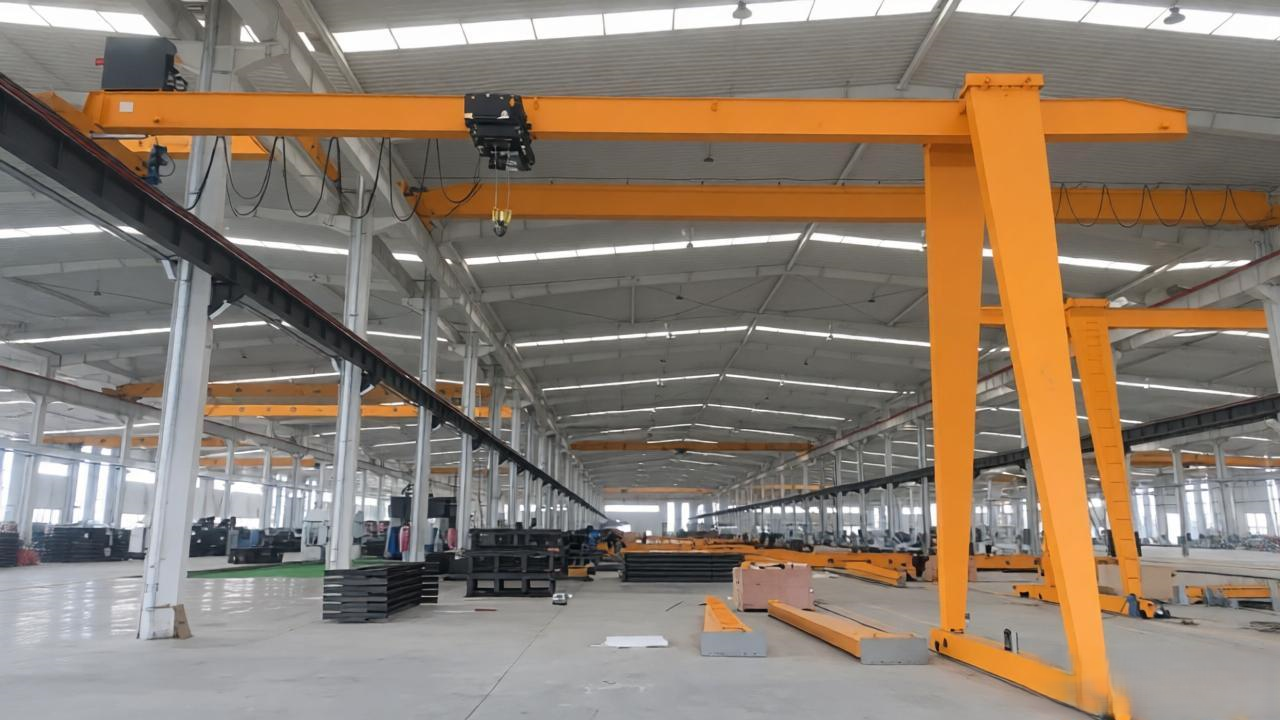
Main girders and legs are the backbone of your gantry crane. You should inspect every welded joint for cracks, paying special attention to stress concentration points like girder-to-leg connections and end carriage connections. If you see any sign of permanent deflection in the main girder — a sag beyond the manufacturer’s tolerance (typically L/700 to L/1000 of your span) — you need an immediate structural evaluation.
You should also check your runway rails for wear, cracks, and proper alignment. Your rail joints should be smooth with no step, and your rail clamps tight. If you run an outdoor gantry crane, make sure your rail drainage works and your rail foundation stays stable and free of subsidence.
Wheels and Bearings
Crane wheels take a lot of stress, so you should inspect them for flange wear, tread wear, and surface cracks. If you notice excessive flange wear, it often means you have misalignment or crane skewing — you must correct this to prevent premature wheel and rail damage. You should grease your wheel bearings on the manufacturer’s schedule, typically every 3 to 6 months depending on your duty cycle and operating environment.
Electrical System
electrical system covers your motors, control panels, variable frequency drives (VFDs), conductor bars or cable reels, and your pendant or radio controls. You should keep your electrical panels clean and dry, make sure all your connections are tight, and watch for signs of overheating or arcing. Keep your VFDs dust-free, and confirm their cooling fans run properly. If you operate outdoors, make sure all your electrical enclosures carry the right IP rating and their door seals stay intact.
Common Gantry Crane Problems and How You Can Troubleshoot Them
| Problem You May See | What Usually Causes It | What You Should Do |
| Unusual noise from hoist | Worn gear teeth, insufficient lubrication, or a damaged bearing | Inspect your gearbox, check the oil level, and replace worn components |
| crane skews on the runway | Uneven wheel diameter, misaligned rails, or uneven motor speed | Check your wheel diameters, align the rails, and adjust the VFD acceleration |
| load drifts or slips | Worn brake linings, oil on the brake drum, or incorrect brake adjustment | Replace the linings, clean the brake surfaces, and readjust the brake torque |
| wire rope wears fast | Misaligned rope guide, damaged drum grooves, or lack of lubrication | Realign the guide, inspect the drum, and apply proper lubrication |
| electrical system trips | Overload, short circuit, or a faulty VFD | Check your load, inspect the wiring, and test your VFD parameters |
| Excessive vibration | Loose structural bolts, worn wheels, or an unbalanced load | Tighten the bolts, replace the wheels, and ensure proper load rigging |
Your Daily Gantry Crane Inspection Checklist
Before every shift, you should give your gantry crane a quick visual and functional inspection. It only takes a few minutes, but it helps you catch problems before they turn into major failures:
- Check your wire rope or load chain for wear, corrosion, kinks, or broken strands;
- Inspect your hooks for deformation, cracks, or excessive wear at the throat opening;
- Make sure your brakes hold the load securely and respond immediately when you engage them;
- Listen for unusual noises coming from your hoist, trolley, or bridge drive motors;
- Confirm that your limit switches (upper, lower, cross-travel) work correctly;
- Check that your runway rails are clear of obstacles, and your crane wheels roll smoothly;
- Verify that all your warning lights, horns, and control buttons operate properly;
- Look over your structural girders and legs for visible cracks, bending, or loose bolts;
- Check your hydraulic system (if equipped) for leaks and proper fluid levels;
- Make sure your load rating plate is legible and that you’re not overloading the crane.
If you find any defects during your daily inspection, report them right away and take the crane out of service until qualified personnel complete the repairs. Never operate a crane you suspect is unsafe.
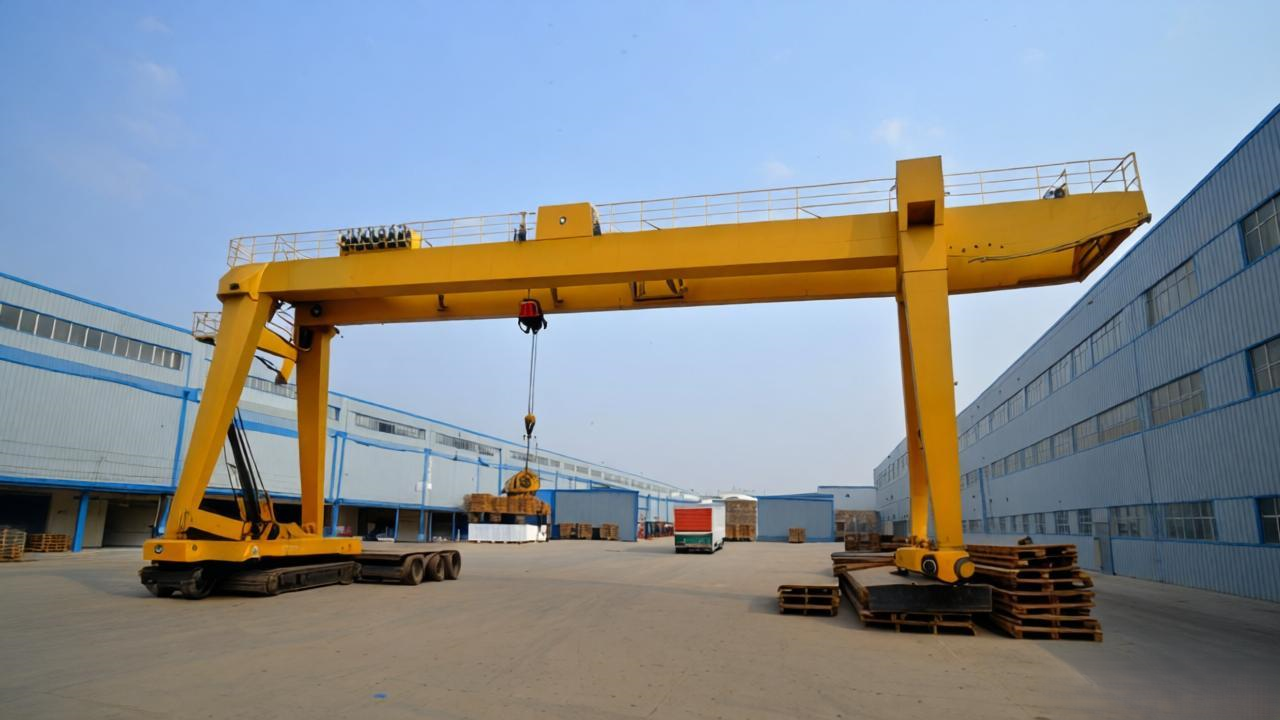
Weekly and Monthly Maintenance Tasks You Should Perform
Beyond your daily walk-around, weekly and monthly maintenance lets you dig into components that need closer attention.
What to Do Every Week
- Lubricate your wire rope with a suitable lubricant, making sure you cover the entire length;
- Clean and inspect your rope guide or chain guide for wear and proper alignment;
- Check your trolley and bridge wheel bearings for smooth rotation and adequate grease;
- Inspect your brake linings for wear and adjust the clearance if you find it necessary;
- Tighten any loose bolts you find on structural connections, rail clamps, and motor mounts;
- Wipe dust and debris out of your electrical panels and ventilation grilles.
What to Do Every Month
- Measure your wire rope diameter to catch any reduction over 10% of nominal;
- Inspect your hoist drum for grooves, cracks, or excessive wear;
- Check your gearbox oil level and top it up with the manufacturer-recommended grade if you need to;
- Test all your safety devices — overload limiters, emergency stop, anti-collision sensors;
- Inspect your current collectors (for conductor bar systems) for wear and proper contact pressure;
- Check your cable reels or festoon systems for smooth operation and cable damage;
- Look over your rail fastenings and rail joints for looseness or misalignment;
- Verify that your crane’s grounding system is intact and its resistance stays within safe limits.
Quarterly and Annual Inspections You Need to Schedule
Quarterly Maintenance Check
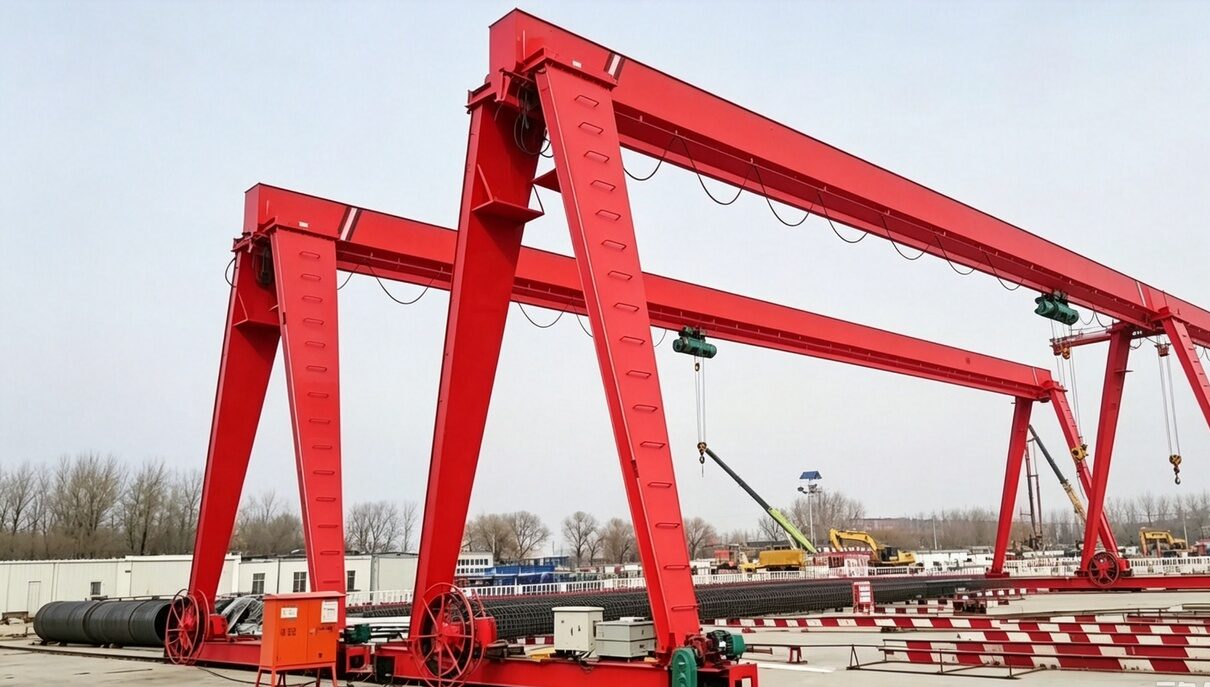
Every three months, you should have a qualified technician carry out a more detailed examination:
- Run a load test at 100% of your rated capacity to verify brake performance and structural integrity;
- Open up your gearbox to inspect gear wear, bearing condition, and oil contamination;
- Check your motor insulation resistance with a megohmmeter;
- Inspect all your electrical connections for overheating, discoloration, or looseness;
- Measure your wheel flange wear and rail head wear;
- Check the condition of your buffer stops and end stops on the runway;
- Inspect your slewing bearing (if you have a semi-gantry or rotating gantry crane) for smooth rotation;
- Review your maintenance logs so you can spot recurring issues that need root-cause analysis.
Annual Major Inspection
Once a year, you need a comprehensive inspection — often required by local safety regulations — carried out by a certified inspector:
- A full structural inspection using non-destructive testing (NDT), such as magnetic particle or ultrasonic testing, on your critical welds;
- A complete wire rope replacement evaluation based on discard criteria (broken wire count, corrosion level, diameter reduction);
- A full brake system overhaul, including replacement of your worn linings and torque adjustment;
- An electrical system audit, including contactor replacement if you find severe pitting;
- A gearbox oil change and internal component inspection;
- A wheel alignment check and adjustment if you detect crane skewing;
- A runway rail alignment and level inspection across your full span;
- An update to your crane’s maintenance and inspection records;
- Issuance of the inspection certificate you need for continued legal operation.
Maintenance Best Practices for Your Operating Conditions
If You Run Light-Duty Operations (Class A / B)
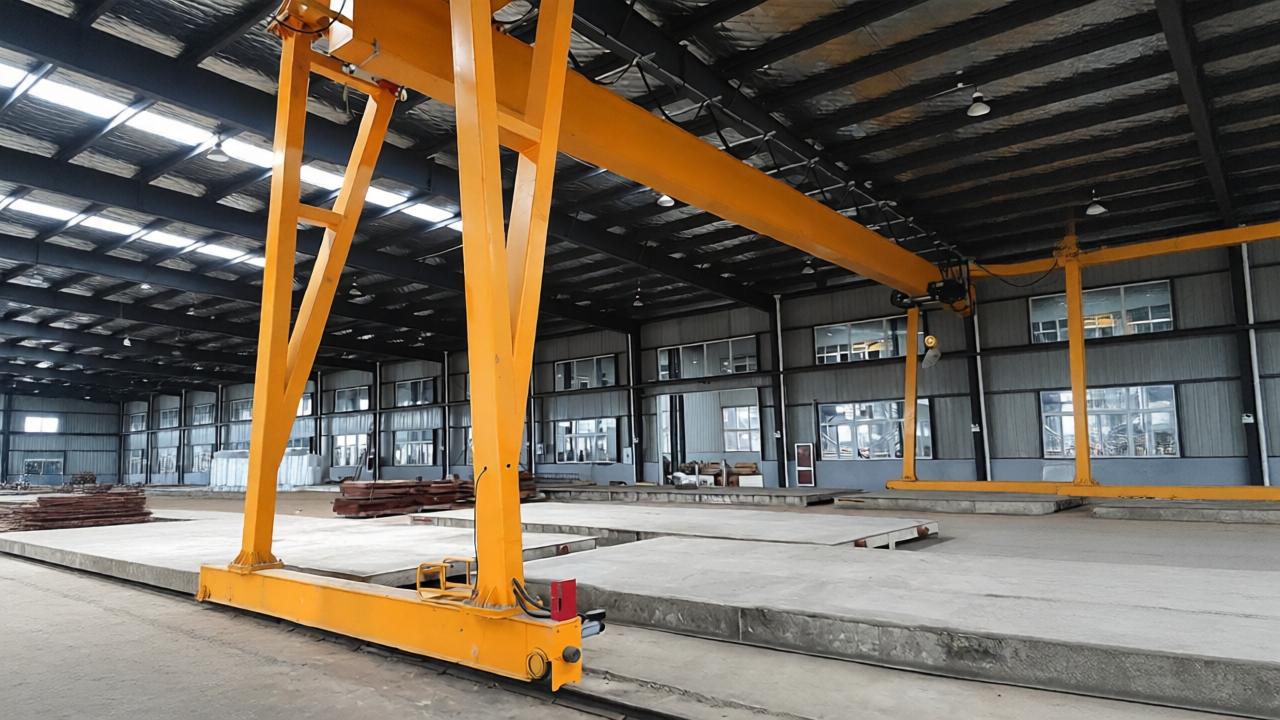
If you use your gantry crane intermittently — in a warehouse, equipment maintenance bay, or on an assembly line — you should perform daily visual inspections, monthly lubrication, and an annual major inspection. Light-duty cranes usually give you longer component life, but that doesn’t mean you can skip maintenance. Even a crane you rarely use can suffer from corrosion, seal degradation, and brake sticking during long idle periods.
If You Run Medium-Duty Operations (Class C)
If your crane works in a machine shop, fabrication yard, or general manufacturing facility, it runs several hours a day at or near rated capacity. You should follow the full weekly and monthly maintenance schedule, conduct quarterly detailed inspections, and plan wire rope replacement every 2 to 3 years — or sooner if your inspection results tell you to. Keep a close eye on your brake wear; medium-duty cycles speed up lining wear and mean you’ll need more frequent adjustments.
If You Run Heavy-Duty or Severe Operations (Class D / E / F)
If your gantry crane operates in a steel mill, foundry, shipyard, or container terminal, it runs nearly nonstop under harsh conditions. You’ll need daily functional checks, weekly component inspections, monthly detailed servicing, and bi-annual major inspections.
Your wire rope may need replacement every 6 to 12 months. In high-temperature environments, inspect your electrical insulation and hydraulic seals more often. If you work in a corrosive environment — near the coast or in a chemical plant — apply anti-corrosion coatings and use galvanized or stainless steel wire rope where you can.
FAQ
How often should I have my gantry crane inspected?
At a minimum, you should give your gantry crane a daily pre-shift visual inspection, have a qualified technician inspect it monthly, and get a certified inspector to do a comprehensive annual inspection. If you run a heavy-duty crane, you may need quarterly or even monthly detailed inspections depending on how hard you use it and your environmental conditions. Always follow your manufacturer’s recommendations and your local regulatory requirements — they may demand more frequent intervals than you expect.
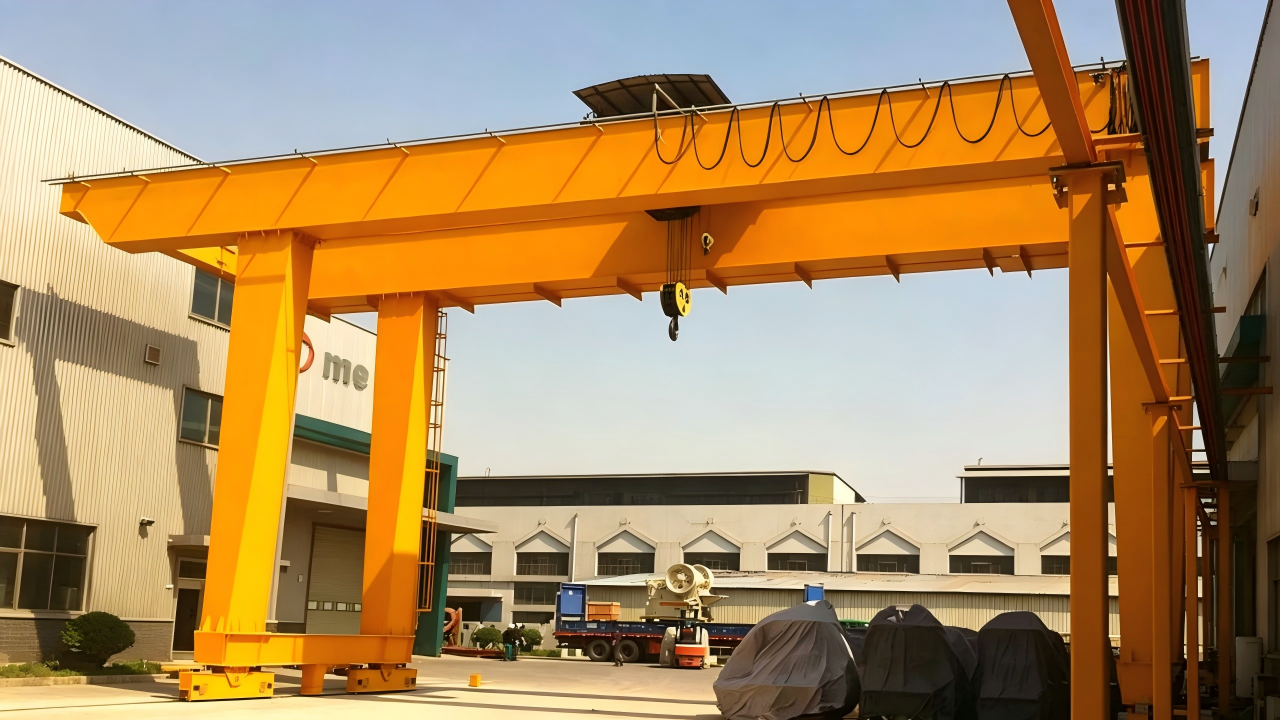
How do I know when my gantry crane wire rope needs replacing?
You should replace your wire rope if you see any of these: the number of broken wires in any lay length exceeds the standard (typically 10 broken wires in one lay for a 6-strand rope, or 5 in a single strand); your rope diameter drops by more than 10% of nominal; you notice visible corrosion, kinking, bird-caging, or heat damage; or your rope has been through a shock load or overload. When you’re in doubt, replace it — a new rope costs far less than the consequences of a failure under load.
Can I do my own gantry crane maintenance, or do I need a professional?
You can handle daily inspections and basic lubrication yourself if you’re a trained operator or in-house maintenance staff. But leave brake adjustments, electrical work, load testing, structural inspections, and wire rope replacement to qualified technicians with specific training in overhead and gantry crane maintenance. Your annual major inspection typically requires a certified inspector recognized by your local safety authority.
If you attempt complex repairs without proper training, you can void your warranty and create serious safety risks for yourself and your crew.
How long can I expect my gantry crane to last with proper maintenance?
If you keep up with regular, proper maintenance, a well-built gantry crane can serve you for 20 to 30 years or more. Your structural frame often outlasts your mechanical and electrical components, which you can replace or upgrade periodically through modernization programs. Your actual lifespan depends on your duty cycle, how close to capacity you run, your environmental conditions, and how consistent you are with maintenance. If you neglect your crane, you may be looking at a major overhaul or replacement within 10 years.
What extra maintenance does an outdoor gantry crane need?
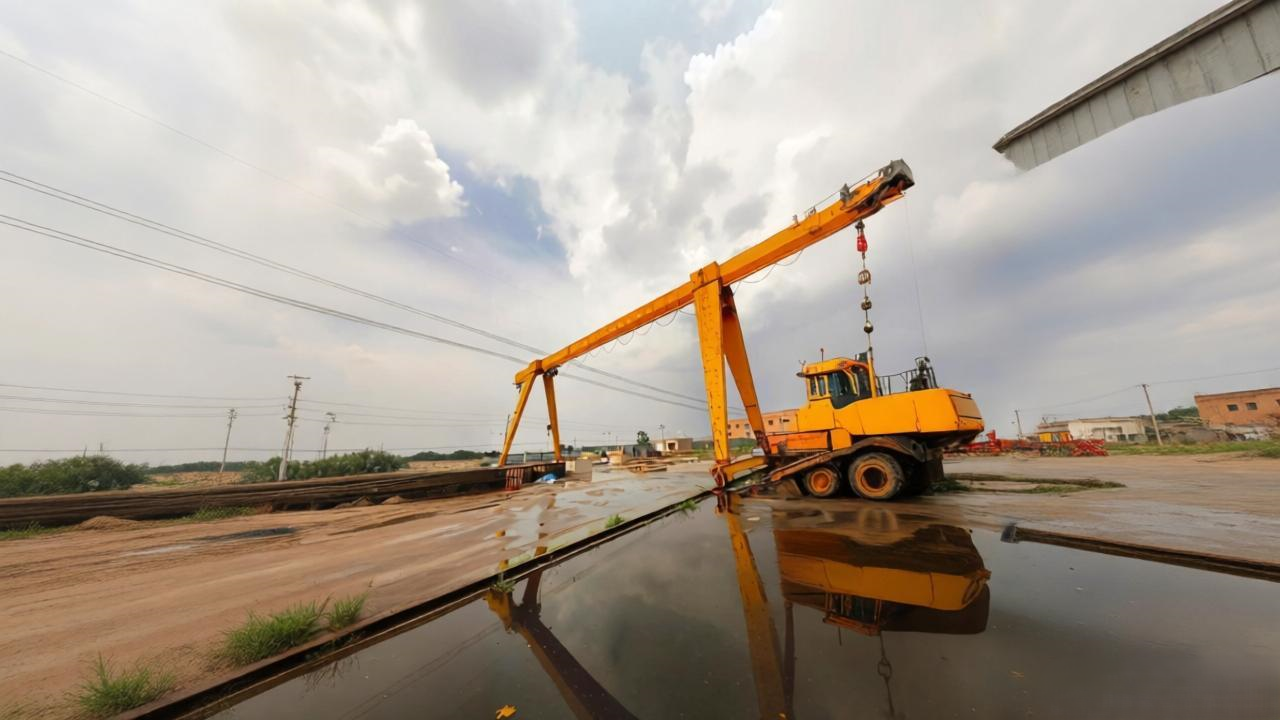
utdoor gantry cranes face rain, snow, wind, UV, and temperature extremes. Use electrical enclosures rated IP54 or higher (IP65 for exposed panels), weather-resistant wire rope with regular anti-corrosion treatment, wind speed indicators, storm anchors, and corrosion-resistant paint.
Inspect at least monthly, and always after severe weather. When idle, secure the crane with rail clamps or anchors — especially in windy areas — and consider adding a weather enclosure for the hoist and trolley.
Dingya Hoists: Your Partner for Reliable Gantry Cranes and Maintenance Support
At Dingya Hoists, We specialize in designing, manufacturing, and servicing gantry cranes, overhead cranes, and hoisting equipment. Our cranes deliver durability, safety, and smooth operation across industries, backed by full after-sales support — training, genuine spare parts, on-site inspection, and modernization. Contact us for a customized maintenance plan or a new crane quote tailored to your facility.