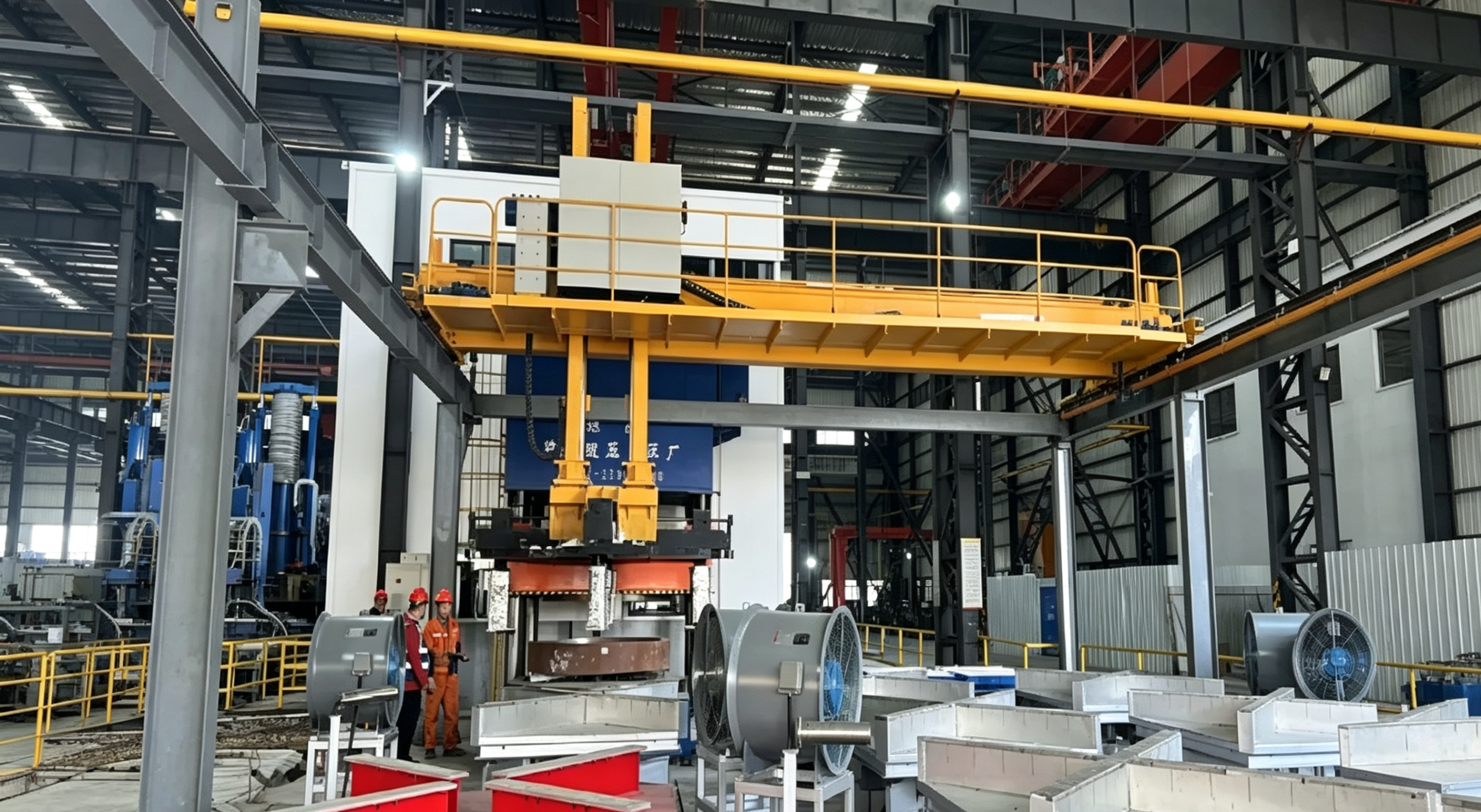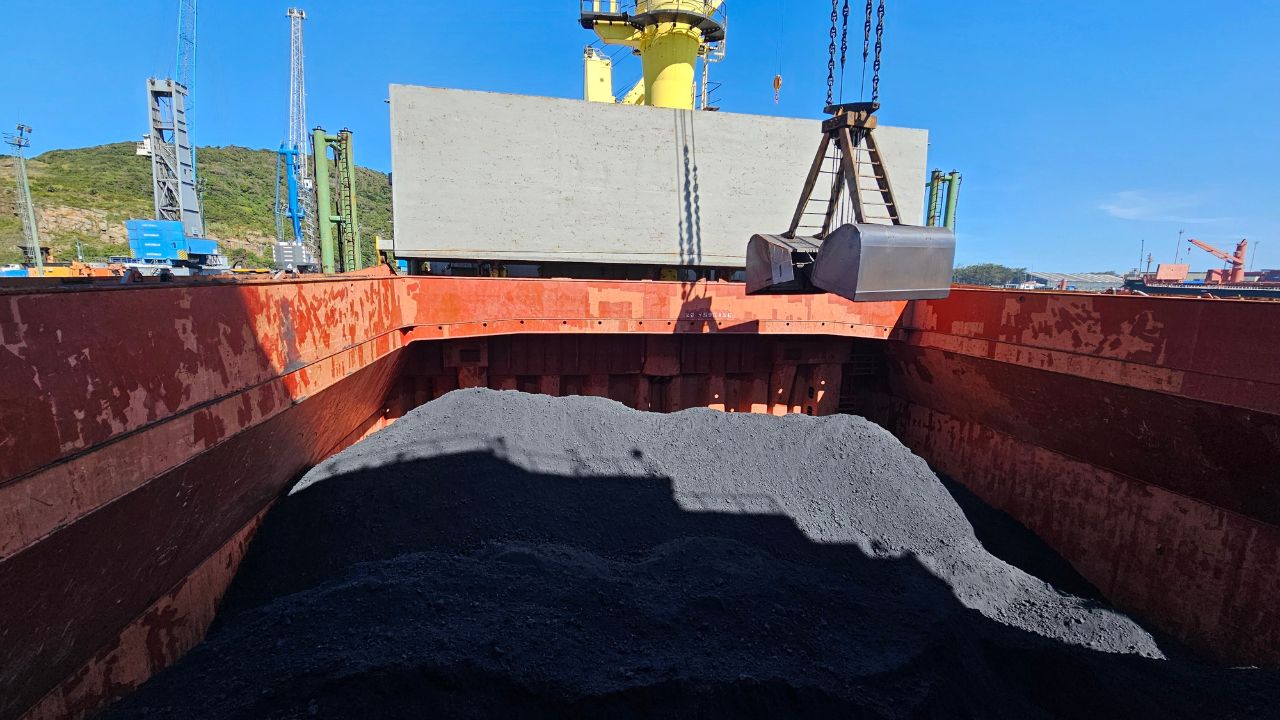
Selecting the right portal crane is critical when you want to streamline port operations by ensuring safe and efficient cargo handling. Whether you are operating a shipyard or a port terminal, choosing the wrong crane is a major safety risk and can significantly reduce productivity.
This guide explores all the critical factors to consider when selecting a portal crane.
What is a Portal Crane?
This is a gate-like, structured, rotating boom crane device typically mounted on a rail. It gets its portal name from its design, which leaves room for vehicles, trucks, and even ships to pass underneath it. You can use this crane on land and in the sea, making it incredibly versatile.
Key Factors to Consider when Selecting the Right Portal Crane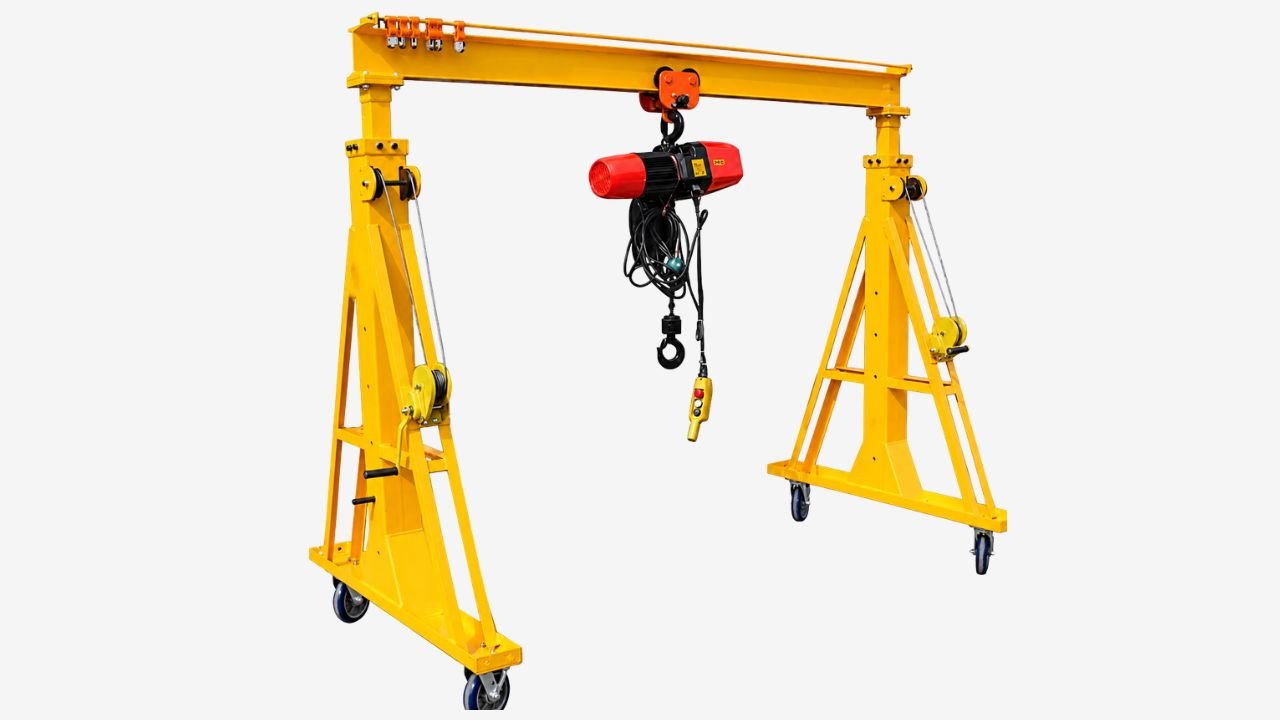
When selecting the most suitable type of portal crane for your application, there are numerous factors to consider. These factors include:
Lifting Capacity and Load Requirements
- Maximum Load Weight: The highest load your portal crane can handle varies depending on the type of crane you have. It ranges from as low as 125 kgs to as high as 15 tons
- Load Chart Analysis: The device’s lifting capacity, its lift range, boom length and angle, as well as its dimensions and weight, should be compatible with your application.
- Load Characteristics: Features such as the weight of the load, its thermal expansion range, loading mechanism and boom position should be taken into account.
Dimensional Specifications
- Span and Reach: The span of these devices denotes the width the crane you select can move across.
- Lift Height: This is the total distance your selected crane covers from the floor to the hook saddle when it’s fully extended.
- Under-clearance Height: Consider the space under your crane, typically where ships or vehicles pass through, should also be considered.
Site Conditions and Working Environment
- Indoor vs. Outdoor Operation: Indoor cranes are smaller in size with limited capacity, while the outdoor variations are larger and weatherproofed to withstand harsh conditions.
- Ground Conditions: Solid ground is required for proper installation of the rail track to provide proper support. Outdoor variations require a well-grounded foundation that is not impacted by harsh environmental conditions.
- Space Constraints: Span for these cranes ranges from 4 to 18 meters. Additionally, your machine will require a 360° spatial allowance and a bit more safety clearance space.
- Environmental Factors: You need to take the environmental conditions surrounding your application into consideration to select a suitable crane.
Mobility and Configuration Options
- Fixed vs. Mobile Portal Cranes: Fixed cranes are typically permanently anchored to the ground, while the mobile variation can be moved from one site to the next.
- Track System Type: The four-rail, three rail track and two-rail track systems are the most commonly utilized, and you should select based on your application requirements.
- Portability Requirements: Consider your application needs to guide you in selecting either a fixed or portable crane.
Operational Features and Technology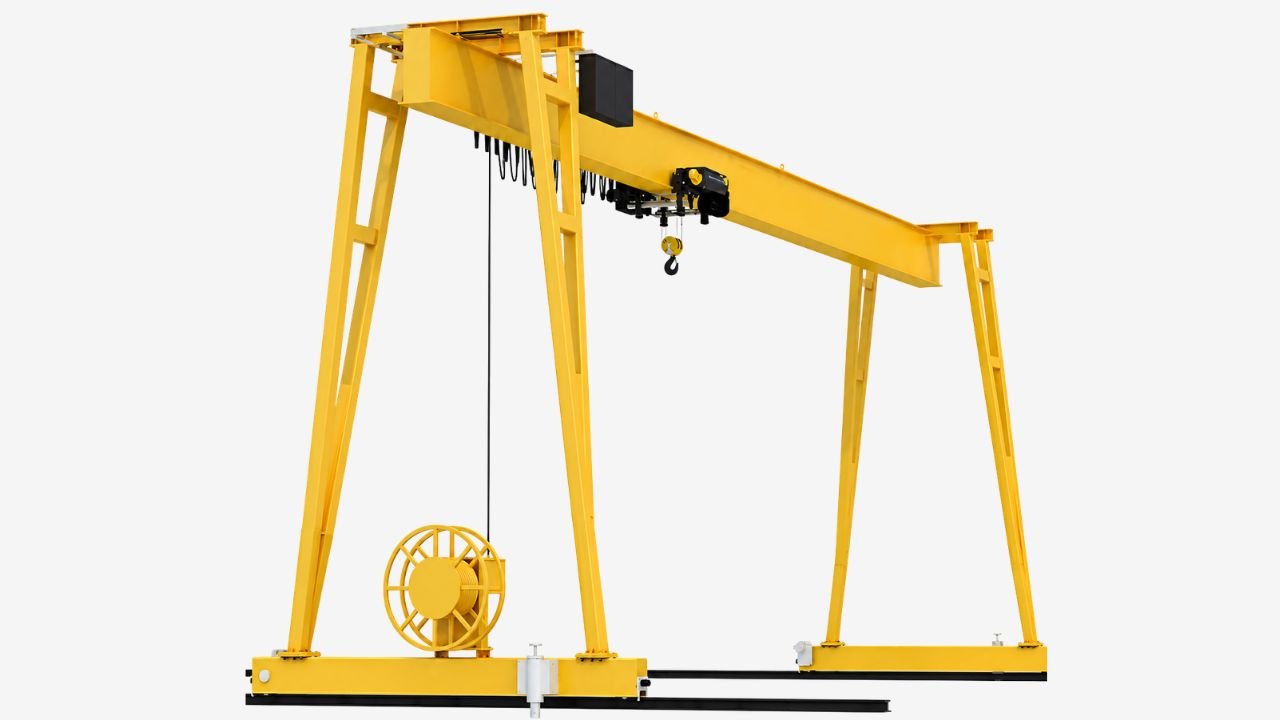
- Control Systems: A collaboration between AC control systems and PLC systems is typically employed for maximum efficiency and functionality.
- Smart Features: Anti-sway, GPS collision avoidance systems, and infrared camera systems are examples of the smart features incorporated in the crane to elevate functionality.
- Safety Systems: Overload limit systems, limit switches, interlock protection, snag prevention, slack rope prevention, and emergency egress descent devices are examples of safety features that can be incorporated in your crane.
- Hoist and Reeving Configuration: You should also look into the configuration of the wire rope used to carry the hoist.
Frequency of Use and Duty Class
- Operational Intensity: Depending on the intensity of your application, you can select a crane with a suitable working class. They typically range from the A4 to A7 working class.
- CMAA Duty Classification: Classifications include Class A for the lightest up to Class F for the heaviest. Class D is the most common variation applied for standard operations.
- Shift Requirements: Depending on your application, you can select portable cranes that operate for one to two hours. For industrial applications, you can get automated 24-hour systems.
Safety and Regulatory Compliance
- Standards and Certifications: Portable units you get, such as overhead and gantry cranes, should meet ASME B30.2 and OSHA 1910.179 standards. Load under the FEM 1.001 standards ranges from categories Q1-Q4 and classes M1-M8.
- Load Testing: A score of 100% on tests for load for up-down and traveling tests and 125% for the tests on capacity for dynamic and stationary is required.
- Operator Training Requirements: The necessary qualification and training guides for operators are typically guided by OSHA AND ANSI to ensure safety for both the operator and the machine.
Operator Ergonomics and Comfort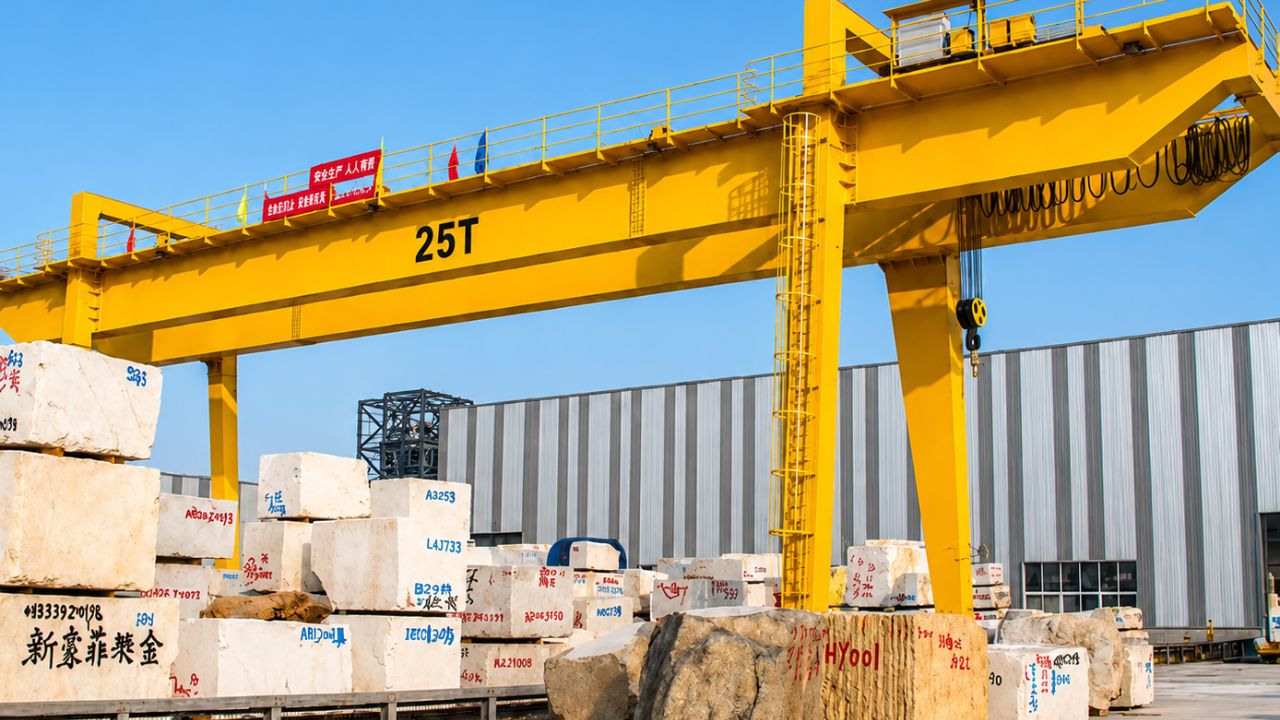
- Cab Design: These machines typically feature either a suspended cab or a mounted cab. You customize this enclosure to suit your application needs, such as incorporating climate control and additional seals for outdoor applications.
- Control Interface: Radio remote controls, pendant controls, or cab-mounted control stations are typically incorporated in these machines. For specialized units, advanced controls can be applied to elevate functionality by providing a wider range of information vital to operations.
- Maintenance Accessibility: When selecting your crane, you need to take the available space in mind as the machine will require safety clearance as well as accessibility for proper maintenance to be conducted. You may need to factor in platforms to access high-placed compartments
Cost Considerations and Total Cost of Ownership (TCO)
- Initial Costs: The type of crane you intend to buy will determine the initial cost of purchase, as they vary depending on the capacity of the machine as well as any added configuration. Units with a smaller capacity ranging between 125 kg and 1,000 kg for $5,000 to $50,000. On the other hand, heavy-duty units with higher capacity ranging between 15 and 40 tons feature prices ranging from $200,000 to $1.5 million
- Operating Costs: The cost you will incur during operation is also directly impacted by the type of crane you select as well as your scale of operation. Energy consumption during the operations, the cost of labor to operate the machine, and maintenance costs all factor into the operation cost. Small-scale cranes can cost you on average $15,000 to $50,000, while industrial units cost between $75,000 and $200,000 annually to operate.
- Maintenance Costs: Maintenance operations typically include wire rope replacement, brake adjustments, routine inspections, lubrication and electrical system maintenance. Light-duty cranes cost less to maintain, while Industrial heavy-duty cranes require more maintenance, utilize high-quality specialized parts that cost more, incurring additional maintenance fees.
- Long-term Value: With a service life of over 20-33 offers substantial long-term value. Depending on your scale of operation, these machines also have a high return on investment.
FAQs
What are the after-sales services that you should watch out for when selecting a portal crane?
Services to watch out for include:
- Preventative maintenance inspections
- Parts and service availability
- Crane inspections
- Crane upgrades and retrofits
- Corrective maintenance
- Test certifications
- Rebuilds
- Strong distribution network
- Complete systems integration
What are the types of portal cranes available?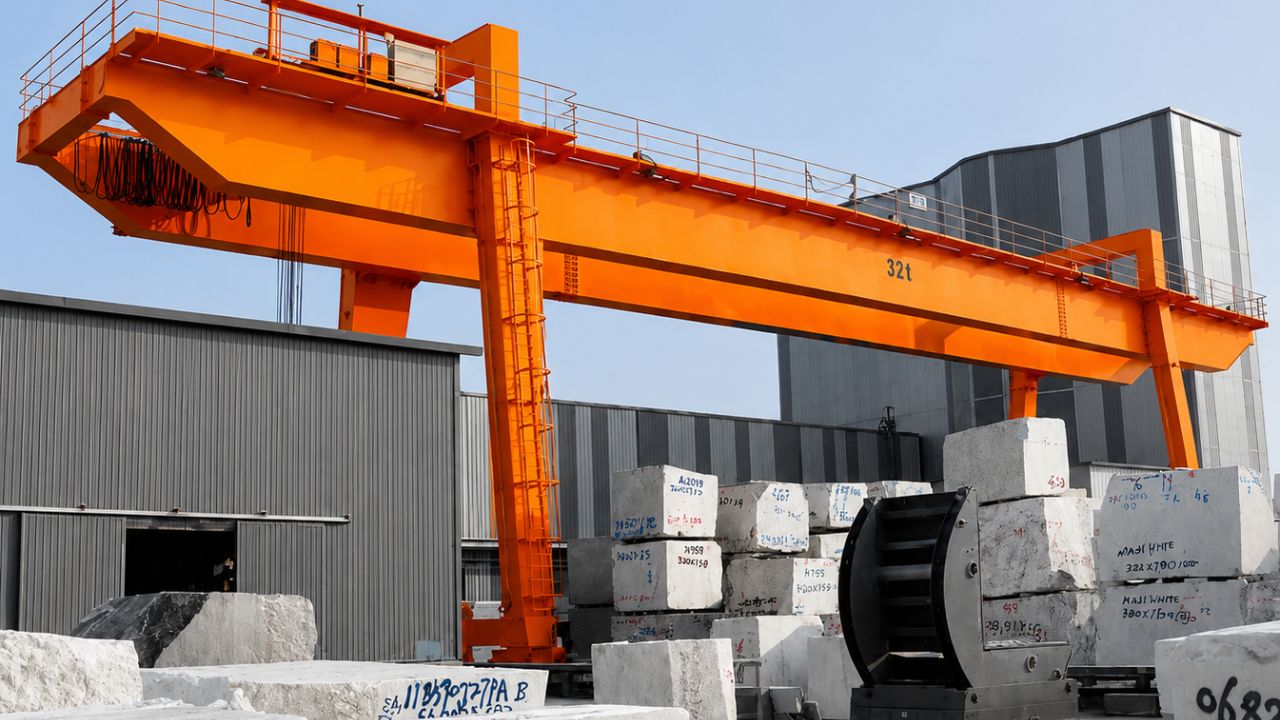
Some of the most common portal crane types include single boom portal crane, four-bar linkage portal crane, harbor portal crane, level luffing portal crane, shipyard portal crane, shipyard portal crane, container portal crane, rail-mounted portal crane, rail-mounted portal crane, fixed portal crane, mobile portal crane, and heavy-duty portal crane.
Can you upgrade a portal crane after buying it?
Yes, you can upgrade your portal crane after purchase and utilization.
Dingya is Your Trusted Port Crane Manufacturer in China
With over 69 patents in crane technology, we specialize in designing and manufacturing a wide range of single-girder overhead and double-girder overhead cranes in China. At Dingya, we customize every crane to match our client’s unique load handling in the port and shipyard industries.
Contact us today for a free consultation and custom portal cranes.