While the appearance of various crane winches may seem similar, their designed operating scenarios differ significantly. If you choose the wrong winch, it will directly lead to assembly and compatibility problems and maintenance difficulties. Read this guide. It will help you distinguish between different types of crane winches from various perspectives, so that you can select the appropriate lifting equipment.
What Are the Main Types of Crane Winches?
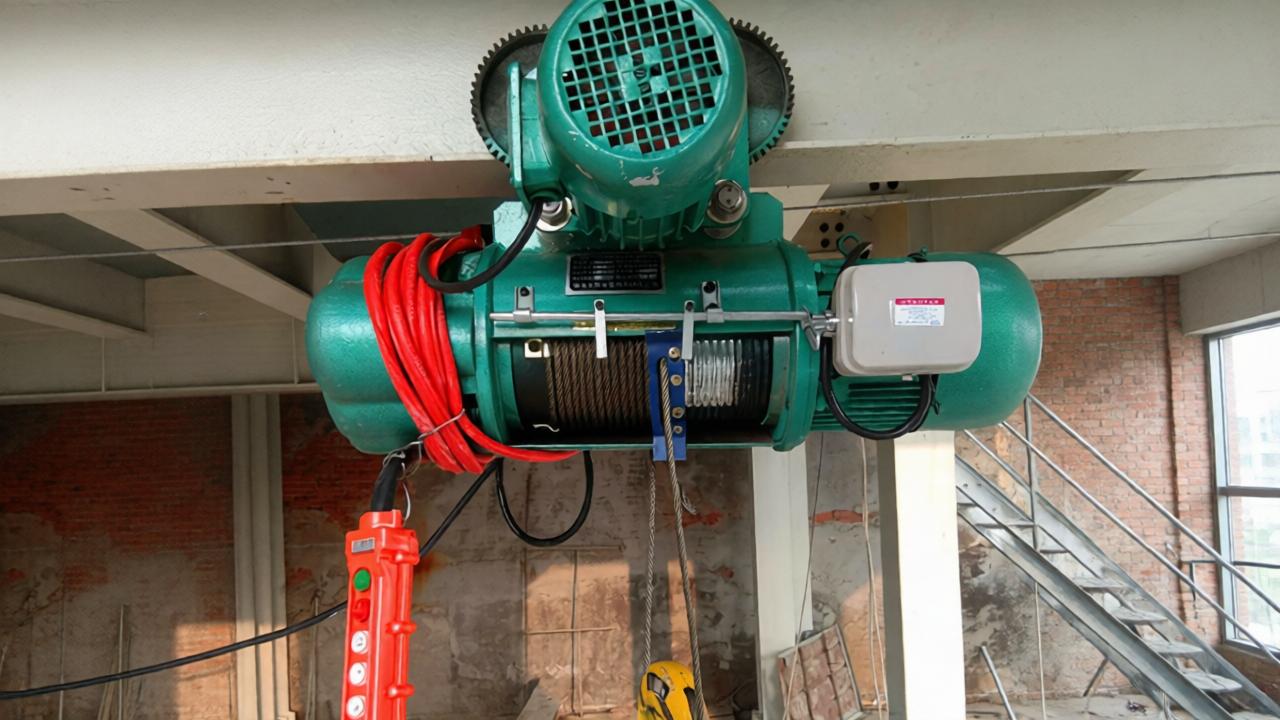
Electric Crane Winch
Hydraulic Crane Winch
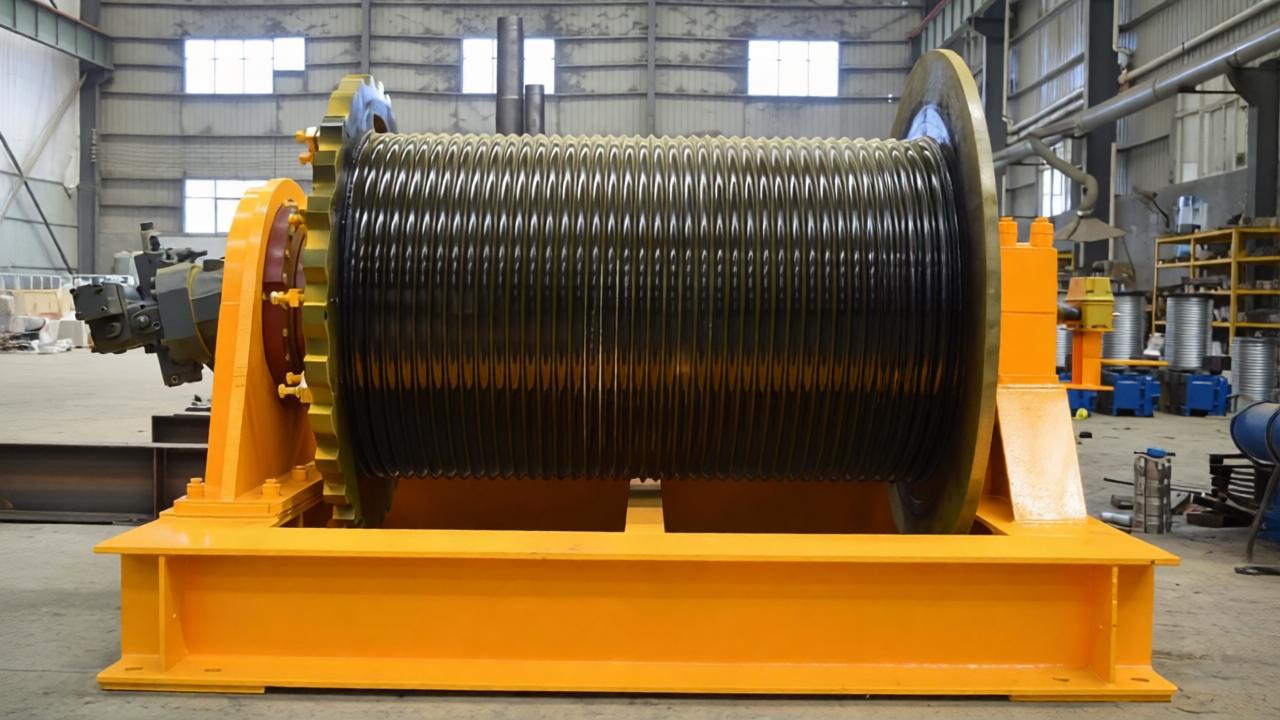
The core of a hydraulic crane winch relies on hydraulic oil for power. You can directly use this hydraulic oil to drive the motor. Then, through an internal reducer, the limited power is converted into immense torque. This powerful torque drives the winch drum, winding and unwinding the wire rope.
This allows you to smoothly complete heavy lifting and material handling operations. Moreover, this hydraulic winch is highly adaptable. It is particularly suitable for heavy-duty lifting operations. It is also suitable for heavy-duty and special working conditions such as outdoor construction sites, ports, and offshore locations.
Pneumatic Crane Winch
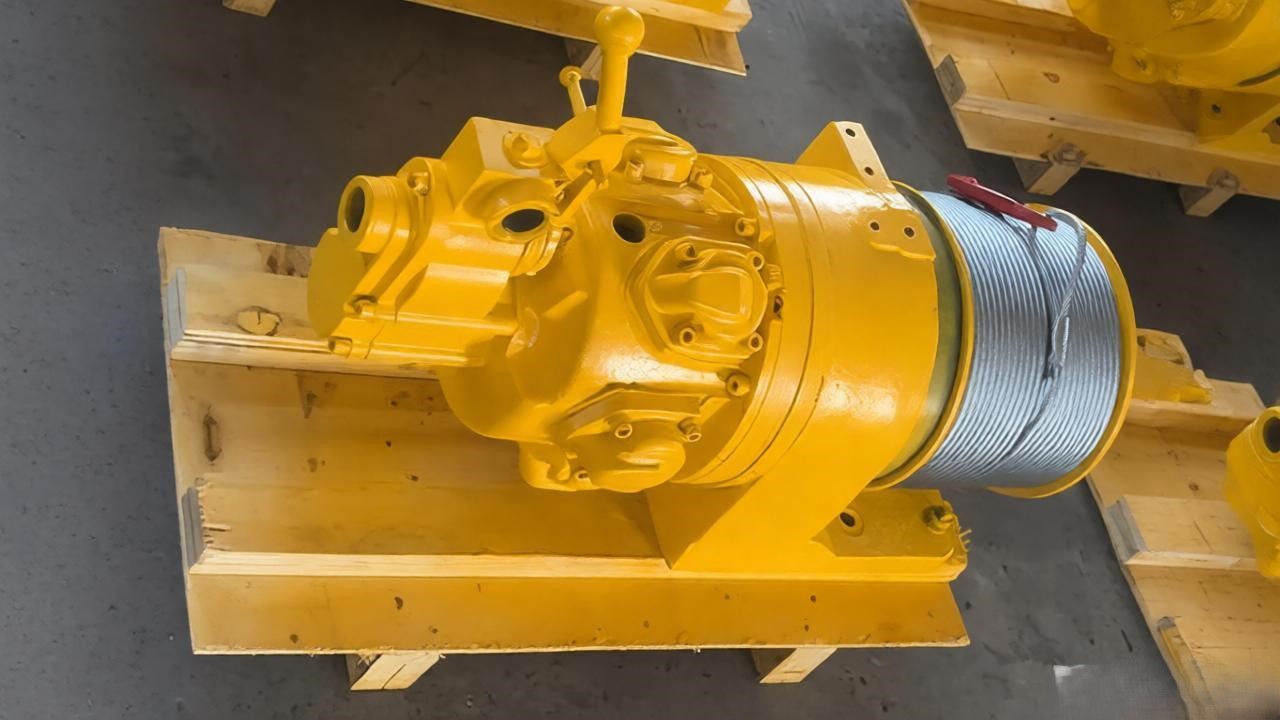
Normally, an electric winch uses an electric motor for power. A hydraulic winch uses high-pressure hydraulic oil for power transmission. But your pneumatic winch is driven entirely by compressed air. The power source is high-pressure air. The principle is very simple.
When working, you first compress the air to create high-pressure gas. Then you pass this high-pressure gas into the machine’s motor. This drives the pneumatic motor. The power generated by the motor is transmitted to a speed reducer. The speed reducer helps reduce the rotation speed. It amplifies the torque many times over.
Making the power sufficiently strong and stable. The amplified power directly drives the winch drum to rotate. By controlling the drum’s forward and reverse rotation, you can wind and unwind the wire rope.
Finally, by winding and unwinding the wire rope, you can easily complete all operations such as lifting heavy objects, dragging materials, and traction of equipment.
Crane winch sorting by drum
You can also differentiate winch types by the number of drums. Since you might only understand your own operating conditions, you might want to match the winch type to the actual situation. Selecting the model by the number of drums is one of the simpler methods.
Single-Drum Winch
When your factory handles a single type of cargo, simply lifting or towing, only one rope is needed, and a single drum is sufficient; no coordinated operation is required, nor can multiple tasks be performed simultaneously. If you want multiple wire ropes to work independently, multiple drums are necessary. Single-drum winches can be powered by electricity, hydraulics, or pneumatics. The same applies to multi-drum and double-drum winches.
Double-Drum Winch
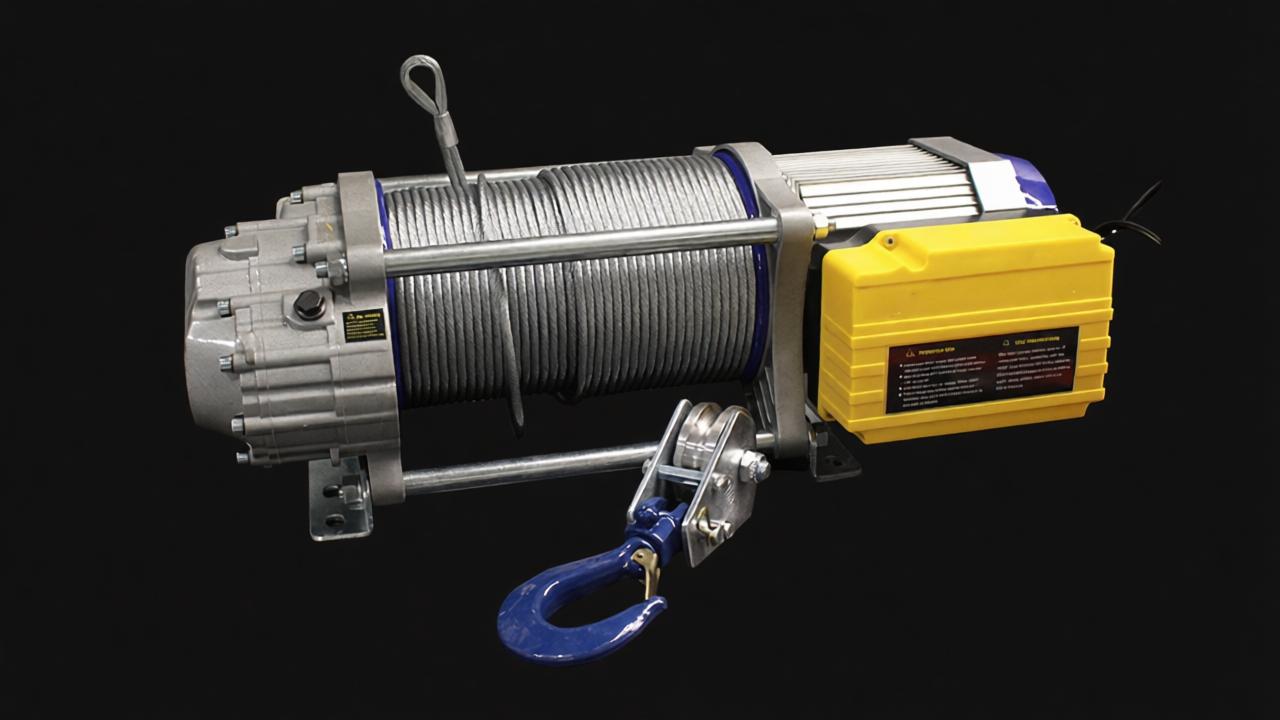
If you are using a double-drum crane winch, it’s equivalent to using two independently controlled wire ropes. The two sets of ropes can work separately. This provides exceptional flexibility. It completely overcomes the limitation of a single drum winch, which can only perform one task.
For example, a single-drum winch can only lift up or down. A double-drum crane winch can be equipped with a main hook and an auxiliary hook. The main hook is responsible for lifting heavy loads, while the auxiliary hook can assist with fine-tuning and lifting smaller items.
The combination of two hooks significantly improves your work efficiency.
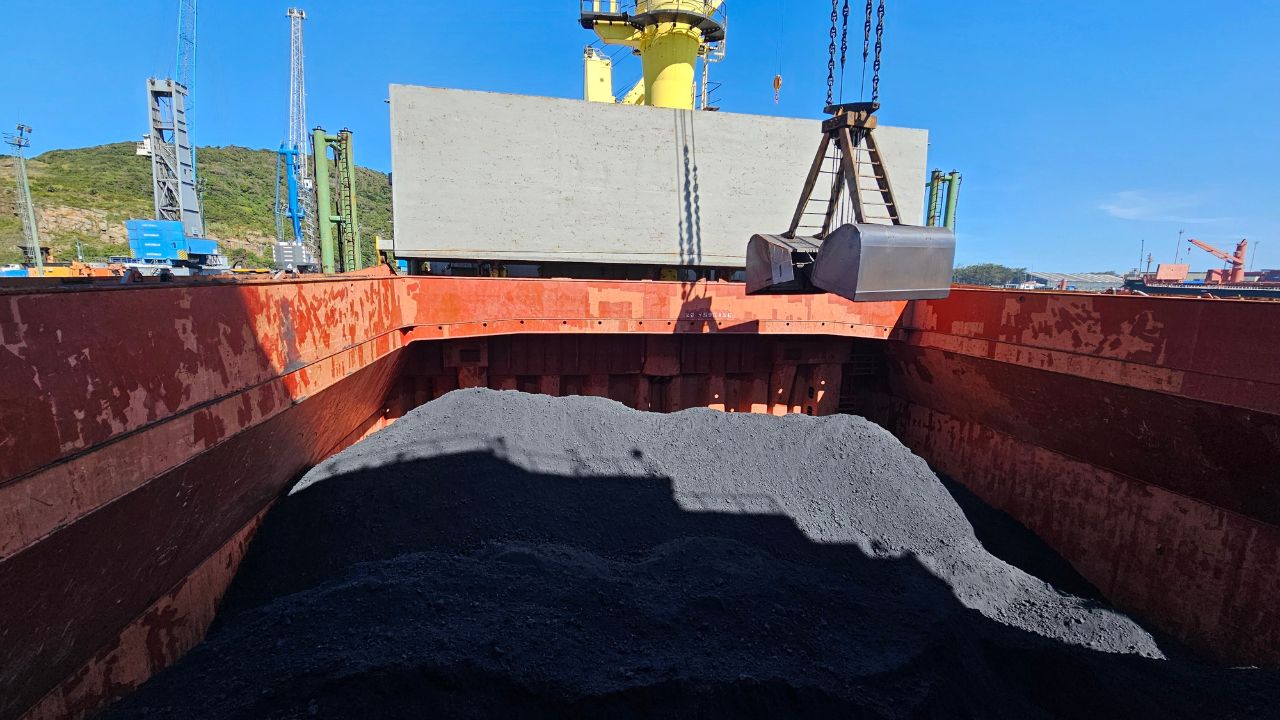
You can also have one set of wire ropes dedicated to vertically lifting heavy objects. The other set is responsible for horizontal traction and towing of materials. Common grab cranes generally require double drums. One drum lifts the grab bucket. The other drum is responsible for opening and closing the grab bucket. Both actions are performed simultaneously.No need to change equipment or repeatedly debug.
Multi-Drum Winch
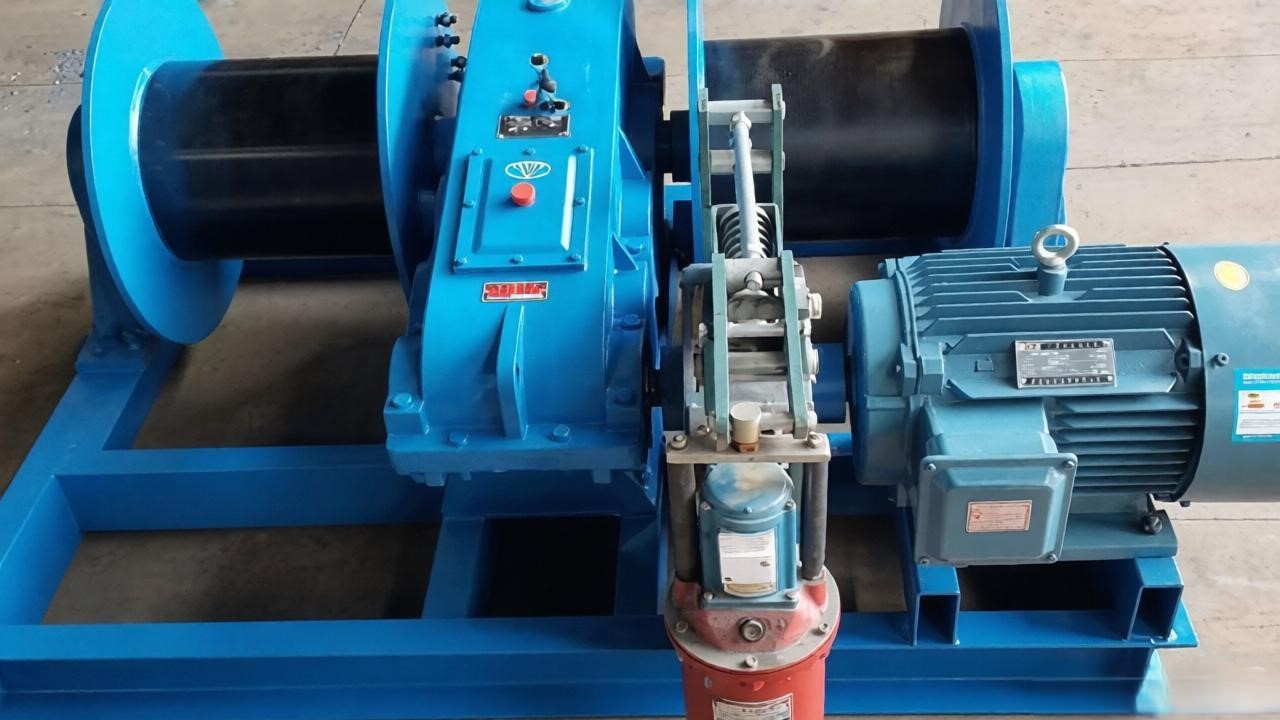
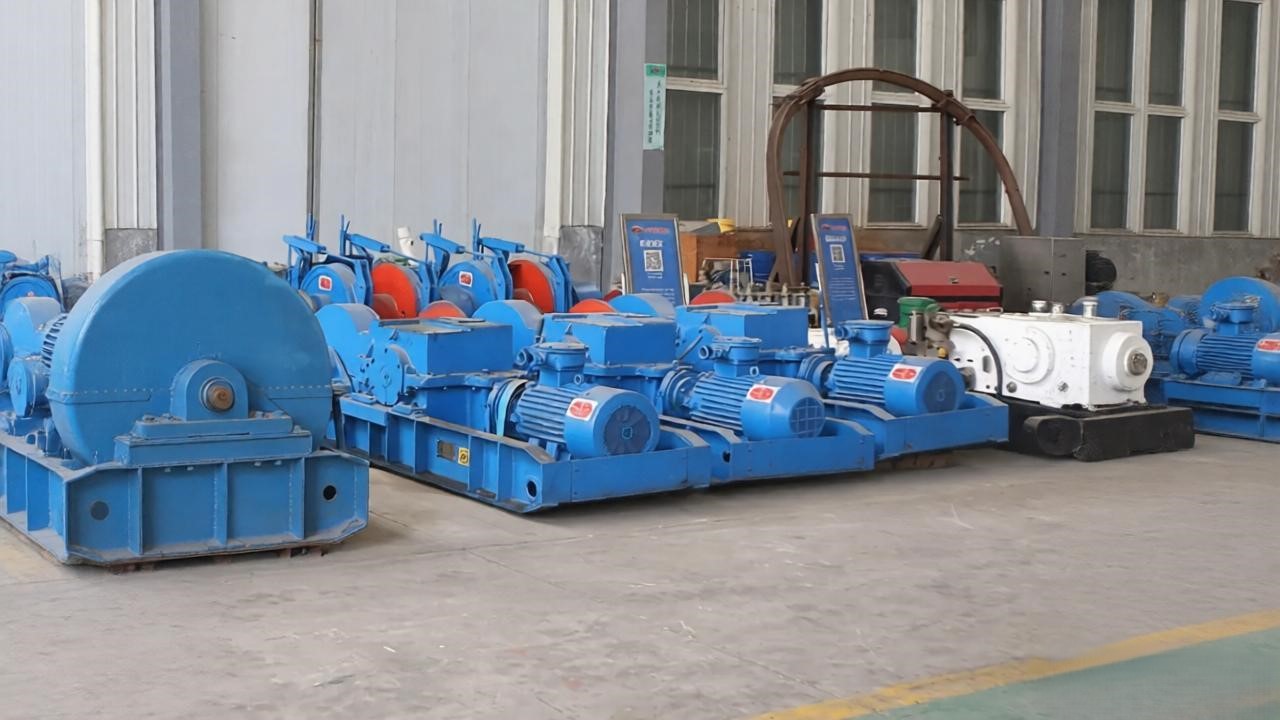
Multi-drum winches consist of three or more drums. Each drum can independently complete a complete process. Suitable for port gantry cranes, grab cranes, foundry cranes, etc.The more drums, the larger the size, the heavier the weight, the higher the cost, and the more maintenance points. Therefore, you must confirm how many drums you need to help you lift; just enough is sufficient.
For example, in addition to lifting and lowering, there are complex actions such as grab bucket opening and closing, and rotation. One set of equipment can complete the entire complex operation.
How to Choose the Right Crane Winch?
Comparison table of cranes by energy category
| Item | Electric Crane Winch | Hydraulic Crane Winch | Pneumatic Crane Winch |
| Power | Electricity | High-pressure hydraulic oil | Compressed air |
| Advantage | Clean and pollution-free Precise speed control with VFD. Easy PLC automation integration. Simple daily maintenance. | Strong power at low speed. Takes hard impacts well. Small size but powerful. Works for moving machines. | Safe for flammable areas. Brake locks if air supply fails. Works in wet & dusty conditions. No fluid leaks. |
| Disadvantages | Needs a steady power supply. Overheats on slow, heavy runs. The explosion-proof model costs more. | May leak hydraulic oil. Requires full hydraulic piping. Oil changes with surrounding temperature. | Limited pulling force, costly for big loads. Loud noise, uses lots of compressed air. The load shakes slightly due to air compression. |
| Typical working site | Indoor workshop, overhead/gantry crane | Mobile crane, truck/crawler crane, port crane | Mines, oil/gas chemical plant, explosive hazard zone |
| Speed control | VFD inverter | Proportional valve | Air flow control |
Comparison table of cranes categorized by number of drums
| Item | Single Drum Crane Winch | Double Drum Crane Winch | Multi Drum Crane Winch |
| structure | One drum, one rope.
| Two drums, two ropes. | 3 or more drums, multiple ropes. |
| Advantage | Simple structure, low cost. Easy installation & maintenance. | Two ropes work separately. Lift & pull at the same time. Better load balance control. | Control several ropes independently Complex lifting synchronizing tasks. Meet special-purpose marine/port demand. |
| Disadvantage | Only one rope cannot do complex work. | Larger size, higher cost than a single drum. Need precise synchronization control. | Big overall size & heavy weight. High purchase & maintenance cost. Mostly heavy-duty only, a few light-duty stock units. |
| Typical working site | General lifting, ordinary workshop, truck crane | Dual-rope lifting, pulling, and lifting combined work | Port crane, offshore platform, special heavy-lifting equipment.
|
FAQ
What is the typical service life of a medium-duty crane winch?
Your crane’s lifespan cannot be calculated in years. The fatigue life of gears, bearings, and brakes must be considered. This is because service life is related to the operating efficiency of the components. Under normal maintenance conditions,Medium-duty winch. Service life: 6-10 years.Requires daily routine operation or partial full-load operation.If there is long-term overloading or prolonged low-speed heavy-load operation. The lifespan is directly halved.
Can crane winches be customized for specific lifting applications?
Yes. Standard models are suitable for most working conditions. Customization is also possible if needed. For example, the nature of the control system.It can be customized to be a wireless remote control or a joystick. For example, in port areas, it’s suitable to provide corrosion and dust protection for the winch. Or, in confined spaces where height and width are limited. Height and width restrictions can be implemented for crane winches.
What safety devices are typically used on crane winches?
Crane winches have several safety devices.
- If overloaded, the overload limiter will automatically alarm.
- Reaching the upper limit position will trigger the upper limit switch for automatic shutdown.
- An emergency stop button allows for a one-button power cut-off.
- Pressure leakage or high pressure can trigger the pressure protection device.
- In the event of a power outage or pressure failure, while the hook is still in the air, the pressure/power failure safety brake ensures that the load will not fall.
What are the application scenarios for horizontal traction using crane winches?
Besides vertical lifting, horizontal operations are typically used for traction, towing, and translation. For example, you can use a crane winch to tow containers or move ships in a dock. In vehicle rescue operations, crane winches can be used to horizontally tow disabled or stranded vehicles.
Can a winch be used with different types of cranes?
Yes, but you can’t just use it directly. Several conditions must be met. For example, it needs to be compatible with installation dimensions, performance parameters, power source, control system, and many other factors. In addition, it must meet EN/ISO lifting safety standards.
Why Choose Dingya Crane for Your Winch Solutions
If your project requires reliable crane winches, choose Dingya Crane. We offer light, medium, and heavy-duty cranes and support customized modifications.Compliant with CE and ISO safety standards. Our products are safe, durable, and suitable for various lifting and towing conditions. Contact us for your customized lifting solution.