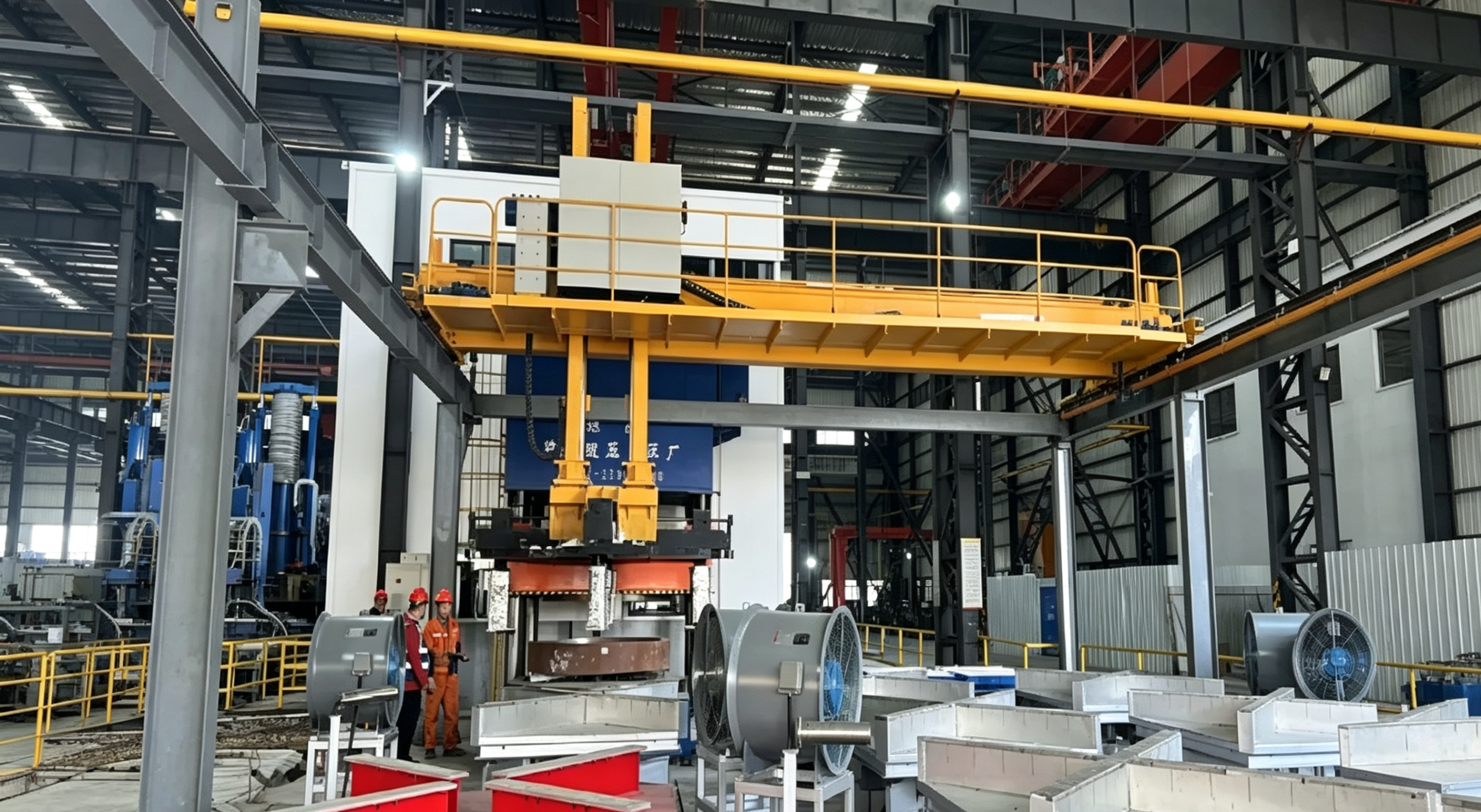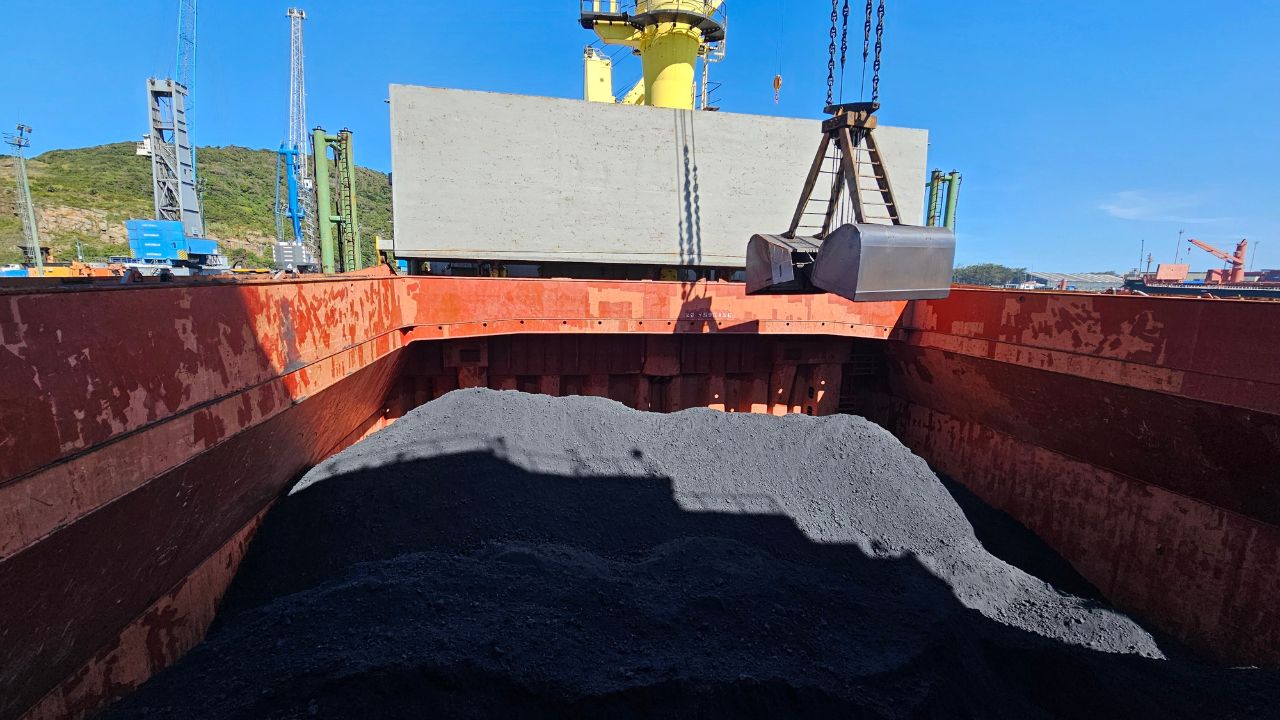
Both tower cranes and gantry cranes can lift very heavy loads. They can lift goods in mid-air.However, their structures and applications are completely different. If you only see the similarities in their unloading operations, while ignoring the core differences, you will create hidden safety hazards during lifting operations and also waste costs. This article will explain the differences between the two in detail.
What is a tower crane?
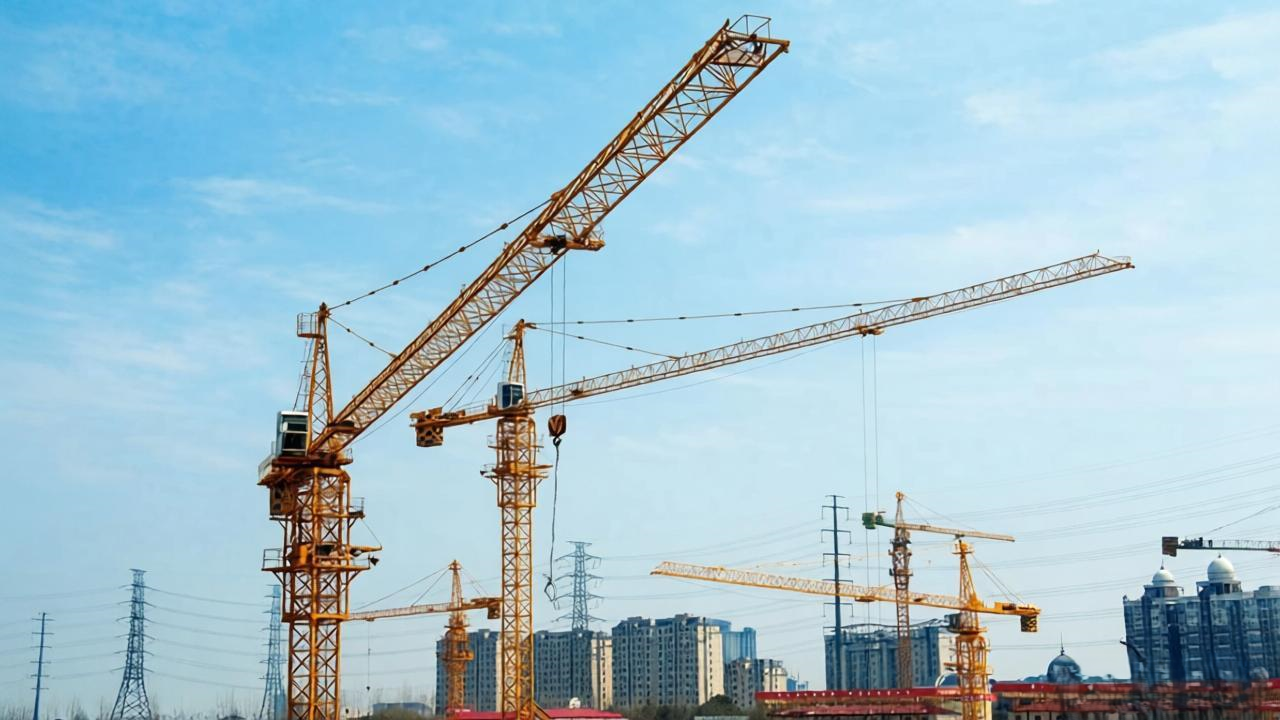
A tower crane is simply a tall, vertical column. Its top boom can rotate 360°. The hook can lift objects up and down. It can lift your building materials to any high position on the construction site. Tower cranes are powered by electric motors.
What is a gantry crane?
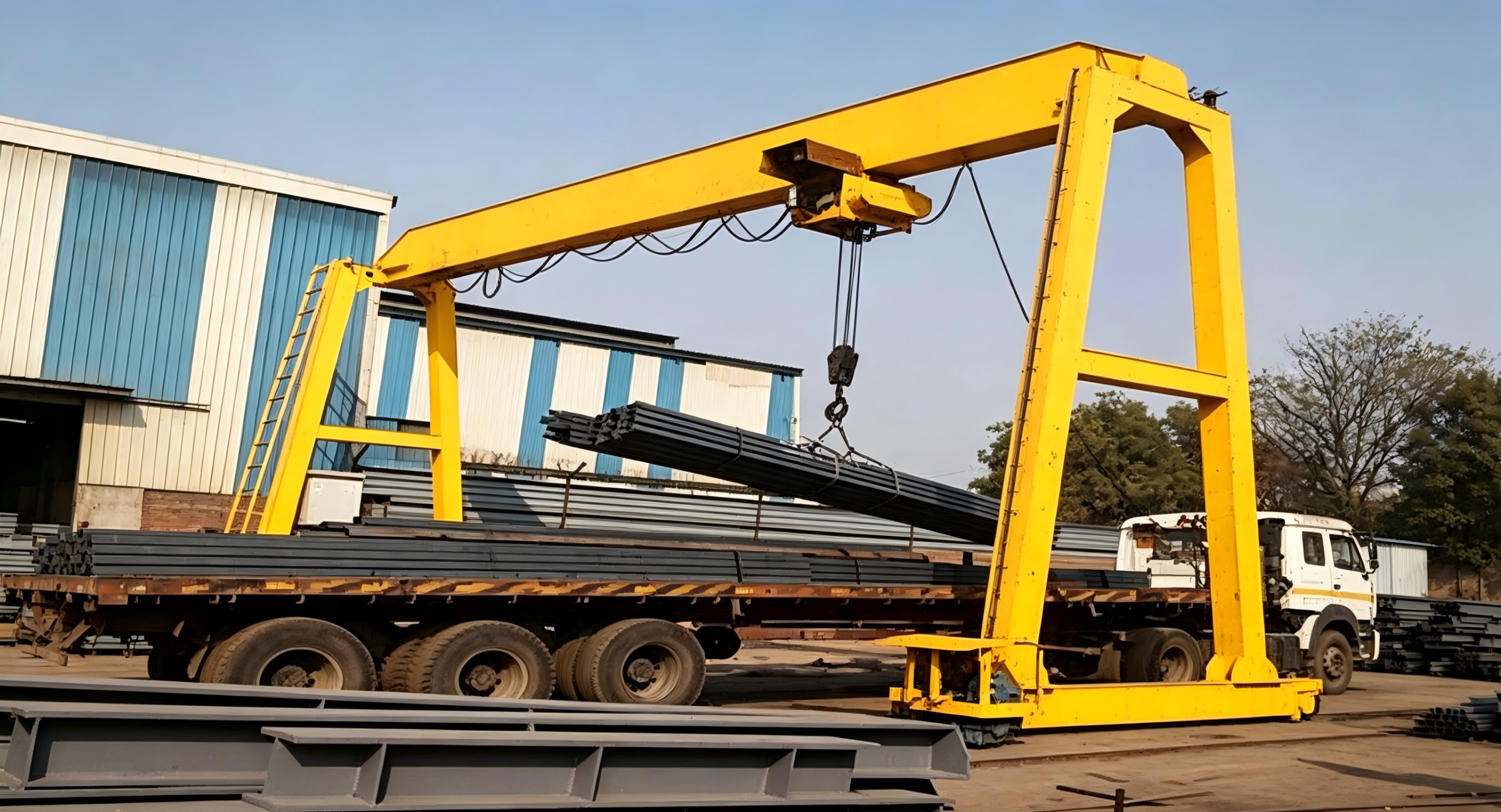
The gantry crane stands on ground tracks supported by two outriggers gantry crane spans the site like a gate. It doesn’t have a 360-degree rotating boom. However, it can move back and forth along the tracks. Or it can move on rubber tires. For lifting operations, you’ll need to use an electric wire rope hoist or a chain hoist.
Top Differences Between Tower Crane and Gantry Crane
Structure
Tower crane structure
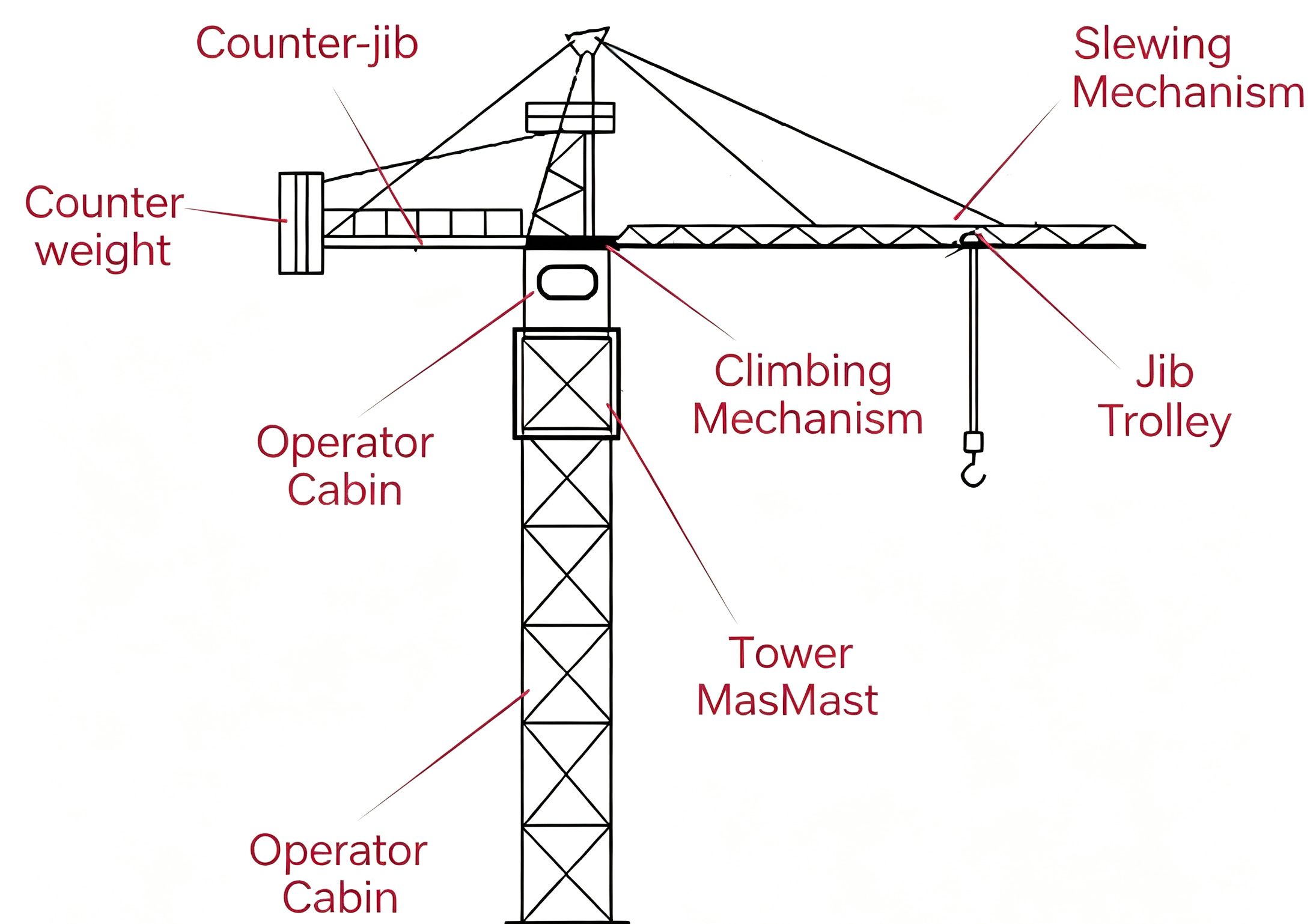
Tower cranes have a relatively complex structure. The structure consists of a tower body, a slewing assembly, a boom, a counterweight boom, and a tower top.
The tower crane is raised using hydraulic power, and the upper part can rotate freely. A counterweight is added to balance the load. It features a horizontal jib with a trolley and a luffing jib without a trolley. You do not need rails for this crane, as you fix its base firmly on the foundation.
Gantry crane structure
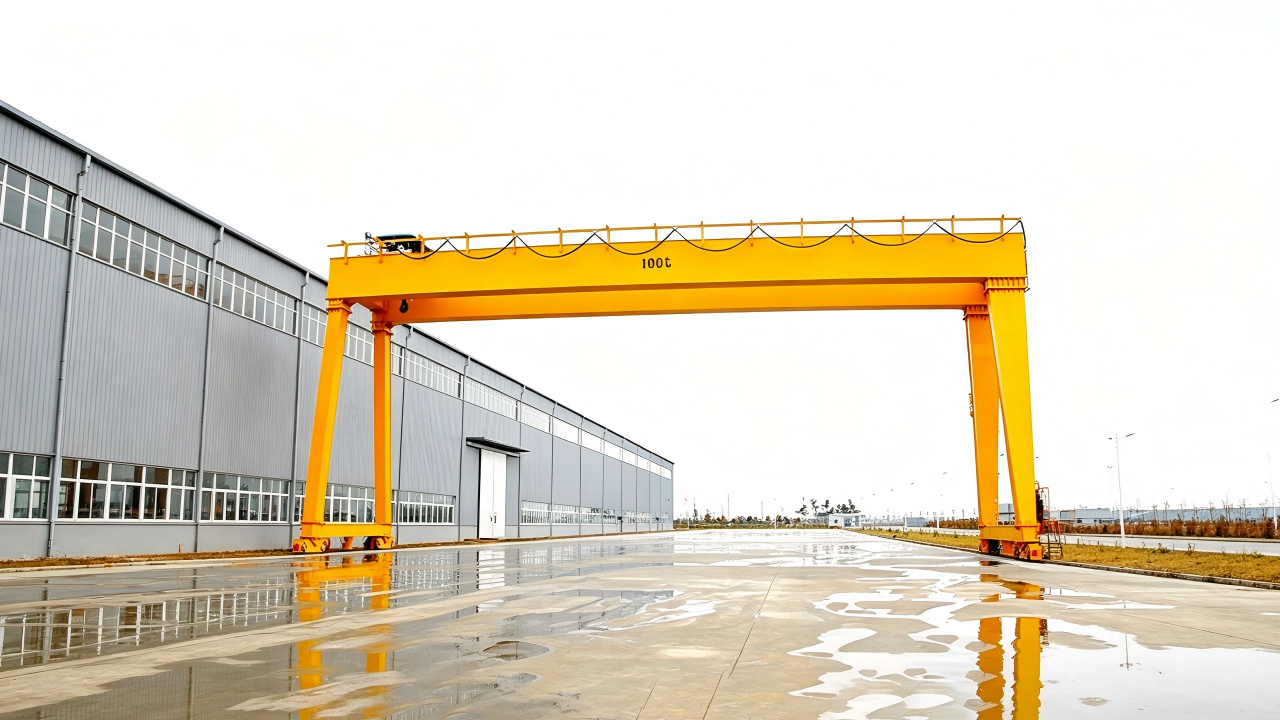
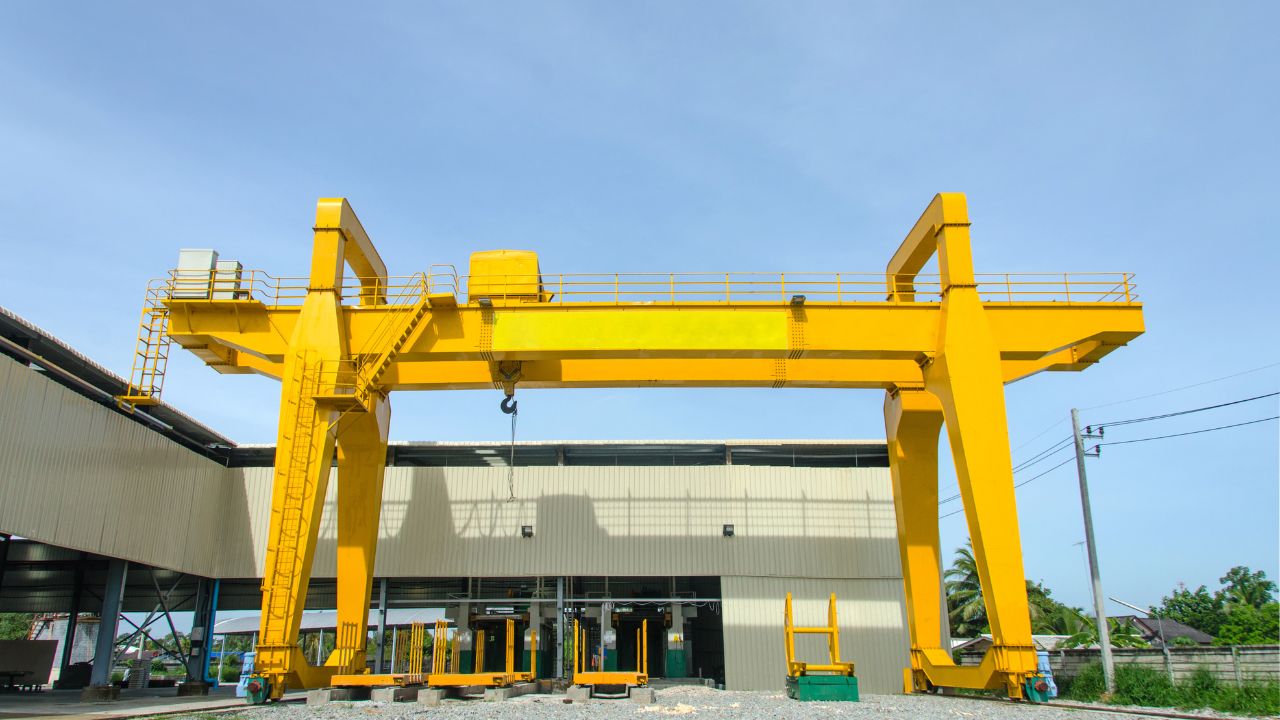
Gantry cranes use a horizontal frame structure and operate stably on ground rails. Their main components include the main beam, vertical legs, end beams, wheels, and maintenance walkway platform.
You can move the hoisting trolley left and right along the main beam, while the accompanying electric hoist performs vertical lifting. The end beams connect the two vertical legs and bear the weight of the entire crane.
You can drive the entire machine back and forth along the rails. Unlike tower cranes, gantry cranes do not have a 360° rotating superstructure; therefore, they cannot automatically increase their height during operation.
Structural differences table
The differences in their structural types are shown in the table below.
| Item | Tower Crane | Gantry Crane |
| Main frame | Vertical lattice tower | Horizontal door‑frame |
| Base | Fixed heavy concrete foundation | Rail‑mounted, moves on rails |
| Height adjustment | Hydraulic jack‑up, add sections for higher height | Cannot raise height by itself |
| Rotation | 360° full slewing upper part | No slewing function |
| Anti‑tilting method | Rear counterweight boom with counterweights | Structural stiffness + rail restraint, no counterweight |
| Travel mode | The whole machine is fixed in position | The whole crane travels along the ground rails |
Type
Gantry cranes and tower cranes are different types. They are distinguished by their rotation position. They are divided into top-slewing tower cranes and bottom-slewing tower cranes.
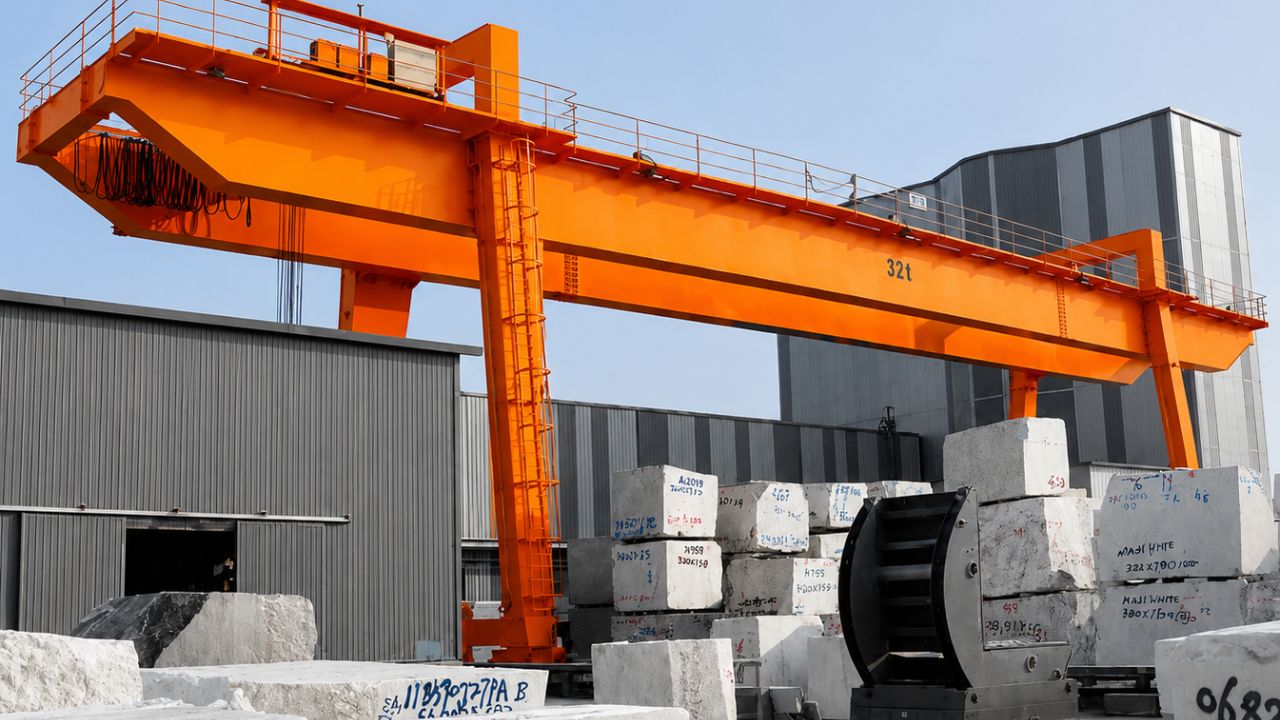
There are many types of gantry cranes. You can roughly categorize them as Single-girder gantry crane, Double-girder gantry crane, Semi-girder gantry crane, Rail-mounted gantry crane, and Rubber-tyred gantry crane.
The core functions of each type are different, and the specific differences are shown in the table below.
| Category | Type | Core Feature |
| Tower Crane | High‑level slewing | Tower fixed; only upper part rotates; height can be increased |
| Low‑level slewing | The entire tower rotates together; the height is limited | |
| Gantry Crane | Single‑girder gantry crane | One main beam, low cost, limited rigidity |
| Double‑girder gantry crane | Two main girders, high strength, large span | |
| Semi‑gantry gantry crane | One leg on the ground, one side supported by the building | |
| Rail‑mounted gantry crane | Runs on rails, fixed travel path, large load | |
| Rubber‑tyred gantry crane | Rubber tire travel, steerable, no rails needed |
Cost
Bare machine
You spend significantly more money on a tower crane than on a gantry crane. Because tower cranes have a more complex structure. The cost of a bare machine is even higher. Furthermore, you need to build supporting facilities around the bare machine.
This adds to your costs. Gantry cranes, on the other hand, are cheaper than tower cranes for the same tonnage, both in terms of infrastructure and the bare machine itself.
Installation and removal costs
Tower cranes require specialized high-altitude teams for installation and dismantling.
The safety and risk associated with them are not as high as those with gantry cranes.
Gantry cranes, on the other hand, do not require specialized teams; the basic knowledge is simple. Installation and dismantling are not complicated. They also do not require specialized teams. This saves a lot of time and money.
Long-term effects
Tower cranes generally have high operating costs. They are suitable for short-term construction projects. Gantry cranes, if properly maintained, can bring significant revenue to a factory. And they have a long service life. Therefore, gantry cranes have the lowest overall costs.
Application areas
The application of a crane depends on its characteristics.
Tower cranes are suitable for high-altitude operations. For example, when you need to transport materials to a high-rise construction site.Or when the working radius is circular.Or when your construction environment is very confined. Therefore, tower cranes are suitable for high-rise residential buildings. For use on urban construction sites.
Gantry cranes require a very open space. And do not require high-altitude operations. They are used for long-term, fixed-location lifting and repetitive lifting. For example, if you need to transport goods at a dock. Gantry cranes can be used for moving objects in material storage areas, railway freight yards, prefabrication yards, scrap metal recycling plants, etc.
Tower Crane And Gantry Crane: Which One Should You Choose?
Choose a Tower Crane If:
- When you need to lift objects to high-rise buildings.
- When the crane’s range is limited, and the operation needs to be long-distance.
- During construction, the height needs to be continuously increased.
- The operation requires comprehensive, multi-angle coverage.
Choose a Gantry Crane If:
- When you need to move objects at a fixed height or low altitude.
- When you load and unload trucks, stack materials, or move large items.
- When can repeatedly work in one place for an extended period.
- When you need to lift large tonnage objects in a factory workshop.
FAQ
Can a Tower Crane Be Used in a Factory?
You can use tower cranes when building a new factory. It can rotate and lift large items to very high positions. However, if your factory needs to repeatedly lift, stack, load, and unload goods every day, a gantry crane would be more suitable.
Which crane is better for a shipyard?
Shipyards are better suited for port cranes. Shipyards are typically fixed work areas. They can repeatedly lift large loads. Therefore, gantry cranes are more suitable. Using tower cranes might lead to accelerated wear and tear due to repeated rotation. And they require a large floor space. They are not suitable for locations used for transporting goods.
What Factors Determine the Travel Distance of a portal crane?
The travel distance of a gantry crane is the distance it moves back and forth along the track.
This distance is affected by factors such as the total length of the track, ground foundation conditions, safety limit devices, your factory site conditions, and the power supply system.
The track length is determined by the size of the factory building.
The factory building’s dimensions determine the maximum track length. A buffer zone needs to be left at both ends of the track for deceleration and collision prevention. If your factory foundation is inadequate, the track’s travel distance will need to be shortened. Additionally, the cable on the cable reel will not be long enough. The machine will not be able to complete the entire track.
Can One Gantry Crane Serve Multiple Workstations?
Yes. A single gantry crane, provided its track is long enough, can cover all workstations and serve multiple workstations. However, you need to consider the workload. If multiple workstations need to lift things simultaneously, a single gantry crane will be insufficient,
slowing down the overall production schedule. The power supply system also needs to be compatible with the entire travel distance. In this case, you can appropriately increase the number of gantry cranes.
How Does Weather Affect Outdoor Gantry Crane Operation?
Gantry cranes can be used both indoors and outdoors. With so many extreme weather events these days, gantry cranes will definitely be affected. In the event of a strong typhoon,
excessive winds may blow the gantry crane out of position. You can use wind-resistant anchoring devices to lock the gantry crane in place. During thunderstorms or when the tracks are covered in snow or ice, it is recommended to suspend work.
Quality Crane Solutions for Industrial Lifting Projects
Dingya supplies gantry cranes, bridge cranes, and electric hoists. Compliant with CE and ISO standards. Customized solutions are available for shipyards, prefabrication plants, and factories. Complete installation and maintenance documentation, along with remote technical support.Reliable quality and outstanding cost-effectiveness.Eliminating your worries about lifting projects.