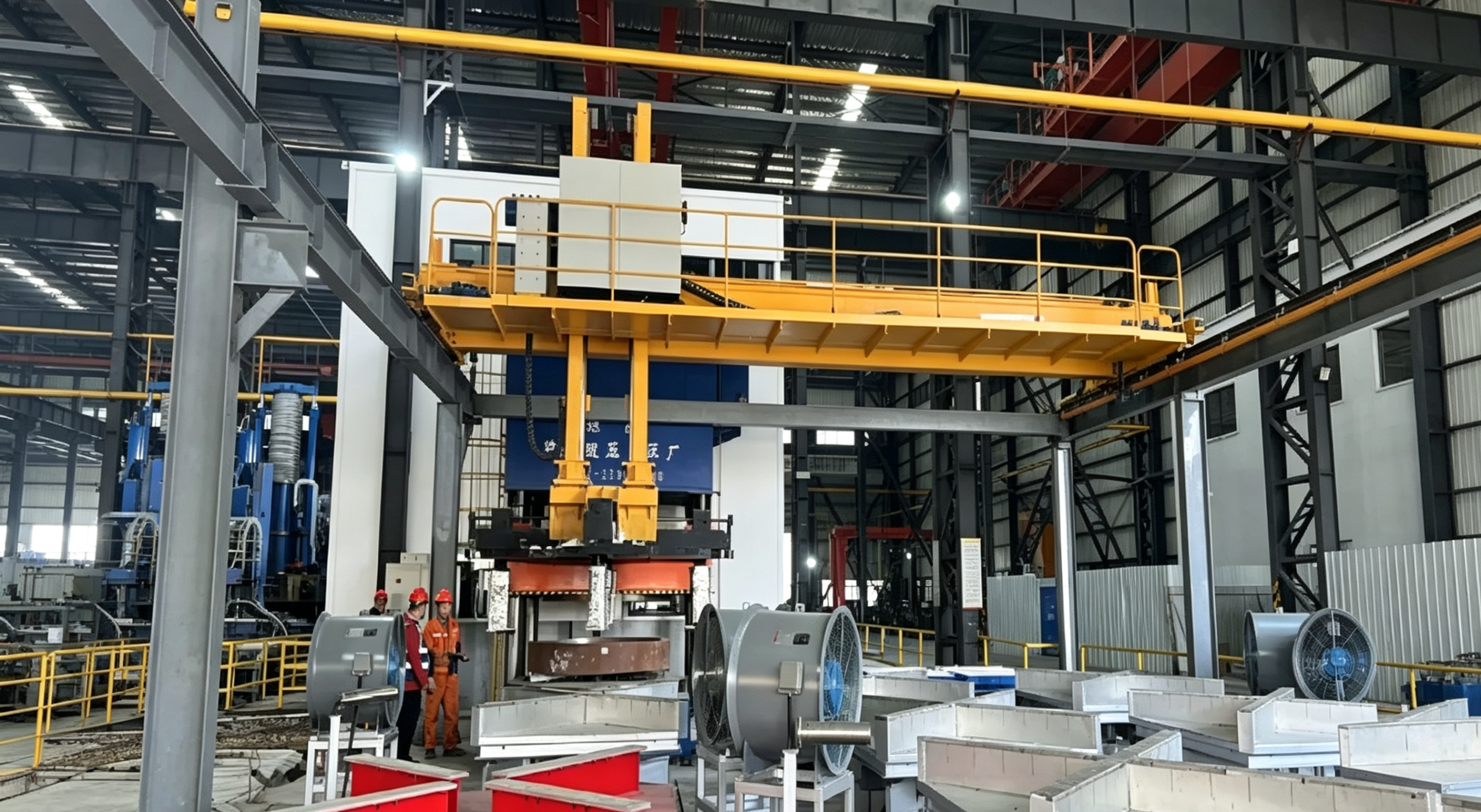
Choosing the wrong crane components can lead to equipment downtime and production losses. It can be hard for you to find replacement parts. This article helps you understand its components and improve overhead crane safety
What is an Overhead Travelling Crane?
An EOT crane (Electric Overhead Travelling Crane) consists of several key parts.
You can think of an overhead crane as a versatile lifting tool that works for most factory tasks, for example:
- General machine shop
- Cleanroom precision workshop
- New energy production plant
- Nuclear power plant
- Metallurgical smelting workshop
- Light industrial processing plant
- Large indoor warehouse
What Are Overhead Crane Components and Why Are They Important?
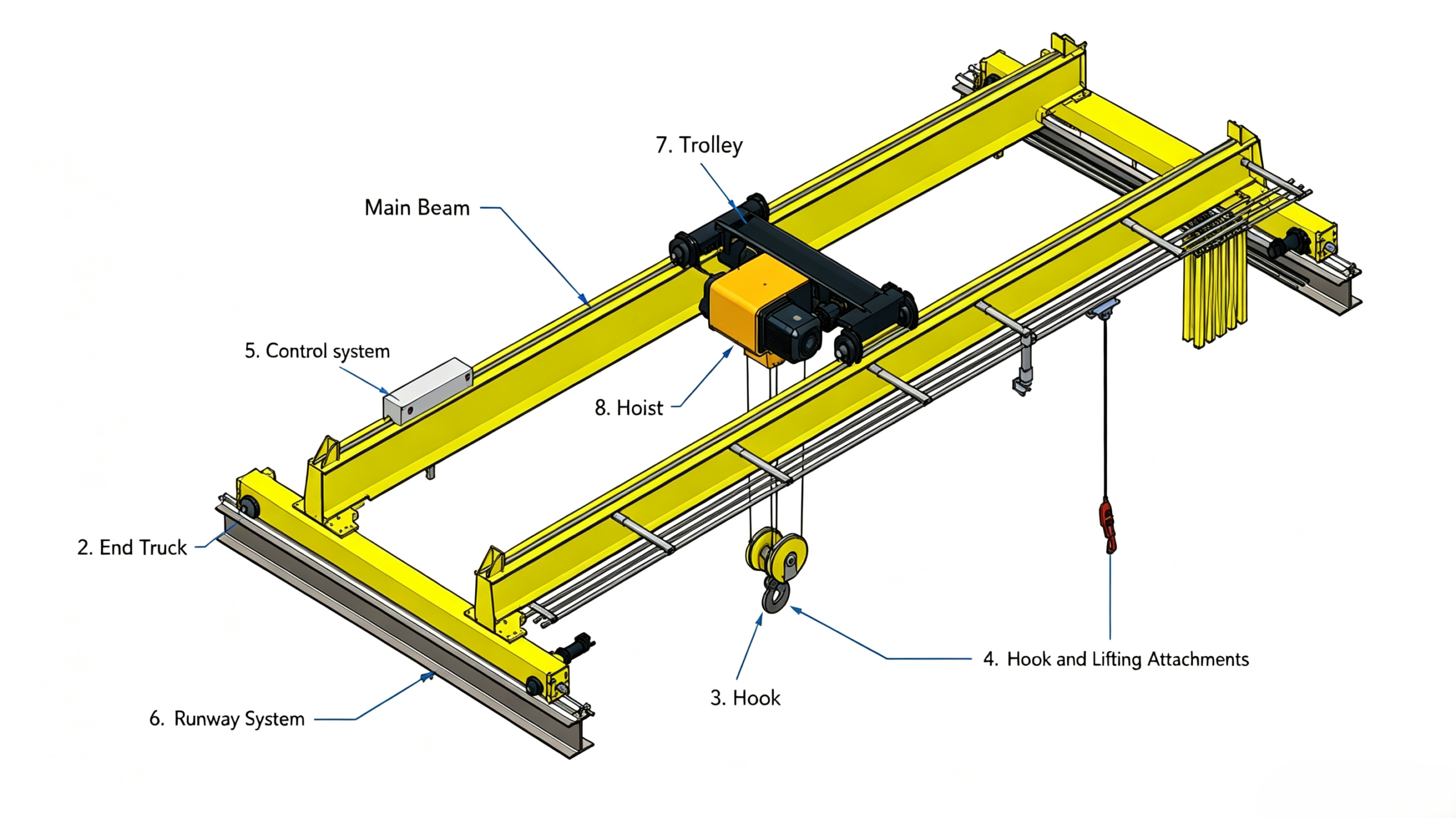
Although the structures of various bridge cranes on the market are different, every bridge crane you come into contact with will be equipped with several basic core components: main beam, end truck, runway system, trolley, hoisting, hook, and control system.
1. Main beam
You can view the main girder as the key load-bearing part of your overhead crane, and it’s the most important and heaviest component of the whole machine. Across your workshop. This beam bears the weight of the lifted goods and the crane itself. The main beam determines the load capacity, the area it can cover, and the stability of its operation. It is the core of ensuring the safety of lifting operations.
If your main girder uses thin steel plates or poor welding. The main beam deforms, bends, and cracks when you lift heavy loads. This could lead to serious safety incidents, such as cargo falling, damage to factory facilities, and worker injuries.
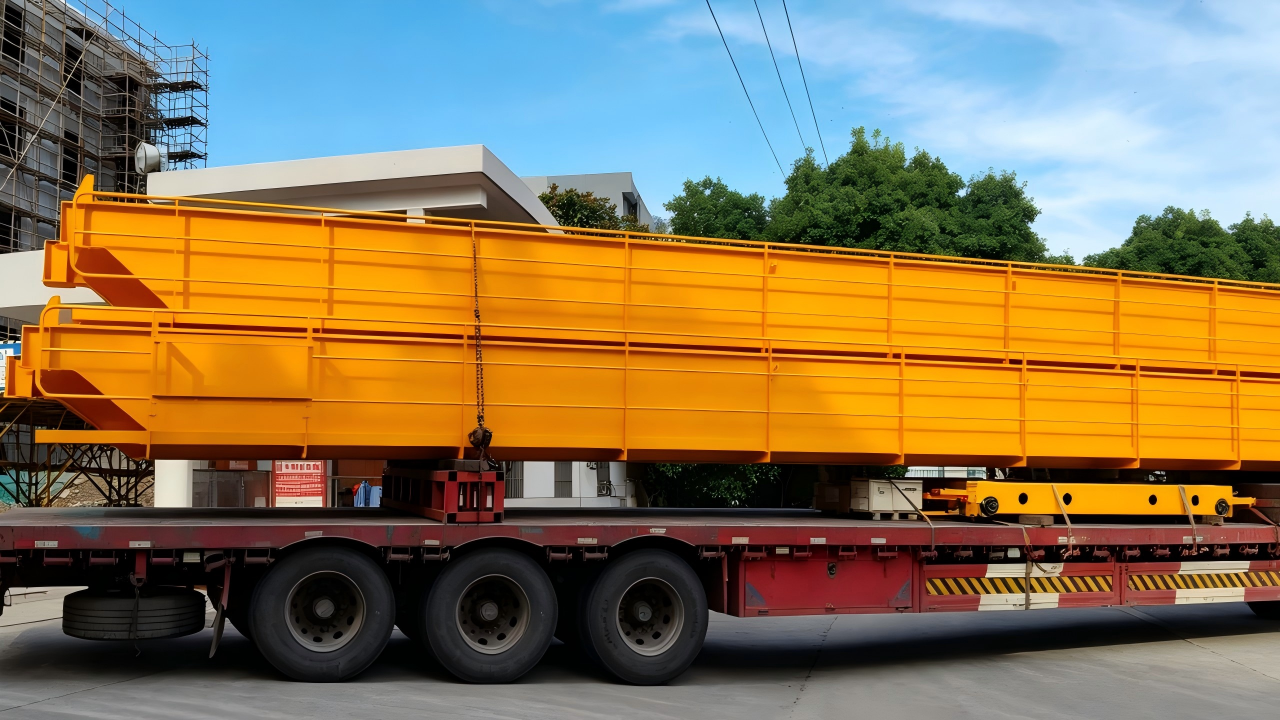
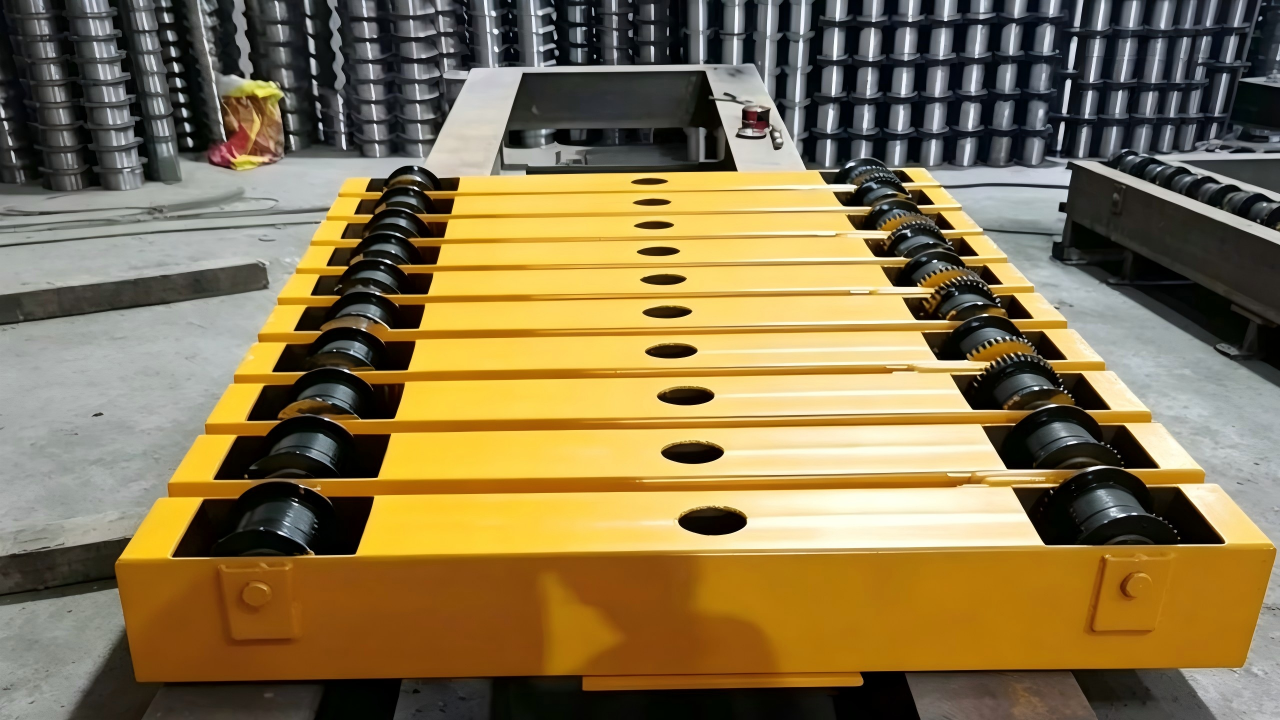
2. End Truck (End Beam / End Carriage)
The end beams are installed at both ends, providing stable support for the factory’s elevated tracks and the entire main beam. The end beams are equipped with wheels. The wheels roll on the factory tracks, propelling the entire cable tray forward and backward; they serve to connect and secure the entire machine.
If the end beams are of poor quality or have insufficient load-bearing capacity, the crane may deviate from its tracks or derail during operation; if the end beams break, the entire crane will fall, significantly increasing downtime, maintenance costs, and safety risks, and including your production schedule.
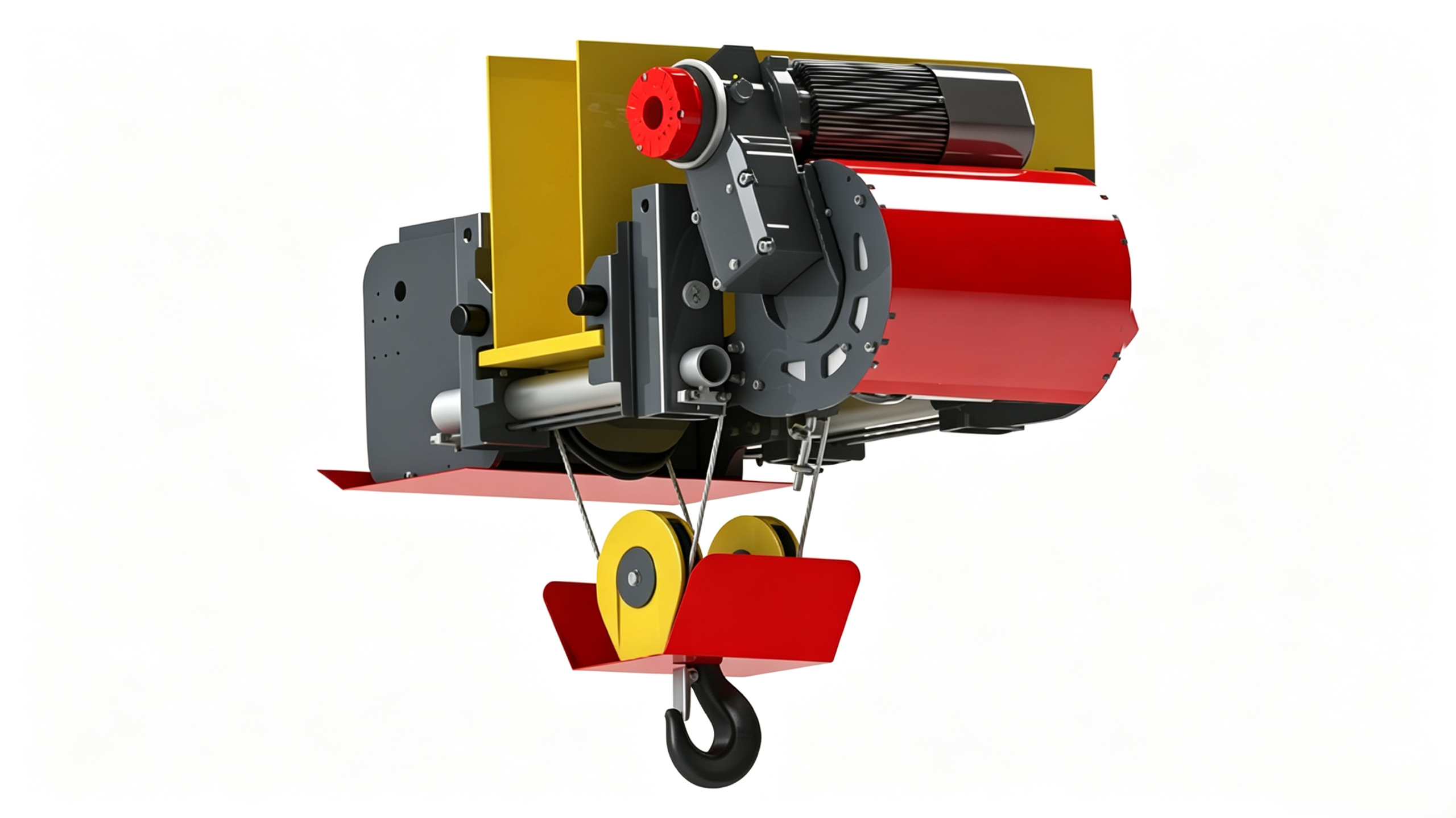
3. Hoist
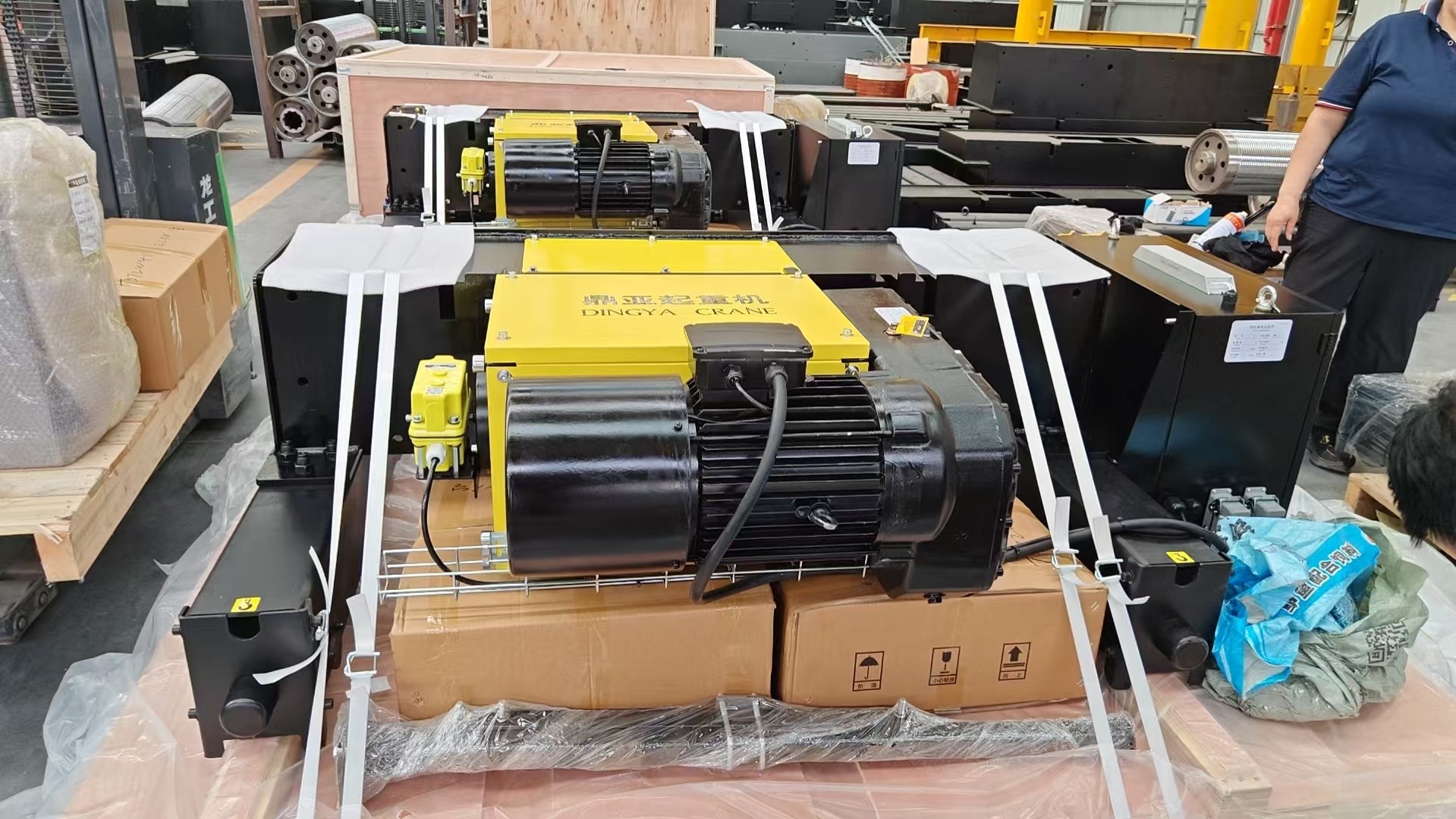
The hoist includes a motor, wire rope, drum, brake, and reduction gear system. You can control the up-and-down movement via the controller. When operating the hoist, it smoothly raises and lowers the hook and load by winding and releasing the wire rope, completing all heavy lifting and unloading tasks.
Cheap lifting mechanisms can lead to brake failure, wire rope slippage, and loss of lifting control.
This will not only damage your workpieces and machine tools, but also disrupt the production line, causing huge economic losses.
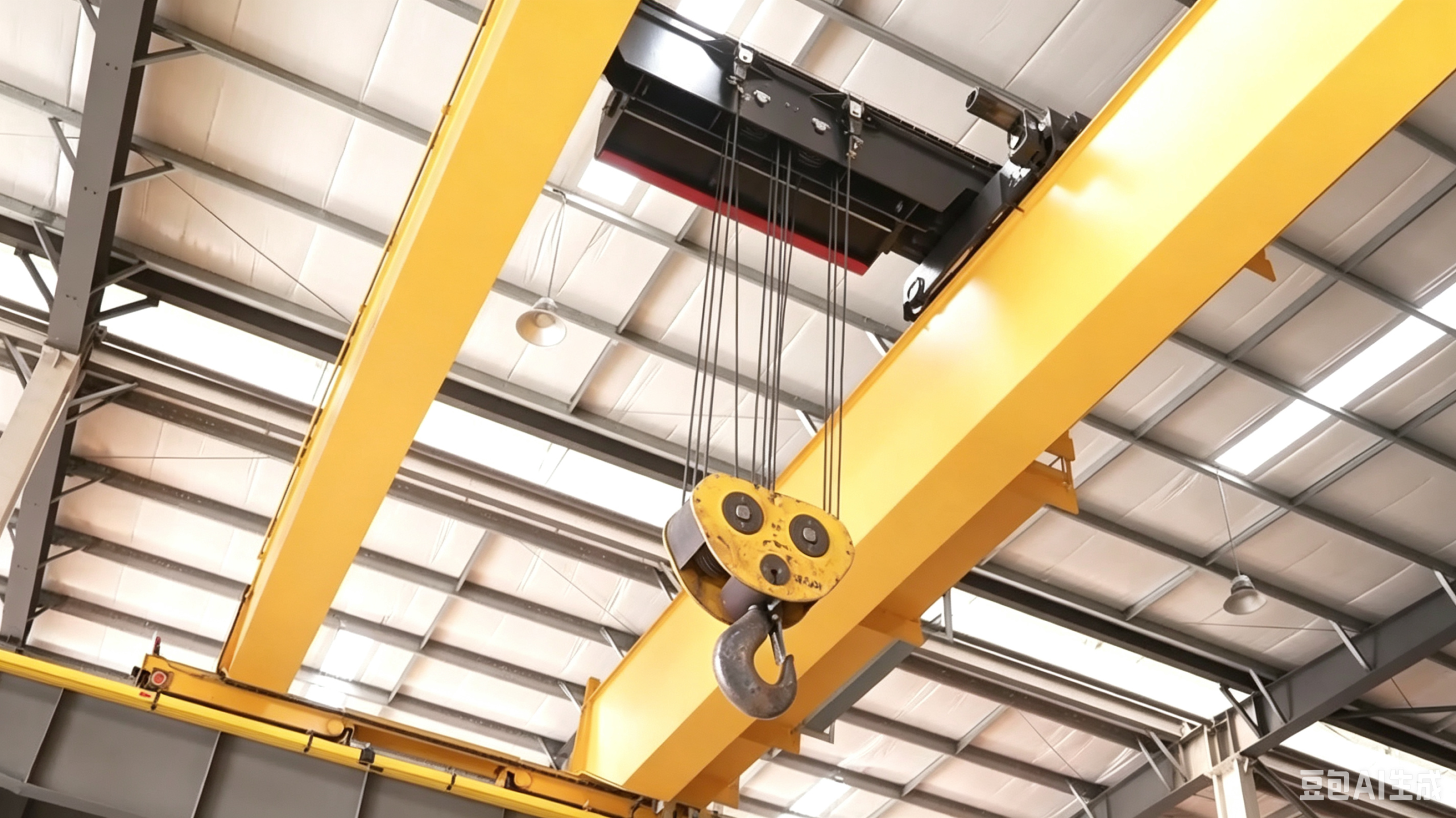
4. Hook and Lifting Attachments
You can think of the lifting equipment as a type of handheld tool.
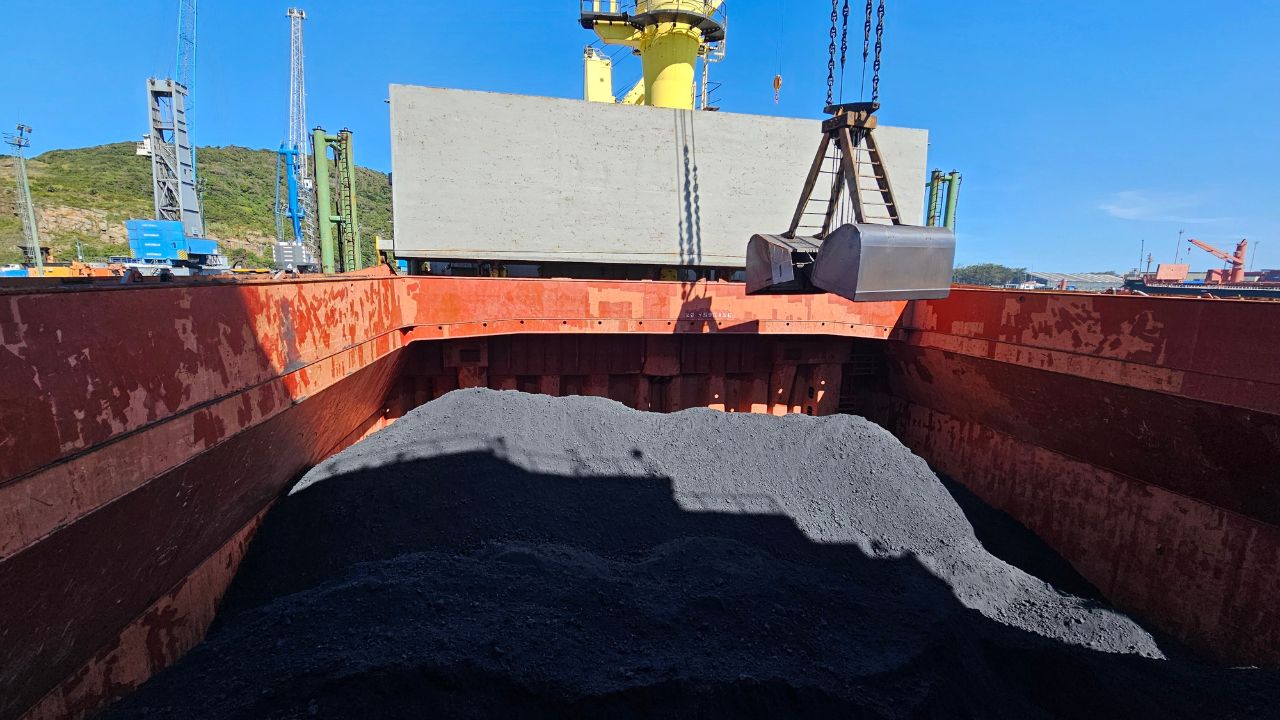
The hook is the component that directly grips the load. Standard hooks are suitable for lifting heavy items such as steel plates, equipment, and molds, as well as for handling bulk materials, granules, sand, gravel, and scrap steel.
Hooks can be interchanged to suit the specific characteristics of the load. The type of lifting equipment directly determines the kinds of loads it can handle.
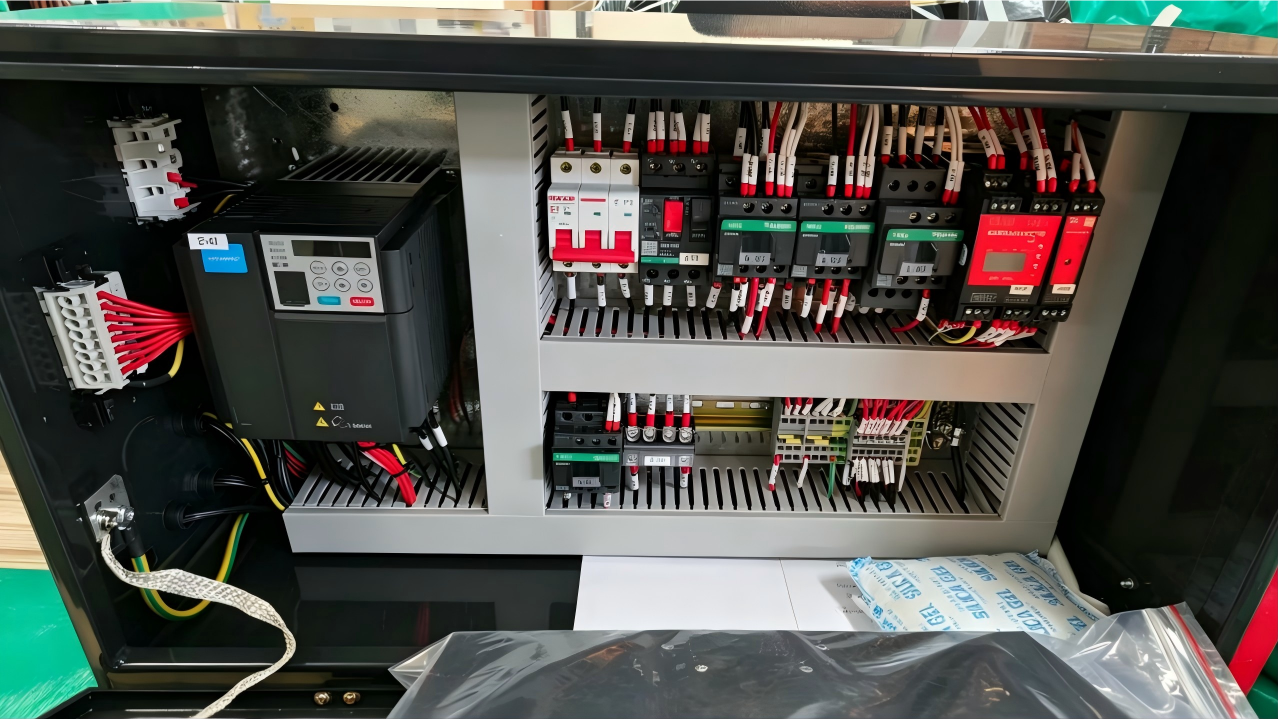
5. Control system
Every operation of a crane relies on its control system. This system includes an electrical cabinet, remote control, handles, and limit protection circuits. Built-in safety protection devices help reduce safety risks such as overload, limit switches, and leakage current, ensuring stable and safe equipment operation.
In the absence of adequate safety measures, or in the event of operational errors, safety hazards may arise within the workshop, such as electric shocks or equipment burnout, posing a threat to the safety of the factory.
6. Runway System
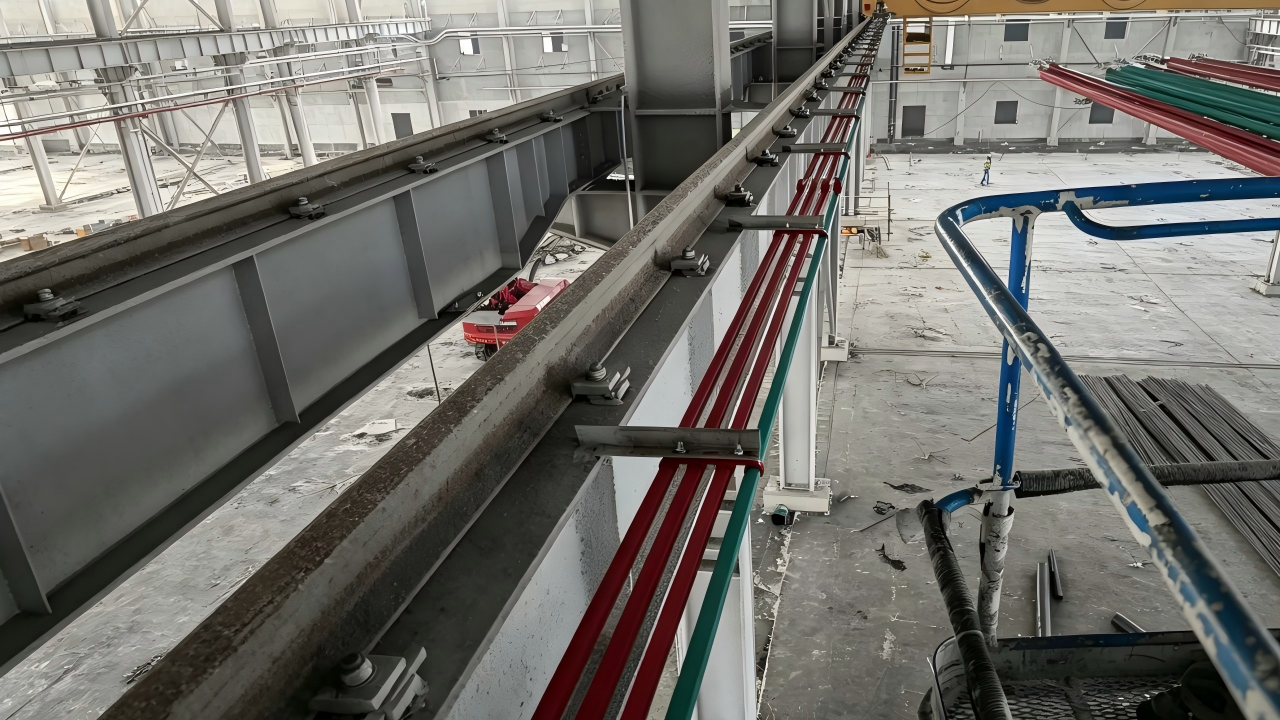
The runway system allows a crane to move smoothly within a factory. It typically includes track beams, tracks, and support structures. The crane’s end beams run on these tracks, enabling the entire crane to cover the entire work area.
A high-quality runway system ensures stable crane operation and reduces problems such as vibration, track wear, and misalignment. A bad structure design can affect performance, increase maintenance costs, and shorten the equipment’s lifespan.
7. Trolley
The trolley is mounted on the bridge of a bridge crane. It carries the hoist and moves left and right along the main beam. This allows the hook to reach different positions within your work area. The trolley works in conjunction with the hoist. It can precisely lift and position your goods. A high-quality trolley provides smooth operation. This is especially important for factories that require frequent material handling.
How do you choose the right spare parts for an overhead crane?
To select the appropriate spare parts, you should check:
- Crane model and specifications
- Lifting capacity
- Component brand and model
- Installation dimensions
- Operating environment
- Original equipment manufacturer requirements
Using incompatible spare parts may affect the crane’s performance, safety, and service life.
FAQ
What Are the Main Causes of Bridge Crane Accidents?
- If you consistently lift overweight loads, overload the crane for extended periods, start and brake abruptly, or pull loads at an angle, the load is likely to fall, causing workers to be crushed and injured.
- If you can’t find a professional crane installation team and modify the main beam and rails yourself, it will cause unbalanced stress on the equipment, leading to deviation from the rails, rail wear, or even derailment, resulting in serious malfunctions.
- Some cranes are of poor quality; some factories cut corners in the welding of the main beam, use inferior materials in the motor, and lack complete safety protection components in the electrical control system.
How often should a bridge crane be inspected?
Check the steel cable, hook, brake, limit switches, and track within 5 minutes of startup.
Lubricate and tighten bearings and pulleys weekly, and remove dust from the motor and electrical control cabinet.
Inspect overload, main beam, oil leaks, and wheels monthly.
Inspect welds quarterly.
What environmental factors affect the lifespan of bridge cranes?
Coastal salt spray, high-temperature smelting, dust, acids and alkalis, and extremely cold environments can all accelerate crane damage. For example, it can corrode steel, wear out the motor, damage parts, and cause hydraulic system failure. For standard models, extensive rust and component failure can occur within 1-2 years.
What are the different grades of electric hoists for bridge cranes?
According to international FEM/ISO standards, electric hoists are divided into eight working grades, from M1 to M8. The higher the grade, the stronger the load-bearing capacity and the greater the continuous working capability. You can choose the appropriate bridge crane based on the daily lifting time and frequency in your workshop.
How to choose an electric hoist for an overhead crane
Before purchasing, you need to understand the following parameters:
- Rated lifting capacity: Approximately 20% higher than actual capacity.
- Minimum lifting height.
- Usage frequency.
- Operating level.
- Workshop environment.
- Power supply and control system (can be customized to local conditions).
- Core components and safety features: first-choice brand components.
What is the difference between single girder and double girder overhead cranes?
Single-girder bridge cranes have only one main girder, making them lightweight and inexpensive and suitable for light to medium lifting operations up to 10 tons.
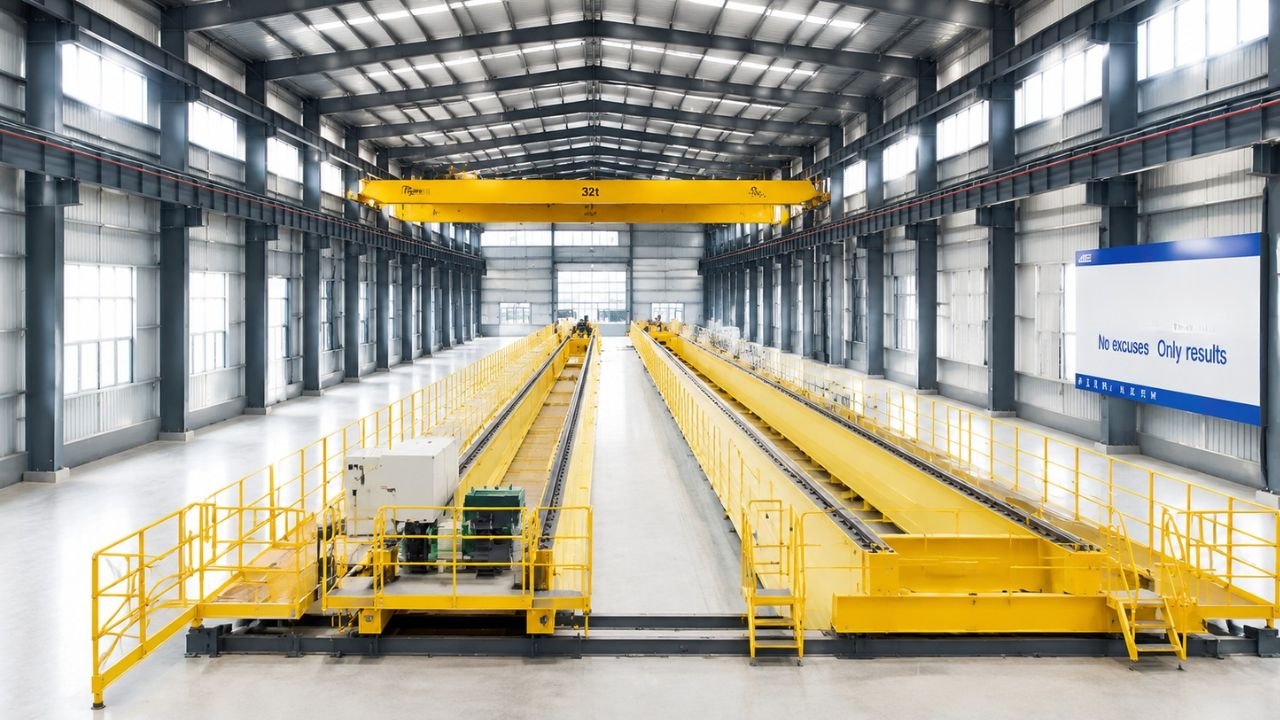
Double-girder cranes have two main girders, providing stronger load-bearing capacity and greater stability, suitable for heavy-load, high-frequency operations.
When choosing a model, first consider the tonnage, span, frequency of use, and future production capacity. Single-girder cranes are suitable for light loads, while double-girder cranes are preferred for heavy loads/continuous operations.
DINGYA CRANE designs and manufactures cranes for multiple industries
Dingya independently manufactures all components, including the complete crane unit, main girders, end carriages, hoisting mechanisms, and electrical control systems. We match the appropriate crane model and standard components to your facility’s specific operating conditions, providing durable, versatile parts that deliver optimal long-term cost-efficiency.